2027 Online Healthcare Management Master's Curriculum Breakdown: Core Courses & Specializations

Co-Founder and Chief Data Scientist
Curriculum decisions within online healthcare management master's programs directly affect professional positioning and workforce adaptability. Selecting specific core courses or specialization pathways influences employability by aligning with certification requirements and emerging industry needs, such as digital health integration or value-based care models. However, choices that deepen specialization risk narrowing career flexibility, and rigid sequencing can delay entry into critical electives. Employers increasingly prioritize candidates with applied knowledge and versatility, reflecting 2024 workforce analyses highlighting demand for operational agility amid healthcare's evolving landscape.
This article evaluates how online program structures and course selections translate into tangible outcomes beyond academic completion.
Key Things to Know About Online Healthcare Management Master's Curriculum
- Online healthcare management core courses emphasize strategic resource allocation, but a 2024 study found 42% of graduates feel practical leadership training is insufficient, affecting workplace adaptability in dynamic health settings.
- Employers increasingly seek candidates with specialization in data analytics or policy, reflecting a 35% job growth projection in these sectors through 2030; curriculum focus influences employability and career trajectory.
- The extended duration and cost of specializations can delay workforce re-entry; students must balance added expertise benefits against opportunity costs, particularly when program pacing limits immediate job market responsiveness.
What Core Courses Are Included in an Online Healthcare Management Master's Program?
Core coursework in online healthcare management master's programs often functions as a key structural indicator of how well a program aligns academic rigor with the practical demands of healthcare administration roles. This foundational curriculum not only imparts vital knowledge but also sets a pacing framework that influences how students manage workload intensity and specialization choices, given that many employers now expect graduates to demonstrate versatility across regulatory, financial, and technological domains.
- Healthcare Systems and Policy: This course provides a critical lens on the frameworks governing healthcare delivery, emphasizing the regulatory and policy environments that professionals must navigate. Understanding these systems is essential for compliance and strategic leadership, especially as healthcare laws and reimbursement models continue to evolve.
- Financial Management in Healthcare: Focused on budgeting, accounting, and financial decision-making within healthcare settings, this course addresses real-world challenges like cost containment and resource allocation. Proficiency here is increasingly demanded since almost 40% of organizations cite financial pressures as a core obstacle to sustainability.
- Healthcare Informatics and Technology: With growing reliance on data analytics and electronic health records, students acquire skills to leverage technology for improving patient outcomes and operational efficiency. This coursework supports advanced specialization by integrating applied IT tools that are critical in modern healthcare environments.
- Leadership and Organizational Behavior: This segment cultivates competencies in managing diverse teams, driving change initiatives, and effective communication. It addresses the complexity of interdisciplinary coordination and workforce diversity management, areas frequently highlighted in job postings for mid-to-senior level healthcare administrators.
- Research Methods and Evidence-Based Practice: Emphasizing analytical rigor, this course trains students to critically appraise healthcare studies and apply data-driven strategies. Mastery here is indispensable for integrating continuous quality improvement and patient safety protocols into organizational practices.
For learners seeking additional healthcare-related credentials, exploring PharmD online programs may offer complementary pathways that extend professional scope beyond core healthcare management competencies.
What Specializations Are Available in Online Healthcare Management Master's Programs?
Specializations in online healthcare management master's programs are pivotal academic choices shaping skill sets, job market competitiveness, and career trajectories. Selecting the right concentration affects not only immediate employability but also the long-term alignment with industry demands and the complexity of program requirements such as internships or technical workload.
- Healthcare Informatics centers on data analytics, health IT systems, and digital healthcare innovations. Graduates develop competencies to manage electronic health records and telemedicine platforms. Growth in this specialization is underscored by a 2024 Health IT Workforce Coalition report projecting a more than 20% increase in demand through 2030, reflecting the sector's digital evolution and strong employer interest.
- Health Policy and Management immerses students in regulatory frameworks and public health administration. This track suits those targeting roles in governmental or large organizational settings where policy compliance is critical, but it often features a theoretical focus with fewer clinical applications, which may limit hands-on experience for some students.
- Healthcare Finance trains professionals in budgeting, reimbursement, and financial strategy amid increasingly complex healthcare funding systems. It typically appeals to individuals with business acumen; however, mastering quantitative financial models is essential to meet employer expectations in this demanding area.
- Quality Improvement and Patient Safety emphasizes operational efficiencies and clinical outcome optimization, aligning with accreditation requirements and compliance. This path commonly includes practicum components, imposing scheduling and location demands that can challenge working professionals balancing multiple responsibilities.
Can Students Choose Electives Outside Their Specialization?
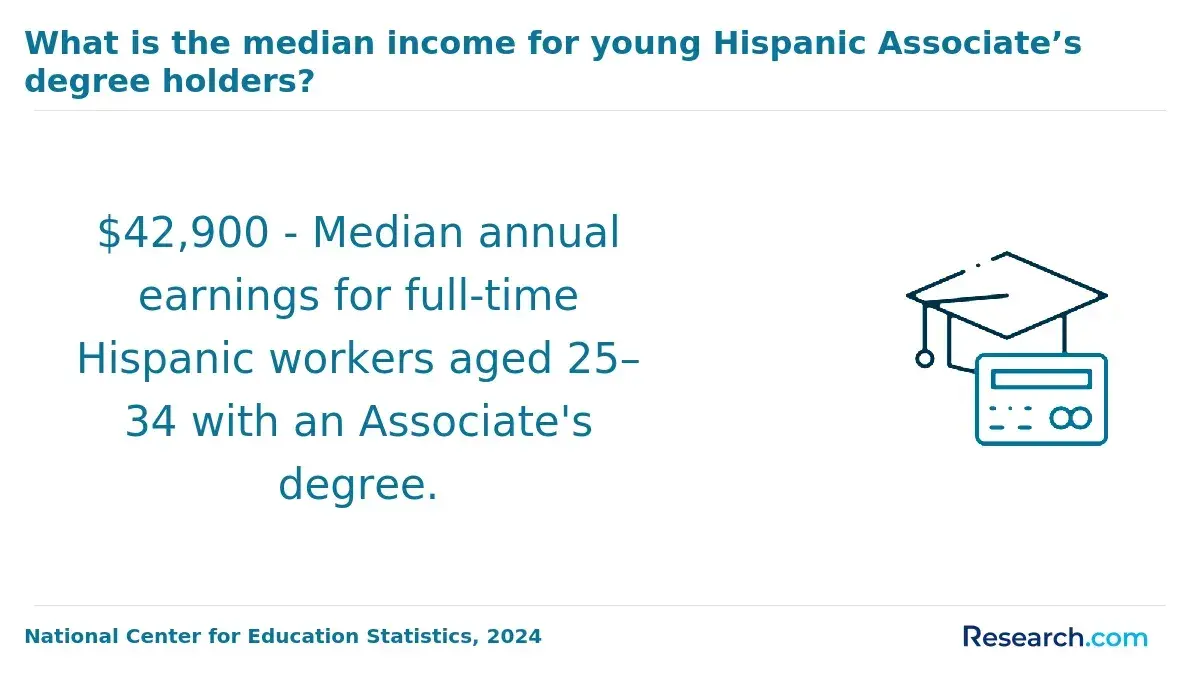
Within online healthcare management master's programs, the ability to select electives outside one's specialization is primarily shaped by structured curriculum requirements and institutional policies. Most programs enforce a core set of courses that must be completed in sequence, often requiring academic advisor approval before students can deviate into cross-specialization electives. Seat limitations and prerequisite chains further restrict access, narrowing choices especially in popular or resource-intensive courses. According to data from the National Center for Education Statistics in 2024, around 58% of healthcare administration graduate programs offer limited flexibility for cross-specialization electives, illustrating a cautious balance between foundational depth and interdisciplinary breadth.
The decision to pursue electives beyond a primary focus involves tangible tradeoffs affecting both skill development and career trajectory. While diversifying course selections can enhance adaptability and open roles requiring broader competencies, it may also dilute domain expertise that employers in healthcare management typically prioritize. Expanding electives outside one's specialization can extend program duration or increase workload, impacting time-to-completion and financial resources. For example, a student who supplements a specialization in healthcare informatics with electives in healthcare finance might gain strategic insight but risk lessening mastery critical for certification and competitive roles.
A recent graduate shared how the rolling admissions schedule influenced elective planning. Initially uncertain about acceptance timing, they hesitated to finalize electives, fearing late entry would limit options and delay progression. When a spot opened unexpectedly, they quickly consulted their advisor to adjust their plan, securing cross-specialization courses aligned with emerging healthcare policy trends. This experience underscored how admissions timing, institutional approvals, and course availability intersect to shape not only elective access but also strategic educational decisions within healthcare management programs.
How Are Online Healthcare Management Master's Courses Delivered?
Online healthcare management master's program delivery formats commonly blend asynchronous learning with synchronous elements to accommodate varied schedules. Most coursework relies heavily on recorded lectures and interactive modules, allowing students to navigate core subjects like financial management and policy independently. However, synchronous sessions such as live webinars or group discussions are integrated strategically to promote real-time collaboration and simulate in-person engagement. This hybrid participation model reflects a balance designed to support diverse learning preferences while meeting academic objectives.
As over 65% of graduate healthcare students engage mainly with asynchronous content, effective time management is critical for staying on track amid competing professional and personal demands. The virtual course structure for healthcare management master's degrees requires disciplined pacing since self-directed study lacks the immediate accountability of traditional classrooms. Students juggling full-time employment often face challenges maintaining consistent interaction, which can impact peer networking and practical skill development. For some, this format enhances flexibility; for others, it necessitates reflective planning to ensure meaningful participation, especially when live components are limited.
Tradeoffs between flexibility and engagement affect both learning outcomes and program completion rates. While asynchronous elements afford learners the convenience to absorb material at their own pace, they demand proactive scheduling to meet deadlines and actively participate in discussion forums. Synchronous activities, though fewer, enrich skill development in communication and teamwork essential in healthcare settings, but require availability during designated times. Prospective students should weigh how these delivery models align with their professional responsibilities and educational goals, especially when selecting specialized tracks that may include virtual labs or capstone projects tailored to applied competencies.
Those exploring advanced healthcare roles may also consider related pathways such as the online PhD nursing if seeking deeper clinical or research focus.
Which Core Classes Are Considered the Most Challenging?
Core classes in online healthcare management master's programs often become challenging due to their demand for advanced analytical skills, regulatory comprehension, and practical application under complex conditions. Subjects like Healthcare Finance require students to interpret financial data, budgeting processes, and reimbursement strategies-skills that presuppose comfort with quantitative reasoning and economic principles rarely emphasized in clinical backgrounds.
Health Informatics adds a layer of technical complexity by integrating electronic health records, data security, and system management, requiring mastery of evolving digital tools. Similarly, Healthcare Law and Ethics challenges learners to decode legal jargon and apply ethical standards within diverse organizational contexts, posing difficulties in abstract and critical thinking rather than rote memorization.
Performance in these demanding core courses significantly influences a student's ability to specialize and meet employer expectations for capable leadership in healthcare settings. For example, mastering Healthcare Finance is often critical for roles focused on operational efficiency, where missteps in budgeting understanding directly affect resource allocation decisions.
A 2024 study from the National Center for Education Statistics noted that 62% of students identified Healthcare Finance as the most difficult core course, underscoring its widespread impact on program progression. The practical requirements of these courses reflect real-world pressures where knowledge gaps can hinder managerial effectiveness and limit career trajectory, especially for students transitioning from clinical or non-technical fields.
One online healthcare management student recalled hesitating during the rolling admissions cycle over whether to apply immediately or delay, concerned about preparation for quantitative coursework like Healthcare Finance. They feared an early start without sufficient mathematical readiness might cause delays in successfully completing the program. Ultimately, the student decided to wait until they could complete a foundational finance essentials workshop, choosing preparation over speed-an approach many find necessary when core course demands weigh heavily against prior experience.
Do Online Healthcare Management Master's Programs Require Internships or Practicums?
Online healthcare management master's programs differ markedly in their internship requirements, reflecting varied prioritization of experiential learning across institutions. Approximately 60% of accredited programs mandate a practicum or internship, often designed to partner students with healthcare organizations or public health entities to develop applied skills.
Other programs may offer these components as optional or replace them with project-based coursework or case studies, providing flexibility especially important for working professionals and career changers. This variation is influenced by accreditation standards, specialization tracks, and program delivery models, where some curricula integrate internships part-time or remotely alongside employment, while others structure full-time immersive practicums that simulate real-world healthcare operational challenges.
Such diverse approaches shape how the healthcare management master's practicum and experiential learning components align with student needs and workforce demands.
These divergent internship requirements carry significant practical implications. A mandated practicum can enhance job readiness and professional networking but may also introduce scheduling conflicts or extend time-to-completion, particularly for students balancing jobs and family commitments.
Conversely, programs without required internships might expedite graduation but can limit exposure to hands-on environments valued by many employers. For example, a working professional able to apply practicum experiences directly within their current healthcare role may gain immediate practical advantages, while others might face challenges securing quality placements. Data reported by the National Center for Education Statistics underscores this balance, noting that about 40% of online master's candidates pursue programs without mandatory experiential components.
Prospective students should weigh these tradeoffs carefully when exploring the variety of online healthcare management master's programs internship requirements and consider options, such as the fastest online master's in healthcare management, that align program design with their professional and academic goals.
Which Courses Are Required for Professional Certification Exams?
Online healthcare management master's programs often design their curricula to directly correspond with the competencies outlined by key certification bodies such as the American College of Healthcare Executives and the Healthcare Financial Management Association. Core courses in health policy, healthcare law and ethics, finance, and quality improvement are mapped to exam content domains, ensuring candidates acquire foundational knowledge crucial for certifications like the Certified Healthcare Manager (CHM). Specialized subjects including healthcare informatics, strategic planning, and population health are increasingly integrated to reflect evolving industry standards and niche certifications such as the Certified Professional in Healthcare Information and Management Systems (CPHIMS).
Accreditation standards and competency frameworks guide universities in structuring coursework that aligns with professional certification requirements, increasing the relevance and practical utility of the curriculum for exam eligibility and competency validation.
Failing to complete required courses or substituting electives without scrutinizing certification alignment can delay a student's eligibility for credentialing or reduce preparedness for examination content. For example, a student focusing heavily on finance while omitting healthcare law components may find gaps when attempting certifications demanding legal and compliance expertise. This misalignment often necessitates additional coursework or self-study, which extends time to certification and may hinder job placement in roles requiring immediate validation of certain skills.
According to research from the National Center for Education Statistics in 2024, over two-thirds of graduates succeeding in certification exams completed curricula explicitly tailored to those exams, underscoring the advantage of strategic program selection. Thus, prospective candidates must evaluate curriculum design critically, balancing specialization preferences with certification demands to optimize both exam readiness and career trajectory within healthcare management fields.
Do Specialization Requirements Extend Graduation Timelines?
Specialization requirements within online healthcare management master's programs are often embedded in structured sequences that involve additional credit hours beyond core coursework, typically focusing on areas such as health informatics or policy analysis. Depending on how programs arrange these specialized courses-through prerequisite chains or mandatory integrated internships-students may experience either a streamlined progression or extended completion time.
Some curricula permit concurrent enrollment in specialization classes without delaying graduation, while others require sequential completion, which can add one or two semesters. The 2024 data from the National Center for Education Statistics highlights that about 35% of students with specializations take six months to a year longer to graduate due largely to these extended credit requirements and course sequencing.
In practice, specialized tracks can introduce scheduling bottlenecks, especially if required courses are offered infrequently or during limited terms, forcing students to postpone graduation. For example, a working professional pursuing a concentration in quality improvement may find that key classes or capstones are only available once per academic year, delaying their timeline despite on-time core course completion. Limited options for elective substitution further constrain flexibility, impacting workload balance and delaying entry into advanced roles. These tradeoffs must be weighed carefully as extended study periods can increase tuition expenses and defer professional advancement, even as specialization enhances expertise and market value within healthcare systems.
How Do Healthcare Management Specializations Affect Career Opportunities?
Within healthcare management specialization career impact, employers often interpret focused coursework, applied projects, and technical competencies as proxy signals for a candidate's readiness to meet specific operational needs. Specializations effectively segment the labor market, allowing recruiters to prioritize candidates whose academic backgrounds align tightly with role-specific demands such as healthcare informatics, finance, or policy management.
According to the 2024 Bureau of Labor Statistics, graduates with such specialized credentials achieve up to a 15% higher placement rate in their areas of focus compared to generalists, reflecting the increasing preference among healthcare organizations for candidates demonstrating both technical depth and applied knowledge in priority domains.
The effect of healthcare management tracks on job prospects extends beyond immediate hireability to shape longer-term career trajectories, balancing the benefits of deep expertise against potential constraints in role flexibility. For example, a professional concentrating on healthcare analytics may qualify for data-driven decision-making positions that generalists cannot access, yet might face challenges if shifting later to broader operational leadership roles without additional experience.
Conversely, a candidate with broader but less technical training may find easier transitions across functions but encounter stiffer competition for niche openings. This dynamic is especially critical for career changers who may depend on specialization paths to enter healthcare management effectively, akin to the strategic considerations involved in deciding how to become an autopsy technician in a related but distinct healthcare segment.
How Should Students Compare Online Healthcare Management Master's Curriculum?
Comparing online healthcare management master's curriculums involves assessing structured tradeoffs that influence job readiness, scheduling feasibility, and alignment with industry certification standards. Not all programs weigh core coursework, specialization, and experiential learning equally, so students must analyze how these components affect practical skills and time-to-completion. Such evaluation directly impacts employability and long-term career relevance more than institutional prestige alone.
- Core Course Composition: Examine the balance between foundational topics-like healthcare policy, finance, ethics, and informatics-and quantitative skills such as data analytics. Programs emphasizing advanced quantitative methods often provide a competitive edge for leadership roles that require financial modeling and decision-making under uncertainty.
- Specialization Depth and Flexibility: Look for options that offer substantive concentration areas (e.g., health informatics, population health management) with customizable electives. Programs labeled as comparing online healthcare management master's by program structure tend to differ significantly in how much autonomy students have to tailor their focus toward their career goals.
- Delivery Format and Course Sequencing: Consider whether courses are offered asynchronously or require synchronous attendance, and how the curriculum sequences foundational versus advanced topics. Working professionals benefit from formats enabling balanced pacing and prompt progression toward graduation.
- Experiential Learning Integration: Review the extent of embedded internships, practicums, or capstone projects. Applied learning strengthens practical skills employers seek, and programs that mandate such components often better prepare graduates for real-world challenges.
- Certification Alignment: Assess whether the curriculum supports readiness for relevant professional certifications, which can be vital for career advancement. Programs aligned with industry benchmarks tend to enhance graduates' marketability.
- Progression and Workload Balance: Understand how course load is distributed across semesters and whether overlapping requirements create intensity spikes. A well-structured program facilitates manageable workloads for students balancing employment and study.
U.S. Bureau of Labor Statistics data underlines that healthcare management roles are projected to grow 20% from 2022 to 2032, exceeding average job growth and emphasizing the value of practical, relevant curriculum structures. For those also considering career switches in related fields, resources like the fastest and easiest counseling degree programs can offer alternative pathways aligned with healthcare sector careers.
Ultimately, comparing online healthcare management master's programs by program structure, delivery format, and certification readiness centers decision-making on the operational realities students will face during study and post-graduation employability rather than superficial program features.
What Graduates Say About Online Healthcare Management Master's Curriculum
- Hillary: "Completing the core courses in healthcare management opened doors for me, but I quickly learned that many employers prioritized real-world experience and strong internship portfolios over just having the degree. The flexibility of the program allowed me to work part-time and build those experiences, which was crucial when I faced stiff competition for mid-level roles."
- Colton: "After graduation, I found that while licensure isn't always required, lacking certifications sometimes limited salary growth and advancement opportunities. I chose to leverage the specialization modules in healthcare management to focus on strategy and operations, allowing me to pivot into administrative roles that offered remote work options and better work-life balance."
- Isaac: "My decision to pursue a healthcare management specialization came from wanting to move into higher leadership, but the reality is many hiring managers still weigh hands-on clinical experience heavily. The program gave me critical frameworks, but I've had to supplement with targeted certifications and networking to overcome barriers when applying for top-tier positions."
Other Things You Should Know About Healthcare Management Degrees
Students often underestimate the time commitment required when juggling core courses and specialization requirements in an online healthcare management master's program. Core courses typically provide foundational knowledge that must be thoroughly understood before diving into specialized content, which may be more complex and demanding. Prioritizing core courses early helps build the analytical framework needed for specializations, but this front-loading can intensify workload during the first semesters. Those with limited availability should consider programs that offer a more flexible sequencing of specialization courses to distribute workload more evenly and reduce burnout risk.
Opting for a narrow specialization can sharpen skills in a specific niche, but it may also restrict career flexibility if industry demands shift or if a student decides to pivot roles later. On the other hand, a broader curriculum strengthens adaptability and general leadership skills valued by many employers. For working professionals aiming for immediate career advancement, a focused specialization aligned with current job functions might offer more direct benefits. However, career changers should prioritize broader coursework to maintain versatile qualifications for diverse healthcare settings.
A 2027 Online Healthcare Management Master's program typically consists of foundational core courses, such as healthcare policy, ethics, finance, and management, complemented by specializations like healthcare informatics, policy analysis, or global health. This structure ensures a well-rounded education, equipping graduates with both general management skills and targeted expertise.
Programs arranged to integrate experiential learning progressively-from core theory to specialized applied projects-enhance practical skill retention and relevance to workplace challenges. If specializations are introduced too early without solid core knowledge, students may struggle to contextualize advanced topics effectively. Conversely, programs that front-load core classes but delay specialization may delay students' opportunity to engage with career-specific content, potentially affecting motivation and immediate applicability. Prospective students should prioritize programs with structured scaffolding that reflects realistic career skill development.
References
- Master of Health Administration - Online https://www.unthealth.edu/college-of-public-health/online-master-of-health-administration.html
- Best Online Master’s Program in Healthcare Management: 2025 Edition https://www.onlinemastersdegrees.org/best-programs/healthcare-management/
- Online Healthcare Management Certificate Programs https://nursinglicensemap.com/resources/health-certificate-courses/healthcare-management-course-certificate-programs/
- Master of Health Administration Degree | University of Phoenix https://www.phoenix.edu/online-healthcare-degrees/health-administration-masters-degree.html
- Online Master’s Degree: Healthcare Administration https://www.umgc.edu/online-degrees/masters/healthcare-administration
- How Long is an MHA Program? MHA Programs One Year to 18 Months https://www.onlineeducation.com/healthcare/faqs/length-of-online-mha-programs
- Healthcare administration vs. healthcare management | edX https://www.edx.org/resources/healthcare-administration-vs-healthcare-management
- Online Healthcare Management Program https://www.ultimatemedical.edu/program/healthcare-management/
- How a Healthcare Management Degree Can Boost Your Career https://www.straighterline.com/blog/how-a-healthcare-management-degree-can-boost-your-career-prospects
- Schools with Online Master’s Degree Programs in Healthcare https://www.mhaonline.com/school-profiles