2027 Online Nurse Midwifery Degree Master's Programs That Accept FAFSA

Co-Founder and Chief Data Scientist
Many aspiring nurse midwives face financial barriers when considering advanced degrees, with graduate costs often exceeding $40,000 annually. The Bureau of Labor Statistics projects a 45% employment growth for nurse midwives through 2030, intensifying demand for qualified professionals. However, navigating financial aid, especially the Free Application for Federal Student Aid (FAFSA), remains complex for online programs.
This article clarifies which accredited online nurse midwifery master's programs accept FAFSA, detailing admission criteria, program formats, and career prospects. It equips prospective students with essential knowledge to identify affordable, flexible options and make informed decisions about pursuing their degree with federal aid support.
Key Things to Know About Online Nurse Midwifery Degree Master's Programs That Accept FAFSA
- Online nurse midwifery master's programs accepting FAFSA require a bachelor's degree in nursing and current RN licensure, with varying GPA and clinical experience thresholds for admission.
- Application procedures include submitting FAFSA for federal aid, letters of recommendation, personal statements, and sometimes prerequisite coursework or interviews.
- Students should compare programs by tuition costs, credit flexibility, program length, accreditation, and graduate certification success rates to select the best fit for career goals.
How Does FAFSA Work for Graduate Students Enrolling in an Online Nurse Midwifery Master's Program?
FAFSA eligibility for graduate students in online nurse midwifery master's programs is contingent on the institution's accreditation status. Only schools accredited by agencies recognized by the U.S. Department of Education qualify for federal financial aid, ensuring that students receive a quality education and access to loans and grants. This article explores how federal student aid works for online nurse midwifery master's programs and highlights key institutions that participate in FAFSA aid programs.
Below is a list of notable regionally accredited universities offering federally aid-eligible online nurse midwifery programs.
- University of Cincinnati: This 51-credit program is delivered primarily online with some campus visits, typically completed within 28 months. The school fully participates in FAFSA aid programs.
- George Washington University: A part-time, 68-credit program lasting about three years, offered online with comprehensive federal financial aid access.
- Frontier Nursing University: Known for a fully online format with some on-site clinical components, the program requires 48 to 60 credits over 2 to 3 years and is approved for FAFSA.
- Vanderbilt University: Offers a 48-credit hybrid program combining online coursework and limited in-person sessions, generally completed in 24 months and eligible for federal aid.
- University of South Alabama: Provides a 44-credit program blending synchronous online classes with local clinical placements and openly participates in federal aid programs.
Prospective students should verify FAFSA eligibility by using the Federal Student Aid's official school search tool at studentaid.gov. For those interested in related healthcare fields, exploring an online pharmacy school might also provide valuable options to compare cost and program flexibility when planning graduate study paths.
What Types of Federal Financial Aid Are Available to Online Nurse Midwifery Master's Students Through FAFSA?
Before applying to online nurse midwifery master's programs, it's crucial to understand federal financial aid options available through FAFSA, as graduate aid packages differ significantly from undergraduate offerings. Eligibility and benefits for graduate nurse midwifery students focus primarily on loans, with limited grants and work-study opportunities.
Nurse midwifery is a growing field, expected to increase by 14% through 2032, which supports the investment in education costs. Here is an overview of key federal aid elements to consider:
- Loan Types and Limits: The Federal Direct Unsubsidized Loan allows borrowing up to $20,500 annually at a fixed 7.05% interest rate (2023-2024). Grad PLUS Loans cover additional educational expenses beyond other aid, with an 8.05% interest rate, offering flexible repayment options.
- Grant Availability: Grants are scarce for nurse midwifery graduate students. The TEACH Grant is an exception but requires recipients to work full-time in high-need teaching roles post-graduation, a commitment often incompatible with nurse midwifery careers.
- Work-Study Opportunities: Federal work-study programs are generally less available for graduate students, though some programs may offer limited funding for eligible nurse midwifery students.
- Repayment Solutions: Income-driven repayment plans adjust monthly payments based on income. Public Service Loan Forgiveness (PSLF) forgives remaining balances after 120 qualifying payments, especially benefiting those in public health roles.
- Field Growth and Earnings: Demand for certified nurse midwives is rising, with a 14% projected employment increase by 2032, enhancing long-term salary prospects.
Prospective students should also explore advanced academic pathways such as MSN to DNP programs to expand their clinical expertise and career opportunities after completing a nurse midwifery master's degree.
What Are the General Admission Requirements for an Online Nurse Midwifery Master's Program?
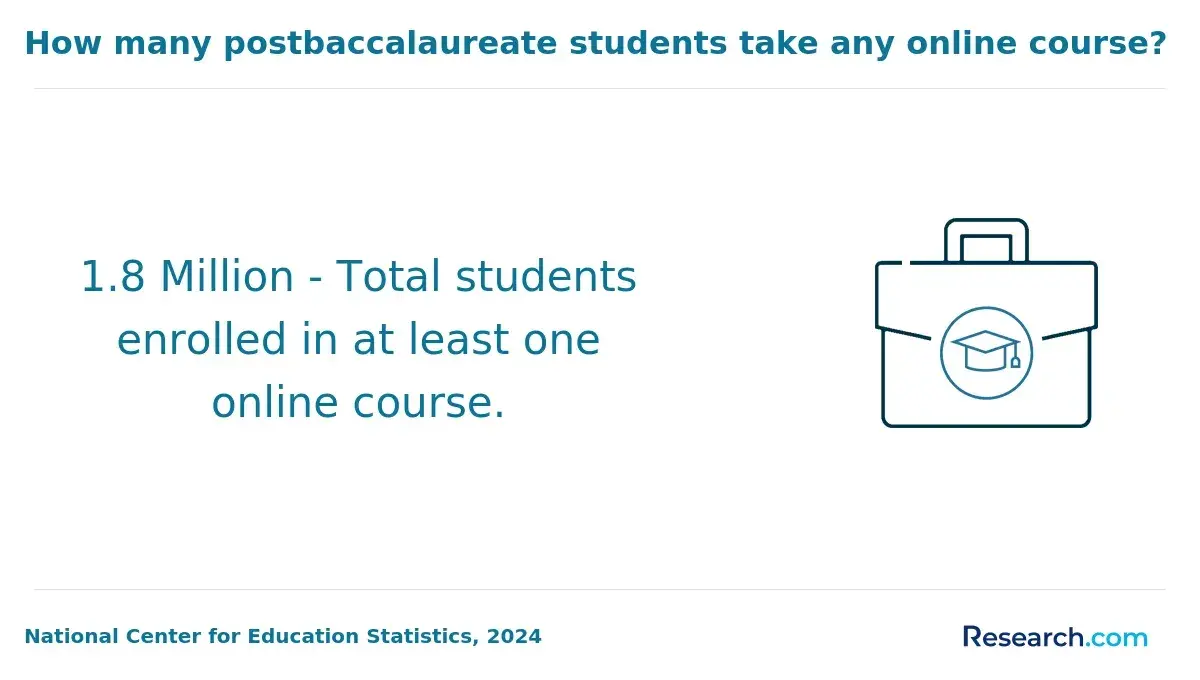
For students pursuing online nurse midwifery master's programs accepting FAFSA, knowing admission criteria is crucial to navigating applications successfully. Enrollment in such programs has risen by 15% over the past five years, reflecting growing interest in flexible, advanced nursing education. Below are common elements that most accredited programs typically require:
- Bachelor's Degree From an Accredited Institution: Applicants usually must hold a bachelor's degree in nursing or a related field from a regionally accredited school, ensuring readiness for graduate studies.
- Official Transcripts: These confirm completion of prerequisite courses and overall academic performance, serving as a key part of the application review.
- Letters of Recommendation: Most programs request two to three letters from academic or professional sources attesting to candidates' clinical skills, professionalism, and suitability for advanced practice.
- Personal Statement or Statement of Purpose: This essay reveals applicants' goals, motivation for nurse midwifery, and alignment with program objectives, helping admissions assess dedication and fit.
- Standardized Test Scores (GRE or GMAT): While some programs still ask for test scores, many have adopted test-optional policies, emphasizing holistic review since 2020.
- Professional Experience and Licensure: Given the clinical demands, active RN licensure and relevant experience are often required, with some programs specifying prerequisite coursework.
Because requirements vary widely, prospective students should consult each program's website and speak with admissions officers. Many providers offer flexible entry options, especially regarding standardized testing.
A graduate of a nurse midwifery master's program shared that navigating admissions proved challenging but manageable with FAFSA support. "Balancing paperwork and clinical prerequisites was overwhelming at first," they recalled, "but having financial aid made focusing on my application and studies much easier."
They also noted that admissions advisors were approachable and helped clarify credit transfers and licensure verification - important steps that eased their transition into the program. Reflecting on the process, they emphasized the value of persistence and early communication with schools to meet individualized requirements successfully.
What Are the Steps to Apply for FAFSA and Enroll in an Online Nurse Midwifery Master's Program?
Prospective nurse midwifery master's candidates should factor federal financial aid options into their decision-making process early on. Knowing how to apply for FAFSA for online nurse midwifery master's programs is essential for maximizing funding opportunities and reducing out-of-pocket costs. Below are key steps for completing the FAFSA application and insights into the graduate program admission process.
- Create a StudentAid.gov Account: Start by registering at the official Federal Student Aid website to access your FAFSA application. This account serves as the secure gateway for submitting financial information and tracking your application status.
- Gather Required Financial Documents: Assemble necessary paperwork such as tax returns, income statements, and bank records. Accurate documentation ensures a smooth verification process and timely aid decisions.
- Complete the FAFSA Application: Fill out the FAFSA form online, listing all relevant income and household data. When specifying schools, include accredited institutions offering online nurse midwifery master's degrees that participate in federal aid programs.
- Request Transcripts and Recommendations: For program admissions, order official transcripts from previous institutions and secure letters of recommendation. Tailor these to highlight your nursing experience and motivation for advanced study.
- Prepare Supplemental Materials: Draft a statement of purpose focused on nurse midwifery goals and, if required, submit writing samples or portfolios demonstrating clinical aptitude and leadership skills.
- Coordinate FAFSA and Application Timelines: Submit the FAFSA in advance of program deadlines to ensure financial aid award letters arrive after acceptance decisions. Comparing aid offers from multiple schools allows informed enrollment choices.
Professional work experience also impacts GRE waiver eligibility, which may simplify application requirements. Relevant clinical hours, advanced practice roles, leadership experience, and verified employment history are critical factors.
Applicants should explore accredited programs carefully, considering aspects like cost, flexibility, and reputation. For a detailed comparison of costs, consult resources on the average cost of RN to BSN programs, which can provide contextual insight into overall nursing education expenses.
Following these steps and utilizing trusted resources such as studentaid.gov and accreditation directories will empower candidates to navigate the complexities of applying to fafsa approved online nurse midwifery master's degree programs confidently.
What Is the Minimum GPA Requirement for a Nurse Midwifery Master's Program?
When exploring eligibility for online nurse midwifery master's programs, understanding GPA expectations helps clarify one aspect of the application process. While most accredited programs list a minimum GPA of 3.0 on a 4.0 scale, this figure serves more as a starting point than a strict admission requirement. Several factors influence how GPA is considered during evaluation.
Here are key points to keep in mind regarding GPA and admissions:
- Baseline GPA: A 3.0 GPA generally represents the minimum threshold but does not guarantee acceptance. Admissions committees use GPA alongside multiple components to assess an applicant's readiness.
- Program Variability: Requirements differ depending on each program's competitiveness and applicant pool. Some programs offer conditional admission to applicants with GPA slightly below 3.0 if they excel in other areas like clinical experience or recommendation letters.
- Academic Context: The relevance of a candidate's undergraduate major and how recent their coursework is can impact GPA evaluation. Career changers entering nurse midwifery from unrelated fields may receive additional consideration for recent professional achievements or bridge coursework.
- Application Strategy: Candidates with lower GPAs should proactively discuss this in their personal statements. Researching programs with post-baccalaureate bridge options or provisional admission can provide viable pathways to strengthen academic foundations.
One graduate shared that pursuing an online nurse midwifery master's degree eased their journey significantly. They explained how flexibility in scheduling and the ability to balance work with coursework allowed more time to highlight strengths beyond GPA.
This graduate emphasized that while some insecurities about past academic performance existed, focusing on clinical skills and personal statements helped the admissions committee see their full potential. "The online format made it easier to stay organized and proactive during the application process," they noted, reflecting on a smoother admissions experience compared to traditional in-person programs.
How Long Does It Take to Complete an Online Nurse Midwifery Master's Degree?
Completion times for online nurse midwifery master's programs typically vary from 18 months to 3 years, influenced by enrollment status, program design, and whether students must complete a thesis or capstone project.
Maintaining satisfactory academic progress is essential to continue receiving financial aid through FAFSA, making it vital to consider both workload and timeline carefully. According to the American Association of Colleges of Nursing, about 60% of graduate nursing students enroll part-time, reflecting the demand for adaptable program structures.
Key factors affecting program duration include:
- Enrollment Status: Full-time students take more credits per semester, allowing quicker graduation; part-time status offers flexibility but extends completion time.
- Program Structure: Many online programs accommodate working professionals through flexible schedules and may offer accelerated tracks for faster completion.
- Thesis and Capstone Projects: These components require additional research and faculty approvals, potentially extending the program length.
- Clinical Requirements: Internship or practicum hours must be completed in person, requiring careful scheduling around other commitments.
- Academic Challenges: Retaking prerequisite courses or addressing academic issues can delay progress.
- Financial Aid Considerations: Maintaining enrollment status and academic progress is crucial for ongoing FAFSA eligibility and uninterrupted financial support.
What Core Courses and Specializations Are Typically Offered in an Online Nurse Midwifery Master's Program?
Online nurse midwifery master's programs generally start with foundational core courses that establish essential skills in advanced nursing and midwifery practice.
Students considering an online nurse midwifery master's program should evaluate several key areas to make an informed choice, including cost, program flexibility, accreditation, and outcomes. These factors contribute significantly to both academic success and future career opportunities. Typical core components include:
- Core Courses: Advanced Physiology and Pathophysiology, Pharmacology, and Health Assessment prepare students with comprehensive clinical skills and scientific knowledge required for midwifery practice.
- Specialization Tracks: Options like Women's Health Nurse Practitioner, Neonatal Care, and Global Health allow students to tailor their education to specific career paths and interests.
- Culminating Experience: Clinical practicums or capstone projects provide essential hands-on experience, integrating theory and practice under professional supervision.
For those interested in further advancing their credentials, pursuing a PhD in nursing can offer additional opportunities for leadership, research, and educational roles within healthcare. Taking the time to compare program structures, financial aid eligibility-including FAFSA options for graduate students-and faculty expertise will help students select the best path toward a successful career in nurse midwifery.
What Is the Average Tuition Cost of an Online Nurse Midwifery Master's Program That Accepts FAFSA?
Knowing the cost structure of online nurse midwifery master's programs that accept FAFSA is essential to plan your financial aid needs accurately. These programs vary widely in tuition based on several key factors. Below is an overview of typical costs and additional expenses to consider when evaluating programs.
- Tuition Range: Total program costs generally fall between $20,000 and $60,000 or more, depending on whether the institution is public or private. Public universities usually offer lower tuition, while private schools tend to charge higher rates reflecting specialized faculty and rigorous curricula.
- Per-Credit Costs: Programs charge approximately $500 to $1,500 per credit hour, requiring about 30 to 45 credits to complete the degree. These per-credit fees contribute directly to the total tuition and vary with institution type and program reputation.
- In-State Versus Out-of-State Pricing: While in-state tuition can reduce costs significantly, many online learners do not qualify for in-state rates. This distinction has a notable impact on affordability, especially for students out of the institution's primary state.
- Additional Fees: Beyond tuition, students often face technology fees, graduation charges, and course material expenses. Some programs include brief residency or clinical immersion requirements that add travel and lodging costs.
- FAFSA and Total Cost of Attendance: Eligible FAFSA applicants should consider all direct and indirect costs-including living expenses-when estimating aid needs. Understanding the full financial commitment helps in accurately calculating aid requests and avoiding surprises.
What Technology, Tools, or Clinical Requirements Are Expected of Online Nurse Midwifery Master's Students?
Prospective students should be aware that technology and clinical commitments influence the experience and success in online Nurse Midwifery master's programs. Having the right tools and understanding program requirements can prevent delays or unexpected expenses. Below are the typical necessities for these programs.
- Reliable High-Speed Internet: A stable and fast internet connection is essential for attending live classes, streaming multimedia content, and participating in virtual simulations. Universities typically recommend broadband service to handle video conferencing and downloading large files smoothly.
- Hardware and Software Needs: Students must have a modern computer or laptop equipped with a webcam and microphone. Supported operating systems usually include current versions of Windows or macOS. Common software requirements often encompass Microsoft Office, PDF readers, and video meeting platforms like Zoom. Some courses may also require specialized secure browser applications or exam proctoring tools.
- Familiarity with Learning Management Systems: Platforms such as Canvas, Blackboard, or Moodle serve as the main hubs for accessing course materials, submitting assignments, engaging in discussions, and monitoring grades. Basic digital competence is necessary to navigate these systems effectively.
- Discipline-Specific Tools and Simulations: Nurse Midwifery programs frequently integrate simulation software or virtual labs that allow practice of clinical skills online. Access to some of these resources might involve additional licensing fees. These interactive tools help replicate real-world scenarios and support hands-on learning remotely.
- Onsite Clinical Requirements: Despite the online format of coursework, students must complete supervised clinical placements or practicums in person to gain practical skills. Such experiences are arranged locally with healthcare facilities and are mandatory components that cannot be fulfilled remotely.
- Support for Clinical Placements: Many programs assist students by providing lists of approved clinical sites or collaborating with partner healthcare organizations. Dedicated staff may help with scheduling and ensuring that clinical requirements align with accreditation standards.
Because requirements can vary widely, directly contacting the intended program is advisable to get the latest technical and clinical information. This helps candidates plan effectively for time commitments, expenses, and location considerations involved in completing the degree.
What Career Outcomes and Salary Expectations Follow an Online Nurse Midwifery Master's Degree?
This overview aids applicants in understanding the career opportunities after completing an online nurse midwifery master's degree. Knowing the roles available, certification requirements, and job market projections can guide informed decisions about advancing in this field.
- Career Options and Roles: Graduates typically pursue positions such as certified nurse-midwives (CNMs), women's health nurse practitioners, or maternal-child health specialists. These roles often involve managing patient care independently and providing specialized reproductive health services.
- Salary and Job Growth: According to the U.S. Bureau of Labor Statistics, the median annual wage for nurse-midwives is about $115,000, with a projected growth rate of roughly 13% through 2032, indicating strong demand and competitive compensation.
- Certification and Licensure: Candidates must be licensed registered nurses (RNs) and obtain certification from the American Midwifery Certification Board (AMCB). Accredited online programs generally meet educational prerequisites for certification.
- Professional Advancement: Holding a master's degree differentiates graduates by qualifying them for leadership roles and advanced clinical responsibilities beyond those available with just a bachelor's degree.
Pursuing an accredited online nurse midwifery master's degree offers not only career advancement with nurse midwifery master's in the US but also aligns with federal financial aid opportunities through FAFSA for eligible students. For those curious about accelerated options, check out fast degree programs.
How Do Employers and Licensing Boards View an Online Nurse Midwifery Master's Degree Compared to an On-Campus One?
Clarifying how employers and licensing boards regard an online nurse midwifery master's degree is crucial for students planning their educational and career paths. This insight helps ensure informed decisions and smooth professional transitions.
- Changing Employer Perspectives: Surveys and research show that skepticism about online degrees has lessened, especially for those awarded by regionally accredited schools. The COVID-19 pandemic hastened this shift, with healthcare employers increasingly accepting online nurse midwifery credentials as valid and credible.
- Licensing Board Evaluation: Licensing boards focus chiefly on program and institutional accreditation rather than delivery methods. Most state boards in nurse midwifery recognize online degrees if accreditation and curriculum standards are met, but requirements differ, so contacting the relevant state board before enrollment is essential.
- Accreditation and Program Reputation: Employer and board trust often relies on both the institution's standing and specialized accreditation, such as from the Accreditation Commission for Midwifery Education (ACME). Accredited online programs with rigorous curricula and clinical components are typically regarded on par with their campus-based counterparts.
- Researching Regional Policies: Acceptance criteria vary by location and employer, making it important for students to explore licensing rules and employer expectations in the geographic and professional areas where they intend to work. Choosing programs that clearly explain how their online degrees are recognized can prevent unexpected issues after graduation.
What Graduates Say About Getting Accepted in Online Nurse Midwifery Degree Master's Programs That Accept FAFSA
- Kelsey: "Applying for admission to an online nurse midwifery master's program that accepts FAFSA made my educational journey financially manageable. The process was straightforward once I identified the schools with this option, which truly eased my worries about funding. I appreciated how this accessibility allowed me to focus more on my studies and less on student debt."
- Zara: "Navigating the landscape of accredited institutions offering online nurse midwifery master's degrees was initially overwhelming, but discovering which schools accept FAFSA helped narrow down my choices significantly. I found it invaluable to combine official resources with personal research to ensure institutions met accreditation standards. This approach gave me confidence that my degree would be respected and recognized professionally."
- Dorothy: "Relying on official academic catalogs, accrediting agencies, and federal education resources provided a clear path through the complexities of online nurse midwifery master's degree requirements. This detailed understanding empowered me to plan effectively and meet all necessary criteria on time. I feel more prepared and professional, knowing I navigated the system by using trustworthy and comprehensive information."
Other Things You Should Know About Nurse Midwifery Degrees
Besides FAFSA, nurse midwifery master's students can explore scholarships, grants, and assistantships. Universities often have specific scholarships for healthcare fields, and professional organizations may offer grants. Assistantships provide stipends in exchange for teaching or research duties.
In 2027, universities like Georgetown University, Frontier Nursing University, and the University of Cincinnati offer accredited online Nurse Midwifery Master’s programs that accept FAFSA, ensuring students can apply for federal financial aid.
Prospective students should compare programs based on accreditation status, clinical placement opportunities, faculty expertise, tuition costs, and program flexibility. It is also important to evaluate each program's graduation and certification exam pass rates. Reviewing financial aid packages, including FAFSA benefits and additional scholarships, helps ensure affordability. Talking to current students or alumni can provide insight into program support and outcomes.
References
- How Do Employers View Online Nurse Practitioner Education? | ThriveAP https://provider.thriveap.com/blog/how-do-employers-view-online-nurse-practitioner-education
- How to Pay for Nursing School | Edvisors https://www.edvisors.com/student-loans/graduate-student-loans/nursing-school/
- Master of Science, Nurse Midwifery https://nursing.stonybrookmedicine.edu/midwiferyMaster
- Master of Science in Nurse-Midwifery https://www.su.edu/nursing/master-of-science-in-nursing/msn-nurse-midwifery/
- MSN – Nurse-Midwifery Curriculum https://www.loyno.edu/academics/colleges/college-nursing-health/master-science-nursing-nurse-midwifery
- Master's in Nurse Midwifery Programs: CNM Degree Guide 2025 https://www.midwifeschooling.com/masters-in-nurse-midwifery/
- Online Certified Nurse Midwifery (CNM) Programs https://nursinglicensemap.com/nursing-degrees/online-nurse-practitioner-programs/online-nurse-midwife-programs/
- Nurse Midwifery https://www.ttuhsc.edu/nursing/masters/midwifery/default.aspx
- Master of Science, Nurse-Midwifery - Connell School of Nursing - Boston College https://www.bc.edu/bc-web/schools/cson/academics/master-of-science-nurse-midwifery.html
- Nurse Midwifery Admission Process https://nursing.ecu.edu/msn/midwifery/nurse-midwifery-admission-process/