2027 Online Software Engineering Degree Programs for Veterans: GI Bill Benefits, Costs & Top Considerations

Co-Founder and Chief Data Scientist
For many veterans, the real question is not whether an online software engineering degree can lead to a civilian tech career. It is whether the degree can be paid for without creating financial strain, whether GI Bill benefits will cover enough of the cost, and how online enrollment affects the housing allowance.
This guide explains how GI Bill benefits apply to online software engineering programs, including tuition, fees, housing allowances, books, credit for military training, accreditation, support services, completion timelines, and career outcomes. It is written for veterans, transitioning service members, reservists, National Guard members, and eligible dependents who want a practical way to compare programs before using education benefits.
Key Benefits of Online Software Engineering Degree Programs for Veterans
- Veterans using the GI Bill can cover tuition for most online software engineering programs, with 91% of enrolled military students reporting financial aid usage in 2023.
- Flexible pacing in online degrees accommodates veterans balancing family, work, or health commitments, improving completion rates by over 15% compared to traditional formats.
- Military-connected students benefit from specialized career services, often resulting in a 20% higher post-graduate employment rate in software engineering roles within six months of graduation.
Who Qualifies as a Veteran for Online Software Engineering Degree Programs?
Veteran eligibility for online software engineering degree programs depends on both school admission rules and VA education benefit rules. A college may admit a wide range of military-connected students, but GI Bill coverage is determined separately by the U.S. Department of Veterans Affairs. With around 710,000 veterans enrolled in college or university programs in 2019, confirming eligibility early can prevent delays in tuition payments, housing allowance planning, and enrollment certification.
- Active-duty service history: Veterans who served on active duty in the Army, Navy, Air Force, Marine Corps, or Coast Guard typically meet the basic service background expected by colleges and may qualify for GI Bill provisions depending on service length and discharge status.
- Discharge classification: Eligibility usually requires an honorable discharge, general discharge under honorable conditions, or another acceptable status under the applicable benefit program. Dishonorable discharges commonly prevent access to GI Bill education benefits.
- Reservists and National Guard members: Reservists and National Guard members may qualify when they meet active-duty service requirements or qualify under programs such as the Montgomery GI Bill Selected Reserve. Because duty status can affect benefit level, these students should verify their specific record rather than relying on general assumptions.
- Eligible dependents: Dependents of veterans who are permanently disabled, deceased, or missing may qualify for programs such as Survivors' and Dependents' Educational Assistance. These benefits can be used for eligible online degrees, including software engineering, when the school and program meet VA requirements.
Before applying, veterans should request or review their Certificate of Eligibility, confirm the school participates in VA education benefits, and ask whether the online software engineering program is specifically approved for GI Bill use. Students comparing other affordable online graduate options can also review resources such as affordable online MSW programs to understand how costs and funding structures differ by field.
Do Online Software Engineering Degree Programs Accept Military Training for College Credit?
Many online software engineering programs evaluate military training for possible college credit, but policies vary by institution. This matters because accepted transfer or prior learning credit can reduce the number of courses a veteran must complete, lowering both time in school and out-of-pocket costs. According to the National Center for Education Statistics, about 40% of veterans using GI Bill benefits earn some form of prior learning credit.
- Joint Services Transcripts: Colleges commonly review Joint Services Transcripts, which document military courses, occupations, and training. Veterans should send the transcript early so the school can complete a formal credit evaluation before course registration.
- ACE credit recommendations: Many institutions use American Council on Education recommendations to determine whether military learning matches college-level coursework. These recommendations can help veterans receive elective, general education, or sometimes major-related credit.
- Competency-based assessments: Some programs allow students to demonstrate knowledge through exams, projects, portfolios, or skills assessments. This can be useful for veterans with technical, cybersecurity, logistics, or systems experience that does not transfer cleanly through transcripts alone.
- Program and residency limits: Most schools cap how many credits can be transferred and require students to complete a minimum number of credits through the institution. Software engineering majors may also limit transfer credit for upper-level programming, algorithms, architecture, or capstone courses.
The best approach is to ask for a written transfer-credit estimate before committing. Veterans should compare how many credits each school accepts, which requirements those credits satisfy, and whether acceptance will shorten the degree or simply add unused electives. Those considering other accelerated online options can also review accelerated online MSW programs as part of broader education planning.
How Do Online Software Engineering Degree Programs Work for Veterans?
Online software engineering programs for veterans usually combine remote coursework, programming assignments, software projects, virtual labs, and faculty support. The strongest programs are built for students who may be balancing work, family responsibilities, relocation, reserve duties, or a transition from military to civilian life.
- Flexible course delivery: Many courses use asynchronous lectures, recorded demonstrations, discussion boards, coding exercises, and virtual labs. This format lets veterans study outside standard classroom hours, although assignment deadlines still apply.
- Different pacing options: Programs may offer accelerated, full-time, part-time, or term-by-term pacing. Veterans using GI Bill benefits should check how enrollment intensity affects tuition certification and housing allowance eligibility.
- Hands-on technical work: A credible software engineering curriculum should include programming, data structures, software design, testing, databases, security concepts, collaborative development, and a portfolio or capstone project.
- GI Bill coordination: Schools with experienced VA certifying officials can help veterans understand how tuition, fees, housing allowances, and book stipends apply to online enrollment.
- Veteran-focused support: Helpful programs provide military transcript evaluation, veteran advising, career services, tutoring, disability services, mental health referrals, and peer communities.
A veteran who completed an online program described the first term as the hardest part because he was balancing family life and an unpredictable work schedule. He said, "The ability to pause and revisit lectures on my own time made a huge difference." He also valued the credit awarded for military training, which helped him move faster through the program. Veteran advisors helped him manage paperwork and benefits, and he added, "It felt like they understood where I was coming from."
Are Online Software Engineering Degree Programs for Veterans Accredited?
Online software engineering programs for veterans should be both properly accredited and approved for VA education benefits. Accreditation affects credit transfer, graduate school eligibility, employer recognition, and the overall value of the degree. VA approval matters because GI Bill funds generally cannot be used at a school or program that does not meet VA requirements.
Institutional accreditation applies to the college or university as a whole. Programmatic accreditation, when available, evaluates whether a specific software engineering or computing program meets field-specific academic standards. Not every strong software engineering program has separate programmatic accreditation, but veterans should be cautious of schools that lack recognized institutional accreditation or make unclear claims about approval.
Currently, about 1,700 colleges and universities hold VA approval for GI Bill benefits. Veterans should confirm three things before enrolling: the institution is accredited, the specific online software engineering program is eligible for VA benefits, and the school has an active process for certifying veteran enrollment. Without those checks, a student risks using time and benefits on credits that employers, graduate schools, or other institutions may not value.
How Much Do Online Software Engineering Programs for Veterans Cost?
The cost of an online software engineering degree depends on tuition, required fees, transfer credit, enrollment pace, books, software, and how much of the program is covered by GI Bill benefits. The National Center for Education Statistics reports the average tuition for public online undergraduate programs is about $300 per credit, but veterans should calculate total program cost rather than relying on the advertised per-credit rate alone.
- Tuition per credit: Public universities, private colleges, and for-profit institutions can charge very different rates. Veterans using the Post-9/11 GI Bill should ask how benefits apply to in-state tuition, online tuition, and any program-specific charges.
- Mandatory fees: Online programs may charge technology, platform, registration, lab, graduation, or course-access fees. Some fees may be covered; others may create out-of-pocket costs.
- Housing allowance: Housing benefits for fully online learners are typically about half the Basic Allowance for Housing compared to on-campus students. This difference can significantly affect a veteran's monthly budget.
- Books and supplies: Software engineering students may need textbooks, cloud tools, coding platforms, test proctoring, hardware upgrades, or software licenses. These costs should be included when comparing programs.
- Transfer credit impact: Military training credit and prior college credit can reduce total cost if the credits apply to degree requirements. Credits that transfer only as unused electives may not shorten the program.
Veterans should request a full cost breakdown before enrollment certification, including tuition, required fees, expected materials, and the estimated amount covered by benefits. Comparing different online degree models, such as an online executive MBA, can also show how pricing varies across fields and program formats.
What GI Bill Benefits Can Be Used for Online Software Engineering Degrees?
GI Bill benefits can help pay for an eligible online software engineering degree, but the exact amount depends on the benefit program, service history, school type, enrollment status, and whether the student studies fully online. In recent years, more than 250,000 veterans have used the GI Bill for online education, making it one of the most important funding sources for flexible degree programs.
- Tuition and fee coverage: The Post-9/11 GI Bill pays up to 100% of in-state tuition and fees at public universities for eligible students. Private or foreign institutions receive a capped amount, so veterans should compare the school’s charges against their benefit level before enrolling.
- Monthly Housing Allowance: Veterans studying fully online receive a prorated Monthly Housing Allowance based on the National Average Housing Allowance rather than a campus-based local rate. This is often lower than the allowance for in-person attendance, so budget planning is essential.
- Book and supply stipend: The GI Bill provides an annual stipend up to $1,000 for books and supplies. For software engineering students, this may help offset textbooks, programming resources, software, and technical materials.
- Eligibility percentage: The amount a veteran can receive depends on qualifying service and discharge status. Students should confirm their individual benefit level with the U.S. Department of Veterans Affairs rather than assuming full coverage.
- Enrollment certification: The school must certify enrollment for benefits to be paid. Veterans should stay in contact with the school’s VA certifying official when adding, dropping, or changing courses.
A veteran who completed an online software engineering degree said the housing allowance was the most unexpected part of the process. "I wasn't initially aware that my housing stipend would be prorated for online study, so budgeting took some adjustment," she explained. Still, tuition coverage and the book stipend reduced much of the financial pressure. She said, "Using GI Bill benefits felt empowering because it made earning my degree feasible without overwhelming debt or sacrifice."
What Veteran Support Services Are Offered in Online Software Engineering Degree Programs?
Veteran support services can make a major difference in an online software engineering program because students often need help with benefits, credit transfer, academic planning, career transition, and personal support. Research from the National Center for Veterans Analysis and Statistics shows that veterans who access support services both online and on campus have retention rates 19% higher than those who do not.
- Academic advising: Veteran-aware advisors help students choose courses, sequence prerequisites, avoid unnecessary credits, and understand how military training may apply to the degree plan.
- Benefits counseling: VA certifying officials and benefits counselors help students understand GI Bill eligibility, tuition payments, housing allowances, enrollment status, and documentation requirements.
- Mental health and transition resources: Online counseling, referrals, disability services, and peer support can help veterans manage stress, PTSD-related challenges, and the shift from military structure to independent online learning.
- Technical and tutoring support: Software engineering students may need help with programming concepts, math, debugging, version control, and project-based coursework. Strong programs provide accessible tutoring and faculty office hours.
- Career services: Veteran-focused career staff can translate military experience into civilian technology resumes, prepare students for technical interviews, and identify roles in software development, cybersecurity, systems analysis, and defense technology.
- Peer networks: Veteran student groups and online communities reduce isolation and give students a place to ask practical questions about coursework, benefits, and career planning.
Before enrolling, veterans should ask whether these services are available fully online, during evenings or weekends, and to students in all time zones. A support service that exists only on campus may be less useful to a fully remote learner.
How Long Does It Take to Complete an Online Software Engineering Degree as a Veteran?
The time needed to complete an online software engineering degree depends on degree level, transfer credit, enrollment pace, course availability, and how consistently a student can stay enrolled. Veterans should also consider how program length affects GI Bill entitlement, housing allowance planning, and work-life balance.
- Enrollment status: Full-time veterans typically complete their degree in about two years, while part-time students may take longer because they take fewer credits per term.
- Transfer credit: Prior college coursework and accepted military training credit can shorten the path to graduation when those credits apply directly to degree requirements.
- Military training credit: Credit for technical training, leadership coursework, cybersecurity experience, or systems-related military education may reduce required coursework, depending on the school’s transfer policy.
- Course scheduling: Asynchronous courses can help veterans with work, family, or service obligations. However, some programs still use fixed semesters, required live sessions, group projects, or limited course rotations that may affect completion time.
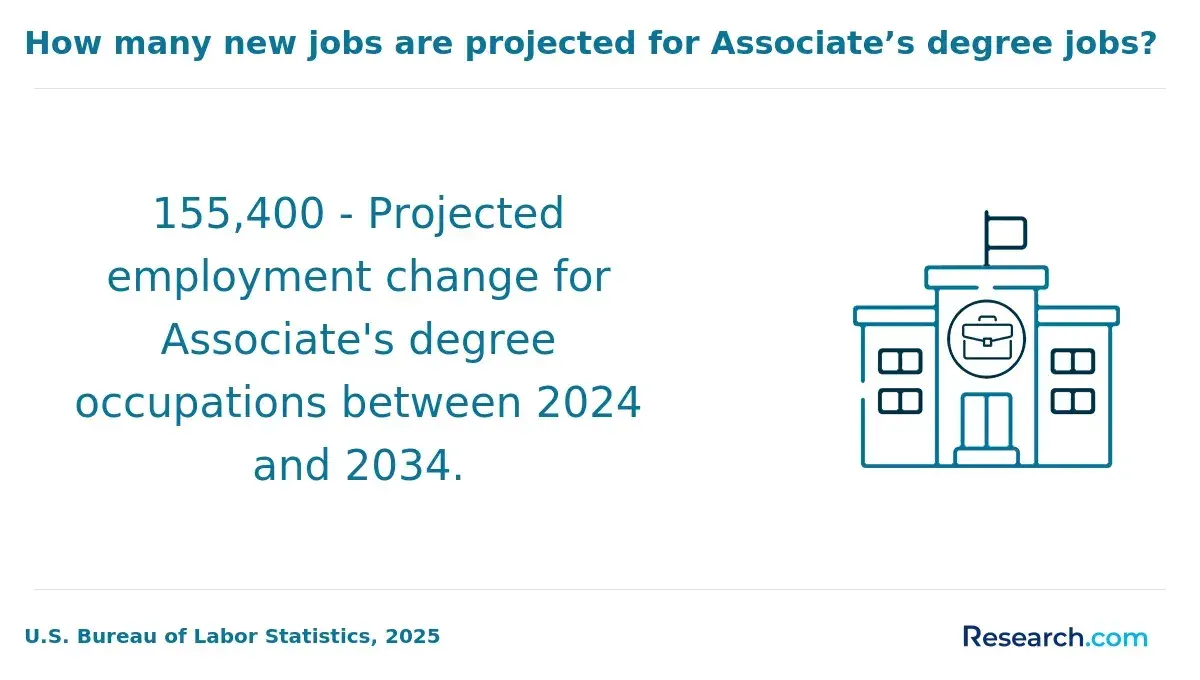
- Degree type: Associate degrees generally require about two years, while bachelor's degrees require more credits and a longer timeline. Veterans should confirm whether the advertised timeline assumes full-time enrollment and no breaks.
The most reliable planning step is to request a degree audit before enrolling. This should show accepted transfer credits, remaining courses, expected term-by-term schedule, and any prerequisites that could delay progress. Veterans comparing funding and affordability across online degrees can also review fully funded online EdD programs for additional context on benefit planning and cost structures.
Understanding the average duration of online software engineering programs using GI Bill benefits helps veterans protect both their academic momentum and financial stability.
What Jobs Can Veterans Get With an Online Software Engineering Degree?
An online software engineering degree can prepare veterans for technical roles that value problem-solving, discipline, teamwork, systems thinking, and project execution. According to the U.S. Department of Veterans Affairs, more than 40% of veterans in tech-related roles attribute their employment success to degrees earned online.
- Software developer: Software developers design, build, test, and maintain applications or systems. Veterans with experience in structured operations and troubleshooting may adapt well to development workflows.
- Systems analyst: Systems analysts evaluate technology needs, improve IT processes, and help organizations choose or refine software systems. This role can fit veterans who understand complex systems and cross-functional communication.
- Quality assurance engineer: QA engineers test software for defects, performance issues, and usability problems. Veterans with strong attention to detail and process discipline may find this role a natural match.
- Cybersecurity specialist: Cybersecurity roles focus on protecting systems, networks, and data. Veterans with security experience, technical training, or clearance backgrounds may be competitive for defense, government, and critical infrastructure positions.
- Technology project or team roles: Some veterans move into technical project coordination, DevOps support, product support, or leadership roles after gaining software engineering experience.
The Bureau of Labor Statistics projects a 25% growth in software development jobs through 2031, signaling strong demand for software talent. Veterans should choose programs that support portfolio development, internships, career coaching, and technical interview preparation rather than relying on the degree alone. Those still comparing online degree difficulty and fit can review easiest bachelor degree to get online resources as a starting point for broader planning.
What Salary Can Veterans Earn With an Online Software Engineering Degree?
Salary outcomes for veterans with an online software engineering degree vary by role, industry, location, experience, portfolio quality, certifications, and whether the student already has technical or leadership experience from military service. In 2023, the median annual wage for software developers was about $120,730, reflecting strong earning potential in the field.
- Industry: Finance, technology, government, and defense employers may pay differently based on technical requirements, budgets, and security needs.
- Role level: Entry-level developers usually earn less than experienced engineers, technical leads, cybersecurity specialists, or professionals with specialized skills.
- Location and remote work: Salaries often vary by labor market and cost of living. Remote roles may expand options, but compensation policies differ by employer.
- Military experience: Leadership, mission focus, documentation discipline, risk management, and experience with complex systems can strengthen a veteran’s profile when paired with current technical skills.
- Security clearance: Veterans with active or eligible clearances may qualify for specialized roles connected to government, defense, and sensitive infrastructure projects.
Veterans should evaluate salary potential alongside program cost, GI Bill coverage, career services, employer connections, and the strength of the project portfolio they will graduate with. A lower-cost program that builds demonstrable skills may provide stronger value than a more expensive program with limited career support.
What Graduates Say About Their Online Software Engineering Degree for Veterans
- : "Choosing to pursue an online software engineering degree was a pivotal step for me as I transitioned from military to civilian life. The flexible format helped me balance family responsibilities while building practical technical skills. Completing the degree boosted my confidence and helped me land a role in a top tech company, making the investment of around $25,000 feel worth it. — Hayden"
- : "After years of service, I needed a path that connected my military discipline with new civilian opportunities. The online software engineering degree gave me structure while still letting me learn at my own pace. I now use both my service background and my technical training as a software developer. — Hunter"
- : "I enrolled because I wanted a solid academic foundation after my military career. The program’s coursework and average cost roughly similar to traditional colleges helped me adjust to the tech field. Finishing the degree opened doors to leadership roles on software development teams and showed me how formal education can build on real-world experience. — Shaun"
Other Things You Should Know About Software Engineering Degrees
One significant challenge is ensuring the selected online program is fully accredited and recognized by the Department of Veterans Affairs. Veterans must verify that their chosen institution qualifies for GI Bill benefits to avoid unexpected financial burdens.
Veterans can verify GI Bill eligibility by checking the U.S. Department of Veterans Affairs' WEAMS institution search tool, which lists approved programs. It's essential to ensure the program meets accreditation standards and federal approval for GI Bill benefits.
References
- Home https://vetswhocode.io/
- Software Engineering Training for Veterans in NYC or Live Online https://www.nobledesktop.com/topics/software-engineering-training-for-veterans
- Top Online Degree Programs: Veterans U.S. Veterans Magazine https://usveteransmagazine.com/usvm/top-online-degree-programs-for-veterans/
- Online Software Engineering Boot Camp from Volunteer State Community College https://onlinecareertraining.volstate.edu/training-programs/software-engineering-boot-camp/
- How do Army e-learning courses work for credit transfer? https://m.umu.com/ask/q11122301573854555060
- Coding Bootcamp Scholarships for Veterans + GI Bill Approval: The List | Course Report https://www.coursereport.com/blog/coding-bootcamp-scholarships-for-veterans-gi-bill-approval-the-list
- GI Bill Eligible Coding Bootcamps - Veteran.com https://veteran.com/va-approved-gi-bill-bootcamps/
- GI Bill® Eligible Bootcamps | ComputerScience.org https://www.computerscience.org/bootcamps/rankings/gi-bill-eligible/
- Why MyComputerCareer Is Ideal for Veteran Success https://www.mycomputercareer.edu/veteran-program-information/
- Veteran Prep Course | Hack Reactor https://www.hackreactor.com/veteran-prep-course/