
2027 Return on Investment (ROI) of a Leadership Degree Program

Co-Founder and Chief Data Scientist
Many working professionals face uncertainty about whether pursuing a leadership degree will justify the significant investment of time and money. For example, mid-career managers considering a master's in leadership often question if this credential will lead to higher salaries or better job opportunities. Studies show that leadership graduates see an average salary increase of 18% within two years of completing their degree. This article analyzes the return on investment of leadership degree programs by examining costs, salary growth, career advancement, and industry demand, providing readers with clear data to make informed decisions about their educational investments.
Key Things to Know About Leadership Degree ROI
- Graduates with a leadership degree often see a 20-30% higher earning potential compared to peers without specialized education, reflecting the value of advanced management skills.
- Leadership degrees enhance promotion prospects, with 65% of employers prioritizing formal training for managerial roles, aiding career advancement across sectors.
- This degree provides industry flexibility, allowing professionals to navigate roles in business, healthcare, and technology, contributing to long-term job stability and salary growth.
How Is ROI Calculated for a Leadership Degree Program?
Return on investment (ROI) in higher education measures the financial benefits gained from earning a degree compared to the costs and time involved. This helps students assess whether the value of the degree justifies the investment of tuition, effort, and lost income. Calculating return on investment for leadership degrees requires analyzing several key factors.
Important components to consider include:
- Tuition and Fees: These are the direct costs such as tuition, books, and administrative charges. They represent the initial financial outlay necessary to enroll in a leadership degree program.
- Opportunity Cost: Time spent studying means lost wages from not working full-time. Including this cost helps understand the full economic sacrifice involved in obtaining the degree.
- Time to Completion: The program length affects both the direct expenses and opportunity cost. Shorter programs may reduce overall costs and minimize time away from work.
- Post-Graduation Salary Outcomes: Expected salary increases after graduation are central to recouping your investment. Improvements in pay linked to leadership roles illustrate the immediate financial benefits of the degree.
- Long-Term Earning Potential: Beyond initial salary growth, a leadership degree can enhance career advancement opportunities, leading to sustained income increases and higher positions over time.
Evaluating these leadership degree program ROI factors helps prospective students make informed decisions that balance cost, time, and career benefits. For those comparing options, programs like BCBA certification online offer different structures that may influence total ROI considerations.
How Much Does a Leadership Degree Program Cost?
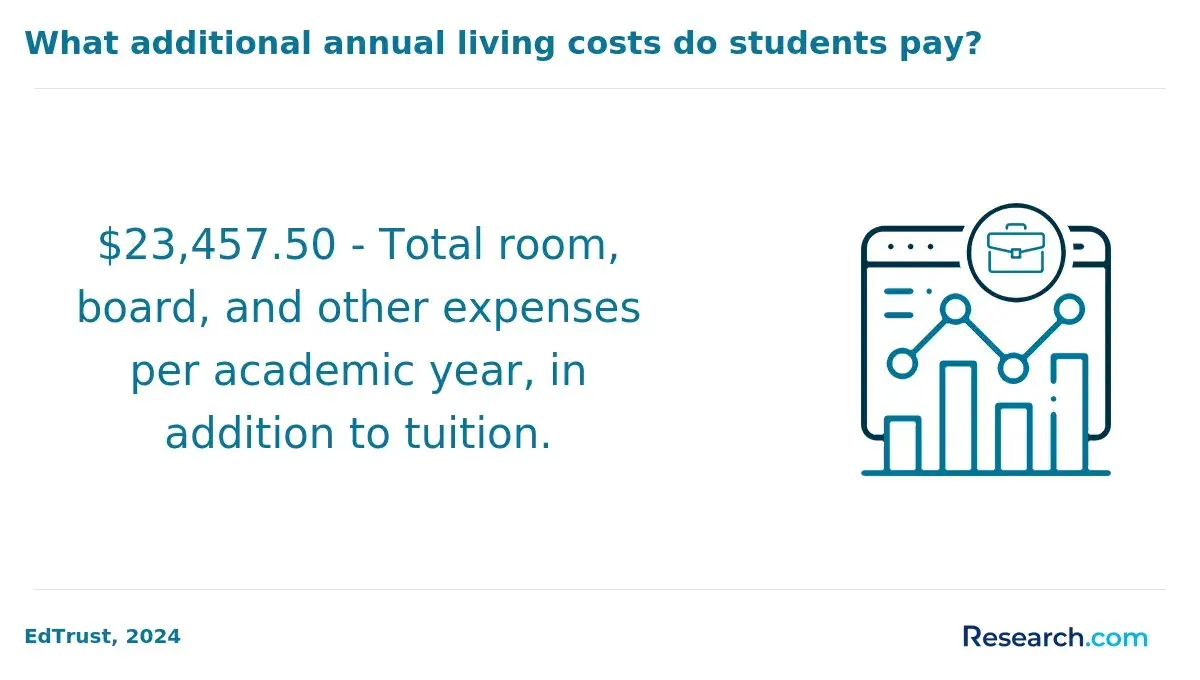
Accurately assessing the return on investment (ROI) of a leadership degree requires a clear view of all costs involved, not just tuition. Graduate tuition in the U.S. has surged by over 25% in the last ten years, pushing average student debt above $40,000 and making cost analysis more crucial than ever. To understand how expenses influence ROI, it helps to examine several primary cost factors.
- Tuition and fees: These usually represent the largest portion of expenses and differ greatly depending on whether the program is online or on-campus, as well as the institution's reputation.
- Books and materials: Essential reading and access to coursework resources can add several hundred to over a thousand dollars annually, often overlooked in budgeting.
- Living and relocation expenses: For those attending in person, costs such as housing, commuting, and daily necessities can substantially increase total spending.
- Opportunity cost: Time invested in studying can lead to missed raises, promotions, or side work, impacting overall financial outcomes during the degree period.
- Hidden costs: Fees related to technology, administration, or required travel for immersive experiences can add unexpected amounts to the total investment.
When discussing program cost, a graduate of a leadership degree shared that balancing work, classes, and family life was a constant struggle. He described feeling overwhelmed by juggling assignments while maintaining full-time employment, saying, "It wasn't just the price tag but the mental energy that really tested me." He also noted that unexpected expenses like travel for residencies caught him off guard. Yet, despite the hurdles, he felt the experience deepened his skills and expanded his network, which he believes ultimately justified the investment.
What Financial Aid Is Available for Leadership Degree Programs?
Financial aid helps reduce the initial expenses of leadership degree programs, making them more affordable and ultimately enhancing long-term return on investment by decreasing the need for heavy borrowing. Approximately 85% of graduate students use some form of financial support, highlighting its critical role in managing education costs.
Below are several common types of financial aid that can improve ROI by lowering program costs and reducing debt:
- Scholarships: Awarded based on merit, scholarships directly decrease tuition expenses without repayment, enabling students to graduate with less financial burden.
- Grants: Typically need-based, grants help cover educational costs without accumulating debt, thereby improving the cost-efficiency of pursuing a leadership degree.
- Fellowships: These awards often recognize academic or professional achievement and can include stipends or tuition subsidies, offsetting living or program expenses to boost overall ROI.
- Employer Tuition Assistance: Many employers provide financial support or reimbursement for leadership programs, which can significantly cut out-of-pocket costs and shorten the timeline for loan repayment.
- Federal Loans: Although loans must be repaid, federal options usually feature lower interest rates and flexible repayment plans, allowing students to invest in their education with manageable financial commitments.
Breakdown of All 4-Year Online Title IV Institutions

How Long Does It Take to Complete a Leadership Degree?
The time required to complete a leadership degree directly influences its return on investment (ROI) by affecting opportunity costs, total expenses, and the timeline for increased earning potential. Spending more years in school can delay salary growth and add to overall costs, while shorter programs allow quicker entry or advancement in the workforce.
Several key factors shape how long it takes to finish a leadership degree and its financial benefits:
- Enrollment status: Attending full-time usually results in finishing the program sooner, enabling faster career progression. Part-time students may take longer but can balance earning an income simultaneously.
- Program format: Online and accelerated courses often reduce study time and associated costs, enhancing ROI by enabling students to return to work or promotions sooner.
- Transfer credits: Applying previously earned credits can significantly shorten the program duration and lower tuition expenses, quickening the time to benefits.
- Internship or thesis requirements: These commitments may extend the length of study but can provide valuable practical experience and networking opportunities that improve salary prospects post-graduation.
- Scheduling flexibility: Flexible class times help manage work and education demands but might prolong completion; however, steady income during this time can offset costs.
When I spoke with a leadership degree graduate about her timeline, she described juggling a demanding job alongside coursework as a major challenge. "I enrolled part-time because I couldn't pause my career," she explained. She took advantage of online components to study evenings and weekends, which kept her progressing steadily even if it took almost three years to finish. While the extended timeline was difficult, she valued gaining hands-on experience through a required internship that ultimately opened doors she hadn't anticipated. Reflecting on her journey, she noted that "taking a bit longer wasn't ideal, but the real-world skills and connections I built made the investment totally worthwhile." Her experience highlights how time to completion involves balancing career and financial considerations with long-term professional growth.
Is ROI Higher for Online or On-Campus Leadership Programs?
The return on investment (ROI) for leadership degree programs can differ significantly between online and on-campus formats due to variations in cost, flexibility, and career outcomes. More than 40% of U.S. graduate students now enroll in online programs, reflecting a growing trend that impacts how students weigh leadership degree ROI comparison online campus versus traditional paths.
Key points to consider include:
- Tuition and fees: Online programs generally have lower tuition and fees, which reduces the initial financial outlay compared to on-campus courses.
- Opportunity cost: Many online students maintain full-time employment while studying, minimizing income loss and enhancing overall ROI.
- Time to completion: Online degree programs often provide accelerated or self-paced options, allowing students to finish sooner and enter or re-enter the workforce faster.
- Networking and career services: On-campus programs frequently offer richer in-person networking opportunities and immediate access to career services, which can benefit professional connections.
- Employer perception and long-term earnings: Although employer attitudes toward online degrees vary, long-term earning potential tends to be comparable when the program's quality is equivalent.
Prospective students evaluating leadership degrees should consider these factors carefully. For those interested in flexible, efficient study options, exploring the fastest online psychology degree programs can provide insight into how accelerated online degrees impact ROI across disciplines, paralleling trends in leadership education.
What Is the Average Salary After Earning a Leadership Degree?
Post-graduation salary is a key driver of return on investment (ROI) for a leadership degree, as higher earnings after completing the program directly boost financial returns compared to tuition costs and time invested. The average salary for leadership degree graduates typically ranges from $65,000 to $120,000 annually, depending on various factors.
Several key elements influence leadership degree salary by industry and overall income outcomes, impacting the degree's ROI:
- Industry: Salaries for leadership roles vary widely across sectors; finance, technology, and healthcare often offer higher compensation than nonprofit or education fields, affecting earning potential and ROI.
- Geographic location: Graduates working in urban or high-cost-of-living areas generally receive higher pay, which can enhance the real financial benefits of the degree.
- Prior experience: Professionals with significant work experience before starting the degree tend to access better-paying leadership positions post-graduation.
- Specialization: Focus areas like project management or executive coaching can influence salary levels by aligning skills with high-demand markets.
- Career level: Entry-level graduates may earn less initially, but mid- and senior-level leadership roles typically offer greater financial rewards and improved ROI.
Prospective students should evaluate these factors in context to estimate their own expected salary outcomes. For related degree options with strong affordability, consider exploring MLIS.
Does a Leadership Degree Lead to Promotions?
Promotions contribute significantly to the return on investment (ROI) of earning a leadership degree through salary increases, broader responsibilities, and enhanced career mobility. Advancing in a career often leads to higher paychecks and more complex roles, both of which improve the financial and professional gains associated with this degree.
A notable trend in the workforce is the growing emphasis on credential-based promotion policies. Many industries now prioritize formal leadership education or certifications as essential criteria for advancement, directly linking educational achievements to career progression.
Here are key ways a leadership degree can impact promotion opportunities and career advancement:
- Credential requirements: Leadership degrees often satisfy formal education criteria required for many management-level positions, aligning with employer expectations for promotions.
- Leadership preparation: These programs develop crucial skills such as communication, decision-making, and strategic planning, which are vital for success in higher roles.
- Tuition support: Employer-sponsored tuition assistance programs can lower upfront education costs, making the ROI of leadership degrees more favorable.
- Internal promotion policies: Organizations frequently prefer internal candidates with relevant leadership education, streamlining the advancement process for degree holders.
- Experience and education synergy: Combining work experience with a leadership degree amplifies promotion prospects, as employers value both practical skills and formal credentials.
For those considering how to balance cost, time, and outcomes, exploring options like an accelerated bachelors degree online in leadership can provide a faster pathway to qualifications that support career growth.
Assessing the leadership degree impact on career advancement involves considering both direct financial benefits and broader professional development. The benefits of leadership degrees for promotions are most pronounced when education complements experience and aligns with employer advancement criteria.
Which Industries Offer the Best ROI for Leadership Graduates?
Return on investment (ROI) for leadership graduates varies widely across industries due to differences in salary levels, career advancement opportunities, and demand for specialized leadership skills. Industries with strong compensation growth and clear promotion paths tend to offer the best financial and professional returns. Below are some of the top industries for leadership degree ROI, reflecting these factors.
Some industries consistently provide high ROI for leadership graduates:
- Technology: This fast-paced industry demands leaders who can manage innovation and complex projects, often yielding competitive salaries and accelerated career growth.
- Healthcare: Leadership roles in healthcare offer job stability and good compensation, as organizations expand and require skilled leaders to oversee multidisciplinary teams.
- Finance and banking: Leadership positions here come with substantial financial rewards, reflecting the importance of navigating risk, regulations, and dynamic markets.
- Consulting: Versatile leadership skills are essential to manage client relationships and operations, providing solid career progression and diverse skill development.
- Energy and manufacturing: Operational leadership in these sectors offers long-term job security and advancement as companies adopt new technologies and sustainability initiatives.
For those exploring the best career paths for leadership graduates, focusing on industries with strong strategic decision-making and leadership demand maximizes the benefits of their education. Incorporating recognized online certifications can further boost career prospects and ROI in these fields.
Does Accreditation Affect ROI for a Leadership Degree?
Accreditation in leadership degree programs signifies official validation that the curriculum meets recognized academic and professional standards. This endorsement assures both employers and students of the program's quality and relevance. Increasingly, employers prioritize candidates with accredited degrees, seeing them as better prepared for leadership roles. Additionally, accreditation often determines eligibility for professional certifications, which can enhance a graduate's credentials and career prospects.
Accreditation also plays a crucial role in maximizing the long-term return on investment for leadership students. It can unlock access to federal financial aid, making education more affordable upfront. Furthermore, credits earned at accredited programs are more likely to transfer smoothly to other institutions for advanced study. This recognition supports licensure opportunities and greater career mobility, ultimately strengthening job placement outcomes and salary growth over time.
Is a Leadership Degree Worth It?
The return on investment for a leadership degree hinges on various financial and career-related factors. Tuition costs and the duration of the program impact both initial expenses and potential income lost while studying. Earnings after graduation and opportunities for career advancement are significant; studies indicate that people with leadership-related degrees can earn about 10 to 20 percent more over their careers compared to those without such qualifications. However, these gains vary depending on the sector and job roles pursued.
The value of a leadership degree also depends on industry demand, with sectors like healthcare and technology often offering higher returns for managerial skills. Choosing flexible formats such as online or part-time programs can minimize income loss during study periods. Access to scholarships or employer tuition reimbursement can further enhance affordability and ROI. Ultimately, individuals aiming for leadership roles in complex organizations are more likely to benefit, whereas those in fields with limited upward mobility may see less financial return on their investment.
What Graduates Say About The ROI of Their Leadership Degree
- Cade: "Choosing a leadership degree was a strategic step for me, especially understanding that the average cost of attendance hovers around $35,000. While it was a considerable investment, the long-term return in terms of career advancement and salary growth made it worth every penny. Since graduating, I've moved into a management position much faster than I anticipated. "
- Mike: "As an online student, I was initially concerned about the affordability and value of a leadership degree. However, knowing that many programs average $30,000 to complete, I found it quite reasonable given the flexible schedule and quality of education. The degree has profoundly impacted my confidence and ability to lead projects effectively in my current role. "
- Axel: "Balancing a part-time leadership degree with work was challenging, but the investment of roughly $33,000 was justified by the substantial professional growth I experienced. The program's focus on practical skills translated directly into better team management and increased responsibility at my company. Reflecting on this, it was a wise career decision. "
Other Things You Should Know About Leadership Degrees
Networking significantly enhances the 2027 ROI of a Leadership Degree by providing access to career opportunities and industry insights. Graduates often tap into alumni networks, which can lead to job placements and promotions, directly impacting earnings potential and enhancing the degree's financial return.
Yes, a leadership degree program can increase career flexibility by equipping students with transferable skills applicable across various industries. The broad curriculum usually covers topics such as organizational behavior, strategic planning, and team dynamics, which are relevant in multiple roles. This flexibility allows graduates to pivot into different leadership positions or even start entrepreneurial ventures.
Potential risks to the ROI of a leadership degree include enrolling in a program that lacks relevant curriculum or strong industry ties, which may limit career prospects. Additionally, if graduates do not actively apply their new skills or fail to engage in continued professional development, the degree's value may diminish. Market saturation and economic shifts in leadership roles can also affect salary growth and job availability, impacting ROI.
References
- ROI of Leadership Development https://www.ddi.com/blog/roi-of-leadership-development
- Educational Leadership Programs Scholarships and Funding https://education.uoregon.edu/edld/scholarships-funding
- Master's in Organizational Leadership https://www.muhlenberg.edu/graduatestudies/organizationalleadership/
- 5 Top Postgrad Degrees Based on ROI | Leaderonomics https://www.leaderonomics.com/articles/functional/top-postgrad-degree-roi
- Cost https://online.colorado.edu/organizational-leadership-ms/cost
- The ROI of Your Business Degree: Why Your Education Matters https://www.sbs.edu/blog/roi-of-your-business-degree-education-matters/
- Measure the ROI of Leadership Development Programs https://www.techclass.com/resources/learning-and-development-articles/measuring-the-roi-of-leadership-development-initiatives
- Is an organizational leadership degree worth it | CSU https://www.charlestonsouthern.edu/is-an-organizational-leadership-degree-worth-it/
- What is the ROI on Leadership Courses in 2025? https://emeritus.org/in/learn/what-is-the-roi-on-leadership-courses/
- Is an Online MBA a Good Investment in 2026? ROI, Career Impact & Salary Growth - Paris School of Management (PSM) https://www.psm-paris.fr/en/is-an-online-mba-worth-it-in-2026-roi-career-impact-salary-growth/


