
2027 Return on Investment (ROI) of a Nurse Education Degree Program

Co-Founder and Chief Data Scientist
Many aspiring nurse educators face uncertainty about whether investing in a nurse education degree yields worthwhile career benefits. With the average salary for nurse educators around $80, 000 annually but job growth projected at only 7% through 2031, candidates question the balance between education costs and future earnings. Rising tuition and limited faculty positions heighten concerns about return on investment.
This article examines the financial and professional advantages of nurse education degrees, helping readers understand cost-benefit factors, employment trends, and long-term career prospects to make an informed decision about pursuing this academic path.
Key Things to Know About Nurse Education Degree ROI
- Graduates with a nurse education degree typically see a 15% higher earning potential than registered nurses without education credentials, reflecting specialized skills and teaching roles.
- The degree opens access to diverse career paths, including academic faculty, clinical instructors, and healthcare leadership, enhancing long-term job security.
- Long-term salary growth is robust, with nurse educators experiencing steady raises linked to increased demand in healthcare training and professional development sectors.
How is ROI calculated for a nurse education degree program?
Return on investment (ROI) in higher education measures the financial value gained from earning a degree relative to the total costs and time invested. This metric helps prospective students evaluate if a nurse education degree's benefits justify both the expenses and the effort involved. Calculating ROI involves multiple key factors that influence whether the program will yield strong career and financial rewards.
Important considerations in a return on investment calculation for nurse education degree programs include:
- Tuition and Fees: This encompasses the direct costs of attending the nursing program, including tuition, books, and any mandatory fees. Accurately accounting for these expenses is crucial when analyzing cost versus earnings analysis for nurse education programs.
- Opportunity Cost: This reflects the income or work experience foregone while studying instead of remaining employed. Time spent completing the degree can impact the overall ROI since lost earnings must be considered.
- Time to Completion: The program length affects not only tuition costs but also opportunity cost. Shorter programs generally reduce total investment time, enhancing the potential ROI.
- Post-Graduation Salary Outcomes: Comparing salaries before and after earning the nurse education degree demonstrates additional income potential. Increased earnings contribute positively to ROI and long-term financial gains.
- Career Advancement and Long-Term Earnings: Beyond immediate salary increases, a nurse education degree may enable promotions or leadership roles, boosting earnings over time.
For those also considering healthcare fields with different educational paths, such as pharmacy, exploring options like a pharmacist degree can offer valuable perspectives on ROI comparisons across professions.
How much does a nurse education degree program cost?
Accurately assessing the return on investment for a nurse education degree requires a clear understanding of its total costs. Graduate tuition in the U.S. has increased by an average of 3.1% annually over the last ten years, intensifying concerns about financial burdens and student debt among healthcare learners. Evaluating all expenses involved is critical to making informed decisions about the true investment value.
Several key factors influence the overall cost and thereby the ROI of pursuing a nurse education degree:
- Tuition and Fees: These represent the main financial commitment, varying widely depending on the program's structure and whether students qualify for in-state rates or face out-of-state tuition.
- Books and Materials: Costs for specialized textbooks, software, and essential supplies can accumulate substantially throughout the duration of the program.
- Living or Relocation Expenses: Many students incur increased living costs or moving expenses, especially when relocating to attend a full-time program or living away from their usual home.
- Opportunity Cost: Time invested in studying often means reduced work hours or delayed career advancement, translating into potential lost wages.
- Hidden or Indirect Costs: Additional fees like technology charges, exam prep materials, or certification renewals may add unexpected financial pressure.
When I spoke with a graduate of a nurse education degree about his experience with costs, he emphasized the challenge of balancing finances with coursework. "Beyond tuition, I hadn't fully planned for the cost of mandatory software and practice exams that were required each semester," he explained.
He also mentioned the stress of cutting back on work hours to dedicate enough time for studies, which "definitely affected my monthly income." The move to a new city increased his expenses more than anticipated, making the whole process feel more taxing than just the sticker price of classes. This firsthand account highlights the importance of considering all financial and personal factors when evaluating the true cost of a nurse education degree program.
What financial aid is available for nurse education degree programs?
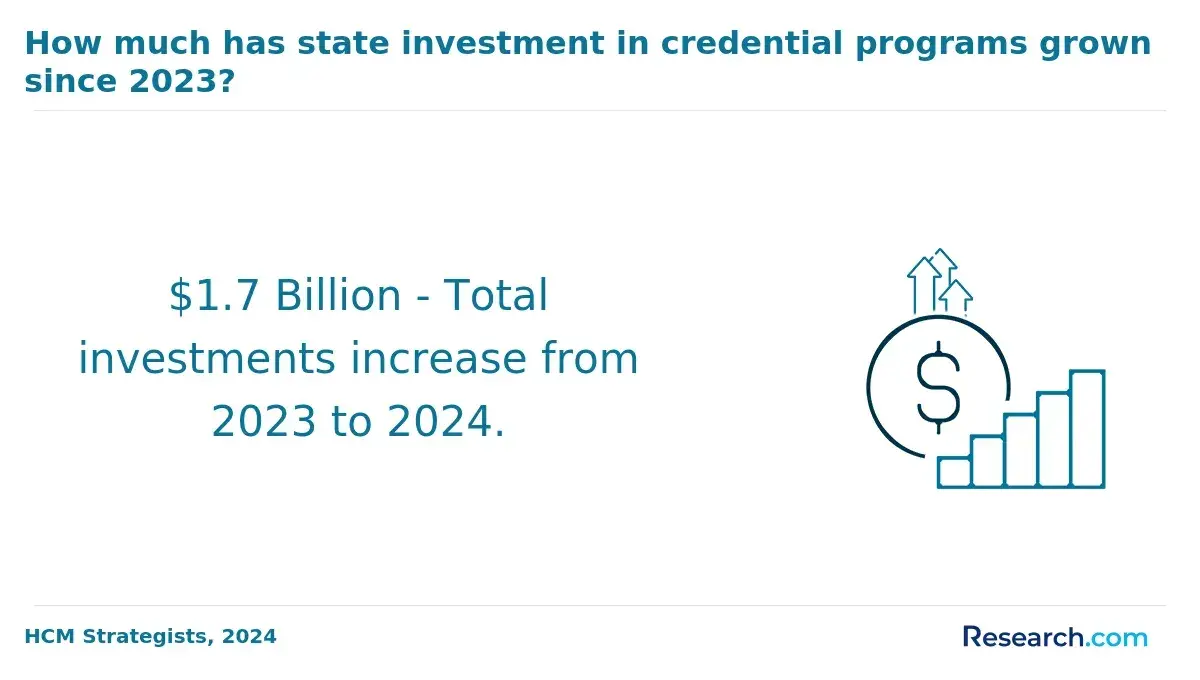
Financial aid helps lower the initial expenses of nurse education programs, which can lead to better financial returns over time by reducing the amount students need to borrow. Recent data shows that more than 85% of graduate students use some form of financial aid to support their studies, highlighting its significance in managing education costs and debt.
Several key financial aid options can improve the return on investment for nurse education degrees:
- Scholarships: Awarded mostly based on merit, scholarships decrease the total cost without requiring repayment, directly boosting ROI by limiting financial strain.
- Grants: These need-based funds also do not require repayment and help cover tuition or related fees, which lowers overall expenses and future loan burdens.
- Fellowships: Provided for research or work within nursing education, fellowships offer stipends or tuition support, easing financial pressure while enhancing professional experience.
- Employer Tuition Assistance: Many healthcare employers provide tuition reimbursement, which can significantly cut costs and encourage a quicker financial return by combining work and education.
- Federal Loans: Though repayable, federal loans usually feature lower interest rates and flexible repayment plans, making them a more affordable borrowing option that better preserves ROI compared to private loans.
How long does it take to complete a nurse education degree?
The length of time needed to finish a nurse education degree plays a critical role in its return on investment. A shorter completion period reduces opportunity costs like lost wages and ongoing tuition, allowing graduates to enter the workforce sooner and start recouping their educational expenses more quickly.
Several elements impact how long it takes to earn this degree, affecting overall ROI:
- Enrollment Status: Full-time students typically complete their programs faster but might face intense schedules, while part-time learners balance work and school over a longer timeline, potentially slowing financial returns.
- Program Format: Online and accelerated options can compress study periods significantly, lowering both direct and indirect costs and enabling earlier employment.
- Transfer Credits: Applying relevant previous coursework can shorten degree requirements, enhancing financial and time efficiency.
- Clinical and Research Demands: Extensive internships or thesis projects add crucial hands-on experience but may extend the overall duration before graduation.
- Flexible Scheduling: Evening, weekend, or modular classes support working professionals and parents but might prolong the path to completion, balancing feasibility with timing.
Reflecting on her journey, a nurse education graduate shared how navigating these factors felt firsthand. She described managing a part-time schedule while working full-time as a challenge that tested her stamina but ultimately made the experience more manageable. The flexibility of weekend classes allowed her to maintain employment and support her family, though it stretched the program closer to three years.
"It wasn't easy balancing everything, but I appreciated gaining practical skills through the required clinical hours," she remarked. Her story illustrates how individual circumstances shape the timeline, but with determination, the investment in time can yield rewarding career advancement that balances personal commitments and professional goals.
Is ROI higher for online or on-campus nurse education programs?
The delivery format of nurse education degree programs can greatly influence return on investment (ROI) through differences in cost, flexibility, and career outcomes. With over 30% of graduate students enrolled exclusively in online programs in recent years, the increasing popularity of online education reflects its potential cost savings and convenience.
Key factors to consider in the ROI comparison of online versus on-campus nurse education programs include:
- Tuition and Fees: Online programs generally have lower tuition and fees, making them more cost effective than on-campus options. Reduced expenses for commuting and housing also contribute.
- Opportunity Cost: The flexibility of online study allows students to maintain employment while completing their degree, thereby minimizing income loss and enhancing overall financial returns.
- Time to Completion: Online courses often offer flexible pacing, which can shorten or extend study duration depending on individual circumstances.
- Networking and Career Services: On-campus programs typically provide stronger networking opportunities and more robust career support, which can positively impact long-term career growth.
- Employer Perception and Long-Term Earnings: Some employers may favor graduates of on-campus programs for their hands-on training and face-to-face interaction, potentially boosting future earnings.
For those evaluating the cost effectiveness of nurse educator degrees online and on-campus, considering access to financial resources is important. Many students benefit from financial aid options similar to those found in medical billing and coding online schools financial aid programs, which can improve affordability and ROI.
What is the average salary after earning a nurse education degree?
Post-graduation salary is a key factor in determining the return on investment (ROI) for those pursuing a nurse education degree, as it directly affects how quickly graduates can recoup tuition costs and build financial stability. Typically, the average nurse educator salary USA ranges from $60,000 to $90,000 annually, varying according to several factors.
Several variables impact nurse education degree salary outcomes and, consequently, the overall ROI. These include:
- Industry: Salaries differ across academic institutions, healthcare organizations, and private training companies. Educators in higher education tend to earn more than those working in clinical or community settings, influencing long-term earnings.
- Geographic Location: Compensation is generally higher in urban areas and states with elevated living costs, whereas rural or lower-cost areas offer more modest salaries.
- Prior Experience: Nurses with substantial clinical backgrounds often command better pay when transitioning into education, as their expertise enhances their value and salary prospects.
- Specialization: Advanced skills in in-demand nursing fields or teaching methods can lead to higher salaries and faster career progression, improving financial returns.
- Career Level: Entry-level nurse educators usually start with lower salaries, but earning additional credentials and experience boosts income, positively affecting ROI over time.
For those exploring related options, an excellent alternative to consider is a healthcare administration online degree, which offers its own unique salary prospects and career growth opportunities.
Does a nurse education degree lead to promotions?
Promotions play a crucial role in enhancing the return on investment (ROI) of a nurse education degree by leading to higher salaries, expanded responsibilities, and increased career mobility. These factors collectively contribute to better financial outcomes and stronger professional growth.
A notable workforce trend is the growing emphasis on credential-based promotion, with healthcare employers valuing advanced degrees like nurse education for leadership and specialized roles, making such qualifications essential for career advancement.
Here are several key ways a nurse education degree influences promotion opportunities and ROI:
- Credential Requirements: Many clinical education or management roles mandate advanced nurse education degrees, making the qualification essential for eligibility and career progression.
- Leadership Preparation: This degree equips nurses with leadership and curriculum development skills, positioning them for educator promotion opportunities and higher-level responsibilities.
- Tuition Support Eligibility: Nurses pursuing this degree may qualify for tuition reimbursement or employer support programs, reducing the overall cost and improving ROI.
- Promotion Policies: Internal advancement frameworks often favor candidates with advanced degrees, aligning with organizational priorities for nurse educator promotion opportunities.
- Experience and Education Synergy: Combining professional experience with formal nurse education maximizes growth potential and strengthens candidates' competitiveness in the job market.
For those exploring their options, researching the cheapest online nursing programs can be a strategic step toward advancing career goals while managing educational expenses effectively.
Which industries offer the best ROI for nurse education graduates?
The return on investment (ROI) for graduates with a nurse education degree varies across industries due to differences in salary levels, career advancement opportunities, and demand for specialized skills. These factors influence which sectors provide the highest financial and professional rewards for nurse educators.
Industries with the strongest ROI often combine competitive compensation with clear promotion paths and long-term job stability. Here are several key sectors that offer significant ROI for those holding a nurse education degree:
- Healthcare Administration and Education: This sector often leads to higher salaries through leadership or academic roles. Professionals use their nurse education to develop training programs or manage healthcare staff, benefiting from robust career advancement.
- Government and Public Health: With a focus on community health initiatives, this field offers job stability, benefits, and opportunities to influence health policies. The structured promotion tracks in public health agencies contribute to sustained income growth.
- Specialized Clinical Settings: Areas like critical care or surgical nursing reward advanced certifications and skills with premium wages and overtime options. The high demand for expertise in these urgent care environments makes these roles financially attractive.
- Private Healthcare and Outpatient Clinics: Increasing emphasis on patient education and efficiency generates a growing need for nurse educators who stay current with clinical knowledge, ensuring steady demand and salary potential.
Prospective students evaluating the highest ROI nursing education industries can find valuable information on affordable educational pathways by exploring options such as the cheapest DNP online program. This can help balance the cost and time commitment of advanced nursing degrees against long-term career outcomes in some of the best paying healthcare sectors for nurse educators.
Does accreditation affect ROI for a nurse education degree?
In nurse education degree programs, accreditation is an official endorsement indicating that the program adheres to rigorous quality standards set by authoritative bodies. This certification confirms that the curriculum, faculty, and resources meet professional and academic benchmarks, which directly impacts the degree's value.
Employers increasingly prefer candidates from accredited programs, recognizing these graduates as well-prepared for healthcare roles. Furthermore, attending an accredited program is often essential for qualifying for licensure, a critical step that influences employability and earning potential in nursing careers.
Accreditation also plays a significant role in enhancing the long-term return on investment by granting access to federal financial aid, which alleviates upfront costs. It facilitates the transfer of academic credits, allowing students to complete their degrees more efficiently.
Additionally, accreditation fosters employer confidence in graduate qualifications, promoting career advancement and mobility within the healthcare sector. Without accreditation, students may face challenges in obtaining necessary licensure and certifications, which can limit their professional growth and financial outcomes over time.
Is a nurse education degree worth it?
The return on investment for a nurse education degree depends largely on financial factors such as the cost and duration of the program, typically ranging from one to three years based on format and level. Graduates often see higher earnings compared to non-specialized registered nurses, with nurse educators earning median salaries that reflect their advanced skills and teaching roles.
Opportunities for career growth in academic or leadership positions also contribute to enhanced income potential. Employment in this field is growing steadily due to rising demand for qualified educators amid an aging nursing workforce.
The value of pursuing a nurse education degree varies with personal and market factors. Flexible options like online programs help reduce costs and allow students to maintain employment, while financial aid and employer tuition benefits can ease the upfront expense.
However, if career aspirations do not include teaching or administrative roles, the financial advantages may be limited despite industry growth. Evaluating program details, expected job market trends, and individual goals is essential to determine if this investment aligns with one's professional objectives and offers meaningful returns.
What Graduates Say About The ROI of Their Nurse Education Degree
- Sherry: "Choosing to pursue a nurse education degree on campus felt like a big investment, especially with the average tuition costs hitting around $30,000. However, the hands-on experience and networking opportunities made it absolutely worth it. Today, I'm leading training programs at a major hospital and couldn't imagine a better career move."
- Emilia: "Opting for an online nurse education degree was a strategic choice given my busy schedule and the average total cost of about $20,000. The flexibility allowed me to balance work and study, and I truly believe the long-term ROI justifies every cent. This path has opened doors to advanced roles in nursing education that I never thought possible."
- Monica: "As a part-time student, I had to be careful with budgeting since the overall program cost can easily reach mid-twenties in thousands. Reflecting on my journey, the nurse education degree was a professional game-changer, enabling me to transition into curriculum development and mentorship roles within a year of graduation. The investment paid off, both financially and intellectually."
Other Things You Should Know About Nurse Education Degrees
Geographic location significantly impacts the ROI of a nurse education degree in 2027. Areas with higher demand for healthcare professionals tend to offer better salaries, thus improving ROI. Conversely, regions saturating with nurses might offer lower wages, decreasing potential returns. Nurses should research local job markets to maximize their investment.
Yes, obtaining additional certifications and engaging in continuing education can substantially enhance job prospects and salary growth for nurse educators. Advanced credentials in specialized nursing education areas or leadership can lead to higher-paying positions and improved career stability.
References
- Is an MSN in nursing education worth it? https://www.herzing.edu/faq/is-msn-nursing-education-worth-it
- How to Pay for Nursing School | All Nursing Schools https://www.allnursingschools.com/financial-aid/
- Nursing School Cost of Attendance, Tuition and Fees at OHSU https://www.ohsu.edu/school-of-nursing/tuition-and-fees
- Financial Aid https://apply.nursing.yale.edu/portal/admissions
- How Long is Nursing School? https://nurse.org/education/how-long-is-nursing-school/
- How Long is Nursing School? A Comprehensive Guide https://www.dewv.edu/how-long-is-nursing-school-a-comprehensive-guide/
- The Nurse Educator Career Advancement Opportunities Guide - NEIT https://www.neit.edu/blog/nurse-educator-career-guide
- How Do Nurses Navigate Career Advancement? | NursingEducation https://nursingeducation.org/insights/career-advancement/
- Evaluating ROI: What Kind of Skillset Can Your Develop Through Advanced Nursing Degrees? https://skillmeter.com/blog/evaluating-roi-what-kind-of-skillset-can-your-develop-through-advanced-nursing-degrees


