
2027 Return on Investment (ROI) of an Applied Behavior Analysis Degree Program

Co-Founder and Chief Data Scientist
Choosing an applied behavior analysis degree is primarily an ROI decision: will the time, tuition, supervised experience requirements, and lost work hours lead to better pay, stronger job security, or a clearer path into behavior analysis roles? For prospective students, career changers, educators, healthcare workers, and paraprofessionals, that question matters because ABA programs can be valuable but are not automatically worth the cost for every learner.
The field has strong demand signals, with employment projected to grow 27% from 2021 to 2031, much faster than the average for all occupations. Still, the payoff depends on program price, format, accreditation, financial aid, state requirements, work experience, and the type of role a graduate pursues. This guide explains how to evaluate the return on investment of an applied behavior analysis degree, compare online and on-campus options, estimate costs and salary outcomes, and identify the career settings where the degree is most likely to deliver long-term value.
Key Things to Know About Applied Behavior Analysis Degree ROI
- Graduates with an applied behavior analysis degree typically see a 20% higher starting salary compared to similar fields, reflecting strong earning potential.
- Career advancement is robust, with certification opportunities enabling roles in clinical, educational, and corporate settings that offer leadership positions.
- Growing demand in diverse industries like healthcare and education contributes to job stability and consistent long-term salary growth for degree holders.
How Is ROI Calculated for a Applied Behavior Analysis Degree Program?
ROI for an applied behavior analysis degree compares what you spend to earn the credential with the financial benefits you may gain afterward. A useful ROI estimate should include not only tuition but also the income you may give up while studying, the time it takes to complete the program, and the salary growth the degree can realistically support.
The simplest way to think about ROI is this: the degree has a stronger return when it leads to higher earnings, faster advancement, or better job stability than you could reasonably expect without it. The calculation becomes weaker when costs are high, completion takes longer than planned, or the program does not align with the roles you want.
- Tuition and fees: Include tuition, mandatory fees, textbooks, technology charges, and other required academic expenses. This is the most visible cost, but it is only one part of the investment.
- Opportunity cost: Estimate the wages, overtime, promotions, or work experience you may give up while enrolled. This is especially important for students who reduce work hours or leave full-time employment.
- Time to completion: Program length affects both direct costs and delayed earnings. Shorter pathways can improve ROI if they still meet academic, fieldwork, and credentialing needs. Students comparing fast education routes may also review accelerated EDD degree options for a broader view of time-to-degree trade-offs.
- Post-graduation salary: Starting pay after graduation determines how quickly you can recover your education costs. A degree with moderate tuition and strong early-career earnings usually produces a better financial outcome than a more expensive program with similar salary results.
- Career advancement: Promotions, supervisory responsibilities, specialization, and leadership roles can increase the long-term value of the degree. ROI should be measured over several years, not only by first-year salary.
Before enrolling, compare the applied behavior analysis degree cost versus salary in the market where you plan to work. A strong program should help you move toward specific roles, meet employer or credential expectations, and reduce unnecessary delays that could weaken your financial return.
How Much Does a Applied Behavior Analysis Degree Program Cost?
The cost of an applied behavior analysis degree can vary widely, so students should calculate the full cost of attendance before comparing ROI. Tuition is important, but it is not enough. With U.S. graduate students frequently graduating with over $70,000 in debt, the better question is: how much will this degree cost after aid, work income, required materials, travel, and credential-related expenses?
Common cost categories include:
- Tuition and fees: These are usually the largest expenses and may differ by institution type, residency status, program length, and online or on-campus format.
- Books and materials: ABA programs may require specialized texts, assessment tools, software access, and course materials that recur across terms.
- Living or relocation expenses: Students attending on campus may need to move, commute, or adjust housing arrangements. Full-time study can also increase pressure on personal budgets.
- Opportunity cost: If you reduce work hours to manage coursework or field requirements, the lost income should be counted as part of the degree’s real cost.
- Hidden or indirect costs: Application fees, licensing examination payments, travel for practicums or internships, background checks, and professional membership dues can raise the total investment.
Students comparing lower-cost pathways should review total program expenses, not tuition alone. For example, online options may reduce commuting and relocation costs, and some learners researching affordable online aba master's programs may find that flexibility helps them continue working while completing their coursework.
One graduate described the cost issue clearly: “Balancing work and study was tough—I underestimated how much income I’d forgo during that time.” The same graduate also pointed to travel for fieldwork and test fees as expenses that “added up quickly and caught me off guard.” That experience reflects a common ROI mistake: budgeting for the advertised tuition price while overlooking the practical costs of completing the degree.
What Financial Aid Is Available for Applied Behavior Analysis Degree Programs?
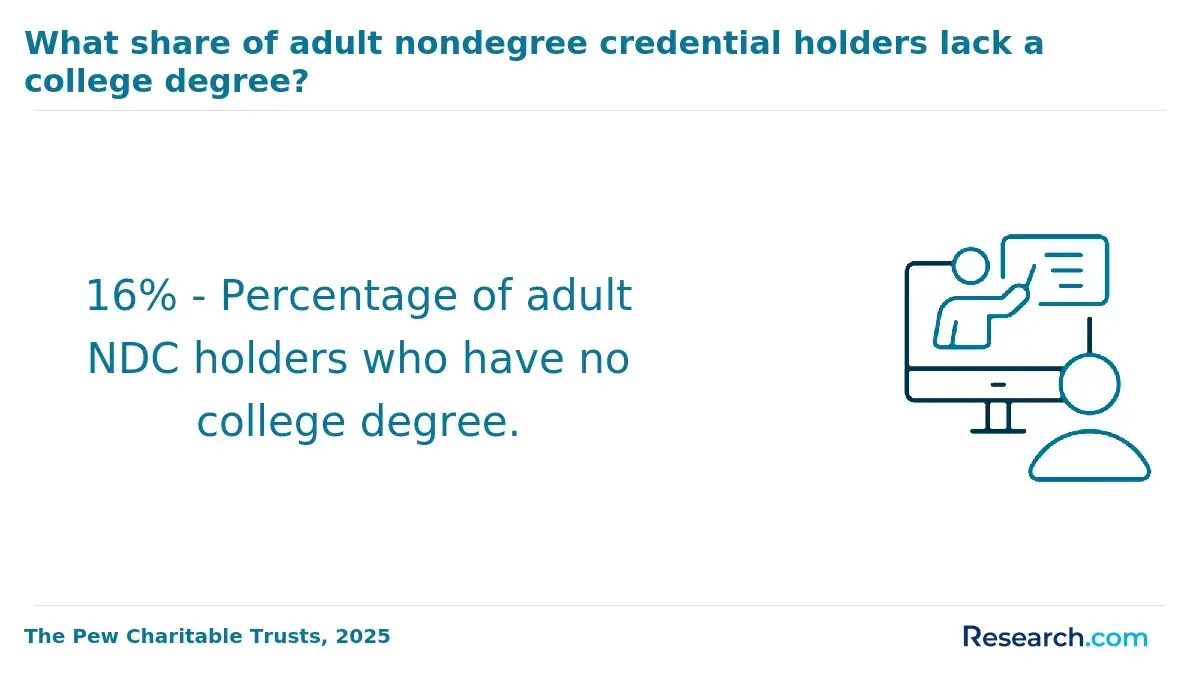
Financial aid can improve the ROI of an applied behavior analysis degree by reducing the amount you pay out of pocket or borrow. Since about 58% of master's degree recipients rely on student loans, students should compare funding options early rather than waiting until after admission.
The most useful aid strategy is to combine funding sources when possible. Scholarships, employer support, grants, and federal loans can work together to lower debt and preserve cash flow while you complete the program.
- Scholarships: Scholarships do not require repayment and can directly reduce tuition costs. Program-specific, university-based, professional association, and community awards are worth checking.
- Grants: Grants are often need-based and can reduce the net cost of attendance without increasing debt.
- Fellowships: Fellowships may be merit-based and can sometimes include stipends. They are especially valuable because they may help cover both academic and living expenses.
- Employer tuition assistance: Working professionals should ask whether their employer reimburses ABA coursework, supports graduate study, or offers promotion pathways after degree completion.
- Federal loans: Federal loans require repayment, but they may offer flexible repayment options that help students manage short-term costs.
When comparing aid packages, focus on net cost after grants and scholarships, not the sticker price. Also check whether aid requires full-time enrollment, minimum grades, continued employment, or service commitments. A generous award can lose value if it forces a schedule that increases your opportunity cost or delays graduation.
How Long Does It Take to Complete a Applied Behavior Analysis Degree?
An applied behavior analysis degree usually takes about 1.5 to 3 years to complete. This timeline affects ROI because every additional term can increase tuition, fees, living costs, and delayed earnings. However, the fastest option is not always the best option if it creates scheduling pressure, weakens field experience, or makes it difficult to continue working.
Completion time is shaped by several practical factors:
- Enrollment status: Full-time students usually finish faster, while part-time students may protect their income by continuing to work.
- Program format: Online and accelerated formats can shorten the timeline or make scheduling easier, but students should confirm that course availability supports steady progress.
- Transfer credits: Previously earned graduate credits may reduce the number of required courses if the program accepts them.
- Practical requirements: Internships, supervised fieldwork, capstone projects, or thesis requirements may extend the program but can strengthen employability.
- Schedule flexibility: Evening, asynchronous, or part-time options can help working adults persist, even if they lengthen the calendar time to completion.
A graduate described the trade-off this way: “It wasn’t just about hitting deadlines. Managing my time between classes, work, and family was tough, but it made me appreciate every concept more.” Her timeline stretched because of work responsibilities, but she felt the additional time improved her professional readiness. For ROI, the best timeline is the one that lets you finish without unnecessary debt, burnout, or lost career momentum.
Is ROI Higher for Online or On-Campus Applied Behavior Analysis Programs?
ROI can be higher in either online or on-campus ABA programs, depending on the student. Online programs often improve ROI for working adults because they can reduce commuting, relocation, and opportunity costs. On-campus programs may offer stronger in-person networking, structured schedules, and easier access to campus-based support. Nearly 40% of graduate students have taken at least one online course, reflecting broader acceptance of online study, but students should still evaluate quality and fit carefully.
- Lower tuition and fees: Online programs may cost less than on-campus options, though students should compare the full cost of attendance rather than assuming online is always cheaper.
- Greater flexibility: Online delivery can make it easier to keep working while enrolled, which may reduce lost income and improve ROI.
- Networking and career services: On-campus programs may provide more direct access to faculty, classmates, practicum sites, and career support.
- Employer acceptance: Employers increasingly recognize online credentials, but reputation, accreditation, field experience, and student outcomes still matter.
- Time to completion: On-campus programs may keep students on a fixed schedule, while online students may finish faster or slower depending on course pacing and personal obligations.
Students interested in counseling-related accreditation comparisons may also review CACREP-accredited online counseling programs to understand how accreditation and format can affect professional pathways. For ABA specifically, the stronger ROI choice is the program format that lets you complete requirements efficiently, maintain necessary income, and graduate with a credential employers trust.
What Is the Average Salary After Earning a Applied Behavior Analysis Degree?
Salary after graduation is one of the biggest drivers of ROI because it determines how quickly you can recover your education costs. Typical earnings after ABA degree completion in the United States range from $50,000 to $75,000 annually, with experienced professionals or those in leadership roles sometimes exceeding $80,000.
Actual earnings can differ significantly based on role, location, employer type, credentials, and experience. Students should compare salaries in their target state or metro area rather than relying only on national ranges.
- Industry: Healthcare, education, private practice, research, and autism support services may offer different pay structures and advancement opportunities.
- Geographic location: Urban centers and states with higher living costs often pay more, although higher expenses can offset part of the salary advantage.
- Prior experience: Candidates with relevant behavioral health, education, clinical, or supervisory experience may qualify for stronger starting offers.
- Specialization: Advanced certifications, niche ABA expertise, and experience with high-demand populations can support higher compensation.
- Career level: Senior, supervisory, and managerial roles typically offer stronger long-term earning potential than entry-level positions.
Career changers comparing different graduate pathways may also consider fields with distinct cost and salary profiles, such as an online master's degree in library science. For ABA students, the key is to compare expected earnings against the specific program cost and credential requirements for the roles they want.
Breakdown of All 4-Year Online Title IV Institutions

Does a Applied Behavior Analysis Degree Lead to Promotions?
An applied behavior analysis degree can support promotions, especially when an employer requires advanced education, ABA coursework, or formal credentials for supervisory and specialist roles. It does not guarantee promotion by itself. The degree is most valuable when paired with strong job performance, relevant experience, credential eligibility, and a clear advancement path within the organization or field.
Promotion potential matters for ROI because higher-level roles can bring increased pay, broader responsibilities, and more career mobility. In healthcare and education settings, credentials often influence who can move into supervision, program development, case oversight, or specialized behavior support positions.
- Credential requirements: Some employers use formal qualifications as a threshold for specialist, supervisory, or leadership roles.
- Leadership preparation: ABA degree programs can build skills in assessment, intervention planning, data analysis, ethics, and supervision that are useful for advancement.
- Employer support: Tuition assistance can improve ROI if the degree helps employees move into higher-level internal roles.
- Internal policies: Promotion systems may weigh degrees, certifications, experience, performance reviews, and tenure differently.
- Experience integration: Employers typically value graduates who can apply ABA concepts in real workplace settings, not just complete coursework.
Students who need a faster undergraduate credential before pursuing graduate-level ABA study may compare an accelerated bachelor's degree online as part of their long-term education plan. For promotion-focused learners, the strongest ROI comes from choosing a degree that matches a specific role requirement or advancement policy.
Applied Behavior Analysis career advancement opportunities continue to grow, but students should verify how a degree is treated by employers in their intended sector before enrolling.
Which Industries Offer the Best ROI for Applied Behavior Analysis Graduates?
The best ROI industries for applied behavior analysis graduates are usually the ones that combine steady demand, clear credential expectations, competitive compensation, and advancement opportunities. A high starting salary helps, but long-term ROI also depends on job stability, benefits, supervision opportunities, and the ability to move into higher-responsibility roles.
- Healthcare and rehabilitation: Clinical and rehabilitation settings may offer stable demand for behavior analysts and opportunities to work as part of interdisciplinary care teams.
- Education and special education: Schools and specialized education programs need behavior support expertise, especially for students with complex learning or behavioral needs.
- Autism support services: This is a major employment area for ABA graduates and can offer clear role progression for clinicians, supervisors, and program leaders.
- Corporate and organizational behavior management: Organizations may use behavior analysis principles to improve employee performance, safety, training, and productivity.
- Government and public health agencies: Public agencies may value ABA knowledge for program design, policy implementation, service delivery, and community-based behavioral supports.
Choosing the best career path means looking beyond the job title. Compare expected pay, required credentials, benefits, caseload expectations, supervision quality, and promotion structure. Graduates who want to strengthen their profile may also review online certifications that pay well, especially if additional credentials align with their target industry.
Does Accreditation Affect ROI for a Applied Behavior Analysis Degree?
Accreditation can affect ROI because it signals that a program meets recognized quality standards and may influence employer confidence, financial aid eligibility, credit transfer, and licensure or credential pathways. For applied behavior analysis students, accreditation should be checked before enrollment, not after graduation.
The financial risk of choosing the wrong program is significant. If a degree does not meet employer, licensure, or credential expectations, graduates may need additional coursework, supervised experience, or a second program to qualify for the roles they wanted. That can weaken ROI by adding time and cost.
Accreditation may improve ROI in several ways:
- Employer trust: Employers may prefer candidates from programs with recognized quality assurance.
- Financial aid access: Accreditation can affect eligibility for federal financial aid, which may reduce upfront financial pressure.
- Licensure readiness: Increasingly, states are mandating graduation from accredited programs to qualify for licensure, making accreditation a practical requirement in some cases.
- Transfer flexibility: Credits from accredited institutions are often easier to evaluate if students pursue further education.
- Career mobility: A recognized degree can make it easier to apply across employers, sectors, or states.
Before committing, students should confirm the program’s accreditation status, ask how the curriculum aligns with credential requirements, and verify whether graduates are eligible for the professional path they intend to pursue.
Is a Applied Behavior Analysis Degree Worth It?
An applied behavior analysis degree can be worth it when the program is affordable, accredited or otherwise aligned with credential requirements, and connected to a realistic career goal. The degree is most likely to produce a strong ROI for students who plan to work in clinical, educational, healthcare, autism support, rehabilitation, or organizational behavior settings and who understand the requirements for advancement in their state or employer system.
Most degrees require one to two years to complete, with costs that vary considerably across programs. Graduates in this field often earn a median salary above $60,000 annually, with experienced professionals or those in supervisory roles earning more. That earning potential can make the degree financially worthwhile, especially when students control borrowing, use financial aid, continue working, or choose a program with flexible scheduling.
The degree may be a weaker investment if a student enrolls in a high-cost program without confirming accreditation, fieldwork expectations, licensure relevance, employer demand, or likely salary outcomes. It may also be less valuable for students who are unsure whether they want to work in behavior analysis or who do not need the degree for their intended role.
A practical decision rule is to choose the lowest-cost quality program that meets your professional requirements and supports your schedule. If the degree helps you qualify for roles you could not access otherwise, reduces barriers to promotion, and fits your financial limits, the ROI can be strong.
What Graduates Say About The ROI of Their Applied Behavior Analysis Degree
- : "Choosing to pursue an applied behavior analysis degree as a traditional student was one of the best decisions I ever made. Although the average cost of attendance was around $30,000, the long-term ROI has been impressive due to strong demand in the field and diverse career opportunities. Completing the program truly transformed my professional path and opened doors to higher-paying roles in clinical settings. — Callen"
- : "As an online student, I carefully weighed the cost of an applied behavior analysis degree before enrolling, knowing it would average close to $25,000. The flexibility allowed me to maintain my job while studying, making the investment worthwhile. Now, with my credential, I've experienced significant career growth and enjoy the satisfaction of making a measurable difference in clients' lives. — Lea"
- : "Pursuing my applied behavior analysis degree part-time was a strategic choice given the expense-often upwards of $28,000-and my professional commitments. Reflecting back, the time and financial investment were justified by the expert knowledge I gained and the ability to advance into leadership roles within my organization. This degree has been a key driver in my career development. — JJ"
Other Things You Should Know About Applied Behavior Analysis Degrees
Professional certifications like becoming a Board-Certified Behavior Analyst (BCBA) can significantly impact the ROI of an Applied Behavior Analysis degree in 2027. Certified professionals often command higher salaries and have more employment opportunities, improving the financial returns and career advancement prospects for degree holders.
Geographic location significantly affects the 2027 ROI of an applied behavior analysis degree. Urban areas with higher living costs might offer increased salaries, whereas rural locations might pay less but have a lower cost of living. Demand for ABA professionals can vary by region, impacting job availability and compensation.
References
- Is BCBA Certification Worth the Investment? | Little Rays ABA https://www.littleraysaba.com/blog/bcba-certification
- ABA Therapist Career Growth & Opportunities - Little Champs https://littlechampsaba.com/blog/aba-therapist-career-growth/
- Top Online ABA Degree and Grad Certificate Programs for 2025 https://www.appliedbehavioranalysisedu.org/online-degrees/
- Behavioral Therapist Salary Outlook | Achieve Behavioral https://www.achievebt.com/blog/behavioral-therapist-salary
- Applied Behavior Analysis Scholarships and Funding https://education.uoregon.edu/aba/scholarships-funding
- Average BCaBA Salary By State https://www.astroaba.com/blog/average-bcaba-salary-by-state
- 9 Careers in Applied Behavior Analysis | The Chicago School https://www.thechicagoschool.edu/insight/career-development/4-ways-to-use-degree-in-applied-behavior-analysis/
- Is BCBA Certification Worth the Investment? https://moveupaba.com/blog/is-bcba-certification-worth-the-investment/
- Is BCBA Certification Worth It? Expert Insights | All Star https://www.allstaraba.org/is-bcba-certification-worth-it-expert-insights
- Applied Behavior Analysis Graduate Programs - Big Dreamers ABA https://www.bigdreamersaba.com/blog/applied-behavior-analysis-graduate-programs


