
2027 Return on Investment (ROI) of an Environmental Management Degree Program

Co-Founder and Chief Data Scientist
Many prospective students hesitate before enrolling in an environmental management degree, concerned about balancing tuition costs with meaningful career outcomes. For instance, graduates in this field face an evolving job market where environmental regulations and sustainability demands are driving growth. According to the U. S. Bureau of Labor Statistics, employment of environmental scientists and specialists is projected to grow 8% from 2022 to 2032, faster than the average for all occupations. This article will analyze the return on investment for environmental management degrees, offering insight into earning potential, job demand, and how graduates can maximize the value of their education.
Key Things to Know About Environmental Management Degree ROI
- Graduates with an environmental management degree earn a median salary 15% higher than workers without this qualification, reflecting strong earning potential in sustainability-focused roles.
- This degree enables career advancement into leadership positions within diverse sectors such as government agencies, consulting firms, and renewable energy companies.
- Job stability is reinforced by growing regulatory demands and climate policies, supporting long-term salary growth and employment opportunities across industries.
How Is ROI Calculated for a Environmental Management Degree Program?
Return on investment (ROI) in higher education quantifies the financial gains earned from obtaining a degree relative to the costs and time required. For those considering an environmental management degree program, calculating ROI helps compare the educational value to expenses and lost income during study.
Several critical factors contribute to calculating return on investment for environmental management degrees, highlighting the financial trade-offs and potential gains. These include:
- Tuition and fees: This encompasses the total direct costs of the program, including tuition, books, and additional fees, representing the initial financial outlay students must recoup.
- Opportunity cost: The income foregone while attending school instead of working full-time is a vital factor, reflecting potential earnings lost during the degree completion period.
- Time to completion: The duration of the program influences ROI since longer programs may delay workforce entry or career advancement, increasing both direct and opportunity costs.
- Post-graduation salary outcomes: Expected starting salaries and future salary growth within environmental management roles play a large role in the potential income gains that offset the education costs.
- Career advancement: The degree's ability to unlock higher-level or specialized positions enhances long-term earning potential, improving overall return on investment.
When evaluating environmental management degree ROI factors and calculation, it's also useful to review options like the cheapest online MBA programs as a comparative benchmark for cost-effective education paths.
- calculating return on investment for environmental management degrees
- environmental management degree ROI factors and calculation
How Much Does a Environmental Management Degree Program Cost?
Evaluating the total cost of a environmental management degree program is crucial for understanding its potential return on investment, especially as graduate tuition in the U.S. continues to rise by around 3% annually, contributing to the nation's student debt exceeding $1.7 trillion. Accurately considering all spending aspects ensures a clearer picture of whether the degree's benefits outweigh its costs.
The primary cost factors impacting ROI include:
- Tuition and fees: Often the largest expense, these vary widely depending on the program length, public or private institution status, and residency requirements.
- Books and materials: Essential course supplies like textbooks, specialized software licenses, and sometimes lab or field equipment can significantly increase expenses beyond tuition.
- Living or relocation expenses: Students may face increased costs from moving closer to campus or maintaining housing in higher-cost cities.
- Opportunity cost: Time invested in full-time study usually means foregoing salary, which can affect overall financial returns.
- Hidden or indirect costs: Application fees, commuting, technology needs, and incidentals may add up, often overlooked when budgeting.
A graduate I recently spoke with shared that managing the financial demands of the program was more challenging than anticipated. He explained, "Between unexpected software fees and relocation costs, I often found myself recalculating my budget mid-semester." He also reflected on the emotional strain, noting that balancing coursework while working part-time to lessen debt sometimes made the payoff feel uncertain. His experience underscores how crucial it is to look beyond tuition alone when assessing program costs and true value.
What Financial Aid Is Available for Environmental Management Degree Programs?
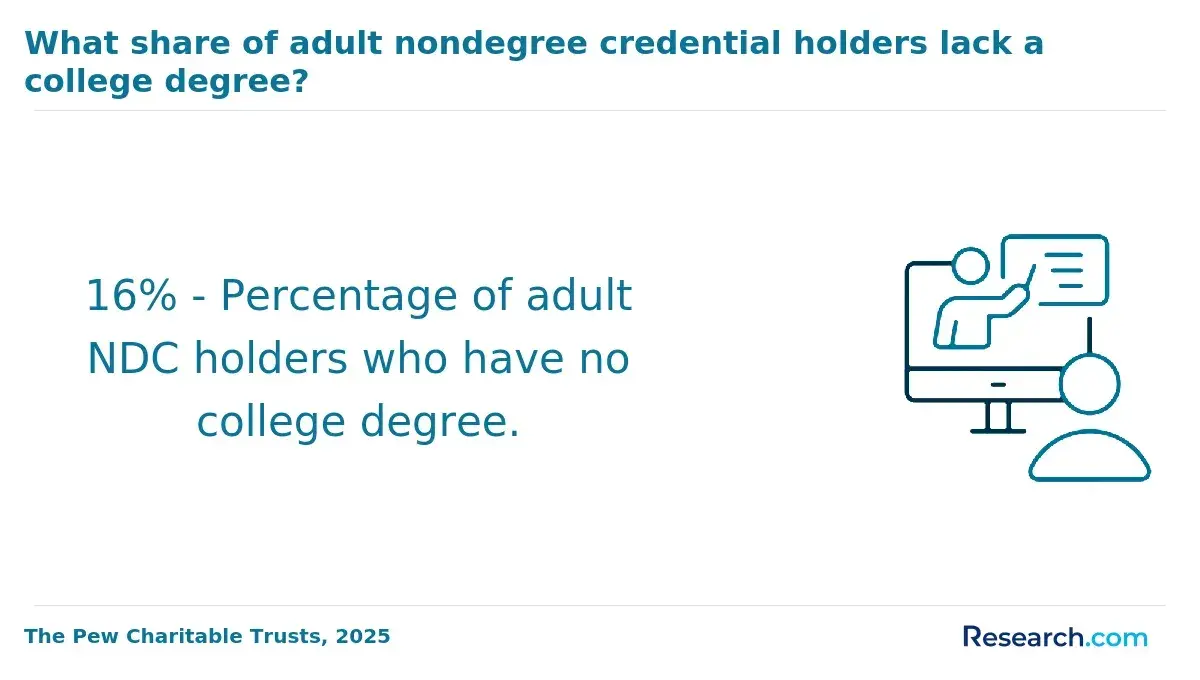
Financial aid significantly reduces upfront expenses for environmental management degrees and helps improve the long-term return on investment by lowering the need for costly borrowing. Nearly 60% of master's degree students take on debt to finance their education, highlighting the importance of strategic financial support to control costs and enhance value.
The following are common financial aid types that can affect overall costs and debt burden for environmental management students:
- Scholarships: These merit-based awards do not require repayment and can directly decrease total education expenses, enhancing net ROI by minimizing debt accumulation.
- Grants: Typically awarded based on financial need, grants provide essential resources without repayment obligations, easing the financial strain and lowering barriers to enrollment.
- Fellowships: Combining funding with responsibilities like research or teaching, fellowships reduce tuition costs while offering professional development, which can strengthen career outcomes and reduce future debt.
- Employer Tuition Assistance: For working professionals, employer reimbursement programs help cover tuition, maintaining income levels and significantly cutting out-of-pocket costs.
- Federal Loans: Offering accessible funding with flexible terms, federal loans expand opportunities but increase future repayment obligations, requiring careful consideration to preserve favorable ROI.
How Long Does It Take to Complete a Environmental Management Degree?
The time to complete an environmental management degree significantly affects its return on investment by influencing opportunity cost, total expenses, and when graduates can begin earning. Delays in finishing the program mean more years without full income, higher cumulative costs, and postponed career advancement.
Key factors shaping time to completion and therefore ROI include:
- Enrollment pace: Choosing full-time over part-time study speeds up graduation; part-time students often take longer, impacting earning potential and increasing total costs.
- Program format: Online or accelerated courses can reduce degree length, helping students enter the workforce sooner and potentially lowering expenses.
- Transfer credits: Utilizing prior coursework shortens the path to graduation, decreasing tuition and time away from work.
- Experiential requirements: Internships or thesis projects may extend the program duration but often provide valuable skills and enhance long-term salary prospects.
- Scheduling flexibility: Programs that accommodate working students allow balancing education with income, which can influence how quickly the degree is completed and financial outcomes.
When reflecting on how long it takes to finish an environmental management degree, a recent graduate shared that navigating the balance between her part-time classes and full-time job was challenging yet rewarding. "It wasn't easy managing coursework alongside work and family commitments," she explained, "but choosing an online program with flexible scheduling was a game-changer." She mentioned that transfer credits helped her avoid repeating similar courses, which shortened her timeline considerably. Although the internship requirement extended her studies slightly, she felt it was crucial for building practical skills and networking. Overall, she said the time invested felt worthwhile because she was able to maintain income while progressing steadily, and now she's positioned for better career opportunities. "It really depends on the individual's circumstances, but being strategic about program choices makes a big difference," she reflected.
Is ROI Higher for Online or On-Campus Environmental Management Programs?
The return on investment (ROI) for environmental management degree programs can differ significantly based on whether the program is online or on-campus. These differences stem from variations in cost, flexibility, and career outcomes. Notably, over 40% of graduate students now enroll exclusively in online programs, reflecting a broader shift toward accessible education that may influence financial returns.
Key aspects that impact the environmental management program ROI comparison include:
- Tuition and fees: Online programs generally have lower tuition costs and fees, reducing initial financial burden. However, some top-tier institutions may charge comparable rates for both delivery formats.
- Opportunity cost: Students in online programs often keep working while studying, which lowers lost income during their education compared to on-campus students who might take leave or reduce hours.
- Time to completion: Online degrees usually offer flexible pacing, allowing students to accelerate or extend their studies as needed, which can affect overall costs and earnings timeline.
- Networking and career services: On-campus programs tend to provide richer in-person networking opportunities and more hands-on career support, which can influence job placement and long-term earnings.
- Employer perception: While some employers traditionally favored on-campus credentials, online environmental management degrees are increasingly accepted, especially when earned from accredited schools.
Those considering a program may also explore options in related fields, such as a social work degree fast track, to compare ROI across disciplines and formats.
What Is the Average Salary After Earning a Environmental Management Degree?
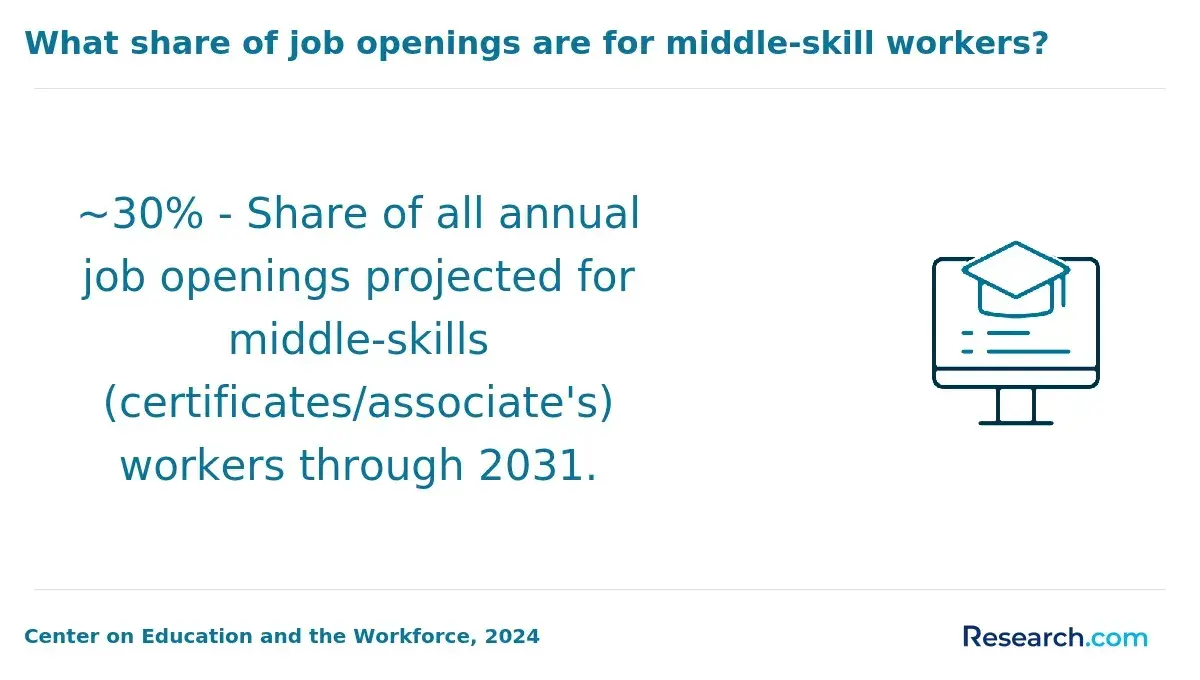
Post-graduation salary is a crucial factor determining the return on investment (ROI) of an environmental management degree because it affects how quickly graduates can repay their educational expenses. Higher earnings lead to faster student loan repayment and improved financial stability, enhancing the degree's economic value.
The average environmental management degree salary in the U.S. typically falls between $50,000 and $85,000 annually. Entry-level roles start near the lower end, while experienced professionals or those with specialized skills tend to earn toward the higher end or beyond. These environmental management graduate earnings vary based on several key factors, including:
- Industry: Salaries differ across consulting firms, government agencies, and private sector jobs. Private industry often provides higher pay, boosting ROI for graduates entering these fields.
- Geographic location: Compensation is generally higher in metropolitan areas or regions with stringent environmental policies, reflecting greater local demand and cost of living.
- Prior experience: Graduates with internships or relevant work experience typically command better starting salaries, accelerating career advancement and improving financial returns.
- Specialization: Expertise in niche areas like sustainability or hazardous waste management can open doors to higher-paying roles within the environmental management sector.
- Career level: Advancing into management and leadership positions increases earnings potential, significantly enhancing long-term ROI.
Prospective students evaluating the financial impact of this degree should also explore affordable online MFT programs as part of broader educational cost considerations.
Does a Environmental Management Degree Lead to Promotions?
Promotions contribute significantly to the return on investment (ROI) of a environmental management degree by offering salary increases, broader professional responsibilities, and enhanced career mobility. Together, these factors not only improve financial returns but also provide stronger job security and greater opportunities for further advancement. A notable workforce trend is the growing importance of credential-based promotion, where formal education increasingly acts as a prerequisite or a strong preference for moving up the career ladder.
Key factors influencing promotions and ROI for those with a environmental management degree include the following:
- Credential requirements: Many mid- to senior-level environmental and sustainability roles mandate or highly prefer candidates with specialized degrees, making a environmental management degree essential for advancement.
- Leadership preparation: This degree equips graduates with critical leadership and project management skills, positioning them well for supervisory and managerial promotions.
- Tuition reimbursement: Increased eligibility for employer tuition reimbursement programs can lower the overall cost of education, improving ROI by reducing financial burdens.
- Internal promotion policies: Organizations often prioritize employees with advanced or specialized degrees in their promotion decisions, giving degree holders a competitive advantage.
- Experience and education synergy: Combining practical work experience with a formal degree enhances credentials, making graduates strong candidates for higher-level roles and better career advancement.
Although experience remains a vital factor, a environmental management degree is increasingly considered crucial for leadership positions, especially within organizations focused on environmental compliance and sustainability initiatives. For those exploring options, it's useful to compare this field with the easiest college majors with high pay as part of a comprehensive career planning strategy focused on environmental management degree career advancement. Promotions with environmental management degree credentials provide a pathway to elevated roles that combine financial rewards with meaningful impact in the growing sustainability sector.
Which Industries Offer the Best ROI for Environmental Management Graduates?
The return on investment (ROI) for graduates with a degree in environmental management varies significantly by industry due to differences in salary levels, career progression opportunities, and demand for specialized skills. Industries placing a high value on regulatory expertise and sustainability priorities typically offer stronger financial returns and faster promotion potential.
Below are key industries known to provide the best ROI careers in environmental management:
- Energy and utilities: This sector emphasizes regulatory compliance and sustainability initiatives, leading to competitive salaries and consistent long-term demand for environmental management expertise.
- Manufacturing: Environmental managers in this industry contribute to waste reduction and help firms meet environmental standards, often benefiting from career growth connected to operational efficiency and sustainability improvements.
- Consulting firms: Positions here require a broad skill set, including policy knowledge and technical problem-solving, with strong opportunities for advancement and exposure to diverse projects.
- Government agencies: These roles offer job stability and steady compensation growth, especially for professionals managing environmental policies and public programs.
- Construction and real estate development: Growing focus on green building practices drives demand for environmental managers, improving both salary levels and promotion prospects as sustainable infrastructure gains importance.
Ultimately, understanding which industries offer high paying opportunities for environmental management graduates can guide career decisions toward sectors aligning with financial and professional goals. With careful educational investment, including options available through cheap online colleges, prospective students can maximize their ROI and secure thriving careers in this essential field.
Does Accreditation Affect ROI for a Environmental Management Degree?
Accreditation in environmental management degree programs signifies that the curriculum, faculty, and learning outcomes meet established quality standards set by independent bodies. This validation is crucial for return on investment because employers increasingly favor candidates from accredited programs, viewing them as better prepared and reliable. Additionally, accreditation often affects eligibility for professional licenses, which are essential in fields like environmental compliance and consulting. As workforce demands evolve, graduates from accredited programs tend to have stronger job market prospects due to this recognized assurance of education quality.
Over time, accreditation can significantly enhance the financial and career benefits gained from an environmental management degree. Accredited programs typically qualify students for federal financial aid, reducing upfront education expenses and easing the path to degree completion. The ability to transfer credits smoothly between schools also supports continued education and specialization, boosting career progression opportunities. Furthermore, holding a degree from an accredited institution fosters employer trust and opens doors to licensure and certifications that increase professional mobility across industries and regions.
Is a Environmental Management Degree Worth It?
The return on investment for an environmental management degree hinges on factors such as tuition fees, duration of study, and expected earnings after graduation. Programs typically last one to three years, which can affect earnings during that period. Graduates often secure roles in sustainability and resource management, with median salaries ranging from $50,000 to $80,000 annually as demand for environmental expertise grows. Career growth and salary increases are frequently tied to specialized skills and regulatory trends within this industry.
Whether this degree offers strong ROI depends on multiple variables. Rising demand for environmental professionals, especially within government and corporate sectors, can improve job prospects. Flexible program options, like online or part-time study, help reduce income loss by allowing students to maintain employment. Financial aid availability and clear career objectives, such as leadership or consulting aspirations, also play critical roles in justifying costs, while high tuition and unstable job markets may diminish the overall value of the investment.
What Graduates Say About The ROI of Their Environmental Management Degree
- Grant: "Choosing to pursue an environmental management degree in a traditional setting was a game-changer for me. Although the average cost of attendance was quite significant, I viewed it as an investment in my future career and the long-term ROI has already become evident. The comprehensive curriculum and hands-on experiences helped me land a role with a leading conservation agency much faster than I expected. "
- Harlan: "As an online student, I carefully weighed the cost of an environmental management degree against the potential career benefits. Given that the average program cost typically ranges in the tens of thousands, it certainly felt like a commitment, but the flexibility allowed me to work while studying. Completing the degree expanded my consultancy opportunities and improved my professional credibility, proving it was worth every dollar."
- Archer: "Balancing work and studies as a part-time environmental management student posed challenges, but understanding the degree's impact on my career made it worthwhile. Despite the fees being substantial compared to some alternatives, the specialized knowledge and skills I gained have opened doors to project management roles in sustainability. I confidently regard my education as a smart investment with solid long-term returns."
Other Things You Should Know About Environmental Management Degrees
Environmental management graduates develop skills in sustainability planning, regulatory compliance, and environmental impact assessment. These competencies are highly valued by employers focused on reducing environmental risks and improving corporate responsibility. Proficiency in data analysis and project management also enhances graduates' employability, contributing to a stronger return on investment.
The reputation of a degree program can significantly influence ROI by impacting job placement rates and networking opportunities. Graduates from well-regarded programs often have access to better internships and are favored by employers in competitive markets. This can lead to higher starting salaries and faster career advancement, increasing the overall ROI of the degree.
In 2027, while non-monetary factors such as personal fulfillment, societal impact, and professional network growth are important, they do not directly impact the financial ROI calculations. These factors, however, contribute to overall job satisfaction and career sustainability for environmental management graduates.
Continuing education and professional certifications can improve ROI by opening advanced career paths and increasing earning potential. Certifications like Certified Environmental Professional (CEP) validate expertise and can lead to leadership roles. Investing in these credentials after completing a degree often results in better job security and higher long-term financial returns.
References
- 3 Environmental Management Job Titles: Salaries Included https://www.astutis.com/astutis-hub/blog/environmental-management-jobs
- Master of Environmental Management — MEM https://environment.yale.edu/academics/masters/mem
- Understanding the ROI of sustainability https://plana.earth/academy/roi-sustainability
- 2025 Most Affordable Online Environmental Science Degrees https://www.onlineu.com/most-affordable-colleges/environmental-science-degrees
- Best Courses and Degrees for a Career in Sustainability https://dcoil.org/blogs/best-courses-and-degrees-for-a-career-in-sustainability/
- Measuring The ROI Of Managed Learning Environments In Corporate Training https://elearningindustry.com/measuring-the-roi-of-managed-learning-environments-in-corporate-training
- What is ROI in sustainability? https://instituteofsustainabilitystudies.com/insights/lexicon/the-roi-of-business-sustainability/
- Ranking of the Best Masters, MS & MBA 2025 https://www.best-masters.com/master-sustainable-development-and-environmental-management-ranking/oceania.html
- University of Warsaw https://study.gov.pl/university-warsaw-13
- 5 ways to prove the ROI of your sustainability efforts - Sweep https://www.sweep.net/blog/5-ways-to-prove-the-roi-of-your-sustainability-efforts


