
2027 Return on Investment (ROI) of an Industrial Engineering Degree Program

Co-Founder and Chief Data Scientist
Many prospective students hesitate to invest in an industrial engineering degree due to uncertainties about job stability and salary growth. The U.S. Bureau of Labor Statistics projects a 14% employment growth for industrial engineers through 2032, faster than the average for all occupations.
Despite rising tuition costs, industrial engineering careers often offer competitive starting salaries and opportunities for advancement in sectors like manufacturing and logistics. This article examines the return on investment of an industrial engineering degree by analyzing education costs, employment prospects, and long-term earning potential to help readers make informed financial and career decisions.
Key Things to Know About Industrial Engineering Degree ROI
- Graduates with an industrial engineering degree often earn a median salary exceeding $88,000 annually, reflecting strong earning potential compared to other engineering fields.
- The degree offers career advancement and leadership roles in manufacturing, supply chain, and consulting sectors, enhancing long-term professional growth and mobility.
- Industrial engineers experience job stability with a projected 8% employment growth through 2031, supported by diverse industry applications and continuous demand for process optimization.
How Is ROI Calculated for a Industrial Engineering Degree Program?
Return on investment (ROI) in higher education quantifies the financial benefits gained relative to the costs and time invested in earning a degree. This metric allows students to assess the value of an industrial engineering degree by comparing expected earnings and career prospects against tuition expenses and time away from the workforce.
Key factors involved in calculating return on investment for industrial engineering degrees include:
- Tuition and fees: This encompasses all direct costs related to the degree, such as tuition payments, textbooks, and other mandatory expenses. These form the upfront financial commitment students must make.
- Opportunity cost: Time spent pursuing a degree means income foregone from full-time work. Evaluating this lost salary is essential for understanding the true cost of the program.
- Time to completion: The duration of the degree affects total expenses and postponed earnings. Longer programs increase these costs, potentially reducing overall ROI.
- Post-graduation salary: Estimated starting salaries and expected income growth over a career strongly influence ROI, with higher wages enabling quicker recovery of initial investments.
- Career advancement: An industrial engineering degree can enhance promotion opportunities and wage increases, contributing to long-term financial gains.
Prospective students comparing industrial engineering degree ROI factors and formulas will also find value in exploring related fields such as BCBA programs online for alternative career paths.
How Much Does a Industrial Engineering Degree Program Cost?
Accurately evaluating the return on investment (ROI) of an industrial engineering degree requires a full understanding of the total costs involved. Graduate tuition and fees in the U.S. have increased around 3% per year over the last decade, contributing to an average student debt close to $37,000. This underscores why considering all expenses is vital when assessing financial outcomes.
Several key cost factors influence the overall investment for this degree:
- Tuition and fees: These cover instruction, lab access, and administrative costs, with significant variation depending on whether a student attends a public or private institution.
- Books and materials: Expenses include textbooks, software licenses, and any specialized equipment necessary for coursework, which can add up each semester.
- Living or relocation expenses: Housing, transportation, and daily costs often represent a large portion, especially for those who move away from home to attend school.
- Opportunity cost: The income foregone by studying full-time instead of working can be substantial and should be factored into the overall calculation.
- Hidden or indirect costs: Additional expenses like health insurance, technology fees, and other miscellaneous charges may not be immediately obvious but affect the total outlay.
When discussing cost with a recent industrial engineering graduate, he expressed how the financial strain was greater than he initially expected. "Balancing coursework while managing rent and utilities was stressful," he shared, noting that the downtime from full-time employment hit his savings.
He advised prospective students to budget carefully for unexpected expenses. Understanding these challenges early could ease the transition and better prepare candidates for the investment ahead.
What Financial Aid Is Available for Industrial Engineering Degree Programs?
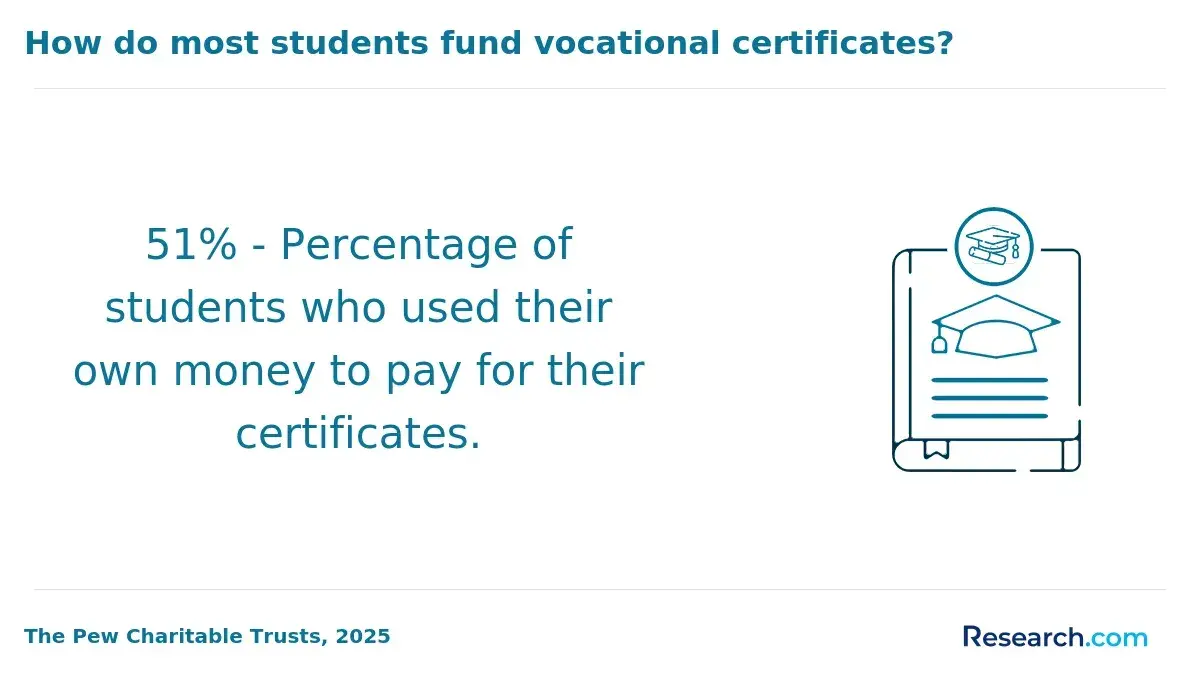
Financial aid helps reduce upfront expenses for industrial engineering students, which in turn enhances long-term return on investment by lowering debt. Approximately 85% of graduate students benefit from some form of financial support, reflecting its critical role in financing advanced degrees.
Common financial aid options include:
- Scholarships: Merit-based awards that do not require repayment, directly decreasing overall education costs and improving ROI by minimizing debt.
- Grants: Usually need-based and non-repayable, grants cut out-of-pocket spending, making the degree more financially accessible.
- Fellowships: Targeted toward graduate industrial engineering students, these provide funding with few work commitments, allowing more focus on academic and research pursuits that can boost future earnings.
- Employer Tuition Assistance: Some companies offer tuition reimbursement programs that partially or fully cover costs, lowering personal financial burden for working students.
- Federal Loans: While repayable with interest, these loans often offer favorable rates and flexible repayment plans, enabling students to manage costs without immediate financial strain after graduation.
Combining multiple types of financial aid can significantly reduce borrowing, increasing net financial benefits from an industrial engineering degree.
How Long Does It Take to Complete a Industrial Engineering Degree?
The length of time it takes to complete an industrial engineering degree directly influences the degree's return on investment through factors like opportunity cost, earlier earning potential, and cumulative educational expenses. Graduating sooner means entering the workforce earlier, which can greatly enhance overall financial benefits.
Several key elements affect the duration of earning this degree and consequently its ROI:
- Enrollment status: Full-time students generally finish faster than part-time learners who juggle coursework with jobs or personal commitments, though part-time paths offer flexibility at the expense of extending completion time.
- Program format: Accelerated or online programs often reduce the time needed to graduate, letting students capitalize on earlier career opportunities and income generation.
- Transfer credits: Credit transfer from prior relevant courses can shorten degree requirements, speeding up graduation and start of professional careers.
- Internship and thesis: While these experiences may add time to the academic schedule, they enhance real-world skills, increase employability, and can lead to higher salaries, which affect long-term ROI positively.
- Scheduling flexibility: Programs that allow students to customize course loads or timing enable better management of responsibilities, helping maintain steady progress toward degree completion.
I spoke with a graduate of an industrial engineering degree about her journey. She shared that balancing work, family, and coursework made completing the program a test of perseverance. "There were times I felt stretched thin, especially during project deadlines and internship periods," she said.
Having the option to take some courses online helped her stay on track without sacrificing income. She emphasized that while the program took a bit longer than the traditional four years, the practical experience gained through her internship proved invaluable.
Reflecting on her path, she noted, "The time invested paid off in confidence and job offers that aligned well with my goals." Her insight underscores how individual circumstances and program design shape the timeline and ultimately the value of an industrial engineering degree.
Is ROI Higher for Online or On-Campus Industrial Engineering Programs?
The return on investment (ROI) for industrial engineering programs varies significantly depending on whether the degree is earned online or on campus. Differences in cost, flexibility, and career outcomes influence this ROI.
Notably, online enrollment has increased by over 20% in the past decade, reflecting broader acceptance of remote learning options. These trends impact how prospective students evaluate the comparative return on investment for industrial engineering degrees.
Here are key factors to consider when comparing online versus on-campus industrial engineering programs:
- Tuition and fees: Online programs generally have lower tuition and fees, reducing upfront educational costs. This affordability makes online options attractive for those budgeting carefully, especially when compared to higher on-campus tuition rates and living expenses.
- Opportunity cost: Online degrees allow students to maintain employment while studying, minimizing income loss during the degree pursuit. This flexibility can improve overall ROI by combining education and work experience simultaneously.
- Time to completion: Although both formats offer comparable duration, online programs often provide more flexible pacing. This allows students to accelerate or extend their studies according to personal and professional obligations.
- Networking and career services: On-campus programs typically offer richer networking opportunities and more extensive face-to-face career support. These in-person interactions can be valuable for building professional contacts in industrial engineering.
- Employer perception and earnings: Despite growing acceptance of online education, some employers still favor on-campus degrees, which may give graduates a slight advantage in certain industries and affect long-term earning potential.
For anyone weighing options among online business colleges and industrial engineering programs, understanding these distinctions is essential to making an informed investment in one's future career.
What Is the Average Salary After Earning a Industrial Engineering Degree?
Post-graduation salary is a crucial factor in calculating the return on investment (ROI) for students pursuing an industrial engineering degree. Since salary largely determines the financial benefits gained from the time and money spent on education, examining average industrial engineering salary in the US offers valuable insight into the degree's economic value.
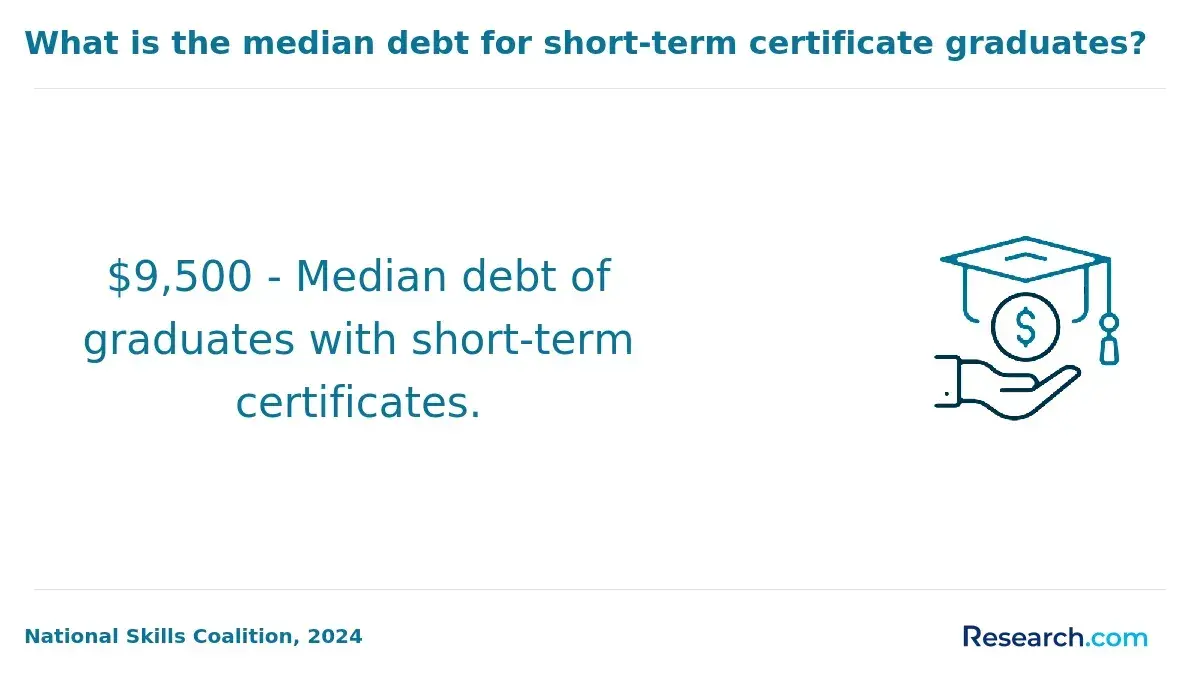
Industrial engineering graduate salary expectations vary, with starting salaries typically around $60,000 to $75,000 annually. Mid-career professionals often earn between $80,000 and $100,000, while senior roles can exceed $110,000. These figures generally suggest a positive ROI when considering tuition and career progression.
Several key factors influence salary outcomes and impact ROI for industrial engineering graduates:
- Industry: Different sectors such as manufacturing, logistics, technology, and healthcare have distinct pay scales, directly affecting earning potential.
- Geographic location: Salaries tend to be higher in metropolitan areas with increased demand and living costs, shaping overall compensation.
- Prior experience: Internships and co-op placements before graduation often lead to better starting salaries by providing practical skills and professional connections.
- Specialization: Expertise in areas like supply chain management or data analytics can command higher wages, enhancing financial returns.
- Career level: Advancing into supervisory or managerial positions typically results in significant salary increases over time.
Each of these aspects influences how much an industrial engineering degree can financially benefit graduates across their career span. For students exploring affordable options, programs such as the cheapest MLIS degree online provide insight into balancing cost with potential salary growth.
Does a Industrial Engineering Degree Lead to Promotions?
Promotions contribute significantly to the return on investment (ROI) of an industrial engineering degree by offering salary increases, expanded responsibilities, and greater career mobility. These factors enhance financial returns as professionals leverage their education to move into higher-level roles. A notable workforce trend is the growing emphasis on credential-based promotions, where formal education credentials are increasingly required for advancement.
Several key aspects illustrate how an industrial engineering degree impacts promotion opportunities and ROI:
- Credential requirements: Many managerial and specialist positions require formal degrees, making an industrial engineering degree essential for meeting these advancement criteria.
- Leadership preparation: The degree often includes training in leadership and project management, equipping graduates with skills necessary for supervisory roles and increased responsibilities.
- Tuition reimbursement: Access to employer tuition assistance programs can lower the financial burden associated with earning the degree, indirectly boosting its overall ROI.
- Internal promotion policies: Organizations commonly prioritize degree holders when considering candidates for promotions, aligning with company advancement frameworks.
- Experience synergy: Combining work experience with the technical and analytical skills validated by the degree strengthens candidacy for higher-level roles.
For working professionals exploring career advancement, investing in an industrial engineering degree can be a strategic step toward better outcomes. Prospective students may also consider options like an accelerated bachelors degree online to quickly gain credentials and capitalize on the career benefits.
These elements collectively improve promotion prospects and support long-term financial growth, making an industrial engineering degree a valuable asset for career advancement and increased ROI in today's competitive job market focused on industrial engineering degree career advancement and promotions with industrial engineering degree.
Which Industries Offer the Best ROI for Industrial Engineering Graduates?
The return on investment (ROI) for an industrial engineering degree varies widely depending on the industry, driven by differences in salary levels, career advancement opportunities, and demand for specialized skills. Variations in these factors shape the financial and career outcomes graduates can expect.
Industries that typically offer the strongest ROI for industrial engineering graduates tend to leverage their technical and optimization skills effectively. Key sectors include:
- Manufacturing: This traditional sector values industrial engineers for process optimization, cost reduction, and efficiency improvements. It provides solid starting salaries with consistent growth and opportunities to advance into leadership roles.
- Technology and Electronics: As technology companies streamline production of high-tech devices, demand for industrial engineers rises. This sector often offers higher compensation and rewards innovation, especially in regions with thriving tech ecosystems.
- Healthcare: Industrial engineers improve operational efficiency in hospitals and pharmaceutical manufacturing. This sector combines job stability with growing demand and competitive salaries due to specialized process improvement skills.
- Logistics and Supply Chain Management: The rapid growth of e-commerce has increased demand for supply chain expertise. High salary growth potential and job security make this an attractive sector for industrial engineers.
- Energy and Utilities: While entry salaries may be moderate, the need for optimized energy production and distribution supports long-term demand and promotion opportunities, driving strong ROI over time.
Choosing a career path in these top industries for industrial engineering graduate ROI significantly impacts long-term earning potential and career satisfaction. Industrial engineers may also benefit from pursuing best online certificate programs to enhance skills and marketability in these highest paying sectors for industrial engineers.
Does Accreditation Affect ROI for a Industrial Engineering Degree?
Accreditation in industrial engineering degree programs signifies that the curriculum and instruction meet rigorously defined quality standards set by an impartial organization. This endorsement assures employers and professional bodies that graduates have received credible and relevant training aligned with industry needs.
As a result, accredited programs often enjoy higher demand among employers who prefer candidates demonstrating standard-compliant education, enhancing graduates' competitiveness in the job market. Additionally, accreditation can be a prerequisite for pursuing certain professional engineering licenses, further influencing career prospects.
Over time, accreditation contributes to a stronger return on investment by fostering broader employer confidence, which can increase job opportunities and salary potential. It also provides access to federal financial aid, lowering the educational cost burden for many students.
Furthermore, credits earned in accredited programs generally transfer more easily between schools, offering flexibility if students change institutions. These factors, combined with eligibility for licensure and improved career mobility, collectively support greater long-term value from an industrial engineering degree.
Is a Industrial Engineering Degree Worth It?
Pursuing a degree in industrial engineering requires careful consideration of both financial and professional factors. The typical bachelor's program lasts about four years and involves expenses such as tuition, fees, and living costs.
Graduates generally enjoy favorable job prospects, earning median salaries between $70,000 and $90,000 annually-above the national average for many other fields. Opportunities for career growth include moving into management, consulting, or specialized technical roles, enhancing long-term earning potential.
The return on investment varies significantly depending on several elements. Industry demand fluctuates by region and sector, impacting job availability and salary levels. Flexible program formats like part-time or online studies can reduce indirect costs, while scholarships and financial aid help offset upfront expenses.
Ultimately, aligning the degree with personal career objectives and willingness to use engineering skills in broader roles is crucial. When career paths are clear and market needs strong, the degree tends to be financially worthwhile, but uncertain goals or high costs may diminish the ROI.
What Graduates Say About The ROI of Their Industrial Engineering Degree
- Minnie: "Choosing an industrial engineering degree felt like a smart investment from the start, especially knowing the long-term return on investment given the growing demand for efficiency experts. Although the cost was around $30,000 annually, I believe it's justified considering the salary boost and job security I now enjoy. This degree truly accelerated my career in manufacturing optimization, and I'm grateful I took the leap. "
- Kyle: "Pursuing an online industrial engineering program was a thoughtful decision shaped by balancing cost and flexibility; with tuition fees averaging about $20,000 per year, it demanded careful budgeting but was absolutely worth it. The ability to study remotely while gaining critical skills has redefined my professional trajectory, opening doors to leadership roles in supply chain management. Reflecting on this, I see the value far outweighs the expense. "
- Nathan: "Opting for a part-time industrial engineering degree was a calculated move considering the immediate financial impact and long-term career growth. The total cost, spread over a longer duration, was manageable, and completing the program strengthened my technical and analytical skills significantly. This formal education has been instrumental in securing my current position as a process improvement specialist. "
Other Things You Should Know About Industrial Engineering Degrees
Geographical location significantly impacts the ROI of an industrial engineering degree because salaries and cost of living vary by region. In high-demand areas like California or Texas, graduates may secure higher salaries, boosting ROI, whereas in regions with fewer industrial hubs, earnings might be lower, affecting overall ROI.
Internships play a crucial role in improving the ROI of an industrial engineering degree. Practical experience helps students build relevant skills, develop professional networks, and often leads to higher starting salaries or job offers. Employers frequently prefer candidates with internship experience, making it easier to secure well-paying positions after graduation.
References
- Interested in industrial engineering careers? Check out these rewarding career different paths https://learn.rumie.org/jR/bytes/interested-in-industrial-engineering-careers-check-out-these-rewarding-career-different-paths/
- Top Entry-level Job Roles for Industrial Engineering Graduates in 2026 | CollegeDekho https://www.collegedekho.com/articles/top-entry-level-job-roles-for-industrial-engineering-graduates/
- 6 Highest Career Prospects as Industrial Engineers – Swiss German University https://sgu.ac.id/6-highest-career-prospects-as-industrial-engineers/
- Best Industrial Engineering Schools for Future Engineers - UrbanEve https://urbaneve.co.uk/best-industrial-engineering-schools-for-future-engineers/
- ROI - INDUSTRIAL ENGINEERING https://www.industrial-engineered.com/lean/lean-tools/roi/
- Industrial Engineering Department: Frequently Asked Questions and Answers https://www.succefy.com/en/blog/industrial-engineering-department-frequently-asked-questions-and-answers
- Fees https://www.haw-kiel.de/en/degree-courses/courses/industrial-engineering/industrial-engineering/fees/
- What is the ROI of an Industrial Engineering Department? https://anddiligence.com/what-is-the-roi-of-an-industrial-engineering-department/
- Career Prospects After MS in Industrial Engineering in the USA: Salaries, Roles, and Growth https://www.imperial-overseas.com/blog/career-prospects-after-ms-in-industrial-engineering-in-the-usa-salaries-roles-and-growth/
- Management and Industrial Engineering (BS program) https://www.wskiz.edu/en/management-and-industrial-engineering


