2027 School Counseling Clinical Hours Requirements: What Counts and How to Complete Them

Co-Founder and Chief Data Scientist
How can students determine which activities qualify as clinical hours in their school counseling programs? Many learners face uncertainty balancing classroom instruction with field experience expectations, especially since state licensure often mandates between 600 and 700 supervised practicum and internship hours. Clinical hours typically involve direct student interaction in K-12 settings, case management, and professional collaboration under certified supervision.
Navigating placement options and documentation is crucial for meeting these accredited program requirements. This article explores what counts as clinical hours and outlines common strategies school counseling students use to fulfill these essential practicum training obligations effectively.
Key Things to Know About School Counseling Clinical Hours Requirements
- Required clinical hours provide supervised, hands-on experience, enabling students to apply classroom theories in real-world school environments, crucial for developing practical counseling skills.
- Clinical placement depends on approved settings, with many programs requiring partnerships with local schools or community organizations to ensure relevant, diverse training opportunities.
- Completion requires strict documentation, regular supervision by licensed counselors, and formal evaluations to verify competency and comply with licensure prerequisites.
What Are the Clinical Hours Requirements for School Counseling Programs?
The clinical hours requirements for school counseling programs generally range from 600 to 1,200 hours, depending on the program and accrediting standards. Participation in these extended clinical experiences ensures that students gain essential hands-on training in real-world settings, with at least 600 hours often cited as a baseline by accreditation bodies like CACREP. This practical component bridges classroom knowledge and professional application, allowing students to develop counseling skills effectively. Clinical training helps prepare students for the diverse demands they will face in their future roles.
These clinical hour requirements are an integral part of program completion standards and professional preparation, designed to ensure graduates develop applied competence before entering the workforce. By completing the minimum clinical hours needed for school counseling programs, students build the judgment and ethical decision-making capabilities required for effective practice. The structured inclusion of these hours elevates workplace readiness by immersing students in practical challenges, which complements their academic training and theoretical learning. Prospective students looking into accelerated pathways may also check out shortest DNP program online.
What Counts as Clinical Hours in School Counseling Programs?
Clinical hour requirements in school counseling programs ensure that students gain essential real-world experience, bridging academic theory and professional practice. Studies show that experiential learning, such as clinical practice, improves skill retention and competency by up to 75% compared to passive study methods. These hours are designed for meaningful interaction and engagement within school environments, preparing future counselors for effective student support. The following common activities qualify as clinical hours:
- Individual Counseling Sessions: One-on-one meetings with students focusing on academic planning, personal challenges, or career exploration. These sessions provide direct opportunities to apply counseling theories to individual needs.
- Group Counseling Activities: Facilitating peer support groups or addressing shared issues like bullying, social skills, or emotional regulation. Group work enhances skills in managing diverse student dynamics and fostering collaboration.
- Multidisciplinary Meetings: Collaborating with teachers, administrators, and families in team meetings to develop tailored student interventions. These interactions build communication and strategic planning skills integral to counseling roles.
- Prevention and Intervention Programs: Designing or delivering school-wide initiatives on topics such as mental health awareness, substance abuse prevention, or conflict resolution. This hands-on involvement demonstrates program development and community outreach capabilities.
- Assessment and Data Interpretation: Conducting student assessments and analyzing performance or well-being data to inform counseling approaches. These tasks improve critical thinking and evidence-based decision-making skills.
A school counseling degree graduate described initial uncertainty about what counted as clinical hours, recalling how tracking varied experiences felt overwhelming at first. He noted, "Applying theory in real sessions was rewarding but intimidating because each student's issue was unique." Over time, the diverse activities-from individual counseling to team meetings-provided a comprehensive skill set. He emphasized that these clinical hours "[built] my confidence and professional readiness in ways textbooks alone never could."
Do Clinical Hour Requirements Vary by State?
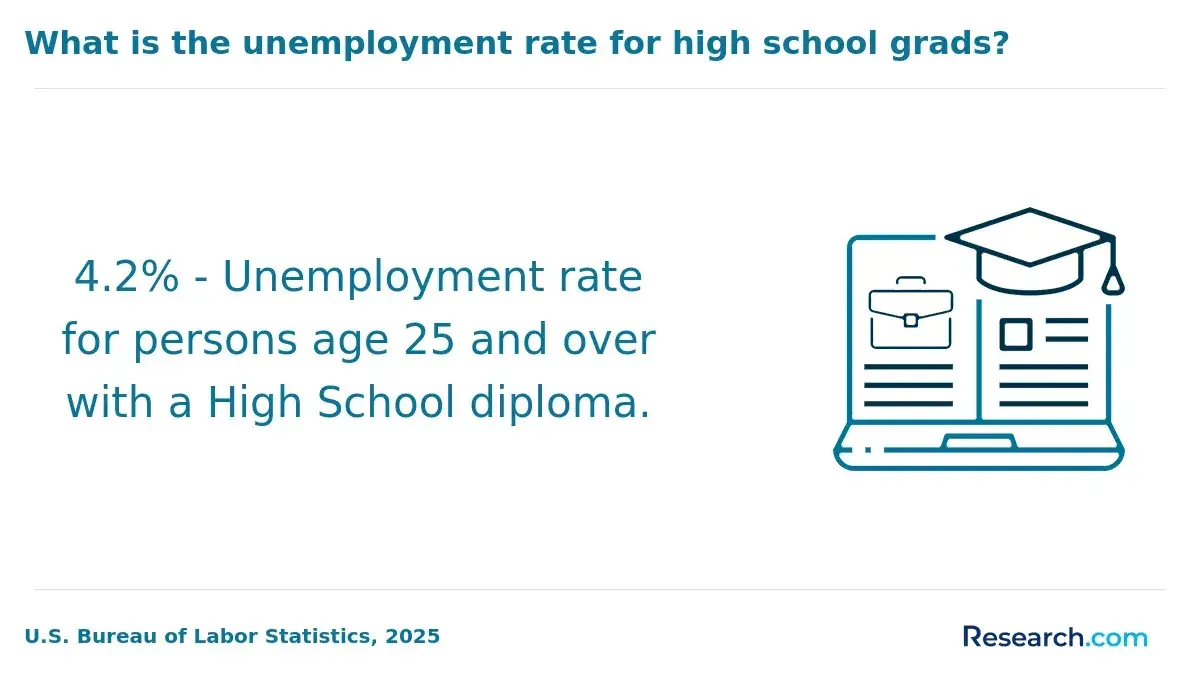
State regulatory agencies and professional licensing standards play a significant role in shaping clinical training requirements for School Counseling programs. Nationwide reviews reveal that mandated clinical hours can differ by over 50% between states, highlighting the variability students may encounter. These variations affect multiple aspects of how clinical hours are defined and completed.
- Hour Minimums: Each state sets a baseline for the total hours required, which can influence the overall duration and intensity of clinical experience necessary for program completion or licensure.
- Acceptable Experiences: States vary in what types of counseling-related activities count toward clinical hours, with some allowing broad options while others impose stricter limits on settings or task nature.
- Supervision Rules: Requirements for supervision by licensed professionals and the level of documentation needed differ across states, impacting how students validate their clinical time.
- Placement Diversity: Certain states mandate that clinical hours be gained across different school levels-such as elementary, middle, and high schools-to ensure exposure to varied developmental environments.
- Link to Licensure: Clinical hour standards are often aligned directly with state licensing criteria, meaning changes in licensure policies can drive adjustments in clinical hour expectations.
Recognizing these state-level differences helps students navigate their specific clinical hour requirements efficiently and comply with the standards critical for successful credentialing in School Counseling.
Where Do Students Complete School Counseling Clinical Hours?
Over 70% of practical training placements for counselor education students take place in K-12 school settings, underscoring the central role these environments play in professional preparation. These experiential opportunities enable students to develop skills critical to effective school counseling practice. Common settings for completing clinical hours include the following:
- K-12 Schools: Students work directly within public or private schools, engaging with diverse student bodies to support their academic, social, and emotional development through individualized counseling and intervention strategies.
- School Mental Health Centers: These centers offer multidisciplinary collaboration, where students participate in counseling interventions, crisis management, and connect with various support services to enhance student well-being.
- Community Counseling Agencies: Partnered with school districts, these agencies expose students to systemic issues impacting families and communities, expanding understanding of external factors influencing student success.
- Youth Programs: After-school and youth development initiatives provide practical experience in group facilitation, prevention efforts, and leadership skills, enriching students' counseling techniques in dynamic settings.
- Specialized Education Settings: Working in gifted or special education environments allows students to tailor counseling approaches to meet unique learner needs, broadening their competency in diverse educational contexts.
How Are Clinical Placements Assigned in School Counseling Programs?
Clinical placements are essential for school counseling students to gain supervised, practical experience in real educational settings. Research indicates that over 70% of professional education programs rely on formal partnerships to arrange these placements, highlighting their role in effective training. Below are key approaches to clinical placement assignment used in school counseling programs.
- Faculty Partnerships: Program faculty collaborate with local schools and educational agencies to align placements with student learning objectives. These partnerships help ensure that placements meet program standards and expose students to varied counseling environments tailored to their career goals.
- Centralized Coordination: Universities often use a centralized system managed by counseling departments or clinical coordinators to assign sites. Students provide preferences or geographic limits, and coordinators match them to suitable locations while maintaining accreditation compliance.
- Selective Placement: Some programs incorporate application or interview steps where site supervisors choose candidates best suited to their setting. This selective process fosters a strong match between student skills and placement site needs, enhancing learning outcomes.
- Self-Sourced Placements: In certain cases, students find and propose their own clinical sites. These placements require program approval to ensure they align with school counseling clinical site selection criteria and educational objectives.
Those seeking school counseling clinical hours should consider these assignment processes carefully. For students interested in affordable options during their studies, exploring the cheapest online nursing programs may provide helpful insights into flexible program models that incorporate clinical hours efficiently.
Can School Counseling Clinical Hours Be Completed Online or Part-Time?
School counseling clinical hours generally cannot be completed fully online or exclusively on a part-time basis. While about 30% of counseling graduate programs have introduced some hybrid formats combining online coursework with limited in-person practice, most programs require the majority of clinical hours to involve direct, face-to-face engagement. This is essential because these hours demand active interaction with students and school staff, which cannot be effectively replicated in a virtual environment. The need for hands-on experience with real clients explains why flexibility is available but limited.
Some school counseling programs may permit part-time accumulation of clinical hours, allowing students to complete requirements over an extended period rather than strictly full-time. The flexibility often depends on how programs structure practicum and internship placements and the availability of supervised experiences in actual school settings. However, the core of clinical training remains firmly rooted in direct client contact, where students apply their counseling skills through collaboration and observation in educational environments. Remote or simulated hours typically do not fulfill these critical hands-on components.
A professional with a school counseling degree shared her experience regarding online and part-time clinical hours. She noted that although online courses offered valuable theoretical knowledge, the clinical hours felt quite different because they demanded real-time interaction with students and school personnel. "Navigating the scheduling challenges of part-time placements was tough," she recalled, "but those in-person moments were invaluable for developing confidence and practical skills." She also highlighted that feeling fully prepared came only after consistent, face-to-face supervised sessions, emphasizing the importance of immersion in real educational settings to grasp the complex dynamics of school counseling.
What Supervision Is Required During School Counseling Clinical Hours?
Supervision during school counseling clinical hours is typically provided by licensed professionals such as certified school counselors or qualified mental health experts. This oversight is essential for student learning and client safety, as supervisors guide trainees through practical counseling scenarios while offering constructive feedback. Research indicates that students involved in supervised experiential learning score approximately 40% higher in clinical decision-making competence compared to those without supervision. Such guidance ensures adherence to ethical standards and supports professional growth throughout the training process.
Supervision facilitates the development of counseling skills by giving students opportunities to discuss cases and reflect on their interventions under expert guidance. Supervisors evaluate students' ability to translate counseling theory into practice, assessing readiness to meet professional benchmarks. This process helps build confidence, ethical judgment, and accountability, preparing trainees for independent roles within educational settings. Overall, supervision remains a foundational element in school counseling clinical hour requirements, fostering both competency and ethical practice.
How Are School Counseling Clinical Hours Tracked?
Tracking clinical hours is essential for documenting student progress and ensuring all school counseling clinical hour requirements are met for program completion. Over 90% of counseling programs require detailed documentation of experiential learning to maintain accreditation and compliance with standards. Accurate documentation and verification of school counseling practicum hours safeguard the integrity of the training process and support students' future credentialing. Common methods used to track these hours include:
- Digital Logging Systems: Many programs utilize secure, real-time digital platforms where students log their completed hours. These systems often include time-stamping and can generate reports for supervisors and coordinators, simplifying verification and accountability.
- Supervisor Verification Forms: These forms are signed by field supervisors who review and validate students' reported hours. This method ensures hours are earned under appropriate supervision and maintains an extra layer of accountability.
- Attendance Documentation: Detailed records of attendance during individual counseling, group sessions, or workshops confirm the types and amounts of direct service activities completed. This documentation supports transparency in hour tracking.
- Progress Reports: Submitted periodically by students or supervisors, these reports provide qualitative insights into skill development alongside quantitative hour tracking. They highlight challenges and growth during practicum experiences.
- Academic Tracking Platforms: Integrating clinical hours into broader learning management systems centralizes records and facilitates communication among students, supervisors, and faculty to avoid discrepancies.
For students seeking further advancement, programs such as an online PhD nursing may offer additional professional pathways after completing school counseling clinical hour requirements.
What Challenges Do Students Face During Clinical Training?
Clinical training is a demanding phase for school counseling students, with nearly 70% reporting high stress levels during their practicum or internship periods. These experiential learning challenges are compounded by workload intensity and the need for practical skill application. Below are common obstacles encountered during clinical hours that can affect progress and well-being.
- Balancing Responsibilities: Students must juggle academic coursework, assignments, and exam preparation alongside time-intensive fieldwork. This conflict can lead to stress and reduced performance in both areas if not managed carefully.
- Adjusting to Professional Environments: Transitioning from theory to real-world practice requires students to interact with diverse populations and adhere to ethical standards. This adaptation demands flexibility and can challenge students' confidence and professional identity.
- Managing Schedules: Coordinating clinical hours with supervisor availability, school calendars, and personal commitments often creates logistical difficulties. Effective organizational skills are essential to navigating these overlapping demands without burnout.
- Emotional Stress: Exposure to sensitive issues such as trauma and family crises can be emotionally taxing. Processing these experiences while maintaining professional boundaries is crucial to avoid compassion fatigue and support mental health.
- Hands-On Learning Expectations: Active engagement in applying counseling techniques during clinical hours can overwhelm students lacking prior experience. This challenge requires developing resilience and adapting quickly to hands-on training demands.
Understanding these clinical hour challenges for school counseling students is key to preparing for and overcoming common obstacles in school counseling clinical training. For those interested in alternative learning paths, exploring sonography programs online offers insights into balancing online education with practical training demands.
What Strategies Help Students Succeed in Clinical Environments?
Success in clinical settings relies heavily on thorough preparation and the ability to adapt to diverse client needs. Research indicates that students involved in experiential training programs show a 30% increase in readiness for professional roles, underscoring the value of applied learning. Practical tactics are essential for students to excel during their school counseling clinical hours. Here are key strategies to consider:
- Effective Communication: Clear expression of observations and active listening build trust with clients and foster collaboration with supervisors, which enhances learning and professional relationships.
- Time Management: Balancing clinical hours alongside coursework and personal reflection helps reduce stress and ensures steady progress, critical for managing demanding environments.
- Maintaining Professionalism: Upholding ethical standards and demonstrating respect toward clients and colleagues contribute to a trustworthy reputation essential for school counseling roles.
- Active Learning: Engaging by asking questions and seeking feedback deepens understanding and skill development beyond classroom theories, supporting effective supervision techniques for school counseling clinical hours.
- Adaptability: Being flexible in responding to unexpected challenges and varying client needs builds resilience and problem-solving abilities in real-world practice.
Students exploring applied education can consider programs such as kinesiology programs that emphasize experiential learning to reinforce these essential skills.
What Graduates Say About School Counseling Clinical Hours Requirements
- Francesca: "Completing the clinical hour requirements was a challenging but rewarding part of my school counseling program. I was surprised at the amount of personal investment needed-not just in time but also in cost, as some placements required fees for supervision. Yet, this hands-on experience directly shaped my professional approach, giving me confidence and real-world skills that I carry into my daily work."
- Eduardo: "Reflecting on my journey through school counseling, the clinical hours were essential, though navigating them was sometimes stressful due to budget constraints. Balancing the financial impact with the value gained wasn't always easy, but the exposure to diverse student needs made it worthwhile. These hours have been instrumental in helping me develop empathy and effective intervention strategies in my career."
- Oliver: "From a professional standpoint, completing the clinical hours in school counseling was a critical step that required careful planning but ultimately enriched my understanding of the field. While I had to allocate funds to cover the required hours, the investment paid off by opening doors to career opportunities and enhancing my credibility as a practitioner. This practical training has been a cornerstone of my success since graduating."
Other Things You Should Know About School Counseling Degrees
Reflective practice and self-assessment are vital for completing clinical hours in 2027. They allow students to evaluate their personal growth, understand their counseling techniques, and identify areas for improvement, ensuring a comprehensive learning experience that enhances the quality of care provided to students.
Yes, maintaining client confidentiality is a critical part of school counseling clinical hours. Students must adhere to legal and ethical guidelines when recording and storing client information. Institutions typically provide training on proper documentation and require strict compliance to protect student privacy.
Yes, many school counseling programs allow clinical hours to include crisis intervention settings. These experiences help students gain practical skills in handling urgent student needs effectively. However, such activities are usually supervised closely to ensure appropriate responses and safety.
References
- School Counselor Requirements by State 2025 https://worldpopulationreview.com/state-rankings/school-counselor-requirements-by-state
- SECTION 3: PROFESSIONAL PRACTICE - CACREP https://www.cacrep.org/section-3-professional-practice/
- 76. the Top 10 Things To Do To Set Your School Counseling Program Up For Success https://counselingessentials.org/captivate-podcast/76-the-top-10-things-to-do-to-set-your-school-counseling-program-up-for-success/
- How to Track Counseling Hours: A Step-by-Step Guide for Trainees | TimeFig Blog https://www.timefig.com/blog/how-to-track-counseling-hours
- How to Help Students Navigate the Transition From the Classroom to Clinical Learning - Osmosis Blog https://www.osmosis.org/blog/how-to-help-students-navigate-the-transition-from-the-classroom-to-clinical-learning
- Clinical Placements for Graduate Students: Challenges and Best Practices https://eimpartnerships.com/articles/clinical-placements-for-graduate-students-challenges-and-best-practices
- Student Issues and Challenges for School Counselors | UWA Online https://online.uwa.edu/news/challenges-for-school-counselors/
- Practicum Program https://alli.io/join-us/practicum-program
- School Counseling Online Master’s Degree Programs https://www.onlineeducation.com/counseling/masters-in-school-counseling-programs
- PRACTICUM-RELATED CHALLENGES FACED BY TRAINEE-COUNSELLORS IN SINGAPORE https://www.academia.edu/45423990/PRACTICUM_RELATED_CHALLENGES_FACED_BY_TRAINEE_COUNSELLORS_IN_SINGAPORE