2027 Secondary Education Degree Programs for Career Changers

Co-Founder and Chief Data Scientist
Many working professionals face stagnant career growth and seek meaningful change through secondary education degree programs. Adults returning to school often struggle with balancing full-time jobs and studies, delaying entry into teaching roles. According to the National Center for Education Statistics, nearly 30% of secondary education graduates are adult learners pursuing career shifts. This indicates a growing trend of professionals redefining their paths through education.
This article explores secondary education degree options, addressing challenges faced by career changers and offering guidance on navigating program choices and certification processes to ensure an efficient transition into teaching careers.
Key Things to Know About Secondary Education Degree Programs for Career Changers
- Many secondary education degree programs offer flexible scheduling and hybrid or fully online formats, enabling working adults to balance studies with professional and personal responsibilities effectively.
- Accelerated pacing options allow career changers to complete degrees faster, with some programs finishing in as little as 12-18 months, meeting workforce demands more quickly.
- Programs often include employer-relevant curricula and dedicated support services, such as career counseling and peer mentoring, helping adult learners transition smoothly into secondary education roles.
What Secondary Education Programs Accept Career Changers?
Certain secondary education teaching programs with flexible admissions are designed to meet the needs of working professionals and career changers, offering pathways that recognize diverse academic and professional backgrounds. About 40% of graduate students in education programs are adults returning to school, reflecting the increasing number of professionals pursuing teaching credentials later in life.
This trend is especially evident in secondary education degree programs for career changers, which focus on practical skills to ease transitions.
- Post-Baccalaureate Certification Programs: These programs allow individuals who hold a bachelor's degree in any field to earn teaching credentials with admission criteria that accommodate varied experiences. They often emphasize practical classroom preparation to support career changers effectively.
- Master's in Education with a Teaching Focus: Designed for professionals shifting careers, these programs combine educational theory with hands-on practice and accept students from diverse academic disciplines, facilitating a smooth career change.
- Alternative Certification Programs: Tailored to accelerate career changers into the classroom, these offer intensive pedagogical training along with supervised teaching experience, making it possible to qualify for licensure in a shortened timeframe.
- Hybrid Secondary Education Degrees: Combining online coursework with in-person practica, these programs provide flexibility and practical skill development ideal for working adults balancing multiple commitments.
When exploring your options, it's important to consider how secondary education degree programs for career changers can offer flexible admission criteria and supportive pathways. Many professionals also explore online doctorate of education programs to advance their educational careers efficiently.
What Secondary Education Specializations Are Best for Career Changers?
Selecting the right secondary education specialization is essential for career changers because it leverages existing skills while aligning with strong job market needs. The U.S. Bureau of Labor Statistics projects an 8% growth in STEM-related teaching positions through 2030, highlighting promising opportunities in these areas. Below are four top specializations that are particularly well suited for career changers:
- Mathematics: Ideal for professionals with analytical and problem-solving abilities, often gained in engineering, finance, or technology roles. This specialization allows career switchers to use their quantitative skills while addressing the high demand for math educators.
- Science (Biology, Chemistry, Physics): Suitable for individuals with backgrounds in healthcare or research, enabling them to apply their technical knowledge and laboratory experience effectively. These fields offer accessible pathways for newcomers seeking stable careers.
- English Language Arts: Perfect for those with strong communication, writing, or journalism experience, providing broad career mobility nationwide. Career changers can transfer critical language skills into teaching, meeting consistent demand in this concentration.
- Social Studies: Well matched for professionals from law, history, or political science backgrounds. This specialization engages students in critical thinking and civic education and appeals to those wanting to foster societal awareness.
These specializations highlight the best secondary education degree concentrations for career switchers by emphasizing transferable skills and career stability. Adult learners exploring options can also consider enrolling in reputable online business colleges to complement their education credentials and expand career opportunities.
What Are the Admission Requirements for Career Changers Applying to a Secondary Education Program?
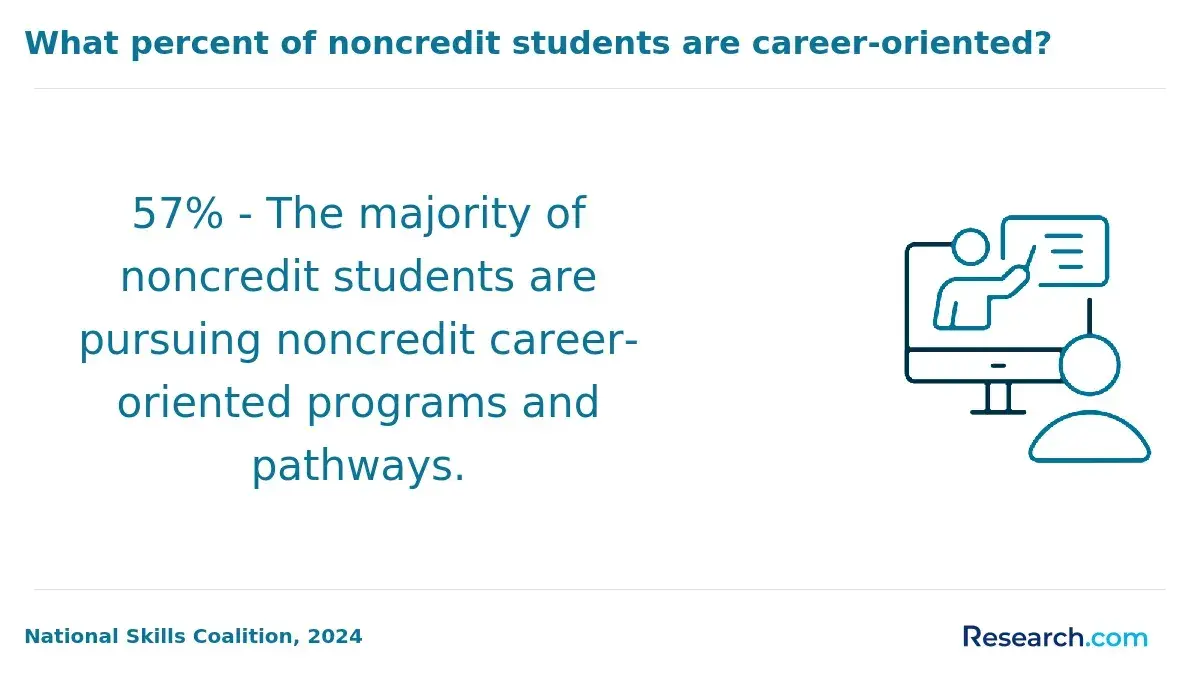
Admission requirements for career changers pursuing a secondary education degree are often tailored to accommodate the unique experiences and backgrounds of nontraditional students. Nearly 40% of all postsecondary students are adult learners, highlighting the increasing importance of flexible pathways in the application process.
Below are common criteria career changers should expect when applying to these programs.
- Bachelor's Degree: A bachelor's degree from an accredited institution is generally required, and it can be in any field since many programs recognize diverse academic backgrounds to support career transitions.
- Minimum GPA: Many programs expect a GPA between 2.5 and 3.0, but some offer flexibility by considering professional experience or alternative qualifications if GPA thresholds are not met.
- Standardized Tests: These are less commonly mandated yet may be requested depending on the program; career changers should be prepared for this possibility.
- Letters of Recommendation: Emphasis is placed on recommendations from professional settings that highlight transferable skills such as leadership and communication crucial for success in education.
- Statement of Purpose: Applicants need to articulate their motivation for the switch, demonstrating commitment and understanding of the teaching profession's demands.
- Background Checks and Eligibility: Proof of suitability for student teaching or field placements is typically required to ensure readiness for hands-on educational experiences.
Working professionals will find that programs offering part-time options, evening or online courses, and recognition of prior learning experiences provide greater accessibility. Those exploring how to qualify for secondary education programs as a nontraditional student should also consider alternative routes that value military experience or professional certifications.
Additionally, career changers interested in more specialized fields might explore flexible degree options such as a library science degree to complement their educational skills and career goals.
What Is the Coursework for a Secondary Education Degree for Career Changers?
For professionals shifting careers, clarity about the coursework in a secondary education degree is essential to balance study demands with existing obligations. This understanding guides effective planning and smooth integration into education roles. Coursework generally encompasses three critical areas, detailed below.
- Subject Matter Expertise: Students concentrate on in-depth knowledge of a specific discipline like mathematics, science, English, or social studies. Programs often grant flexibility by accepting relevant prior experience or learning, easing the transition for career changers.
- Pedagogy: This involves learning teaching methods, curriculum planning, classroom management, and assessment techniques. The coursework is designed to adapt instructional strategies for diverse learners, supporting practical use in varied school settings.
- Practical Experience: Many programs include student teaching or internships that provide supervised, hands-on classroom exposure. This stage allows career changers to directly apply theoretical lessons and gain confidence managing real educational environments.
A professional who completed an online secondary education degree as a career switch preparation shared his experience: "Managing the coursework alongside my full-time job was daunting, especially juggling the student teaching hours with family responsibilities."
He emphasized how the program's flexibility helped him adjust deadlines and offered support through accessible mentors. "It wasn't just studying theory; applying those concepts during my internship made the learning tangible and boosted my confidence." His journey highlights that understanding and navigating coursework requirements is a vital step for anyone looking to transition into teaching successfully.
What Secondary Education Program Formats Are Available for Career Changers?
With over 40% of college enrollees identified as adult learners, flexible program formats have become crucial for career changers pursuing a Secondary Education degree. The availability of online and adaptable learning models supports professionals in managing their education alongside work and personal commitments.
Below are common program structures designed to meet these needs.
- Traditional On-Campus: These programs feature scheduled, in-person classes, providing direct engagement with instructors and classmates. While they promote hands-on learning, career changers may need to rearrange work hours or commute.
- Online Degree Programs: Entirely remote and highly flexible, these allow students to study anytime from any location. This format suits professionals balancing full-time jobs or family responsibilities.
- Hybrid Programs: Combining virtual coursework with occasional on-campus sessions, hybrid options offer both flexibility and face-to-face interaction, catering well to those seeking a balanced experience.
- Evening or Weekend Classes: Scheduled outside normal business hours, these options specifically accommodate working adults by minimizing conflicts with daytime employment.
What Skills Do Career Changers Gain in a Secondary Education Program?
Skill development is critical for adults changing careers, as over half of U.S.workers anticipate switching fields multiple times throughout their lives. Building versatile expertise helps ease the transition into new roles, especially in education, where diverse competencies are vital. Below are five key skills career changers gain through a secondary education program that strengthen their adaptability and effectiveness.
- Instructional Design: This skill prepares candidates to develop lesson plans that address different learning preferences, making content accessible and engaging for a variety of students. It encourages creative thinking and practical application tailored to real classroom needs.
- Classroom Management: Learning to manage diverse groups of learners equips future teachers with tools to create an organized, respectful environment. Mastery of these strategies supports seamless adaptation to daily challenges and dynamic school settings.
- Communication: Strong communication skills foster meaningful connections with students, parents, and staff. This ability nurtures collaboration, empathy, and trust, all essential for sustained success in educational careers.
- Assessment and Evaluation: Understanding how to evaluate student progress enables educators to refine their teaching techniques and respond to individual learning needs more effectively. It supports continual professional growth and improved student outcomes.
- Technology Integration: Competence with current educational technologies enhances lesson delivery and helps teachers stay relevant amid increasing digitization in schools. This skill is vital for engaging tech-savvy learners and streamlining administrative tasks.
When I spoke with a career changer who completed a secondary education degree, she described feeling overwhelmed balancing coursework with family and her previous job but found that hands-on student teaching was transformational. "The real challenge was applying theory in live classrooms," she recalled, emphasizing how managing unexpected disruptions built her resilience.
She credited the program's supportive faculty and practical experiences for boosting her confidence, saying, "I never imagined I'd enjoy planning lessons and connecting with teenagers so much." Her journey highlighted how acquiring these varied skills not only prepared her for teaching but also helped her embrace a completely new professional identity.
How Much Does a Secondary Education Degree Cost for Career Changers?
Career changers should carefully evaluate the total cost of earning a secondary education degree, as balancing education with work and personal responsibilities can impact finances significantly. According to the National Center for Education Statistics, the median graduate education debt for master's degree holders is about $66,000, underscoring the importance of financial planning.
Below are key cost components to consider when exploring affordable secondary education programs for working professionals.
- Tuition and Fees: Tuition varies widely by institution and program length, typically ranging from $15,000 to over $50,000 for the entire degree. Additional fees can add several hundred to a few thousand dollars more. Many universities offer flexible payment plans and online or evening classes tailored to working adults.
- Books and Supplies: Materials for coursework, including textbooks and educational supplies, represent a necessary but often overlooked expense. Costs can range from a few hundred to over a thousand dollars per semester, depending on the program's requirements.
- Internship and Certification Costs: Some secondary education degree programs require internships or certification exams, which may involve additional fees for registration, background checks, or travel. These costs vary based on state regulations and program design.
- Opportunity Costs: Time commitments may reduce work hours or productivity, affecting income during study periods. Employers sometimes provide tuition reimbursement or financial support, which can significantly lower out-of-pocket expenses for students pursuing career changes.
- Cost-Saving Strategies: Enrolling in public institutions, accelerated pathways, or qualifying for scholarships and grants dedicated to adult learners can substantially reduce expenses. Interested students may also explore accelerated bachelor's degree programs to complete their studies more quickly and efficiently.
How Does a Secondary Education Curriculum Support Career Transitions?
Curriculum design is especially important for career changers because it must accommodate their prior experiences while addressing the unique challenges they face balancing education with other commitments. A well-structured secondary education curriculum provides pathways that leverage transferable skills and support a smooth transition into teaching careers. The following points highlight how such curricula facilitate career transitions effectively.
- Applied Learning Opportunities: Secondary education programs emphasize opportunities for hands-on practice, allowing students to apply teaching methods in authentic classroom settings. This practical engagement builds confidence and prepares learners for real-world educational environments.
- Transferable Skill Development: These curricula connect previous professional skills-like communication, problem-solving, and leadership-to core teaching competencies. This linkage helps career changers adapt their expertise to educational contexts effectively.
- Flexible Pacing Options: With options for self-directed progress and adaptable schedules, programs accommodate the personal and work commitments of adult learners, reducing burnout risks and fostering timely completion.
- Real-World Projects: Integrating student-teaching placements and classroom-based projects offers immersive experiences. This hands-on approach ensures career changers develop essential practical skills before entering full-time teaching roles.
- Curriculum Mapping: Mapping prior academic and professional backgrounds to certification requirements streamlines the credentialing process. It helps learners understand how their previous education and experience align with teaching qualifications.
Careers in teaching often require certification and specialized training that align well with secondary education curriculum benefits for career changers. This alignment supports professional career transitions by building on previous expertise while focusing on educational foundations. Adult learners interested in expanding their credentials may also explore relevant online certifications that provide additional career flexibility and growth opportunities.
What Careers Can Career Changers Pursue With a Secondary Education?
Knowing potential career outcomes helps career changers align their goals with viable opportunities. The U.S. Bureau of Labor Statistics forecasts a 4% growth in secondary school teaching positions through 2032, indicating steady demand in related fields. Below are common roles accessible to graduates with a secondary education degree.
- Secondary School Teacher: This role involves delivering subject-specific lessons, preparing curricula, and assessing student progress. Skills like communication and organization from previous careers facilitate a smooth transition into teaching.
- Curriculum Developer: Responsible for creating instructional materials that meet educational standards, this role benefits from analytical abilities and expertise in relevant content areas. Career changers with experience in project management or research often excel here.
- Educational Consultant: Advises schools on instructional methods and policy improvements. Previous industry insights and problem-solving skills help address unique educational challenges effectively.
- Academic Advisor: Supports students in course planning and career choices, leveraging strong interpersonal and counseling skills. Professionals with backgrounds in mentoring or human resources find this role rewarding.
- Instructional Coordinator: Manages educational programs and teacher training initiatives, combining leadership experience with educational knowledge. Those with administrative or management experience can contribute significantly in this position.
What Is the Average Salary After Earning a Secondary Education Degree as a Career Changer?
Salary expectations play a critical role for professionals shifting careers, helping to weigh the financial benefits against the investment of time and resources. Reskilled workers in education-related roles commonly see median annual earnings between $45,000 and $60,000, based on data from the Georgetown University Center on Education and the Workforce.
The following points highlight typical earnings and factors impacting compensation in secondary education careers.
- Entry-Level Secondary Educators: Typically earn from $40,000 to $50,000 yearly, with starting salaries influenced by regional demand and school budgets.
- Experienced Teachers: Those with a strong background or teaching in high-need subjects can expect $55,000 to $70,000 or higher, reflecting expertise and tenure.
- Geographical Variability: Pay scales vary widely depending on state and district funding levels, resulting in substantial differences across locations.
- Advanced Certifications: Additional qualifications and graduate degrees often increase pay beyond standard salary schedules, rewarding specialized knowledge.
- Prior Professional Experience: Career changers bringing relevant skills or leadership roles may secure higher starting salaries or faster advancement in educational positions.
Factors such as years spent teaching, subject specialization, and local economic conditions further influence earnings. Career changers leveraging previous professional strengths often find opportunities for roles with enhanced responsibility and greater financial rewards in education.
What Graduates Say About Their Secondary Education Degrees for Career Changers
- Alfie: "Switching careers felt daunting, but enrolling in a secondary education degree program was the best decision I made to redirect my professional path. The average cost was reasonable considering the comprehensive support and credentials I gained, which opened doors in teaching that I hadn't imagined before."
- Edward: "After years in a completely different field, I reflected deeply and chose to pursue a secondary education program. Despite concerns about tuition fees-often around $20,000-I found the investment worthwhile for the clarity and skills it provided, ultimately making my transition smooth and purposeful."
- Tessa: "Professionally, I needed a change that aligned more with my passion for mentoring youth. Completing a secondary education degree program, though an expense hovering near the national average, transformed my career trajectory by equipping me with essential tools and confidence to thrive as an educator."
Other Things You Should Know About Secondary Education Degrees
In 2027, prior work experience can often reduce the time needed to complete a secondary education degree. Many programs offer credits for relevant professional experience, allowing career changers to expedite their studies and enter the classroom more quickly. This aligns with institutions’ goals to accommodate diverse career backgrounds.
Many secondary education degree programs in 2027 offer dedicated career support services, such as job placement assistance, resume workshops, and mentorship programs, tailored to aid career changers in transitioning successfully into teaching roles. These services help bridge the gap between previous careers and education.
Yes, many states offer alternative certification programs tailored for career changers. These pathways often allow candidates to begin teaching while completing certification requirements, combining on-the-job training with formal education. Alternative routes typically require passing basic skills and content exams and may include mentorship components.
Yes, online courses can be a part of secondary education degree programs for career changers in 2027. Many universities are offering flexible, hybrid, or fully online programs to accommodate working professionals, providing them the opportunity to earn their degree while balancing other commitments.
References
- Teachers in Transition: New Careers | Teacher Transition https://teachertransition.com/
- How to Use Your Degree to Make a Career Change into Teaching https://www.english1.com/blog/teaching-abroad/how-to-use-your-degree-to-make-a-career-change-into-teaching/
- The 10 Highest Paying Jobs With a Teaching Degree [Quiz] https://www.umassglobal.edu/blog-news/highest-paying-jobs-with-a-teaching-degree
- Career Changers https://www.aacc.edu/programs-and-courses/credit-and-degree-seekers/education/career-changers/
- Secondary Education Degrees at Every Level | All Education Schools https://www.alleducationschools.com/blog/secondary-education-degree-programs/
- Support for career changers https://getintoteaching.education.gov.uk/life-as-a-teacher/change-careers/support-with-changing-careers
- 8 Tips for Career Changers from Career Changers - Moreland University https://moreland.edu/resources/blog-insights/8-tips-for-career-changers-from-career-changers
- Transferring skills, transforming careers: examining second career teachers - Humanities and Social Sciences Communications https://www.nature.com/articles/s41599-025-04357-2
- Online Master’s Degrees in Secondary Education: Review Top Schools https://www.onlinemastersdegrees.org/best-programs/education/secondary-education/
- Teaching as a Second Career with Teach For America | Teach For America https://www.teachforamerica.org/apply/teaching-as-second-career