2027 What Can You Do with a Financial Technology Master's Degree? Careers, Salaries & Growth

Co-Founder and Chief Data Scientist
Many aspiring professionals struggle to identify a clear career path in the rapidly evolving financial services sector. The fintech workforce is projected to grow 10% by 2030, significantly faster than average, driven by demand for expertise in blockchain, AI, and cybersecurity. However, 45% of fintech companies report a shortage of qualified candidates with advanced technical and financial skills.
This article explores how a financial technology master's degree addresses these challenges by detailing program structures, admission criteria, salary expectations, job opportunities, and industry growth. It also offers comparisons between online and in-person learning, cost factors, and complementary certifications to guide informed career decisions.
Key Things to Know About What You Can Do with a Financial Technology Master's Degree
- Admission typically requires a bachelor's degree and quantitative skills; programs often combine fintech, data science, and finance courses with flexible online or on-campus options for diverse learners.
- Graduates pursue roles like risk analyst or blockchain consultant, earning median salaries around $90,000, with higher potential in major financial hubs and technology sectors.
- Strong industry growth, projected at over 15% through 2030, supports robust career advancement; compare programs by cost, flexibility, and professional certification pathways to maximize return on investment.
What Are the Admission Requirements for a Financial Technology Master's Program?
Preparing the necessary prerequisites is essential for a smooth admission process into a financial technology master's program. Meeting academic and application criteria increases the likelihood of acceptance in a competitive environment, especially as demand for financial technology professionals continues to grow. For reference, employment in computer and information technology occupations is projected to grow 13% from 2021 to 2031, reflecting robust opportunities in this field. Below is an overview of common requirements.
- Relevant Undergraduate Degree: Most programs require a bachelor's degree in finance, computer science, engineering, mathematics, or economics. This foundational knowledge supports the advanced concepts taught in financial technology master's programs.
- GPA Thresholds: Institutions typically expect a minimum GPA around 3.0 on a 4.0 scale, though this can vary. Higher GPAs may improve admission chances, especially for competitive programs.
- Work Experience: While not always mandatory, professional experience in related fields strengthens applications, particularly for candidates without a directly related academic background.
- Standardized Tests: GRE or GMAT scores have traditionally been required, but many schools have made these tests optional or waived them, especially post-pandemic. Applicants should verify current policies with each program and focus on quantitative test sections where applicable.
- Supplementary Materials: Programs usually ask for two to three letters of recommendation, personal statements detailing career goals, and sometimes writing samples or résumés to assess candidates' fit and communication skills.
- Specialization Prerequisites: Prerequisites can vary based on focus areas. For example, blockchain tracks often require programming knowledge, while data analytics streams expect familiarity with statistics and coding languages like Python.
Prospective students exploring options to finance their education may also consider exploring online mba programs affordable as a flexible alternative. Understanding these requirements in depth is crucial when navigating the requirements for graduate admission to financial technology degrees.
What Is the Minimum GPA Requirement for a Financial Technology Master's Program?
For prospective students considering a master's degree in Financial Technology, understanding the minimum GPA requirement is crucial for planning a successful application. Most programs require a minimum undergraduate GPA ranging from 2.75 to 3.0 on a 4.0 scale, although this can differ based on the program's prestige and institutional factors. With steady demand for financial technology graduates and a job growth projection of 15% over the next decade, meeting academic standards is an important step. Below is a summary of key points related to the minimum GPA requirement for financial technology master's programs in the US.
- Typical GPA Range: Most programs require a minimum GPA between 2.75 and 3.0, but the bar can shift depending on specialization and school ranking.
- Influencing Factors: GPA expectations often vary by whether the institution is public or private, and by program prestige, with elite programs sometimes requiring higher scores.
- Holistic Admissions: Many schools adopt a comprehensive review process, evaluating test scores, work experience, and personal statements alongside GPA.
- Alternatives for Low GPA Applicants: Candidates with GPAs below minimums can offset this with strong GRE/GMAT results, professional backgrounds, or compelling essays.
- Job Market Outlook: Financial technology offers promising career prospects, driving applicant interest and influencing admissions standards.
Prospective students should consider this information carefully as part of a comprehensive assessment of their readiness for graduate study in financial technology. For those exploring flexible study options, reviewing the cheapest edd programs online could offer useful insights into cost-effective pathways in advanced education.
How Much Does a Financial Technology Master's Degree Cost and How Can You Finance It?
Preparing your finances before enrolling in a Financial Technology master's program helps ensure you can manage tuition, fees, and related expenses effectively. Considering funding options and cost-saving approaches is vital. Here are key factors to keep in mind:
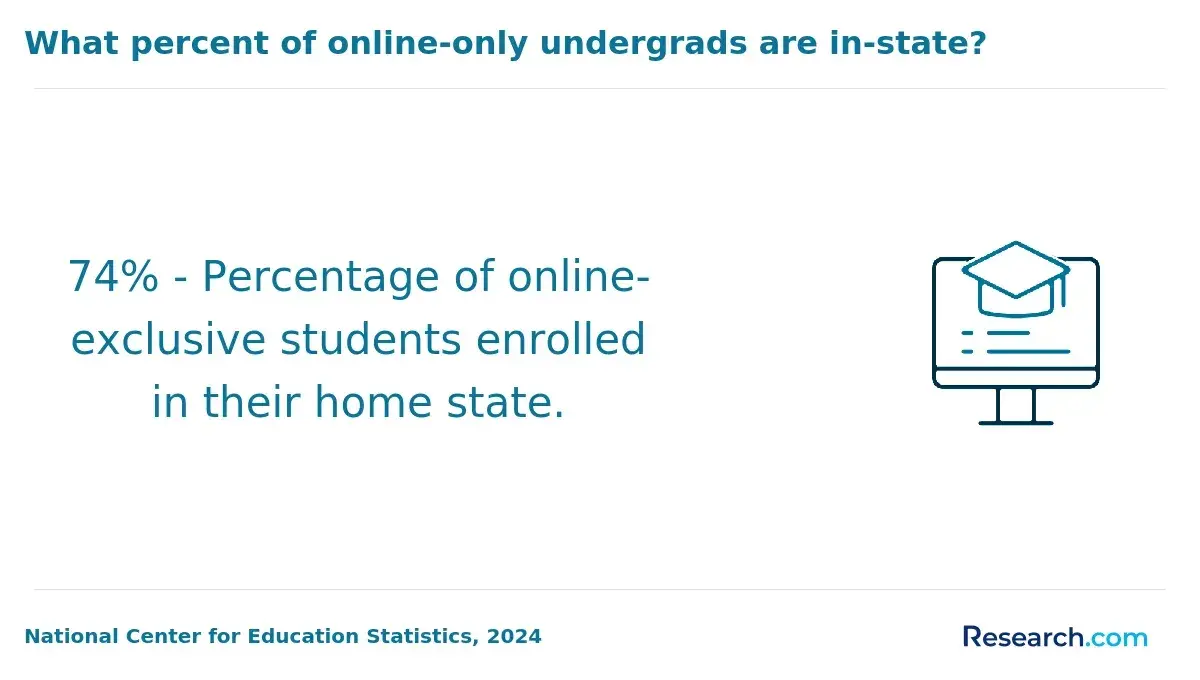
- Tuition Variation: Costs range significantly, with public in-state universities charging around $20,000 and private institutions exceeding $60,000. Online programs may lower expenses by eliminating commuting and housing fees.
- Financial Aid Sources: Scholarships, fellowships, graduate assistantships, employer tuition reimbursement, and federal loans are common funding paths. Nearly 40% of graduate STEM students receive some form of aid, easing the financial burden.
- Debt Reduction Methods: Opting for in-state schools, applying for department-specific fellowships, or taking on teaching and research assistant roles can reduce reliance on loans. Employer partnerships sometimes provide tuition waivers or reimbursements.
- Living and Opportunity Costs: Budgeting for housing, food, and other living expenses is essential, alongside factoring in income forgone while studying full-time.
- Return on Investment (ROI) Calculation: Compare the total educational costs against anticipated salary gains in your chosen fintech subfield. Roles in areas like blockchain may justify higher expenses due to faster income growth.
When I spoke with a graduate of a Financial Technology master's program, he explained that carefully balancing expenses and aid options was key during his enrollment. "It felt overwhelming initially," he recounted, "especially deciding between programs with varying costs and aid. I prioritized assistantships and employer tuition support, which made a huge difference." His experience highlights how strategic financial planning not only eases the economic strain but also helps maintain focus on career advancement throughout the program.
How Long Does It Take to Earn a Financial Technology Master's Degree?
Prospective students weighing the average duration of financial technology master's programs should factor in several key elements that influence the time required to earn this degree. These considerations can help set realistic expectations and assist with planning both academic and career goals. Below are important factors affecting how long it typically takes to complete a financial technology master's degree:
- Full-Time Enrollment: Most full-time financial technology master's programs take approximately 1.5 to 2 years to complete. This assumes a consistent course load each semester and timely completion of all required credits without interruption, making it the most straightforward pathway.
- Part-Time and Online Programs: Studying part-time or choosing an online format can extend the duration to 3-4 years, allowing students to balance work and study commitments. The actual timeline largely depends on credit load, course availability, and scheduling flexibility.
- Accelerated Options: Some universities offer accelerated tracks that condense coursework into about one year. These intensive programs require full-time dedication and are ideal for those seeking rapid completion without external distractions.
- Combined Bachelor's/Master's Pathways: Integrated degree programs enable students to earn both bachelor's and master's degrees in a reduced timeframe, often saving a year or more compared to pursuing them separately. Credit overlap and admission criteria affect the overall length.
- Transfer Credits: Students with relevant prior coursework may apply transfer credits to shorten their program duration. Acceptance policies vary, but this can significantly reduce time spent fulfilling core requirements.
- Thesis Versus Non-Thesis Tracks: Choosing a thesis track typically adds time due to research and writing demands, while non-thesis options focus on coursework, potentially allowing faster completion.
- Internship or Practicum Requirements: Programs that mandate internships or practicums can lengthen the timeline because of scheduling and placement logistics, though these experiences provide valuable real-world skills that enhance career prospects.
Students considering these options should also explore the broader educational landscape, including financing and program affordability, by reviewing resources such as the best online executive mba programs. This holistic approach supports informed decisions about pursuing a master's degree in financial technology in the US.
What Career Paths Are Available with a Financial Technology Master's Degree?
This overview offers a clear look at the career avenues open to graduates holding a master's degree in financial technology, detailing roles across various sectors. It outlines typical positions, industry demand, and the potential for growth from technical to leadership roles.
Key points to consider:
- Direct Fintech Roles: Graduates frequently start in specialized positions such as blockchain developer, quantitative analyst, or payments architect, focusing on designing, implementing, and maintaining innovative financial software and cybersecurity frameworks.
- Adjacent Industry Opportunities: Skills from the degree transfer well to traditional banking, insurance, and asset management, especially in areas emphasizing digital innovation and regulatory technology. Consulting firms also value these competencies for guiding clients on tech-driven financial strategies.
- Career Advancement Paths: While many begin as individual contributors, the analytical and managerial skills gained enable transitions into leadership roles like chief technology officer or product management within financial organizations over time.
- Diverse Employer Base: Besides the private sector, government bodies involved in fintech regulation, nonprofits promoting financial inclusion, and academic institutions researching emerging technologies actively hire graduates.
When I spoke with a graduate, he shared how the master's program smoothed his transition into the fintech workforce. Prior to enrolling, he struggled with bridging his computer science background and finance knowledge. The program's integrated curriculum helped him gain confidence in both domains, making it easier to communicate with multidisciplinary teams. This preparation gave him an edge during interviews and accelerated his ability to contribute effectively in his first fintech role.
What Is the Average Salary for Financial Technology Master's Degree Holders?
Compensation for individuals with a master's degree in financial technology varies widely depending on experience, geographic location, employer type, and industry. Total earnings often include bonuses, health benefits, and equity incentives, especially in the private sector and startup environments. Below are key salary insights drawn from the U.S. Bureau of Labor Statistics and recent industry data.
- Entry-Level Salaries: New graduates generally earn between $70,000 and $90,000 annually, with metropolitan areas known for strong financial sectors, such as New York City and San Francisco, offering the upper end of this spectrum.
- Mid-Career Earnings: Professionals with five to ten years of experience typically see salaries ranging from $100,000 to $140,000. Those employed by large financial firms or fintech startups often receive additional compensation through bonuses and stock options.
- Senior-Level Compensation: Experienced managers and directors can expect earnings between $150,000 and $200,000 or more. In competitive markets, senior roles often come with substantial equity shares and profit-sharing opportunities.
- Geographic and Industry Variation: Public sector and academic positions usually offer lower pay compared to private financial institutions, fintech startups, and consulting firms, where pay premiums are common. Coastal cities often provide higher salaries reflecting local market conditions and living costs.
- Master's Degree Salary Premium: Those holding a master's degree in financial technology generally command salaries 15% to 30% higher than bachelor's degree holders, reflecting specialized expertise in areas like blockchain, cybersecurity, and AI-driven finance advancements.
What Professional Certifications Complement a Financial Technology Master's Degree?
Several professional certifications significantly enhance the career prospects of graduates holding a financial technology master's degree. These credentials not only validate specialized knowledge but also open doors to high-demand roles in fintech companies, banks, and consulting firms. Below is a selection of the most valuable and widely recognized certifications, each offering unique benefits and tailored to different career paths. Consider this brief overview and follow it with a clear list of key certifications to complement a financial technology master's degree:
- Certified Financial Technology Professional (CFTP): Offered by the Global Association of Risk Professionals (GARP), this certification requires relevant work experience and passing a rigorous exam focused on fintech innovation, risk management, and compliance. The CFTP must be renewed annually through continuing education. Highly regarded by banks, fintech startups, and consulting firms, it suits roles such as fintech analyst, risk manager, and compliance officer.
- Chartered Financial Analyst (CFA): Awarded by the CFA Institute, the CFA credential involves passing three exam levels covering investment management, ethics, and quantitative methods. Candidates typically need four years of professional experience and must adhere to a strict code of conduct. Many asset management firms and financial institutions prefer or require the CFA, especially in tech-driven roles like algorithmic trading or data-driven portfolio management.
- Certified Information Systems Security Professional (CISSP): Issued by (ISC)², the CISSP is ideal for professionals focusing on cybersecurity within financial technology. Eligibility requires at least five years of relevant experience and passing the CISSP exam. Recertification involves earning continuing professional education credits every three years. Fintech companies valuing secure handling of sensitive financial data particularly recognize this credential.
Strategically, pursuing these certifications during a financial technology master's program can provide a competitive edge, enabling students to apply new knowledge immediately. Alternatively, gaining several years of industry experience may clarify which certification best aligns with specific career goals. This combined strategy ensures the best return on investment, especially considering the cost and financing landscape of advanced education.
Prospective students should also carefully evaluate program costs and funding options, as these impact long-term earning potential. For insight into related educational investments, see how much does a doctorate in education cost.
What Are the Top Industries Hiring Financial Technology Master's Degree Graduates?
For students pursuing a master's degree in financial technology, understanding the leading industries hiring graduates is essential for career planning. Identifying key sectors, typical roles, and valued skills can help tailor academic and practical experiences to align with market demands. The following highlights the most significant employers and emerging fields offering strong prospects.
- Banking and Finance Sector: This remains the dominant employer of financial technology graduates, particularly in large multinational banks and financial institutions. Common positions include data analysts, risk managers, and blockchain developers. Proficiency in coding, cybersecurity, and knowledge of regulatory compliance, alongside certifications such as CFA or FRM, substantially enhance job prospects.
- Fintech Startups: Smaller and more agile than traditional banks, fintech startups focus on areas like payment processing, digital lending, and wealth management platforms. These companies seek candidates skilled in programming, product development, and agile methodologies, with experience in cloud infrastructure being particularly advantageous.
- Insurance Industry: Increasingly integrating fintech solutions for underwriting and claims automation, insurance firms offer roles in data science and actuarial sciences. Demand is growing for professionals familiar with AI applications and up-to-date regulatory standards, often requiring relevant certifications.
- Emerging Sectors: Newly expanding areas such as decentralized finance (DeFi) and green finance benefit from advances in blockchain technology and heightened interest in sustainable investing. These fields prize innovative thinking combined with deep technical expertise.
- Targeted Career Preparation: To increase employability, students should engage in specialized coursework like machine learning and blockchain applications. Internships and networking within chosen industries further support professional development and job placement. Labor statistics indicate that employment opportunities in financial technology roles are expected to grow faster than average, driven by ongoing digital transformation in finance.
What Are the Highest-Paying Jobs for Financial Technology Master's Degree Holders?
High-paying roles for financial technology master's graduates offer not only attractive salaries but also significant career advancement across various sectors. The following positions highlight the potential earnings and skills needed, helping graduates identify paths aligned with their expertise and goals.
- Chief Technology Officer (CTO): Often requiring over a decade of experience, CTOs steer the technological innovation within financial firms. They must excel in fintech breakthroughs, cybersecurity, and leadership, with salaries frequently surpassing $200,000, especially in cities like New York or London. Employers include major banks, fintech startups, and consulting companies.
- Quantitative Analyst (Quant): These professionals create and refine mathematical models for trading and risk assessment. Strong programming skills and financial theory knowledge are essential, with median pay between $120,000 and $150,000. Additional credentials like the CFA and experience in hedge funds or investment banks can boost earnings.
- Blockchain Developer: Specialists in this role design blockchain infrastructures and smart contract applications, commanding salaries from $110,000 to $160,000. Mastery of cryptography and decentralized finance is critical, with demand rising in fintech and tech firms.
- Financial Data Scientist: Focused on analyzing intricate financial data using machine learning and big data tools, these experts earn between $100,000 and $140,000. They work in industries such as banking, insurance, and fintech analytics.
- Risk Manager: Responsible for evaluating and mitigating financial risks, risk managers with fintech knowledge typically earn $90,000 to $130,000. Regulatory expertise and certifications like FRM or CPA enhance prospects, often within large institutions or regulatory bodies.
Holding advanced certifications or a doctorate can open doors to leadership roles and higher pay brackets. Location also significantly affects compensation; financial hubs usually offer elevated salaries reflecting local market demand and living costs. Considering these factors helps graduates navigate the best opportunities in their career journey.
What Is the Job Outlook and Employment Growth for Financial Technology Professionals?
Employment prospects in the financial technology job market growth United States remain robust, outpacing the average for all occupations. According to the U.S. Bureau of Labor Statistics (BLS), roles linked to financial analysis, software development, and computer and information research-common career paths for graduates of financial technology master's programs-are projected to expand between 11% and 22% over the coming decade, compared to about 5% average growth nationally. This dynamic signals a strong demand for skilled professionals in this sector.
- Technological Advancements: Rapid adoption of artificial intelligence, blockchain, and digital payment systems is driving demand for fintech experts capable of innovating and maintaining secure platforms.
- Globalization and Market Expansion: Economic globalization increases the need for efficient, cross-border fintech solutions, while growing participation from millennials and Gen Z investors expands market opportunities.
- Automation and Role Evolution: Automation is reshaping the industry by handling routine tasks, thereby increasing demand for professionals skilled in complex systems management and regulatory compliance.
- Policy and Security Concerns: Heightened focus on data privacy and cybersecurity intensifies the importance of fintech expertise amid evolving regulations and compliance requirements.
Prospective students considering financial technology degrees should also examine cost and financing options, such as those detailed in online accounting degrees, which share some financial educational pathways and affordability strategies applicable to fintech studies.
What Skills and Competencies Does a Financial Technology Master's Program Develop?
For prospective students, understanding the essential skills developed in a master's program in financial technology provides insight into the practical value and wide applicability of the degree. These competencies not only prepare graduates for specialized roles but also enhance adaptability across various industries.
- Technical Proficiency: Students gain expertise in programming languages such as Python and R, alongside familiarity with blockchain technologies, machine learning, data analytics, and cybersecurity. Mastery of these tools enables them to handle complex financial datasets and develop innovative fintech solutions.
- Research and Data Management: Training in advanced research methodologies and database management equips students to extract meaningful insights from large volumes of financial information, supporting evidence-based decision-making.
- Soft Skills Development: Programs emphasize leadership, effective communication, problem-solving, and critical thinking. These skills are cultivated through presentations and teamwork, preparing graduates to navigate dynamic professional environments.
- Experiential Learning Opportunities: Internships, simulations, case studies, and group projects allow students to apply theoretical knowledge in real-world contexts. These experiences strengthen collaborative abilities and adaptability, essential in fast-paced financial sectors.
- Employer-Valued Competencies: Hiring managers consistently seek candidates proficient in data analytics, technological fluency, and strategic decision-making, all of which are central to financial technology programs.
- Cross-Industry Applicability: The interdisciplinary skill set gained transfers smoothly across banking, insurance, and fintech startups, broadening career pathways and increasing professional versatility.
What Graduates Say About Their Financial Technology Master's Degree
- Carolyn: "Applying for admission to the online financial technology master's program was initially daunting, but researching accredited institutions thoroughly helped me narrow down my choices. I found that relying heavily on official academic catalogs clarified degree requirements better than any forum or review site. The structured curriculum and credible accreditation gave me confidence that I was investing in a valuable education that truly advances my career."
- Lisa: "Navigating the landscape of financial technology master's programs online was a challenging experience, especially with so many options out there. I took a very reflective approach, carefully comparing each program's accreditation status and course offerings using federal education resources. This methodical process ensured that I selected a program that aligned perfectly with my professional goals and provided solid recognition in the industry."
- Gavin: "My approach to handling the master's degree requirements for financial technology was highly professional-I relied on a combination of accrediting agencies' reports and detailed academic catalogs to guide me. The clarity I gained from these official documents enabled me to plan my course load efficiently and meet all expectations without surprises. I can honestly say that this thorough preparation has been instrumental in my successful completion of the program."
Other Things You Should Know About Financial Technology Degrees
Choosing between an online or on-campus financial technology master's degree depends on your learning preferences and lifestyle. Online programs offer flexibility for working professionals, while on-campus programs provide networking opportunities and a structured environment. Consider your career goals and personal commitments when making a decision.
A Financial Technology Master’s Degree in 2027 can significantly enhance career growth by equipping graduates with skills in blockchain, AI, and data analysis. These in-demand skills are crucial in financial services, enabling professionals to excel in roles like FinTech analysts, compliance specialists, and blockchain developers. Career growth is supported by the expanding FinTech industry, offering numerous advancement opportunities.
A financial technology master's degree can be worth the investment for those seeking advanced skills in fintech innovation, data analytics, and cybersecurity within finance. The growing demand for fintech experts and potential salary increases support its value. However, the decision should weigh program cost, career goals, and alternative credentials such as professional certifications.
References
- What Can I Do With a Master’s Degree in FinTech? https://wp.wpi.edu/catalyst/2025/03/21/what-can-you-do-with-a-degree-in-fintech/
- Master's in Financial Technology (FinTech) https://www.wpi.edu/academics/study/financial-technology-ms
- Financial Technology https://www.wits.ac.za/course-finder/postgraduate/clm/mcom-financial-technology/
- Careers | MSc Financial Technology | Fintech Master's Degree | Warwick Business School https://www.wbs.ac.uk/courses/masters/financial-technology/careers/
- From Student to Fintech Innovator: Career Paths in Financial Technology https://www.esilv.fr/en/from-student-to-fintech-innovator-career-paths-in-financial-technology/
- Career Prospects https://www.usi.ch/en/education/master/financial-technology-and-computing/career-prospects
- The 2026 Career Advantage: Where Financial Services Expertise Meets Opportunity | Selby Jennings https://www.selbyjennings.com/en-us/industry-insights/career-advice/the-2026-career-advantage-where-financial-services-expertise-meets-opportunity
- MSc Financial Technology (FinTech) with Pre-Master's | University of Stirling International Study Centre https://www.stirisc.com/en/courses/msc-financial-technology-fintech-with-pre-master-s
- Financial Technology (M.S.) *STEM Program https://www.njcu.edu/admissions-aid/graduate-admissions/graduate-degrees/financial-technology-ms-stem-program
- Admissions https://www.imperial.ac.uk/business-school/masters/financial-technology/admissions/