2027 What Can You Do with a Homeland Security Master's Degree? Careers, Salaries & Growth

Co-Founder and Chief Data Scientist
Many professionals face uncertainty about the return on investment from a homeland security master's degree amid a competitive job market and evolving security threats. Current data reveals that employment in homeland security-related fields is projected to grow by 6% through 2031, faster than the average for all occupations. Despite this, students often lack clear guidance on career pathways and salary expectations.
This article addresses these concerns by examining program structures, admission criteria, and the variety of career opportunities. It also presents salary trends, industry demand, and professional certifications, enabling informed decisions about pursuing a homeland security master's degree.
Key Things to Know About What You Can Do with a Homeland Security Master's Degree
- Programs typically require a bachelor's degree, offer flexible online or on-campus formats, and last 18-24 months, allowing students to balance work while gaining skills in risk management and emergency response.
- Graduates can expect median salaries near $80,000 annually, with roles in government agencies, private security, and disaster management sectors offering diverse employment opportunities.
- Employment in homeland security fields is projected to grow faster than average, with advanced degrees enhancing long-term earning potential and career advancement in public and private sectors.
What Are the Admission Requirements for a Homeland Security Master's Program?
Preparing the necessary prerequisites is essential for a smooth admission into a homeland security master's program. Meeting these requirements, including academic qualifications and application materials, helps applicants stand out in a competitive field. Employment in protective service occupations, which includes homeland security roles, is projected to grow about 9% from 2022 to 2032, indicating strong career potential. The following points outline the main admission criteria prospective students should address.
- Bachelor's Degree: Applicants typically need a bachelor's degree from an accredited institution. Degrees in related fields such as criminal justice, public administration, political science, or emergency management are often preferred, yet many programs accept candidates from diverse academic backgrounds.
- GPA Requirements: A minimum undergraduate GPA of around 3.0 is commonly expected, though this may vary by institution. Maintaining strong academic standing increases the chances of admission into competitive programs.
- Standardized Tests: Requirements for GRE or GMAT scores have become less common. Many schools now offer test-optional policies, especially following recent pandemic-related shifts. However, some programs may still recommend or require these scores.
- Supplementary Materials: Applications usually include two or three letters of recommendation, a personal statement detailing career goals and interest in homeland security, and sometimes a writing sample. These materials provide insight into the applicant's motivation and preparedness.
- Work Experience: Related experience in law enforcement, emergency response, or military service can strengthen an application. While beneficial, such experience is not always mandatory.
- Specialization Prerequisites: Certain fields, like cybersecurity or intelligence analysis, may impose specific foundational course requirements or knowledge to prepare students adequately for advanced study.
Prospective students evaluating graduate application criteria for homeland security degrees should consider program costs and expected returns. For those exploring efficient educational pathways, exploring highest paying online degrees can provide additional options aligned with career goals.
What Is the Minimum GPA Requirement for a Homeland Security Master's Program?
Meeting GPA requirements is a key step for prospective students seeking admission to a homeland security master's program. Typically, programs require a minimum GPA between 2.75 and 3.0 on a 4.0 scale, but expectations vary widely depending on the institution and chosen specialization. Given the increasing demand in homeland security careers-with employment expected to grow 6% from 2021 to 2031-it is important to understand these standards. Below is a summary of typical GPA admissions standards for homeland security graduate degrees and related admission factors.
- Typical GPA Range: Most programs look for GPAs between 2.75 and 3.0, though some prestigious or private universities may have higher thresholds.
- Program Variability: GPA requirements fluctuate by program prestige, public versus private institution status, and concentration such as cybersecurity or emergency management.
- Holistic Admissions: Many schools incorporate professional experience, test scores, and personal statements alongside GPA in a comprehensive review.
- Below-Threshold Applicants: Candidates with lower GPAs may still gain admission if they provide strong work backgrounds or compelling essays.
- Career Outlook: The steady employment growth in homeland security encourages a competitive admissions process requiring well-rounded applications.
For students exploring graduate options, seeing how homeland security compares to other fields can be useful, especially when considering choices such as what's the easiest masters degree to get. This context helps align career goals with the right educational investment.
How Much Does a Homeland Security Master's Degree Cost and How Can You Finance It?
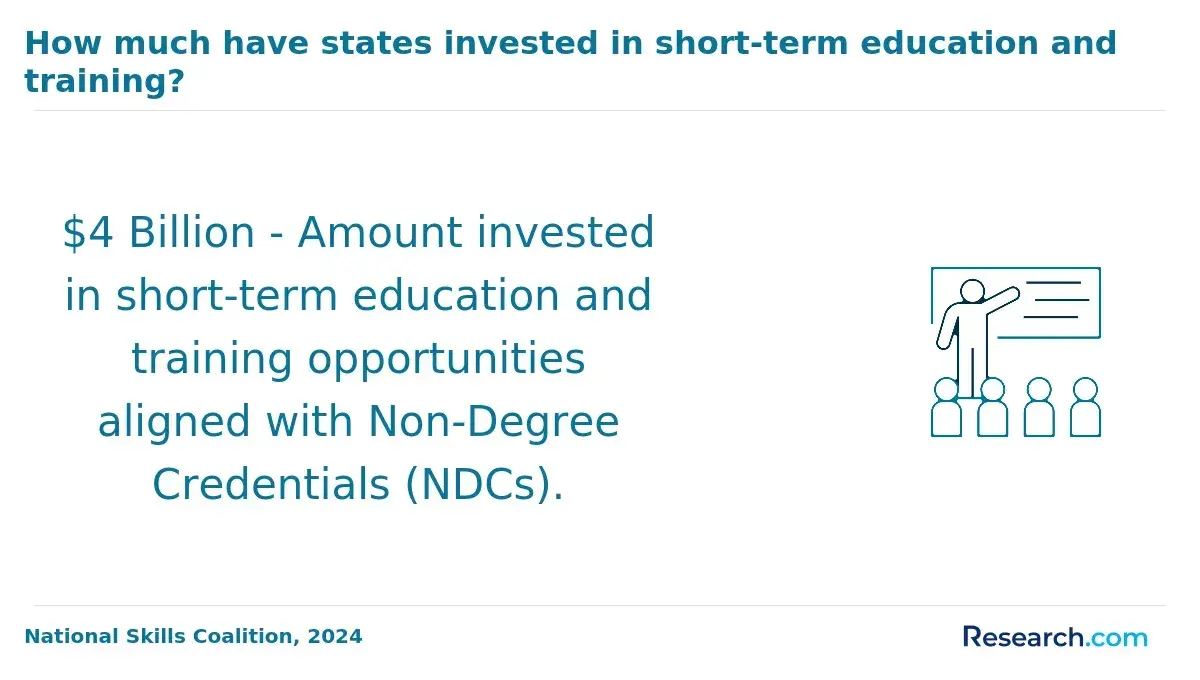
Effectively managing finances before starting a homeland security master's program helps students prepare for the full scope of costs and funding options involved. Below are key financial factors and strategies to consider when planning your education expenses.
- Tuition and Living Expenses: Public in-state programs usually charge between $10,000 and $25,000 annually, while private institutions may exceed $40,000. Living costs and lost income from full-time study can add substantially to total expenses. Online programs might reduce housing and travel costs but often have similar tuition fees.
- Funding Sources: Scholarships, fellowships, and graduate assistantships are common financial aids that can lower costs. Employer tuition reimbursement is a valuable option for working students, and federal student loans remain a widely accessed resource, though eligibility varies.
- Debt Reduction Tactics: Attending an accredited in-state public university tends to be more affordable. Applying early for departmental fellowships or assistantships can secure tuition waivers or stipends. Some students also negotiate reduced fees by contributing through research or teaching roles.
- Calculating Return on Investment (ROI): It's essential to balance total educational costs against expected salary gains. Specializations like cybersecurity often yield higher starting salaries, helping justify upfront spending. Assessing local job market wages alongside personal finances guides smarter decisions.
When asked about the financial journey, a graduate of a homeland security master's program shared that financing was one of the biggest early challenges. Balancing full-time work with coursework required careful budgeting, and securing a graduate assistantship was key to easing tuition pressures. The process demanded persistence in applications and candid discussions with program advisors about funding opportunities. Ultimately, the graduate found this investment worthwhile for the career advancement it enabled, emphasizing that planning and proactive financial management were crucial to success.
How Long Does It Take to Earn a Homeland Security Master's Degree?
Determining how long it takes to complete a homeland security master's degree online or on campus is crucial for prospective students. This timeframe impacts budgeting, career planning, and managing other responsibilities. Below are key factors that influence the average time to earn a homeland security master's degree online or in traditional settings:
- Full-Time Enrollment: Most full-time homeland security master's programs take about 1.5 to 2 years to complete. This assumes a standard course load each semester and steady progression without breaks.
- Part-Time and Online Programs: Students who balance work or personal commitments often choose part-time or online formats. These can extend the duration to 3 to 4 years, depending on credit load per term and schedule flexibility.
- Accelerated Options and Combined Degrees: Some universities offer accelerated tracks or combined bachelor's/master's programs, allowing students to finish faster by integrating curricula and reducing overall credits.
- Transfer Credits: Applicants with relevant graduate coursework or certifications may transfer credits, decreasing the number of courses required and shortening the program length.
- Thesis vs. Non-Thesis Tracks: Selecting a thesis track often involves additional research and writing, potentially adding several months compared to non-thesis options.
- Internship or Practicum Requirements: Practical experience mandates, such as internships or practicums, can add weeks or months based on scheduling and site availability, requiring careful planning to fit within the overall timeline.
For those also exploring degree affordability, programs similar to the cheapest online counseling degree offer useful comparisons in financing strategies and flexible study options.
What Career Paths Are Available with a Homeland Security Master's Degree?
This section outlines the diverse career opportunities available to graduates of a Homeland Security master's program, helping prospective students gauge the professional potential of this degree. Below is a summary of key career trajectories across different sectors that effectively utilize the skills developed in the program.
- Government Employment: Many graduates join federal, state, or local agencies such as the Department of Homeland Security, FEMA, or intelligence organizations. Roles typically include emergency management, security analysis, and policy development.
- Private Sector Roles: Corporations in finance, transportation, and critical infrastructure rely on homeland security professionals for threat mitigation, risk assessment, and protecting assets against cyber and physical threats.
- Nonprofit Organizations: Graduates contribute to disaster preparedness, public safety coordination, and crisis intervention efforts within nonprofits focused on disaster relief and community resilience.
- Academic and Research Positions: Those pursuing advanced degrees may engage in teaching or researching security studies, contributing to knowledge creation and policy analysis.
- Career Progression: Starting as analysts or coordinators, professionals often advance to managerial and executive leadership roles such as security directors or policy advisors, depending on experience and certifications like Certified Emergency Manager.
A graduate shared that balancing real-world responsibilities with coursework was challenging but rewarding. He noted, "The program helped me develop a strategic mindset that made it easier to transition into leadership roles." He emphasized how practical assignments and case studies prepared him for complex decision-making in his current job, making the shift smoother than expected. This firsthand experience underscored the degree's value in opening pathways that might not have been reachable otherwise.
What Is the Average Salary for Homeland Security Master's Degree Holders?
Compensation for professionals with a homeland security master's degree varies widely depending on experience, geography, and employer type. Earnings generally surpass those of bachelor's degree holders in related areas, often reflecting enhanced expertise and skills. Factors such as bonuses, benefits, and equity stakes further influence overall remuneration. Key salary components for degree holders include the following:
- Entry-Level Salary Range: New graduates typically earn between $55,000 and $75,000 annually. Pay may be steadier in government positions, while private sector roles sometimes add bonuses or signing incentives to base wages.
- Mid-Career Earnings: Professionals with five to ten years of experience usually see salaries rise to $80,000-$120,000. Metropolitan agencies and specialized private companies often offer higher pay due to cost of living and demand for skilled personnel.
- Senior-Level Compensation: Seasoned managers or directors can make from $120,000 to $170,000 or more, particularly within federal agencies or leading private security firms. At this stage, performance bonuses and equity shares become more prevalent.
- Geographic and Employer Variations: Salaries are generally higher in major urban centers such as Washington D.C., New York, and Los Angeles. Public sector roles prioritize stable pay and benefits, whereas private companies may provide greater growth and performance-based incentives.
- Master's Degree Salary Premium: Holding a master's degree often increases pay by 10% to 25% over bachelor's degree holders in comparable positions, a significant advantage in competitive or leadership roles according to labor statistics.
What Professional Certifications Complement a Homeland Security Master's Degree?
A homeland security master's degree provides a strong foundation in emergency management, cybersecurity, and counterterrorism, but pairing this degree with professional certifications is one of the best complementary certifications for homeland security master's graduates to enhance career advancement and earning potential. Here are key certifications that offer significant value, eligibility requirements, exam formats, renewal processes, and the market demand for each:
- Certified Protection Professional (CPP): Offered by ASIS International, CPP requires at least seven years of security experience, passing a comprehensive exam, and adherence to ethical standards. The credential needs renewal every three years through continuing education. CPP is highly regarded by government agencies and private security firms for leadership roles in security management.
- Certified Homeland Protection Professional (CHPP): Administered by the National Sheriffs' Association, CHPP is designed for those involved in homeland security and emergency management. Candidates must complete specific training and pass a strategic exam. This certification is valued in federal, state, and local agencies, enhancing credibility and salary prospects.
- Certified Information Systems Security Professional (CISSP): Provided by (ISC)², CISSP targets cybersecurity-focused professionals requiring five years of relevant experience and successful completion of a rigorous exam covering multiple security domains. It is especially sought after in intelligence and defense sectors for technical specialist roles.
Professionals should strategically pursue these homeland security professional certifications for career advancement either during or immediately after their master's studies. Early certification not only complements academic knowledge but also signals strong commitment to employers. Since all require periodic renewal through continuing education, developing a long-term plan for credential maintenance is critical for sustained career growth.
Prospective students aiming to balance education and certification preparation may also consider program delivery options. Many find that an online masters mft structure offers flexibility to manage coursework and professional development efficiently.
What Are the Top Industries Hiring Homeland Security Master's Degree Graduates?
Choosing where to focus your homeland security career is crucial given the diverse opportunities across multiple sectors. Understanding which industries actively employ master's graduates helps align your studies and professional development with market demands. Below is an overview of the leading industries, their common roles, and the skills or certifications that improve job prospects.
- Federal Government: As the primary employer, federal agencies offer positions in intelligence, cybersecurity, emergency response, and border protection. Organizations like the Department of Homeland Security, FBI, and FEMA seek candidates with expertise and certifications such as Certified Emergency Manager (CEM) or Certified Information Systems Security Professional (CISSP).
- State and Local Governments: These roles often encompass emergency coordination, policy creation, and public safety management across municipalities and regions. Emphasis is placed on crisis management experience and community risk assessment, with smaller offices requiring versatile skills.
- Private Sector: Defense contractors and cybersecurity companies represent rapidly expanding employers. Careers in security consulting, technology deployment, and risk analysis are common. Professional credentials like Project Management Professional (PMP) or advanced IT security certifications increase competitiveness.
- Healthcare and Transportation: These emerging fields demand homeland security professionals who manage biosecurity, disaster readiness, and supply chain integrity. Growth in regulation and technology integration drives new job openings requiring specialized knowledge of industry-specific risks.
- Professional Development Strategies: To enhance employability, students should pursue internships relevant to their target sectors, actively participate in industry networks, and choose coursework that balances policy expertise with technical skills. Labor projections indicate 8-12% growth in related areas over the coming decade, reflecting expanding opportunities for qualified graduates.
What Are the Highest-Paying Jobs for Homeland Security Master's Degree Holders?
For individuals pursuing a homeland security master's degree, understanding potential career paths with high earning potential is crucial for making informed decisions. These roles often demand specialized skills and extensive experience, with compensation influenced by industry, location, and additional credentials. Below are some of the top positions offering competitive salaries for graduates in this field.
- Chief Security Officer (CSO): This executive role oversees an organization's entire security operations, demanding broad expertise in risk management, crisis mitigation, and leadership. Typically found in government agencies, private corporations, and critical infrastructure sectors, CSOs earn median salaries exceeding $150,000.
- Intelligence Analyst Manager: Responsible for directing teams that analyze and interpret security data, these managers require strong analytical abilities and experience in cybersecurity and communication. Their median pay ranges from $90,000 to $120,000, with federal and defense agencies being common employers.
- Emergency Management Director: These directors orchestrate responses to natural disasters and security incidents, collaborating closely with local, state, and federal agencies. The role demands skills in logistics and policy coordination, with salaries typically between $80,000 and $110,000.
- Cybersecurity Director: Focused on safeguarding organizational information systems, this position commands salaries from $100,000 to $140,000. Experience in IT security alongside certifications like CISSP or CISM can significantly enhance earning potential across both government and private sectors.
- Federal Agent or Special Investigator: These professionals conduct investigations and enforce laws, often requiring security clearances and specialized training. Their median salary varies widely, generally from $70,000 to $100,000, influenced by the employing agency and individual experience.
- Impact of Advanced Credentials: Holding certifications such as Certified Protection Professional, advanced degrees, or doctoral qualifications can open doors to higher salary brackets. Additionally, geographic location-particularly metropolitan and government-centered regions-plays a significant role in compensation levels.
What Is the Job Outlook and Employment Growth for Homeland Security Professionals?
Employment prospects for homeland security professionals are a vital consideration for those pursuing advanced degrees in this field. The employment outlook for homeland security professionals in the US projects faster-than-average growth for many relevant occupations, making it an appealing option for career changers and recent graduates alike. Understanding these trends helps prospective students evaluate long-term career stability and earning potential.
- Robust Job Growth: According to the U.S. Bureau of Labor Statistics, positions such as information security analysts, emergency management directors, and protective service occupations are expected to grow between 8% and 33% over the next decade, well above the national average of 5%. This reflects strong demand within homeland security careers growth projections.
- Technological Innovation: Advancements in artificial intelligence and data analytics are transforming homeland security roles, increasing demand for professionals skilled in these areas. Although automation may reduce entry-level job openings, it raises the value of strategic and technical expertise.
- Global and Geopolitical Factors: Globalization and shifting geopolitical risks sustain ongoing investment in homeland security infrastructure and policies, supporting stable growth in related occupations.
- Career Flexibility: Graduates often explore diverse industries, including cybersecurity, emergency management, and public safety, while considering educational pathways like a construction management masters degree online for complementary skills.
What Skills and Competencies Does a Homeland Security Master's Program Develop?
Students pursuing a homeland security master's degree develop a balanced skill set combining technical expertise with essential interpersonal abilities. These skills prepare graduates for diverse roles across multiple sectors by making them adaptable and effective in complex environments.
- Technical Proficiency: Mastery of risk assessment, data analytics, geographic information systems (GIS), cyber defense technologies, and intelligence collection methods forms the technical foundation. Understanding research designs and crisis response frameworks further equips students to analyze and manage security threats.
- Interpersonal Skills: Leadership development, effective communication, critical thinking, and ethical decision-making are emphasized to enable graduates to coordinate efforts across agencies and lead under pressure. These competencies enhance teamwork and problem-solving across various industries.
- Transferability Across Fields: The combination of hard and soft skills extends career opportunities beyond homeland security into emergency management, cybersecurity, law enforcement, and public policy, increasing job flexibility and long-term prospects.
- Experiential Learning: Practical experiences such as internships with government entities, scenario-based simulations, detailed case analyses, and collaborative projects consolidate theoretical knowledge and prepare students for real-world challenges.
- Employer Priorities: When hiring, organizations consistently prioritize analytical thinking, adaptability, and cooperation skills in graduates, underscoring the value of both technical and interpersonal competencies cultivated in these programs.
What Graduates Say About Their Homeland Security Master's Degree
- Alfred: "Applying for admission to the homeland security master's program was initially overwhelming, but the clear guidance from accredited institutions simplified my journey. Navigating through the vast options of schools offering quality programs helped me choose one that aligned with my career goals. I also relied heavily on official academic catalogs and accrediting agencies, which assured me that the curriculum met rigorous standards and would be respected by employers."
- Eric: "The process of selecting an online homeland security master's program was thoughtful and reflective for me. I spent a lot of time examining federal education resources to understand degree requirements thoroughly. This careful approach helped me make an informed decision amid many accredited universities, ensuring my investment was worthwhile and aligned with my professional aspirations."
- Landon: "From the start, I found the admission requirements for homeland security master's programs both challenging and rewarding. What stood out was the importance of verifying institutions' accreditation and reviewing official catalogs before committing. This attention to detail not only shaped my academic path but also gave me confidence in the practical knowledge I was gaining to face real-world challenges."
Other Things You Should Know About Homeland Security Degrees
Choosing between online and on-campus programs depends on individual circumstances like work commitments and learning preferences. Online programs offer flexibility, allowing working professionals to balance studies and jobs, while on-campus programs can provide more direct networking opportunities and access to campus resources. Both formats generally hold similar academic standards and accreditation within the homeland security field.
In 2027, a Homeland Security master's degree continues to enhance job prospects significantly. Graduates can expect increased opportunities in cybersecurity, emergency management, and federal agencies. Employers value the specialized knowledge and strategic skills gained from this degree, often leading to higher-ranking positions and better salary prospects.
To enroll in a Homeland Security master's program in 2027, candidates typically need a bachelor's degree in a related field and relevant work experience. Some programs may require GRE scores and letters of recommendation, emphasizing security, policy, and emergency management backgrounds.
References
- Master of Science in Homeland Security - Northwestern State University of Louisiana https://www.nsula.edu/program/master-of-science-in-homeland-security/
- What Can You Do with a Master's in Homeland Security? | NU https://www.nu.edu/blog/what-can-you-do-with-a-masters-in-homeland-security/
- Exploring Career Opportunities in Homeland Security: A Growing Field - Oreate AI Blog https://www.oreateai.com/blog/exploring-career-opportunities-in-homeland-security-a-growing-field/3608f25c37670273e74142284e49380e
- Homeland Security Studies Fifth Year Program (M.S.) | Endicott College https://www.endicott.edu/academics/schools/social-sciences-communication-humanities/graduate-programs/homeland-security-studies-fifth-year-program
- How Is the Job Outlook for Homeland Security? https://www.collegevaluesonline.com/faq/how-is-the-job-outlook-for-homeland-security/
- Working for ICE | ICE https://www.ice.gov/careers
- The Top 6 Homeland Security Jobs - Anna Maria College Online https://online.annamaria.edu/mpa/resource/top-6-homeland-security-jobs
- Strengthen Your Future with a Master’s in Homeland Security https://www.stjohns.edu/strengthen-your-future-masters-homeland-security
- What Can You Do with a Homeland Security Master's Degree? | Tiffin University https://go.tiffin.edu/blog/what-can-you-do-with-a-homeland-security-degree/
- Master of Science in Homeland Security Studies https://catalog.shsu.edu/graduate-and-professional/college-departments/criminal-justice/security-studies/homeland-security-ms/