2027 What Can You Do with a Pediatric Nurse Practitioner Master's Degree? Careers, Salaries & Growth

Co-Founder and Chief Data Scientist
Demand for pediatric nurse practitioners (PNPs) is rising amid a nationwide shortage of specialized pediatric healthcare providers. The U. S. Bureau of Labor Statistics projects a 45% growth for nurse practitioner roles through 2031, outpacing many other healthcare professions.
Yet, many prospective students and career changers find it challenging to navigate program options, costs, and certification requirements for a Pediatric Nurse Practitioner master's degree. This article clarifies these complexities by detailing program structures, admission criteria, salary expectations, and career trajectories. It also contrasts online versus campus-based programs, helping readers make informed decisions aligned with their career ambitions and financial plans.
Key Things to Know About What You Can Do with a Pediatric Nurse Practitioner Master's Degree
- Pediatric nurse practitioner master's programs typically require a bachelor's degree in nursing and include clinical rotations, with options for online or on-campus study to suit varied schedules.
- Graduates can expect median salaries around $110,000 annually, with salaries varying by region, experience, and healthcare setting.
- Employment growth for pediatric nurse practitioners is projected at 45% through 2030, reflecting strong demand and increasing opportunities in pediatrics and family practice.
What Are the Admission Requirements for a Pediatric Nurse Practitioner Master's Program?
Preparing the necessary prerequisites is essential for a smooth admission to a pediatric nurse practitioner master's program. These requirements ensure candidates are academically and clinically ready for advanced study. Demand in this field is strong, with employment for nurse practitioners expected to grow 45% from 2021 to 2031.
Below is an overview of common admission elements:
- Relevant Undergraduate Degree: Applicants must hold a Bachelor of Science in Nursing (BSN) from an accredited institution. This degree provides the foundational knowledge required to qualify for the pediatric nurse practitioner master's program admission requirements.
- GPA Thresholds: Most programs expect a minimum GPA of around 3.0, though this can vary by school. Maintaining a competitive GPA supports a stronger application.
- Work Experience: Candidates typically need at least one to two years of clinical experience as a registered nurse (RN) before applying. This practical background helps prepare students for pediatric care specialization.
- Standardized Tests: Tests such as the GRE or GMAT may be requested but are increasingly optional. Applicants should review specific program guidelines, as many schools emphasize other application components more heavily.
- Supplementary Materials: Letters of recommendation from professional or academic sources, a personal statement detailing career goals, and sometimes writing samples or reflective essays are commonly required to support the application.
- Field-Specific Requirements: Some programs require documentation of pediatric or healthcare-related coursework, immunization records, or background checks to meet clinical placement demands.
Prospective students looking to enhance their healthcare qualifications before pursuing advanced degrees might also consider exploring medical assistant certification programs as a foundational step.
What Is the Minimum GPA Requirement for a Pediatric Nurse Practitioner Master's Program?
Meeting the minimum gpa requirement for pediatric nurse practitioner master's programs is a crucial step for applicants aiming to advance their healthcare careers. Although typical gpa standards for pediatric nurse practitioner master's admission range between 2.75 and 3.0 on a 4.0 scale, these standards vary widely.
Understanding these expectations helps prospective students prepare a competitive application adapted to their target programs. The following points outline key considerations related to GPA and admissions:
- Typical GPA Range: Most pediatric nurse practitioner master's programs set minimum gpa requirements between 2.75 and 3.0, but specific thresholds depend on the institution and program prestige.
- Variability by Institution: Public schools often have different gpa expectations than private institutions, while prestigious programs usually require higher gpa scores.
- Holistic Admissions: Many programs use a comprehensive review process, factoring in professional experience, personal statements, and standardized test scores alongside gpa.
- Alternative Admissions Paths: Applicants with gpa below minimum standards may still be admitted if they demonstrate strength in other areas of their application.
- Field Growth Outlook: According to the U.S. Bureau of Labor Statistics, employment for nurse practitioners, including pediatric specialists, is projected to grow by 46% from 2021 to 2031, underscoring strong demand.
For those exploring further education, comparing programs can include options like online healthcare degrees that provide flexibility for working professionals.
How Much Does a Pediatric Nurse Practitioner Master's Degree Cost and How Can You Finance It?
Getting your finances organized before starting a pediatric nurse practitioner master's program is essential for managing tuition, fees, and living costs effectively. This preparation helps you create a realistic financial plan for your education and career. Consider these key points:
- Cost Variations: Public in-state programs typically have lower tuition, ranging from $20,000 to $40,000, while private schools can cost between $40,000 and $70,000. Online programs offer flexibility and sometimes cost savings on living expenses but vary widely in price.
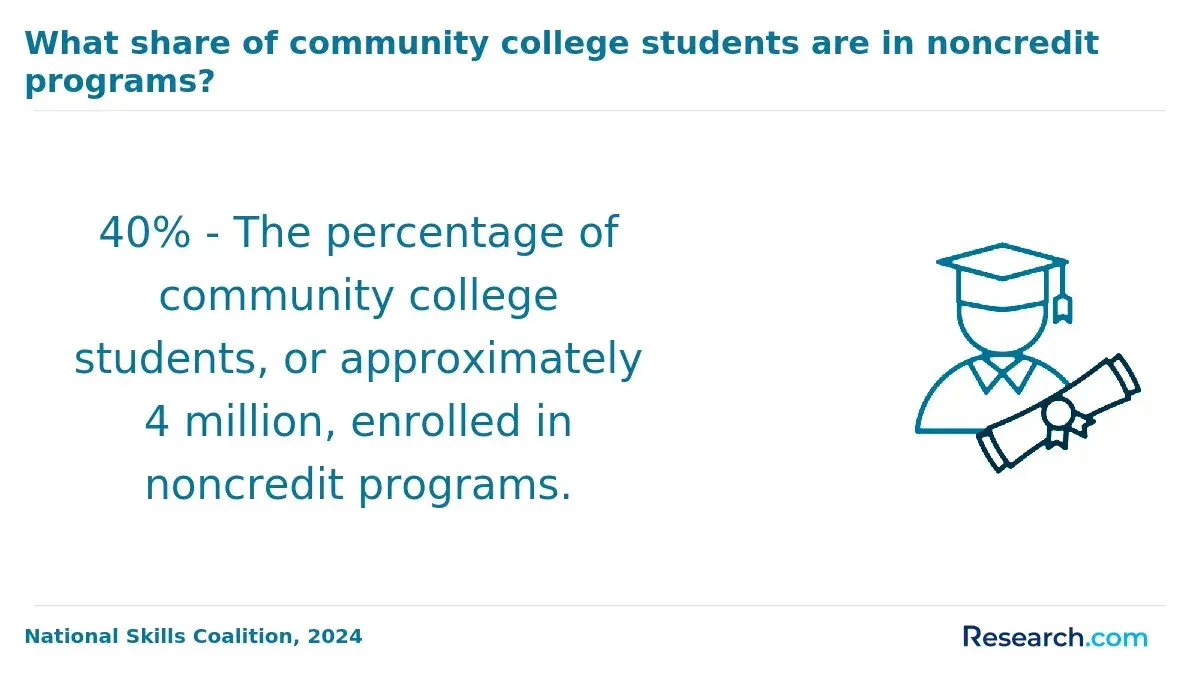
- Funding Sources: Scholarships, fellowships, and federal student loans are common options. Employer tuition reimbursement programs also provide significant financial support, especially if you continue working while enrolled.
- Assistantships and Waivers: Graduate teaching or research assistantships can help offset tuition costs by providing stipends or waivers, particularly in public universities, reducing overall debt.
- Debt Reduction Strategies: Choosing an in-state public program, applying early for departmental fellowships, or negotiating for assistantship roles can minimize student loans and long-term financial burden.
- Evaluating ROI: Compare total educational expenses against anticipated salary in your pediatric specialty. Fields like neonatology often offer higher salaries, improving the return on your investment.
A graduate of a pediatric nurse practitioner master's program shared how balancing coursework with part-time work and applying for multiple scholarships made a significant difference. "It was tough juggling clinical hours and study time while managing finances," they said, "but securing a research assistantship eased the burden and gave me practical experience." They emphasized careful planning helped them graduate with manageable debt and confidence about their career prospects.
How Long Does It Take to Earn a Pediatric Nurse Practitioner Master's Degree?
Prospective students looking into a pediatric nurse practitioner master's degree often need to factor program length into their decision-making process. Knowing the typical duration and what influences completion time can help in managing both career ambitions and personal life.
Below are key factors affecting the duration of pediatric nurse practitioner master's programs:
- Full-Time Enrollment: Typically ranges from 1.5 to 2 years, making it the fastest route. This schedule is ideal for students who can commit extensive time to coursework and clinical practice.
- Part-Time and Online Programs: These flexible options usually extend to 3 to 4 years by spreading out credit loads, accommodating working professionals or those balancing other obligations. Online formats may also offer asynchronous elements for additional scheduling freedom.
- Accelerated and Combined Pathways: Some institutions provide accelerated master's or combined bachelor's/master's tracks that integrate coursework and clinical requirements to reduce total time in school.
- Transfer Credits: Acceptance of prior related graduate coursework or certifications can shorten program length. Policies on transfer credits vary, so careful evaluation during admissions is necessary.
- Thesis vs. Non-Thesis Tracks: Selecting a non-thesis path tends to speed up completion since thesis work involves extensive research and writing. However, thesis tracks can benefit students aiming for academic or research-focused careers.
- Internship and Practicum Requirements: Mandatory clinical practicums significantly influence duration. Efficient placement and completion of these hours are critical to timely graduation.
For prospective students weighing options, exploring the best online nursing prerequisites can provide valuable insights to help navigate program selection and pacing.
What Career Paths Are Available with a Pediatric Nurse Practitioner Master's Degree?
Graduates of pediatric nurse practitioner master's programs gain clarity on diverse career opportunities that extend far beyond direct clinical care. This degree fosters versatility, allowing professionals to impact child health outcomes across multiple industries while progressing from hands-on roles to leadership positions.
Below is an overview of prominent career pathways for those holding this advanced degree:
- Clinical Practice: Many graduates work as pediatric nurse practitioners in hospitals, outpatient clinics, and specialty practices, delivering comprehensive care to children independently or in partnership with physicians.
- Community and Public Health: Opportunities include school health programs, community clinics, and urgent care centers where practitioners support preventive care and manage pediatric health initiatives.
- Administrative and Leadership Roles: With experience, graduates often move into supervisory positions, managing nursing teams or clinical operations and shaping healthcare delivery within organizations.
- Government and Nonprofit Sectors: These sectors seek pediatric nurse practitioners for roles in policy development, public health programming, and advocacy focused on improving child welfare at broader population levels.
- Academia and Research: Graduates may pursue careers in nursing education, curriculum development, and research, leveraging clinical expertise to influence evidence-based practices and train future healthcare professionals.
A graduate I spoke with described navigating initial uncertainties about balancing clinical work with further certifications and leadership ambitions. They shared, "The pediatric nurse practitioner program gave me a strong foundation, which made transitioning into community health settings smoother than I expected. Knowing I could use the degree in various environments helped reduce the stress of choosing a single career path early on." This flexibility was invaluable in adapting to changing personal goals while building a meaningful career.
What Is the Average Salary for Pediatric Nurse Practitioner Master's Degree Holders?
Compensation for pediatric nurse practitioners with a master's degree varies significantly based on experience, location, and employer type. Factors such as bonuses, benefits, and equity incentives also influence overall earnings.
Key salary benchmarks across different career stages and employment sectors include the following:
- Starting Salaries: New pediatric nurse practitioners generally earn between $85,000 and $100,000 annually. Pay is typically higher in urban centers and states like California and New York, reflecting regional cost-of-living differences.
- Mid-Level Income: Professionals with several years of experience often see their salaries rise to the $105,000-$125,000 range. Employers at this level may offer enhanced healthcare benefits and performance bonuses that boost total compensation.
- Senior Earnings: Those in senior or leadership roles can command salaries from $130,000 to $150,000 or more per year. Private specialty clinics tend to offer the top salaries compared with public healthcare institutions.
- Influence of Industry and Geography: Private healthcare settings and high-cost-of-living areas generally provide greater pay, while rural or underserved locations may offer lower base salaries but compensate with signing bonuses or loan forgiveness programs.
- Master's Degree Advantage: Holding a master's degree leads to earnings that are typically 15% to 25% higher than nurses with only a bachelor's degree, opening doors to more advanced clinical positions and better-paying opportunities.
What Professional Certifications Complement a Pediatric Nurse Practitioner Master's Degree?
A pediatric nurse practitioner's master's degree can be significantly enhanced by obtaining professional certifications that boost career prospects and salary potential. These credentials validate specialized expertise and are often required or preferred by children's hospitals, clinics, and other pediatric healthcare employers.
Advanced certifications to enhance pediatric nurse practitioner careers typically involve rigorous exams and ongoing renewal requirements, reflecting a commitment to maintaining clinical knowledge and best practices. For those exploring the landscape of professional certifications for pediatric nurse practitioners in the United States, here is a focused overview of the most recognized credentials, along with strategic advice on when to pursue them.
Consider the following key certifications:
- PNCB Pediatric Nurse Practitioner-Primary Care (PNP-PC): Offered by the Pediatric Nursing Certification Board, this credential requires an active RN license, graduation from an accredited PNP program, and passing a 175-question computer-based exam. Valid for five years, renewal involves continuing education or re-examination. Employers highly value this certification, often making it a prerequisite for specialized pediatric roles.
- ANCC Pediatric Nurse Practitioner-Primary Care (PNP-PC): The American Nurses Credentialing Center provides this certification with similar eligibility standards as the PNCB. Its exam emphasizes clinical knowledge and evidence-based practice, with renewal every five years through professional development activities. Holding this credential signals strong clinical competence in primary pediatric care.
- PNCB Pediatric Acute Care Nurse Practitioner (PNP-AC): This certification targets practitioners focusing on acute care in hospital settings, complementing the master's degree with advanced skills. It is suited for those aiming for roles in pediatric intensive care units or emergency departments.
Experts advise pursuing these certifications soon after completing the master's program to leverage the most current clinical skills and improve job market competitiveness. Some candidates even begin exam preparation during their studies to streamline the certification timeline.
Holding such certifications enhances market value by validating expertise, facilitating higher salaries, and paving the way to leadership or advanced clinical roles within pediatric healthcare organizations. For individuals considering their educational path, exploring options like nursing schools that don't require TEAS can help optimize program accessibility while maintaining rigorous preparation for these certifications.
What Are the Top Industries Hiring Pediatric Nurse Practitioner Master's Degree Graduates?
For prospective students, understanding where pediatric nurse practitioner master's degree holders find employment is essential for aligning career goals with industry demands. Recognizing the top employers and emerging fields helps tailor clinical experiences, certifications, and networking efforts effectively.
Below is a ranking of key industries employing pediatric nurse practitioners, highlighting roles, employer types, and strategies to enter these sectors:
- Healthcare Systems and Hospitals: Major employers include large healthcare networks and community hospitals where pediatric NPs staff specialty units such as neonatology, pediatric intensive care, and emergency departments. Holding certifications like the Pediatric Primary Care Nurse Practitioner (PPCNP) credential enhances job prospects and supports work in complex clinical environments.
- Private Pediatric Practices: These smaller settings emphasize primary and preventive care, allowing pediatric NPs to build ongoing patient relationships and manage chronic conditions. Their focus on family-centered care provides opportunities to reduce physicians' workloads while fostering comprehensive pediatric wellness.
- School Health Services: Pediatric nurse practitioners contribute to student health by administering immunizations, managing illness prevention, and providing health education. These roles are typically within educational institutions or school-based health centers, demanding skills in adolescent health management and community outreach.
- Telehealth and Digital Platforms: Rapidly growing due to technological adoption and regulatory support, telemedicine opens new avenues for remote pediatric care, especially in underserved rural areas. Proficiency with telecommunication tools and compliance with patient privacy laws are critical in this expanding sector.
- Career Preparation Through Targeted Experiences: Students are advised to select internships, practicum sites, and coursework that align with their preferred employment sector. Engaging with pediatric professional organizations and attending relevant conferences can substantially improve networking and entry into desired industries.
What Are the Highest-Paying Jobs for Pediatric Nurse Practitioner Master's Degree Holders?
Choosing a career path with a pediatric nurse practitioner master's degree involves considering roles that offer both professional fulfillment and competitive salaries. Factors such as clinical expertise, leadership ability, and additional credentials significantly impact earning potential. Geographic location and employer type also play critical roles in determining compensation for these specialized positions.
Below are some of the highest-paying job titles accessible to graduates in this field:
- Clinical Director of Pediatric Services: Overseeing pediatric care operations within hospitals or large healthcare centers requires extensive clinical experience and management skills. Salaries typically exceed $110,000, with advanced certification in pediatric nursing and leadership capabilities essential. Urban healthcare systems often provide the most lucrative opportunities.
- Pediatric Acute Care Nurse Practitioner: Managing critically ill children in hospital settings demands specialized clinical knowledge and certifications in both pediatrics and acute care. These roles usually offer earnings between $105,000 and $115,000 and are frequently found in pediatric specialty hospitals and emergency facilities.
- Pediatric Nurse Practitioner Educator: In academic environments, these professionals train future nurse practitioners and generally earn around $95,000. Holding a doctoral degree and prior teaching experience can elevate their salary, with metropolitan institutions offering higher compensation.
- Private Practice Pediatric Nurse Practitioner: Those managing or partnering in private pediatric clinics can earn over $100,000, particularly in areas with high patient demand. Success here often depends on business expertise and additional certifications to enhance clinical credibility and income.
- Pediatric Nurse Practitioner Researcher: Engaging in clinical research and child health innovation, these practitioners typically work in universities or research centers. Salaries vary widely, often ranging from $85,000 to more than $110,000, with doctoral qualifications and grant funding considerably influencing earning capacity.
What Is the Job Outlook and Employment Growth for Pediatric Nurse Practitioner Professionals?
For those considering a Pediatric Nurse Practitioner master's degree, understanding employment growth and job demand is essential for making informed career decisions. The job outlook for pediatric nurse practitioner professionals remains strong, with the U.S. Bureau of Labor Statistics projecting a 40% increase in employment from 2024 to 2034. This growth continues to significantly exceed the national average of 4% for all occupations, indicating a robust expansion in this healthcare sector.
- Increasing Pediatric Population: A growing number of children require specialized healthcare services, driving demand for pediatric nurse practitioners who focus on youth health management.
- Preventative and Chronic Care Emphasis: Greater focus on preventative healthcare and managing chronic pediatric conditions boosts the need for advanced clinical practitioners in this field.
- Healthcare Policy Changes: Expanded access through policies like the Affordable Care Act has increased demand, particularly in underserved communities.
- Primary Care Shortages: Persistent shortages of primary care providers in rural and underserved areas create openings for pediatric nurse practitioners to fill vital roles.
- Technological Advancements: Improved diagnostic tools and telehealth enhance care delivery but automation remains unlikely to replace clinical judgment anytime soon.
- Policy and Reimbursement Evolution: Changes in healthcare policies and insurance reimbursements may alter job settings and salary structures, affecting future employment patterns.
Prospective students should also consider program options such as online degrees to balance cost and convenience; resources like online college free application lists can assist in finding affordable programs. Understanding these economic, technological, and demographic factors clarifies the long-term career potential for those investing in a Pediatric Nurse Practitioner master's degree.
What Skills and Competencies Does a Pediatric Nurse Practitioner Master's Program Develop?
Prospective pediatric nurse practitioner master's students should understand the essential skills developed throughout the program, as these directly influence their clinical effectiveness and career flexibility. These competencies blend technical expertise and interpersonal abilities, equipping graduates for diverse roles within and beyond healthcare.
- Advanced Clinical Skills: Students master detailed patient assessments, diagnostic reasoning, pharmacological knowledge, and the application of electronic health records and telehealth systems, ensuring readiness for complex pediatric care.
- Research and Data Analysis: Training includes methods for evaluating clinical outcomes and incorporating evidence-based practices, fostering skills that support quality improvement and informed decision-making.
- Critical Thinking and Communication: Emphasis on analytical problem-solving and patient-centered communication prepares students to collaborate effectively with families and healthcare teams.
- Leadership and Teamwork: Graduates develop abilities to lead interdisciplinary groups, participate actively in policy discussions, and contribute to healthcare education and administration.
- Experiential Learning: Clinical internships, patient simulations, case studies, and group projects solidify theoretical knowledge by providing hands-on, real-world problem-solving experiences.
- Transferability of Skills: These competencies extend beyond clinical settings, enabling graduates to pursue opportunities in healthcare management, policy development, and educational roles.
- Employer Priorities: Hiring professionals consistently highlight clinical judgment, adaptability, ethical practice, and effective communication as the most critical attributes in candidates.
What Graduates Say About Their Pediatric Nurse Practitioner Master's Degree
- Amelia: "Applying to the pediatric nurse practitioner master's program was initially overwhelming, but focusing on accredited schools simplified my decision. I found that official academic catalogs were invaluable in understanding course requirements and clinical hours. This approach gave me confidence throughout the entire process, making my transition into nursing leadership seamless."
- Rose: "Navigating the landscape of institutions offering pediatric nurse practitioner master's degrees taught me the importance of careful research. I relied heavily on accrediting agencies to validate program quality, which steered me clear of less reputable options. Looking back, using federal education resources empowered me to meet every graduation requirement effectively and on time."
- Lana: "Reflecting on my journey, the application process for the pediatric nurse practitioner program was less daunting because I prioritized gathering detailed information from official academic catalogs. Exploring various accredited programs deepened my understanding of what each offered, which helped me select the best fit. These resources became my roadmap to successfully completing the degree requirements."
Other Things You Should Know About Pediatric Nurse Practitioner Degrees
A pediatric nurse practitioner master's degree significantly increases earning potential compared to registered nurses without advanced degrees. Over time, experienced pediatric nurse practitioners often see steady salary growth as they gain specialized skills and certifications. Many employers offer pay raises and bonuses tied to advanced qualifications, clinical expertise, and leadership roles.
Both online and on-campus pediatric nurse practitioner programs offer rigorous curricula, but the choice depends on personal circumstances. Online programs provide flexibility for working nurses and those balancing family responsibilities, while on-campus options may offer more direct clinical experiences and campus resources. Accreditation and clinical placement support are crucial factors when choosing either option.
In 2027, consider program accreditation, curriculum alignment with career goals, clinical placement opportunities, faculty expertise, and flexibility (online vs. on-campus). Evaluate costs, financial aid, and the institution’s reputation to ensure the program meets your professional and personal needs.
Yes, pursuing a pediatric nurse practitioner master's degree is generally considered a worthwhile investment for those committed to pediatric health care. It opens doors to diverse clinical roles, higher salaries, and greater job security in a growing field. However, prospective students should assess program costs, time commitment, and career goals to determine if this degree aligns with their professional and financial objectives.
References
- How Long Does It Take to Become a Pediatric Nurse? | Maryville Nursing https://nursing.maryville.edu/blog/how-long-does-it-take-to-become-a-pediatric-nurse
- How to Become a Pediatric Nurse Practitioner (PNP) https://nursinglicensemap.com/advanced-practice-nursing/nurse-practitioner/pediatric-nurse-practitioner-pnp/
- Certifications https://www.pncb.org/certifications
- Pediatric Nurse Practitioner: Career & Salary Overview https://npdegrees.org/careers/pediatric-nurse-practitioner/
- What Does a Pediatric Nurse Practitioner (PNP) Do? https://www.herzing.edu/description/pnp
- School of Nursing https://www.ohsu.edu/school-of-nursing/pediatric-nurse-practitioner-dual-dnp-degree-program-classes-and-requirements
- Guess Where FNPs Can Can Work, Besides Primary Care | United States Univesity https://www.usuniversity.edu/trailblazers/blog/where-can-fnps-work
- Pediatric Nurse Practitioner Jobs: Growing Demand in Texas and Nationwide | Houston Christian University https://hc.edu/articles/pediatric-nurse-practitioner-jobs/
- Are You Considering a Career as a Pediatric Nurse Practitioner? https://www.aanp.org/news-feed/are-you-considering-a-career-as-a-pediatric-nurse-practitioner
- 11 Highest Paid Nurse Practitioner (NP) Specialties https://nurse.org/articles/highest-paying-np-specialties/