2027 What Can You Do with a Project Management Master's Degree? Careers, Salaries & Growth

Co-Founder and Chief Data Scientist
Many professionals struggle to advance in dynamic industries without specialized skills. In the U. S., the demand for project managers is growing 7% annually, faster than the average for all occupations. However, less than 30% of existing project managers hold a master's degree, creating a competitive gap in expertise and leadership. Graduates with a project management master's degree often earn salaries 20-30% higher than those with only a bachelor's degree.
This article explores program structures, admission criteria, career paths, salary benchmarks, and industry trends, helping readers make informed decisions about pursuing a project management master's degree for enhanced career success.
Key Things to Know About What You Can Do with a Project Management Master's Degree
- Programs typically require a bachelor's degree, emphasize practical skills, and offer flexible formats like online or hybrid to accommodate working professionals and international students.
- Graduates often pursue roles such as project managers, coordinators, and consultants, with median salaries around $90,000, reflecting robust demand across industries like IT, construction, and healthcare.
- Long-term growth estimates for project management jobs exceed 10% through 2030, rewarding advanced degrees combined with certifications like PMP for enhanced career mobility and salary advancement.
What Are the Admission Requirements for a Project Management Master's Program?
Preparing the prerequisites for a project management master's program admission helps ensure a smoother application process. Meeting these criteria is essential for those seeking to align their academic background and professional experience with the program's expectations. The demand for skilled project managers is forecasted to increase by 33% through 2030, reflecting strong career prospects and earning potential. Below are key admission components commonly required for enrolling in a project management master's degree.
- Undergraduate Degree: Most programs require a bachelor's degree in a related field such as business, engineering, or information technology. Some schools may accept applicants from diverse academic backgrounds if they have relevant work experience or complete prerequisite courses.
- GPA Requirements: A minimum undergraduate GPA, typically around 3.0 on a 4.0 scale, is often expected, though this can vary by institution depending on selectivity.
- Standardized Tests: Tests like the GRE or GMAT are generally optional at many universities since admissions policies have relaxed after the COVID-19 pandemic. However, submitting scores might enhance applications in competitive programs or when applying for scholarships.
- Supplementary Materials: Most applications require two to three letters of recommendation from academic or professional references, a personal statement outlining career goals, and a detailed resume or CV highlighting relevant work experience.
- Additional Requirements: Some programs ask for writing samples, especially for research-focused tracks. Field-specific prerequisites may include foundational knowledge in project management principles or coursework in leadership and operations.
Prospective students interested in flexible learning options may consider online degrees as viable alternatives. For those exploring comparable professional graduate programs, information on msw programs online may offer some helpful context. Understanding these prerequisites thoroughly can give an advantage in navigating the complexities of project management master's program admission criteria.
What Is the Minimum GPA Requirement for a Project Management Master's Program?
Admission into a master's program in project management often hinges on meeting specific academic standards, with GPA being a crucial factor. Understanding the typical minimum GPA requirement for a project management master's program helps applicants set realistic goals and prepare strong applications. The project management field is projected to grow 33% through 2030, increasing demand for qualified professionals with both academic and practical expertise. Below are key points to consider about GPA criteria and admissions flexibility.
- Typical GPA Range: Most programs require a minimum GPA between 2.75 and 3.0 on a 4.0 scale, but exact standards vary by institution and program selectivity.
- Variations by Institution: Public universities may set different admission benchmarks compared to private or prestigious schools, influencing GPA demands and acceptance rates.
- Holistic Admissions: Many programs use a holistic review process, assessing professional experience, test scores, and personal statements alongside GPA to evaluate applicants.
- Admissions Flexibility: Applicants with GPAs below the stated minimum can still gain admission by demonstrating strong standardized test performance, relevant work history, or a compelling narrative in their personal statements.
- Complementary Credentials: Exploring online courses with certificates alongside a degree can enhance a candidate's profile and career prospects.
How Much Does a Project Management Master's Degree Cost and How Can You Finance It?
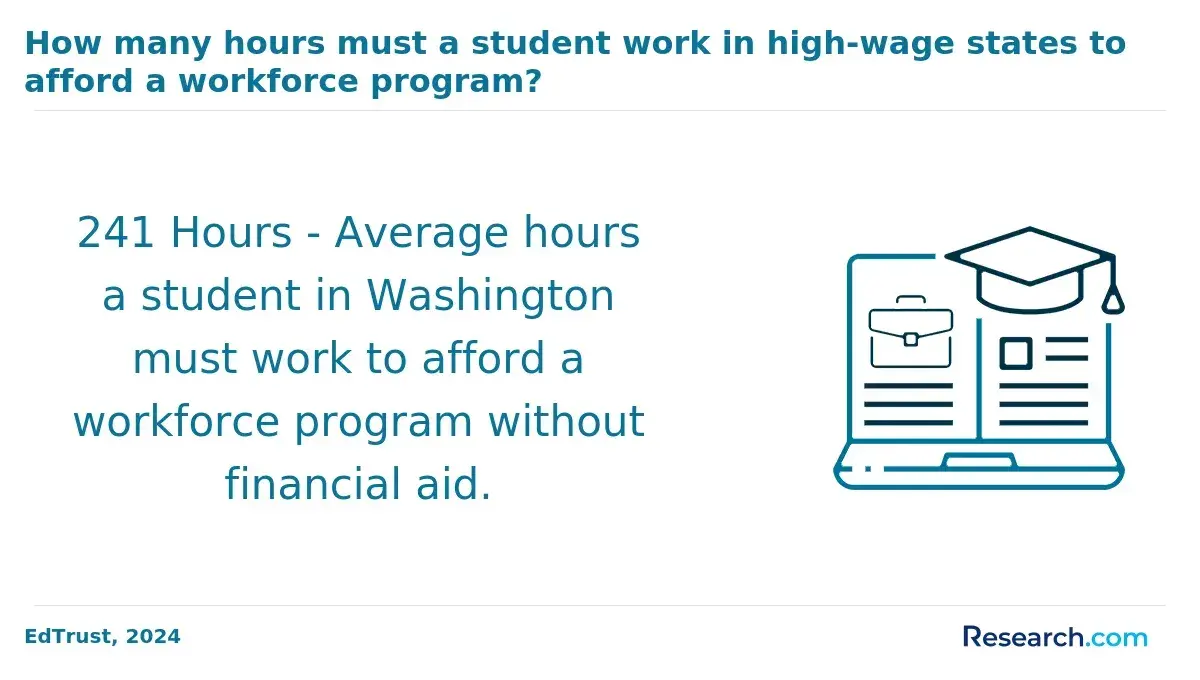
Sorting out finances before starting a project management master's degree helps students plan for tuition, living costs, and potential income lost while studying. Knowing funding options and how to minimize debt ensures a clearer financial path. Here are some key points to consider:
- Tuition and Living Expenses: Public universities usually charge between $15,000 and $30,000 for tuition, while private schools often exceed $40,000. Online programs tend to be less costly but still require budgeting for materials and technology, with lower living expenses compared to on-campus study.
- Funding Opportunities: Scholarships, fellowships, graduate assistantships, employer tuition reimbursement, and federal student loans are common sources of support. Many programs offer fellowships or assistantships that reduce tuition in exchange for teaching or research work.
- Debt Reduction Approaches: Choosing in-state public schools, applying for department-based aid, and securing assistantships can significantly lower costs. Online studies also allow students to keep working full-time, lessening opportunity costs.
- Evaluating Return on Investment: Weigh total program expenses against potential salary increases in specific fields. Considering local job prospects, industry growth, and professional certifications alongside costs supports a well-informed financial decision.
I recently spoke with a graduate of a project management master's program who reflected on the cost and financing challenges. Balancing part-time work alongside studies was essential to managing expenses, while assistantships provided helpful tuition offsets. They emphasized how carefully weighing the financial commitment against career goals was never easy but ultimately rewarding, enhancing both their skills and earning potential in a competitive job market.
How Long Does It Take to Earn a Project Management Master's Degree?
Determining how long it typically takes to complete a project management master's degree is crucial for planning and setting realistic expectations. Completion times vary widely due to factors like enrollment status, program format, and curricular paths. The average duration of project management graduate programs in the US can be influenced by several key components, outlined below:
- Full-Time Enrollment: Most full-time students finish their master's in project management within 1.5 to 2 years. This path typically follows a traditional academic schedule with a consistent course load each semester, enabling faster degree completion.
- Part-Time and Online Programs: These options usually extend the timeline to 3-4 years, as students balance coursework with other commitments. The flexible scheduling and reduced credit load allow for continued employment but lead to a longer study duration.
- Accelerated Programs: Some institutions offer fast-track options completing the degree in as little as one year. These programs require a demanding schedule and often prior relevant coursework or professional experience.
- Combined Bachelor's/Master's Pathways: Dual-degree programs condense study time by allowing students to earn both degrees faster, sometimes reducing typical duration by up to a year compared to separate completion.
- Transfer Credits: Accepting transfer credits from previous graduate or undergraduate courses may shorten program length substantially. Policies on transfer vary by institution and depend on course equivalencies.
- Thesis vs. Non-Thesis Tracks: Choosing a thesis track can add several months to complete research and writing, while non-thesis tracks generally focus on coursework and applied assignments, allowing for quicker graduation.
- Internship or Practicum Requirements: Programs with mandatory internships or practicums may lengthen completion time depending on placement availability and scheduling demands.
Prospective students should also consider options like online formats, which vary in duration but offer flexibility. Those interested in pursuing online business degrees may find tailored schedules better fitting their needs while managing time effectively.
What Career Paths Are Available with a Project Management Master's Degree?
This overview outlines the broad career opportunities a project management master's degree offers, helping prospective students understand the professional paths they might pursue. The degree supports various roles across industries, highlighting its value in both specialized and adjacent fields.
Consider these key factors shaping career trajectories for graduates:
- Entry-Level Roles: Many graduates start as project coordinators or analysts, applying skills in scheduling, budgeting, and stakeholder communication to support project delivery.
- Mid-Level Management: With experience, careers often progress to project, program, or portfolio manager roles, where overseeing teams and complex projects becomes central.
- Executive Opportunities: Long-term advancement may lead to leadership positions such as director of project management or chief project officer, especially in organizations prioritizing strategic project execution.
- Industry Diversity: Graduates find roles in government, nonprofits, private sectors including IT, healthcare, finance, construction, and academia, reflecting the degree's broad applicability.
- Adjacent Careers: The skills gained also apply to roles like business analyst, operations manager, or consultant, where strategic planning and organizational capabilities are essential.
A graduate I spoke with recounted how the master's program eased their transition into leadership. They described early challenges in coordinating multi-department initiatives, noting that the degree's focus on risk management and communication equipped them to gain credibility quickly. "Navigating different stakeholder expectations was overwhelming at first," they said, "but the structured methodology and tools I learned helped me build confidence and deliver results sooner than I expected." This practical foundation made climbing the management ladder smoother compared to peers without specialized training.
What Is the Average Salary for Project Management Master's Degree Holders?
Salaries for those holding a master's degree in project management vary widely depending on experience, industry, location, and employer type. Compensation often goes beyond base salary, including bonuses, profit sharing, and other benefits that increase total income. Below are key factors influencing earnings for graduates in this field.
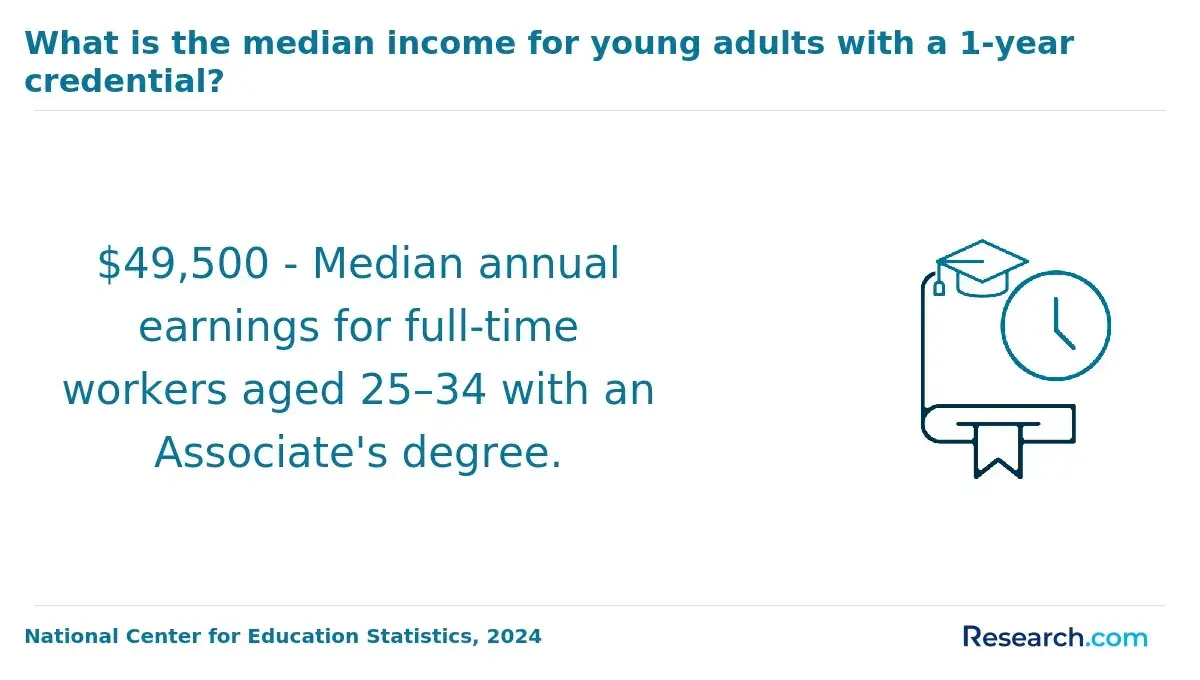
- Salary by Career Stage: Early-career project managers with a master's typically earn between $65,000 and $80,000 annually. Those with several years of experience reach average salaries from $90,000 to $115,000, while senior-level professionals and directors often make between $120,000 and $160,000 or more.
- Geographic Salary Differences: Earnings tend to be higher in major metropolitan areas such as New York, San Francisco, and Washington, D.C., where senior project managers can exceed $160,000. In contrast, regions with fewer large businesses see average salaries closer to $75,000 to $90,000.
- Industry Variability: Project managers working in technology, finance, and construction generally have higher pay compared to those in government or nonprofit sectors. Tech employers frequently supplement salaries with significant bonuses and equity options, enhancing overall compensation.
- Public vs. Private Sector: Private companies often offer larger base salaries and more performance incentives, while public sector positions typically provide greater job stability and pension benefits but usually lower pay.
- Degree Salary Premium: Holding a master's degree in project management typically increases pay by 10 to 20 percent over bachelor's degree holders in similar roles, reflecting advanced expertise and leadership valued by employers.
What Professional Certifications Complement a Project Management Master's Degree?
Several professional certifications significantly enhance career prospects and earning potential when paired with a Project Management master's degree. These credentials validate specialized skills and are widely recognized by employers across diverse industries. Below is a concise overview of the most valuable certifications, including their credentialing bodies, eligibility requirements, exam formats, and renewal processes, along with the strategic timing for pursuing them within a graduate pathway. Consider the following certifications to complement your studies and career advancement:
- Project Management Professional (PMP): Offered by the Project Management Institute (PMI), PMP certification is highly respected and often required for senior project roles in IT, construction, and healthcare. Candidates must hold a four-year degree, have 36 months of project leading experience, and complete 35 hours of project management education. The exam includes 180 multiple-choice questions, and certification must be renewed every three years through continuing education or professional development units.
- Certified Associate in Project Management (CAPM): Also provided by PMI, CAPM is ideal for those earlier in their careers or seeking a credential before gaining extensive experience. Eligibility requires a high school diploma and 23 hours of project management training. The exam features 150 questions, and certification lasts five years without renewal requirements. CAPM serves as a strong stepping stone toward PMP, especially during or right after graduate studies.
- Agile Certified Practitioner (PMI-ACP): This certification targets professionals working in agile environments, which are increasingly prevalent in software development, marketing, and product innovation. PMI-ACP requires 2,000 hours of general project experience, 1,500 hours in agile-specific projects, and 21 contact hours of agile training before the exam. Agile expertise gained through PMI-ACP complements a project management master's degree well in dynamic industries.
Strategically, pursuing CAPM or PMI-ACP during a master's program enhances practical learning and marketability, while PMP is best obtained after acquiring sufficient hands-on experience. Combining a master's degree with these project management professional certifications for career advancement broadens job opportunities and can boost salary potential by 20-25%, according to PMI's salary survey data. For those interested in further advancing their leadership and organizational skills, exploring a doctorate organizational leadership program could be a subsequent step in career development.
What Are the Top Industries Hiring Project Management Master's Degree Graduates?
For prospective students considering a master's degree in project management, understanding the leading industries hiring graduates is essential. Different sectors offer varied roles, employer sizes, and skill requirements, influencing career direction and growth potential. Below is an overview of the top industries employing project management professionals and how students can strategically position themselves for success in these fields.
- Technology Sector: This industry is the largest employer, offering positions like IT project manager and agile coach. Employers range from innovative startups to global tech giants, valuing expertise in software development cycles and certifications such as PMP or Scrum Master.
- Construction and Engineering: Focused on infrastructure and large projects, roles here demand coordination of teams, budgets, and regulatory compliance. Familiarity with tools like Primavera or MS Project and certifications like CAPM significantly improve job prospects.
- Healthcare Industry: Rapid digital transformation drives demand for project managers to oversee electronic health record deployments and process improvements. Knowledge of healthcare regulations and certifications such as Lean Six Sigma are advantageous in this growing sector.
- Financial Services: Opportunities abound in risk management, product development, and compliance areas. Employers range from regional banks to multinational firms. Specialized knowledge of regulatory frameworks and PMI-RMP certification can enhance employability.
- Emerging Fields: Areas like renewable energy and cybersecurity show rising demand due to technological advances and increased regulations. According to the Project Management Institute's 2023 Talent Gap Report, roles in these sectors are expected to grow by 33%.
- Targeted Preparation: Gaining internships in relevant industries, joining specialized professional organizations, and selecting coursework aligned with industry needs help students improve their job readiness. Networking with established professionals and acquiring related certifications strengthen career prospects.
What Are the Highest-Paying Jobs for Project Management Master's Degree Holders?
Project management master's graduates have access to highly lucrative career paths that reward leadership, strategic thinking, and execution skills. Compensation varies by industry, location, and additional credentials, making it important to understand which roles offer the best financial returns. Below are some of the top-paying positions typical for those with advanced project management education.
- Program Manager: Overseeing multiple interconnected projects, program managers align efforts with corporate strategy. Key skills include leadership, communication, and planning, with common sectors including IT, healthcare, and construction. Median salaries range from $120,000 to $140,000, with experienced professionals earning over $160,000.
- Portfolio Manager: Managing a group of projects to optimize value and reduce risk requires strong analytical and decision-making skills. This role is prominent in finance, technology, and government, offering median pay around $130,000. Advanced certifications like PgMP boost earning potential.
- Construction Project Manager: Responsible for directing building projects from start to finish, these managers handle budgeting, scheduling, and compliance. Negotiation and technical expertise are vital, with median compensation between $95,000 and $110,000 but higher pay possible for senior roles on complex projects.
- IT Project Manager: Leading software development or IT infrastructure initiatives demands knowledge of Agile and Scrum. Salaries typically fall between $100,000 and $130,000 and are higher in tech-centric regions like Silicon Valley and New York City.
- Chief Project Officer (CPO): Serving as the top executive for project management functions, the CPO requires extensive leadership experience and often an MBA or doctoral degree. Compensation frequently exceeds $180,000, especially in multinational companies and large organizations.
Adding credentials such as PMP or PgMP certifications and pursuing advanced degrees can elevate salary prospects. Geographic location also influences pay, with metropolitan financial centers and specialized sectors like oil and gas offering premium compensation. These factors are essential in assessing the financial benefits of a project management master's degree.
What Is the Job Outlook and Employment Growth for Project Management Professionals?
For those considering a master's degree in project management, understanding employment trends is critical to making an informed decision. The career outlook for project management professionals is influenced by diverse economic, technological, and demographic factors that impact job availability and growth potential across various industries.
- Employment Growth Rate: The U.S. Bureau of Labor Statistics projects about 7% growth in project management employment from 2021 to 2031, which aligns with the national average for all occupations, indicating a stable demand in the workforce.
- Industry Demand: Growth spans multiple sectors including construction, healthcare, information technology, and finance. This diversity provides graduates with flexible career paths and resilience against industry-specific downturns.
- Technological Impact: Automation and AI may automate routine tasks but simultaneously heighten the need for project managers proficient in integrating advanced tools and adapting strategies to new technologies.
- Globalization Effects: Increasing cross-border projects require experienced leadership adept at managing complex, multinational efforts, broadening opportunities for skilled project managers.
- Regulatory and Policy Changes: Shifts in sectors like energy and healthcare continually create new challenges and opportunities that demand knowledgeable project management professionals.
This stable growth outlook enhances the appeal of pursuing advanced qualifications including relevant certifications. Individuals interested in expanding their skill set might also explore related fields such as video game design programs, which share project leadership elements. The robust nature of project management employment in the United States ensures that graduates can expect consistent opportunities across a range of disciplines.
What Skills and Competencies Does a Project Management Master's Program Develop?
For prospective Project Management master's students, understanding the essential skills developed through the curriculum is vital. These skills not only enhance professional competence but also improve adaptability across various industries and roles.
- Technical Proficiency: Students gain expertise in tools like Microsoft Project, Primavera, and Agile software, alongside quantitative research methods and data analysis techniques that support evidence-based decision-making.
- Leadership and Communication: Effective leadership and clear communication are core soft skills cultivated to manage teams and stakeholders, crucial for driving projects to successful completion.
- Critical Thinking and Problem-Solving: The program emphasizes analytical reasoning and creative solutions, preparing graduates to navigate complex project challenges efficiently.
- Transferability Across Industries: These competencies apply broadly, enabling graduates to pursue careers in fields such as construction, IT, healthcare, and finance, where project leadership is essential.
- Experiential Learning Opportunities: Internships, simulations, case studies, and collaborative projects provide hands-on experience, bridging theoretical knowledge with real-world application.
- Employer Priorities: Hiring managers often prioritize candidates demonstrating strong leadership, communication, and risk management skills, recognizing their direct impact on project outcomes.
What Graduates Say About Their Project Management Master's Degree
- Cesar: "Applying for admission to the online project management master's program was straightforward once I understood the prerequisites. I appreciated navigating through various accredited institutions, which helped me find the most reputable program tailored to my goals. Relying heavily on official academic catalogs and federal education resources gave me clarity on degree requirements, making the entire process transparent and manageable."
- Helena: "Reflecting on my journey, the biggest challenge was sorting through countless project management master's programs to identify those fully accredited. Using accrediting agencies as a guide proved invaluable in assuring the program's legitimacy and quality. I also turned to official resources to confidently meet all the degree requirements, which ultimately made my learning experience organized and rewarding."
- Cameron: "As a professional seeking advancement, I found the application process for the project management master's program demanding but worth it. Exploring accredited schools provided assurance that I was investing in a credible education. The combination of official academic catalogs and federal educational tools helped me navigate requirements efficiently, preparing me well for career success."
Other Things You Should Know About Project Management Degrees
A Project Management master's degree in 2027 can lead to roles such as Project Manager, Program Manager, or Portfolio Manager. These positions often offer competitive salaries, with experienced professionals earning upwards of $100,000 annually, showcasing strong career growth potential.
Choosing between online and on-campus project management master's programs depends on your personal circumstances and learning preferences. Online programs offer greater flexibility for working professionals and international students, while on-campus programs may provide more direct access to networking, campus resources, and in-person collaboration. Both formats typically cover the same core curriculum and lead to the same degree.
In 2027, you should evaluate a Project Management master's degree program based on its accreditation, curriculum relevance, faculty expertise, alumni success, and connections to industry leaders. Check for partnerships with professional organizations like PMI and opportunities for certifications that enhance employability.
The value of a project management master's degree depends on your career goals, industry, and current qualifications. For individuals aiming for leadership roles, specialized industries, or higher salaries, the degree offers significant advantages. However, those with substantial project management experience and professional certifications may find alternative pathways equally effective, so weighing costs against potential benefits is crucial.
References
- What Can You Do with a Master’s in Project Management? | UMGC https://www.umgc.edu/blog/what-can-you-do-masters-project-management
- The 9 Best Project Management Qualifications in 2025 | Project Management https://www.icslearn.co.uk/blog/management/the-9-best-project-management-qualifications/
- MS in Project Management in the USA: Top Universities, Cost, Courses & Salary https://gradright.com/ms-in-project-management-in-the-usa-top-universities-cost-courses-salary/
- Master's degree in Project Management | 6 Paths to Expertise https://tau.edu.zm/blog/masters-degree-in-project-management-6-paths/
- How long does it take to become a project manager? https://www.herzing.edu/faq/how-long-to-become-project-manager
- Project Management Requirements https://www.uwplatt.edu/department/student-advising-academic-resources/project-management-requirements
- Project Management Major https://www.kozminski.edu.pl/en/project-management-major
- Project Management Employment Statistics in Europe https://zoetalentsolutions.com/project-management-employment-statistics-in-europe/
- (WSB in Gdańsk) Management - IT Project Management, Master https://ww.studyinpoland.pl/en/programme
- Project Manager jobs | Fresh offers with salary ranges | No Fluff Jobs. https://nofluffjobs.com/project-manager