2027 What Happens If an Applied Behavior Analysis Degree Master's Program Doesn't Meet Licensure Rules?

Co-Founder and Chief Data Scientist
Choosing an applied behavior analysis (ABA) master’s program is not only an academic decision. For many students, it determines whether they can qualify for certification, meet state licensure rules, and move into supervised or independent practice without costly delays. A program may advertise ABA coursework and still fall short of the exact requirements used by licensing boards or the Behavior Analyst Certification Board (BACB).
That risk is real. Approximately 30% of ABA master's programs in the U. S. fail to align fully with Behavior Analyst Certification Board (BACB) coursework requirements, which can leave graduates with missing courses, unaccepted supervision hours, or limited eligibility for licensure-dependent jobs.
This guide explains why some ABA master’s programs do not meet licensing standards, how boards evaluate programs, what to verify before enrolling, and what options remain if you already completed a non-compliant degree. It is designed for prospective students, current graduate students, and graduates trying to protect their time, money, and career options.
Key Things to Know About Applied Behavior Analysis Degree Master's Program Doesn't Meet Licensure Rules
- Graduates from programs that don't meet licensure rules often face delays in obtaining professional licensure, as additional verification or remedial steps may be required.
- Students may need to complete extra coursework or supervised training hours to fulfill board requirements, increasing time and financial costs before eligibility.
- Limited access to regulated career roles occurs, with many employers and states rejecting credentials from non-approved programs, restricting job opportunities in applied behavior analysis.
Why Do Some Applied Behavior Analysis Master's Programs Fail to Meet Licensing Board Requirements?
Some applied behavior analysis master’s programs fail to meet licensing board requirements because they are built around general behavioral science education rather than a licensure pathway. The program may include relevant courses, but not the exact sequence, content areas, supervision structure, or documentation a state board expects.
Licensure-focused ABA training usually has to show that students completed required coursework, received appropriate supervised field experience, and learned professional ethics and practice standards. If a curriculum was designed before current rules took effect, or if the school does not actively update its program to match new professional expectations, graduates may discover the gap only when they apply for certification or state licensure.
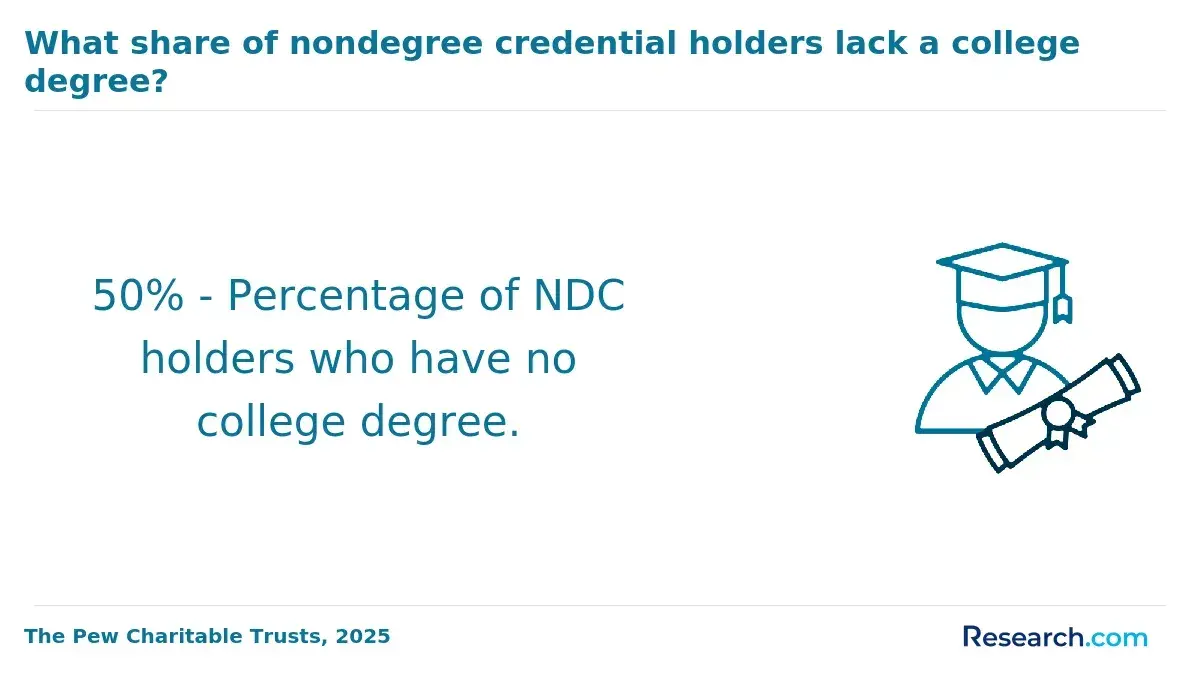
A 2022 survey by the Council for Accreditation of Educator Preparation found nearly 30% of behavioral science graduate programs do not cover the full scope of licensure requirements, limiting eligibility for certification as behavior analysts. That does not necessarily mean the programs are academically weak. It means they may not be designed for the licensing outcome a student expects.
Common reasons programs fall short
- Curriculum mismatch: Required ABA content areas may be missing, outdated, or spread across courses in a way licensing boards do not accept.
- Insufficient supervised training: A program may offer practicum experience but not the type, amount, or documentation of supervised hours needed for licensure.
- Different program purpose: Some degrees emphasize research, education, psychology, or human services rather than preparation for behavior analyst licensure.
- State-by-state variation: A program may satisfy one jurisdiction’s expectations but not another’s.
- Weak disclosure: Some schools do not clearly state whether the degree meets licensure requirements in each state where students plan to practice.
Students comparing ABA programs should be careful not to treat “ABA-related,” “behavioral science,” “online,” or “master’s degree” as the same as licensure alignment. Those exploring broader graduate options, such as online MBA programs, should apply the same discipline: identify the career outcome first, then verify that the credential supports it.
What Are the Risks of Choosing a Applied Behavior Analysis Master's Program That Does Not Meet Licensure Rules?
The main risk is that graduation may not make you eligible for the next professional step. In ABA, a master’s degree alone is often not enough. Employers, licensing boards, insurers, and certification bodies may require proof that the program met specific coursework and supervised experience standards.
If the program does not meet those rules, the consequences can affect your timeline, finances, and job options.
- Delayed eligibility: Graduates from noncompliant programs may have to wait before applying for licensure or certification because their education does not satisfy state or national requirements.
- Additional coursework: You may need to enroll in post-master’s courses to cover missing content areas. This can add tuition costs and extend the time before you can qualify for professional roles.
- Extra supervised experience: Fieldwork completed during the degree may not count if it was not structured or documented according to licensing rules.
- Limited employment options: Clinical, school-based, supervisory, or insurance-billable ABA roles often require certification, licensure, or both. A non-aligned degree can narrow your immediate job market.
- Licensing board complications: A board may deny an application, request more documentation, or require a formal credential review before deciding whether your education qualifies.
- Financial and time strain: Nearly 20% of candidates experience such delays, making program verification a practical financial issue as well as an academic one.
The biggest mistake is assuming the school’s general accreditation automatically means the ABA pathway is accepted for licensure. Accreditation, certification alignment, state approval, and supervised fieldwork requirements are related, but they are not interchangeable. Students who want a psychology-related path should also verify licensure fit when comparing options such as an accelerated online psychology degree.
How Do Licensing Boards Determine Whether a Applied Behavior Analysis Master's Program Qualifies for Licensure?
Licensing boards determine whether an ABA master’s program qualifies by comparing the applicant’s education and supervised experience against the board’s rules. They typically review the institution, program accreditation or approval, course content, practicum structure, faculty qualifications, and documentation. According to a 2022 survey from the Behavior Analyst Certification Board (BACB), over 90% of licensing decisions prioritize program accreditation and how well the curriculum aligns with certification requirements.
Boards are not simply checking whether you earned a master’s degree. They are evaluating whether your degree prepared you for the scope of practice allowed under state law.
- Accreditation status: Boards may look for institutional accreditation, specialized program approval, or other recognized quality markers. The required type can vary by state.
- Curriculum alignment: Course syllabi, catalog descriptions, credit hours, and course titles may be reviewed to confirm that required ABA competencies and ethics content were covered.
- Supervised practicum hours: Boards may require documentation showing the number of hours, the supervisor’s credentials, the setting, and whether the experience meets required standards.
- Faculty qualifications: Programs are stronger when instructors have appropriate academic credentials, certification, licensure, and applied experience in behavior analysis.
- Regulatory compliance: Some boards follow national certification standards closely, while others add state-specific requirements for education, exams, background checks, or scope of practice.
Documents a board may request
- Official transcripts
- Course syllabi from the years you completed the courses
- Program handbook or practicum manual
- Supervisor verification forms
- Proof of institutional or program accreditation
- Certification exam results, when applicable
Cost matters, but a low-cost program that does not support licensure can become more expensive if you must repeat coursework. When comparing affordability in any online degree field, including resources on online business degree cost, students should weigh price against whether the program supports the credential they need.
How Do I Know If My Applied Behavior Analysis Graduate Program Meets Licensure Requirements?
You know an ABA graduate program meets licensure requirements only after verifying it against the rules of the state where you plan to practice. Do not rely on a general statement such as “prepares students for careers in ABA.” Ask for specific confirmation tied to certification, state licensure, coursework, and supervised fieldwork.
Use the steps below before enrolling, and repeat them if you move to another state or change career goals.
- Review your state licensing board rules: Start with the official state board website. Identify required degree level, approved coursework, supervised experience, exam requirements, and application documentation.
- Verify program accreditation and approval: Confirm whether the institution and the ABA program hold the type of recognition your state requires. Ask the school to provide written documentation, not only marketing language.
- Match courses to required content areas: Compare the program curriculum with BACB and state requirements. If a required topic is not obvious from the course title, request syllabi.
- Confirm practicum or fieldwork details: Ask whether supervised hours are built into the degree, optional, or arranged separately. Clarify who supervises students and how hours are documented.
- Ask about state disclosures: Many schools publish professional licensure disclosures by state. Review the disclosure for the exact state where you intend to work.
- Check exam outcomes: Programs boasting pass rates higher than 85% generally indicate strong preparation and compliance with licensure standards, but pass rates should be considered alongside accreditation, supervision, and state approval.
- Get answers in writing: Save emails, handbook pages, advising notes, and state disclosure documents in case you later need to prove what you were told.
If you are comparing online options, prioritize programs that clearly explain licensure alignment, fieldwork expectations, and state eligibility. A curated list of the best online bcba programs can be a useful starting point, but you should still verify your own state’s rules before applying.
One prospective graduate student described the process as overwhelming at first because state-specific requirements were not easy to compare. “I didn't realize how much variation there was between states until I started researching,” he said. His experience reflects a common lesson: the safest program choice is the one that can show, in writing, how it supports the license or certification you plan to pursue.
What Should I Do If My Applied Behavior Analysis Master's Degree Does Not Meet Licensing Requirements?
If your ABA master’s degree does not meet licensing requirements, do not assume your career path is over. The next step is to identify the exact deficiency, confirm it with the licensing board, and complete only the additional requirements that are necessary. Many state boards require specific accredited coursework and a minimum of 1,500 supervised clinical hours for licensure eligibility.
Start with a formal gap analysis rather than guessing. Requirements can differ by state, and taking random extra courses may waste money if they do not satisfy the board.
- Request a credential review: Ask your state licensing board or certification authority to evaluate your transcripts, coursework, and supervised experience. This gives you a clear list of missing items.
- Enroll in additional coursework: Complete only the courses the board recognizes as meeting the missing content areas. Confirm acceptance before paying tuition.
- Complete supervised clinical hours: If your fieldwork does not qualify, arrange additional supervision with an eligible supervisor and keep detailed records from the start.
- Consider a post-master’s certificate: A structured certificate may be more efficient than taking individual courses, especially if it is designed for licensure remediation.
- Keep documentation organized: Save syllabi, transcripts, supervisor forms, hour logs, emails, and board correspondence. Missing paperwork can create delays even when the work itself qualifies.
- Evaluate whether another state changes the path: If you are mobile, compare state rules carefully. A degree that falls short in one state may be closer to acceptable in another, but you should not relocate without written confirmation.
- Use professional development strategically: Workshops, seminars, and training can strengthen your skills, but they do not always replace required graduate coursework or supervised hours.
The key is to separate fixable gaps from structural barriers. Missing one course is very different from completing a program with no approved supervision pathway. A board, qualified advisor, or credentialing specialist can help you determine the most efficient route forward.
Can I Transfer Credits From a Non-Licensure Applied Behavior Analysis Master's Program?
You may be able to transfer credits from a non-licensure ABA master’s program, but transfer approval is never automatic. Many graduate programs permit a limited number of transfer credits-commonly between 9 and 12-provided the courses meet accreditation, grade, age, and content requirements.
The receiving program and the licensing board may apply different standards. A university might accept a course toward graduation, while a licensing board may still decide that the course does not satisfy licensure rules. Ask both questions before assuming a transfer will solve the problem.
- Accreditation of the original program: Credits are more likely to transfer when they came from a recognized institution or program. Some licensure pathways may require coursework associated with BACB expectations or other approved standards.
- Curriculum alignment: The transferred course must closely match the content, rigor, and learning outcomes of the licensure-focused program. Broad behavior science courses may not replace specific ABA requirements.
- Grade requirements: Most institutions require a minimum grade-often a B or higher-for transfer credits to be considered.
- Course age limits: Some schools or boards may reject older coursework if standards have changed since the course was completed.
- State licensure rules: A course accepted by one university may not satisfy another state’s licensing board. Always verify with the jurisdiction where you plan to practice.
- University transfer policies: Schools may require syllabi, catalog descriptions, official transcripts, instructor credentials, or a formal petition before awarding transfer credit.
How to improve your chances of credit transfer
- Collect official transcripts and complete syllabi for every course you want reviewed.
- Request the program’s written transfer credit policy before applying.
- Ask whether transferred courses will count toward licensure-related requirements or only toward degree completion.
- Keep copies of assignments, practicum records, and course descriptions when available.
- Get the final decision in writing before withdrawing from your current program.
A graduate who went through the process described it as “a mix of hope and frustration.” She expected earlier coursework to count seamlessly but had to prepare detailed course descriptions and communicate repeatedly with admissions offices. “In the end, I was able to transfer some credits, but it took advocacy and clear documentation on my part,” she said. Her experience shows why transfer planning should begin before you leave a program, not after.
Can a Applied Behavior Analysis Master's Program Meet Licensure Rules in One State But Not Another?
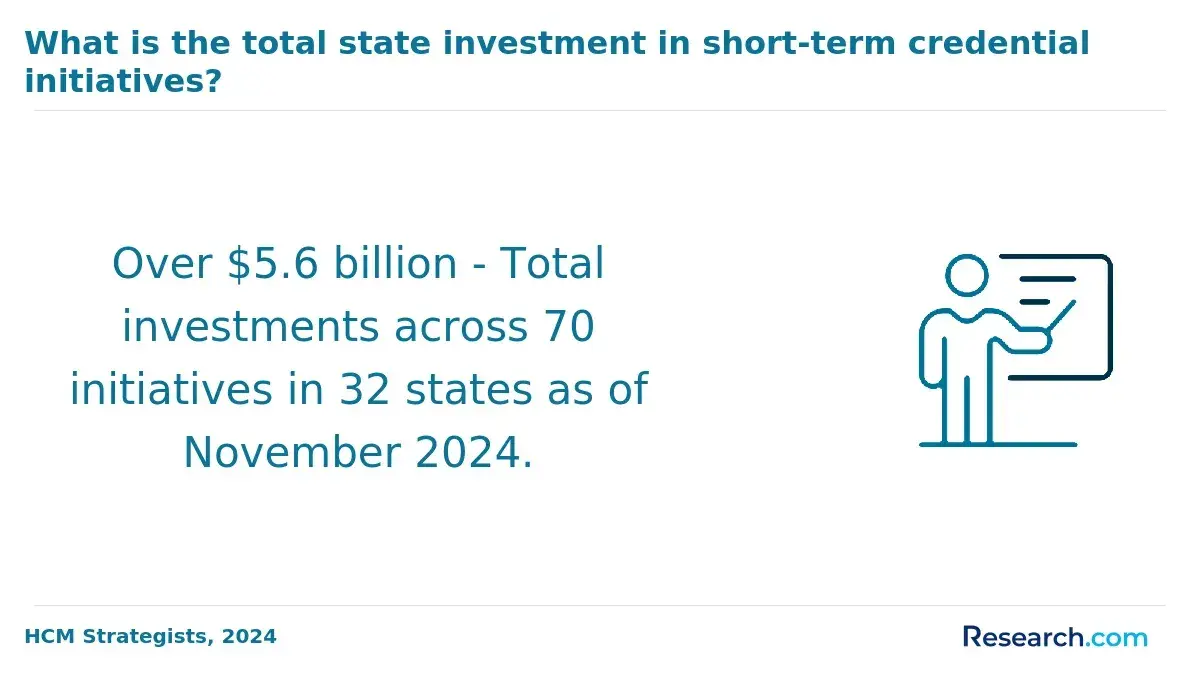
Yes. An ABA master’s program can meet licensure rules in one state but not another because state boards set their own requirements for education, supervised experience, exams, and scope of practice. More than 30 states have distinct licensing criteria, which can create problems for students who study online, move after graduation, or plan to work across state lines.
This is especially important for online students. The school may be located in one state, the student may live in another, and the intended job may be in a third. The relevant rules are usually the rules of the state where you plan to practice.
- Coursework requirements: Some states require specific courses or additional credit hours beyond the Behavior Analyst Certification Board (BACB) standards.
- Supervised experience: States may differ in the number of supervised hours required, the settings accepted, and the qualifications a supervisor must hold.
- Accreditation standards: Certain states may require regional accreditation, specialized program approval, or coursework from programs that meet defined criteria.
- Examination and certification: Many states rely on BACB certification, but some may require additional exams, applications, jurisprudence requirements, or board review.
- State-specific statutes: Legal definitions of applied behavior analysis and the permitted scope of practice vary. These differences affect what services a licensed professional may provide.
What to do if you may move later
- Check the licensure rules in every state where you realistically may work.
- Ask the program for state-by-state professional licensure disclosures.
- Choose the program with the broadest documented alignment, not just the easiest admission process.
- Keep all coursework and supervision records permanently.
- Before relocating, contact the new state board and ask how it handles applicants licensed or educated elsewhere.
Students planning to practice in multiple states should verify each state’s licensure standards before selecting a master’s program. A small difference in coursework or supervision documentation can become a major barrier later.
Are There Non-Licensed Career Paths for Applied Behavior Analysis Graduates?
Yes. ABA graduates may find non-licensed roles in education, human services, research, program administration, and behavioral support. Recent data indicates that about 30% of ABA master's graduates work in non-licensed roles within related fields. These positions can allow graduates to use behavioral principles, but they may not permit independent clinical practice or the full scope of services associated with licensure.
Non-licensed paths can be a practical option if you are still completing licensure requirements, do not plan to practice independently, or prefer administrative, research, or support roles. However, job titles and permitted duties vary by employer and state law.
- Behavior technician: Behavior technicians implement behavior intervention plans under supervision. They often work directly with clients but do not practice independently.
- Program coordinator: Program coordinators manage scheduling, intake, documentation, and communication among families, staff, and service providers.
- Behavioral support specialist: These specialists may work in schools, residential programs, or community settings to help staff apply behavior support strategies.
- Research assistant: Research assistants support behavioral studies through data collection, coding, literature review, and analysis tasks.
- Case manager: Case managers coordinate services and resources, helping families, clinicians, schools, and agencies stay aligned.
What non-licensed roles may not allow
- Independent diagnosis, assessment, or treatment planning when state law restricts those activities
- Supervision of other ABA staff in roles requiring certification or licensure
- Insurance billing under credentials reserved for licensed professionals
- Use of protected professional titles
Students considering non-licensed paths should still understand licensure rules because career goals can change. Further education may also become part of the plan; for example, students comparing advanced education options sometimes review affordable accredited online doctoral programs while evaluating long-term credential requirements.
How Does Lack of Licensure Affect Salary for Applied Behavior Analysis Master's Graduates?
Lack of licensure can reduce salary potential because it limits the roles, responsibilities, and billing opportunities available to ABA master’s graduates. Licensed professionals typically earn 20-30% more annually than those without licensure, reflecting the greater autonomy and scope of practice permitted by state requirements.
Salary is not determined by licensure alone. Employer type, location, experience, client population, supervisory duties, and funding source also matter. Still, licensure often functions as a gatekeeper for higher-responsibility positions.
- Limited job opportunities: Many higher-paying clinical, supervisory, or school-based roles require licensure, certification, or both.
- Reduced advancement potential: Employers may reserve leadership, case oversight, and supervision roles for licensed professionals.
- Restricted access to insurance reimbursement: Licensed behavior analysts may be able to participate in billing structures that are unavailable to non-licensed staff.
- Lower bargaining power: Without licensure, graduates may have less leverage because their permitted duties are narrower.
- Narrower client base: Licensure can expand the populations, settings, and services a professional is authorized to support.
For students evaluating program value, the question is not only “What is tuition?” but also “Will this degree qualify me for the roles I want?” Accreditation and credential alignment affect outcomes in many specialized fields, as seen in discussions of online video game design programs and other career-focused degrees where program quality and employer recognition matter.
What Red Flags Should I Watch for When Evaluating Applied Behavior Analysis Master's Programs?
Red flags in an ABA master’s program are signs that the degree may not support licensure, certification, or the career outcome advertised. Studies reveal that about 30% of students from non-accredited programs encounter obstacles in earning board certification. Before applying, look for evidence that the program can document its claims.
- Unclear accreditation status: If the school cannot clearly explain its institutional accreditation and any program-specific recognition, proceed carefully.
- No state licensure disclosures: Programs serving online or out-of-state students should be able to tell applicants whether the curriculum meets, does not meet, or has not been determined to meet requirements in specific states.
- Vague BACB alignment claims: Marketing language is not enough. Ask how the coursework maps to current BACB and state requirements.
- Outdated curriculum: If course descriptions, practicum policies, or handbooks have not been updated to reflect current standards, graduates may face eligibility problems.
- Weak supervised fieldwork structure: A program that leaves students entirely on their own to find supervision may still be workable, but it creates more risk and requires careful planning.
- Insufficient faculty credentials: Instructors without relevant certification, licensure, research background, or applied experience may weaken professional preparation.
- Poor advising: If advisors cannot answer licensure questions directly or provide documentation, students may be left to discover problems too late.
- Guarantees that sound too broad: Be cautious of claims that a degree qualifies graduates “in all states” unless the program provides current state-by-state evidence.
- Low transparency about outcomes: Programs should be willing to discuss exam preparation, fieldwork completion, graduate pathways, and known limitations.
A strong program will not promise that every student is automatically licensed after graduation. Instead, it will clearly explain the requirements, the student’s responsibilities, and the states where the program is designed to meet professional standards.
What Graduates Say About Applied Behavior Analysis Master's Programs That Don't Meet Licensure Rules
- : "My master's program in applied behavior analysis did not initially meet the state licensing board's requirements, which was a huge setback. I had to seek out additional coursework and apply for supervised fieldwork hours beyond the curriculum, which delayed my licensure but deepened my understanding of practical applications. Despite these hurdles, earning my license opened doors to better job opportunities and a noticeable increase in salary, making the extra effort worthwhile. — Eva"
- : "Reflecting on my journey, the biggest obstacle was that my program lacked some required content areas mandated for licensure, which forced me to enroll in supplementary classes and complete extra supervision hours post-graduation. This process was exhausting but taught me resilience and the importance of thorough program research beforehand. Although my career start was slower than anticipated, overcoming these challenges ultimately positioned me as a more knowledgeable and adaptable professional. — Jodie"
- : "Professionally, navigating a master's program that didn't fulfill licensure prerequisites was frustrating, but I proactively completed alternate certifications and tracked every supervised hour meticulously. These steps allowed me to meet my state's standards without compromising the timeline for job placement. This experience emphasized the value of persistence and strategic planning, which directly contributed to securing a competitive salary and a fulfilling role within the field. — Miles"
Other Things You Should Know About Applied Behavior Analysis Degrees
In 2027, completing an unapproved master's program means you might not meet the necessary coursework requirements set by the Behavior Analyst Certification Board (BACB). This could make you ineligible to sit for the certification exam unless you can supplement the deficit with additional, approved coursework.
Completing an unapproved ABA master's program in 2027 means you may not qualify for licensure exams such as the BCBA exam. This could lead to limitations in professional practice and employment opportunities, as certification is often a requirement for ABA positions.
Most state licensure boards require candidates to graduate from an approved or accredited program to be eligible for licensure examination. If a candidate's ABA master's program is not approved, they often cannot sit for the licensure exam until they complete additional approved coursework or meet alternative requirements set by the state board.
References
- Behavior Therapist and ABA Licensure by State | Guide by ABD https://allbachelordegrees.com/usa-colleges/behavior-therapist-aba-licensure-by-state-complete-guide/
- The Biggest Challenges of ABA Therapy Certification Programs | Applied Behavioral Analysis https://www.appliedbehavioranalysisedu.org/2021/05/challenges-of-aba-therapy-certification-programs/
- Graduate behavior analysis licensing requirements | M.S. and Ph.D. Behavior Analysis https://www.unr.edu/psychology/graduate/behavior-analysis-ms/graduate-behavior-analysis-licensing-requirements
- Understanding Certification and Licensure in Behavior Analysis Practice https://www.abatechnologies.com/blog/understanding-certification-and-licensure-in-behavior-analysis-practice
- MS in Applied Behavior Analysis Licensure https://gsep.pepperdine.edu/masters-applied-behavior-analysis/licensure/
- Licensure and Credentialing in ABA - ABA Masters Programs https://abamastersprograms.org/licensure/
- Association for Behavior Analysis International Accreditation Board https://accreditation.abainternational.org/accredited-programs.aspx
- ABA Licensure by State | William James College - Boston, MA https://www.williamjames.edu/academics/school/applied-behavior-analysis/licensure/licensure-by-state.html
- Red Flags in ABA Therapy to Consider| Level Ahead ABA https://www.levelaheadaba.com/red-flags-in-aba-therapy
- What Can You Do With a Master of Science in Applied Behavior Analysis? https://onlinegrad.pepperdine.edu/blog/what-can-i-do-with-a-masters-in-aba/