
2027 What Job Postings Reveal About Computer Science Careers: Skills, Degrees, and Experience Employers Want

Co-Founder and Chief Data Scientist
Computer science job ads are more than hiring notices; they are market signals. They show which degrees employers use as screening filters, which technical skills appear repeatedly, how much experience is expected at each career level, and where new graduates have the best chance of getting hired. For students, recent graduates, career changers, and early-career developers, reading those signals correctly can make the difference between applying broadly and applying strategically.
The strongest candidates usually combine three things: a relevant academic foundation, demonstrable technical ability, and proof that they can solve real problems in a team setting. Industry data shows that over 60% of computer science job postings require proficiency in at least two programming languages alongside a bachelor's degree. Employers also look for evidence of applied learning through internships, portfolio projects, open-source work, lab experience, or prior jobs.
This guide breaks down what computer science job postings reveal about employer expectations in 2026: requested skills, degree requirements, experience levels, industries open to new graduates, credentials that add value, salary negotiation signals, and practical ways to tailor a resume to a specific job description.
Key Things to Know About Skills, Degrees, and Experience Employers Want
- Job postings typically emphasize proficiency in programming languages, problem-solving, and teamwork, reflecting the core skills employers seek in computer science candidates.
- Employers often require a bachelor's degree in computer science or related fields, with 68% of postings favoring candidates having 2-5 years of professional experience.
- Analyzing these listings reveals evolving hiring standards and helps students tailor their education and internships to match actual industry demands.
What Do Job Postings Say About Computer Science Careers?
Computer science job postings show that employers rarely hire on technical knowledge alone. Most listings combine degree requirements, programming skills, project experience, collaboration expectations, and role-specific tools. A bachelor's degree in computer science or a related field remains a common baseline, with approximately 75% of postings reflecting this trend. However, the degree is usually only the first screen. Employers also want evidence that applicants can build, test, debug, document, and improve software in realistic environments.
The clearest pattern is that requirements change by role level. Entry-level postings tend to emphasize programming fundamentals, academic projects, internships, and willingness to learn. Mid-level roles expect independent contribution, familiarity with production systems, and experience with common engineering workflows. Senior roles usually add architecture, mentoring, security awareness, business judgment, and cross-functional communication.
Common signals in computer science job ads
- Degree language: Phrases such as "computer science or related field" usually include software engineering, information systems, data science, mathematics, computer engineering, or similar technical disciplines.
- Required versus preferred skills: Required skills are screening criteria. Preferred skills are differentiators. Candidates should not ignore preferred skills, but they should focus first on matching the required ones.
- Tool stacks: Job ads often list programming languages, frameworks, databases, cloud platforms, testing tools, and collaboration systems that reflect the company's current environment.
- Experience wording: "0-2 years," "3+ years," and "5+ years" indicate more than time served. They usually signal expected independence, ownership, and problem complexity.
- Soft skills: Communication, adaptability, documentation, and teamwork appear because most computer science work happens in product teams, security teams, analytics groups, or engineering organizations—not in isolation.
Job ads are not perfect. Some include unrealistic wish lists or outdated technology combinations. Still, when reviewed across multiple postings, they help candidates identify the qualifications that matter most for a target role.
What Skills Are Most Requested in Computer Science Job Postings?
The most requested computer science skills fall into two categories: core technical foundations and job-specific tools. According to a 2023 analysis by Burning Glass Technologies, over 70% of these listings require candidates to have expertise in at least one major programming language along with strong problem-solving skills. That means employers are not simply looking for people who know syntax; they want candidates who can use code to analyze a problem, design a solution, and maintain it over time.
Technical skills employers request most often
- Programming languages: Python, Java, and JavaScript remain common because they support software development, automation, web applications, data analysis, and backend systems. Knowing more than one language helps, but depth matters more than collecting language names.
- Data structures and algorithms: Employers use these skills to assess whether candidates can write efficient, scalable code. They are especially important for software engineering interviews and roles involving performance-sensitive systems.
- Software development methods: Agile, DevOps, continuous integration, testing, code review, and release workflows appear frequently because employers need developers who can work within modern engineering teams.
- Database management: SQL and NoSQL experience signals that a candidate can store, query, structure, and protect data. This is relevant for software engineering, analytics, data engineering, and backend development.
- Cloud computing: AWS, Microsoft Azure, and Google Cloud are increasingly requested as organizations move applications, data pipelines, infrastructure, and security operations to cloud environments.
- Version control: Git is a basic expectation in many software roles. Employers often assume candidates can branch, commit, review, merge, and collaborate through repositories.
- Cybersecurity fundamentals: Even non-security roles benefit from knowledge of secure coding, authentication, access control, vulnerability awareness, and data protection.
How to decide which skills to prioritize
Do not try to learn every tool listed across job ads. Instead, compare postings for the same target role and identify repeated requirements. A student seeking software engineering roles may prioritize Java, Python, data structures, Git, testing, and web frameworks. A candidate targeting data engineering may focus on SQL, Python, cloud platforms, data pipelines, and distributed systems. Someone interested in cybersecurity should strengthen networking, operating systems, scripting, risk analysis, and security tools.
Candidates who want to pair technical depth with management knowledge can also compare technology career goals with broader business options such as MBA online programs, especially if they plan to move into product, operations, or technology leadership later.
What Degrees Do Employers Require for Computer Science Careers?
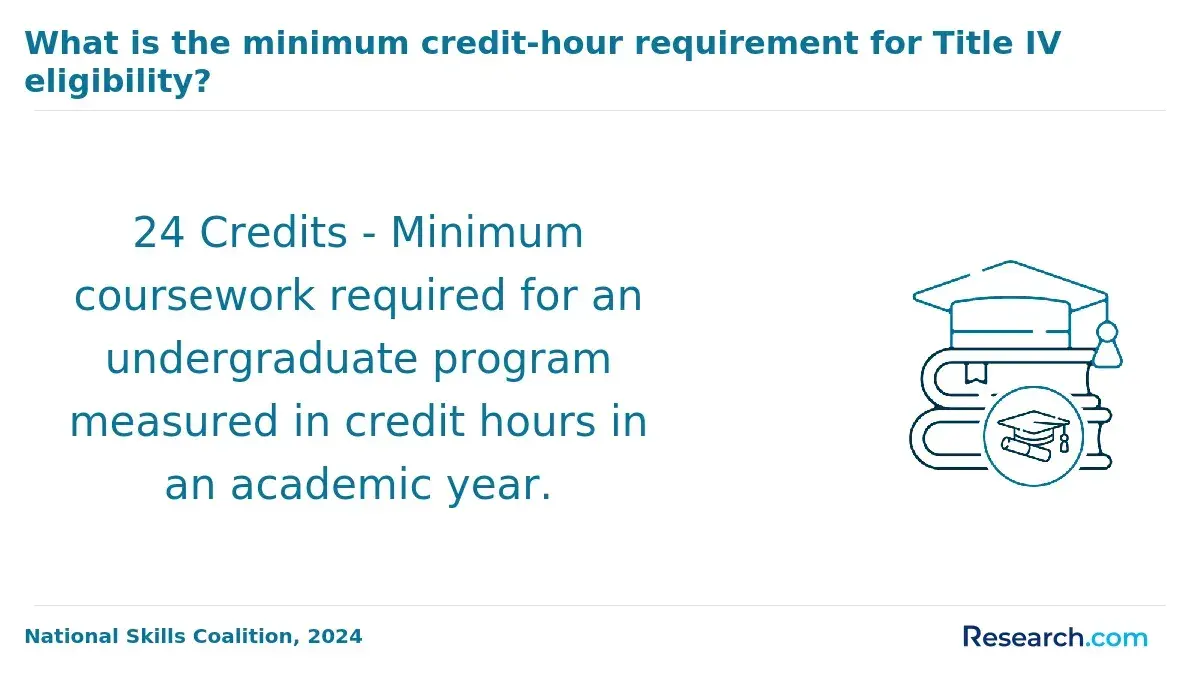
Most computer science job postings still treat a bachelor's degree as the standard educational credential. Research from the National Association of Colleges and Employers (NACE) shows that around 70% of IT-related jobs require a bachelor's degree at minimum. For many employers, the degree signals exposure to programming, algorithms, systems, databases, math, software design, and computing theory.
That said, degree expectations vary by employer, industry, and role. Some organizations enforce degree requirements strictly because of HR policies, client contracts, government requirements, or regulated work. Others are more flexible if candidates can show strong portfolios, professional experience, certifications, or measurable project outcomes.
Common degree patterns in computer science postings
- Bachelor's degree required: Entry-level software engineering, systems analysis, data, IT, and security roles often list a bachelor's degree in computer science or a related technical field as the minimum qualification.
- Related field accepted: Employers may consider degrees in software engineering, computer engineering, information systems, data science, mathematics, statistics, electrical engineering, or similar fields when the applicant's skills match the role.
- Advanced degree preferred: Artificial intelligence, machine learning, research, advanced cybersecurity, computer vision, and R&D roles may prefer master's or doctoral degrees because the work requires deeper theory or specialized research ability.
- Degree flexibility: Startups and smaller technology companies may focus more heavily on demonstrated ability, but a bachelor's degree remains the standard preference in many postings.
For students comparing cost, flexibility, and career preparation, accredited online bachelors in computer science can be one pathway to meeting the degree requirement while building a portfolio through projects and internships.
- : "Navigating job applications was challenging because almost every listing required a formal degree. Even when I had the right skills, lacking that degree sometimes felt like a barrier. It was not just about passing classes; my degree gave me confidence in tackling complex technical problems during interviews. Employers clearly valued evidence of a structured education, which reassured them of my capabilities."
How Much Experience Do Computer Science Job Postings Require?
Experience requirements in computer science job postings usually indicate how independently a candidate is expected to work. Employers use years of experience as a shortcut for project exposure, troubleshooting ability, technical judgment, and familiarity with team workflows. The number is important, but the quality of experience matters just as much.
Typical experience expectations by role level
- Entry-level roles: These postings often say "0-2 years" and may welcome recent graduates. Employers expect core programming ability, academic projects, internships, and the capacity to learn quickly.
- Mid-level positions: These roles usually ask for around three to five years of experience. Candidates are expected to contribute with less supervision, understand production systems, and make practical design decisions.
- Advanced positions: Senior roles often seek more than five to seven years of experience. Employers look for architecture judgment, mentoring ability, incident response experience, stakeholder communication, and ownership of complex systems.
- Specialized experience: Machine learning, cybersecurity, embedded systems, cloud infrastructure, and data engineering postings may require specific domain experience rather than general programming history.
- Internship and co-op experience: For entry-level jobs, internships, cooperative education, capstone projects, research assistantships, and substantial portfolio work can help demonstrate readiness.
Candidates should not automatically disqualify themselves if they fall slightly short of a listed experience range. A strong match on required tools, relevant projects, and measurable achievements can offset a modest gap. However, applying to roles that are far above one's experience level usually produces low response rates unless the candidate has exceptional evidence of equivalent ability.
Students comparing helping-profession education pathways alongside technology options may find that resources on online counseling degrees offer a useful contrast in how different fields weigh degrees, experience, and supervised practice.
What Industries Hire Fresh Graduates With No Experience?
Fresh computer science graduates can find opportunities, but they need to target industries and employers that have the structure to train early-career talent. Industry data shows that about 45% of software engineering openings are filled by professionals with less than one year of work history. These roles often evaluate candidates through academic preparation, coding assessments, internships, projects, and evidence of learning speed.
Industries more likely to hire new graduates
- Technology startups: Startups may hire adaptable graduates who can learn quickly, contribute across tasks, and build practical features. The trade-off is that onboarding may be less formal than at larger companies.
- Financial services and fintech: Banks, insurers, payment companies, and fintech firms often operate structured graduate programs. These employers value analytical ability, secure coding habits, and reliability.
- Government agencies: Public-sector employers may offer internships, trainee roles, and formal entry-level pathways. Hiring can be slower, but roles may provide stability and exposure to large systems.
- Healthcare and biotechnology: These sectors increasingly need software, data, cybersecurity, and informatics talent. New graduates may be trained in domain-specific systems, privacy requirements, or research data workflows.
- Large technology employers: Some large companies maintain university recruiting pipelines, internship-to-full-time conversion programs, and new graduate engineering cohorts.
How new graduates can compete
A new graduate should treat projects as evidence, not filler. Strong project descriptions explain the problem, tools used, design choices, testing approach, and result. A hiring manager should be able to understand what the candidate personally built or improved. Internships help, but a well-documented capstone, open-source contribution, app, data project, or research project can also strengthen an entry-level application.
- : "It was rewarding to find companies that appreciated my theoretical foundation and were invested in helping me grow professionally. The interviews focused less on what I had not done yet and more on whether I could explain my projects, learn from feedback, and work well with a team."
Which Industries Require More Experience or Skills?
Some industries set higher hiring standards because the work involves risk, regulation, safety, sensitive data, or complex infrastructure. In these environments, employers often need candidates who can contribute with limited training, document decisions carefully, and understand the consequences of technical mistakes. For instance, nearly 65% of job listings in defense and aerospace specify a minimum of five years' experience, signaling a strong preference for seasoned professionals.
Industries with higher experience expectations
- Finance: Financial employers often require secure systems knowledge, data integrity, risk awareness, and experience with high-availability platforms. Cybersecurity and regulatory awareness can be major advantages.
- Aerospace and defense: These roles may involve embedded systems, mission-critical software, specialized certifications, security clearance considerations, and strict documentation practices.
- Healthcare: Employers may expect familiarity with HIPAA, privacy-sensitive data, medical systems, bioinformatics, medical imaging, or health information platforms.
- Regulated environments: Energy, telecommunications, government contracting, insurance, and critical infrastructure employers often value compliance, audit readiness, security, reliability, and change-control discipline.
- Advanced technology fields: Artificial intelligence, machine learning, robotics, distributed systems, and advanced cybersecurity roles may require specialized projects, research experience, or graduate-level preparation.
The main trade-off is access versus specialization. Entry barriers may be higher in these industries, but candidates who build the right combination of domain knowledge, credentials, and project experience can become more competitive for roles with greater responsibility.
Which Credentials Are Most Valuable for Computer Science Careers?
The most valuable credential depends on the role. A bachelor's degree is often the broadest credential because it satisfies many employer screening requirements. Certifications can add value when they map directly to the job, especially in cybersecurity, cloud computing, project management, and agile delivery. Advanced degrees are most useful for research-heavy, specialized, or leadership-oriented technical work.
Credentials commonly valued by employers
- Bachelor's degree: A bachelor's degree in computer science or a related discipline remains the foundational credential for many technical roles. It signals structured study in programming, algorithms, systems, software design, and computing theory.
- Advanced degrees: Master's or doctoral degrees can matter for artificial intelligence, machine learning, research, advanced analytics, cybersecurity strategy, computer vision, and specialized development roles.
- Certifications: Credentials such as Certified Information Systems Security Professional (CISSP), Certified ScrumMaster (CSM), and CompTIA Security+ can validate specialized skills when they align with the job posting.
- Professional licenses: Licenses are less common in standard software roles but may be relevant in regulated settings, government contracts, or engineering-adjacent work where legal, ethical, or safety standards apply.
How to choose a credential
Start with the job ads for your target role. If most postings require a bachelor's degree, prioritize completing that requirement. If postings repeatedly mention AWS, Azure, Google Cloud, Security+, CISSP, Scrum, or another credential, a certification may help. If the roles emphasize research, advanced math, scientific computing, or AI model development, a graduate degree may carry more weight than a short certification.
A credential is strongest when it is paired with proof of application. Employers are more persuaded by a certification plus a working project, a degree plus internship experience, or a graduate course sequence plus research or production work.
Are Salaries Negotiable Based on Experience?
Yes, salaries in computer science are often negotiable, but the amount of flexibility depends on the role, employer, budget, location, and how closely the candidate exceeds the stated requirements. Industry data shows that professionals with five or more years of experience can earn salaries approximately 40% higher than recent graduates, demonstrating significant computer science salary variations by experience level.
Entry-level salary bands are often narrower because employers compare new graduates within a similar hiring cohort. Mid-level and senior roles usually have wider salary ranges because candidates differ more in architecture experience, domain expertise, leadership ability, security knowledge, and business impact. Specialized roles such as data science, cybersecurity, cloud infrastructure, and machine learning may allow more negotiation when the candidate brings hard-to-find skills.
What strengthens a salary negotiation
- Relevant experience: Direct experience with the employer's stack, industry, or problem type is more persuasive than unrelated years of work.
- Measurable impact: Examples such as improving performance, reducing incidents, automating workflows, shipping features, or supporting revenue can justify a higher offer.
- Scarce skills: Cloud security, machine learning infrastructure, distributed systems, and regulated-industry experience may increase leverage when they match the role.
- Competing offers: A credible competing offer can improve negotiating position, though candidates should handle this professionally and honestly.
- Total compensation awareness: Base salary is only one part of compensation. Candidates should also review bonus, equity, retirement contributions, health benefits, remote-work policy, paid time off, and professional development support.
Negotiation should be evidence-based. Instead of saying, "I want more," candidates should explain how their experience maps to the role's responsibilities and why that makes them a stronger hire. Professionals exploring career flexibility in other fields may see a different kind of educational comparison through MSW online programs, where career preparation and credential requirements follow a separate path.
How Can You Match Your Resume to Job Descriptions?
The best resume for a computer science role is not a generic list of skills. It is a targeted document that mirrors the employer's stated needs while proving that the candidate can perform the work. This matters because research shows that up to 75% of resumes are rejected by applicant tracking systems (ATS) before they reach a human recruiter.
Practical steps for tailoring a computer science resume
- Identify the must-have requirements: Highlight the programming languages, frameworks, degree requirements, tools, and experience levels that appear in the job description. These should be easy to find on your resume if you have them.
- Use the employer's terminology: If the posting says "JavaScript," "React," "REST APIs," "AWS," "SQL," or "Agile," use those terms accurately where they apply. Do not rely on vague phrases such as "web tools" or "cloud experience."
- Prioritize relevant projects: Move the most relevant experience, internship, capstone, or portfolio project higher on the resume. Explain what you built, what tools you used, and what outcome you achieved.
- Quantify when possible: Use measurable results when they are truthful, such as performance improvements, number of users, test coverage, automation time saved, or data volume handled.
- Separate required and extra information: Do not bury core qualifications under unrelated coursework, hobbies, or outdated tools. Recruiters and ATS systems need to find the match quickly.
- Customize the summary carefully: A short profile can help if it directly names your target role and strongest matching qualifications. Avoid generic claims such as "hardworking team player" unless supported by evidence.
Common resume mistakes to avoid
- Listing every language you have briefly touched without showing depth.
- Describing projects with class names only instead of technical details and outcomes.
- Using one resume for software engineering, data science, cybersecurity, and IT support roles without tailoring.
- Claiming expert-level ability without work samples, experience, or credible evidence.
- Ignoring soft skills such as documentation, communication, and teamwork when the posting emphasizes collaboration.
Candidates interested in moving from technical execution into technology management may also compare technical resume expectations with leadership-oriented education options such as an online MBA under 30000.
What Should You Look for When Analyzing Job Ads?
When analyzing computer science job ads, look beyond the job title. Titles vary widely across companies, and two "software engineer" roles can require very different skills. Research indicates that around 65% of technology job postings explicitly list required skills and qualifications, which means careful reading can help candidates avoid poor-fit applications and focus on roles where they have a credible match.
Key parts of a job ad to examine
- Responsibilities: These describe the actual work. Look for clues about whether the role involves frontend development, backend services, data pipelines, infrastructure, security, testing, support, research, or product collaboration.
- Required qualifications: Treat these as the employer's main screening criteria. Degree, experience, language, and tool requirements in this section deserve priority on your resume.
- Preferred qualifications: These are competitive advantages, not always deal-breakers. They can help you decide which skills to develop next.
- Experience level: Compare the listed years of experience with the responsibilities. A role asking for "entry-level" candidates but requiring senior-level ownership may be a red flag.
- Technical stack: Identify the languages, frameworks, databases, cloud platforms, security tools, and testing systems named in the posting.
- Soft skills: Communication, ownership, documentation, adaptability, and cross-functional collaboration often reveal how the team works.
- Industry context: A software role in finance, healthcare, defense, education, or retail may require domain knowledge that is not obvious from the title alone.
- Compensation and location details: Check whether the posting explains salary range, remote-work rules, travel expectations, time zone requirements, or office location.
How to judge whether to apply
A useful rule is to apply when you meet most required qualifications and can prove the most important ones. You do not need every preferred qualification. However, if you lack the core degree, the main programming language, the required experience level, and the central technical stack, your time may be better spent targeting a closer match.
Professionals comparing computer science requirements with human-services career paths may find that an online masters in mental health counseling illustrates how different fields rely on distinct combinations of graduate education, supervised experience, and credentialing.
What Graduates Say About Skills, Degrees, and Experience Employers Want
- : "As a fresh graduate in computer science, I found job postings to be useful because they showed me which roles actually matched my degree, projects, and technical skills. I paid close attention to repeated programming languages and tools, then adjusted my resume so employers could quickly see the fit. That preparation gave me more confidence when applying for my first position. — Apollo"
- : "As I gained experience, job ads became a way to plan my next career move. I reviewed postings for the roles I wanted, not just the roles I already had, and noticed recurring demand for cloud computing and cybersecurity. That helped me choose certifications and projects that made sense for my goals. — Aldo"
- : "Throughout my computer science career, job postings have helped me track how employer demand changes. They reveal new tools, shifting expectations, and the skills that remain valuable across roles. I use them as a practical career compass, especially when deciding what to learn next. — Micah"
Other Things You Should Know About Computer Science Degrees
While technical skills are essential, many computer science job postings increasingly emphasize soft skills such as communication, teamwork, and problem-solving. Employers look for candidates who can collaborate effectively and adapt to dynamic work environments, which complements their technical expertise. This balance often distinguishes candidates with similar technical backgrounds.
Job postings often specify preferences for specialized degrees, such as software engineering, data science, or cybersecurity, reflecting the particular needs of the role. However, many roles remain open to candidates with a general computer science degree as long as they demonstrate relevant skills and practical experience. Specialized certifications can also reinforce a candidate's suitability for niche positions.
In 2027, internships and project experience are crucial for securing computer science positions. Employers prioritize candidates with practical, hands-on experience, valuing real-world problem-solving abilities demonstrated during internships and significant projects. Such experiences often provide an edge over candidates with only theoretical knowledge.
Many job postings consistently mention certain programming languages such as Python, Java, and JavaScript due to their widespread use and versatility. Additionally, familiarity with tools like Git, Docker, and cloud platforms often appears as desired experience. Candidates proficient in these technologies tend to have a competitive edge in various computer science career paths.
References
- Computer Scientist Job Search Tips & Best Practices https://www.nobledesktop.com/careers/computer-scientist/job-search-tips
- 20 Necessary IT Certifications + Salaries I Skillsoft - Skillsoft https://www.skillsoft.com/blog/top-paying-it-certifications
- Top 10 jobs for Computer Science majors https://joinhandshake.com/blog/students/top-10-jobs-for-computer-science-majors/
- What degree should you get for a computer science career? | edX https://www.edx.org/resources/what-degree-should-you-get-for-a-computer-science-career
- The 10 most in-demand tech jobs for 2025 — and how to hire for them | CIO https://www.cio.com/article/230935/hiring-the-most-in-demand-tech-jobs-for-2021.html
- Development of a Job Advertisement Analysis for Assessing Data Science Competencies | Data Science Journal https://datascience.codata.org/articles/10.5334/dsj-2023-033
- Discover the best professional computer science certifications 2026 from MDIT. https://mdit.edu.sa/en/blog/professional-computer-science-certifications
- Computer science salary | academics.com https://www.academics.com/guide/computer-science-salaries
- Fields of Work in Computer Science: Top IT Careers | Walbrook https://www.walbrook.ac.uk/subjects/computer-science/computer-science-fields-of-work-career-in-it/
- Best Computer Certifications for Tech Professionals https://www.computerscience.org/degrees/certifications/


