
2027 What Job Postings Reveal About Music Business Careers: Skills, Degrees, and Experience Employers Want

Co-Founder and Chief Data Scientist
Music business job ads are one of the clearest ways to see what employers actually reward: not just enthusiasm for music, but marketable skills, relevant education, and proof that you can help artists, labels, venues, publishers, agencies, or platforms operate profitably. For career switchers, recent graduates, and students comparing degree options, job postings can reveal whether a role is truly entry-level, which tools and credentials matter, and where experience requirements are likely to be flexible.
The signal is especially important because hiring expectations have become more technical. Nearly 65% of openings now require proficiency in digital marketing, copyright knowledge, and project management. Employers also look for candidates who understand how creative work becomes revenue through publishing, licensing, streaming, live events, brand partnerships, and audience development. This guide breaks down what music business job postings say about skills, degrees, experience, credentials, salary negotiation, and resume strategy so you can prepare for the roles you are most likely to pursue.
Key Things to Know About Skills, Degrees, and Experience Employers Want
- Employers clearly specify proficiency in digital marketing, rights management, and data analytics as essential skills, reflecting the evolving technical demands in music business roles.
- Approximately 70% of job postings require a bachelor's degree, often paired with 2-5 years of industry experience, underscoring the importance of both formal education and practical exposure.
- Regular analysis of job listings reveals hiring standards and skill gaps, guiding students to tailor their career preparation toward current market needs effectively.
What Do Job Postings Say About Music Business Careers?
Music business job postings show that employers want candidates who can connect creative goals with business execution. Listings commonly ask for digital marketing, social media management, data analysis, copyright awareness, communication, scheduling, and project coordination. A bachelor's degree in music business or a related field is often requested, although equivalent work experience may be accepted when the candidate can show relevant results.
Approximately 68% of music business-related job listings emphasize digital marketing or social media skills. That does not mean every job is a marketing job, but it does show how central audience growth, content strategy, analytics, and platform fluency have become across record labels, management firms, venues, streaming companies, and independent artist teams.
Across postings, several patterns appear consistently:
- Entry-level does not always mean no experience. Many assistant or coordinator roles still prefer internships, campus media work, event volunteering, artist-team support, or freelance projects.
- Business judgment matters. Employers want people who can understand budgets, timelines, contracts, royalties, campaign goals, and stakeholder priorities.
- Specialization helps. Candidates who can point to specific experience in publishing, licensing, live events, artist relations, digital campaigns, or data reporting are easier for hiring teams to place.
- Adaptability is a recurring theme. Music business roles often involve shifting release dates, changing tour logistics, last-minute approvals, and coordination among creative, legal, financial, and marketing teams.
The main takeaway is that job postings reward evidence. A degree can open doors, but employers also want proof that you can use industry tools, communicate professionally, manage details, and contribute to measurable outcomes.
What Skills Are Most Requested in Music Business Job Postings?
Music business employers usually ask for a mix of creative-industry knowledge, business operations skills, and digital fluency. A 2023 analysis showed that over 70% of these listings referenced at least one digital or social media skill, which reflects how often music discovery, fan engagement, and revenue strategy now depend on online platforms.
The most requested skills generally fall into four categories:
- Communication: Music business professionals write emails, pitch artists, coordinate with vendors, summarize campaign performance, support contract discussions, and translate creative goals into business tasks. Employers look for clear writing, professional tone, active listening, and the ability to work with artists, managers, executives, legal teams, and clients.
- Digital Literacy: Job ads often mention social media platforms, digital marketing tools, analytics dashboards, content calendars, email marketing systems, streaming platform insights, and basic reporting. Strong candidates can explain not only which tools they have used, but how those tools supported a release, event, campaign, or audience-growth goal.
- Project Management: Coordinating a release, tour date, brand campaign, licensing request, or event requires deadlines, budgets, approvals, asset tracking, and follow-up. Employers value candidates who can manage many moving parts without losing accuracy.
- Networking: Music careers often grow through trust and relationships. Networking is not just attending events; it includes maintaining professional contacts, following up respectfully, understanding industry etiquette, and building a reputation for reliability.
Students who want targeted preparation outside a full degree can compare certificate programs that pay well, especially in areas such as digital marketing, project management, analytics, or related business skills.
What Degrees Do Employers Require for Music Business Careers?
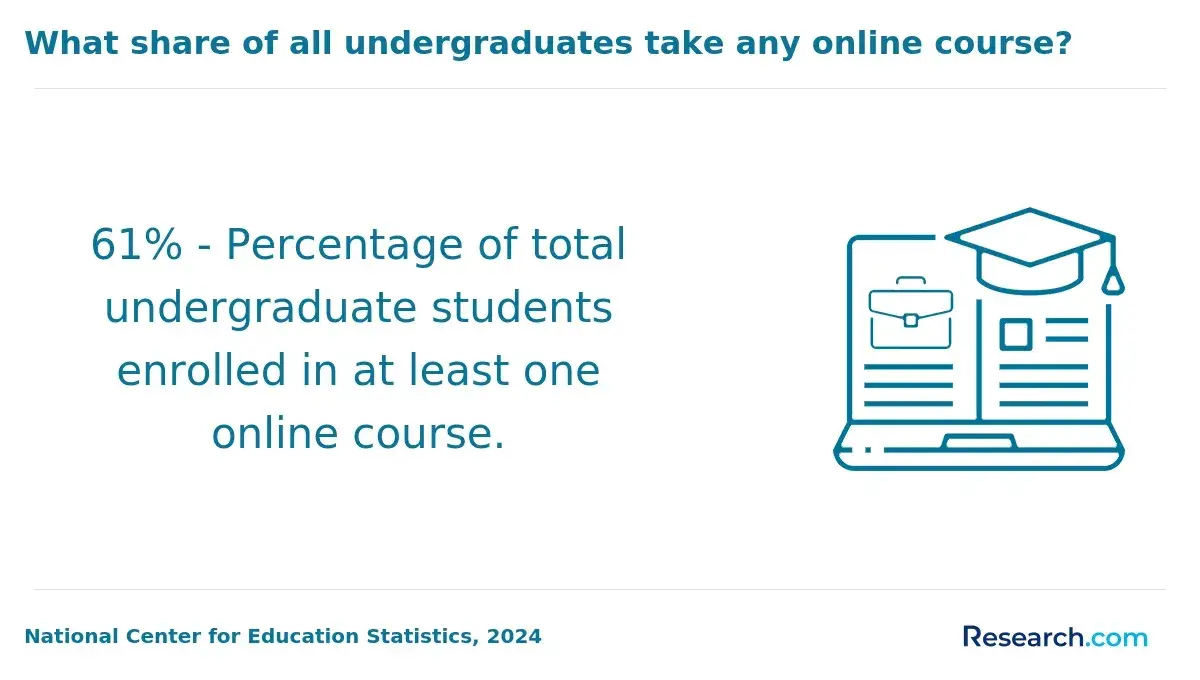
Most music business job postings use a bachelor's degree as the baseline credential, especially for coordinator, assistant, marketing, publishing, operations, and artist-services roles. Notably, a 2023 industry survey found that over 70% of employers require at least a bachelor's degree for music business roles. Common majors include music business, music industry studies, business administration, marketing, communications, entertainment management, and related fields.
Degree expectations vary by role and employer:
- Bachelor's Degree Baseline: A bachelor's degree is the most common requirement because it signals exposure to business fundamentals, copyright concepts, marketing, artist management, accounting basics, and industry structure. Candidates comparing broader business pathways may also consider online business degree programs if they want a business foundation that can be applied across music, entertainment, and related industries.
- Advanced Degrees for Specialization: Graduate degrees such as a master's in music business, entertainment law, or music management may be preferred for senior, legal, strategic, or leadership roles. These credentials can help when the job involves complex contracts, rights management, executive decision-making, or specialized analysis.
- Sector Variability: Music publishing roles may place more weight on copyright, royalties, and contract literacy. Tech-focused jobs may prefer candidates who combine music knowledge with analytics, digital product, marketing, or platform experience. Live event roles may care more about operations, logistics, vendor coordination, and real-time problem-solving.
- Flexible Requirements: Some employers state that equivalent experience may substitute for a specific degree. In practice, this usually means the candidate must show strong evidence of relevant work, such as internships, campaigns, artist projects, event production, licensing administration, or measurable marketing outcomes.
A music business degree graduate described the transition from school to industry this way: "While my degree opened doors, employers often looked for more specialized knowledge or experience, especially in law or digital media. It felt like a balancing act between having general music business skills and then proving you could handle niche areas." That experience reflects a common reality: the degree may help you qualify, but specialization and proof of applied skill often determine how competitive you are.
How Much Experience Do Music Business Job Postings Require?
Experience requirements in music business postings depend heavily on the risk and complexity of the role. Employers are more flexible for assistant roles where training is expected. They are less flexible for jobs involving rights management, client accounts, high-budget events, revenue targets, legal details, or artist career strategy.
Typical experience patterns include the following:
- Entry-Level: These positions may ask for minimal prior experience, but many still prefer internships, student organization leadership, venue work, campus radio, artist-team projects, or volunteer event experience. They are often the best fit for recent graduates seeking entry-level music business roles with minimal experience needed.
- Mid-Level: These roles generally require two to five years in related fields. Employers expect candidates to manage projects more independently, communicate with external partners, understand industry workflows, and contribute without extensive day-to-day training.
- Advanced Roles: Senior positions often demand over five years of experience, especially when responsibilities include department leadership, strategic planning, client management, negotiation, licensing, digital distribution, or revenue oversight.
- Specialized Experience: Some jobs require niche knowledge regardless of seniority. For example, a publishing role may require royalty administration or copyright knowledge, while a production role may require experience with specific technical tools.
- Continuous Growth: Employers value candidates who keep learning as the industry changes. Courses, certificates, independent projects, and measurable campaign results can help demonstrate that growth.
Professionals who want broader leadership preparation while working may compare options such as the cheapest executive MBA online, particularly if their long-term goal is management, entrepreneurship, or executive-level work in entertainment.
What Industries Hire Fresh Graduates With No Experience?
Fresh graduates can enter the music business, but the best opportunities are usually in sectors that use assistant, coordinator, trainee, street-team, internship-to-hire, or operations-support roles. These jobs may not require deep experience, but they do require reliability, professional communication, attention to detail, and willingness to learn quickly. Studies reveal that nearly 45% of entry-level positions in creative industries are occupied by individuals new to the field.
Industries that frequently welcome new music business graduates include:
- Music and Entertainment Companies: Record labels, artist management firms, entertainment agencies, and music marketing companies often hire assistants or coordinators. These roles may involve calendar management, asset tracking, research, social media support, artist communication, and campaign coordination.
- Event Management and Live Performance: Concert promoters, venues, festivals, booking teams, and event production companies need support with logistics, guest lists, vendor coordination, ticketing, marketing, and day-of-event operations. These jobs can be demanding, but they give graduates practical exposure quickly.
- Media and Broadcasting: Radio stations, streaming platforms, podcast producers, content teams, and digital media companies may hire entry-level workers for programming support, research, content coordination, audience engagement, or production assistance.
- Music Retail and Distribution: Physical and digital music businesses may offer roles in customer service, sales support, inventory, e-commerce, distribution operations, or account coordination. These positions help graduates understand how music products move through commercial channels.
A fresh graduate with a music business degree described the first role as both exciting and challenging: "It wasn't just about knowing the music; it was about understanding how every part fits together." That is often what employers are testing in new hires: not whether they already know everything, but whether they can learn the business context, ask useful questions, and follow through.
Which Industries Require More Experience or Skills?
Some music business sectors have higher barriers to entry because mistakes can affect revenue, legal rights, client trust, production quality, or public-facing outcomes. Nearly 65% of listings across these industries require at least three years of relevant experience or equivalent expertise, which makes them more competitive for candidates without a focused background.
Industries that commonly require deeper experience include:
- Music Publishing and Licensing: These jobs often require knowledge of intellectual property rights, copyright ownership, royalties, mechanical licenses, synchronization licensing, contract language, and rights clearance. Employers need candidates who can handle details accurately because errors can delay payments, block deals, or create legal risk.
- Artist and Talent Management: Management roles often ask for experience supporting artist careers, coordinating teams, tracking opportunities, negotiating or supporting contract discussions, and balancing creative, financial, and personal priorities. Trust and judgment matter because managers influence long-term career decisions.
- Live Music and Event Production: Production, touring, and event roles may require budgeting, vendor management, scheduling, venue coordination, safety awareness, ticketing knowledge, and crisis response. Hands-on experience is especially important because live events leave little room for delays or miscommunication.
- Recording Studios and Audio Production: Studio-related business roles may require familiarity with audio workflows, session logistics, digital audio workstations, client management, and production terminology. Technical fluency can be as important as business knowledge.
Candidates targeting these sectors should build role-specific evidence before applying broadly. Useful proof may include licensing coursework, royalty administration projects, event production credits, artist campaign results, software certifications, supervised internships, or documented freelance work.
Which Credentials Are Most Valuable for Music Business Careers?
The most valuable credentials are the ones that match the work you want to do. A general music business degree can help with broad eligibility, while targeted certificates or technical training can make a candidate more credible for specialized roles. Employers use credentials as evidence that you understand the field, but they still look for applied experience and results.
Credentials that commonly carry value in music business postings include:
- Bachelor's Degree: A degree in music business, music industry, marketing, communications, business, or a related field is frequently required. It provides a structured foundation in areas such as copyright law, artist management, marketing strategy, finance, and industry operations.
- Technical Certifications: Certifications in digital audio workstations (DAWs) such as Pro Tools or Logic Pro can strengthen applications for roles connected to production, distribution, recording operations, or audio-related business functions. They show that the candidate understands the technical environment in which music is created and delivered.
- Copyright and Licensing Credentials: Training related to copyright law, intellectual property, royalties, licensing agreements, and rights administration can be valuable for publishing, synchronization, catalog management, and legal-support roles. Certifications provided by organizations like the Copyright Clearance Center may help demonstrate focused preparation.
- Continuing Education Certificates: Certificates in entertainment law, digital marketing, analytics, project management, or social media strategy can help candidates keep pace with changing employer needs. These are especially useful when they fill a clear gap in the candidate's degree or work history.
The strongest credential strategy is not to collect certificates randomly. Start with job ads for your target role, identify repeated requirements, then choose education that helps you meet those requirements with credible, job-relevant proof.
Are Salaries Negotiable Based on Experience?
Yes, salaries in music business roles are often negotiable, but the amount of flexibility depends on the position, employer, budget, and strength of the candidate's evidence. Employers frequently post salary ranges rather than one fixed amount because they may adjust offers based on experience, education, specialized knowledge, portfolio quality, relationships, and the complexity of the role. Studies show that about 60% of professionals in creative industries like music business have successfully negotiated their salaries.
Entry-level roles usually have less room for negotiation because pay may be tied to standard internal bands. Still, candidates may be able to negotiate start date, title clarity, review timing, hybrid arrangements, professional development, or event-related benefits when base pay is fixed. Mid-level and senior roles often offer more room because employers are paying for judgment, relationships, leadership, and proven ability to generate or protect revenue.
Before negotiating, candidates should review the posting carefully. Phrases such as "depending on experience" often indicate flexibility. Strong negotiation points may include direct experience with similar campaigns, knowledge of licensing or royalties, successful event execution, artist or client management, analytics results, relevant certifications, or a track record in digital revenue growth. Students comparing compensation patterns in other business fields can also review online accounting degree programs, where experience and credentials similarly affect salary discussions.
How Can You Match Your Resume to Job Descriptions?
To match your resume to music business job descriptions, treat each posting as a checklist of evidence. Recruiters and applicant tracking systems scan for required skills, relevant titles, tools, credentials, and industry keywords. Research indicates that nearly 75% of resumes are filtered out by applicant tracking systems (ATS) before ever reaching a human reviewer, so generic applications are risky.
Use this process before applying:
- Identify the must-have requirements: Separate required qualifications from preferred qualifications. Required items may include a degree, software proficiency, copyright knowledge, years of experience, or specific industry exposure.
- Mirror accurate terminology: If the posting says "music licensing," "digital distribution," "artist relations," "campaign reporting," or "contract negotiation," use the same wording when it truthfully describes your experience. This improves ATS alignment and makes your fit easier to see.
- Prioritize relevant accomplishments: Do not only list duties. Show outcomes where possible, such as supporting a release campaign, coordinating an event, maintaining a content calendar, preparing reports, organizing assets, or assisting with rights documentation.
- Move the strongest evidence higher: Put required degrees, certifications, internships, tools, and role-specific experience where a recruiter will see them quickly. The top third of the resume matters.
- Adapt your skills section: A music publishing resume should emphasize rights, royalties, licensing, metadata, and contracts. A live events resume should emphasize logistics, vendors, ticketing, scheduling, and production support. A digital marketing resume should emphasize platforms, analytics, content, and campaign performance.
- Include related education only when it adds value: For digital or marketing-focused music business jobs, a complementary background such as a UX degree may help if you connect it clearly to audience experience, platform design, fan engagement, or digital strategy.
The goal is not to copy the job ad word for word. The goal is to make your most relevant qualifications unmistakable while staying accurate and specific.
What Should You Look for When Analyzing Job Ads?
When analyzing music business job ads, look beyond the title. Titles can vary widely across labels, agencies, publishers, venues, platforms, and artist teams. A "coordinator" at one company may do administrative support, while a coordinator at another may manage campaigns, clients, reports, or vendor communication. Studies indicate that over 70% of roles combine technical expertise with interpersonal abilities, so the full description matters.
Focus on these parts of the posting:
- Responsibilities: Daily tasks reveal what the job actually requires. Look for verbs such as coordinate, manage, analyze, pitch, track, negotiate, schedule, report, support, research, and execute.
- Qualifications: Required degrees, certifications, or coursework show the employer's minimum screening standards. Preferred qualifications can reveal what would make an applicant more competitive.
- Experience: Years of experience tell only part of the story. Pay attention to the type of experience requested, such as artist management, licensing administration, digital campaigns, touring, event logistics, or client service.
- Skills: Separate technical skills from soft skills. Technical skills may include software, analytics, rights databases, DAWs, ticketing platforms, or marketing tools. Soft skills may include communication, discretion, organization, teamwork, and problem-solving.
- Signals of workload and culture: Phrases such as "fast-paced," "must be available nights and weekends," "high-volume," or "support senior executives" can indicate the working style and expectations. These details help you decide whether the role fits your life and career stage.
- Career development: Some postings mention training, advancement, mentorship, or preferred graduate education. Candidates considering long-term specialization can explore masters degrees that are worth it to evaluate whether advanced study aligns with their target roles.
A useful habit is to save several postings for the same target job and compare repeated requirements. If a skill appears across many ads, it is probably worth building. If it appears only once, it may be company-specific rather than industry-wide.
What Graduates Say About Skills, Degrees, and Experience Employers Want
- : "As a recent graduate, I found that carefully studying job postings was crucial to understanding what employers actually want. It helped me tailor my resume and highlight relevant skills, making my applications much more competitive. Job ads gave me a clear roadmap for entering the music business, and I'm grateful for how they shaped my early career steps. — Paxton"
- : "With a few years of experience under my belt, I now use job postings as a tool to identify emerging trends and new skill requirements in the music business industry. This approach has allowed me to strategically pursue certifications and projects that align with evolving demands. Reflecting on my journey, job ads are far more than listings; they're insights into my career's growth trajectory. — Ameer"
- : "Throughout my professional career, job advertisements have consistently informed my decisions about job changes and advancing within the music business. By analyzing the language and expectations recruiters highlight, I can position myself proactively and negotiate roles that fit my evolving expertise. This ongoing use of job postings has truly been a vital asset in navigating the competitive landscape. — Nathan"
Other Things You Should Know About Music Business Degrees
Many job postings emphasize internships and hands-on experience as essential or strongly preferred. This shows employers value real-world exposure to the music industry's operations, networking, and problem-solving over purely academic achievements. Practical experience also indicates familiarity with industry tools and workflows, which can reduce onboarding time.
Yes, job postings often highlight the need for candidates to possess a blend of skills such as business acumen, marketing knowledge, digital media proficiency, and contract negotiation abilities. This interdisciplinary skill set helps candidates adapt to multiple roles within the industry and manage cross-functional responsibilities effectively.
In 2027, certifications and specialized training are increasingly mentioned in music business job postings. Employers often seek candidates with credentials in digital marketing, music production, or contract law, showing a trend towards valuing specialized knowledge and skills that are directly applicable to the evolving music industry landscape.
References
- Top 10 Music Industry Jobs in the Music Business in 2025 - [MUBUTV Music Business Television] https://www.mubutv.com/blog/top-10-music-industry-jobs-in-the-music-business-career-opportunities-for-you-in-the-music-business
- Music Industry Resume Examples [+Guide] 2026 https://icareersolutions.com/music-industry-resume/
- Music Industry Job Descriptions https://www.voices.com/blog/music-industry-job-descriptions/
- Top Tips For Writing Your Music CV/Resume https://www.cmsounds.com/news-article/top-tips-for-writing-your-music-cvresume
- 5 Essential Skills For A Successful Music Business Career - Dark Horse Institute - Audio Engineering & Music Business School https://darkhorseinstitute.com/5-essential-skills-for-music-business-career/
- Find the Best Music Industry Jobs - MusicCareers https://www.musiccareers.co/
- 4 Music Manager Resume Examples, Templates, & Tips for 2026 https://www.livecareer.com/resume-examples/all/music-manager
- Top Music Jobs: Careers in the Music Industry Explained https://waterbear.org.uk/blog/top-music-jobs-careers-in-the-music-industry-explained/
- What skills do you need for a music career? - Wisseloord https://wisseloord.org/uncategorized/what-skills-do-you-need-for-a-music-career
- How To Showcase Your Musical Experience On Your Resume|Cover Songs | Switching Styles https://www.switchingstyles.ca/post/how-to-showcase-your-musical-experience-on-your-resume


