
2027 What Jobs Can You Get With a Corrections Bachelor's Degree?

Co-Founder and Chief Data Scientist
Many individuals weighing a Corrections bachelor's degree face uncertainty about the range of careers it unlocks beyond traditional prison roles. With growing concerns over prison overcrowding and rehabilitation effectiveness, graduates often wonder how to use their skills in various settings. According to the Bureau of Labor Statistics, employment for correctional officers and related positions is projected to grow 4% from 2022 to 2032, reflecting steady demand.
Understanding the diverse job market is essential for graduates aiming to align their goals with sector opportunities. This article explores career paths available with a Corrections bachelor's degree, guiding informed decisions about the future.
Key Benefits of the Jobs You Can Get With a Corrections Bachelor's Degree
- A bachelor's degree in corrections offers versatility, preparing graduates for roles in criminal justice, social services, law enforcement, and rehabilitation sectors across various industries.
- Graduates often access competitive salaries, with Bureau of Labor Statistics data showing a median wage around $47,000 for correctional officers, plus opportunities for rapid advancement.
- The degree supports long-term professional growth by enabling specialization and transfer to related fields, enhancing career longevity and opening paths to graduate education.
What Entry-Level Jobs Can I Get With a Corrections Bachelor's Degree?
A bachelor's degree in Corrections opens several entry-level job opportunities where graduates can apply foundational knowledge of criminal justice and offender management in real-world settings. According to the National Center for Education Statistics, about 65% of bachelor's degree holders find job placement within their field of study within one year of graduation, underlining the practical advantages of specialized academic training. Those pursuing beginner positions with a corrections bachelor's degree often build valuable experience directly related to the criminal justice system.
- Correctional Officer: This role involves supervising inmates in jails or prisons to maintain safety and order. Responsibilities include enforcing institutional rules, performing inmate inspections, and handling emergencies. A corrections degree helps graduates understand inmate behavior and institutional policies, enhancing their ability to maintain security.
- Probation Officer: Probation officers oversee offenders placed on probation, ensuring compliance with court-ordered conditions. They conduct check-ins, support rehabilitation efforts, and prepare court reports. Knowledge gained from a corrections bachelor's degree in legal frameworks and social interventions is vital for effective supervision.
- Juvenile Detention Officer: Focused on youth offenders, this position requires managing minors in juvenile detention facilities, regulating behavior, and collaborating with counselors to aid rehabilitation. The degree's emphasis on developmental psychology supports graduates in working with this sensitive population.
- Court Security Officer: These officers safeguard court staff, jurors, and the public by conducting visitor screenings, escorting detainees, and preventing disruptions in judicial settings. Corrections education familiarizes students with courtroom procedures and security protocols essential for this role.
- Reentry Coordinator: This role assists formerly incarcerated individuals transitioning back into society by connecting them with employment, housing, and counseling services. A corrections bachelor's degree focuses on correctional systems and social reintegration strategies crucial for successful reentry.
For students considering affordable options to pursue such a degree, exploring cheap online colleges that accept fafsa can be a practical step toward starting a career in corrections.
What Industries Hire Corrections Bachelor's Degree Graduates?
A bachelor's degree in corrections equips graduates with versatile skills applicable across several industries. Demand for professionals with such qualifications varies based on specialization and economic shifts, but a 2023 Bureau of Labor Statistics report highlights a growing employer preference for candidates holding at least a bachelor's degree in fields related to public safety and social services. This broad trend benefits corrections bachelor's degree job opportunities significantly.
Industries hiring corrections degree graduates often value their training in critical thinking, legal systems, and rehabilitation strategies.
- Criminal Justice and Law Enforcement: Graduates frequently join probation and parole agencies or investigative units, applying their knowledge to offender supervision, case management, and support roles within law enforcement.
- Government and Public Administration: Professionals assist in shaping and managing policies on corrections and community safety at federal, state, or local levels, taking on program administration, policy research, and operational oversight.
- Social Services and Rehabilitation: Many enter social services to guide individuals reintegrating into society, providing case coordination, behavioral support, and counseling assistance through nonprofit or government programs.
- Legal Assistance and Advocacy: Some graduates contribute to legal teams, victim advocacy groups, or justice reform organizations, leveraging their understanding of corrections systems to support legal and policy efforts.
- Private Security and Consulting: Firms focused on security management, risk assessment, and compliance seek experts with corrections expertise to enhance operational planning and security protocols.
For those considering further advancement, exploring specialized credentials and executive mba online programs can enhance career progression in related administrative or leadership roles.
Can You Get Jobs Outside Your Major With a Corrections Bachelor's Degree?
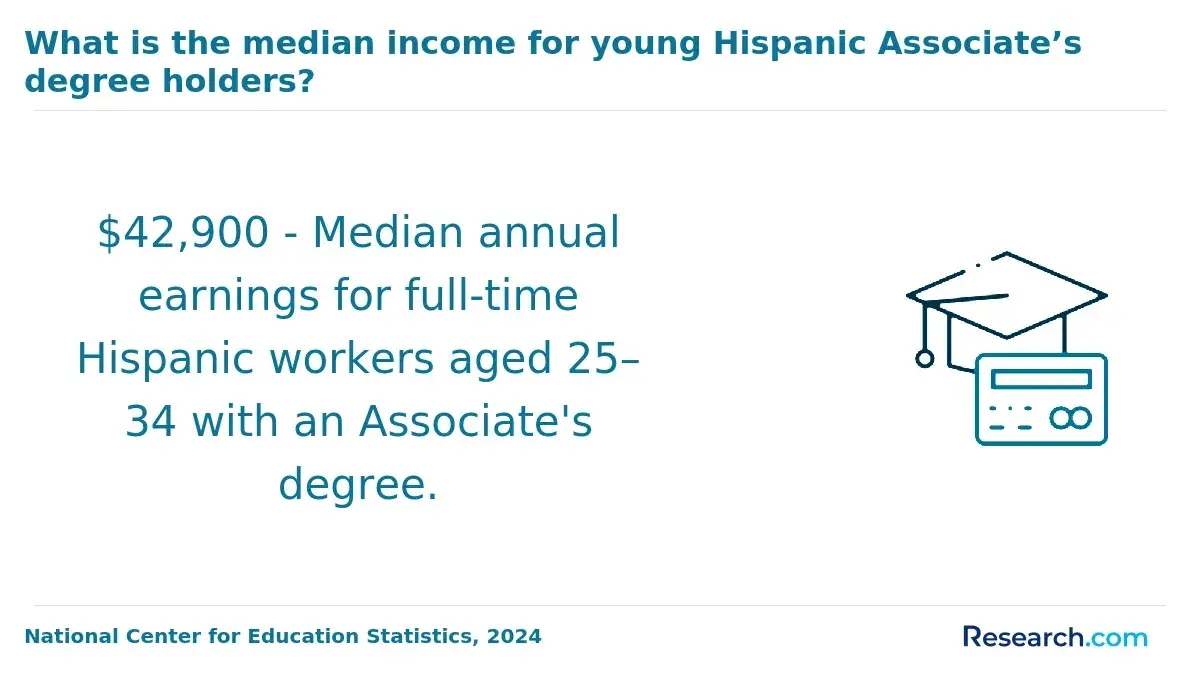
Many graduates with a bachelor's degree in corrections find career opportunities beyond their original field, thanks to their adaptable skill sets and changes in the labor market. Studies show that about 30% of college graduates take jobs unrelated to their majors within a few years after finishing school, highlighting widespread career flexibility.
- Transferable Skills: The corrections curriculum cultivates strong abilities in communication, critical thinking, conflict management, and problem-solving. These competencies are valuable in various sectors, enabling graduates to contribute effectively in roles outside traditional corrections.
- Employer Preferences: Employers increasingly emphasize soft skills and practical experience over a direct degree match. Corrections graduates offer distinctive insights into human behavior and managing difficult situations, traits that many organizations find beneficial.
- Experience and Training: Supplementing a corrections degree with internships, volunteer work, or additional certifications broadens career options. This practical experience enhances a candidate's qualifications and attractiveness to a wide range of employers.
Graduates from corrections programs benefit from a foundation that supports diverse career paths, particularly when paired with real-world experience and adaptable skills.
What Remote Jobs Can I Get With a Corrections Bachelor's Degree?
Remote work continues to expand, with nearly one-third of the U.S. workforce expected to engage in it regularly. For those holding a corrections bachelor's degree, this shift creates accessible remote career options that blend specialized knowledge with flexible work arrangements. Skills like effective communication, digital collaboration, time management, and adaptability are vital in these roles.
- Probation or Parole Officer (Remote Support Roles): Many agencies now rely on virtual platforms for case updates, client check-ins, and progress monitoring. A corrections degree provides the expertise needed to handle sensitive information and support clients remotely through secure digital environments.
- Community Outreach Coordinator: This role involves organizing and directing crime prevention or rehabilitation programs primarily via online tools. It requires strong organizational abilities and an understanding of correctional policies to engage communities effectively from a distance.
- Corrections Policy Analyst: Analysts conduct in-depth reviews of legislation and policy changes while working remotely. The background gained in a corrections program equips graduates to interpret legal frameworks and advise stakeholders from virtual settings.
- Victim Services Specialist: Specialists offer counseling and coordinate resources for victims primarily through remote communication channels. Training in corrections enhances communication skills and fosters sensitivity essential for this support-driven position.
- Criminal Justice Online Instructor or Tutor: Teaching corrections topics in a virtual classroom environment allows for a flexible schedule. Graduates utilize their knowledge to educate and mentor students remotely, maintaining engagement through digital platforms.
When asked about what remote jobs she found with her corrections degree, one graduate shared how transitioning to a fully remote probation support role challenged her initial expectations. She described adapting to virtual communication tools and time management without face-to-face interaction as demanding but rewarding. "I had to learn to be proactive in reaching out and managing my caseload independently," she recalled. This experience strengthened her digital collaboration skills and confidence, showing how a corrections education prepared her for evolving professional environments beyond traditional settings.
Can I Switch Careers With a Corrections Bachelor's Degree?
Many professionals leverage a corrections bachelor's degree as a strong foundation to explore career change opportunities, given the evolving demands of today's workforce. Studies show that approximately 61% of U.S. workers have shifted career fields at some point, reflecting the growing trend of adaptability among degree holders. This degree offers a broad base that can facilitate movement into diverse roles, aligning with career change opportunities for corrections degree graduates who seek to apply their education in new settings. The flexibility of skills developed during their studies makes such transitions feasible and increasingly common.
A corrections degree cultivates essential transferable skills like effective communication, critical problem-solving, adaptability, and analytical thinking, all valuable assets for career transitions. Success in switching fields often hinges on more than just the degree; gaining additional experience through internships, volunteering, or entry-level roles strengthens job prospects. Engaging in self-directed learning, such as online courses or specialized workshops, further supports these efforts. Hands-on training and practical exposure in target professions can enhance the shift, making it smoother and more sustainable. For those considering further education, pursuing an msw degree might also complement a corrections background effectively.
What Are the Highest-Paying Jobs With a Corrections Bachelor's Degree?
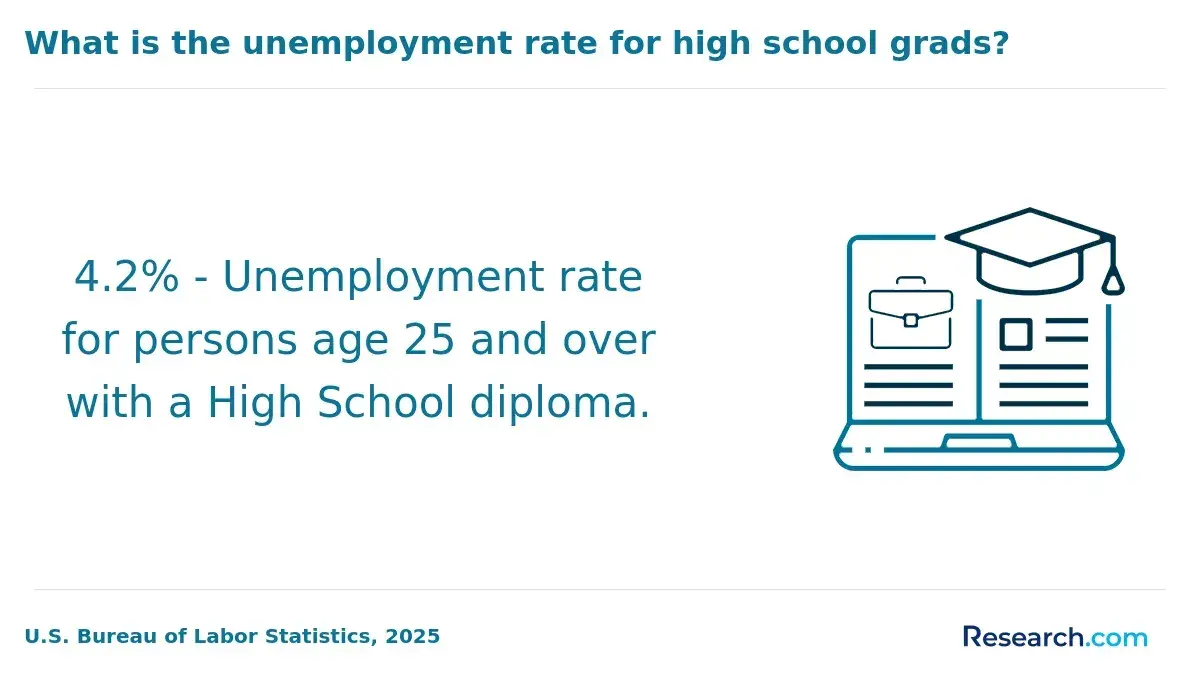
Earning potential with a corrections bachelor's degree varies widely depending on the sector, experience level, and area of expertise. Generally, individuals holding a bachelor's degree tend to earn substantially more over their careers than those with only a high school diploma or associate degree, making higher education a valuable investment in this field.
- Correctional Facility Supervisor: These professionals oversee daily prison or detention center operations, managing staff and ensuring regulations are followed. A corrections degree supports strong leadership and understanding of inmate management, with salaries typically ranging from $55,000 to $80,000, increasing alongside experience.
- Probation or Parole Officer: Responsible for monitoring offenders released back into the community, these officers help facilitate rehabilitation while enforcing court directives. The degree provides critical knowledge of legal systems and behavior management, with salaries generally between $45,000 and $75,000, depending on caseload complexity.
- Criminal Justice Planner or Analyst: Tasked with analyzing data and developing policies to improve correctional practices, people in this role draw on their corrections background to understand systemic challenges. Compensation often ranges from $60,000 to $85,000, reflecting the demand for analytical expertise.
- Victim Advocate Coordinator: Leading programs that support victims throughout the justice process, these coordinators rely on their grasp of offender dynamics and victim services derived from their degree. Typical earnings fall between $50,000 and $70,000.
- Correctional Treatment Specialist: Specialists deliver counseling and rehabilitation to reduce reoffending, working closely with inmates or probation populations. Their education in correctional psychology and treatment methods often places their salary between $50,000 and $75,000.
What Career Growth Opportunities Are Available With a Corrections Bachelor's Degree?
A corrections bachelor's degree provides a strong foundation for long-term career development and advancement across various roles within the criminal justice system. Graduates often move into higher responsibility positions such as management, operations oversight, or policy development, leveraging their in-depth understanding of correctional systems, legal principles, and human behavior. Career growth also includes developing specialized expertise in areas like juvenile justice or crisis intervention to enhance organizational impact. Additionally, professionals can expand into leadership or cross-functional roles that intersect with law enforcement, social services, or legal sectors by building on communication and leadership skills. Experience combined with this academic background enables ongoing advancement and increased professional responsibility.
A professional with a corrections bachelor's degree described his own journey, emphasizing how initial challenges involved adapting theory to real-world complexities. He recalled, "It wasn't just about understanding policies; it was about navigating the human element every day." Gaining trust and managing diverse teams required patience and continuous learning. He noted that the degree opened doors, but true career growth came from embracing those challenges and developing resilience, stating, "The degree laid the groundwork, but the daily interactions and problem-solving shaped my leadership." This perspective highlights how a corrections degree supports both foundational knowledge and the essential growth needed for meaningful career advancement.
What Jobs Require Certifications After a Corrections Bachelor's Degree?
Graduates holding a corrections bachelor's degree often encounter career opportunities that require or prefer additional certifications to meet industry standards. These specialized certifications validate skills and significantly enhance a candidate's eligibility for certain positions. Because corrections officer certification requirements in the United States vary, obtaining the correct credentials is crucial for entering many roles in this field.
- Correctional Officer: This entry-level position focuses on maintaining security within correctional institutions. While a corrections degree provides foundational knowledge, employers usually require completion of a Corrections Officer Certification or state-mandated training academy certification to ensure familiarity with legal protocols and safety measures.
- Probation Officer: Probation officers supervise offenders released into the community under supervision. To qualify, candidates typically pursue certifications such as the Certified Probation Officer credential, which emphasizes case management and counseling skills essential for effective community supervision.
- Substance Abuse Counselor: Many corrections graduates engage in offender rehabilitation, particularly addiction treatment. Certification like the Certified Alcohol and Drug Counselor (CADC) is often necessary, demonstrating competence in counseling and treatment planning.
- Juvenile Detention Officer: Working with youth offenders requires specialized certifications focusing on juvenile justice and behavioral management. Certifications in Juvenile Justice and Detention Officer Training are usually preferred or mandatory.
- Community Corrections Specialist: These professionals manage reentry and rehabilitation programs in community settings. Relevant certifications, such as the Community Corrections Certification, help validate expertise in offender management.
Prospective students interested in expanding their knowledge may also explore related fields through an online degree urban planning program, which can complement corrections studies. Pursuing postgraduate certifications for corrections degree holders can be a strategic step to advance in these specialized roles.
What Jobs Require a Master's After a Corrections Bachelor's Degree?
While a bachelor's degree in corrections opens many career pathways, some advanced roles require a master's degree to acquire specialized knowledge and meet professional licensure standards. National data show that approximately 35% of supervisory and specialized positions in criminal justice prefer or require candidates with graduate education. This reflects a growing emphasis on advanced expertise and leadership skills within the corrections field.
Several job roles commonly demand a master's degree after completing a bachelor's in corrections:
- Criminal Justice Administrator: These leaders manage correctional institutions or probation services and need graduate-level education in management, ethics, and public policy to navigate complex organizational challenges effectively.
- Forensic Psychologist: Working at the intersection of mental health and the legal system, these professionals require advanced training to assess offenders and support rehabilitation through psychological evaluation and intervention.
- Probation and Parole Director: Overseeing probation or parole departments necessitates a master's degree to develop expertise in public administration, program development, and staff leadership.
- Criminologist or Policy Analyst: These roles demand research skills and the ability to analyze crime trends and policies, which are acquired through graduate study focused on data-driven decision-making.
Obtaining a master's degree after a corrections bachelor's degree demonstrates commitment to professional growth and aligns with the higher responsibilities of specialized roles. For those focused on advancing their credentials, pursuing advanced certifications for corrections professionals is also a valuable step. Prospective students exploring further education might also consider an accelerated computer science degree online as a complementary option to enhance technical skills within and beyond corrections work.
What Is the Job Outlook for Corrections Careers?
The outlook for corrections careers reflects moderate growth driven by consistent demand for public safety workers. The U.S. Bureau of Labor Statistics projects about a 4% increase in correctional officer positions through 2032, aligning closely with the average growth rate across all occupations. Job availability can differ depending on where one works, with state and federal prisons providing most opportunities, while private detention centers and community programs represent a smaller yet developing segment. Economic shifts and new laws affecting prison populations also play a role in shaping workforce needs. Additionally, employers often seek candidates with a combination of traditional enforcement skills and an understanding of evolving industry challenges.
Long-term employment prospects hinge on factors like advancements in security technology and changing approaches to rehabilitation. Increasing use of digital surveillance and data analysis requires future professionals to sharpen their technical and critical thinking abilities. The broader corrections field continues to adapt as policies shift toward alternative sentencing and reintegration strategies. Success in this career depends on flexibility, continual skill development, and a commitment to balancing public safety with effective rehabilitation practices. These influences together define a dynamic and evolving career landscape in corrections.
What Graduates Say About the Jobs You Can Get With a Corrections Bachelor's Degree
- Otto: "Choosing a corrections major was a deliberate decision fueled by my desire to contribute to public safety and rehabilitation. Throughout my job search, I found that the degree opened doors to diverse roles in law enforcement and social services. Earning this degree greatly enhanced my understanding of the criminal justice system, allowing me to confidently pursue a meaningful career in the field."
- Colsen: "Reflecting on my education, pursuing a bachelor's degree in corrections has been instrumental in shaping my professional path. The comprehensive curriculum equipped me with skills in offender management and policy analysis, which proved invaluable when navigating job opportunities in both institutional and community-based settings. This degree truly strengthened my ability to make informed decisions and foster positive change within the justice system."
- Isaiah: "From the outset, I was drawn to corrections because of the unique blend of challenges and opportunities it presents. Holding a bachelor's degree in corrections differentiated me during the hiring process, especially for supervisory roles in state and federal institutions. Ultimately, the degree has empowered me to advance in my career while actively contributing to safer, more effective correctional environments."
Other Things You Should Know About Corrections Degrees
Strong communication and critical thinking skills are essential for jobs related to corrections. Graduates must be able to assess situations carefully, implement safety protocols, and interact effectively with inmates, staff, and the public. Conflict resolution and ethical decision-making skills are also highly valued in this field.
Yes, many corrections careers offer pathways for advancement. Entry-level positions can lead to supervisory or administrative roles as professionals gain experience and additional training. Some agencies also provide leadership development programs to help employees move up within the corrections system.
By 2026, a corrections bachelor's degree can qualify you for varied roles such as a corrections officer, parole officer, probation officer, or correctional treatment specialist. These positions typically involve working with offenders to facilitate rehabilitation and ensuring compliance with legal conditions.
While a bachelor's degree in corrections can qualify graduates for many positions, some jobs may require or prefer prior experience in law enforcement, criminal justice, or related fields. Internships, volunteer work, or part-time roles within correctional settings can improve employability and provide practical insights useful on the job.
References
- Correctional Career Overview: Education, Job Duties & Salary https://www.allcriminaljusticeschools.com/corrections/
- Explore Your Future Career Path in Corrections Degree https://atacollege.edu/your-next-career-path-in-corrections-degree/
- BOP: Correctional Officer https://www.bop.gov/jobs/positions/index.jsp
- How to develop your correctional officer career - Corrections1 https://www.corrections1.com/corrections-jobs-careers/4-critical-elements-of-professional-growth-and-development-in-corrections
- What to Do with a Bachelor’s in Criminal Justice | University of Bridgeport https://www.bridgeport.edu/news/what-can-you-do-with-bachelors-in-criminal-justice/
- Criminal Justice Jobs: 11 Careers You Can Pursue With a Criminal Justice Degree | PLNU https://www.pointloma.edu/resources/accelerated-undergraduate/criminal-justice-jobs-11-careers-you-can-pursue-criminal
- How Corrections Departments Are Preparing People for In-Demand… https://www.vera.org/publications/how-corrections-departments-are-preparing-people-for-in-demand-careers
- Jobs with a degree in Criminal Justice | Monroe University https://www.monroeu.edu/academics/undergraduate-programs/school-criminal-justice/what-can-you-do-criminal
- The Future of Corrections: Job Trends and Industry Changes https://www.whallsgroup.com/post/the-future-of-corrections-job-trends-and-industry-changes
- Careers for a Criminal Justice Certificate - Lakewood University https://lakewood.edu/careers-for-a-criminal-justice-certificate/


