
2027 What Jobs Can You Get With a Software Engineering Bachelor's Degree?

Co-Founder and Chief Data Scientist
Many students completing a software engineering bachelor's degree face uncertainty about which career paths align best with their skills and interests. This uncertainty is compounded by the rapid evolution of technology sectors, requiring graduates to adapt quickly. Recent data shows that over 80% of software engineering graduates secure employment within six months, yet the variety of roles-from development to systems architecture-can be overwhelming.
Understanding the range of job opportunities available is crucial for informed career planning and maximizing earning potential. This article explores key job roles for software engineering graduates and offers insights to guide their professional decisions effectively.
Key Benefits of the Jobs You Can Get With a Software Engineering Bachelor's Degree
- Graduates with a software engineering bachelor's degree work across diverse industries such as tech, finance, healthcare, and government, highlighting career versatility and broad employment options.
- These roles often offer competitive salaries, with a median software developer salary of $120,730 in 2023, and strong potential for promotions and leadership positions.
- The degree fosters long-term growth by equipping students with adaptable skills, supporting varied career paths including development, project management, and advanced research roles.
What Entry-Level Jobs Can I Get With a Software Engineering Bachelor's Degree?
A bachelor's degree in Software Engineering can open doors to a variety of entry-level job opportunities, allowing graduates to apply foundational skills in practical environments. Approximately 65% of bachelor's degree holders in computing fields find employment within six months after graduation, highlighting strong employer demand. For those wondering what entry-level jobs can you get with a Software Engineering bachelor's degree, several roles align well with the knowledge gained during studies.
Entry-level software engineering roles for new graduates often include:
- Junior Software Developer: This role involves writing, testing, and debugging code under supervision. Graduates apply their understanding of programming languages and software development methodologies to help build and maintain applications and systems.
- Quality Assurance (QA) Tester: QA testers identify bugs and performance issues before software releases. A Software Engineering bachelor's degree equips candidates with knowledge of testing techniques and scripting to automate test processes.
- Systems Analyst: Systems analysts gather user requirements and coordinate between technical teams and stakeholders to improve IT systems. The analytical and design skills developed during the degree prepare graduates for this communication-focused role.
- DevOps Engineer (Entry-Level): Entry-level DevOps engineers support automating deployment pipelines and maintaining infrastructure, often collaborating with more experienced staff. Emphasis on software lifecycle and tools in the degree program supports this work.
Each of these entry-level software engineering roles relies on the solid foundation in programming, algorithms, and software design principles that a bachelor's degree develops. Students considering advancement beyond undergraduate studies may also explore options like the cheapest doctorate degree online to further deepen their expertise.
What Industries Hire Software Engineering Bachelor's Degree Graduates?
A bachelor's degree in software engineering can unlock opportunities across numerous industries, with demand largely shaped by a graduate's specific skills and specializations. Recent labor data reveals that about 80% of employers in diverse fields prefer candidates holding a bachelor's degree in software engineering or related disciplines. This strong demand reflects the versatility of the degree and its relevance in multiple high-growth sectors.
Industries hiring software engineering graduates often seek professionals who can develop, maintain, and secure critical software systems tailored to their specific needs. The variety of job opportunities available can range widely depending on the sector's focus.
- Technology and Software Development: As the core industry for software engineers, this sector involves designing, building, and optimizing software products. Graduates apply coding, algorithms, and software architecture knowledge to roles like application development, system software management, and cybersecurity enhancement.
- Finance and Banking: Software engineers in finance develop secure transaction platforms, automate trading algorithms, and create data management tools that support operational efficiency and regulatory compliance. A bachelor's degree helps ensure they understand the complex technical frameworks that underpin financial systems.
- Healthcare and Biotechnology: This sector relies on software to manage electronic health records, telemedicine, and diagnostic systems. Graduates contribute by designing software that safeguards patient data while improving healthcare delivery, meeting stringent regulatory standards.
- Manufacturing and Automotive: Here, software engineers support automation, robotics, and embedded systems integral to production and vehicle innovation. Their skills enable seamless integration of software with physical hardware, advancing smart manufacturing and automotive technologies.
- Entertainment and Media: This industry demands expertise in graphics programming, interactive designs, and multimedia coding. A bachelor's degree in software engineering equips graduates with the technical foundation to support video game development, streaming services, and digital content creation.
For prospective students prioritizing affordability in their academic choices, options such as the cheapest online mft programs demonstrate the accessibility of quality education. Considering job opportunities that come with a software engineering degree helps individuals align their education paths with industries actively recruiting such talents.
Can You Get Jobs Outside Your Major With a Software Engineering Bachelor's Degree?
Many graduates with a software engineering bachelor's degree find opportunities beyond their specific field, driven by skills that apply across industries and shifting employer requirements. Research shows that about 40% of college graduates work in roles unrelated to their major, highlighting the growing career adaptability of today's workforce.
- Transferable Skills: A software engineering education enhances problem-solving, logical reasoning, and technical competence. These abilities are highly applicable and valued in many job sectors, providing graduates with a flexible skill set.
- Employer Hiring Trends: Employers increasingly emphasize practical expertise and versatility rather than just formal qualifications. This trend broadens the range of roles for which software engineering graduates qualify.
- Experience and Additional Training: Hands-on experience from internships and projects, along with ongoing learning, enables graduates to navigate career shifts and adapt to diverse professional environments.
Combined, these factors make a software engineering degree a strong foundation for various career paths. Beyond technical knowledge, the development of analytical skills and adaptability enhances employability in different fields. Graduates who pursue relevant experience or supplemental training are especially well-positioned to succeed in roles beyond their major's traditional scope.
What Remote Jobs Can I Get With a Software Engineering Bachelor's Degree?
Remote work continues to expand, with recent data showing more than 70% of employers are open to recruiting remote talent for technology roles. Graduates holding a software engineering bachelor's degree are well-positioned to take advantage of these opportunities due to their technical expertise and readiness to collaborate across virtual environments.
- Software Developer: Designs, codes, and tests applications while utilizing programming skills acquired through their degree. Effective use of digital development tools allows seamless teamwork despite physical distance.
- Quality Assurance Engineer: Creates and runs tests to guarantee software quality and reliability. Knowledge of testing frameworks and software lifecycles supports coordination with dispersed teams.
- DevOps Engineer: Oversees infrastructure management and automates deployment to enhance release efficiency. The degree's focus on systems integration aids in maintaining smooth communications across remote operations.
- Technical Support Engineer: Resolves software issues and offers assistance remotely, relying on analytical and problem-solving skills developed during their education to communicate solutions clearly.
- UI/UX Designer: Applies programming experience to build user interfaces and collaborates creatively with teams across time zones to optimize design and functionality.
When asked about her remote career path, a graduate of a software engineering bachelor's degree program reflected on the initial challenges of adjusting to virtual collaboration tools and managing her time without direct supervision. She emphasized, "The shift to remote work pushed me to sharpen my communication and organization skills daily." Despite early hurdles, she found satisfaction in connecting with diverse colleagues worldwide and appreciated how her degree had equipped her with the adaptability needed to succeed in a remote work setting. "It's rewarding to contribute meaningfully even without a traditional office environment," she noted, highlighting the confidence her academic background gave her to navigate this new professional landscape.
Can I Switch Careers With a Software Engineering Bachelor's Degree?
Many professionals with a bachelor's degree in software engineering leverage their education as a strong foundation to pursue different career paths, reflecting the degree's versatility in today's dynamic job market. Approximately 30% of graduates in STEM-related disciplines move into fields unrelated to their original studies within five years, underscoring how adaptable these qualifications are. This trend highlights the expanding opportunities for those seeking career change options with a software engineering bachelor's degree. Such shifts are often driven by evolving workforce demands and the desire to explore diverse roles beyond traditional software development.
A software engineering degree equips individuals with valuable transferable skills including effective communication, analytical thinking, adaptability, and problem-solving, all essential for navigating new industries. Successful transitions often depend on gaining relevant experience through internships, self-directed learning, or on-the-job training, which help sharpen skills applicable to different roles. These qualities contribute to a smooth transition when transitioning to new industries using a software engineering degree. For those considering broader career paths, resources like a 2 year construction management degree online program can also complement their background and open additional professional avenues.
What Are the Highest-Paying Jobs With a Software Engineering Bachelor's Degree?
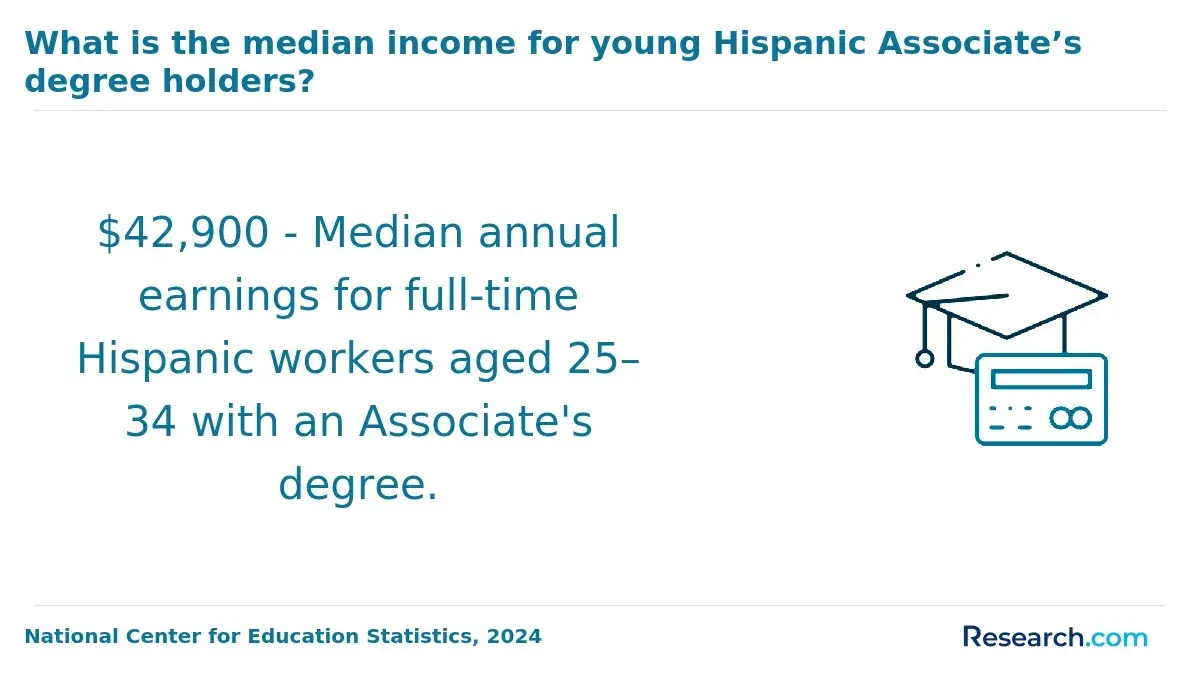
Earning potential for graduates with a bachelor's degree in software engineering varies widely, influenced by factors such as the specific industry, geographic location, and level of expertise. Generally, professionals with a bachelor's degree in software-related fields earn more than those with only a high school diploma or associate degrees, with salaries increasing as experience and specialization develop.
- Software Architect: Professionals in this role design and oversee the structure of complex software systems, ensuring both scalability and efficiency. They typically lead development teams and make key decisions about technology stacks and coding standards. The strong technical foundation provided by a software engineering degree prepares individuals for these senior-level, well-compensated positions, which often offer high salary ranges in line with their strategic responsibilities.
- DevOps Engineer: DevOps engineers focus on automating and optimizing the software development pipeline, managing infrastructure, and facilitating collaboration between development and operations. Their problem-solving skills and technical knowledge, honed through software engineering studies, place them in growing demand and enable them to command competitive salaries within the tech industry.
- Data Engineer: Data engineers develop and maintain the systems required for large-scale data processing and analysis. Their work is crucial for supporting analytics and machine learning projects. A background in software engineering equips them to handle complex programming and system design tasks, which are reflected in the lucrative pay associated with these roles.
- Machine Learning Engineer: These specialists build algorithms that allow machines to learn from data and improve autonomously. Strong programming abilities combined with a solid knowledge of software development principles enable them to create scalable, efficient solutions, often leading to high salaries in this cutting-edge field.
- Senior Software Developer: Senior developers lead coding projects, mentor junior team members, and uphold software quality standards. Their advanced skills and leadership experience, developed over years post-graduation, are key factors in securing higher compensation within software engineering careers.
What Career Growth Opportunities Are Available With a Software Engineering Bachelor's Degree?
A bachelor's degree in software engineering provides a solid foundation for long-term career development and advancement across a variety of roles within the technology sector. Graduates often move into positions with greater responsibility, such as senior software engineer or technical lead, where they manage large projects and mentor junior colleagues. Many also develop specialized expertise in emerging fields like cybersecurity, cloud computing, or artificial intelligence, opening doors to challenging niche roles. Additionally, experience and skill growth enable expansion into leadership roles including project or engineering management, as well as cross-functional positions that bridge product management, business analysis, and user experience design.
A professional with a software engineering bachelor's degree shared that navigating career growth was both rewarding and demanding. He reflected on the initial challenge of proving technical skills while balancing team dynamics, saying, "It was eye-opening how much leadership required beyond just coding." He described the process of gaining trust from management and peers as gradual but essential, emphasizing that "the shift from individual contributor to leader involved learning to communicate vision clearly and mentor effectively." This experience shaped his appreciation for the diverse pathways available after earning the degree and the importance of soft skills alongside technical expertise.
What Jobs Require Certifications After a Software Engineering Bachelor's Degree?
Some roles available to software engineering bachelor's degree graduates may require or strongly prefer professional certifications depending on industry standards and specific job responsibilities. These certifications help validate specialized skills and improve eligibility for certain positions, complementing the academic foundation gained through a bachelor's degree. Candidates who hold both a degree and relevant certifications often stand out in competitive job markets.
Common job roles for graduates that typically involve certifications include:
- Certified Software Developer: Developers working with particular platforms or programming languages often pursue certifications such as Microsoft Certified: Azure Developer Associate or Oracle Java SE Programmer. These credentials demonstrate in-depth proficiency with development tools and languages, enhancing the practical software engineering knowledge gained during their degree.
- Project Manager in Software Development: Software project managers frequently obtain the Project Management Professional (PMP) certification. PMP validates skills in managing timelines, resources, and teams, building on a software engineering degree's technical foundation with leadership and process management expertise.
- Cybersecurity Engineer: Transitioning software engineers aiming for cybersecurity roles commonly seek certifications like Certified Information Systems Security Professional (CISSP) or Certified Ethical Hacker (CEH). These certifications prove the ability to secure applications and networks, a crucial skill as security integration becomes more important in software engineering.
- Cloud Solutions Architect: Professionals focused on cloud services often obtain AWS Certified Solutions Architect or Google Cloud Professional Cloud Architect certifications. These validate the skills needed to design and manage scalable, reliable cloud environments, leveraging a software engineering background.
For students exploring these paths, integrating professional certifications with a bachelor's degree in software engineering can expand career opportunities. Some may consider further education options such as the cheapest online mba aacsb programs to complement their technical and managerial skills.
What Jobs Require a Master's After a Software Engineering Bachelor's Degree?
Although a software engineering bachelor's degree opens many career doors, several advanced roles often require a master's degree to gain specialized knowledge, advanced skills, or meet professional licensure requirements. Trends show that about 20% of technology management and research jobs prefer or require graduate degrees due to the growing complexity and specialization within the field. Understanding master's degree requirements for advanced software engineering roles can help students target their education and career paths more effectively.
Common jobs needing graduate degrees after a software engineering bachelor's include:
- Computer and Information Research Scientist: These professionals create new computing technologies and solve complex problems. A master's degree is usually necessary because this role demands cutting-edge expertise in areas like artificial intelligence and machine learning, along with strong research capabilities.
- Software Engineering Manager: Leadership in software development requires strategic planning and deep technical knowledge. Earning a master's degree helps cultivate essential business, management, and technical skills to oversee large teams and complex projects effectively.
- Data Scientist: Analyzing and interpreting complex data sets is core to this job. Employers often expect a master's degree to ensure proficiency in statistics, machine learning, and advanced data modeling techniques beyond a bachelor's level.
- Systems Architect: This role involves designing and integrating comprehensive software systems. Graduate education provides the broad technical understanding necessary to develop scalable and efficient architectures.
- Cybersecurity Analyst or Engineer: Specialized knowledge in security protocols and cryptography is vital. A master's degree frequently enhances qualifications for leadership and highly technical roles within cybersecurity.
Prospective students considering further education can explore options through resources like the cheapest online college available to balance cost and quality in obtaining an advanced degree.
What Is the Job Outlook for Software Engineering Careers?
The job market for software engineering careers is projected to grow significantly, with the U.S. Bureau of Labor Statistics estimating a 25% increase in employment between 2021 and 2031, outpacing many other fields. Demand differs across industries such as finance, healthcare, information technology, and manufacturing, where openings may rise steadily or sharply depending on technological adoption. The need for specialized skills in areas like mobile development, cloud computing, and artificial intelligence also impacts job opportunities. Short-term economic conditions can affect hiring, but ongoing digital transformation drives sustained interest in skilled software engineers.
Long-term employment prospects are shaped by continuous innovation and the evolution of technology, requiring software engineers to regularly update their expertise to remain competitive. Although automation may reduce some routine programming tasks, complex software design and customization will maintain strong demand. Outsourcing trends add another layer of complexity but have not diminished the need for skilled professionals within the U.S. A bachelor's degree in software engineering largely provides a solid foundation for a career in this dynamic environment where adaptability to new tools and methodologies is essential for lasting success.
What Graduates Say About the Jobs You Can Get With a Software Engineering Bachelor's Degree
- Vicente: "Choosing a software engineering major was an easy decision for me because I was fascinated by how technology shapes the future. The technical skills I gained allowed me to quickly adapt to various roles in development and testing, making the job search far less daunting. This degree has truly opened doors in both innovative startups and established tech firms where problem-solving and adaptability are key."
- Zane: "Reflecting on my journey, pursuing a software engineering bachelor's degree was more than just acquiring coding skills; it developed my logical thinking and teamwork abilities. Navigating the job market was initially challenging, but understanding core software principles helped me land a role that matched my passion for user-focused applications. Today, I see this degree as the foundation of my career growth and professional confidence."
- Gael: "My reason for studying software engineering was driven by the promise of a dynamic and evolving career path. With this degree, entering the tech industry felt strategic, as it equipped me with both technical know-how and project management expertise. Since graduating, I have witnessed firsthand how this education accelerates career advancement and opens opportunities to work on impactful, cutting-edge projects."
Other Things You Should Know About Software Engineering Degrees
Internships are highly valuable for software engineering graduates as they provide practical experience and industry exposure. Many employers prefer candidates with hands-on experience demonstrated through internships, which can also help graduates develop professional networks. Completing internships can increase the likelihood of securing a job after graduation and often leads to full-time offers.
Employers commonly seek skills in programming languages like Java, Python, C++, and JavaScript. Knowledge of software development methodologies such as Agile and proficiency with version control tools like Git are also important. Additionally, experience with cloud platforms, databases, and testing frameworks boosts employability in software engineering roles.
Teamwork is essential in software engineering jobs because most projects involve collaboration among developers, testers, and stakeholders. Being able to communicate effectively and coordinate with team members improves project outcomes and workplace efficiency. Employers often value candidates who demonstrate strong interpersonal and team collaboration skills.
Yes, internships are crucial for software engineering graduates in 2027. They provide hands-on experience, strengthen technical skills, and offer industry insight. These experiences often lead to job offers and make graduates more competitive in the job market.
References
- 15 of the Highest Paying Software Engineering Jobs https://www.theforage.com/blog/careers/highest-paying-software-engineering-jobs
- Top Five Reasons to Become a Software Engineer https://blogs.reading.ac.uk/careers/top-five-reasons-to-become-a-software-engineer/
- What Is a Software Engineer? | Skills and Career Paths https://www.computerscience.org/careers/software-engineer/
- Do Developers Need College Degrees? - Stack Overflow https://stackoverflow.blog/2016/10/07/do-developers-need-college-degrees/
- Software/Systems Graduate Jobs | Gradcracker - Careers for STEM Students https://www.gradcracker.com/search/computing-technology/software-systems-graduate-jobs
- Top Careers for Software Engineering Majors https://www.pointloma.edu/resources/undergraduate-studies/top-careers-software-engineering-majors
- 10 Highest Paying Software Engineering Jobs & Salaries (2025) | Nexford University https://www.nexford.edu/insights/highest-paying-software-engineering-jobs
- AI Pushing Students to Consider Changing Majors https://poetsandquantsforundergrads.com/news/ai-pushing-students-to-consider-changing-majors/
- The Next Two Years of Software Engineering https://addyosmani.com/blog/next-two-years/
- We Work Remotely | Remote Software Developer Jobs https://weworkremotely.com/remote-software-developer-jobs


