2027 What Requirements Do You Need for an Online English as a Second Language (ESL) Bachelor's Degree? Admission Rules, Credits & Eligibility

Co-Founder and Chief Data Scientist
Many prospective students with unrelated undergraduate degrees face uncertainty when exploring online English as a second language (ESL) bachelor's programs. They often question specific admission rules, transferable credits, and eligibility criteria, which vary widely between institutions. This lack of clarity complicates decision-making, delaying career transitions into the growing ESL teaching sector.
According to the U. S. Bureau of Labor Statistics, employment in postsecondary teaching roles, including ESL, is projected to grow 12% through 2032, highlighting rising demand. This article outlines essential program requirements, credit policies, and eligibility benchmarks to help prospective students navigate the application process confidently and efficiently.
Key Benefits of Preparing for Online English as a Second Language (ESL) Bachelor's Degree Requirements
- Identifying the right program ensures alignment with your career goals, accreditation, and flexibility, helping you avoid costly or irrelevant courses.
- Maximizing transfer credits can reduce time and expenses by recognizing prior college work, with many programs accepting up to 60 credit hours.
- Completing an accredited ESL bachelor's degree significantly improves employment prospects, with 70% of graduates reporting career advancement within two years.
What Are the Basic Eligibility Requirements to Apply for an Online English as a Second Language (ESL) Bachelor's Degree?
Eligibility to apply for an online English as a Second Language (ESL) bachelor's degree means meeting the basic institutional criteria needed to submit an application. This is different from acceptance, which is the school's formal approval for enrollment, and enrollment itself, which is the actual registration for classes. According to the U.S. Department of Education and admissions guidelines of accredited universities, most online bachelor's programs require foundational qualifications before considering applicants for admission. Common eligibility standards ensure students have the academic and legal standing to pursue an undergraduate degree.
Typical prerequisites include a high school diploma or GED equivalent and a minimum age, usually 17 or 18 years, to satisfy legal and academic requirements. Residency or visa status documentation is often necessary, particularly when federal financial aid or state tuition rates apply. Applicants whose prior education was not in English may need to provide proof of English language proficiency through tests like TOEFL or IELTS. Because policies vary widely, prospective students should confirm specific eligibility criteria and details with each school's admissions office. Exploring options among college majors related to ESL can help define a clear academic path.
- High School Diploma or GED Requirement: Nearly all accredited online ESL bachelor's programs require applicants to have completed secondary education or possess an equivalent credential to demonstrate academic readiness.
- Minimum Age Criteria: Most institutions enforce a minimum age of 17 or 18 years to align with legal consent and enrollment policies for undergraduate students.
- Residency or Citizenship Documentation: Applicants often must provide proof of status, especially for eligibility regarding federal financial aid and in-state tuition rates.
- English Language Proficiency: Applicants without prior English-based education typically need to submit standardized test scores such as TOEFL or IELTS to confirm proficiency.
- Verification with Institutions: Because eligibility rules vary, direct contact with admissions offices is essential to understand unique requirements and documentation.
What Is the Minimum GPA Required for Admission to an Online English as a Second Language (ESL) Bachelor's Degree Program?
Minimum GPA requirements for admission to online English as a Second Language bachelor's degree programs vary significantly across institutions. Some programs may accept applicants with a cumulative high school GPA as low as 2.0, while more selective programs often require a minimum GPA of 2.5 or higher. These variations reflect the diverse standards applied by colleges to balance access and academic rigor. Prospective students must understand the required GPA standards for online ESL bachelor's degree admission to improve their chances.
Admissions offices frequently use a holistic review process, considering factors beyond GPA such as class rank, standardized test scores, and letters of recommendation. This holistic approach can allow applicants with borderline GPAs to gain admission if other credentials demonstrate strong potential. Additionally, schools may differentiate between weighted and unweighted GPAs, with weighted GPAs accounting for the difficulty of honors or Advanced Placement courses, potentially enhancing an applicant's academic profile.
Students with borderline GPAs might still qualify for conditional or probationary admission, enabling them to prove readiness by maintaining satisfactory performance in initial coursework. Accurately calculating and self-reporting GPA is essential for ESL applicants to avoid errors during application. Students should verify GPA calculations with official transcripts or use reliable online tools aligned with application requirements to ensure their submissions reflect true academic achievement.
- Variation in GPA Requirements: Minimum GPA thresholds for online ESL bachelor's programs typically range from 2.0 to 2.5 depending on the institution's selectivity and program standards.
- Holistic Admissions Review: Admissions committees consider multiple criteria alongside GPA, such as test scores and recommendation letters, to assess candidates' full potential.
- Weighted vs. Unweighted GPA: Weighted GPAs give extra credit for advanced classes and can influence admission decisions compared to unweighted GPA scores.
- Conditional and Probationary Admission: Some schools offer admission to students with lower GPAs through conditions requiring demonstrated academic progress.
- Accurate GPA Reporting: ESL applicants should carefully confirm GPA calculations using transcripts or trusted calculators to ensure correctness in applications.
When researching educational options, students should also explore financial aspects such as the psychology degree cost, which can provide insight into managing expenses during degree completion.
2026 Update: Field Placement and Licensure Alignment Checks
This 2026 update adds guidance on requirements that may appear after admission but still affect whether an online ESL bachelor's program fits your goals, especially if you plan to teach in public schools.
- Whether the program is designed for teacher licensure, ESL endorsement, or non-licensure study.
- Which state licensure rules the curriculum is aligned with, and whether they match your state.
- Whether online students must complete classroom observations, practicum hours, or student teaching locally.
- Who is responsible for finding approved field placement sites near your home.
- Whether background checks, fingerprinting, or health clearances are required before fieldwork.
- Whether any state exams or teaching assessments are required before graduation or certification.
Checking these details early helps you avoid choosing a program that meets admission requirements but does not support your teaching plans where you live.
Do Online English as a Second Language (ESL) Bachelor's Degree Programs Require SAT or ACT Test Scores?
Many online bachelor's degree programs in English as a Second Language (ESL), especially those catering to adult learners, have moved toward test-optional or test-free admissions since 2020. This shift intends to remove hurdles for applicants balancing work or family commitments by no longer mandating SAT or ACT scores for admission.
Standardized test results may still be necessary in some cases, such as qualifying for merit-based scholarships, honors tracks, or selective ESL program options. Institutions often use these scores as an extra criterion to highlight candidates with strong academic potential beyond their transcripts and experience.
Typical benchmarks reported by accredited schools generally range from 1100 to 1300 on the SAT and about 22 to 28 on the ACT. However, policies and score requirements vary widely by program and school, so it's essential to review each institution's current admissions details carefully.
According to the National Association for College Admission Counseling, around 60% of four-year colleges had adopted test-optional policies by 2022, reflecting a growing trend toward more accessible entry paths for online ESL degrees.
- Test-Optional Admissions: The majority of online ESL bachelor programs no longer require SAT or ACT scores, emphasizing academic records and professional background instead.
- Selective Use of Scores: Some scholarships and honors programs maintain score requirements to help identify high-achieving students.
- Score Ranges: Where tests are required, SAT scores typically fall between 1100 and 1300, with ACT scores usually from 22 to 28.
- Policy Variability: Admissions criteria differ significantly across institutions, so verifying details directly with each program is crucial.
- Shift in Admissions Practices: Over half of four-year institutions embrace test-optional policies, easing access for ESL degree seekers online.
A professional who enrolled in an online ESL bachelor's degree program shared that navigating admissions policies was initially confusing due to inconsistent test score requirements. "I wasn't sure if I needed to submit SAT or ACT results because some programs explicitly waived them while others didn't," he explained. Balancing work and family, he appreciated programs that prioritized experience and transcripts over standardized tests, allowing him to apply confidently. His experience highlighted the importance of directly contacting admissions offices to clarify expectations and avoid unnecessary testing stress.
How Many Total Credit Hours Are Needed to Complete an Online English as a Second Language (ESL) Bachelor's Degree?
Most accredited online english as a second language bachelor's degree programs typically require about 120 semester credit hours (SCH) to graduate, though some tracks may demand up to 128 or 130 credits depending on the specialization. These credit hours usually break down into general education courses covering foundational subjects, major-specific core classes focused on language learning and teaching, electives that provide additional skills or knowledge, and a capstone or practicum for practical experience. Understanding credit hour requirements for online ESL bachelor's degree programs ensures students can plan their schedules effectively.
It's essential to recognize the difference between semester credit hours, common in most U.S. schools, and quarter credit hours, used by some institutions. Typically, one semester credit hour equals 1.5 quarter credit hours. Students attending quarter-based schools should convert credits accordingly to align with program obligations and track academic progress accurately.
Many programs accept prior learning credits such as advanced placement (AP), CLEP exams, or transferred coursework, which can reduce the total credits needed to complete the degree. This credit transfer option offers students a more efficient and cost-effective path toward earning their online english as a second language bachelor's degree.
- Total Credit Hours Needed: Most programs demand between 120 and 130 credit hours, balancing general education, core ESL courses, electives, and hands-on practicum components.
- Semester vs. Quarter Credits: Be aware of system differences; a semester hour counts as 1.5 quarter hours for accurate credit assessment.
- Credit Distribution: Coursework is generally divided among foundational classes, major requirements, electives, and final capstone or practicum projects.
- Prior Learning Credits: AP, CLEP, and prior college coursework can often be applied to reduce total credit needs.
- Program Variation: Certain programs might require additional credits for specialized training or certifications within the ESL major.
For students interested in other fields, exploring comparisons such as cybersecurity online degrees can provide insight into credit-hour standards and program structures across disciplines.
What High School Courses or Prerequisites Are Required Before Enrolling in an Online English as a Second Language (ESL) Bachelor's Degree?
Online English as a second language (ESL) bachelor's programs generally require completion of foundational English courses in high school, such as literature and composition, to ensure students are prepared for college-level reading and writing. These serve as hard prerequisites that must be met prior to enrollment. While social studies or humanities courses are usually suggested rather than required, they provide valuable cultural and contextual knowledge that can support language learning. Math and science classes are less frequently mandated but may benefit students by developing analytical skills important in research and teaching roles.
Many students satisfy these prerequisites through dual enrollment or community college credits earned during high school, which can accelerate degree completion and reduce overall costs. For those lacking required coursework, some online ESL programs offer remedial or bridge classes, allowing admissions flexibility but potentially extending the time needed to graduate.
- Mandatory English Courses: Foundational English classes, including literature and writing, are essential prerequisites ensuring literacy skills for advanced study.
- Recommended Social Studies: History and cultural courses enrich understanding vital to teaching and applying ESL methods but typically aren't strict entry requirements.
- Dual Enrollment Credits: College-level credits gained in high school can fulfill prerequisites and give students a head start on their bachelor's degree.
- Remedial Options: Bridge courses support students who haven't met all prerequisites but may lengthen the program duration.
- Balanced Academic Profile: Completing math and science aids critical thinking and contributes to a well-rounded educational background.
One professional who later earned an online ESL master's degree shared how navigating prerequisite requirements initially felt daunting. She recalled hesitating about missing some recommended courses but was relieved that dual enrollment credits she had earned smoothed her admission process. "It wasn't just about ticking boxes," she reflected, "but building confidence in my language skills." Taking remedial classes early on helped bridge gaps without overwhelming her schedule, allowing her to focus on progressing steadily. Her experience highlights the value of flexibility in prerequisite policies and the importance of early preparation for success in ESL studies.
Can Transfer Credits Count Toward an Online English as a Second Language (ESL) Bachelor's Degree, and How Many Are Accepted?
Most accredited colleges and universities typically allow a maximum of 60 to 90 transfer credits toward an online English as a Second Language (ESL) bachelor's degree. This usually equals about two to three years of prior coursework, though exact limits depend on individual institutional policies and the degree's transfer flexibility.
- Transfer-Friendly Schools: These institutions often have established articulation agreements, such as 2+2 programs with community colleges, enabling students to complete two years at a partner school and transfer most credits seamlessly into upper-division ESL courses.
- Restrictive Policies: Some universities apply stricter rules, accepting only credits from courses closely related to the ESL degree. This can limit the total transferable credits and extend the time needed to graduate.
- Transcript Evaluation: During this process, registrars review official transcripts to confirm course content, grades, and credit hours. They compare past coursework with program requirements to determine which credits are eligible.
- Course Equivalency Challenges: Not all credits transfer, especially general education or unrelated courses. ESL-specific classes from other institutions might need additional proof to verify they meet program standards.
- Requesting Evaluation: It is crucial to request a formal transfer credit evaluation early in the admissions phase. This ensures students know how many credits will count toward their ESL degree, helping with academic planning and budgeting.
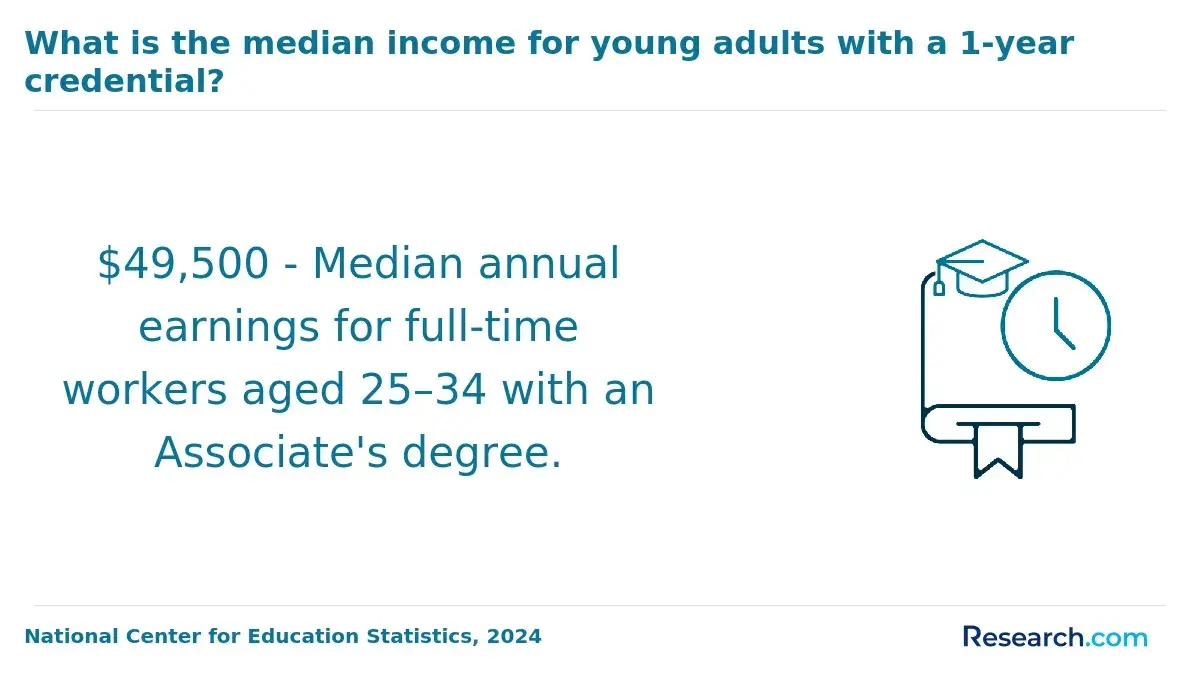
Data from the National Center for Education Statistics shows roughly 36% of bachelor's degree graduates recently transferred credits from another school, emphasizing the importance of understanding credit transfer rules before enrolling.
Does Accreditation Status Affect Admission Requirements for an Online English as a Second Language (ESL) Bachelor's Degree?
Accreditation is a key factor influencing admission and degree value for students pursuing an online English as a Second Language (ESL) bachelor's degree. Prospective learners need to verify both institutional and programmatic accreditation to ensure their education is widely recognized and transferable.
- Institutional Accreditation: Granted by regional or national agencies recognized by the Council for Higher Education Accreditation (CHEA) or U.S. Department of Education, this accreditation validates the school's legitimacy. It affects whether credits will transfer to other institutions and plays a vital role in employer recognition.
- Programmatic Accreditation: Certain ESL specializations require additional accreditation from discipline-specific bodies. These accreditations often come with stricter admission requirements and ensure the program meets professional standards, which may be necessary for licensure or teaching careers.
- Credit Transferability: Credits earned at regionally accredited schools are broadly accepted, helping students complete their degree efficiently. Without proper accreditation, transfer credits may be rejected, causing delays and added expenses.
- Graduate School and Licensing: Degrees from unaccredited programs usually lack recognition for graduate admissions or state licensing, limiting career advancement opportunities for ESL graduates.
- Admissions Impact: Accredited programs typically have clear admission guidelines, including minimum GPA, test scores, and English proficiency standards. Unaccredited institutions may have less rigorous or unclear policies, which can affect the degree's credibility.
Over 90% of employers prefer candidates with degrees from accredited institutions, emphasizing the importance of confirming accreditation when researching online ESL programs.
What Documents Do You Need to Apply for an Online English as a Second Language (ESL) Bachelor's Degree Program?
Official Transcripts: Most online English as a Second Language bachelor's degree programs require official high school transcripts to verify your academic background. If you have attended any college courses, submit official college transcripts as well. These documents must be sent directly from your previous school to the admissions office, typically sealed and signed to ensure authenticity. This checklist item is crucial for every application to an online English as a Second Language bachelor's degree program.
Government-Issued ID: A valid government-issued identification card or passport is necessary to confirm your identity. Online programs often require a scanned copy during the application process and sometimes at enrollment to maintain secure student records.
Application Essay or Personal Statement: Many programs ask for an essay or personal statement describing your academic goals and motivation for pursuing an English as a Second Language degree. This helps admissions committees evaluate your writing skills and commitment to succeeding in the program.
Supplemental Materials: Some selective English as a Second Language programs may request additional documents such as a résumé outlining your work and volunteer experience, letters of recommendation from teachers or employers, or a portfolio highlighting relevant academic or professional work. These materials provide a broader picture of your qualifications and readiness.
Official vs. Unofficial Documents: Unofficial transcripts or copies may be accepted initially for application review, but official, certified documents are required upon admission. For international students applying to U.S.-based online programs, certified translations of transcripts and IDs must be provided if originals are not in English. These translations should come from an authorized agency to meet U.S. program standards.
Timing and Preparation: Begin gathering all required documents at least three to four months before your intended start date. This lead time allows you to request official records, obtain translations, and prepare essays properly. Applying early improves your chances for scholarship consideration and helps you meet rolling or semester-specific deadlines.
For adult learners or working professionals returning to school, finding the right online school for moms or those with busy schedules can make the application process smoother and more efficient.
Are There English Language Proficiency Requirements for Non-Native Speakers Applying to an Online English as a Second Language (ESL) Bachelor's Degree?
Most accredited U.S. online English as a Second Language (ESL) bachelor's degree programs require non-native English speakers to demonstrate English language proficiency through standardized test scores. Commonly accepted assessments include the TOEFL iBT, IELTS Academic, or the Duolingo English Test, each with minimum score thresholds designed to ensure students can successfully complete coursework in English.
- TOEFL iBT Scores: Undergraduate programs typically require total scores between 61 and 80 on the TOEFL internet-based test. This range signals a basic to intermediate English proficiency level, sufficient for academic reading, writing, listening, and speaking tasks.
- IELTS Band Scores: Many schools set a baseline at a 6.0 to 6.5 band on the IELTS Academic test, aligning with moderate proficiency needed for college-level studies in English as a Second Language.
- Duolingo English Test: Some programs accept Duolingo scores of approximately 90 to 105, offering a flexible and accessible testing option for international students unable to attend in-person exams.
- English-Speaking Country Exemptions: Applicants from countries where English is the primary language typically qualify for waivers. Likewise, students who have completed multiple years at English-medium high schools or colleges usually do not need to submit test scores.
- Conditional Admission and ESL Bridge Programs: For those who have not yet met proficiency thresholds, certain online ESL programs offer conditional admission. These include ESL bridge courses designed to enhance language abilities before commencing the full degree curriculum.
Prospective students should carefully review each program's English proficiency requirements and speak directly to admissions offices to confirm policies, available exemptions, and support services. Being well prepared will help position applicants for a smooth, affordable path to earning their online ESL bachelor's degree. Additionally, when researching options, students may refer to lists of non profit online university programs that meet accreditation standards and uphold rigorous admission criteria.
Understanding English language proficiency standards for non-native applicants to online English as a Second Language bachelor's degree programs is crucial to meeting admissions expectations. This knowledge supports planning the application process and exploring financial aid pathways efficiently.
Required English test scores for international students enrolling in online English as a Second Language bachelor's degrees ensure that learners are prepared for the academic challenges ahead and help institutions maintain quality education standards.
Do Online English as a Second Language (ESL) Bachelor's Degree Programs Accept CLEP Exams or Prior Learning Credits?
The College-Level Examination Program (CLEP) enables students to earn college credit by passing exams in various subjects. Achieving a score of 50, as endorsed by the American Council on Education (ACE), often results in undergraduate credit at more than 2,900 colleges across the U.S. However, policies on CLEP credit acceptance differ widely among online English as a Second Language (ESL) bachelor's degree programs.
- Institution-Specific Policies: Schools have unique rules about CLEP and prior learning credits. Some allow these exams to cover many required courses, while others restrict them to general education only.
- Prior Learning Assessments (PLA): In addition to CLEP, students might earn credit through DANTES/DSST exams, portfolio submissions, or recognition of certifications, military experience, and job-related skills.
- Credit Limits and Restrictions: Many schools cap how many credits can come from exams or PLA toward a degree. Being aware of these ceilings helps in planning an efficient course schedule.
- Early Communication: Reaching out to the registrar or admissions office early is essential. These offices guide students on acceptable credits, documentation, and how prior learning can shorten degree time and lower costs.
Gathering detailed credit policy information and asking key questions before enrolling can maximize progress and affordability in an online English as a Second Language (ESL) bachelor's program.
Are There Residency or In-State Tuition Requirements That Affect Enrollment in an Online English as a Second Language (ESL) Bachelor's Degree?
Many public universities offer in-state tuition to online students regardless of where they live, often through the State Authorization Reciprocity Agreement (SARA). SARA is a pact between participating states that allows colleges to provide online programs to students in other member states without needing separate state approvals. This arrangement helps schools broaden access and may enable out-of-state learners to benefit from in-state rates.
Still, some universities do not participate in SARA and may charge higher out-of-state tuition for their online English as a Second Language (ESL) bachelor's degrees. It's essential to confirm the tuition policy directly with the institution before applying to avoid unexpected expenses.
- State Authorization Reciprocity Agreement (SARA): This agreement lets schools in member states offer online courses to students across state lines without additional authorizations, potentially lowering tuition costs for out-of-state learners.
- Tuition Variation: Institutions not in SARA often impose out-of-state tuition rates. Always verify with the school to understand applicable fees for online ESL programs.
- Residency Verification: To qualify for in-state tuition, students might need to submit proof of residency such as utility bills, voter registration, or a driver's license from the state.
- Financial Planning: Knowing tuition requirements upfront allows students to budget properly and avoid surprises when enrolling in an online English as a Second Language degree.
What Graduates Say About Preparing for the Online English as a Second Language (ESL) Bachelor's Degree Requirements
- Azrael: "Pursuing an online English as a Second Language bachelor's degree was a game-changer for me. Understanding the exact admission requirements upfront helped me navigate the process smoothly and avoid unnecessary delays. Plus, having a clear grasp of credit policies allowed me to maximize my transfer credits, so I finished faster and stronger. This degree truly opened doors in my career, giving me confidence and credibility in the education field."
- Alvaro: "Reflecting on my journey, I realize how crucial it was to fully comprehend the eligibility criteria before enrolling in the online English as a Second Language program. This knowledge ensured I met all standards without surprises and made selecting courses much easier. The career impact has been profound; my new skills and credentials have given me a significant boost in securing a role I'm passionate about."
- Robert: "Approaching my online English as a Second Language bachelor's degree with a professional mindset meant paying close attention to both admission requirements and credit policies. This foresight allowed me to optimize my academic planning and avoid costly mistakes. Completing the program strengthened my qualifications and significantly advanced my opportunities in the language education sector."
Other Things You Should Know About English as a Second Language (ESL) Degrees
In 2027, adult learners and working professionals enrolling in an online ESL bachelor's degree program may need to provide professional work experience or a personal statement indicating their motivation and goals. Some programs offer flexible admissions criteria to accommodate non-traditional educational backgrounds.
Typically, an online ESL bachelor's degree can take three to four years to complete, depending on whether the student enrolls full-time or part-time. Students can accelerate their studies by taking summer courses or additional credits each semester.
Students generally need a reliable computer with internet access capable of supporting video conferencing, online exams, and interactive learning platforms. Common software requirements include a modern web browser, word processing tools, and sometimes specific language-learning applications. Schools typically provide detailed technical specifications before enrollment.
References
- Can I Teach Online With A Bachelor's Degree | ITTT https://www.teflonline.net/tefl-tesol-info/can-i-teach-online-with-a-bachelor-s-degree/
- What are the requirements for teaching English in non-English speaking countries? | ITTT TEFL & TESOL https://www.teflcourse.net/ai/what-are-the-requirements-for-teaching-english-in-non-english-speaking-countries/
- Teaching English as a Second Language (TESL) (BEd Degree Program) | Undergraduate Admissions - Apply Here - Concordia University https://www.concordia.ca/academics/undergraduate/teaching-english-second-language.html
- Benefits of Degrees in English as a Second Language | AllEducationSchools https://www.alleducationschools.com/teaching-degrees/english-as-a-second-language/
- What are the Requirements for Teaching English Online? https://www.internationalteflacademy.com/blog/basic-requirements-to-teach-english-online
- What qualifications do I need to teach English as a second language? | ITTT TESOL & TESOL https://www.tesolcourse.com/ai/what-qualifications-do-i-need-to-teach-english-as-a-second-language/
- The Benefits of ESL Courses for International Students https://www.csinow.edu/blog/the-benefits-of-esl-courses-for-international-students/
- ESL English as a Second Language https://admissions.lasierra.edu/programs/esl/
- Apply to the ESL Program - Gonzaga University https://www.gonzaga.edu/english-language-center/english-as-a-second-language/apply-to-the-esl-program
- RECOMMENDED ARTICLES https://edlea.org/index.php/news1/140-will-your-online-college-credits-be-accepted-by-degree-granting-colleges