
2027 Which Advertising Degree Careers Have the Highest Barriers to Entry?

Co-Founder and Chief Data Scientist
Why do some advertising careers demand far more education and experience than others? For a recent graduate aiming for high-level strategy roles, the path may require advanced degrees, specialized certifications, and years of portfolio development. In fact, the Bureau of Labor Statistics projects a 10% growth in advertising, promotions, and marketing manager jobs through 2032, intensifying competition.
Understanding which advertising degree careers impose the highest barriers to entry helps students align their training with realistic goals. This article explores those challenging career paths and the qualifications that make them more demanding to pursue.
Key Things to Know About Advertising Careers With the Highest Barriers to Entry
- Extensive education, often including a master's degree or specialized certifications, is required for senior advertising roles, limiting access for many candidates.
- Highly competitive hiring standards favor candidates with unique portfolios and internship experience, with some roles seeing acceptance rates below 10%.
- Strict credentialing and 3-5 years of proven experience are commonly expected, creating significant barriers for recent graduates entering the industry.
Which Advertising Careers Are Hardest to Get Into?
Some advertising careers are widely recognized as particularly hard to enter due to high competitiveness and a limited number of available positions. Studies show that in certain roles, applicant-to-position ratios can exceed 20:1, highlighting the intense selectivity and challenges candidates face. For those aiming to distinguish themselves in data science or consumer psychology, specialized research through online PhD programs can provide the high-level expertise needed for executive roles. This imbalance significantly impacts those pursuing the most competitive advertising jobs to break into.
Below are several of the careers known for their tough entry barriers and the reasons behind their selectivity.
- Creative Director: These positions are few and highly coveted, requiring candidates to compete with many experienced professionals. The scarcity of openings combined with the need for outstanding creative leadership makes this role tough to acquire.
- Media Planner: The strategic importance of media planning means employers carefully vet candidates, leading to a highly selective hiring process. Limited roles increase competition among qualified applicants.
- Account Executive: Although entry-level, these roles attract a large number of applicants, resulting in a selective process due to the mismatch between the number of positions and interested candidates.
- Brand Strategist: Because these roles influence core decisions on brand positioning, companies remain very selective, offering only a restricted number of openings to ensure top-tier talent.
- Copywriter: Despite seeming more accessible, the demand for exceptional creative skill and originality places copywriting among the more competitive advertising careers to break into.
- Digital Marketing Specialist: Growing demand has not matched job availability, particularly for specialists in data-driven campaigns, making these positions increasingly difficult to secure.
What Academic Requirements Make Advertising Careers Harder to Enter?
Academic requirements often create significant barriers to entry in advertising careers, especially when positions call for extended education or specialized fields of study. Nearly 30% of roles within advertising-related fields now require candidates to hold at least a master's degree or higher, highlighting the importance of advanced qualifications. These educational demands can limit the pool of eligible applicants and delay entry into the profession.
Several academic factors contribute to these increased challenges, including the following:
- Advanced Degrees: Careers in strategic planning, advertising research, and brand management frequently require a master's degree or doctorate. Obtaining these degrees involves several years of intensive study beyond a bachelor's program, raising the threshold for candidacy.
- Specialized Coursework: Some advertising roles necessitate expertise in specific areas like consumer psychology, data analytics, or digital media technology. This specialization often requires students to pursue niche electives or dedicated programs outside general advertising curricula.
- Extended Study Timelines: Completing higher education degrees in advertising or related disciplines demands additional full-time study, which can postpone workforce entry and increase financial and time commitments.
- Interdisciplinary Requirements: Many positions expect candidates to have coursework in related areas such as marketing, communications, or business administration. This breadth can extend academic programs and add complexity to degree completion.
These academic barriers both ensure a strong foundation for complex advertising roles and contribute to the greater difficulty of entering certain career paths within the field.
What Certifications Are Required for Advertising Careers?
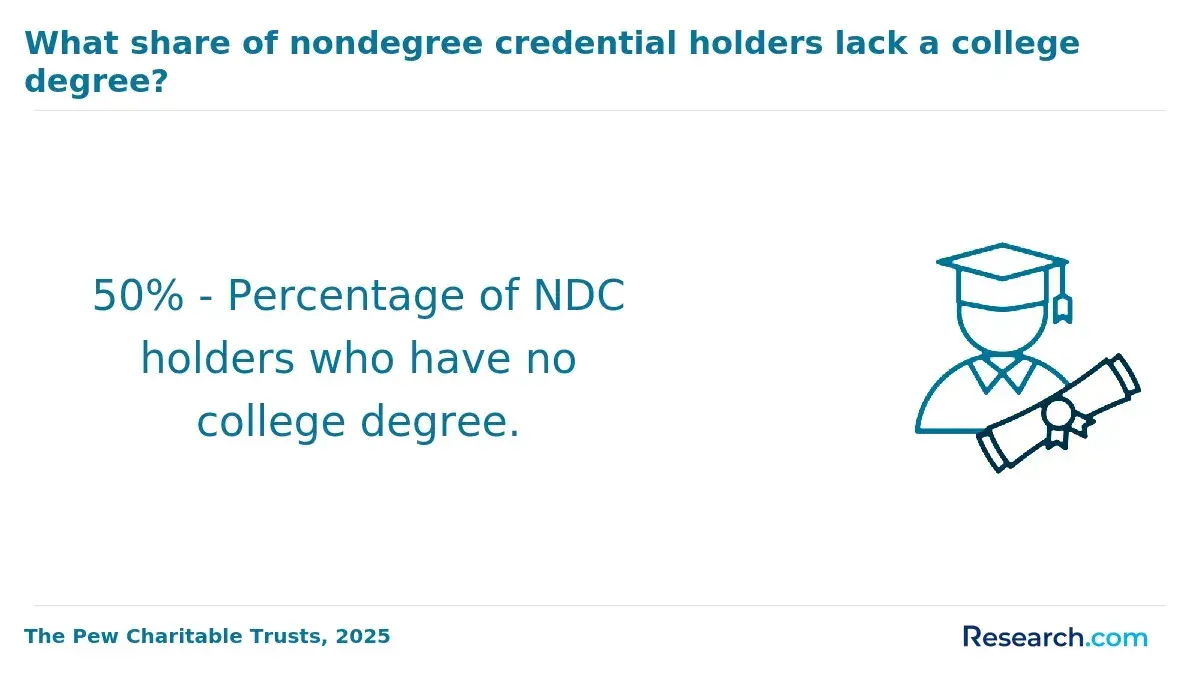
Certifications often serve as mandatory credentials in certain advertising careers, functioning as official validations of specialized knowledge and industry-recognized standards. These credentials help ensure that professionals possess the necessary skills to meet job demands and maintain quality within the field. Notably, around 35% of advertising-related positions either require or strongly prefer candidates to hold relevant certifications.
The following list highlights common certifications that set formal qualification thresholds in advertising roles:
- Google Ads Certification: This certification confirms an individual's proficiency with Google's advertising ecosystem, widely accepted as a benchmark for digital marketing expertise. Holding it can be a prerequisite for roles focused on managing paid search campaigns.
- Facebook Blueprint Certification: This credential demonstrates skill in navigating Facebook and Instagram marketing platforms. It acts as proof of competence in executing and optimizing social media advertising strategies.
- Certified Marketing Executive (CME): Tailored for senior positions, this certification validates advanced knowledge in marketing leadership and strategic decision-making, often required for management-level jobs.
- HubSpot Content Marketing Certification: By attesting to mastery in content creation and inbound marketing practices, this certification establishes foundational expertise important in roles emphasizing content strategy and engagement.
- Media Buying Certifications: These are provided by industry organizations to certify proficiency in planning, negotiating, and purchasing media placements, setting clear skill standards for media-focused careers.
When discussing certifications with a recent advertising degree graduate, he highlighted the practical challenges involved, saying, "Meeting the credential requirements felt like an extra full-time job." He recalled the extensive preparation required to pass multiple exams and the pressure of keeping certifications up to date amid a rapidly changing digital landscape. Despite these hurdles, he acknowledged that achieving these certifications helped distinguish him in a competitive market and provided clear milestones that guided his professional growth.
How Much Experience Is Required for Competitive Advertising Jobs?
Experience requirements significantly affect the competitiveness of advertising careers, as employers use these criteria to streamline candidate selection. These thresholds help ensure that applicants possess the necessary background to handle responsibilities in demanding roles. As a result, experience requirements for competitive advertising roles play a crucial role in determining who advances in the hiring process.
The following common experience levels are typically outlined in advertising job postings:
- Entry Level: Usually calls for little to no professional experience. Candidates might have internship or academic project experience but are mostly regarded as beginners or trainees.
- Early Career: Generally requires one to three years working in advertising settings. Applicants gain initial real-world exposure and develop essential skills during this phase.
- Mid Level: Expects between three to seven years of experience. Professionals at this stage manage projects, strategize campaigns, and sometimes lead small teams.
- Senior Level: Demands seven or more years of extensive industry experience. These roles often involve overseeing complex initiatives and guiding larger teams.
Higher levels of required experience narrow the pool of eligible candidates, intensifying competition. For prospective students exploring options such as an accelerated psychology degree online, recognizing these experience tiers clarifies the challenges involved in pursuing careers with the highest barriers to entry within advertising.
What Skills Are Required for High-Barrier Advertising Careers?
High-barrier advertising careers demand a unique blend of specialized and advanced skills, making entry into these roles highly competitive. Employers increasingly prioritize candidates who demonstrate mastery of complex competencies rather than relying solely on general experience. In fact, 79% of employers now seek specialized abilities when filling senior advertising positions, reflecting the rising importance of expertise.
The essential skills that raise the threshold for entry include:
- Strategic Planning: Crafting detailed campaigns that align tightly with business objectives requires foresight and analytical precision. This skill is difficult to develop but critical for driving impactful advertising initiatives.
- Data Analytics: Interpreting consumer trends, market shifts, and campaign results demands strong quantitative abilities and critical thinking. Proficiency here enables smarter decision-making and elevates job complexity.
- Creative Innovation: Standing out through original ideas that resonate with target audiences takes both inventiveness and a deep grasp of changing media environments. Creative skill sets differentiate candidates in competitive markets.
- Technical Proficiency: Mastery of advertising technologies and digital tools, which evolve rapidly, requires continuous learning. This technical expertise is fundamental to maintaining relevance and effectiveness.
- Communication and Leadership: The ability to lead teams and articulate strategies clearly is key to managing projects and driving results. Strong leadership marks those ready for demanding responsibilities.
A professional with an Advertising degree shared her experience navigating these skill demands. She noted that early on, the complexity of coordinating strategic campaigns felt overwhelming, especially when balancing creative vision with data insights. "It was a steep learning curve to switch from ideas to actionable plans that resonated with both clients and consumers," she reflected. Over time, mastering communication with diverse stakeholders became a turning point, helping her grow confidence in leadership roles. She emphasized that adapting to rapid technological changes remains challenging but rewarding, requiring ongoing effort to stay ahead. Her journey highlighted how skillful integration of these diverse competencies truly sets high-barrier advertising careers apart.
Do Some Industries Have Higher Barriers to Entry Than Others?
Entry requirements in advertising careers differ widely depending on the industry involved. Certain sectors demand stricter controls and oversight due to the nature of their products or the regulatory environment surrounding them. This results in varying levels of challenge for professionals seeking to enter these fields.
Below are some industries where barriers to entry tend to be notably higher:
- Pharmaceutical Advertising: This segment is governed by rigorous regulations aimed at ensuring that promotional content is accurate and non-deceptive. Advertisers must navigate complex medical information and comply with strict legal standards, making entry more challenging.
- Financial Services Advertising: The financial sector enforces stringent consumer protection rules. Advertising in this arena involves careful representation of banking, insurance, and investment products to avoid misleading claims, thereby increasing entry hurdles.
- Government and Defense Advertising: Advertising in the public sector often requires handling sensitive or classified materials. Security clearances and adherence to strict protocols reduce access and necessitate a higher level of trust and compliance.
- Luxury Brand Advertising: Luxury companies prioritize exclusive brand images and consistent messaging. The high expectations for creative precision and brand alignment create a more selective environment for advertisers.
- Technology and Telecommunications Advertising: Rapid innovation and complicated technical products characterize this industry. Advertisers need a deep understanding of evolving technology trends, which can serve as a significant barrier for newcomers.
Do Certain States or Regions Have Stricter Requirements?
Geographic location significantly affects entry requirements for advertising careers due to variations in state regulations and regional workforce standards. These differences influence how accessible certain roles are and shape the necessary qualifications to enter the field. Notably, roughly 27% of U.S. states impose additional licensing or registration requirements related to marketing and advertising specialties, highlighting considerable regional variation.
The following factors illustrate how regional characteristics can create stricter barriers to entry:
- State Licensing: Some states require professional licensing or registration for specific advertising disciplines, adding formal steps for practitioners. These mandates often reflect local regulatory priorities and enforcement levels.
- Consumer Protection Laws: Variations in state consumer protection statutes affect advertising practices, necessitating compliance training to meet local legal standards. This can increase the educational burden in some regions.
- Urban vs. Rural Demand: Metropolitan areas tend to feature more specialized advertising roles demanding higher credentials, while rural markets may have broader, less formalized expectations.
- Workforce Standards: Regional labor markets often establish distinct educational or experiential thresholds, responding to local industry concentration and market saturation.
- Industry Clusters: Specific regions with concentrated advertising sectors might enforce unique codes of conduct or certifications that raise entry barriers compared to less clustered areas.
These geographic and regulatory patterns lead to uneven levels of rigor in educational and professional standards across the United States advertising industry.
How Competitive Is the Hiring Process for Advertising Careers?
Competition for advertising careers is driven primarily by high applicant volumes, limited role availability, and strict employer selectivity. The advertising job market hiring challenges result in some entry-level positions receiving as many as 50 applications per vacancy, creating a competitive environment. Employers often balance the need to fill positions with the desire to hire uniquely qualified or creative candidates, which elevates the demand for distinguished applicants. This dynamic makes hiring in advertising a competitive process, where the volume of candidates significantly exceeds the number of available roles.
Such competitiveness varies widely across the industry, producing diverse hiring dynamics. Some roles are more accessible, while others-especially at top-tier agencies or specialized fields-feature rigorous screening and multiple interview stages. These highly selective positions highlight the challenges within the advertising job market hiring challenges, requiring candidates to stand out amid intense competition. Interested students can explore options through resources like the top 10 online colleges to better understand pathways into this competitive landscape.
Which Companies Are Hardest to Get Hired by in Advertising Fields?
Certain organizations in advertising fields are known for especially high selectivity due to limited job openings, rigorous evaluation standards, and prestigious reputations. Some leading firms receive thousands of applications for a single role, with acceptance rates as low as 2-3%, illustrating how competitive these environments can be. Navigating career opportunities at such companies requires understanding which types maintain the toughest hiring standards.
Below are several categories recognized as top advertising firms with toughest hiring processes:
- Large Multinational Agencies: Managing global campaigns for major brands, these agencies attract vast applicant pools. The competition is fierce, and rigorous vetting processes are applied to select only the most qualified candidates.
- Highly Selective Boutique Firms: These specialized teams focus on niche markets and maintain elite status by hiring sparingly. Emphasis is placed on cultural fit and demonstrated creativity, making entry highly competitive.
- In-House Marketing Teams at Major Corporations: Corporate marketing departments of renowned brands offer limited roles that necessitate precise experience and performance standards. These teams carefully screen candidates to uphold brand integrity.
- Creative Consultancies: Centered on cutting-edge advertising techniques, these firms implement strict portfolio reviews and interviews to identify exceptional talent.
- Media Conglomerates: Controlling extensive advertising inventories, these large organizations require comprehensive skill sets, resulting in notoriously selective hiring processes.
Prospective advertising students interested in highly competitive advertising agencies to work for should also consider educational paths carefully. For those looking to complement their career with additional skills, urban planning masters programs offer valuable interdisciplinary insights relevant to marketing strategy and consumer environments.
Do Difficult Advertising Careers Lead to Higher Salaries?
Careers in advertising with higher barriers to entry typically command higher salaries, reflecting the specialized skills and qualifications required. Industry data shows that roles demanding the most rigorous credentials can offer compensation up to 30% greater than those with easier access. This trend underlines how scarcity and expertise contribute to increased earning potential. However, understanding the impact of education and experience on advertising salaries is essential, as these factors often drive the payoff in more competitive positions.
The link between entry difficulty and salary is not uniform across all advertising career paths. Some highly demanding roles may experience limited salary growth or market demand, while positions with lower barriers can sometimes provide lucrative pay, especially in strategic or in-demand niches. It is important to recognize that salary outcomes depend on multiple variables beyond entry challenges, including evolving industry trends and company dynamics. For students exploring options, resources like environmental engineering schools online underscore the varied educational routes that influence career trajectories in advertising fields.
What Graduates Say About Advertising Careers With the Highest Barriers to Entry
- Danny: "Choosing an advertising degree wasn't easy knowing the industry's competitive nature and high entry barriers. However, embracing these challenges pushed me to develop a strong creative portfolio and networking skills early on, which made all the difference. This degree truly prepared me to face demanding clients and fast-paced campaigns with confidence."
- Jamir: "Reflecting on my journey, the most crucial step was investing in internships and real-world projects to enhance my advertising career prospects. The degree gave me a solid foundation, but the practical experience boosted my confidence and industry connections tremendously. I can honestly say it was a transformative experience that shaped my professional path."
- Ethan: "Advertising careers often seem daunting due to fierce competition, but my degree empowered me with strategic thinking and communication skills essential to stand out. The rigorous coursework challenged me to think beyond conventional methods, fostering adaptability in a rapidly evolving field. The impact on my career trajectory has been profound and rewarding."
Other Things You Should Know About Advertising Degrees
Internships play a crucial role in high-barrier advertising careers by providing real-world experience and networking opportunities within the industry. Competitive companies often look for candidates who have completed internships at reputable firms, as these experiences demonstrate a proven ability to work in fast-paced, professional environments and contribute effectively to advertising teams.
Advanced degrees, such as a master's in advertising, marketing, or communications, can improve access to difficult advertising careers by offering specialized knowledge and a research-based approach. These degrees also enable candidates to develop leadership skills and understand emerging trends, which are valuable in senior and strategic advertising positions.
Networking is fundamental for breaking into competitive advertising positions as many jobs are filled through industry contacts and referrals. Building relationships with professionals at industry events, conferences, and online platforms can open doors to opportunities not publicly advertised and allow candidates to gain mentorship and guidance to navigate complex hiring processes.
References
- The best professional certificates in marketing 2026 from MDIT https://mdit.edu.sa/en/blog/the-best-professional-certifications-in-marketing
- How Hard Is It to Get a Job in Advertising? | book180 Blog https://book180.com/blogs/how-hard-is-it-to-get-a-job-in-advertising
- Why the Highest-Paying Marketing Jobs Are the Hardest to Master. https://www.modernghana.com/news/1456847/why-the-highest-paying-marketing-jobs-are-the-hard.html
- 12 Skills Needed for a Successful Career in Advertising https://www.careeraddict.com/top-10-skills-needed-for-a-job-in-advertising
- Top Soft and Hard Skills for Marketers in 2026 https://hyperisland.com/en/blog/hyper-insights/top-soft-and-hard-skills-for-marketers
- Best And Worst States For Marketers - MarketingHire https://marketinghire.com/salary-hiring-research-trends/the-best-and-worst-u-s-states-for-marketing-professionals
- The hardest marketing jobs in the world https://www.marketingweek.com/the-hardest-marketing-jobs-in-the-world/
- Recruitment Advertising: The Ultimate Guide for 2024 https://www.talentlyft.com/blog/recruitment-advertising-the-ultimate-guide-for-2024
- Best Recruitment Advertising Campaigns of 2025 (and What You Can Learn From Them) https://www.wonderkind.com/blog/best-recruitment-advertising-campaigns-of-2025-and-what-you-can-learn-from-them
- DeepReach | Agencies are struggling to recruit, and this is just the beginning! https://www.deepreach.com/media/agencies-are-struggling-to-recruit-and-this-is-just-the-beginning


