
2027 Which Employers Hire Theology Degree Graduates? Industries, Roles, and Hiring Patterns

Co-Founder and Chief Data Scientist
Graduates holding a theology degree often confront uncertainty about where to direct their job search-should they focus on religious institutions, education, or nonprofit sectors? Understanding which industries actively employ theology graduates remains crucial as 34% of these graduates find roles outside traditional church settings within their first five years. Employers span from faith-based organizations to universities and community service agencies-each with distinct hiring patterns and role expectations.
This article explores the key industries, common job functions, and structural hiring trends that shape employment opportunities for theology graduates, providing readers with a clear framework to navigate career decisions and align their educational focus with market realities.
Key Things to Know About the Employers That Hire Theology Degree Graduates
- Theology graduates predominantly find employment in religious organizations, educational institutions, and nonprofit sectors-fields that value ethical leadership and community engagement skills.
- Roles often begin with entry-level ministry or academic support positions, advancing toward counseling, administration, or chaplaincy as professionals gain experience and credentials.
- Hiring patterns reveal geographic concentration in regions with higher religious institution density-such as the American South and parts of Europe-where demand for theology expertise remains stable or grows.
Which Industries Hire the Most Theology Degree Graduates?
Identifying the industries hiring the most theology degree graduates in the United States is a crucial foundation for aligning academic preparation with career opportunities. Drawing on data from the Bureau of Labor Statistics (BLS), National Center for Education Statistics (NCES), and LinkedIn Workforce Insights, several top sectors employing theology graduates and career opportunities emerge with clear distinctions in role demands and industry context.
- Religious Organizations: Leading in volume, churches, mosques, synagogues, and faith-based institutions rely on theology graduates for core roles like clergy, pastoral counseling, and religious education, where theology knowledge is integral to leadership and operations.
- Education: K-12 schools, seminaries, and religious-affiliated colleges employ theology graduates as educators, curriculum developers, and administrators. Here, theology serves both academic and formation purposes, placing graduates squarely in teaching and ministry support roles.
- Nonprofit Organizations: Many nonprofits focusing on social justice and community outreach recruit theology graduates for program coordination and ethical leadership, where understanding cultural-religious contexts is essential to mission-driven work.
- Healthcare and Counseling Services: Hospitals, rehabilitation centers, and counseling clinics utilize theology graduates largely in chaplaincy and spiritual care-showing theology as a support function integrated into holistic patient treatment.
- Government and Public Service: Some agencies hire theology graduates in ethics advisory, community relations, and social services, often favoring those with graduate-level theology specialization for these roles.
- Publishing and Media: Religious publishers and educational media employ theology graduates as writers and editors specializing in faith-focused content, demanding expertise for accuracy and engagement.
- Corporate Sector: Though less frequent, some corporations with ethical or faith-oriented missions hire theology graduates in corporate social responsibility, ethics compliance, or diversity and inclusion.
Industry concentration varies by degree level and theology specialization-associate degree holders typically enter support or administrative roles; bachelor's graduates are prevalent in education and nonprofit sectors; while graduate degree holders dominate leadership, academia, and specialized counseling. This analysis of industries hiring theology degree graduates provides a strategic perspective for students and professionals exploring career fit, geographic markets, and specialization pathways. For those considering cost-effective education options aligned with these career goals, exploring cheapest online colleges can support informed academic investment decisions.
What Entry-Level Roles Do Theology Degree Graduates Typically Fill?
Theology degree graduates often enter the workforce through diverse roles that leverage their analytical skills, ethical reasoning, and cultural literacy. Using BLS Standard Occupational Classification data, NACE Early Career Salary Survey results, and graduate employment reports, several common entry-level job titles emerge that align closely with core theology competencies. These roles vary by industry sector and organizational mission but share foundational aspects shaped by theology studies-a useful framework for students exploring entry-level theology degree jobs in the United States.
- Religious and Community Services:
- Core responsibilities: Assisting in program coordination, pastoral care support, and community outreach.
- Typical reporting structure: Reporting to senior clergy or program directors within churches or faith-based nonprofits.
- Theology competencies: Deep knowledge of religious texts, cultural sensitivity, and interpersonal communication skills enable graduates to engage varied communities effectively.
- Educational Roles:
- Core responsibilities: Supporting curriculum development, teaching assistant duties, and administrative tasks in schools or higher education settings.
- Typical reporting structure: Supervised by faculty or school administrators, focusing on content delivery and student interaction.
- Theology competencies: Ethical frameworks and philosophical inquiry enrich classroom discussions and teaching methods.
- Nonprofit and Advocacy Coordination:
- Core responsibilities: Managing outreach campaigns, coordinating volunteers, and preparing policy briefs.
- Typical reporting structure: Reporting to program managers or nonprofit directors, acting as liaisons with external stakeholders.
- Theology competencies: Critical thinking and ethical reasoning enable navigation of complex social issues and advocacy for marginalized groups.
- Research and Analysis:
- Core responsibilities: Conducting cultural or ethical research, data gathering, and producing analytical reports.
- Typical reporting structure: Part of research teams in think tanks, academic centers, or consulting firms, reporting to lead analysts or project heads.
- Theology competencies: Analytical rigor in scripture interpretation and historical context supports qualitative data assessment and systematic synthesis.
- Corporate and Consulting:
- Core responsibilities: Serving as associate consultants or analysts, focusing on organizational ethics, corporate social responsibility, and diversity initiatives.
- Typical reporting structure: Reporting to senior consultants or corporate managers, integrating theological ethical frameworks into business strategy.
- Theology competencies: Moral philosophy and intercultural communication skills help align business practices with ethical standards.
The scope of entry-level titles varies-this same theology competency set can lead to nonprofit coordinator roles, analyst positions in financial services, or associate consultant roles in management consulting. Graduates should map these roles to their degree concentrations, internships, and portfolio work to identify the best fit. For example, those focused on interfaith dialogue with community-based internships may excel in nonprofit coordination, while graduates with research experience might pursue analytical or consulting roles.
Job seekers evaluating career paths in theology will also find value in exploring CACREP accredited programs that can complement their ethical and counseling skills needed in many roles.
What Are the Highest-Paying Employer Types for Theology Degree Graduates?
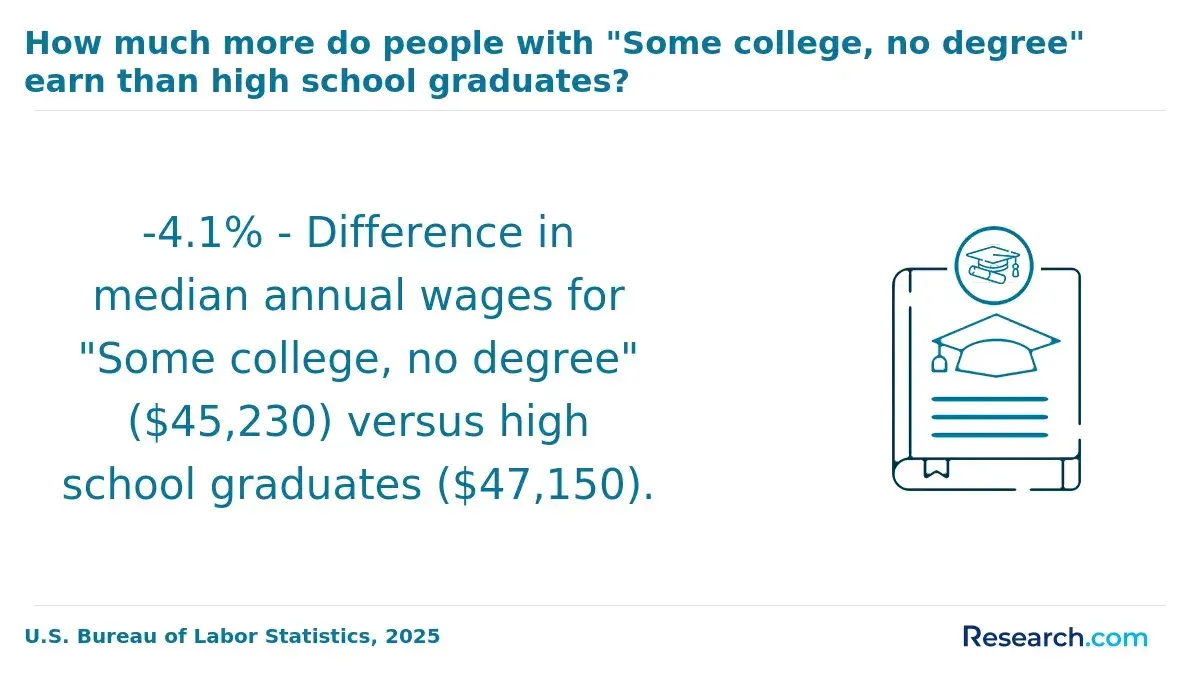
Theology degree graduates tend to find the highest salaries in organizations where revenue per employee is substantial and ethical expertise is prized. Among these, Financial Services firms such as banks, insurance companies, and investment groups lead with strong starting and mid-career pay-leveraging theology graduates' skills in compliance, ethics, and diversity initiatives. Technology Firms, especially those backed by investors or publicly traded, also offer competitive salaries and stock options, valuing graduates for roles in corporate social responsibility, ethics councils, and cultural competency programs. High revenue and fierce competition for talent bolster these compensation packages.
- Professional Services Consultancies: These firms prioritize analytical and ethical acumen, providing above-average pay and bonuses in management consulting, legal compliance, and advisory roles.
- Government Agencies: While base pay is typically more modest, government positions compensate with solid benefits, retirement plans, and greater job stability, often encompassing roles from chaplaincy to policy advising.
- Nonprofit Organizations: Offering lower starting salaries, nonprofits appeal through mission-driven work in program management and advocacy, though financial rewards are generally limited compared to private sectors.
Privately held firms with significant profits tend to allocate more resources toward base salary and bonuses. Meanwhile, government and nonprofit employers balance lower pay with job security and pensions. Total compensation should be seen as a blend of salary, bonuses, equity, benefits, and career growth potential. A high starting salary without advancement or a positive work environment might ultimately yield a lower lifetime income than a position with more gradual pay growth but stronger professional development.
Reflecting on his path, a professional who graduated with a theology degree recalls the challenge of navigating employer types early on. "I was surprised by how few options matched my desire for ethical work and financial viability," he shared. "Applying broadly, I weighed not just salary but company culture and growth potential. When I landed a role in a finance firm focusing on compliance, the balance of good pay and meaningful duties felt right. It wasn't just about the paycheck-it was about building a career that aligned with my values while supporting my future."
Do Large Corporations or Small Businesses Hire More Theology Degree Graduates?
Data from the U.S. Census Bureau's Statistics of U.S. Businesses, the BLS Quarterly Census of Employment and Wages, and NACE hiring intention surveys highlight distinct hiring trends by employer size for theology degree graduates. While Fortune 500 corporations and major nonprofits employ some graduates, most begin their careers in small businesses and faith-based organizations.
- Large Corporations: These companies provide structured onboarding, formal training programs, and clear promotion pathways. Their established brand names strengthen résumés, though new hires may face narrower roles and more hierarchical layers early on.
- Small Businesses and Nonprofits: Smaller entities often assign theology graduates a wider range of responsibilities-across administration, programming, and community engagement-enabling rapid skill development and quicker advancement. However, these employers might lack formal training and comprehensive benefits.
- Mid-Market Employers: Mid-sized organizations combine moderate operational structure with flexible decision-making, offering a balance between the environments found at small and large employers.
Choices about employer size often align with theology sub-disciplines. Graduates in academic or organizational theology lean toward large institutions or religious nonprofits, while those specializing in pastoral care or community ministry frequently thrive in small congregations or mission-driven startups.
Employer size should be considered alongside factors like industry sector, mission alignment, regional opportunities, and growth potential. This holistic view helps theology graduates target roles matching their career goals and preferred work environments. For tailored research on advanced learning paths, consider exploring anchors part-time Ph.D. in economics.
How Do Government and Public Sector Agencies Hire Theology Degree Graduates?
Government and public sector employers follow structured hiring systems for theology graduates-primarily guided by the General Schedule (GS) classification. Positions relevant to theology typically fall between GS-7 and GS-9 entry levels, with pay bands influenced directly by educational attainment and experience. Federal roles are usually filled via competitive service routes managed through USAJobs, which require merit-based applications and formal assessments. Certain agencies-such as the Department of Veterans Affairs or Intelligence Community-use excepted service hiring where standard procedures may be waived but specialized credentials often become essential.
- Security Clearances: Roles involving sensitive information, especially in chaplaincy or counseling within the Department of Defense or Homeland Security, often necessitate thorough background checks and security clearances.
- Credential Prioritization: Besides theology degrees, agencies highly value certifications like counseling licenses or interfaith training, which can enhance hiring prospects and impact pay scales.
- Employment Stability: Public sector theology jobs tend to offer solid job security, defined-benefit pension plans, and comprehensive healthcare, contrasting with more volatile private-sector work. However, salary increases may be gradual, and career advancement follows fixed timelines.
- Key Agencies: Departments employing theology graduates include Veterans Affairs, Health and Human Services-especially in mental health and outreach-Defense (chaplain corps), and various state and local social or public health agencies.
- Early Career Programs: Fellowship and internship opportunities such as VA Chaplain residencies or HHS community engagement programs provide invaluable practical experience and potential pathways to permanent federal employment.
A professional who built her career after earning a theology degree reflected on the public sector hiring process as rigorous but fair. She recalled the challenge of navigating the detailed USAJobs application and waiting through lengthy security clearance procedures, which required patience and persistence. "It felt like a marathon," she noted, appreciating how the structured pace allowed careful consideration of each candidate. She valued the mentorship gained during fellowship placements-calling it a crucial platform that connected academic learning to real-world public service. Although the advancement timeline was slower than expected, the stability and comprehensive benefits made the experience worthwhile.
What Roles Do Theology Graduates Fill in Nonprofit and Mission-Driven Organizations?
Theology graduates frequently engage with nonprofit and mission-driven organizations where expertise in ethics, cultural understanding, and community involvement is highly sought after. These individuals often contribute in sectors such as faith-based outreach, social justice initiatives, community development, and education-focused ministries.
Key roles undertaken by theology graduates include:
- Program Coordination: Overseeing community initiatives aligned with organizational goals, requiring skills in event management, volunteer coordination, and stakeholder relations.
- Pastoral and Spiritual Care: Offering counseling and emotional support within nonprofit settings, bridging spiritual, social, and clinical needs.
- Grant Writing and Fundraising: Applying communication and ethical reasoning to secure funds vital for sustaining nonprofit missions while fostering authentic donor relationships.
- Education and Outreach: Crafting and delivering educational programs that emphasize theological principles and promote social consciousness in diverse community venues.
- Leadership and Advocacy: Championing marginalized communities through policy development and spearheading campaigns addressing poverty, human rights, and environmental concerns.
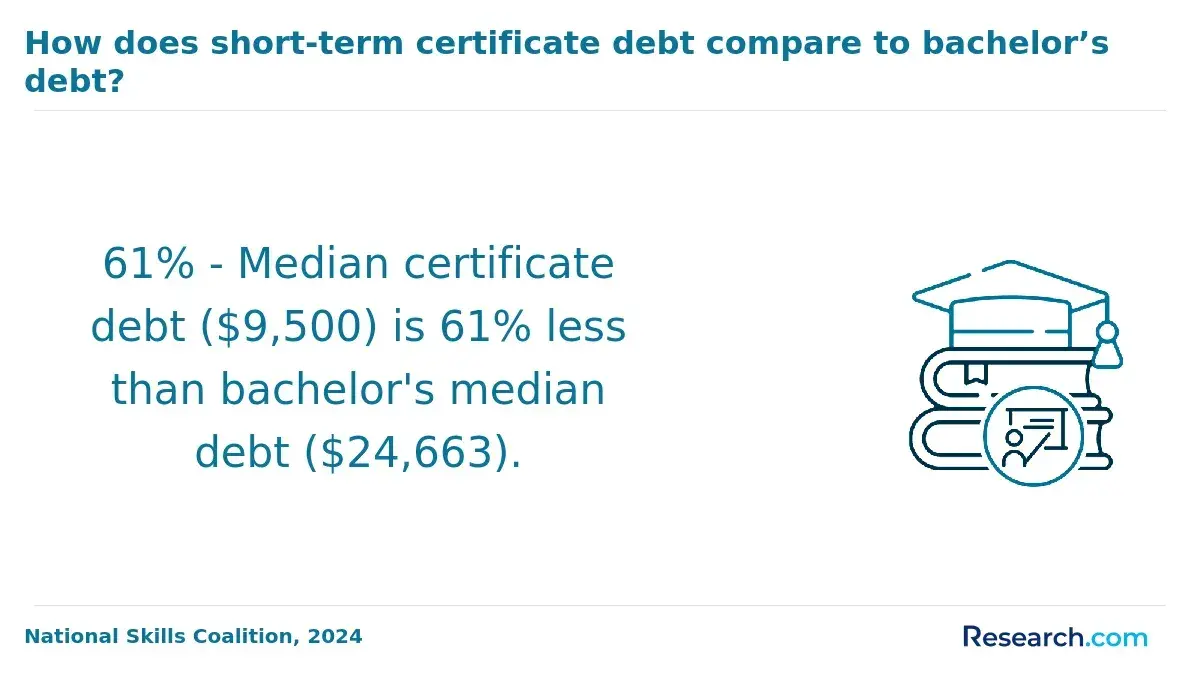
Nonprofit roles typically contrast with private sector jobs in that they demand broader skillsets and multifunctional responsibilities, reflecting a culture that values collaboration and mission over hierarchy and profit. Job titles may be less specialized, and though salaries tend to be lower than private industry, early-career theology professionals often gain accelerated growth in versatile skill areas.
A growing faction of mission-driven for-profits-such as benefit corporations, certified B Corporations, social enterprises, and impact startups-offers theology graduates opportunities to integrate social purpose with business models. These options generally provide improved compensation while maintaining strong ethical commitments.
For those pursuing mission-centered work, key considerations include:
- Compensation Trade-Offs: Starting salaries in nonprofit roles usually trail their private-sector counterparts, but loan forgiveness programs like Public Service Loan Forgiveness (PSLF) can mitigate this.
- Skill Development: Nonprofits often require flexible, cross-disciplinary expertise, fostering rapid adaptation though sometimes limiting earnings potential.
- Organizational Purpose: The intrinsic rewards-such as community impact and meaningful engagement-often offset financial constraints for many graduates.
How Does the Healthcare Sector Employ Theology Degree Graduates?
The healthcare sector employs theology degree graduates across diverse organizations that value their ethical reasoning, communication, and behavioral science expertise. Key employers include hospital systems, insurance carriers, pharmaceutical companies, public health agencies, and health tech startups. These sectors leverage graduates' unique competencies to enhance patient care, policy development, and organizational culture.
- Hospital Systems: Serve in chaplaincy, patient advocacy, and ethics committees, where moral reasoning and empathetic communication are essential.
- Insurance Carriers: Engage in policy research, claims management, and compliance, applying analytical skills alongside ethical considerations in coverage decisions.
- Pharmaceutical Companies: Work in corporate communications and community outreach, utilizing messaging expertise and stakeholder engagement rooted in theology studies.
- Public Health Agencies: Contribute to program management, policy analysis, and community health education by integrating behavioral science and cultural competence.
- Health Tech Startups: Support user experience design and operations management through understanding human behavior and organizational ethics.
The transferability of theology competencies to healthcare varies-ranging from data analysis and operations management to communications, policy research, financial management, and behavioral science applications. Graduates should assess their strongest skill intersections to target roles effectively. Compliance with healthcare's regulatory environment is critical, as many roles necessitate additional licensure or certification such as Certified Healthcare Chaplain or Health Information Technician. Sector-specific knowledge often supplements theology training to meet credentialing demands.
Growth Trajectory: Healthcare employment remains robust, driven by aging populations and expanding services. Public health and health tech sub-sectors especially offer accelerated growth and compelling opportunities for theology graduates.
Recession-Resilience: Healthcare consistently outperforms many industries during economic downturns, affording graduates relative job security while enabling them to apply their ethical, communicative, and analytical strengths to vital roles.
Which Technology Companies and Sectors Hire Theology Degree Graduates?
Technology companies hiring theology degree graduates in the US illustrate a dynamic intersection where humanities skills complement technical expertise. Labor market analytics from LinkedIn Talent Insights, BLS technology sector data, and Burning Glass/Lightcast reports reveal theology graduates often occupy roles that influence ethical frameworks, cultural literacy, and interdisciplinary research within tech environments.
- Tech-Core Employers: These firms focus on software, hardware, or digital services but increasingly value candidates from theology backgrounds for product strategy, ethical AI development, user experience, and content moderation-areas that benefit from theological insights into ethics and cultural diversity.
- Technology Functions in Non-Tech Firms: Theology graduates also support digital transformation, IT governance, and emerging technology adoption in sectors outside pure technology, leveraging their critical thinking, policy analysis, and communication skills.
- Skills-Based Hiring Trends: The tech sector's shift toward valuing adaptability, collaboration, and ethical reasoning-especially within remote-first, cross-disciplinary teams-broadens access for theology graduates who may lack traditional coding credentials but bring strong project management and decision-making portfolios.
- Growth Sectors for Theology Competencies: Rapid growth in specific tech sub-sectors requires humanities-informed expertise:
- Health Tech: Navigating ethical patient data use and culturally sensitive service design.
- Fintech: Promoting ethical finance practices, compliance, and culturally aware consumer communication.
- Edtech: Creating inclusive educational platforms mindful of diverse spiritual perspectives.
- Climate Tech and AI: Informing policy ethics and societal impact assessments related to sustainability and AI deployment.
- Effective Entry Points: Graduates targeting technology employers should emphasize interdisciplinary ethics research, communication, and governance experience in their resumes and portfolios to align with employer needs.
Serving as a guide to the top technology sectors employing theology graduates nationwide, this landscape supports strategic career planning-whether for internship targeting, specialization selection, or geographic positioning. Working professionals interested in advancing their qualifications may explore options such as the best AACSB online MBA programs that can complement theology backgrounds with business and leadership acumen.
What Mid-Career Roles Do Theology Graduates Commonly Advance Into?
Mid-career roles for theology graduates in the United States typically develop about five to ten years into their careers-this phase reflects a shift from foundational work toward more specialized or leadership positions. Using data from the Bureau of Labor Statistics, LinkedIn career progression analytics, and NACE alumni outcome reports, clear patterns emerge showing how common job titles and skills evolve during this period.
- Leadership Roles: Many theology degree holders transition into leadership positions within religious organizations, nonprofits, or corporate social responsibility departments. Titles such as Director of Ministry, Program Manager, or Chaplain are often indicative of this mid-career stage.
- Specialization Paths: Depth of expertise increases as graduates pursue fields like pastoral counseling, ethics consultancy, or religious education administration. Obtaining graduate degrees like a Master of Divinity or professional certifications in counseling or nonprofit leadership supports these pathways.
- Credential Development: Mid-career advancement strongly correlates with adding credentials-advanced theological degrees, certifications in counseling, leadership training, and project management qualifications are common. Early investment in communication, conflict resolution, and organizational skills is essential for upward mobility.
- Industry Variations: Advancement opportunities vary considerably by employer type. Graduates starting in large institutions often follow more structured promotion ladders that result in middle management or department head roles. Conversely, those employed by startups or smaller nonprofits may navigate lateral moves, requiring purposeful skill development and networking to generate advancement chances.
- Functional Transitions: Many professionals pivot mid-career into sectors such as nonprofit development, education administration, or community outreach-leveraging their theology background alongside project and people management competencies.
This mid-career landscape complements entry-level foundations and provides a clear framework for career decision-making, highlighting how organizational context-along with credential-building-shapes the trajectory for theology graduates. For those exploring further education options, understanding what can I do with a masters in forensic psychology may also be informative for interdisciplinary or dual-career interests.
How Do Hiring Patterns for Theology Graduates Differ by Geographic Region?
Geographic factors significantly influence employment outcomes for Theology graduates across the United States. In large metropolitan centers such as New York City, Boston, and Washington, D.C., demand for Theology degree holders is strongest-driven by a dense network of universities, religious organizations, government bodies, and nonprofits that serve as major employers. These markets also offer higher salaries, reflecting both local living costs and the presence of well-funded institutions valuing advanced theological expertise.
Mid-sized cities like Pittsburgh, Atlanta, and Minneapolis provide a balance of affordable living and diverse job opportunities. In these regions, certificates and specialized bootcamps aligned with local needs in faith-based education, social services, and community outreach can lead to rewarding careers. Smaller towns and rural areas tend to have lower overall demand but offer niche roles in church leadership or local nonprofits, typically preferring candidates with traditional degrees who have established community connections.
The rise of remote and hybrid work since 2020 has reshaped this landscape-expanding access to high-paying Theology roles for graduates in lower-cost locations but also intensifying competition nationwide. This shift necessitates strategic job searches and careful tailoring of applications to stand out. Flexibility in geographic mobility can provide faster placement and improved compensation, while those confined to specific locales should identify local employers with consistent hiring needs to maximize opportunities.
- Top Metropolitan Areas: New York, Boston, and Washington, D.C. lead in Theology hiring volume and salary due to institutional density and economic structure.
- Mid-Sized Markets: Pittsburgh, Atlanta, and Minneapolis offer cost-effective career opportunities with diverse employer types.
- Remote Work Effects: Job openings have grown nationally by over 40% since 2020, increasing both access and competition for remote Theology roles.
- Career Strategy: Geographic flexibility enhances job placement and earnings; targeted local market research benefits those with limited mobility.
What Role Does Internship Experience Play in How Employers Hire Theology Graduates?
Internship experience plays a pivotal role in shaping employment outcomes for Theology graduates, strongly influencing hiring decisions and career progression in related fields. Data from the National Association of Colleges and Employers (NACE) Internship and Co-op Survey indicate that theology students with completed internships secure job offers more frequently and experience shorter job searches after graduation compared to those without such experience. These graduates also tend to receive higher starting salaries, reflecting employers' trust in their practical skills and readiness for professional roles.
- Internship Quality: The prestige and relevance of internship placements matter greatly-engagements with respected organizations in ministry, religious education, nonprofits, or faith-based nonprofits serve as powerful endorsements. Such experiences function as credential multipliers, signaling both cultural alignment and clear career focus to current and prospective employers, thereby enhancing long-term employability beyond entry-level roles.
- Access Disparities: Significant barriers persist for students from low-income households, institutions with limited employer connections, and regions lacking abundant internship opportunities. These inequities restrict access to valuable practical experiences, perpetuating uneven hiring success across diverse candidate pools.
- Mitigation Strategies: Innovative approaches are expanding internship accessibility, including virtual internships, cooperative education models that combine academic credit with paid work, and employer diversity recruitment initiatives designed to broaden candidate selection.
- Strategic Guidance: Theology students should prioritize internship applications early-ideally by the fall of their junior year-and focus on organizations aligned with their vocational goals. Leveraging university career centers, alumni networks, and faculty as resources strengthens applications and networking opportunities, increasing placement chances.
- Recent Trend: A 2023 NACE report highlights that 72% of theology graduates completing internships received job offers within six months, compared to 47% without internships, underscoring the critical impact of experiential learning.
What Graduates Say About the Employers That Hire Theology Degree Graduates
- Martin: "Graduating with a degree in theology opened my eyes to opportunities beyond traditional religious settings. I discovered employers ranging from nonprofit organizations to educational institutions who value the analytical skills theology graduates bring-especially in roles related to community outreach and program development. Interestingly, these employers often have strong hiring patterns in urban areas known for diverse cultural and religious communities, which aligned perfectly with my desire to engage in vibrant, dynamic markets."
- Perry: "My experience studying theology truly reshaped my understanding of career paths; I find myself reflecting on the wide range of organizational types that seek out graduates like me. Many employers in the healthcare sector and social services appreciate the ethical and pastoral perspectives we offer, creating unique roles in counseling and chaplaincy. I've noticed a clear trend-geographic hubs with established faith-based networks tend to have more consistent hiring, particularly in the Northeast and Midwest regions."
- Curtis: "Theology graduates like myself often step into diverse industries-from academia to public policy-where our skills in critical thinking and cultural literacy are in high demand. Employers typically include religious organizations, think tanks, and even government agencies, with roles focusing on research, education, and advocacy. Observing hiring patterns, I've seen a steady growth in international markets, suggesting that a theology degree can open doors globally, which is thrilling for those eager to make an impact worldwide."
Other Things You Should Know About Theology Degrees
Graduate degree holders in theology generally have stronger hiring prospects than those with only a bachelor's degree. Employers often seek advanced knowledge, research skills, and specialized expertise typically gained through master's or doctoral programs. These higher qualifications open doors to roles in academia, leadership positions within religious organizations, and specialized counseling or educational careers.
In 2027, portfolios and extracurricular activities play a critical role for theology graduates seeking jobs. Employers often value hands-on experience and involvement in community service or church activities, as it highlights practical skills and real-world impact, enhancing employability in roles aligned with their degree.
The job market for theology graduates is expected to grow modestly, driven largely by demand in religious institutions, nonprofit organizations, and education sectors. While some traditional clergy roles may see slower growth, there is increasing opportunity in areas such as counseling, chaplaincy, and religious education. Graduates who adapt to interdisciplinary skills and digital communication trends will be better positioned in evolving job markets.
Diversity, equity, and inclusion (DEI) initiatives are increasingly shaping hiring practices within theology-related fields. Employers are prioritizing candidates who demonstrate cultural competency and an inclusive approach to ministry and scholarship. These initiatives often encourage the recruitment of theology graduates from varied backgrounds to better serve diverse communities and foster a broader understanding of faith traditions.
References
- Making sure you're not a bot! https://www.ssoar.info/ssoar/bitstream/handle/document/24639/ssoar-2010-04-hoare_et_al-the_regional_geography_of_new.pdf
- Medical doctor connects faith and health care through theology degree https://news.newmanu.edu/theology-degree/
- Small businesses say they aren’t planning to hire many recent graduates for entry-level jobs – here’s why https://theconversation.com/small-businesses-say-they-arent-planning-to-hire-many-recent-graduates-for-entry-level-jobs-heres-why-272020
- What can you do with a degree in theology? https://www.catholicmoraltheology.com/p/what-can-you-do-with-a-degree-in-theology
- “What Do I Do With My Degree in Religion?”: Finding a Job in National and International Development - AAR https://aarweb.org/news/what-do-i-do-with-my-degree-in-religion-finding-a-job-in-national-and-international-development/
- What you can do with a degree in... theology https://www.unifrog.org/know-how/what-you-can-do-with-a-degree-in-theology
- Exploring Theology Graduate Careers: A Deep Dive at Mount Carmel Seminary https://mcscollege.com/resources/uncovering-the-potential-of-theology-graduate-careers
- The "Why?" of Internships for Ministry Preparation - The Good Book Blog - Biola University https://www.biola.edu/blogs/good-book-blog/2012/the-why-of-internships-for-ministry-preparation
- Exploring Career Paths After Graduating in Theology: Beyond the Pulpit https://la.oikos.edu/the-highest-ranked-university/
- Theology Students: Do They Complete Internships? https://www.faithonview.com/do-theology-students-complete-internships/


