
2027 Which Industries Offer the Best Career Paths for Mental Health Counseling Degree Graduates?

Co-Founder and Chief Data Scientist
Graduates with a mental health counseling degree often face uncertainty when choosing an industry-balancing compensation, job stability, advancement, and workplace culture proves challenging. One sector might offer competitive pay but limited growth, while another provides strong mission alignment yet lower wages. According to the U. S. Bureau of Labor Statistics, the average annual wage for mental health counselors in healthcare settings is 15% higher than in educational institutions. This article explores the industries that deliver the best combination of financial reward, career development, and supportive environments-offering data-driven insights to guide graduates toward sustainable, fulfilling career paths.
Key Things to Know About the Industries That Offer the Best Career Paths for Mental Health Counseling Degree Graduates
- The healthcare industry offers strong salary growth-median pay is 25% above average-and robust advancement opportunities, especially within integrated care settings supporting licensed counselors.
- Educational institutions provide stable employment, with flexible schedules and increasing demand for mental health support staff amid rising student wellness initiatives.
- Government agencies combine competitive compensation with comprehensive benefits and structured career ladders-remote work options continue expanding within veteran and community mental health programs.
Which Industries Offer the Highest Starting Salaries for Mental Health Counseling Degree Graduates?
Graduates with a mental health counseling degree often encounter notably different starting salaries depending on the industry they enter. The highest entry-level pay typically aligns with sectors where specialized expertise meets organizational resources and sustained growth potential. Drawing from the latest Bureau of Labor Statistics Occupational Employment and Wage Statistics data, several industries offer premium starting wages for mental health counseling degree graduates.
- Federal Executive Branch: This sector offers some of the highest starting salaries thanks to structured pay scales, extensive benefits, and a demand for specialized professionals. Positions often involve support for veterans, military families, and federally funded mental health initiatives-areas with stable funding and complex missions that drive superior compensation.
- Outpatient Mental Health and Substance Abuse Centers: These centers pay more than residential or correctional settings, reflecting the need for specialized dual diagnosis expertise and management of long-term outpatient care plans. Increasing awareness of mental health challenges and expanded treatment access have created labor shortages, pushing wages upward.
- Hospitals: Particularly in psychiatric and integrated behavioral health units, hospitals provide competitive starting pay due to the acute care environment's complexity and necessity for quick clinical decision-making alongside multidisciplinary teams. Their stronger financial footing compared to community providers also supports higher salaries.
- School Systems-Specialized Counseling Roles: While general school counseling offers moderate pay, specialized mental health and behavioral intervention roles command better compensation. This shift reflects growing recognition of student mental health needs and legislative mandates enhancing service provisions.
- Insurance Carriers and Managed Care Organizations: Counselors involved in utilization review and care coordination often receive higher starting salaries. These roles require expertise in clinical assessment and policy navigation, with salary premiums tied to the sector's profitability and administrative complexities.
- Private Practice and Group Counseling Clinics: Compensation varies widely by location and clientele but can rise substantially in lucrative urban markets. Advanced credentials and niche expertise attract higher pay, and entrepreneurial counselors benefit from strong referral networks boosting earnings.
- Correctional Facilities and Forensic Counseling: Elevated starting pay in this challenging, high-risk environment results from specialized training needs and labor shortages. Qualified professionals willing to work in correctional mental health can access better compensation due to safety concerns and demand scarcity.
Mental health counseling careers with top entry-level salaries in leading industries do not solely depend on starting pay. Career advancement, job stability, professional development investment, and mission alignment all play essential roles in long-term satisfaction and success. For those considering a degree in the field or evaluating career pivots, understanding these dynamics is critical.
Additionally, many students balancing work and education explore flexible pathways-such as an RN to BSN program without clinicals-which illustrate how specialized credentials can enhance opportunities across health-related fields.
What Are the Fastest-Growing Industries Actively Hiring Mental Health Counseling Graduates Today?
The fastest-growing industries hiring mental health counseling graduates draw from demographic shifts, economic forces, and evolving social attitudes toward well-being. BLS employment projections highlight sectors with above-average expansion, offering distinct pathways for those seeking meaningful careers.
- Healthcare Services: Aging populations create heightened demand for integrated care-combining physical and mental health-that sustains the largest employment base for mental health counselors. Hospitals, outpatient facilities, and specialized clinics lead growth fueled by regulatory emphasis on accessible behavioral health services.
- Education and Child Services: Increasing recognition of youth mental health challenges drives school systems and child welfare agencies to expand counseling roles. Policy initiatives focusing on early intervention and social-emotional learning make this one of the top US sectors for mental health counseling careers, with steady long-term potential.
- Social Assistance and Community Organizations: Government programs and nonprofits grow thanks to rising funding for substance abuse treatment, homelessness services, and crisis response. These roles reflect sustained societal needs rather than cyclical job surges.
- Telehealth and Digital Mental Health Platforms: Technology disrupts traditional care delivery, offering flexible, remote work options and expanding access. This digital transformation creates lasting structural shifts, marking telehealth as a permanent growth area for counseling professionals.
- Corporate Wellness Programs: Employers increasingly integrate mental health support within human resources, prioritizing employee well-being to enhance productivity. While somewhat sensitive to economic cycles, this sector reflects a broader cultural shift toward normalized mental health care in workplaces.
These sectors vary in sustainability-healthcare and education benefit from stable, regulated growth, whereas corporate wellness may show shorter-term fluctuations. Licensing requirements and advancement opportunities differ markedly across fields, shaping career trajectories. Graduates should evaluate how their skills align with these dynamics and the feasibility of remote work.
For those considering graduate paths, combining clinical expertise with strategic knowledge-such as healthcare leadership-can enhance employability. Programs offering affordable, flexible options like healthcare administration online supplement counseling credentials, opening doors across multiple sectors.
The fastest-growing industries hiring mental health counseling graduates underscore the importance of a comprehensive career strategy-integrating professional development, personal mission, and market realities.
How Does Industry Choice Affect Long-Term Earning Potential for Mental Health Counseling Professionals?
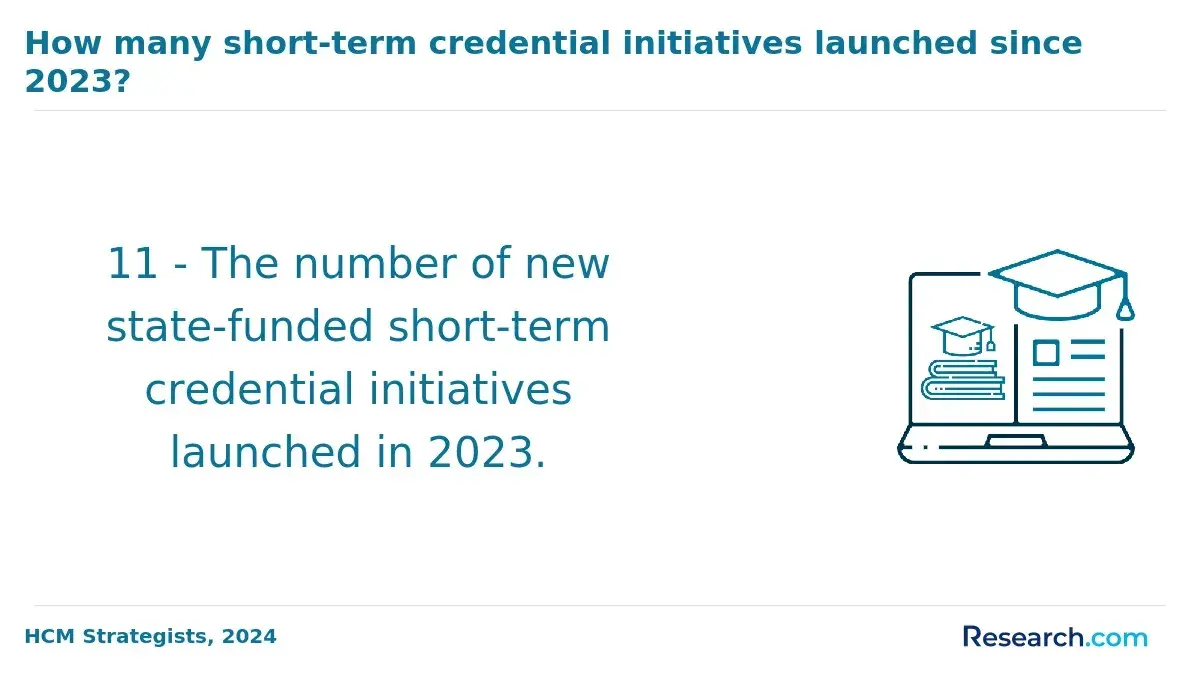
The industry setting profoundly impacts salary growth for mental health counseling professionals over time-initial wages may be comparable across sectors, but earnings trajectories diverge sharply over a decade or more. Private healthcare and corporate wellness fields often see salaries double or triple within 10 to 15 years, driven by expanding roles, specialization, and leadership opportunities. In contrast, public and nonprofit agencies typically feature narrower pay scales that limit income growth regardless of experience or merit, though they may provide benefits like stability and mission fulfillment.
- Wage Growth: Private and corporate sectors offer higher ceilings and faster salary increases, whereas government and nonprofit roles have more constrained wage advancement.
- Incentive Compensation: Bonuses, profit-sharing, and equity stakes-common in corporate and tech-related mental health fields-supplement base pay and significantly boost total earnings over time.
- Advancement Potential: Industries with clear leadership pathways and credential recognition enable meaningful long-term financial progression.
- Professional Development: Fields that invest in structured training and licensure support often accelerate career growth and compensation.
- Long-Term Modeling: Evaluating compensation across a 10- to 20-year horizon-not just starting salary-is critical for informed career decisions.
A mental health counseling professional who completed his degree shared how navigating these choices shaped his path. He recalled feeling overwhelmed early on by the need to balance passion for nonprofit work against financial realities. "I initially took a public sector role focused on community impact, but after several years, I recognized my salary plateaued despite extra certifications," he explained. Transitioning to a corporate wellness program involved uncertainty but promised performance bonuses and faster raises. "The shift was challenging-learning new protocols, adjusting to corporate culture-but the increased earning potential and career advancement made it worthwhile," he reflected. His experience underscores how understanding industry compensation dynamics can empower professionals to align values with financial goals throughout their careers.
Which Industries Provide the Most Stable and Recession-Proof Careers for Mental Health Counseling Graduates?
Industries demonstrating consistent employment stability during economic downturns often serve as crucial career destinations for mental health counseling graduates. Healthcare-particularly in hospital settings, outpatient clinics, and community centers-has maintained steady demand throughout recessions such as the 2008 financial crisis and the 2020 COVID-19 pandemic. This sector frequently supports telehealth options and clear professional pathways, enabling counselors to transition into leadership or administrative roles while adapting to client needs remotely.
Government and essential services roles also exhibit resilience, with public sector funding providing a buffer against layoffs and hiring freezes common in more volatile industries. Positions within educational systems-from K-12 to higher education-remain relatively insulated due to sustained public investment prioritizing student mental well-being. These roles offer avenues for specialization and leadership, catering to mental health counseling graduates who seek both stability and growth.
Meanwhile, private-sector segments such as corporate wellness programs may offer lucrative salaries but tend to be more sensitive to economic fluctuations, requiring graduates to balance income potential against job security. Social services and nonprofit organizations, driven by ongoing societal needs, present mission-focused environments with reliable employment prospects-a factor valued by professionals prioritizing meaningful impact alongside sustainability.
- Stability: Healthcare, government, and education sectors have exhibited recession-proof qualities for mental health counseling careers in the United States, with demand often countercyclical or immune to macroeconomic downturns.
- Flexibility: Remote and hybrid work options increase accessibility and broaden client reach, especially in clinical and administrative roles.
- Development: Clear advancement pathways foster specialization and leadership, supporting long-term career satisfaction.
- Trade-Offs: Graduates must assess personal risk tolerance and financial commitments, weighing higher private-sector pay against security in public or nonprofit roles.
A recent trend shows mental health counseling employment in healthcare rising by over 10% since 2019, underscoring ongoing growth despite economic challenges. Those exploring advanced degrees can compare pathways through resources like PhD in nursing programs that evaluate similar industry stability factors for broad healthcare careers.
What Role Does the Private Sector Play in Shaping Career Paths for Mental Health Counseling Degree Holders?
The private sector offers diverse avenues for mental health counseling graduates, distinct from public roles which often have uniform salaries and slower advancement. Private employers frequently provide higher pay, quicker promotion, and a culture centered on measurable results, demanding adaptability and initiative.
- Technology Industry: Leading tech giants like Google and Microsoft prioritize employee mental wellness, hiring counselors to design scalable wellness programs. Remote work and generous professional development funding are common here, with LinkedIn data highlighting a preference for professionals skilled in addressing global, diverse teams.
- Healthcare Corporations: Large private healthcare systems such as Kaiser Permanente and HCA Healthcare integrate counselors into multidisciplinary teams. These firms emphasize internal promotion and invest heavily in continuing education to keep licensure and clinical expertise current, according to Glassdoor reviews.
- Financial Services: Companies like JP Morgan Chase and Prudential Financial employ counselors for stress reduction, crisis management, and resilience training. Roles often combine traditional office environments with remote options, focusing on counseling outcomes linked directly to business performance.
- Startups and Venture-Backed Firms: Fast-growing entities, particularly in health tech, utilize counselors to innovate therapeutic platforms. The environment is less hierarchical and fast-paced-offering rapid advancement but requiring entrepreneurial flexibility and high adaptability.
One mental health counseling graduate reflected on entering the private sector, recalling the intense initial adjustment to balancing clinical skills with business-driven expectations. She described the process as "challenging but ultimately rewarding," appreciating how her role evolved rapidly in response to organizational needs. Rather than following a traditional clinical path, she found herself constantly learning new strategies to align mental health practices with corporate goals-an experience that, while demanding, deepened her professional skills and expanded her career potential.
How Do Public Sector and Government Agencies Compare to Private Employers for Mental Health Counseling Graduates?
Government roles employing mental health counseling professionals-such as the Department of Veterans Affairs, state mental health agencies, and local health departments-are structured around civil service systems. These offer clear grade-level progressions, beginning with counselor or specialist positions and advancing based on experience, performance, and sometimes exams.
- Career Structure: Federal, state, and local government agencies provide defined promotion pathways within established pay grades. This predictable framework contrasts with the less formalized advancement often seen in private organizations.
- Compensation Model: Public sector salaries are governed by set pay scales like the General Schedule for federal workers, which can limit earning potential compared to the private sector. However, government jobs include robust benefits such as comprehensive health coverage, pension plans with defined benefits, and eligibility for Public Service Loan Forgiveness-which can enhance long-term financial stability.
- Advancement Opportunities: Promotions in public roles tend to be slower due to fewer vacancies and budget restrictions. Nevertheless, agencies often support career growth through training programs, certification assistance, and lateral moves that can lead to leadership roles.
- Job Security and Benefits: Job stability remains a significant advantage in the public sector, with reliable pensions that differ from the more volatile 401(k) plans common in private employment. Paid leave and flexible scheduling further improve work-life balance.
- Private Sector Comparison: Hospitals, clinics, nonprofits, and corporations generally offer higher starting pay and quicker salary increases. Career advancement may be faster but involves more competition and less structured progression. Private employers may also provide more innovative treatment options but often lack guaranteed long-term retirement benefits.
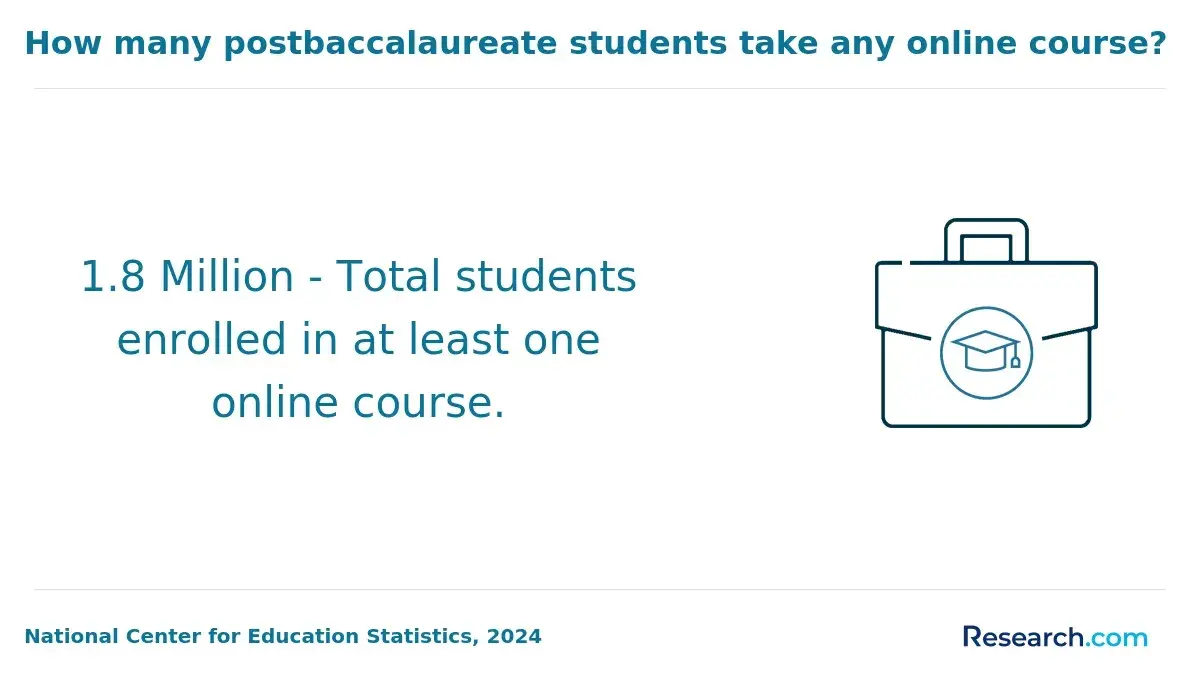
- Recent Trend: Employment for counselors in government grew 5% over five years ending in 2023-slightly behind the 7% growth in private healthcare-reflecting steady but cautious public hiring amid fiscal constraints.
Which Industries Offer the Clearest Leadership and Advancement Pathways for Mental Health Counseling Professionals?
Mental health counseling graduates pursuing leadership positions benefit most from industries with structured, merit-based promotion systems that elevate professionals into management, director, and executive roles within ten to fifteen years. These sectors prioritize both clinical expertise and administrative skills, often rewarded through advanced education and professional development.
- Healthcare and Behavioral Health Services: Dominating employment for mental health counselors, this sector offers the clearest upward mobility. Large hospital systems and community health networks maintain defined leadership tracks, encouraging participants to combine clinical and administrative competencies.
- Graduate education such as an MBA or a master's in healthcare administration expedites advancement into roles like clinical director or behavioral health program manager.
- Licensing requirements and ongoing education foster sustained professional growth, ensuring promotions rely on merit.
- Education and Academic Institutions: Universities and school systems provide pathways to leadership roles such as department heads or dean-level administrators.
- Advanced degrees in education leadership or counseling administration enhance prospects for these positions.
- Promotion timelines are often standardized with tenure policies, typically capping advancement within about ten years.
- Corporate and Employee Assistance Programs (EAPs): Corporations increasingly create internal mental health resources with career ladders leading to senior wellness director or organizational development roles.
- Business-focused graduate degrees-including MBAs specializing in organizational psychology or HR management-can accelerate entry into executive positions.
- These roles blend counseling expertise with strategic planning, appealing to those pivoting careers for upward mobility.
- Government and Military Organizations: Structured civil service ranks and leadership development programs provide clear promotion ladders.
- Combining counseling credentials with leadership training is essential for advancement.
- These positions offer job security and benefits but require adaptability to slower bureaucratic promotion timelines.
Recent workforce studies reveal that over 40% of mental health counseling professionals in healthcare and behavioral health services attain leadership roles within ten years-highlighting this sector's particularly robust career trajectory.
What Emerging and Technology-Driven Industries Are Creating New Demand for Mental Health Counseling Skills?
Emerging tech industries hiring mental health counselors require a blend of clinical expertise and specialized sector knowledge to meet evolving workplace needs. These technology-driven demand for mental health counseling careers create new roles in several high-growth fields:
- Artificial Intelligence: Counselors in this sector must understand digital communication, data privacy, and ethical issues linked to AI-powered therapy tools such as virtual therapists and chatbots. Skills in adapting evidence-based therapeutic methods to virtual formats and evaluating AI outcomes are critical.
- Clean Energy: This traditionally technical industry increasingly values counselors trained in crisis intervention, resilience building, and organizational psychology to support workforce wellbeing during rapid changes. Environmental psychology knowledge aligns well with clean energy's mission.
- Biotechnology: Mental health professionals support employees facing intense project pressures and ethical dilemmas. Desired competencies include trauma-informed care and neuropsychology familiarity to collaborate on innovations at the mental health-biotech interface.
- Advanced Manufacturing: Counselors address stress from automation anxiety, shift work, and workplace safety concerns. Key skills involve ergonomic psychological assessment and substance abuse counseling geared toward high-tech manufacturing environments.
- Digital Health: Combining healthcare with technology, this field seeks counselors experienced in telehealth delivery, health informatics, and digital data management. Teletherapy certification enhances employability here.
To position themselves effectively in these emerging tech industries hiring mental health counselors, graduates should pursue targeted upskilling such as trauma-informed care, telehealth certifications, or digital ethics courses-alongside graduate study bridging counseling with technology or organizational behavior. It is essential to understand licensing and regulatory requirements like those for remote practice.
While these sectors offer innovation-driven career advancement and mission alignment, graduates must evaluate risks like funding instability and market adoption volatility. For students exploring career pivots, comparing these factors helps gauge long-term viability.
Ultimately, combining foundational mental health counseling skills with sector-specific expertise and technological fluency equips professionals for thriving careers in these transformative industries. For those considering alternative healthcare roles, exploring programs like an online ultrasound tech school may offer complementary pathways.
How Do Nonprofit and Mission-Driven Organizations Compare as Career Options for Mental Health Counseling Graduates?
Nonprofit, social enterprise, and mission-driven organizations present a meaningful career path for mental health counseling graduates who prioritize purpose alongside professional development. Although salaries in these settings tend to be lower than those in private practice or hospitals, many compensatory benefits and incentives merit consideration-particularly for those aligned with social justice or advocacy roles.
- Compensation: Nonprofit compensation surveys show median salaries for mental health counselors in this sector often trail private sector averages but vary with the organization's size, location, and funding. Graduates should expect a wide salary range depending on these factors.
- Financial Incentives: Public Service Loan Forgiveness (PSLF) is a significant draw-those working full-time in qualifying nonprofit roles can offset lower wages by qualifying for debt relief after making 10 years of eligible payments.
- Advancement Opportunities: While smaller or newer nonprofits may have flatter hierarchies, many established mission-driven organizations offer clear advancement pathways, especially when paired with additional certifications or management training.
- Workplace Culture: These organizations often foster collaborative and supportive environments centered on community impact. Many professionals report higher job satisfaction linked to meaningful social contributions, even if financial rewards are less competitive.
- Professional Development: Investments in continuing education and training are rising, recognizing that skillful mental health counseling staff enhance service quality and organizational reputation.
- Work Flexibility: Flexible schedules and remote work options are common, supporting work-life balance essential for counseling professionals.
Mental health counseling careers in nonprofit organizations especially suit those who seek alignment with values and long-term goals rooted in purpose. Mission-driven organizations offering mental health counseling jobs frequently attract graduates wanting meaningful impact over monetary reward. Balancing tangible benefits like loan forgiveness with intrinsic rewards from culture and mission requires honest, nuanced evaluation.
For those pursuing accelerated pathways to enter healthcare professions, exploring the fastest RN to BSN program online may provide complementary credentials that broaden clinical opportunities and sector mobility.
Which Industries Support the Most Remote and Flexible Work Arrangements for Mental Health Counseling Degree Holders?
Approximately 38% of mental health counseling professionals now engage in remote or hybrid work, reflecting significant growth in flexible employment models across key sectors. Behavioral health services delivered via telehealth platforms are expanding rapidly, enabling more counselors to serve clients virtually. Outpatient healthcare settings and telehealth providers lead in offering remote roles, while hospitals and residential care typically demand on-site presence due to critical patient care and regulatory requirements.
In education, remote mental health support through colleges, universities, and K-12 systems is increasing, particularly for employee assistance programs. However, many campus counseling roles still require physical attendance for crisis response and outreach duties. Corporate environments and Employee Assistance Programs embrace telecommuting options more readily, reflecting broader trends toward flexible work cultures within these organizations.
Nonprofits and community agencies often incorporate remote counseling into their services, but some positions remain anchored to face-to-face engagement to maintain community connections effectively.
- Operational Model: Employers leveraging telehealth technology and secure digital communication support greater remote work opportunities.
- Licensing and Compliance: State regulations may limit telehealth practice-requiring in-person sessions in certain jurisdictions.
- Employer Flexibility: Companies with established remote work policies and autonomy tend to offer better work-life balance.
- Role Requirements: Jobs demanding direct client contact inherently restrict location independence.
The rise of remote work allows graduates to target higher-wage markets without relocating, balancing enhanced earning potential with reduced living expenses. When considering offers, candidates should proactively assess telework policies, expectations for on-site duties, and openness to hybrid models to align with their career and lifestyle goals.
How Do Industry-Specific Licensing and Certification Requirements Affect Mental Health Counseling Career Entry?
Licensing and certification requirements for mental health counseling careers differ widely across sectors-shaping the timeline and complexity of entering the workforce. Some fields present significant regulatory hurdles requiring extensive supervised hours, national exams, and upkeep through continuing education.
- Licensing Demands: Most industries require candidates to become Licensed Professional Counselors (LPC) or hold equivalent credentials, though pathways and prerequisites vary by state and context.
- Healthcare Sector: This area enforces strict regulations, including typically 2,000 to 4,000 supervised clinical hours and passing a national licensing exam.
- Additional certification such as Certified Clinical Mental Health Counselor (CCMHC) enhances marketability and access to specialized roles.
- School-Based Counseling: Requires specific education licensure that often entails coursework in educational psychology and child development-credentials which differ from standard LPC licenses.
- Private Practice & Community Agencies: Entry largely centers on securing state licensure, presenting a more straightforward path for new counselors.
- Military and Correctional Settings: These roles call for special clearances and sometimes unique certifications beyond general licensing to address population-specific security needs.
- Professional Certifications: Credentials like Licensed Marriage and Family Therapist (LMFT) or trauma-informed care certificates serve as valuable differentiators, improving hiring prospects and enabling faster career progression.
- Continuing Education: Most jurisdictions mandate ongoing educational requirements to maintain licensure, emphasizing the need for sustained professional development.
- Regulatory Updates: Licensing standards evolve continuously-graduates must confirm current criteria with licensing boards or associations to prevent delays in employment.
- Industry Outlook: According to the U.S. Bureau of Labor Statistics, employment of mental health counselors is expected to grow 22% between 2022 and 2032-significantly faster than average-indicating rising demand alongside increasing regulatory expectations.
What Graduates Say About the Industries That Offer the Best Career Paths for Mental Health Counseling Degree Graduates
- Westin: "Entering the mental health counseling field, I found the compensation to be surprisingly competitive-especially within private practice and specialized clinics. What truly impressed me, however, was the potential for advancement; with dedication, you can move into leadership or policy-making roles that shape the future of care. The industries offering these paths are dynamic and full of opportunity-much more than I initially expected."
- Peter: "From my perspective, stability is the cornerstone of careers in mental health counseling, particularly in hospital settings and community health organizations. These environments not only provide consistent employment but also foster a collaborative workplace culture that encourages ongoing learning and support among colleagues. It's been rewarding to grow professionally in spaces where empathy extends to staff as much as it does to clients."
- Andrew: "Reflecting on my journey, the workplace culture stood out as the most vital aspect-especially in educational institutions and nonprofit agencies dedicated to mental health. These sectors prioritize support, inclusivity, and professional development, making everyday work feel meaningful and respected. Combined with clear advancement opportunities, they offer a fulfilling and sustainable career path."
Other Things You Should Know About Mental Health Counseling Degrees
Healthcare organizations, educational institutions, and nonprofit agencies tend to provide the best work-life balance and job satisfaction for mental health counseling graduates. These sectors often offer flexible scheduling options, including part-time and remote work, which help professionals manage personal and professional responsibilities. Additionally, the mission-driven nature of nonprofit and educational settings tends to align well with counselors' values, leading to higher job fulfillment.
In 2027, geographic location significantly affects job opportunities for mental health counseling graduates. Urban areas generally offer more positions with diverse populations, while rural areas may provide fewer options but often have a high demand for mental health services, leading to less competition.
Healthcare institutions-especially hospitals and large clinic networks-are the most consistent in investing in ongoing professional development and continuing education. These industries often provide funding for specialized certifications and adherence to updated licensure requirements. Educational institutions also prioritize training, particularly around evidence-based interventions, to maintain quality counseling services aligned with academic environments.
Graduates should assess industries by considering alignment with their professional mission, preferred work settings, and growth opportunities. For example, those passionate about community impact may prefer nonprofit or public health environments, while others might prioritize the structure and resources available in hospital systems. Evaluating factors like autonomy, client population, and advancement pathways is crucial to ensure long-term career satisfaction.
References
- Exploring Opportunities and Professional Growth in Mental Health Careers https://www.blueprint.ai/blog/exploring-opportunities-and-professional-growth-in-mental-health-careers
- WhatsApp Web https://web.whatsapp.com/
- Explore 5 Recession-Proof Careers in Healthcare https://www.snu.edu/degrees/5-recession-proof-careers-in-healthcare
- How Nonprofits Can Foster Mental Health, Wellness and Employee Engagement https://www.grassiadvisors.com/blog/how-nonprofits-can-foster-mental-health-wellness-and-employee-engagement/
- How to Support the Positive Mental Health of Remote Workers https://amtivo.com/uk/standards/iso-45001/insights/how-to-support-remote-worker-mental-health/
- Remote Working for Therapists: Benefits, Challenges & Tips https://hg-mh.com/2025/09/17/remote-working-for-therapists-opportunities-challenges-and-best-practice/
- Top 5 Highest-Paying Psychology Careers - Rivier Academics https://www.rivier.edu/academics/online/resources/program-resources/top-5-highest-paying-psychology-careers-rivier-university/
- How Certification Impacts Mental Health Counselor Pay https://scale.jobs/blog/how-certification-impacts-mental-health-counselor-pay
- 10 Fulfilling Mental Health Careers You Can Train for Now | Palo Alto University https://paloaltou.edu/resources/blog/mental-health-careers-you-can-start-now
- Licensing Requirements for Counselor Careers https://agentsofchangeprep.com/blog/licensing-requirements-for-counselor-careers/


