
2027 Work Experience Requirements for Data Science Degree Master's Programs

Co-Founder and Chief Data Scientist
Many prospective students aiming for a master's in data science face a critical hurdle: several programs require prior professional work experience, often creating uncertainty for those transitioning from unrelated fields. Recent studies show that 62% of top U. S. data science master's programs prefer applicants with at least two years of relevant employment, reflecting industry demand for practical skills combined with academic knowledge. This requirement can complicate admissions for candidates without a direct background in technology or analytics. This article explores the typical work experience criteria for data science master's programs and offers strategies to meet these prerequisites effectively and enhance admission prospects.
Key Things to Know About Work Experience Requirements for Data Science Degree Master's Programs
- Most master's programs require one to three years of professional experience, with some top-tier schools preferring candidates to have at least two years in relevant roles.
- Accepted industries typically include technology, finance, healthcare, and research, focusing on roles involving data analysis, software development, or statistical modeling.
- Traditional programs often emphasize extensive work experience, while online formats may accept less experience, catering more to early-career students seeking flexible learning options.
Is Work Experience Mandatory for All Data Science Master's Degrees?
Work experience requirements for data science master's programs vary significantly depending on the institution and specific program focus. Some programs seek candidates with professional experience to build upon existing skills and prepare students for advanced industry roles. These programs often expect applicants to have a background in a related field as well as practical exposure to data analysis or programming. In contrast, many programs accept recent graduates without work experience, emphasizing foundational knowledge and skill development to help individuals transition into the field.
Several factors influence whether professional experience is needed for data science graduate degrees, including program goals, cohort composition, and expected competencies at entry. Some institutions prefer a mix of experienced learners and newcomers to foster peer learning, while others prioritize technical proficiency or domain knowledge that work experience can help develop. Prospective students are advised to review admissions criteria carefully to understand specific requirements, especially when exploring options such as the online masters available through various programs.
What Is the Average Work Experience Required for Admission to a Data Science Master's Degree Program?
While requirements vary significantly by institution, many data science master's degree programs report an average range of professional experience among admitted students, typically between two and five years. This reflects a balance aimed at accommodating both early-career candidates and those with more substantial backgrounds. Below are key insights into the typical experience levels and factors influencing admissions decisions.
- Typical Experience Ranges: Most programs admit students having between one and five years of work experience, though some accept recent graduates especially if they demonstrate strong technical skills. This range aligns with the typical professional experience needed for data science graduate admission.
- Differences by Program Type: Traditional full-time programs often prefer candidates with less work experience, emphasizing academic readiness. In contrast, part-time and online programs tend to attract mid-career professionals seeking to advance their careers.
- Early-Career vs. Mid-Career Applicants: Early-career applicants often have technical internships or entry-level roles, while mid-career applicants bring deeper industry exposure, often enhancing class diversity and applied learning.
- Industry Distribution: Admitted students commonly come from sectors like technology, finance, healthcare, or consulting, where strong analytical skills and familiarity with data play a critical role.
- Averages vs. Minimums: The average years of work experience for data science master's applicants generally exceed the minimum listed by programs, indicating that competitive admissions favor candidates with practical, hands-on experience beyond baseline requirements.
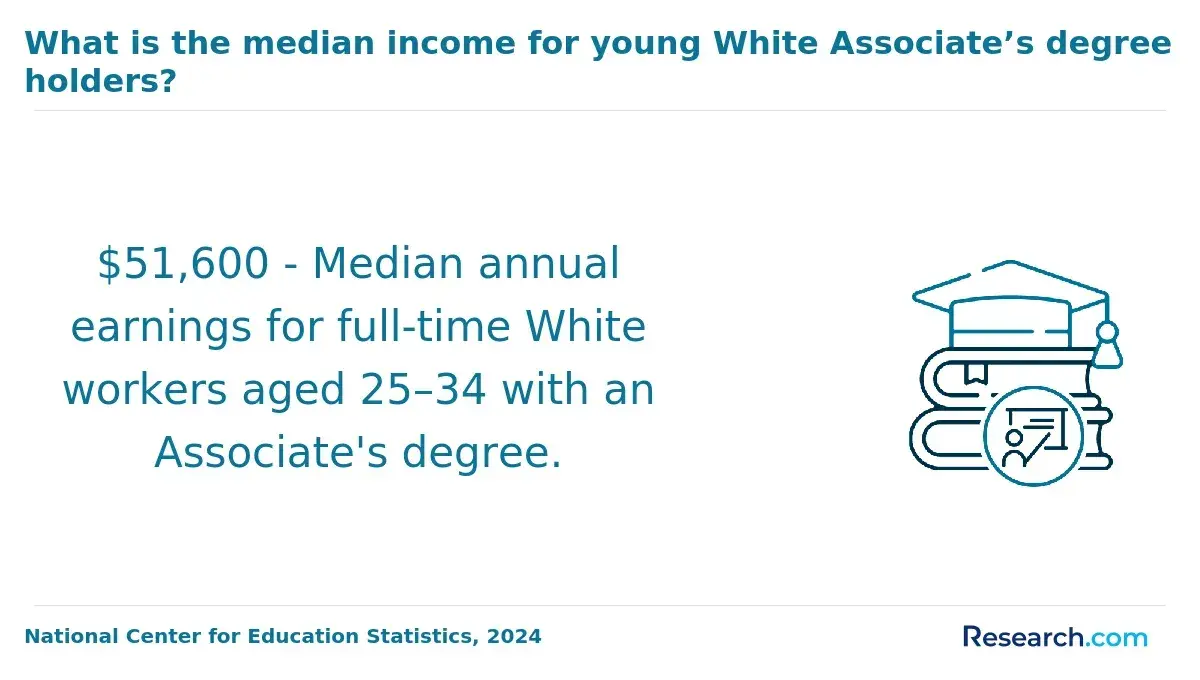
For those beginning their journey, foundational credentials such as an associate's degree online can be a useful stepping stone before committing to advanced graduate studies in this field.
What Kind of Work Experience Counts for a Data Science Master's Program?
Data science master's programs often evaluate a diverse spectrum of professional experiences when reviewing applicants. These experiences showcase practical skills and relevant expertise, helping admissions committees gauge an applicant's readiness. Below are five key types of work experience typically valued in this assessment.
- Full-Time Employment: Sustained roles focused on data-related tasks demonstrate a candidate's hands-on skills and problem-solving capabilities. Admissions teams view this as evidence of practical knowledge and ability to manage complex projects.
- Part-Time and Consulting Roles: Engagements involving data analysis or machine learning, even if not full-time, highlight initiative and the application of technical concepts in real-world settings. Such experiences show adaptability and self-motivation.
- Internships: These provide direct exposure to industry tools and workflows, signaling preparedness for the demands of graduate-level coursework. Internships reflect a candidate's ability to learn in fast-paced environments.
- Leadership Positions: Roles that involve managing teams or leading data projects indicate strong communication and coordination skills. These qualities are essential in collaborative data science environments and often weigh heavily in admissions decisions.
- Industry-Adjacent Experience: Backgrounds in software development, statistics, or business analytics can be relevant if they include technical proficiencies applicable to data science. Committees look for how closely these skills align with the core demands of a data science program.
When discussing what kind of work experience counts for a data science master's program, a professional currently enrolled shared insights on the application journey. He described feeling uncertain about whether his diverse background-including projects in software engineering and some freelance data work-would be seen as sufficient. "It was a bit daunting to present everything in a way that felt coherent to the admissions committee," he explained. Navigating through application essays and interviews required translating varied experiences into a consistent narrative focused on problem-solving and data-driven results. Ultimately, this process helped him understand that showcasing the thought process behind his work was just as important as listing job titles or durations, providing a clearer path into his program.
Can Strong GPA Compensate for Lack of Work Experience in a Data Science Master's?
Admissions committees for data science master's programs weigh academic performance heavily, yet they also recognize that a strong GPA cannot fully replace professional experience. A robust academic record signals an applicant's grasp of complex quantitative material and readiness for rigorous graduate coursework. Still, program eligibility often hinges on a balance of factors, including problem-solving skills and teamwork, which work experience better demonstrates. For applicants lacking extensive professional background, showcasing relevant projects or internships alongside strong academics can improve their prospects.
Most data science admissions follow a holistic review process that considers both coursework success and practical skills, reflecting the importance of real-world experience. Relying solely on GPA has its merits, such as indicating intellectual capability, but it falls short in revealing communication or applied project management abilities. Candidates aiming to strengthen their applications might explore an online bachelor degree or related qualifications while building relevant experience to enhance their overall profile.
Are Work Experience Requirements Different for Online vs. On-Campus Data Science Programs?
Admissions criteria for data science master's programs typically remain consistent between online and on-campus tracks, though some variations arise depending on the program's structure and audience. Studies indicate that about 70% of institutions offering both formats implement similar standards for relevant work experience. Below are some important points outlining these similarities and differences.
- Minimum Experience Years: Both online and in-person programs generally require 1 to 3 years of relevant professional experience, maintaining comparable expectations across formats.
- Preferred Experience Type: Technical roles involving programming, data analysis, and statistics are highly valued for applicants in either delivery mode, reflecting core skill priorities.
- Experience Flexibility: Online programs often show more leniency towards nontraditional or diverse career backgrounds, supporting students who might be transitioning into data science from other fields.
- Specialized Tracks: While some on-campus offerings include rigorous executive or advanced tracks with stricter experience prerequisites, online programs tend to emphasize broader accessibility for working adults.
- Recommendations Emphasis: Due to reduced face-to-face interaction, online programs may assign greater importance to professional endorsements and character references during evaluation.
One professional who completed an online master's program shared that balancing work and studies required careful time management. She noted the application process was thorough, demanding clear documentation of her experience and strong recommendation letters. Despite initial uncertainty about how her nontraditional background would be viewed, she found the admissions team receptive and accommodating. Reflecting on her journey, she described the experience requirements as fair yet flexible, which helped her gain confidence in pursuing advanced education remotely while maintaining her career.
Do Accelerated Data Science Programs Require Prior Industry Experience?
Accelerated data science master's programs feature intense coursework over shortened periods, which often shapes their expectations for applicants' professional backgrounds. About 40% of these programs either prefer or require candidates to have prior industry experience. Below are key factors admissions committees consider regarding work history in such fast-paced programs.
- Curriculum Demands: The rapid learning environment favors applicants who have previous exposure to data-related work, enabling them to keep pace with challenging material.
- Practical Knowledge: Candidates with real-world experience bring applied skills that enhance their understanding beyond theoretical concepts, benefiting both themselves and their peers.
- Tool Familiarity: Experience using data science technologies and workflows helps reduce initial adjustment time, allowing students to engage more deeply with coursework from the start.
- Commitment Signal: Work history often serves as an indicator of applicants' dedication to a career in data science, influencing admissions decisions.
- Alternative Criteria: Some accelerated programs prioritize strong quantitative abilities and academic achievement, making room for recent graduates lacking formal industry experience.
While not universally mandatory, having relevant work experience can provide a significant advantage in accelerated data science master's admissions and contribute to students' success in these rigorous settings.
How Much Work Experience Is Required for an Executive Data Science Master's?
Executive data science master's programs target mid- to senior-level professionals, making substantial prior work experience a crucial factor for admission. Typically, admitted candidates have between 5 and 10 years of relevant professional experience, highlighting both their technical proficiency and leadership abilities. Below are five essential considerations regarding work experience for applicants to these executive programs.
- Quantity of Experience: Most programs set a minimum requirement of 5 years, with many preferring candidates who have closer to 8 to 10 years. This range ensures applicants have encountered complex business and technical challenges.
- Quality of Experience: Strong practical experience is vital. Candidates should demonstrate applied analytical, programming, or statistical skills used in real-world contexts rather than purely academic exercises or entry-level tasks.
- Leadership Roles: Executive tracks often expect applicants to hold leadership or managerial positions. Experience in decision-making, strategic planning, and team management reflects readiness for the rigor of executive study.
- Industry Relevance: Work history should align closely with data science, analytics, technology, or industries driven by data-informed decision-making. Relevant experience supports deeper engagement with advanced coursework.
- Demonstrating Readiness: Strong applicants highlight successful projects, cross-functional collaboration, or initiatives showcasing their potential to excel in demanding executive environments.
Are Work Experience Requirements Different for International Applicants?
Data science master's programs generally apply consistent standards for work experience requirements, but international applicants often face added considerations in evaluating their professional backgrounds. Approximately 15% of U.S. programs explicitly mention international work experience in admissions guidance, indicating similar criteria with heightened scrutiny. Below are key factors affecting how international work experience is assessed in data science graduate admissions.
- Equivalency of Roles: Admissions committees evaluate whether international job titles and responsibilities align with relevant positions in U.S. data science fields. This ensures previous experience is relevant to the program's expectations.
- Verification Challenges: Confirming job history can be more difficult for international candidates due to differences in reference availability and company documentation standards. Additional verification efforts may be required.
- Documentation Standards: Applicants often need to provide detailed job descriptions, official employment letters on company letterhead, and certified translations to establish authenticity and clarify the nature of their roles.
- Contextual Factors: Evaluators consider global differences in industry maturity and data science development. Understanding the applicant's work environment helps determine the practical relevance of their experience.
- Cultural and Communication Skills: Demonstrating experience working in collaborative, cross-cultural teams may strengthen an international applicant's profile by showcasing adaptability and global awareness, traits valued in data science careers.
Although work experience criteria for international data science graduate admissions largely mirror those for domestic applicants, the nuances of verifying and contextualizing international experience influence admission outcomes. Prospective students should be prepared to provide comprehensive documentation and clearly communicate the relevance of their experience.
For those exploring further educational opportunities, options such as EdD programs also highlight the diversity of graduate pathways available to early- to mid-career professionals seeking advanced degrees in related fields.
How Does Work Experience Affect Salary After Earning a Data Science Master's Degree?
Professional experience prior to enrolling in a data science master's degree program can significantly influence post-graduation earning potential. According to the Burtch Works 2023 report, graduates with over three years of relevant work experience typically see average salaries about 20% higher compared to those with minimal or no prior experience. This work experience impact on data science master's degree salary is an important consideration for prospective students. Several key factors contribute to this correlation:
- Industry Relevance: Experience in corresponding sectors such as technology, finance, or healthcare ensures skills alignment with employer demands, which often translates to higher salary offers.
- Leadership Experience: Having held management or project leadership positions demonstrates vital soft skills that employers reward with better compensation packages.
- Career Progression: Candidates who show upward career mobility or have managed complex responsibilities before admission tend to access more senior and better-paid roles after graduation.
- Technical Skills Development: Prior hands-on practice with advanced tools, programming languages, and real-world data projects provides a competitive edge that justifies salary premiums.
- Negotiation Leverage: Experienced professionals usually possess stronger bargaining power during salary negotiations due to demonstrated value and market awareness.
Early- to mid-career professionals weighing the benefits of experience often explore pathways to enhance credentials, including specialized programs like marriage and family therapy online programs which similarly weigh work experience in admissions and salary outcomes. Understanding the average salary increase with experience after data science master's completion helps candidates plan their education and career strategies effectively.
What Type of Professional Achievements Matter Most for Data Science Admissions?
Admissions committees for data science master's programs increasingly prioritize the meaningful impact of applicants' professional accomplishments over mere years spent working. Nearly 70% of these programs seek evidence of significant achievements that showcase leadership, technical skill, and problem-solving abilities. Below are five categories of accomplishments that frequently influence admissions decisions.
- Successful Project Delivery: Demonstrating leadership or major contributions to impactful projects highlights practical use of data science techniques and the ability to drive results within teams.
- Leadership Roles: Positions managing teams or initiatives indicate strong organizational capabilities and the aptitude to direct data-informed strategies effectively.
- Technical Innovations: Creating novel algorithms, tools, or methodologies reflects creativity and advanced expertise, signaling readiness for the academic challenges of graduate study.
- Publications and Presentations: Sharing research outcomes at conferences or in journals evidences excellent communication skills and active involvement in the data science community.
- Cross-Functional Collaboration: Working alongside various departments demonstrates adaptability and an understanding of how data science supports broader organizational goals.
Such achievements offer admissions panels insight into an applicant's analytical strengths combined with hands-on experience, qualities essential for success in rigorous graduate programs.
What Graduates Say About Work Experience Requirements for Data Science Degree Master's Programs
- Paxton: "Choosing a data science master's program that required work experience was a deliberate decision for me, as I wanted to leverage my background in software development. Meeting the work experience prerequisite pushed me to gain more hands-on exposure before enrolling, which ultimately enriched my classroom learning. Completing the program not only solidified my technical skills but also gave me the confidence to transition into a data analyst role, boosting my career in ways I hadn't anticipated."
- Ameer: "Reflecting on my journey, the work experience requirement was initially intimidating but turned out to be a key factor in my success. I chose a data science master's because I was eager to bridge my business analytics background with advanced technical expertise, and the requirement ensured I entered the program with practical knowledge. After graduation, employers valued the combination of my academic credentials and real-world experience, which opened doors to leadership opportunities I hadn't imagined."
- Nathan: "Professionally, I wanted a data science master's degree that recognized the value of prior work experience to fast-track my learning and effectiveness. The requirement meant I was better prepared to engage deeply with complex projects during the program, which accelerated my mastery of predictive modeling and machine learning. Finishing the degree was transformative, as it enabled me to pivot into a senior data scientist role and make a tangible impact on my organization's strategy."
Other Things You Should Know About Data Science Degrees
In 2027, specific internship experiences can enhance a data science master's application, but they are not typically pivotal for meeting work experience requirements. Most programs value internships, but they often place higher importance on technical skills and relevant work experience in quantitative fields.
Applicants should clearly describe the technical tools, programming languages, and data methodologies they used in their roles. Providing specific project examples, outcomes achieved, and quantitative metrics enhances the credibility of the experience. Many programs require detailed resumes and recommendation letters that corroborate these details.
Yes, work experience in related STEM fields such as computer science, engineering, or statistics can benefit applicants by demonstrating analytical and technical proficiency. These roles often involve skills transferable to data science like coding, data modeling, and algorithm development. Admissions committees recognize the value of such experiences as relevant preparation for master's-level study.
References
- How To Get Into Grad School With A Low GPA https://www.affordablecollegesonline.org/college-resource-center/grad-programs-that-accept-low-gpa/
- Refonte Learning https://www.refontelearning.com/blog/salary-trends-in-data-science-and-machine-learning-in-2025
- Executive MSc & Continuing Education Study Modes - An Overview | DSTI School of Engineering https://dsti.school/executive-msc-continuing-education-study-modes/
- What Can You Do With a Master's in Data Science? https://www.saintmarys.edu/graduate-studies/data-science/data-science-article
- Online vs. In-Person Master of Data Science | MDS@Rice https://csweb.rice.edu/academics/graduate-programs/online-mds/blog/online-vs-in-person-master-of-data-science
- 8 Things You Must Consider Before Committing to a Data Science Master's Degree | Towards Data Science https://towardsdatascience.com/8-things-you-must-consider-before-committing-to-a-data-science-masters-degree-d7b22f6ee455/
- Jobs after Completing an Online Masters in Data Science Degree https://www.staffordglobal.org/blog/jobs-after-online-masters-in-data-science/
- Data Analytics Master’s Programs: What Do They Want in Applicants? https://blog.accepted.com/data-analytics-masters-programs-what-do-they-want-in-applicants/
- Where Can a Master's in Data Science Take You? Top Career Paths Explained https://www.ebu.ac/blog/241-Where-Can-a-Masters-in-Data-Science-Take-You-Top-Career-Paths-Explained-blog.php
- Data Science, B.S. to Software Engineering, M.S. Accelerated Program https://www.slu.edu/science-and-engineering/academics/undergraduate-programs/data-science-bs-to-software-engineering-ms-accelerated.php


