
Best Direct-Entry MSN Programs in New Jersey: Online & Campus for 2027

Co-Founder and Chief Data Scientist
Switching to nursing with a non-nursing bachelor's degree can feel overwhelming, especially in New Jersey, where the demand for advanced nurses is rising fast. Did you know the state expects a 15% growth in nursing jobs by 2030? Finding the right direct-entry MSN program, whether online or on campus, is key to making this shift smoothly.
This article, crafted by career planning experts, breaks down the best options to help you navigate your next steps confidently and efficiently.
Key Benefits of Direct-Entry MSN Programs in New Jersey
- Flexible schedules in online and campus programs let busy adults balance work and study, crucial as New Jersey's demand for advanced practice nurses grows by 15% through 2030.
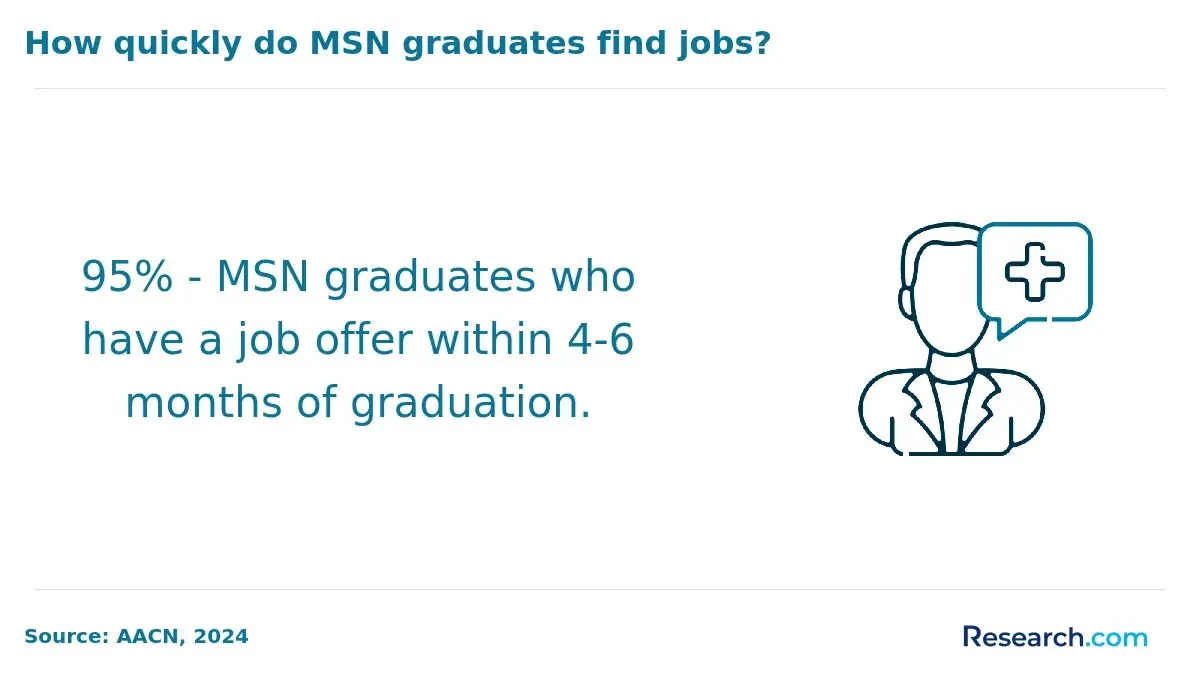
- Strong clinical partnerships across New Jersey hospitals ensure hands-on experience, helping grads seamlessly transition into high-demand nursing roles with a 90% employment rate within six months.
- Dedicated career support and mentorship in these programs boost confidence and ease career shifts, which is vital since 40% of NJ nurses hold graduate degrees for leadership and specialized roles.
- Who is eligible for a direct-entry MSN program in New Jersey?
- How do online direct-entry MSN programs compare to campus programs in New Jersey?
- What are the admission requirements for direct-entry MSN programs in New Jersey?
- What courses are included in a direct-entry MSN program in New Jersey?
- How does clinical experience differ between online and campus direct-entry MSN programs?
- How long does it typically take to complete a direct-entry MSN in New Jersey?
- How much does a direct-entry MSN program cost in New Jersey?
- What financial aid options do direct-entry MSN students have in New Jersey?
- What jobs can graduates of direct-entry MSN programs get in New Jersey?
- How much do direct-entry MSN graduates earn in New Jersey?
Who is eligible for a direct-entry MSN program in New Jersey?
About 20% of nursing students in accelerated programs are career changers, which shows just how many folks with non-nursing bachelor's degrees are diving into this field. This trend speaks volumes about the appeal of direct-entry MSN programs in New Jersey for those looking to skip the traditional BSN and jump straight into a master's level nursing education. Knowing who benefits most from these programs helps you figure out if this accelerated path fits your goals and background.
- Career Changers: These programs are perfect if you hold a bachelor's degree in something totally unrelated to nursing but feel drawn to healthcare. They offer a fast-tracked, comprehensive nursing education that equips you to start your nursing career with a master's degree, making the transition smoother and quicker.
- Non-nursing Graduates: If you're eager to fast-track your nursing education without completing a separate BSN first, direct-entry MSN programs combine BSN and MSN coursework. This means you get a streamlined education that saves time and effort while preparing you for advanced nursing roles.
- Professionals Seeking Growth: Already have a bachelor's degree and want to improve your clinical skills and open leadership doors? These programs allow you to step into specialized roles without the need for an undergraduate nursing degree, giving you a leg up in healthcare settings.
- Aspiring Specialists: Some individuals want to quickly enter specialized nursing fields that demand a master's degree after initial licensure. Direct-entry MSN paths enable this by aligning education with those specific professional goals.
If you're curious about what kind of return you might expect, especially in terms of income after earning your degree, it's helpful to check out the nurse practitioner job salary by state to get a clearer picture of career prospects across New Jersey and beyond.
How do online direct-entry MSN programs compare to campus programs in New Jersey?
Choosing between online direct-entry MSN programs New Jersey and campus-based options is a big deal for many students. About 75% of nursing programs nationwide now include online learning, showing how popular and trusted digital education has become. This shift means students have more choices, but it also raises questions about how online and campus programs really stack up. Let's break down the key differences and similarities.
Online Programs
- Curriculum equivalency: Online programs cover the same core courses and meet the same accreditation standards as campus programs, ensuring you gain the theoretical and clinical knowledge needed for advanced nursing roles.
- Flexibility and scheduling: The biggest perk here is flexibility. Online classes let you study asynchronously, making it easier to juggle work, family, and other commitments on your own time.
- Clinical experience: Though coursework happens online, you still complete hands-on clinicals at approved healthcare sites near you. You might need to be proactive about securing placements compared to campus students.
- Interaction with faculty and peers: Engagement happens through video calls, forums, and virtual meetings. While it's less spontaneous than in-person chats, good programs encourage teamwork through group projects and live sessions.
- Employer perception: Employers generally see online graduates as self-motivated and disciplined. Accreditation matters most, and many now respect online options as equally valid routes.
On-Campus Programs
- Curriculum equivalency: Campus programs offer the same rigorous curriculum and clinical training as online ones, ensuring you're well-prepared for nursing leadership and management.
- Flexibility and scheduling: Classes usually follow a fixed schedule with required attendance, which can be tough if you have a busy or unpredictable lifestyle.
- Clinical experience: These programs often have established partnerships with healthcare facilities, making clinical placements more straightforward and sometimes integrated into the program.
- Interaction with faculty and peers: Being on-site means instant face-to-face interaction, making networking and spontaneous collaboration easier.
- Employer perception: Some employers still prefer campus-trained nurses, valuing the traditional classroom and in-person resource access, though this gap is narrowing.
If you're curious about a nursing path with a holistic approach, check out becoming a holistic nurse practitioner for a broader perspective on your career options.
What are the admission requirements for direct-entry MSN programs in New Jersey?
The surge in interest for nursing careers means more applicants are competing for limited spots in direct-entry MSN programs across New Jersey, with some schools noting up to a 30% rise in applications recently. For those exploring these programs, especially if you hold a bachelor's degree in a non-nursing field, knowing the admission requirements can make all the difference. Here's a quick rundown of what most programs expect:
- Bachelor's Degree: You need a non-nursing bachelor's degree from an accredited institution to be eligible, ensuring you're ready for advanced nursing studies.
- GPA Expectations: Most programs require a cumulative GPA of at least 3. 0 to show you can handle the academic rigor of the MSN coursework.
- Prerequisite Coursework: Foundational classes like anatomy, physiology, microbiology, chemistry, and statistics are usually required to prepare you for the nursing curriculum.
- Standardized Tests: Some programs may ask for GRE scores, but this is becoming less common as holistic admissions gain popularity.
- Letters of Recommendation: These help assess your academic potential and commitment to nursing, often from professors or healthcare supervisors.
- Healthcare Experience: Relevant work or volunteer experience in clinical settings can boost your application by showing your dedication and familiarity with healthcare environments.
For those curious about similar programs beyond New Jersey, checking out resources like direct entry msn programs Ohio can provide additional insights and options when considering your career path.
What courses are included in a direct-entry MSN program in New Jersey?
Switching to nursing from a non-nursing background means diving into a lot of new material, designed to quickly get you up to speed for advanced nursing roles. The coursework in direct-entry MSN programs in New Jersey is structured to cover the key areas you'll need, blending science, hands-on experience, and leadership skills that set you up for success. Here's a breakdown of the major courses you can expect.
- Foundational Nursing Sciences: These courses lay down the basics like anatomy, physiology, microbiology, and nutrition, so you build a solid understanding of how the human body works which is crucial before you even step into clinical settings.
- Health Assessment: Here you learn how to perform thorough physical exams and gather important health info, a skill every nurse needs to accurately evaluate and care for patients in any healthcare environment.
- Pharmacology and Pathophysiology: This part focuses on how medicines affect the body and what goes wrong during illness, giving you essential knowledge for making safe clinical decisions and understanding treatments.
- Clinical Practice and Simulation: This hands-on portion lets you practice nursing skills in real-life settings and simulated environments, sharpening your practical know-how and critical thinking abilities.
- Nursing Leadership and Management: You'll get introduced to leadership skills, healthcare policies, and managing teams so you're ready to take charge and improve patient care quality.
- Evidence-Based Practice and Research: These classes teach you how to use research to guide your nursing methods, helping you provide care based on proven best practices and contribute to healthcare improvements.
- Population and Community Health: Focus is placed on promoting health and preventing disease in communities, while also understanding social factors that affect different populations.
- Advanced Nursing Concepts: You tackle complex patient care topics, ethics, health technology, and working across healthcare teams, all essential for stepping into advanced nursing roles.
How does clinical experience differ between online and campus direct-entry MSN programs?
Clinical training is a cornerstone of direct-entry MSN programs in New Jersey because it builds the hands-on skills and real-world know-how needed for safe patient care. It's also a vital step toward getting licensed, since the state requires a set number of supervised clinical hours before you can take the NCLEX-RN exam. But when it comes to how clinical experience unfolds, online and campus-based MSN programs each offer a different approach with their own perks and challenges.
- Clinical Placements: On-campus students usually get clinical placements through established partnerships with local hospitals and clinics, meaning placements are often close by and pretty structured. Online students have more freedom to pick clinical sites near their home or job, as long as they meet state standards.
- Simulation Labs: Campus programs give hands-on practice in on-site skills centers and simulation labs where students can learn and get immediate feedback. Online programs often use virtual simulations or have agreements with local facilities where students can access similar resources closer to home.
- Supervision & Faculty Oversight: In-person students benefit from direct supervision with faculty and clinical instructors physically present during shifts. Online students stay connected with instructors through virtual check-ins, electronic documentation, and remote supervision tools to maintain close guidance.
- Scheduling Flexibility: Campus programs usually have set clinical hours during weekdays or assigned sessions, which keeps a steady routine. Online programs offer more flexibility, making them ideal for adults balancing work or family commitments while completing clinical hours.
- Hands-On Experience: Campus students often immerse themselves in local healthcare teams, gaining direct mentorship and bedside skills in person. Online learners still get meaningful patient care experience but might need to be more proactive in connecting with clinical mentors and teams around their community.
A nurse who graduated from a New Jersey direct-entry MSN program shared how her clinical journey felt like navigating two worlds. She loved the personal touch of her campus placements-the daily face-to-face mentoring and the confidence gained from hands-on practice in simulation labs. But juggling work and family made her appreciate the online program's flexible clinical scheduling, which let her complete hours near her home after late shifts.
She described feeling a mix of excitement and nerves during virtual simulations but found that combining those with real-world clinical hours brought her skills to life. This blend made her clinical training deeply personal and rewarding, proving that no matter the format, dedication and support are what truly shape a nurse's readiness.
How long does it typically take to complete a direct-entry MSN in New Jersey?
For students jumping into nursing from a different field, how long a direct-entry MSN program takes matters a lot. It shapes your finances, when you can start working, and how you juggle school with your personal life. On average, non-nurse college grads take about 2. 5 years to finish these programs nationwide, which gives you a good idea of the commitment involved.
Most direct-entry MSN programs in New Jersey fall somewhere between 2 and 3 years for full-time students. They usually require around 60 to 75 credit hours that cover everything from the basics of nursing to hands-on clinical experience and advanced topics. If you want to speed things up, some accelerated programs crunch the timeline down to maybe 18 months by packing in a heavier course load and offering classes year-round. Keep in mind, though, that faster pacing means a tougher schedule and more pressure.
On the flip side, some programs stretch out over 4 years or more, especially if you go part-time or need to knock out prerequisites first. Missing key science or healthcare classes can tack on extra months before you even start the main nursing curriculum. Having some background in these areas can help you move through faster or even skip certain requirements.
Whether you study online or on campus, the total credit and clinical hours stay about the same. Online programs in New Jersey tend to give more flexibility with pacing-like asynchronous courses and multiple start dates-which might let you finish sooner or spread things out longer if you're balancing work or family.
How much does a direct-entry MSN program cost in New Jersey?
If you're looking into direct-entry MSN programs in New Jersey, you can generally expect to pay between $40,000 and $80,000 in total tuition. Knowing these costs upfront is especially important for career changers who are investing time and money to move into nursing.
Several key factors play a role in shaping the total price tag for these programs.
- Program Length: Most programs take around two to three years to finish. The longer you're in the program, the more tuition you'll pay-this affects both online and on-campus options.
- Delivery Format: On-campus programs usually have extra fees like campus facility use and parking, while online programs might add technology or distance-learning charges. So, how you study can change your costs.
- Clinical and Lab Fees: Regardless of format, you'll need to complete clinical hours and labs, which come with extra fees for materials, uniforms, and placements. These add to your overall expenses.
- Residency Status: On-campus tuition rates often vary by whether you're a New Jersey resident or not, with residents paying less. Online programs, however, tend to have the same price regardless of where you live.
- Technology Fees: Online students usually pay additional fees to cover digital tools and tech support, while on-campus students see these charges less often or at lower rates.
- Prerequisite Coursework: Some programs require extra non-nursing courses that you might have to pay for on top of your main tuition. This applies whether you study online or in person and can increase your overall cost.
What financial aid options do direct-entry MSN students have in New Jersey?
Paying for a direct-entry MSN program in New Jersey can feel overwhelming, especially when switching careers or speeding through an accelerated path. Nearly 70% of graduate nursing students rely on some form of financial aid, making it a crucial piece of the puzzle when planning your journey into nursing. Let's look at the main aid options that can help ease the financial load.
- Federal Financial Aid: This is often the first stop for funding. Students can apply for federal loans like the Direct Unsubsidized Loan or Grad PLUS Loan by filling out the FAFSA. These loans generally have lower interest rates and offer flexible repayment plans, perfect for financing your education over time.
- State-Based Aid: New Jersey offers grants and scholarships specifically for health profession students. Programs like the New Jersey Nursing Incentive Scholarship reward those who commit to working within the state, especially in underserved areas, which is great for residents or those planning to stay local.
- Scholarships and Grants: These are funds you don't have to pay back and come from a variety of nonprofits, nursing associations, and healthcare foundations. They're often awarded based on merit, need, or specific criteria, significantly lowering your out-of-pocket expenses.
- Employer Tuition Assistance: If you're already working in healthcare, check if your employer offers tuition reimbursement. Many hospitals and healthcare systems support ongoing education and will cover some or all of your tuition in exchange for a work commitment afterward, helping career growth without breaking the bank.
- Loan Repayment and Forgiveness Programs: These options are tailored for those willing to serve in high-need or underserved New Jersey communities. Programs like the Nurse Corps Loan Repayment Program can repay a portion of your student loans in return for service, easing your debt while helping tackle local nursing shortages.
I talked to a recent graduate of a direct-entry MSN program here in New Jersey who shared how daunting the financial side felt at first. Navigating the FAFSA and multiple scholarship applications was overwhelming, and the fear of long-term debt loomed large. What helped was leaning on employer tuition assistance once he landed a job in a hospital, which required a little commitment but felt totally worth it.
Plus, applying to New Jersey's state nursing scholarship was a game-changer because he knew he wanted to stay and work in the state. It wasn't just about finding money-it was about piecing together different options that fit his life and career goals. The process taught him patience and persistence but ultimately made advancing in nursing feel achievable rather than out of reach.
What jobs can graduates of direct-entry MSN programs get in New Jersey?
A direct-entry MSN in New Jersey prepares those with non-nursing bachelor's degrees for professional nursing roles and opens doors to advanced practice-adjacent positions within the state's healthcare system. This is a solid pathway for career changers ready to dive into nursing and start making an impact quickly. Here are some common career paths for direct-entry MSN graduate jobs in New Jersey:
- Registered Nurse (RN): As RNs, graduates deliver hands-on patient care, manage treatment plans, and educate patients and their families. They typically work in hospitals, outpatient clinics, or long-term care facilities. Passing the NCLEX-RN licensure exam is required, but no extra certification is needed beyond that for entry-level roles.
- Clinical Nurse Leader (CNL): CNLs take charge of improving patient outcomes by leading care teams and overseeing quality initiatives. They work mainly in hospitals and large healthcare organizations. Certification is optional but can boost job prospects along with some post-master's clinical experience.
- Public Health Nurse: These nurses focus on community wellness by running health programs, educating populations, and responding to emergencies. Employment is common with government agencies and clinics. Some jobs may require state public health nursing certification.
- Nurse Educator (Master's-prepared): Nurse educators teach future nurses or provide ongoing training in healthcare settings. They develop curricula, mentor, and deliver lectures. While a master's degree is mandatory, certifications like Certified Nurse Educator (CNE) add value but aren't required.
- Case Manager or Care Coordinator: These roles involve planning and coordinating patient care across settings, ensuring smooth transitions from hospital to home. They work in hospitals, insurance firms, or outpatient services. Certification such as Certified Case Manager (CCM) is available but not mandatory for beginners.
Exploring New Jersey MSN career opportunities leads many graduates to choose roles that combine clinical skills with leadership or education, often building on the strong foundation from their direct-entry MSN programs. For those curious about further specialization, there are options to pursue the best rated nurse practitioner online program to advance clinical expertise.
How much do direct-entry MSN graduates earn in New Jersey?
Direct-entry MSN graduates in New Jersey generally earn between $70,000 and $95,000 a year, making these programs a smart investment if you're thinking about career growth and return on investment (ROI). Knowing these average earnings for MSN graduates New Jersey can really help you plan your next steps wisely.
- Registered Nurse (RN): Starting salaries usually fall between $70,000 and $85,000. Factors like years of experience, whether you work in a busy city hospital or a smaller rural clinic, and the type of employer can all impact your paycheck here.
- Clinical Nurse Leader: These roles typically pay $80,000 to $95,000 annually. Experience definitely plays a role, plus working in urban centers like Newark can offer higher wages compared to less populated areas.
- Nurse Manager: Nurse managers in New Jersey often earn between $85,000 and $100,000, depending on leadership experience and the organization's size. Hospitals and government facilities tend to offer the higher end of the scale.
- Nurse Educator: Salaries usually range from $75,000 to $90,000. Working at educational institutions or larger health systems, as well as certifications and specialized training, can boost your income in this role.
If you're exploring direct-entry MSN nurse salaries in New Jersey, keep in mind that continuing your education and certifications can increase your earning potential over time. For those interested in advancing further, there's a growing number of rn to np programs that can open more doors and higher salary opportunities.
What Graduates of Direct-Entry MSN Programs in New Jersey Say About Their Degree
- Pursuing the direct-entry MSN program in New Jersey completely transformed my career path. I was able to switch from a corporate job into healthcare seamlessly, gaining the clinical skills and confidence I needed. The flexibility of the hybrid format allowed me to balance work and study while immersing myself in New Jersey's diverse healthcare environment. Now, I feel empowered to contribute meaningfully to patient care and community wellness. This program truly opened a door to a fulfilling, new chapter. Ayesha
- Starting my nursing career at Lincoln Middle School after completing the on-campus direct-entry MSN program was an incredible experience. The hands-on clinical training and faculty support prepared me well for the unique challenges of school nursing in New Jersey's multicultural communities. I've grown so much not just professionally, but personally, knowing I'm making a positive impact on students' health and their ability to learn. The program nurtured my passion for education and wellness alike. Diego
- The direct-entry MSN program gave me the chance to deepen my professional skills and advance within nursing rapidly. The resources available in New Jersey-from top-notch hospitals to community health initiatives-offered unique opportunities to develop specialized expertise. I appreciate the blend of rigorous academics and real-world application, which prepared me to lead confidently in a competitive field. Reflecting on my journey, I'm grateful for the program's role in fostering both my career and commitment to healthcare innovation. Keisha
Related Articles for Nearby States
- Best Direct-Entry MSN Programs in Delaware: Online & Campus for 2027
- Best Direct-Entry MSN Programs in Pennsylvania: Online & Campus for 2027
- Best Direct-Entry MSN Programs in New York: Online & Campus for 2027
- Best Direct-Entry MSN Programs in Maryland: Online & Campus for 2027
- Best Direct-Entry MSN Programs in Connecticut: Online & Campus for 2027
- Best Direct-Entry MSN Programs in Rhode Island: Online & Campus for 2027
- Best Direct-Entry MSN Programs in Virginia: Online & Campus for 2027
- Best Direct-Entry MSN Programs in Massachusetts: Online & Campus for 2027
- Best Direct-Entry MSN Programs in West Virginia: Online & Campus for 2027
- Best Direct-Entry MSN Programs in Ohio: Online & Campus for 2027
References:
- Entry Level Nursing Tuition and Fees https://www.fdu.edu/academics/colleges-schools/nursing/nursing-programs/bsn-tuition-and-fees/
- Scholarships & Financial Aid https://www.aacnnursing.org/students/scholarships-financial-aid
- Master of Science in Nursing (MSN) Salary: Highest Paying MSN Jobs and States in 2025 https://nightingale.edu/blog/msn-salary.html
- Master of Science (M.S. ) in Nursing with a Specialization in School Nursing https://www.njcu.edu/academics/schools-colleges/college-professional-studies/departments/nursing/graduate-nursing/master-science-ms-nursing-specialization-school-nursing
- Top Direct Entry MSN Programs by State https://nurse.org/education/direct-entry-msn-programs-by-state/
- Direct Entry MSN Programs (MENP) - Online & Campus https://www.registerednursing.org/degree/accelerated-nursing-programs/menp/
- Going to Nursing School Out of State? Consider NJ - Felician https://absn.felician.edu/blog/relocating-for-nursing-school-to-new-jersey/
- Direct Entry Master of Science in Nursing | Georgian Court University | Lakewood, New Jersey https://georgian.edu/academics/graduate-programs/direct-entry-master-of-science-in-nursing/
- Nursing (MSN) Admission Requirements https://www.kean.edu/academics/nathan-weiss-graduate-college/nursing-msn-admission-requirements
- Nursing School Financial Aid in PA & NJ - Prism Career Institute https://prismcareerinstitute.edu/financial-aid/
Other Things You Should Know About The Best Direct-Entry MSN Programs in New Jersey
Yes, online direct-entry MSN programs in New Jersey cater specifically to career changers without a nursing background. These programs provide foundational nursing education that can prepare students for research, leadership, or clinical roles in healthcare, thereby expanding their career opportunities while accommodating online learning flexibility.
Getting into a direct-entry MSN program in New Jersey is moderately competitive. These programs attract many applicants due to their accelerated path for non-nursing graduates. Admissions committees typically look for strong academic records, prerequisite science courses, and relevant healthcare experience or volunteer work.
Applicants must submit transcripts, letters of recommendation, and sometimes personal statements or interviews. Meeting minimum GPA requirements and completing prerequisites are essential but not always sufficient, as class sizes can be limited. Early preparation and careful attention to each program's specific criteria improve chances of acceptance.
Direct-entry MSN programs in New Jersey typically require students to complete around 500-700 hours of supervised clinical practice. These hours are often required to cover diverse nursing fields such as pediatrics, geriatrics, and mental health to ensure well-rounded training.
Students should consider tuition costs, potential loss of income during full-time study, and additional fees such as for books, supplies, and clinical practice. Exploring financial aid options and scholarships offered by New Jersey institutions can ease the financial burden.


