2027 Best Online Master's in Health Informatics for Healthcare Data Strategy Roles

Co-Founder and Chief Data Scientist
Healthcare organizations face growing challenges managing vast, complex data sets critical to patient outcomes and operational efficiency. Professionals without a technical background often struggle to translate healthcare data into actionable strategy. This gap limits advancement opportunities and hinders healthcare innovation. Bridging expertise in clinical knowledge and data analytics is essential for leadership roles in this evolving field.
This article reviews top online master's programs designed to equip students from unrelated fields with the necessary skills and flexibility to succeed in healthcare data strategy positions, offering clear guidance on accredited, practical pathways for career transition.
Key Things You Should Know
- Online master's in health informatics programs in 2026 emphasize healthcare data strategy, integrating data analytics, IT, and clinical knowledge to optimize decision-making and patient outcomes.
- Employment for health informatics specialists is projected to grow 36% from 2024 to 2034, driven by expanding healthcare data needs and federal investment in health IT infrastructure.
- Top-ranked online programs offer flexible formats, relevant certifications, and hands-on projects, addressing the increasing demand for professionals skilled in EHR management and data-driven healthcare strategy.
What is an online master's in health informatics and how does it prepare you for healthcare data strategy roles?
Online master's in health informatics degree programs equip students to manage and analyze healthcare data, enhancing patient outcomes and operational efficiency. These programs blend knowledge of healthcare systems, data analytics, information technology, and regulatory standards to develop practical skills in data management, clinical decision support, and health information exchange. Graduates are prepared to lead data-driven strategies in healthcare organizations.
Core topics often include electronic health records, data analytics, machine learning in healthcare, interoperability standards, and privacy laws like HIPAA. This blend of technical and clinical education enables students to design and implement strategies that optimize resource allocation, improve patient care coordination, and support value-based care models.
Experience with real-world data systems through case studies or practicum opportunities bridges theory and practice, making graduates ready for roles such as health informatics analysts, data strategists, and clinical informatics managers. Professionals preparing for healthcare data strategy leadership roles can also develop critical management and decision-making skills within these programs.
According to labor market data summarized by Adelphi University, median salaries in healthcare informatics reached $107,400 in 2024, rising more than 24% since 2021. This growth highlights the strong demand and increasing value for advanced informatics and data strategy expertise.
Prospective students interested in this field may also explore accredited medical billing and coding schools online with financial aid for related career pathways.
How do online and on-campus health informatics master's programs compare for working healthcare professionals?
Online and on-campus health informatics master's programs offer flexible learning options for healthcare data strategy careers in health informatics, catering to diverse professional needs. Online programs feature asynchronous coursework, ideal for healthcare professionals balancing full-time jobs and family, allowing access to virtual lectures and remote resources without location constraints.
On the other hand, on-campus programs emphasize direct interaction, networking, and hands-on experiences such as labs and in-person projects. These can be challenging for those with limited time but benefit learners seeking peer collaboration and technical skill development. Hybrid formats also combine both approaches, increasing accessibility.
Choosing between these formats depends on career goals and learning preferences. Professionals aiming for strategic leadership may find online programs sufficient to build management and analytic competencies, while those focused on technical mastery might prefer on-campus environments for complex projects.
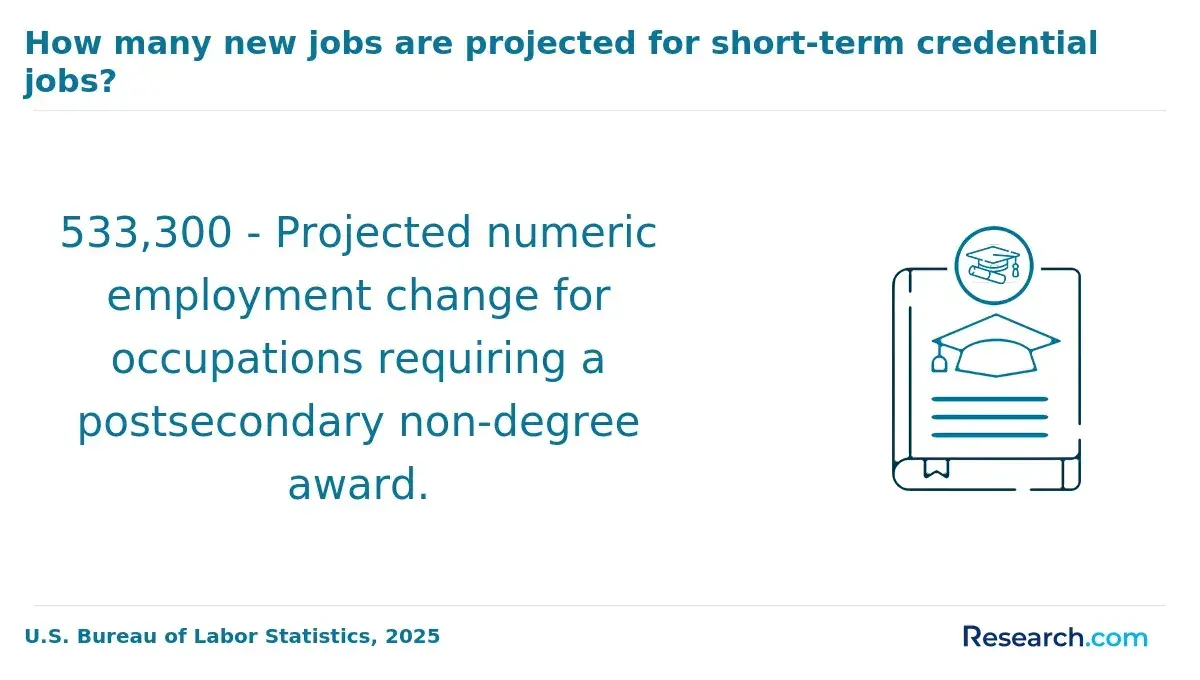
Additionally, healthcare data strategy careers in health informatics continue to grow, with the U.S. Bureau of Labor Statistics projecting 23% employment growth through 2034 and approximately 62,100 annual job openings.
For those considering specialization or certification paths, exploring options like CPC certification may further enhance career prospects in healthcare administration and coding.
Which accreditation and program quality indicators matter most for online health informatics degrees in the U.S.?
Accreditation standards for online health informatics programs in the U.S. are essential when evaluating master's degrees for healthcare data strategy roles. Programs accredited by agencies like the Commission on Accreditation for Health Informatics and Information Management Education (CAHIIM) demonstrate adherence to rigorous academic and industry benchmarks. This ensures that curricula align with current professional expectations and qualify graduates for national certification, a feature valued by employers.
Top quality indicators for U.S. health informatics master's degrees online include faculty expertise, curriculum relevance, and practical learning experiences. Faculty should possess real-world knowledge in healthcare data strategy or informatics research. Core coursework must encompass data analytics, health information systems, and clinical workflow integration. Additionally, practicum or capstone projects with healthcare organizations offer valuable hands-on experience that bridges theory and practice.
Other important strengths involve robust student support, flexible scheduling options for working professionals, and transparent outcome reporting such as job placement rates and employer partnerships. These factors contribute to program effectiveness in preparing graduates for competitive positions.
Data from the Rutgers School of Health Professions highlights the benefits of accredited programs: graduates in advanced informatics roles earn an average salary of $130,370, according to the U.S. Bureau of Labor Statistics.
For students considering shorter pathways in healthcare training, accelerated medical assistant programs offer another option to quickly enter the field.
What core courses and specializations support careers in healthcare data strategy and analytics?
Core courses in healthcare data analytics focus on foundational skills essential to data management and analysis within modern healthcare systems. Students learn about health data standards and interoperability to securely integrate diverse healthcare records. Clinical informatics courses demonstrate how data supports decision-making in clinical settings, while healthcare analytics emphasize statistical methods, predictive modeling, and data visualization for actionable insights.
Specializations in health informatics strategy often deepen expertise aligned with distinct career paths. Common tracks include health data science, which applies machine learning and big data approaches in clinical and operational environments; healthcare project management, blending informatics with leadership to execute strategic initiatives; and public health informatics, which links data analytics to population health and policy development.
- Health data science focusing on machine learning applications and big data management in clinical and operational settings
- Healthcare project management combining informatics skills with leadership to implement strategic data initiatives
- Public health informatics connecting data analytics with population health and policy development
Job market trends reflect strong growth; for example, data scientist roles are projected to increase by 36% from 2023 to 2033. Such roles often require knowledge of artificial intelligence and big data technologies integrated into healthcare strategies.
Students benefit from curricula that provide hands-on experience with healthcare data platforms, programming languages like Python or R, and electronic health record systems. This addresses challenges including data privacy, quality improvement, and translating complex data into strategic decisions.
Those exploring related fields may also consider a cryptocurrency university as an innovative option merging technology and finance disciplines.
What admission requirements and professional background are typically needed for an online health informatics master's?
Admission to online health informatics master's programs typically requires a bachelor's degree from an accredited institution, often in health sciences, information technology, computer science, or related fields. Many programs expect a minimum GPA of 3.0, though this varies. GRE scores may be required, but some schools waive them based on undergraduate performance or professional experience. Relevant work experience in healthcare or IT can enhance applications and, in some cases, replace test scores.
Applicants must often submit letters of recommendation, a statement of purpose outlining career goals, and a résumé. Foundational skills in statistics, programming, or healthcare systems are commonly required through coursework or professional background.
Work experience expectations differ; some programs request at least two years in healthcare, data analytics, or information management, while others accept recent graduates. Experience in clinical data management, healthcare IT implementation, or population health analysis is preferred.
Texas State University notes that data analytics-focused roles in health informatics and information management rank among the "fourth fastest-growing occupations" in the U.S. economy, highlighting the importance of strong quantitative and analytical skills. Additional competencies in health policy, electronic health records (EHR) systems, and project management are frequently valued.
International applicants usually demonstrate English proficiency via TOEFL or IELTS scores. Flexible online formats support working professionals, but maintaining relevant healthcare or IT backgrounds remains crucial for admission and success in this competitive field.
How long does it take to earn an online health informatics master's and what are common program formats?
Online master's programs in health informatics typically take between 18 and 24 months to complete when studied full-time. Part-time options extend the duration to three or more years, providing flexibility for working professionals. Accelerated formats allow completion in as little as 12 to 15 months but require a substantial time commitment and intensive coursework.
Programs offer various formats to accommodate different needs. Many are fully asynchronous, allowing students to access lectures and materials on their own schedules, ideal for those balancing work and family. Hybrid models combine asynchronous learning with scheduled synchronous sessions like live discussions or group activities, promoting real-time interaction.
The curriculum structure may involve cohorts, guiding students as a group through the program to foster peer support, but this reduces scheduling flexibility. Self-paced programs give students control over the pace, often with a maximum timeframe for completion.
Typical programs require 8 to 12 courses, totaling 30 to 45 semester hours. Tuition varies considerably, with annual costs ranging from about $12,000 to $35,000 for top-ranked programs, impacting return on investment.
How much does an online master's in health informatics cost and what financial aid options are available?
Online master's in health informatics programs typically cost between $20,000 and over $70,000 in total tuition, influenced by institution type and residency status. Public universities usually offer lower tuition, especially for in-state students, while private and specialized programs often charge more. Out-of-state students at state schools should anticipate higher fees. Additional costs include technology fees and course materials.
Financial aid options are available and include federal loans, scholarships, employer tuition reimbursement, and assistantships. Submitting the Free Application for Federal Student Aid (FAFSA) is crucial for accessing federal loans and some grants.
Many schools provide merit-based scholarships aimed specifically at health informatics or related healthcare fields. Professionals may also benefit from employer-sponsored tuition assistance programs to finance their education.
Graduate assistantships, although less common in online formats, may offer tuition waivers and stipends for eligible students. Professional organizations, such as the Healthcare Information and Management Systems Society (HIMSS), also provide scholarships and grants to help reduce financial burdens.
Considering the strong industry demand and competitive salaries, investing in an online master's in health informatics is worthwhile. Data from Adelphi University reveals healthcare data analysts earn around $107,339 on average, while health information privacy managers and healthcare administrators make over $120,000 annually, underscoring the value of evaluating cost and aid options carefully.
What healthcare data strategy roles can graduates pursue with an online health informatics master's?
Graduates with an online master's in health informatics often step into diverse and specialized roles that combine healthcare knowledge with data strategy. Common career paths include clinical informatics specialists, healthcare data analysts, health IT project managers, and health information managers. These professionals work to enhance patient outcomes and operational efficiency by leveraging data-driven solutions.
Clinical informatics specialists concentrate on electronic health records (EHR) and clinical decision support systems, while healthcare data analysts identify trends from large datasets to improve quality and reduce costs. Health IT project managers oversee technology implementations, ensuring interoperability and regulatory compliance, and health information managers focus on securing patient data integrity and accessibility.
Employers value candidates who bridge clinical workflows with IT infrastructure. According to Brandeis University's 2026 health informatics Q&A, a majority of their online master's graduates enter from clinical, IT, or analytics roles and often move into higher-paying informatics positions within 6-12 months of graduation. This highlights strong career growth for those advancing in data strategy.
What salary ranges and job outlook can health informatics graduates expect in healthcare data strategy?
Graduates in health informatics targeting healthcare data strategy roles can anticipate strong job prospects and competitive salaries. Entry-level clinical data analysts usually earn between $65,000 and $85,000 annually, while specialists and strategists with experience often command salaries from $90,000 to $120,000. Advanced management or consulting positions may exceed $130,000, depending on the employer and location.
The U.S. Bureau of Labor Statistics forecasts a 28% growth in employment for medical and health services managers-including data strategy roles-between 2021 and 2031, much faster than the average for all occupations. This increase reflects healthcare's growing focus on leveraging data to enhance patient outcomes and operational efficiency.
Key skills boosting employability include electronic health record systems, data analytics, and regulatory compliance. Proficiency in health information exchange and predictive analytics often leads to higher salaries in larger hospitals or insurance companies. Certifications such as Certified Health Data Analyst (CHDA) further improve earning potential.
According to Rutgers' M.S. in Health Informatics program, most professionals choose the online format and secure well-paying data analyst or specialist positions within months of graduation. This indicates that online learning effectively supports career advancement for working adults.
Job seekers should also consider regional salary variations, employer type, and organization size, as urban centers typically offer higher compensation due to cost-of-living and demand for health informatics expertise in data strategy.
How do certifications and professional memberships enhance a health informatics career in data strategy?
Certifications and professional memberships play a crucial role in advancing careers in health informatics data strategy by validating expertise and broadening professional connections. Credentials such as the Certified Health Data Analyst (CHDA) and Registered Health Information Administrator (RHIA) verify skills in managing complex healthcare data systems and analytics, making candidates more attractive to employers focused on industry standards.
Joining professional organizations like the Healthcare Information and Management Systems Society (HIMSS) or the American Health Information Management Association (AHIMA) offers ongoing education, access to the latest resources, and opportunities to attend influential industry events. These memberships help professionals stay informed about evolving technologies, regulatory changes, and data governance essential for effective data strategy.
Professionals with these qualifications can lead digital transformation projects, enhance electronic health record (EHR) system use, and improve interoperability between healthcare providers. For example, a strategist holding CHDA certification can analyze clinical data to support better decision-making, helping reduce costs and enhance patient outcomes.
Data from St. John's University, referencing the U.S. Bureau of Labor Statistics, highlights a 16% job growth projection for health information technologists and medical registrars from 2023 to 2033. This growth emphasizes the growing demand for specialized skills that certifications and memberships cultivate.
These credentials not only boost credibility but also ensure continual professional growth and connect practitioners to key industry forums-important aspects for career advancement in health informatics data strategy.
Other Things You Should Know About Health Informatics
In 2027, the best online master's programs for Health Informatics, tailored for healthcare data strategy roles, include those from the University of Illinois at Chicago, Johns Hopkins University, and Oregon Health & Science University. These programs offer comprehensive curricula, industry-relevant courses, and reputable faculty to prepare graduates for strategic roles in healthcare data management.
Ethical concerns in health informatics include protecting patient privacy, securing data against breaches, and ensuring informed consent when using health information. Professionals must adhere to regulations such as HIPAA to maintain confidentiality and uphold trust in healthcare data management. Balancing transparency with data security is a key ongoing challenge.
Health informatics improves patient care by enhancing data accuracy, enabling timely access to patient information, and supporting evidence-based clinical decisions. It helps reduce medical errors and facilitates coordinated care across diverse healthcare providers. Ultimately, this leads to improved patient outcomes and operational efficiencies.
Critical skills include data analysis, systems management, and knowledge of healthcare regulations. Effective communication and problem-solving abilities are crucial for collaborating with clinical and IT teams. Additionally, staying updated with emerging technologies and standards helps professionals adapt to the evolving health informatics landscape.
References
- Master's in Health Informatics (MSHI) Online | USF Health https://www.usfhealthonline.com/programs/masters-degree/ms-health-informatics/
- 2025-2026 Master of Science in Health Informatics and Healthcare Administration Costs https://www.une.edu/sfs/online/costs/master-science-health-informatics
- Masters in Health Informatics - Opportunities and Scope — The BridgeWay Firm https://www.bridgewayfirm.com/masters-in-health-informatics
- 11 Health Informatics Careers for Master’s Graduates to Consider https://www.nec.edu/news/health-informatics-careers
- Master’s in Health Informatics https://nursinglicensemap.com/resources/healthcare-degree-programs/masters-in-health-informatics/
- Online master's in health informatics | edX https://www.edx.org/masters/healthcare-informatics
- Online Healthcare Informatics Master's Degrees - Part-Time Programs https://www.mhaonline.com/faq/part-time-healthcare-informatics-programs
- Grants: The Guide To Finding Free Money To Finance Your Health Informatics Degree https://mastersinhealthinformatics.com/masters-in-health-informatics-college-grants/
- Top 30 Best Online Master’s in Healthcare Informatics Degree Programs 2020 - Healthcare Administration Degree Programs https://www.healthcare-administration-degree.net/best/online-masters-healthcare-informatics-programs/
- Health Informatics Specialist Certifications: Best Credentials to Advance Your Career | Teal https://www.tealhq.com/career-paths/health-informatics-specialist-certifications