2027 Best States for Health Informatics Career Growth

Co-Founder and Chief Data Scientist
Professionals from unrelated fields often face the challenge of identifying the best locations to switch careers into health informatics. Factors such as job availability, salary prospects, and industry growth vary widely across states, making it difficult to choose an optimal path.
Without clear guidance, candidates may miss opportunities that align with their goals and expertise. This article explores the states offering the most promising career growth in health informatics. It aims to provide actionable insights on where to focus efforts for education and job searching, helping readers make informed decisions about their career pivot.
Key Things You Should Know
- California, Texas, and New York lead in health informatics job growth, with projected increases of over 20% by 2028, driven by expanding healthcare technology sectors.
- States offering the highest average salaries exceed $100,000 annually, notably in Massachusetts and Washington, reflecting strong investment in health informatics infrastructure.
- The demand for professionals with advanced degrees in health informatics is rising, with 35% of employers preferring candidates holding master's or doctoral qualifications as of 2025.
Which states currently offer the strongest job growth and demand for health informatics careers?
States with the highest health informatics job growth in 2026 include California, Texas, Florida, and New York. These regions combine large healthcare systems and strong technology sectors, fueling demand for health information technologists and medical registrars.
California leads with extensive hospital networks and innovative tech startups focused on data analytics. Texas benefits from expanding healthcare infrastructure and investment in medical research hubs. Florida and New York show particular growth due to aging populations requiring better health data management for chronic conditions.
Emerging markets in Massachusetts and Pennsylvania also offer opportunities through academic medical centers that emphasize research-driven health informatics roles. The U.S. Bureau of Labor Statistics projects a 15% growth rate for health information technologists and medical registrars between 2024 and 2034, translating to about 3,200 annual openings nationwide, exceeding average job growth in many sectors.
Job seekers aiming for the best regions for health informatics career opportunities should consider states with:
- Large, integrated healthcare systems
- Strong public health initiatives
- Technology-driven hospital networks
- Educational institutions offering health informatics programs
These factors influence job stability and career advancement, especially in states investing in telehealth and big data analytics. Graduates will also find competitive salaries aligned with state health and economic priorities. For those looking to enter this growing field, enrolling in CAHIIM accredited health information management programs online can be an excellent first step.
How do salary ranges for health informatics professionals compare across different states?
Salary differences for health informatics professionals by state reflect local demand, cost of living, and healthcare industry size. States with large healthcare markets such as California, Texas, Florida, New York, and Pennsylvania usually offer higher salaries due to significant job growth and infrastructure needs. Median annual earnings in California often exceed $95,000, while Texas and Florida range between $80,000 and $90,000.
Smaller states or those with less concentrated healthcare sectors tend to offer salaries around $65,000 to $75,000.
Regional salary comparisons for health informatics careers also align closely with employment trends. The U.S. Bureau of Labor Statistics projects a 23% growth in jobs for medical and health services managers-a key subset within health informatics-from 616,200 to 759,100 between 2024 and 2034. This growth is concentrated in large healthcare hubs where employers compete for skilled talent, pushing salaries higher.
Job seekers should consider cost of living alongside salary offers since a $90,000 salary in New York City may not stretch as far as $75,000 in a less expensive state. States with larger healthcare networks tend to offer better opportunities for career advancement, which can boost long-term earning potential.
Researching specific employer demands and local market conditions is vital. Networking in states with strong healthcare sectors can reveal unadvertised positions offering competitive pay. For those interested in salary details related to medical coding roles, reviewing resources such as the CPC salary can provide further insights.
What factors make some states better than others for health informatics career advancement?
States thrive in health informatics career advancement due to factors like salary levels, industry demand, educational infrastructure, and technology adoption in healthcare. Competitive pay attracts skilled professionals; for instance, Hawaii's average salary of $108,260 and Maryland's $106,290 for health informatics specialists reflect significant regional differences in compensation.
This variation influences career decisions, highlighting the importance of understanding state demand for health informatics professionals in regional job markets.
The size of the healthcare industry and investment levels create more opportunities. States with large hospital networks, research institutions, and health IT companies foster increased job openings and career mobility. Maryland's proximity to federal agencies such as the NIH and FDA intensifies demand for specialized informatics roles working on extensive health data projects.
Access to quality education is essential. States offering numerous accredited health informatics programs ensure a steady pipeline of qualified graduates. This support enables continuous professional development and advanced certifications, which are vital for keeping up with evolving technology and regulations. Prospective students might also explore accelerated certified medical assistant programs to complement their skills in healthcare IT environments.
Local adoption of electronic health records and digital health technologies fuels demand. States committed to modernizing healthcare infrastructure need experts for system implementation, data analysis, and interoperability enhancements.
Key considerations for career growth include:
- Comparing regional salary averages to match financial goals
- Assessing the concentration of healthcare IT firms and government agencies
- Evaluating local educational and training program availability
- Examining state healthcare policies promoting technology integration
Monitoring average health informatics salary growth across states helps professionals anticipate market trends and plan their career progression strategically.
Which degrees and credentials are most in demand for health informatics roles by state?
Degrees in Health Informatics for top states vary significantly, reflecting each region's healthcare infrastructure and industry needs. A bachelor's degree in health informatics, information technology, or healthcare administration is typically the minimum qualification required. However, employers in larger markets increasingly prefer candidates with master's degrees in health informatics, public health, or related fields for advanced roles.
State-specific credentials for health informatics careers play a critical role in hiring decisions. Nationwide, certifications like the Certified Health Informatics Systems Professional (CHISP) and Registered Health Information Administrator (RHIA) carry considerable weight.
States with large healthcare systems, such as California and Texas, also value advanced certifications including the Certified Professional in Healthcare Information and Management Systems (CPHIMS) to enhance competitiveness.
California employed 68,800 medical and health services managers with an average annual wage of $154,620 and demands candidates who combine strong technical skills with management expertise. Texas follows with 57,150 positions paying $124,750 annually, emphasizing credentials blending clinical knowledge with IT skills. Familiarity with electronic health records and regulatory compliance is essential in these areas, increasing demand for degrees that integrate health policy and data analytics.
States with emerging healthcare markets often prioritize practical certifications and associate degrees in health information technology aligned with operational roles. Prospective students should review regional job listings and consider programs like the Chamberlain vs Capella RN to BSN program when evaluating educational paths to meet local market demands.
Overall, the ideal qualifications combine formal education-preferably at the master's level-with certifications such as RHIA and CPHIMS, particularly in states with extensive healthcare networks and higher salary scales.
How can I compare accredited health informatics programs in the states with the best opportunities?
Start by verifying program accreditation through recognized bodies such as CAHIIM to ensure curriculum quality and eligibility for certification exams. Different programs emphasize varying aspects like clinical data management, IT infrastructure, or analytics, so select one aligned with your career goals.
Consider employment outcomes by reviewing job placement rates and internship availability in states known for strong career opportunities. For instance, Washington State offers a notable salary premium with an average health informatics salary of $93,757, about 13.3% higher than the U.S. national average of $82,781, based on Workforce Analytics data. This reflects stronger employer demand and better networking possibilities.
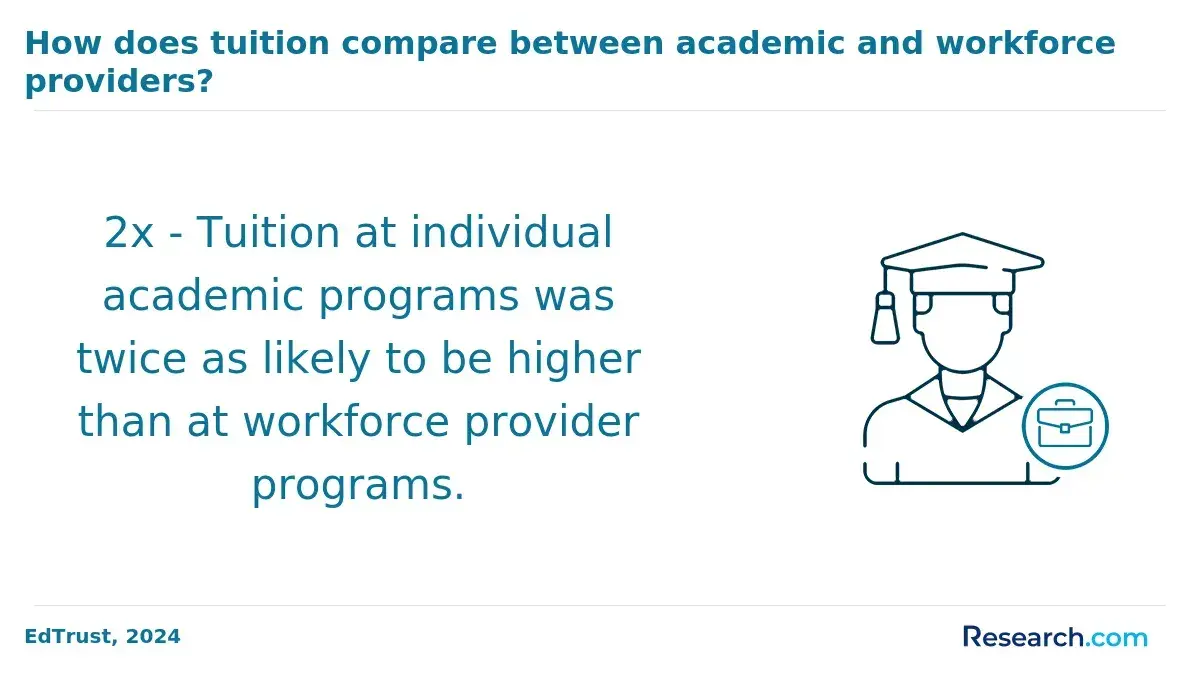
Compare tuition costs and financial aid options to ensure affordability. Decide between online and on-campus formats based on your preference for flexibility or in-person interaction. Additionally, assess faculty expertise and research opportunities if you plan to specialize or advance academically.
Use labor market projections and wage data from state departments of labor or education to verify sustained growth in health informatics jobs. Combining accreditation status, curriculum focus, local employment statistics, and financial factors will enable a well-rounded program comparison tailored to states with promising career growth.
What is the difference between online and on-campus health informatics programs in top states?
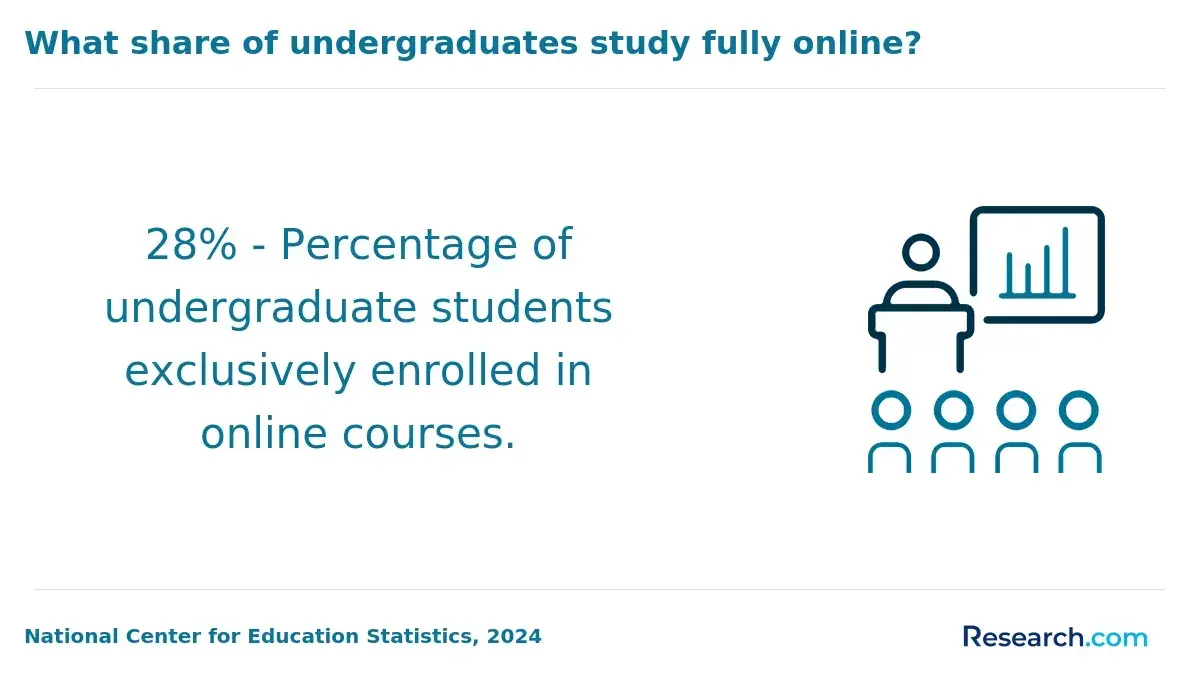
Online and on-campus health informatics programs differ significantly in flexibility, interaction, and local resource access. Online courses suit working professionals and remote students by offering the ability to complete work on flexible schedules through digital platforms for lectures and assignments. However, they may provide fewer hands-on experiences compared to on-campus programs.
On-campus study allows direct access to faculty, campus facilities, and valuable networking with peers and healthcare organizations, which can be especially important in states with strong healthcare sectors like California, Texas, and Massachusetts.
Accreditation and state-specific curricula also matter. Some on-campus programs partner with local hospitals to offer training on electronic health record systems common in their region. Meanwhile, accredited online programs often follow national standards and prepare students for certifications recognized broadly across states.
Cost differences are notable too. Online programs might lower expenses related to commuting and housing but can include technology fees. On-campus programs may justify higher costs by providing closer ties to employers and career services. Considering that the median annual wage for medical and health services managers is $117,960, about 2.5 times the national median for all occupations, making an informed decision on the mode of study is crucial.
How do tuition, fees, and cost of living in leading states affect health informatics ROI?
Tuition, fees, and living costs significantly affect the return on investment (ROI) for health informatics careers by shaping the financial challenges students face and their potential earnings after graduation. States offering moderate tuition paired with affordable living expenses provide graduates with stronger net income benefits.
Georgia serves as a prime example. Data from the Atlanta-Sandy Springs-Roswell area show that medical and health services managers, roles that parallel health informatics positions, earn an annual mean wage of $185,550. This salary surpasses wages in typically higher-cost regions like New York and California, demonstrating that competitive pay can coincide with lower living costs outside major coastal tech hubs.
- Public university tuition and fees in the Midwest and South often range from $8,000 to $15,000 annually, much less than the $30,000+ found in some Northeastern and Western states.
- Living expenses, including housing, transportation, and taxes, directly impact disposable income and the ability to save or pay off debt during the early career years.
- Higher salaries in emerging metro areas such as Atlanta or Dallas can offset slightly increased costs, enhancing ROI for graduates open to relocation.
Prospective students should evaluate total education expenses alongside anticipated regional salaries to identify the best financial pathway into health informatics. Striking the right balance between affordable education and strong employment markets maximizes long-term financial benefits.
What typical courses and specializations prepare students for high-growth health informatics roles?
Courses targeting high-growth health informatics careers combine healthcare knowledge with data science and IT skills. Foundational topics often include healthcare systems, medical terminology, clinical workflows, programming languages like Python, and database management with SQL. These fundamentals enable students to manage and analyze large healthcare datasets effectively.
Advanced courses typically cover electronic health records (EHR) management, health information exchange standards such as HL7 and FHIR, and data privacy regulations like HIPAA. These subjects prepare students to protect sensitive patient information while complying with legal requirements. Common specializations include clinical informatics, which integrates data analytics with patient care, and bioinformatics, focusing on genetic and molecular data.
Additional coursework often emphasizes health data analytics and machine learning to support predictive modeling and clinical decision-making. Project management and systems implementation classes prepare graduates to lead technology integration within healthcare settings.
Programs with practicum or internship opportunities offer essential hands-on experience in healthcare environments, bridging academic knowledge with practical skills.
According to ZipRecruiter's compensation analysis, 29 U.S. states report average salaries for health informatics roles above the national average, highlighting strong geographic demand. Selecting courses aligned with these growth regions and sectors can enhance employment prospects in a partially remote-enabled market.
Which professional certifications boost employability in high-growth health informatics states?
Professional certifications play a crucial role in enhancing employment opportunities in high-growth states for health informatics. Key certifications recognized by employers include the Certified Professional in Healthcare Information and Management Systems (CPHIMS), Certified Health Data Analyst (CHDA), and Registered Health Information Administrator (RHIA).
These credentials demonstrate expertise in electronic health records management, data analytics, and regulatory compliance, skills that are increasingly in demand as healthcare adopts advanced digital infrastructure.
The Certified Professional in Healthcare Quality (CPHQ) holds growing value in regions where informatics intersects with quality management and patient safety. Nurses shifting towards informatics benefit from the American Nurses Credentialing Center's Informatics Nursing certification (RN-BC), which highlights proficiency in integrating clinical practice with information technology.
- Registered nurses report a median salary near $93,600.
- Advanced practice nurses with informatics skills earn an average salary of $132,050, surpassing registered nurses by over $38,000.
States like California, Texas, and Massachusetts prioritize candidates with these certifications for roles in healthcare data management, clinical informatics, and health IT leadership. Supplementary training in systems such as Epic or Cerner, alongside knowledge of HIPAA regulations, further increases employability. Prospective professionals should focus on obtaining these certifications to access advanced roles and salary premiums in growing markets.
How can prospective students evaluate long-term career paths in health informatics by state?
Health information technologists and medical registrars are projected to grow 15% from 2024 to 2034, while medical and health services managers face an even stronger national growth rate of 23%, both outpacing the approximate 5% overall U.S. employment increase, according to the U.S. Bureau of Labor Statistics. This suggests ample opportunities in health informatics-related roles across many states.
Location plays a crucial role in career prospects. States with expanding healthcare infrastructure and technology adoption, such as California and Texas, offer broad growth and diverse employers. Smaller states like Massachusetts focus more on specialized roles linked to biotech and research institutions. Students should review state labor market data to identify where health IT careers are growing strongest.
Access to education is another important factor. States with multiple accredited health informatics programs provide better local options for training and professional networking. Continuing education and certifications within a state can support long-term career advancement.
Salary must also be weighed against cost of living. Some states offer higher wages but also higher expenses, so comparing median earnings for health information technologists and healthcare managers is essential to find financially advantageous locations.
Finally, state healthcare policies, telehealth growth, and investment in data systems drive job creation and stability. Using trusted sources like the U.S. Bureau of Labor Statistics allows students to make informed decisions about their health informatics career paths.
Other Things You Should Know About Health Informatics
Success in health informatics requires a combination of technical and interpersonal skills. Key abilities include proficiency in data analysis, understanding of electronic health records (EHR) systems, and knowledge of healthcare regulations like HIPAA. Strong communication and problem-solving skills are also crucial to effectively collaborate with clinical and IT teams.
In 2027, states like California, Texas, and Florida offer significant career growth in health informatics. These states have robust healthcare infrastructures, numerous universities offering relevant programs, and a high demand for professionals skilled in data management, electronic health records, and health IT systems.
Emerging trends such as the integration of artificial intelligence (AI) and machine learning into health data management are reshaping health informatics careers. Increased focus on interoperability and patient data security, as well as the adoption of telehealth services, are also creating new opportunities and challenges within the field.
Continuing education is vital in health informatics because the field rapidly evolves with advancements in technology and regulatory changes. Professionals often pursue ongoing certifications, workshops, and training programs to stay current with new software, data standards, and healthcare policies.
References
- College of Health Professions | University of Findlay https://www.findlay.edu/health-professions/health-informatics-ma/online-health-informatics
- Masters in Health Informatics | Informatics in Public Health | Health Informatics Career Guide https://www.publichealthonline.org/health-informatics/
- Top 5 Health Informatics Jobs on the Rise https://online.une.edu/blog/health-informatics-good-career-choice/
- 100 Percent Online Master's in Health Informatics - MSHI Degrees https://www.mhaonline.com/faq/fully-online-ms-health-informatics-programs
- 11 Health Informatics Careers for Master’s Graduates to Consider https://www.nec.edu/news/health-informatics-careers
- Health Informatics Job Description and Salary Information https://www.usfhealthonline.com/resources/health-informatics/health-informatics-jobs-health-informatics-salary/
- Top Skills and Certifications Needed to Land High-Impact Healthcare Roles | GHR Healthcare https://www.ghrhealthcare.com/blog/certifications-high-impact-healthcare-roles
- What Health Informatics Jobs Are Available With The Government? - Healthcare Administration Degree Programs https://www.healthcare-administration-degree.net/faq/health-informatics-jobs-government/
- Health Informatics Master’s in the USA: Top Universities, Fees and Admission Process https://www.avanse.com/blog/health-informatics-master-s-in-the-usa-top-universities-fees-and-admission-process
- Best Health Informatics Bachelor's Degree Programs, Jobs, and Salaries https://careerkarma.com/blog/best-health-informatics-bachelors-degrees/