2027 First Informatics Roles for Allied Health Professionals

Co-Founder and Chief Data Scientist
Allied health professionals frequently face challenges transitioning into informatics roles due to a lack of targeted guidance and flexible educational pathways. Many struggle to find accredited programs that accommodate their existing qualifications while aligning with industry demands. Without clear direction, these professionals risk extended timelines or enrolling in unsuitable courses that do not lead to meaningful career advancement.
This article explores available first informatics roles tailored for allied health professionals and outlines practical steps to bridge the gap. It aims to help readers identify flexible, accredited options to successfully pivot into health informatics careers with confidence and efficiency.
Key Things You Should Know
- By 2026, over 40% of allied health professionals in the U.S. will integrate informatics skills to improve patient data management and healthcare delivery efficiency.
- Health informatics roles increasingly require interdisciplinary knowledge, combining clinical expertise with data analytics and electronic health record (EHR) proficiency.
- Training programs focused on informatics for allied health professionals have grown 25% since 2024, reflecting rising demand for skilled professionals in healthcare technology.
What are entry-level informatics roles available to allied health professionals today?
Entry-level informatics jobs for allied health professionals in the US often combine clinical expertise with IT skills to improve healthcare delivery. Common roles include clinical informatics specialist, health data analyst, and health IT support analyst. These positions involve managing electronic health records (EHRs), analyzing healthcare data to enhance patient outcomes, and providing technical support within healthcare settings.
Allied health professional roles in clinical informatics extend to positions such as informatics coordinator, who facilitates communication between clinical teams and IT departments, and quality improvement analyst, focusing on data-driven care enhancements. Some jobs require programming or database skills, while others prioritize knowledge of healthcare regulations and compliance standards.
Healthcare occupations are expected to grow much faster than average, with approximately 1.9 million openings per year from 2024 to 2034, offering strong prospects for allied health graduates trained in informatics. Building proficiency in platforms like Epic or Cerner, gaining foundational coding skills such as SQL or Python, and obtaining certifications like the Certified Associate in Healthcare Information and Management Systems (CAHIMS) can boost employability.
Entry-level roles are available in hospitals, outpatient clinics, public health organizations, insurance companies, and health IT vendors. Prospective students and professionals can explore educational pathways by pursuing a health information management degree online as a way to enter this growing field.
How does health informatics fit into typical allied health career paths?
Health informatics roles in allied health careers are evolving as professionals like medical technologists, radiology technicians, and respiratory therapists collaborate with informaticians to improve patient data management and clinical outcomes. This integration of health informatics in allied health professions enables practitioners to advance beyond traditional roles into positions such as clinical analyst, health data specialist, and informatics coordinator.
Professionals seeking career growth benefit from additional training in health informatics, which equips them to manage large datasets, ensure data accuracy, and maintain compliance with healthcare regulations. For instance, a physical therapist with informatics skills might help design software to monitor rehabilitation progress, while a diagnostic medical sonographer could use informatics to enhance imaging documentation and reporting.
The U.S. Bureau of Labor Statistics projects a 17% growth in health informatics and related health information roles between 2021 and 2031, outpacing many other fields. This demand highlights the increasing importance of informatics competence for long-term career security in allied health.
Certifications from organizations such as the American Health Information Management Association (AHIMA) position allied health workers for leadership roles that merge clinical expertise with data management. Employers value professionals who can bridge patient care and technology, accelerating healthcare's digital transformation. For those interested in related fields, understanding how much does medical coding pay can provide valuable insights into compensation trends within health information management.
What education and skills do allied health professionals need for a first informatics role?
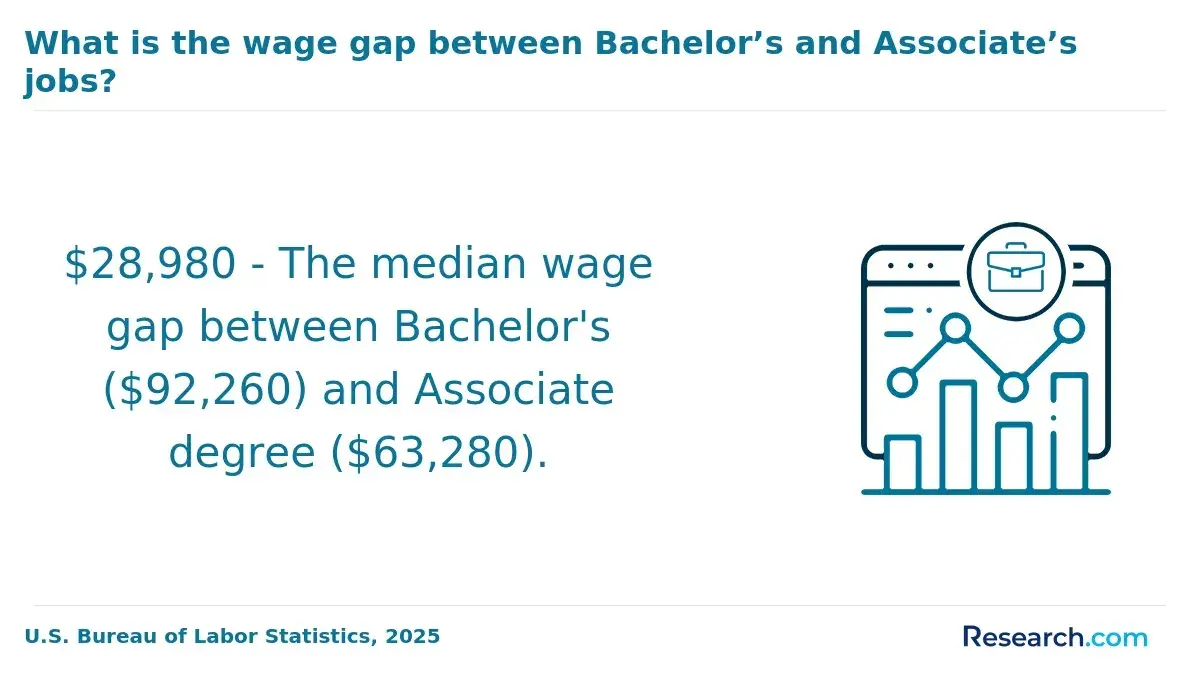
Allied health professionals seeking their first informatics role in 2026 must combine formal education with technical skills specific to healthcare data management and technology integration. Typically, a bachelor's degree in fields like health informatics, nursing, information technology, or health sciences is required. Entry-level roles often expect foundational knowledge of medical terminology, healthcare delivery systems, and electronic health records (EHR) software.
Essential skills for allied health informatics roles include data analysis proficiency, familiarity with healthcare databases, and programming basics in languages such as SQL, Python, or R. Understanding clinical workflows and regulatory requirements like HIPAA is critical for maintaining patient data security. Strong communication skills are also necessary since informatics professionals serve as liaisons between clinical teams and IT departments.
Certifications like the Certified Health Informatics Systems Professional (CHISP) or Registered Health Information Administrator (RHIA) boost employability. Practical experience through internships, residencies, or supervised practicums provides valuable hands-on training. Employers also value knowledge of data visualization tools, machine learning fundamentals, and quality improvement techniques.
Interested individuals can accelerate their path by enrolling in a medical assistant certification accelerated program to gain relevant experience. According to the U.S. Bureau of Labor Statistics, healthcare practitioners and technical roles, including many informatics positions, earned a median annual wage of $83,090 in May 2024, compared to $49,500 for all occupations. This wage premium reflects the growing demand and value of specialized informatics education and skills in allied health professional informatics education requirements.
Which degrees or certificates best prepare allied health workers for health informatics jobs?
Degrees and certificates that best prepare allied health professionals for health informatics jobs include bachelor's or master's degrees specifically in health informatics, health information management, or related areas like nursing informatics. For instance, a Bachelor of Science in Health Informatics or a Master of Science in Nursing Informatics provides a strong foundation in data management, healthcare systems, and clinical workflows. Allied health professionals may also find value in certificate programs that focus on skills such as electronic health records (EHR) management, data analytics, and regulatory compliance.
Certificates like the Certified Health Informatics Systems Professional (CHISP) or those offered by the Healthcare Information and Management Systems Society (HIMSS) enhance qualifications for advanced roles. These certifications demonstrate proficiency in current health IT systems and standards. Professionals seeking the best educational programs for allied health informatics jobs should consider institutions with CAHIIM accreditation and curricula emphasizing hands-on experience with clinical decision support tools.
The American Nursing Informatics Association reports nursing informatics specialists earn between $79,000 and $100,000 annually, with higher salaries tied to advanced degrees and certifications. Prospective students should also prioritize programs offering career support and networking opportunities to advance their careers in this expanding field.
Allied health workers aiming to improve their qualifications can supplement clinical degrees with targeted certification programs. Additionally, exploring related fields may include options like blockchain degrees, which are emerging in healthcare data security and management.
How do online health informatics programs compare with campus-based options for allied health?
Online health informatics programs provide unmatched flexibility for allied health professionals balancing careers and education. These programs allow students to complete coursework asynchronously, advancing at their own pace without the need to relocate or commute. This flexibility is especially important for working individuals aiming to upgrade their skills while maintaining employment.
In contrast, campus-based health informatics programs often offer hands-on learning opportunities like lab work, simulations, and face-to-face networking. Many on-campus programs collaborate with local health systems to provide practical training that may not be available in online formats. Such experiences can be critical for students who thrive in structured settings with immediate instructor feedback.
Regardless of delivery method, both online and campus options cover the core competencies required for medical records and health information roles. The U.S. Bureau of Labor Statistics estimates 34,300 annual openings from 2020 to 2030 in this growing field. Accreditation and curriculum quality are vital, as programs should prepare students for certification exams like the Registered Health Information Administrator (RHIA).
Key factors to consider when choosing between program types include:
- Learning style preferences
- Need for flexible scheduling
- Access to clinical or practical experiences
- Costs and financial aid availability
Your personal circumstances and career goals will guide the best choice, but both formats support the growing demand for skilled professionals in allied health sectors.
What should allied health professionals look for in an accredited health informatics program?
Accreditation by recognized bodies like CAHIIM (Commission on Accreditation for Health Informatics and Information Management Education) is essential for allied health professionals seeking credible health informatics programs. Such accreditation confirms the curriculum aligns with industry standards and supports preparation for certification exams such as RHIA and CPHIMS.
Programs should balance clinical knowledge with technical skills, including data analytics, electronic health records (EHR) management, and healthcare privacy regulations like HIPAA compliance. Practical experience through internships or partnerships with healthcare organizations is vital. Exposure to telehealth systems and remote patient monitoring technologies reflects the sector's growth, as healthcare is projected to account for 45% of new U.S. jobs by 2032, largely driven by these emerging care models.
Look for programs addressing advanced topics like AI in healthcare, interoperability standards, and cybersecurity. Flexible delivery options-online, hybrid, or in-person-help accommodate working professionals. Specializations such as clinical informatics, public health informatics, or data science add value.
Graduate outcomes, including job placement rates and employer connections, significantly influence career success. Strong career services and partnerships with healthcare employers accelerate entry into informatics roles. The relevance and depth of program content remain crucial as technical complexity and demand in health informatics careers increase.
What core courses and practical experiences are included in health informatics programs?
Health informatics programs combine core coursework with practical experiences to prepare allied health professionals for effective data management and analysis in healthcare. Key subjects often include electronic health records (EHR) management, health data standards, clinical decision support systems, database design, and health information privacy, emphasizing HIPAA compliance to protect patient confidentiality.
Students also explore the growing role of artificial intelligence and data analytics in healthcare. Training covers biostatistics, epidemiology, and predictive modeling, equipping students to handle complex datasets. According to Wake Forest University citing U.S. Bureau of Labor statistics, health informatics jobs are expected to grow by 17% between 2021 and 2031, driven largely by advances in AI and data analytics.
Practical learning opportunities, such as internships, capstone projects, and clinical partnerships, allow students to apply their skills working with health IT systems and improving workflows in hospitals and outpatient settings. This hands-on experience fosters problem-solving abilities and system optimization relevant to today's healthcare challenges.
Breadth in coursework may also include healthcare policy, project management, and user-centered design, preparing graduates to collaborate effectively and implement technology within healthcare environments. Such comprehensive training ensures readiness to tackle operational, regulatory, and ethical issues in diverse allied health roles.
What are typical salaries and advancement opportunities in entry-level health informatics roles?
Entry-level roles in health informatics for allied health professionals typically start with salaries between $55,000 and $75,000 annually. Factors such as employer type, location, and qualifications influence these figures. For example, clinical informatics specialists at metropolitan hospitals may start near $70,000, while smaller healthcare facilities often offer salaries around $55,000. Candidates with certifications or degrees in health informatics or related fields usually receive higher pay.
Career advancement in health informatics is promising due to sustained demand for skilled workers. The Health Resources and Services Administration estimates that 200,000 new registered nurses will be needed annually in the U.S. to meet healthcare demands. This creates opportunities for allied health staff to upskill and transition into informatics roles. Common career progressions include roles such as data analyst, informatics coordinator, or IT project manager, often leading to salary increases of 10-20% within three to five years.
Combining clinical experience with informatics expertise can accelerate career growth. For instance, a registered nurse who gains informatics skills may advance to nurse informaticist roles with salaries exceeding $90,000. Professional certifications like the Certified Professional in Healthcare Information and Management Systems (CPHIMS) support leadership opportunities.
Employers highly value proficiency in electronic health records (EHR) systems, data analysis tools, and interoperability standards. Regions with extensive healthcare infrastructure, including California and New York, tend to offer higher wages reflecting demand and cost of living.
Which certifications can help allied health professionals move into health informatics positions?
Certifications are essential for allied health professionals transitioning into health informatics roles, validating their skills and enhancing career prospects. Key credentials include the Certified Professional in Healthcare Information and Management Systems (CPHIMS) and the Registered Health Information Administrator (RHIA). The CPHIMS, offered by HIMSS, focuses on healthcare technology management, system implementation, and data analysis-ideal for those pursuing informatics leadership or project roles. The RHIA, awarded by AHIMA, emphasizes health data management, coding, and clinical documentation, preparing professionals to manage electronic health records (EHR) and ensure compliance.
Additional certifications like the Certified Health Data Analyst (CHDA) and the Certified Clinical Informatics Specialist (CCIS) further strengthen informatics expertise. CHDA certifies skills in healthcare data analytics, reporting, and quality improvement, while CCIS supports clinical professionals integrating informatics tools to optimize patient care.
With U.S. healthcare spending reaching $13,493 per person and representing 17.3% of GDP, these certifications are increasingly valuable. Employers prefer candidates with these credentials as they demonstrate the ability to work within complex health data environments and contribute to cost containment through informatics-enabled efficiency.
For newcomers, foundational certificates such as the Certified Associate in Healthcare Information and Management Systems (CAHIMS) offer entry-level validation. Choosing the right certification depends on individual background, career goals, and intended roles in health informatics.
How can allied health professionals strategically transition into their first informatics role?
Allied health professionals can move into their first informatics role by gaining targeted education and relevant experience that combines clinical knowledge with technology. Certifications like Certified Health Informatics Systems Professional (CHISP) or graduate courses in health informatics provide essential skills in data management, electronic health records (EHR) systems, and analytics. Employers value candidates skilled in clinical workflows and technical tools, making a blended skillset important.
Practical experience is often gained through internships, volunteer work, or collaborating across departments in healthcare settings. For instance, working with IT teams to optimize EHR systems or joining data quality improvement projects builds strong applied knowledge. Networking through organizations such as the American Medical Informatics Association (AMIA) offers mentorship and job opportunities.
Mastery of interoperability standards like HL7 or FHIR is critical. Awareness of regulations such as HIPAA ensures compliance when managing informatics systems. Developing data analytics expertise with tools like SQL or Tableau further enhances job prospects.
Healthcare industry data shows average weekly earnings in healthcare rose 20.8% from 2020 to 2024, emphasizing robust wage growth and strong earning potential for those advancing in informatics. Aligning informatics career moves with clinical backgrounds allows specialization in areas such as clinical decision support, population health management, or telehealth platforms.
Continuous education and interdisciplinary engagement are key for demonstrating both healthcare insight and technical proficiency in this evolving field.
Other Things You Should Know About Health Informatics
Health informatics professionals regularly work with electronic health record (EHR) systems, clinical decision support tools, and health information exchange platforms. They also use data analytics software and interoperability standards like HL7 and FHIR to manage and share patient data effectively.
By enabling accurate and timely access to patient information, health informatics helps reduce medical errors and improves clinical decision-making. It supports evidence-based practices, leading to better treatment outcomes and enhanced patient safety.
In 2027, privacy and security in health informatics are upheld through advanced encryption, strict access controls, and compliance with regulations like HIPAA. These measures protect patient data integrity and confidentiality, ensuring data is only accessed by authorized personnel to prevent breaches and misuse.
Data analytics in health informatics involves analyzing large sets of clinical and operational data to identify trends, improve care delivery, and optimize healthcare resources. It supports population health management, predictive modeling, and personalized medicine initiatives.
References
- 50 Most Affordable Master's in Health Informatics Programs 2018 - Healthcare Administration Degree Programs https://www.healthcare-administration-degree.net/best/affordable-masters-health-informatics-degree/
- How to Switch Specialties in Allied Health Without Starting Over https://www.medicalsolutions.com/blog/clinician/how-to-switch-specialties-in-allied-health/
- A Step-by-Step Guide for Clinicians Transitioning to Health Tech https://www.heyhealthtech.com/blog/a-step-by-step-guide-for-clinicians-transitioning-to-health-tech
- How to Get Into Health Informatics https://www.usfhealthonline.com/resources/health-informatics/is-it-experience-enough-to-get-into-health-informatics/
- NHS England » Health informatics academic courses and professional qualifications https://www.england.nhs.uk/long-read/health-informatics-academic-courses-and-professional-qualifications/
- 100 Percent Online Master's in Health Informatics - MSHI Degrees https://www.mhaonline.com/faq/fully-online-ms-health-informatics-programs
- 11 Health Informatics Careers for Master’s Graduates to Consider https://www.nec.edu/news/health-informatics-careers
- Faculty of medicine https://facmedicine.com/career-transition-advice-for-aspiring-healthcare-professionals/
- MatchDay Resources | How to Transition from Clinical Practice to Health Tech Careers https://www.matchday.health/post/how-to-transition-from-clinical-practice-to-health-tech-careers
- Health Informatics and Information Technology - Careers at Fraser Health https://careers.fraserhealth.ca/work-here/corporate-professionals/hiit/