2027 Health Informatics Concentrations for Decision Support Careers

Co-Founder and Chief Data Scientist
Healthcare organizations struggle to leverage vast data for timely, evidence-based decisions that improve patient outcomes. Professionals trained in health informatics concentrations tailored to decision support play a critical role in transforming raw data into actionable insight. This helps bridge the gap between clinical practice and advanced information systems.
For career changers seeking a flexible, accredited pathway into health informatics, understanding the available concentrations is key to identifying the specialization that best supports their professional goals. This article explores key concentrations relevant to decision support careers and guides readers in selecting the program that aligns best with their career goals and schedules.
Key Things You Should Know
- Health Informatics concentrations focusing on decision support integrate AI and machine learning, enhancing clinical decision-making accuracy by up to 30% according to 2025 studies.
- Growing demand for decision support specialists is projected to rise 15% through 2030, driven by expanding EHR adoption and regulatory compliance needs.
- Key concentrations often blend data analytics, clinical workflows, and system design to prepare graduates for roles improving patient outcomes and operational efficiency.
What are the main health informatics concentrations that prepare graduates for decision support roles?
Health informatics concentrations for clinical decision support roles commonly include Clinical Informatics, Healthcare Data Analytics, and Health Information Management. Clinical Informatics emphasizes integrating data systems to enhance patient care and clinical decisions. Graduates develop decision support tools like electronic health record (EHR) alerts and diagnostic support systems.
Healthcare Data Analytics focuses on analyzing large health datasets, generating actionable insights, and creating predictive models that improve clinical and operational decision-making. This concentration covers statistical methods, machine learning, and data visualization tailored for healthcare. Health Information Management deals with managing health data governance, ensuring accuracy, security, and compliance to aid decision-makers with reliable data infrastructure and reporting.
Additional specialized tracks include Population Health Informatics, aimed at managing community health initiatives, and Biomedical Informatics, which supports research and development of decision support algorithms in clinical and laboratory settings. Key areas of health informatics for decision support careers emphasize both technical expertise and clinical knowledge.
Employment for medical and health services managers, often targets for graduates with clinical decision support skills, is projected to grow 23% from 2024 to 2034, with about 62,100 openings annually, reflecting strong demand for decision support expertise.
Prospective students should seek programs offering hands-on experience with EHR platforms, data analytics software, and interdisciplinary teamwork to prepare effectively.
For those interested in expanding their qualifications, exploring medical billing and coding online schools can provide complementary skills valuable in health informatics careers.
How does a decision support concentration in health informatics differ from general health informatics?
A decision support concentration in health informatics programs hones in on the development of tools and strategies that improve clinical and administrative decision-making processes. This specialization emphasizes predictive analytics, algorithm development, and real-time data interpretation, enabling healthcare providers to deliver evidence-based recommendations through clinical decision support systems (CDSS). In contrast, general health informatics covers a broader range of topics such as health data management, electronic health records, and healthcare interoperability.
The differences between decision support and general health informatics include distinct curricular focuses and skill sets. Students in decision support typically acquire advanced expertise in data modeling, artificial intelligence, and machine learning applications within healthcare. They learn to design systems that identify patient risks, suggest diagnostics, and optimize treatment plans. Meanwhile, general health informatics students gain broader competencies like health information exchange, regulatory compliance, and IT project management.
Career paths also differ. Those with decision support training often qualify for roles like clinical data analysts or informatics specialists focusing on predictive modeling. Generalists may move into health IT administration or health information management.
The U.S. Bureau of Labor Statistics notes that health information technologists and medical registrars, involved in data analytics and predictive modeling, earned a median annual wage of $67,310, with a 15% job growth projection from 2024 to 2034.
Prospective students should consider their technical aptitude and interest in data-driven decision-making when choosing between concentrations. Those inclined toward algorithm development may gravitate to decision support, while general health informatics offers broader flexibility.
For foundational skills, you may explore billing and coding classes as a starting point in health informatics education.
What degree levels and prerequisites are typical for health informatics decision support pathways?
Typical degree levels for health informatics decision support careers include bachelor's, master's, and doctoral programs, each with specific prerequisites and academic demands. Entry-level roles generally require a bachelor's degree in health informatics, computer science, or a related field, emphasizing foundational knowledge in biology, statistics, and information technology.
For more advanced decision support positions, employers often prefer candidates with a master's degree due to the technical complexity involved, highlighting typical prerequisites for health informatics decision support programs at this level.
Graduate programs, especially master's degrees in health informatics, typically expect applicants to have completed coursework in statistics, programming, and healthcare systems. For example, Yale School of Public Health's MS in Health Informatics includes advanced quantitative electives such as machine learning, Bayesian statistics, and longitudinal data analysis. This signals a shift toward population-level data science skills as essential training rather than optional electives.
Doctoral programs require strong research backgrounds, often including prior experience in data analytics or biostatistics. Some doctoral tracks may require completion of a master's degree or significant health IT professional experience. Programming proficiency in languages like Python or R and an understanding of clinical workflows are also commonly expected.
Professionals transitioning from clinical careers often pursue post-baccalaureate certificates or bridge programs to acquire the necessary informatics skills. These typically require a health-related undergraduate degree plus introductory courses in health data management. Overall, health informatics degree requirements for decision support careers combine rigorous quantitative training with practical healthcare knowledge.
Those interested in related fields might explore accelerated mental health counseling programs online as an alternative educational pathway.
What core courses and technical skills are taught in decision support-focused informatics programs?
Health informatics programs focusing on decision support core courses in health informatics emphasize clinical data analysis, system design, and workflow optimization. Key subjects include clinical decision support systems, health data standards, electronic health record (EHR) management, and health information exchange, equipping students to develop technologies that enhance clinical outcomes and patient safety.
Technical skills for informatics decision support careers cover data modeling, clinical terminology such as SNOMED CT and LOINC, programming basics like Python and SQL, and health IT standards including HL7 and FHIR. Students also learn to create algorithms that support evidence-based decisions and design dashboards for real-time clinical insights.
Additional coursework involves healthcare quality measurement, informatics project management, and human factors engineering within clinical settings, preparing students to address usability issues and align solutions with clinical workflows.
Many programs offer practical experience with clinical information systems and interdisciplinary teams, aligning with the growing U.S. demand where 76.2% of health informatics roles are clinical informaticians and 40.8% require registered nurse (RN) licensure.
Prospective students should prioritize programs integrating nursing or clinical practice with informatics tools and covering regulatory environments, data privacy (HIPAA compliance), and change management.
For those considering a career change, resources are available to explore related healthcare roles such as a speech language pathologist, which may complement informatics expertise.
How do online decision support informatics programs compare with campus-based options for flexibility and quality?
Online decision support informatics programs offer greater flexibility than campus-based options, making them ideal for working professionals and students with busy schedules. These programs often feature asynchronous coursework, letting learners study on their own time without sacrificing quality. In contrast, campus programs provide face-to-face access to faculty and peers, fostering collaboration and immediate feedback, which benefits students who prefer hands-on experience and richer in-depth discussions.
Quality in online programs increasingly matches traditional settings through accredited curricula, experienced faculty, and cutting-edge technology integration like simulation labs and AI tools. Many online degrees incorporate synchronous virtual workshops and collaborative projects to mimic classroom interaction, while campus programs frequently offer in-person clinical practicums critical for some learners.
Both formats cover core competencies such as data management, clinical decision-making, and systems design. However, campus-based options may have greater access to institutional healthcare partnerships. Financial considerations and career impact also influence choice. For example, Texas State University highlights AI-enabled health informatics roles, such as chief medical information officers, who earn average salaries around $274,592 annually.
Students should weigh program costs, internship availability, networking opportunities, and preferred instructional style when deciding which format aligns with their career goals.
Which accreditation standards and program approvals matter for health informatics decision support degrees?
Accreditation and program approvals play a crucial role in health informatics decision support education, ensuring that programs meet rigorous quality and industry standards. The Commission on Accreditation for Health Informatics and Information Management Education (CAHIIM) is the primary accrediting body recognized by the U.S. Department of Education.
Graduating from a CAHIIM-accredited program means the curriculum covers essential topics such as data governance, clinical decision support, and healthcare privacy laws, all critical for competent practice in decision support roles.
Many employers prefer candidates with CAHIIM-accredited degrees, especially for leadership roles. For instance, health information management directors earn between $82,000 and $137,000 annually, according to Texas State University. Institutional accreditation from regional agencies recognized by the Council for Higher Education Accreditation (CHEA) further supports academic credibility.
Students should confirm that programs prepare them for certification exams like the Registered Health Information Administrator (RHIA) or Certified Health Data Analyst (CHDA). Additional alignment with healthcare IT standards such as HIPAA and HL7 training enhances job readiness. Some decision support tracks may also have approval or recognition from professional organizations like the American Medical Informatics Association (AMIA), emphasizing specialized skills.
Prioritizing accredited programs ensures graduates are equipped with the technical expertise and regulatory knowledge employers expect, supporting advanced roles in clinical and operational decision support.
What are the primary decision support job titles, responsibilities, and typical work settings for graduates?
Primary decision support roles for health informatics graduates include clinical informaticist, health data analyst, informatics nurse specialist, and decision support analyst. Clinical informaticists design and optimize electronic health record (EHR) systems to improve clinical workflows and patient outcomes.
Health data analysts gather and interpret healthcare data to guide decision-making and policy development. Informatics nurse specialists combine clinical expertise with IT, assisting nursing staff by configuring decision support tools that enhance patient safety.
Typical responsibilities involve developing and maintaining clinical decision support systems (CDSS), analyzing health data trends, and ensuring adherence to healthcare regulations. Collaboration is key, as professionals work closely with IT teams, clinicians, and administrators to integrate digital tools that promote care quality and operational efficiency. Many positions focus on evaluating patient engagement within digital health platforms to improve user experience and encourage treatment adherence.
Work environments span hospitals, outpatient clinics, health technology companies, public health agencies, and research institutions. Hospitals lead in employing decision support experts to boost real-time clinical decision-making and reduce medical errors. In outpatient clinics, informatics professionals tailor systems to streamline patient visits and remotely monitor chronic illnesses.
Meanwhile, health IT firms focus on patient-facing applications, a trend highlighted in Health Informatics to Enhance the Healthcare Industry's Culture, which notes increased adoption of digital tools to elevate patient experience metrics.
Graduates should develop skills in data analytics software, clinical workflows, and regulatory frameworks while embracing interdisciplinary collaboration and patient-centered technology use to succeed in this evolving field.
What salary ranges and advancement opportunities exist in health informatics decision support careers?
Careers in health informatics decision support offer competitive salaries with clear advancement paths. Entry-level roles like clinical informatics analysts or health data specialists typically earn between $65,000 and $85,000 annually. Mid-career positions, such as informatics coordinators and implementation specialists, have salary ranges from $85,000 to $110,000. Advanced roles, including chief informatics officers and decision support directors, can command $130,000 to $160,000 or more, depending on experience and organization.
Progression often depends on gaining specialized skills and certifications in data analytics, clinical decision support systems, and telehealth technologies. Professionals who lead interdisciplinary teams or design informatics solutions for virtual care environments become strong candidates for executive roles. Research shows that informatics-enabled virtual care models are driving significant growth in remote monitoring and telehealth utilization.
Health informatics experts can also transition to fields like population health management, healthcare quality improvement, or AI applications in clinical settings. Skills in regulatory compliance, data privacy, electronic health records (EHR) integration, and interoperability are increasingly important for career advancement.
Networking through professional organizations and pursuing advanced degrees, such as a master's in health informatics or an MBA, can boost promotion prospects and salary potential. Employers reward success in improving clinical outcomes and operational efficiency using evidence-based decision support tools, paving the way to senior leadership and strategic roles.
How long do decision support-oriented health informatics programs take, and what do they cost?
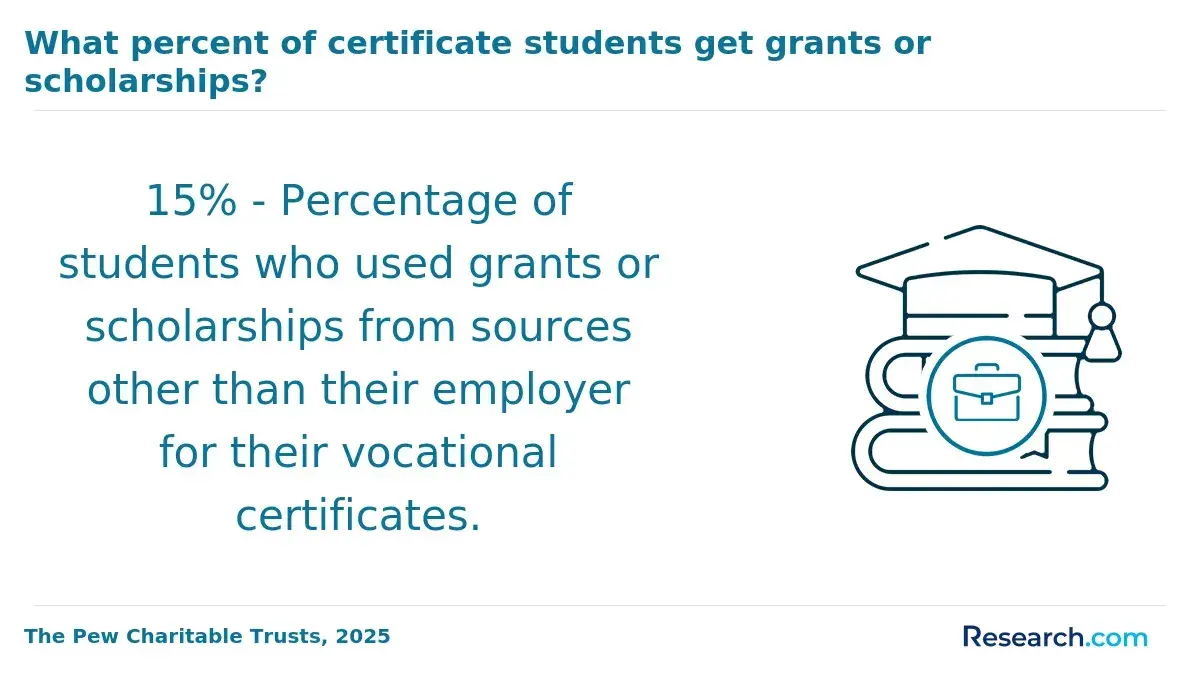
Decision support-oriented health informatics programs typically last 1 to 3 years, influenced by degree level and enrollment status. Full-time master's programs usually span 18 to 24 months, while part-time students may take up to 3 years. Certificate programs focused on decision support offer a faster, 6 to 12-month track designed for working professionals seeking specialized skills.
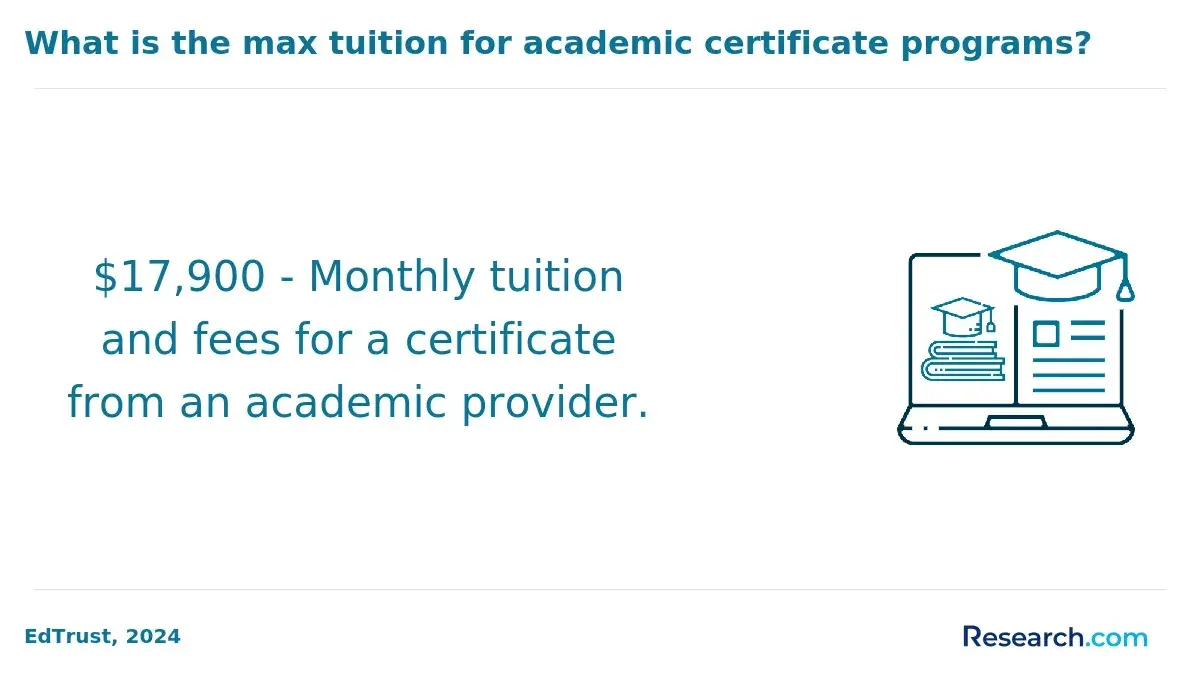
Costs depend on institution type, program length, and residency. Public universities generally charge between $15,000 and $40,000 for a master's program, with private schools often exceeding $50,000. Certificate programs are more affordable, ranging from $5,000 to $15,000. Financial aid, employer tuition assistance, and online discounts can also reduce costs.
An analysis of U.S. health informatics curricula shows increased focus on data science, advanced statistics, and computational methods, reflecting a shift toward research and analytics-heavy training. This trend affects program content and duration as students learn essential technical skills for decision support roles.
Choosing a program requires weighing program length against depth of content. Accelerated options may limit breadth, whereas longer programs provide comprehensive training in analytics, clinical workflows, and health IT systems. Delivery modes—online, hybrid, or on-campus—impact flexibility and completion time.
Cost-conscious students should consider public graduate programs, scholarships, or employer-sponsored training aligned with decision support career objectives.
Are there industry certifications or professional organizations that strengthen decision support informatics careers?
Industry certifications and professional organization memberships play a vital role in advancing careers in decision support informatics. Certifications like the Certified Professional in Healthcare Information and Management Systems (CPHIMS) and the American Health Information Management Association's Certified Health Data Analyst (CHDA) demonstrate expertise in decision support, data analytics, and informatics management.
Joining professional organizations offers valuable networking, education, and advocacy that support career development. The Healthcare Information and Management Systems Society (HIMSS) provides resources, conferences, and a Clinical and Business Intelligence Community focused on decision support tools. Likewise, the American Medical Informatics Association (AMIA) promotes standards and research for those working with clinical decision support systems.
Benefits include access to exclusive job boards, webinars on emerging technologies, and leadership programs that can help professionals achieve higher positions and salary growth. According to the U.S. Bureau of Labor Statistics, the median annual salary of $117,960 for medical and health services managers highlights the financial rewards for those leveraging certifications and organizational involvement to move into strategic roles.
Professionals should evaluate certifications in line with their career goals and engage actively in organizations to stay current with innovations, increase visibility, and enhance credibility within the evolving healthcare landscape.
Other Things You Should Know About Health Informatics
Health informatics decision support professionals work in a variety of settings, including hospitals, healthcare systems, public health agencies, insurance companies, and technology firms specializing in medical software. They may also be employed by government healthcare departments or research institutions focused on improving clinical outcomes through data-driven decision making.
In 2027, AI, machine learning, and blockchain are key technologies reshaping health informatics decision support. AI enables predictive analytics, machine learning improves data processing, and blockchain ensures secure data transactions. These enhance informed decision-making and efficiency in healthcare.
Advances in artificial intelligence, machine learning, and big data analytics are significantly influencing health informatics decision support. These technologies enable more sophisticated predictive modeling, real-time data analysis, and personalized treatment recommendations, helping providers tailor care and improve patient outcomes more efficiently.
Yes, the skills acquired in health informatics decision support are valuable in public health, healthcare administration, and health policy development. Professionals in these areas use informatics to analyze population health trends, optimize resource allocation, and implement programs that enhance health outcomes on a broader scale.
References
- Master’s in Health Informatics https://nursinglicensemap.com/resources/healthcare-degree-programs/masters-in-health-informatics/
- Impact of Clinical Decision Support Systems on Medical Students’ Case-Solving Performance: Comparison Study with a Focus Group https://mededu.jmir.org/2025/1/e55709/
- How to Get Into Health Informatics https://www.usfhealthonline.com/resources/health-informatics/is-it-experience-enough-to-get-into-health-informatics/
- What does a Decision Support Analyst do? Career Overview, Roles, Jobs | NSPS https://careercenter.nsps.us.com/career/decision-support-analyst
- Masters in Health Informatics - Opportunities and Scope — The BridgeWay Firm https://www.bridgewayfirm.com/masters-in-health-informatics
- Ten typical jobs graduates can do in IT https://targetjobs.co.uk/careers-advice/information-technology/ten-typical-jobs-graduates-can-do-it
- Online vs Hybrid vs Campus Learning in Healthcare: Which Is Right for You? https://www.edumed.org/articles/online-vs-hybrid-vs-campus/
- 25 Best Master’s in Health Informatics 2019 - Healthcare Administration Degree Programs https://www.healthcare-administration-degree.net/best/best-masters-in-health-informatics/
- Masters in Health Informatics | Informatics in Public Health | Health Informatics Career Guide https://www.publichealthonline.org/health-informatics/