2027 Healthcare Data Careers With the Strongest Salary Growth

Co-Founder and Chief Data Scientist
Professionals seeking to transition into healthcare data roles often face uncertainty about which careers offer the most significant salary growth. Without clear guidance, they risk investing time and resources in paths with limited financial return. Navigating the evolving landscape of healthcare data requires understanding market demand, emerging technologies, and specialized skills that drive compensation increases.
This article outlines the fastest-growing healthcare data careers, highlighting key qualifications and opportunities. It aims to equip readers with actionable insights to select career paths that maximize earning potential and align with industry trends, ensuring a strategic and informed career pivot.
Key Things You Should Know
- Healthcare data careers in 2026, especially within health informatics, are projected to grow 15% faster than average, driven by increasing demand for data-driven patient care and regulatory compliance.
- Roles like clinical informatics specialists and health data analysts report salary growth exceeding 12% due to expanding use of AI and machine learning in healthcare analytics.
- Advanced skills in electronic health records (EHR) management and data security are critical, with professionals earning median salaries above $90,000 annually in key U.S. markets.
Which healthcare data careers currently show the strongest salary growth and earning potential?
Healthcare data analytics careers with highest salary growth include health data analysts, clinical informaticists, and healthcare data scientists. Health data analysts show notable salary advances, with the average U.S. salary reaching $72,853 in 2025. Entry-level analysts earn around $59,998, while those with one to four years of experience earn approximately $72,616, according to PayScale. This reflects rapid wage growth as experience accumulates.
Clinical informaticists command higher salaries due to specialized expertise in electronic health records and patient data management. Healthcare data scientists, skilled in predictive analytics and machine learning, rank among the top earners as systems increasingly leverage big data for strategic decisions.
Focusing on subfields like population health analytics or quality improvement can further boost earnings. Certifications such as Certified Health Data Analyst (CHDA) also provide significant salary premiums.
Leadership roles, including health information managers and analytics directors, typically experience even greater salary increases due to their strategic impact on healthcare efficiency. Those interested can explore more about these roles and their compensation at health information management jobs salary.
Developing skills in data visualization tools, statistical programming languages like R and Python, and an understanding of healthcare regulations greatly enhance earning potential in these top paying healthcare data specialist roles in the United States.
How does working with healthcare data differ from traditional health informatics roles?
Healthcare data analytics roles differ substantially from traditional health informatics careers in scope and skills. Professionals working with healthcare data focus on advanced analytics, predictive modeling, and extracting insights from complex datasets such as patient outcomes, genomics, and treatment efficacy. In contrast, traditional health informatics specialists manage electronic health records (EHRs), clinical documentation, workflow optimization, and compliance with healthcare regulations.
The differences between healthcare data roles and health informatics careers also appear in required skills. Healthcare data positions demand expertise in programming languages like Python or R, machine learning, and statistical analysis. Meanwhile, health informatics professionals emphasize knowledge of clinical terminologies, healthcare policies, and interoperability standards such as HL7 or FHIR.
The U.S. Bureau of Labor Statistics expects data scientist employment to grow 34% through 2034, highlighting strong demand for healthcare data analysts who develop predictive models for identifying at-risk patient populations. By contrast, health informatics workers often provide technical support and ensure that clinical data integrates effectively with hospital IT systems.
Challenges in healthcare data include managing privacy under HIPAA and handling unstructured data from wearables and genomics. Those seeking to enter these evolving health data fields may explore accredited fast medical billing and coding certificate online programs for foundational healthcare knowledge as a starting point for advanced roles.
What degrees or certificates are needed to qualify for high-paying healthcare data jobs?
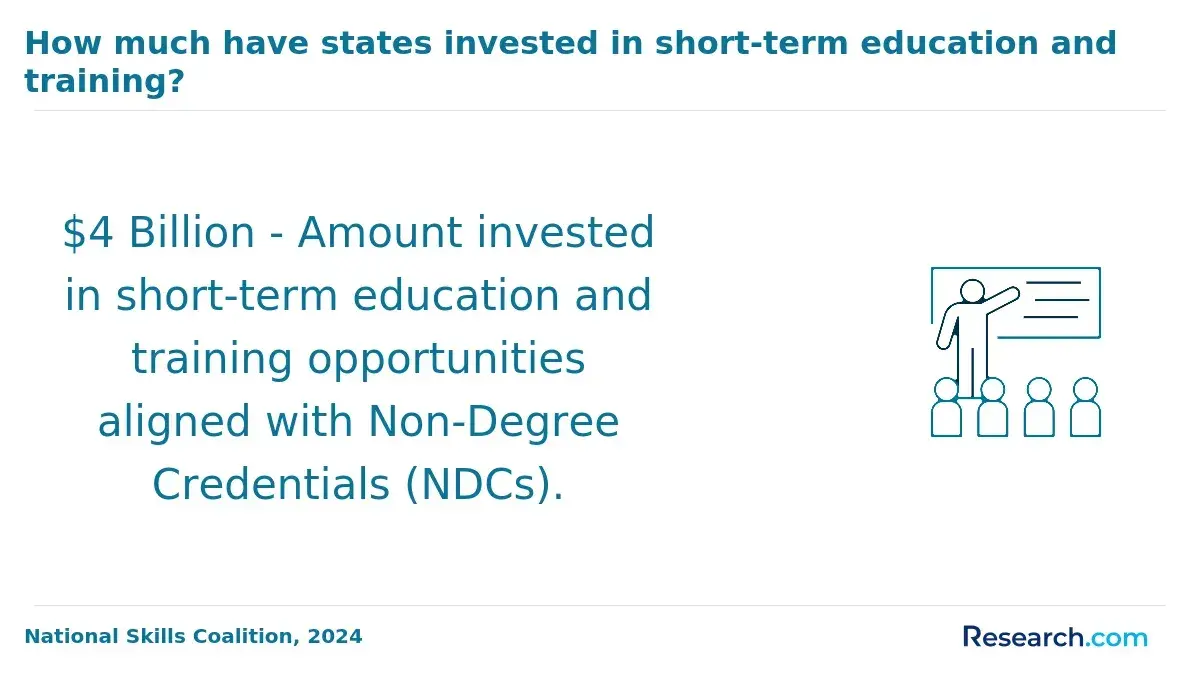
To secure high-paying healthcare data jobs in the US, candidates typically pursue healthcare data science degrees in the US such as a Bachelor of Science in health informatics, healthcare administration, or public health with a concentration in data analytics. While a bachelor's degree opens doors for entry-level roles, advanced positions usually require a master's degree like a Master of Health Administration (MHA) or a Master of Science in Health Informatics, especially for leadership positions such as medical and health services managers.
Certifications for high-paying health informatics jobs significantly boost credibility and expertise. Key certifications include Certified Health Data Analyst (CHDA), Certified Professional in Healthcare Information and Management Systems (CPHIMS), and Project Management Professional (PMP) for professionals managing complex healthcare data projects. These credentials complement formal education and demonstrate specialized knowledge.
A strong foundation in statistics, computer science, and healthcare policy creates a competitive edge. Successful professionals often combine clinical insight with technical skills like proficiency in electronic health records (EHR) systems and data analytics tools such as SQL, Python, or R. Salary prospects are robust: the Bureau of Labor Statistics projects a 23% growth rate for medical and health services managers, with a median salary of $117,960, reflecting high market demand.
For those weighing career paths in healthcare data management, exploring whether is medical billing and coding worth it can provide additional perspective on healthcare industry roles.
How do online health informatics and healthcare data programs compare with campus-based options?
Online health informatics programs versus campus-based degrees each offer distinct advantages. Online programs are favored for their flexibility and often lower costs, making them ideal for working professionals and nontraditional students. These programs generally provide asynchronous coursework, enabling students to balance education with job or family commitments. In contrast, campus-based degrees typically provide more opportunities for in-person networking, hands-on experiences such as lab or clinical work, and direct faculty interaction, which can enhance skill-building and career placement.
The comparative salary growth for healthcare data education formats shows promise, with Robert Half's 2026 Salary Guide reporting a projected 1.6% year-over-year increase in nonclinical healthcare salaries. Importantly, 79% of nonclinical healthcare leaders offer higher pay to candidates possessing specialized digital and data skills, emphasizing the value of programs that focus on data analytics expertise.
When selecting a program, consider:
- Your need for flexibility versus in-person engagement
- Access to internships or clinical placements
- Program accreditation and current curriculum
- Employer recognition and alumni networks
Prospective students should also verify that online offerings provide updated analytics tools and real-world healthcare datasets. Some campus-based programs embed practicums in local health systems, which can be challenging to replicate online. For those interested, exploring a master in blockchain could complement data skills in healthcare settings.
Which health informatics specializations lead to the fastest-growing healthcare data salaries?
Data leadership roles in healthcare are among the fastest growing and highest paying, with positions like U.S. Head of Data and Vice President of Data in digital health companies offering total compensation packages often above $200,000. This surge in salaries reflects the vital need for professionals who combine clinical expertise with advanced data science skills to unlock value from complex healthcare datasets.
Key specializations driving this salary growth include:
- Clinical informatics management, optimizing electronic health record (EHR) systems for improved patient outcomes and regulatory compliance.
- Healthcare data science, especially in machine learning and predictive analytics for patient risk stratification and personalized medicine.
- Health IT project leadership, focusing on interoperability standards and cloud-based data infrastructures in hospital networks.
- Population health informatics, integrating social determinants of health data to reduce care disparities through analytic programs.
- Digital health product management, requiring expertise in usability, regulatory frameworks, and real-world evidence generation.
According to Storm3's 2026 Healthcare IT Salary Guide, competition for these roles is intense given their impact on organizational innovation and performance. Gradually building technical skills, strategic insight, and healthcare domain knowledge can maximize salary growth and career opportunities in this evolving field.
What coursework and technical skills prepare students for advanced healthcare data roles?
Advanced roles in healthcare data demand coursework centered on data analysis, healthcare systems, and programming. Core subjects often cover biostatistics, epidemiology, and healthcare data management, which equip students to interpret clinical data effectively and understand health outcomes. Health information systems courses enhance skills in navigating electronic health records (EHRs) while ensuring compliance with regulations such as HIPAA.
Proficiency in programming languages like Python, R, and SQL is essential for data extraction, cleaning, and statistical modeling. Knowledge of database management and data visualization tools like Tableau or Power BI allows professionals to transform data into actionable insights. Training in machine learning and predictive analytics prepares students to develop advanced models for patient risk assessment and resource planning.
Hands-on experience with healthcare-specific software platforms such as Epic or Cerner adds significant value. Familiarity with interoperability standards like HL7 and FHIR supports seamless integration across diverse health IT systems. Relevant certifications, such as Certified Health Data Analyst (CHDA), validate expertise and boost career prospects.
Based on Glassdoor data, Healthcare Data Analysts in Miami, Florida earn an average salary of $103,713 annually, highlighting how metropolitan healthcare hubs offer compensation well above national averages. Combining strong technical skills with specialized healthcare knowledge is crucial for accessing these lucrative opportunities.
How long do healthcare data programs take, and what do they typically cost?
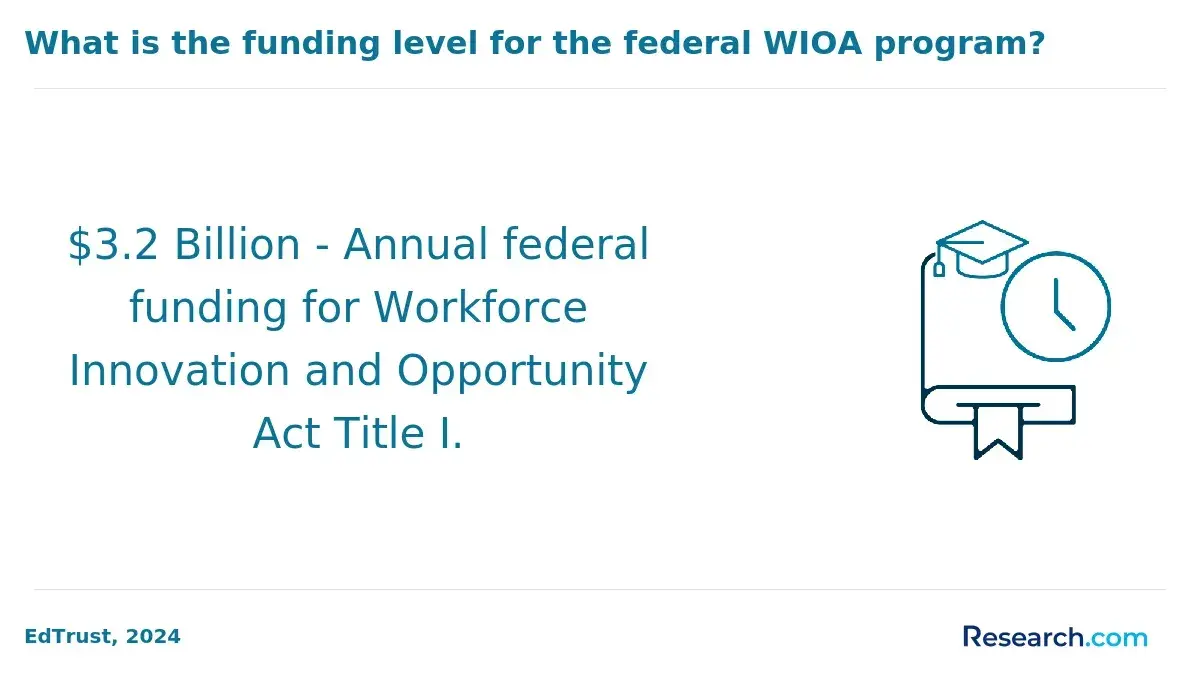
Healthcare data programs vary in length and cost, catering to different career stages and goals. Certificate programs, often ideal for working professionals seeking quick skill upgrades, typically require 6 to 12 months and cost between $3,000 and $10,000. Associate degrees usually take about two years, provide foundational knowledge suitable for entry-level roles, and range from $10,000 to $25,000, especially at community colleges.
Bachelor's degrees in health informatics or related fields often require four years of study, combining technical training with healthcare fundamentals. Tuition for these programs can range from $40,000 to $100,000, depending on the type of institution. Master's programs last 18 to 24 months and are designed to develop advanced skills for leadership and specialized data analysis roles, with costs typically between $30,000 and $70,000.
Federal projections show healthcare will generate four million new jobs by 2026, accounting for one-third of all U.S. job growth and making healthcare the nation's largest industry. This expansion creates increasing opportunities for healthcare data professionals.
When choosing a program, consider:
- Program length and cost
- Your current career stage and goals
- The credential's value in the healthcare data job market
Certificates offer affordable, rapid entry into the field, while degrees provide deeper education and credential value for long-term growth.
How can students verify accreditation and program quality in health informatics and data?
Students exploring health informatics programs should verify accreditation to ensure quality and industry recognition. In the U.S., accreditation from the Commission on Accreditation for Health Informatics and Information Management Education (CAHIIM) is a key indicator that a program meets rigorous educational standards. Regional accreditation, such as from the Higher Learning Commission (HLC), further confirms institutional credibility and credit transferability.
Beyond accreditation, examine whether curricula cover critical competencies, including clinical decision support systems, data analytics, and population health management. Faculty qualifications and real-world industry experience also contribute to the relevance and effectiveness of instruction.
Program outcomes provide important insight into quality. Look for transparent data on graduation rates, job placement, and success on industry certifications like the Registered Health Information Administrator (RHIA) or Certified Health Data Analyst (CHDA). Partnerships with healthcare providers and technology companies may offer valuable internships and hands-on exposure to advanced data systems.
Employment growth in related healthcare fields underscores the value of choosing aligned programs. The Bureau of Labor Statistics projects a 40% growth in nurse practitioner roles from 2024 to 2034, with a median salary of $129,210, emphasizing the increasing demand for health informatics skills in clinical decision-making and population-health data applications.
What certifications strengthen job prospects in high-growth healthcare data careers?
Certifications enhance job prospects in high-growth healthcare data careers by validating specialized skills that employers highly value. Robert Half's 2026 Salary Guide reports that 79% of nonclinical healthcare leaders pay a premium for candidates with specialized skills like advanced analytics, EHR data expertise, or revenue-cycle informatics. These credentials often translate into tangible salary benefits and improve competitive positioning in the job market.
Key certifications valuable for healthcare data professionals include:
- The Certified Health Data Analyst (CHDA), which evidences expertise in healthcare data analytics and reporting.
- The Certified Professional in Healthcare Information and Management Systems (CPHIMS), which supports understanding of healthcare IT systems implementation and management.
- Certified Revenue Cycle Specialist (CRCS), focusing on revenue cycle processes linked to financial outcomes.
- Certified Electronic Health Record Specialist (CEHRS), which highlights proficiency in electronic health record systems vital for data accuracy and compliance.
Choosing certifications aligned with your career path is crucial-analytics-oriented certifications for data science roles or revenue-cycle informatics for financial data positions offer strategic advantages. Recognized organizations like AHIMA and HIMSS provide credentials with strong industry credibility, often expected by employers for hiring or promotion in health informatics roles.
Maintaining certifications through continuing education ensures staying current with evolving technologies and regulations, making professionals indispensable. These targeted qualifications support higher salaries and unlock leadership opportunities in health informatics and healthcare data management.
How is demand evolving for healthcare data analysts, scientists, and informatics leaders?
Demand for healthcare data analysts, scientists, and informatics leaders is rapidly increasing as healthcare relies more on data-driven decision-making. The U.S. Bureau of Labor Statistics ranks medical and health services managers among the 20 fastest-growing occupations from 2024 to 2034, projecting 23% growth and a median annual salary of $117,960. This trend highlights the critical need for professionals skilled in managing complex data systems and improving operational efficiency.
Operations research analysts, with a projected 21% growth and median pay of $91,290, also play a vital role by applying quantitative methods to optimize healthcare resources and patient outcomes. These positions demand expertise in data analysis, predictive modeling, and advanced technologies such as electronic health records and AI-powered tools.
Healthcare roles are evolving beyond traditional data capture to include analytics and informatics leadership in strategy. Data analysts collaborate with clinical teams to develop dashboards and manage population health initiatives, while informatics leaders guide analytics strategies and ensure regulatory compliance focusing on care quality and cost-efficiency.
Key skills for prospective professionals include statistics, programming languages like Python or R, and a solid understanding of healthcare regulations. Effective communication abilities are also essential to translate complex data insights for diverse stakeholders.
Other Things You Should Know About Health Informatics
Health informatics improves patient care quality by enabling faster and more informed decision-making through comprehensive electronic health records and data analytics. It supports personalized treatment plans by integrating patient history, test results, and clinical guidelines. This leads to better outcomes, reduced errors, and enhanced coordination among healthcare providers.
Health informatics professionals work in a variety of settings including hospitals, government health agencies, insurance companies, and healthcare technology firms. They may also be employed by research institutions focused on clinical studies or public health initiatives. Each organization leverages informatics to optimize data use for improved healthcare delivery and policy development.
Commonly used programming languages in health informatics include SQL for database management, Python and R for data analysis, and Java for system development. Tools such as electronic health record (EHR) systems, clinical decision support software, and data visualization platforms are essential. Familiarity with standards like HL7 and FHIR is also crucial for effective health data exchange.
References
- Top Healthcare Roles in 2026: Salaries & Career Paths https://www.civicrecruitment.co.uk/blog/2025/04/10-top-healthcare-roles-2025-with-salaries-and-career-paths
- 5 High-Value Certifications That Boost Your Career 2026 https://ukpdacademy.co.uk/high-value-certifications-that-boost-your-career/
- Storm3 - 2026 Healthcare It Salary Guide https://storm3.com/2026-healthcare-it-salary-guide/
- Health Informatics - CAHIIM https://www.cahiim.org/accreditation/health-informatics/
- Top Skills and Certifications Needed to Land High-Impact Healthcare Roles | GHR Healthcare https://www.ghrhealthcare.com/blog/certifications-high-impact-healthcare-roles
- How to Become a Healthcare Data Analyst https://www.bryant.edu/graduate/blog/how-become-healthcare-data-analyst
- Master in Health Data Science | EIT Health https://eithealth.eu/programmes/master-in-health-data-science/
- Online vs Hybrid vs Campus Learning in Healthcare: Which Is Right for You? https://www.edumed.org/articles/online-vs-hybrid-vs-campus/
- Online Healthcare Analytics Graduate Certificate | USF Health https://www.usfhealthonline.com/programs/certificate/graduate-healthcare-analytics/
- Schools with Health Informatics Degree Programs https://www.medicaltechnologyschools.com/health-informatics