2027 Human Services Specializations for Nonprofit and Government Careers

Co-Founder and Chief Data Scientist
Facing a rigid job market where demand for specialized human services roles grows yet hiring emphasizes both practical skills and adaptability, many professionals and students struggle to identify programs that balance immediate employability with long-term advancement. The National Center for Education Statistics reports a 34% increase in online enrollment for social and human services programs since 2020, signaling a shift toward flexible education models that accommodate working adults and career changers. This trend points to a crucial tension: balancing accessible, accelerated pathways with the specialized training employers expect. This article examines key human services specializations tailored for nonprofit and government careers, guiding readers toward informed, strategic program choices that align with evolving workforce needs.
Key Things You Should Know
- Specializations in behavioral health exceed generalist roles by 23% higher median salaries but require additional certification delays of 12+ months, impacting career pivot timing for mid-career professionals according to 2024 National Workforce reports.
- Employers within government sectors prioritize candidates with trauma-informed care credentials, reflecting a 40% increase in job postings citing this skill, raising entry barriers for applicants lacking targeted education.
- Programs with on-site practicum components boost employment outcomes by 18% but often carry 15%-30% higher tuition costs, creating financial strain that professionals must weigh against accelerated workforce entry.
What is a human services degree and how do specializations shape nonprofit and government careers?
Specialization choices within a human services degree materially shape employability and wage potential, especially when navigating nonprofit versus government career paths. For instance, choosing a focus like policy analysis gears graduates toward government roles requiring program evaluation and regulatory compliance, whereas mental health services specialization commonly leads to frontline positions in nonprofits managing direct client care. These differences reflect both the distinct employer expectations and funding mechanisms prevalent in each sector.
Employers prioritize licensure eligibility, scope of practice, and the ability to operate within complex regulatory environments, making specialization a critical factor for job placement and advancement. The median annual wage for community and social service roles at $57,530 surpasses the overall occupational median of $49,500, yet this financial benefit heavily depends on the alignment between specialization and marketplace demand.
Graduates without a clear specialization frequently encounter slower hiring and limited wage growth, especially in urban nonprofit and government job markets concentrated with competing professionals.
Career stability is supported by over 300,000 annual openings projected from 2024 to 2034, blending replacements and growth. Prospective students pursuing a human services degree specialization benefits for nonprofit careers need to weigh curricular depth in certification and internship networks against flexibility for later shifts in focus.
Successful graduates combine theoretical foundations with skills like crisis intervention and stakeholder communication to meet hiring patterns effectively. For those considering advanced credentials, especially to bolster government or clinical roles, related pathways such as the DSW program offer additional rigor and recognition that impact career trajectory.
Which human services specializations are most in demand in nonprofit and public sector roles?
Demand for social and human service assistants is driven largely by fields such as social and mental health services, substance abuse counseling, and community resource access. These roles often offer a critical entry point for candidates without clinical credentials but with strong coordination and client engagement skills. For nonprofit organizations, particularly those focused on housing or family welfare, hiring priorities lean toward social service specialists who integrate case management with social work fundamentals.
Government careers in demand human services roles, meanwhile, emphasize expertise in public health outreach and substance abuse recovery to align with evolving policy emphasizing integrated care.
Successful preparation for these positions requires balancing interpersonal proficiency with technical skills like electronic case management systems, especially in government contexts that demand regulatory compliance and confidentiality adherence. Tradeoffs are apparent when choosing educational pathways: short certificate programs provide rapid entry but may limit progression into specialized mental health or counseling roles that require advanced licensure.
Practical workforce strategies prioritize roles blending social assistance and addiction counseling or community health training, maximizing employability while addressing rising community needs. Candidates who understand culturally competent service delivery and regulatory environments hold a distinct advantage.
Prospective students evaluating educational programs should consider accredited options to support these competencies, for example through best online CACREP counseling programs that align with these dual skill sets.
What education levels and human services degrees do you need for nonprofit and government jobs?
A bachelor's degree in social work, psychology, sociology, or human services is generally the baseline for nonprofit and government human services roles, but it comes with clear limitations. In many state and local government positions, this education level allows entry, but advancement into clinical or specialized roles typically requires a master's degree in social work (MSW) or a related field.
For instance, child, family, and school social workers in K-12 settings earn an average of $74,080 annually, significantly above the $62,990 average in broader state government roles that often accept a bachelor's without advanced credentials.
Employers value degrees accredited by entities like the Council on Social Work Education (CSWE) because licensure eligibility depends on this accreditation. Without an MSW, progression tends to plateau in administrative or program coordination jobs, which frequently lack significant salary growth or clinical responsibilities.
This dynamic shapes the tradeoff prospective students face: a bachelor's degree facilitates quicker entry into human services jobs in nonprofit organizations but limits access to clinical social work and higher salaries.
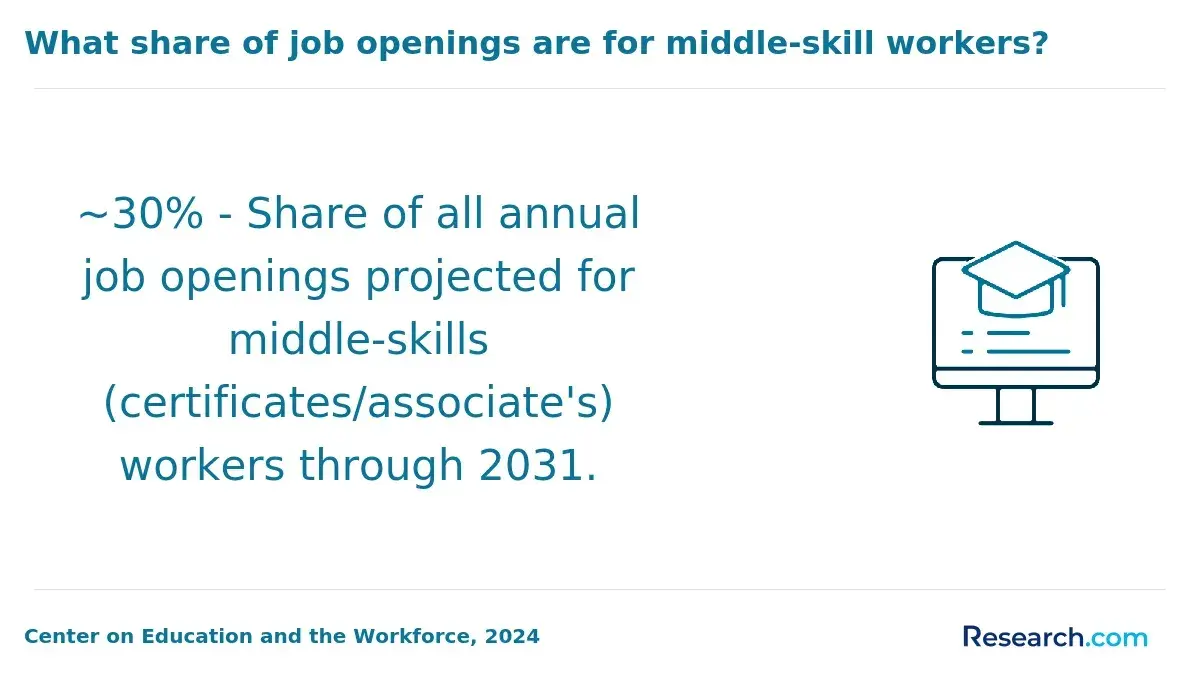
Certificates or associate degrees might support community or case management roles but seldom lead to licensure or government social worker status. Practical career pivots require understanding how education aligns with licensure and employer requirements. For those considering an MSW, exploring online MSW programs affordable can broaden access to this critical credential when planning career growth in social work.
The 2024 U.S. Bureau of Labor Statistics data compiled by HumanServicesEdu.org show that human services degrees for nonprofit and government careers vary dramatically in outcomes depending on education and licensure paths, underscoring the importance of strategic educational choices driven by long-term workforce realities.
How do online human services programs compare with campus options for specialized study?
Choosing between online human services programs versus campus courses involves weighing convenience against access to embedded field experiences. Campus courses often include structured internships or practicum placements vital for roles like community health workers or health education specialists, which employers in nonprofits and government sectors prioritize as evidence of job readiness.
In contrast, online human services programs provide flexibility needed by working adults but require students to independently secure supervised fieldwork, which can delay or complicate the path to employment.
A working professional pursuing certification as a health education specialist might prefer an online option for schedule management but must proactively establish local partnerships to meet practicum requirements. Campus students typically benefit from facilitated employer connections and immediate community engagement projects integrated in the curriculum, accelerating their transition into relevant roles.
Despite these differences, median wages reflect strong demand: community health workers earn approximately $51,030, and health education specialists around $63,000, both above the national median. This underscores the value of specialized human services study options for nonprofits and government, regardless of delivery mode.
Those evaluating these pathways should consider their ability to navigate field placements autonomously as a deciding factor. For a detailed comparison oriented toward career alignment, exploring online masters in human resource management may reveal complementary opportunities in related fields.
What courses and skills are taught in key human services specializations?
Specializing in behavioral health versus broader social work tracks entails distinct operational tradeoffs that shape employability and practical proficiency. Behavioral health roles demand expertise in counseling theories, clinical assessment, and regulatory compliance, suited for settings such as community clinics managing complex mental health or substance abuse cases. For instance, mental health counselors must navigate diagnostic coding and therapy modalities essential for effective treatment plans, often requiring licensure and ongoing supervised practice.
Conversely, social work education emphasizes client advocacy, policy navigation, and cultural competence, preparing professionals to handle systemic issues in government or nonprofit sectors. This specialization involves managing client intake and ethical decisions under limited resources, which differs fundamentally from the hands-on therapy focus of behavioral health roles.
Child and family services blend trauma-informed care with interdisciplinary coordination, requiring legal documentation skills and collaboration with entities like schools and law enforcement. This specialization suits professionals operating within child welfare systems, balancing legal and social considerations.
Wage data from the U.S. Bureau of Labor Statistics reveals a clear market premium for behavioral health expertise-substance abuse and mental health counselors average $59,190 annually, with marriage and family therapists earning $63,780, above national median wages, reflecting employer demand for clinically skilled, licensed practitioners.
Training universally includes evidence-based practice and electronic health record management, crucial for multidisciplinary care environments. Students must weigh broad human services competencies against the depth and licensure demands of behavioral health, recognizing that targeted clinical specialization often correlates with stronger job prospects but entails more rigorous certification paths and practical fieldwork.
How do you choose an accredited human services program and verify its credibility?
Accreditation is a practical filter employers and credentialing bodies rely on to vet candidates from human services programs. Regional accreditation combined with specialized validation from bodies like the Council for Standards in Human Service Education (CSHSE) signals a curriculum designed to meet industry competencies and licensure requirements.
For instance, rehabilitation counselors aiming for state certification must graduate from programs with this dual accreditation to be eligible for professional exams and improve employability within public or private sectors serving disability and aging populations.
This distinction is not trivial given the sector's median wage near $46,110, which is below the national average but reflects a specialized workforce demand requiring documented expertise per U.S. Bureau of Labor Statistics data.
When choosing programs, scrutinize data on graduate employment and licensure pass rates to gauge practical training quality and connection to local workforce networks.
- Request internship opportunities linked to real-world agencies.
- Evaluate faculty experience beyond academic credentials for field relevance.
- Consider program format tradeoffs, as fully online options often lack sufficient in-person practicum components vital for populations with complex needs.
Ultimately, matching program features to your current professional standing and specialization goals is critical to avoid training gaps that could hinder licensure or employment in nuanced human services roles.
What are the typical admission requirements, program length, and costs for human services specializations?
Choosing a human services specialization involves assessing realistic entry barriers and long-term labor market outcomes. While an associate degree often requires only a high school diploma or GED, bachelor's programs demand official transcripts and sometimes standardized test scores-this can delay enrollment for working adults without recent academic records.
Advanced programs may also require prior relevant experience or prerequisite coursework in social sciences, tightening candidate pools. Criminal background checks and immunizations are typical due to the high-contact nature of practical placements, particularly in justice-involved roles, effectively screening for suitability.
Time investment varies considerably: associate degrees typically take two years, bachelor's degrees about four years, and graduate certificates or master's degrees 12 to 24 months. Part-time or online attendance can extend these durations, adding a trade-off between income and education pace. Certificate programs offer rapid skill acquisition, often under six months, but rarely prepare graduates for autonomous practice or complex responsibilities.
Cost differentials align with credential level and institution type. Public community colleges charge roughly $3,000 to $6,000 annually in-state for associate degrees, whereas public universities' bachelor's programs range from $9,000 to $15,000 yearly, and private institutions commonly exceed $30,000 annually.
Certificates and continuing education fees span from $500 to several thousand dollars based on certification scope.
Employment data reflect these educational investments. For instance, probation officers and correctional treatment specialists command median wages near $64,520-about 30% above the general U.S. median wage. This premium acknowledges specialized human services education focused on corrections and reentry, emphasizing the value of targeted credentials despite the programmatic complexity.
What nonprofit and government job titles can you pursue with different human services specializations?
Specializing within human services significantly shapes job prospects, income, and credentialing demands. For example, those focused on youth and school services often fill positions like school counselor or youth program coordinator, roles that command a wage roughly 32% higher than the U.S. median, with a 2024 median salary of $65,140. This premium originates from the necessity of developmental expertise applied in public education and community settings.
Mental health specialists frequently take on roles such as community outreach coordinator or case manager, which involve navigating complex eligibility and interagency collaboration. These positions demand strong organizational skills to manage caseloads and regulatory requirements, especially in public health and nonprofit clinics.
Career paths in substance abuse counseling require additional licensure and supervised clinical hours, slowing entry but often resulting in higher compensation and clinical responsibility once certified. Meanwhile, specializations in aging services like gerontology caseworker necessitate familiarity with elderly care regulations and social program eligibility, typically within government or nonprofit sectors.
The tradeoff between generalist and specialist credentials is critical: broad qualifications enable more immediate work opportunities but often with lower pay, while specialized certifications target narrower, better-compensated fields, reflecting workforce shortages and licensing constraints.
Practical decision-making in program selection should weigh time-to-employment, income differential, and professional requirements based on the target population and setting.
What is the salary potential and job outlook for specialized human services professionals?
Specialized human services roles offer limited wage growth despite substantial demand. Although nearly 1 million workers are employed in the U.S. private nonprofit human services sector-about one in nine private-sector employees-inflation-adjusted wages increased only 3% since 2000, compared to 12% for private employment overall, which forces many workers to accept below-market pay for mission-driven work.
Metropolitan nonprofit community health coordinators and social work specialists typically earn $40,000 to $55,000 annually. Government entry points such as child welfare or vocational rehabilitation start around $50,000 but usually require advanced degrees or supervisory roles to reach $65,000 or higher. The tradeoff for these credentials is considerable upfront investment with no guaranteed income return.
Job projections for case management, substance abuse counseling, and youth services range from 7% to 12% growth, propelled by demographic shifts and mental health priorities. Yet, nonprofit budget constraints restrict raises and promotions, steering many professionals toward public agencies or larger healthcare systems with better pay structures.
Practical strategies include acquiring licensure, leadership training, and cultivating cross-sector networks to access more specialized jobs. Human services education should focus on versatile skills transferable across settings to mitigate wage stagnation and improve job security.
Are licenses or certifications required for certain human services specializations, and how do you qualify?
Licenses and certifications fundamentally shape career trajectories in human services sectors where direct client engagement and regulatory compliance dominate. A licensed clinical social worker, for instance, must meet stringent criteria: a master's degree, 2,000+ supervised clinical hours, and a licensing exam. Substance abuse counselors need certification from bodies like the National Certification Commission, leveraging documented experience and standardized tests.
Mental health counselors and marriage and family therapists face comparable licensure demands, though state-specific nuances affect timelines and requirements. Case managers may opt for certification such as Certified Case Manager (CCM) to boost marketability, despite it not being mandatory everywhere.
Severe workforce shortages intensify credentialing pressures. Over 70% of nonprofits in this space report vacancy rates above 10%, impacting hiring decisions toward credentialed candidates to reduce liability and supervision costs. Without valid licenses, professionals often remain confined to assistant roles, which constrains income and advancement potential.
When planning credential attainment, candidates must weigh multi-year investments-especially if state reciprocity issues arise, requiring additional exams or supervised hours after relocation. Key factors to assess include:
- State-by-state variations in licensure requirements and reciprocity
- Cost and time commitment for maintaining credentials amid workforce strain
- Strategic value of certification depending on specialization and employer expectations
This analysis highlights the operational realities and tradeoffs in navigating credentialing, emphasizing that practical outcomes depend on aligning education with market demands and licensing flexibility.
Other Things You Should Know About Human Services
Workload in human services roles varies widely by agency size, funding, and the specific specialization, but frontline positions often entail high caseloads and administrative responsibilities. Employers expect professionals to balance direct client interaction with detailed reporting and compliance tasks, which can lead to significant time management challenges. Candidates should prioritize developing skills in organization and stress management, as the workload intensity directly affects job sustainability and career progression.
In 2027, changes in funding and policy will significantly influence career stability in human services. Nonprofits and government agencies may face budget cuts, affecting job security and growth prospects. Understanding and adapting to these dynamics will be crucial for professionals to navigate this evolving landscape effectively.
Specializing early can increase job readiness for niche roles with clearer advancement paths but may limit flexibility if sector priorities shift or funding changes. Broad education provides adaptability across multiple roles but often requires additional on-the-job learning to meet specific employer demands. For career pivots, maintaining a broad foundation with targeted certifications is recommended to keep options open while demonstrating focused expertise.
Funding fluctuations and policy shifts directly influence hiring, program availability, and job security, especially in nonprofits reliant on grants and government contracts. Professionals in specializations heavily dependent on public funds face higher risks during budget cuts, making it essential to develop skills transferable across programs and organizations. Proactively pursuing cross-specialization training and strong networking strengthens resilience against sector volatility.
References
- Choosing a bachelor's in human services | edX https://www.edx.org/resources/how-to-choose-a-bachelors-in-human-services
- What Are My Career Options After a Course in Human Services? https://columbia.ca/career-options-after-a-course-in-human-services/
- HS-BCP Credential https://www.nationalhumanservices.org/hs-bcp-credential/
- Human Services Careers | PublicHealthOnline.org https://www.publichealthonline.org/human-services/
- FAQ https://www.cshse.org/faq
- Humanity in Action: Understanding Human Services Degrees https://www.ucumberlands.edu/blog/humanity-in-action-understanding-human-services-degrees
- Understanding the Human Services Field https://www.indwes.edu/articles/2025/08/understanding-human-services
- What Careers Can You Pursue with a Human Services Degree? - Grace Christian University https://gracechristian.edu/blog/what-careers-can-you-pursue-with-a-human-services-degree/
- Requirements Human Services-Board Certified Practitioner (HS-BCP) https://www.cce-global.org/credentialing/hsbcp/requirements
- Careers with a Degree in Human Services https://www.mhaonline.com/faq/careers-with-degree-in-human-services