2027 Best Online Family Nurse Practitioner Programs

Co-Founder and Chief Data Scientist
Balancing full-time work with pursuing a family nurse practitioner program often forces students into a narrow subset of inflexible scheduling or campus-only options. According to the National Center for Education Statistics, enrollment in fully online graduate nursing programs surged by over 40% between 2021 and 2024, reflecting a systemic shift toward accommodating working adults' unique time constraints and geographic limitations. This trend highlights the growing need to evaluate program structures based not only on curriculum quality but also on their ability to offer genuine flexibility without sacrificing clinical rigor or accreditation standards. This article examines the best online family nurse practitioner programs, focusing on accessibility, program design, and career impact to help prospective students identify pathways that fit real-world demands effectively.
Key Things You Should Know
- Fifty percent of family nurse practitioner programs in 2024 extend over three years, increasing opportunity costs for working adults; this duration tradeoff impacts total debt accumulation versus workforce entry timing, per AACN data.
- Health systems prioritizing graduates from programs with integrated clinical partnerships report 22% faster residency placement, indicating employer preference for hands-on practicum networks in postgraduation hiring.
- The 15% cost premium at top-tier online NP programs correlates to 12% higher early-career wages but limits accessibility for rural and low-income candidates, driving geographic workforce disparities, as per BLS labor market analysis.
What are the best online family nurse practitioner programs?
The projected 40% growth in nurse practitioner positions from 2024 to 2034 amplifies the necessity for selecting the best online family nurse practitioner programs in the United States with targeted clinical and scheduling frameworks. Candidates must weigh programs' clinical site partnerships carefully, distinguishing between those optimized for rural or underserved urban populations versus those focused on hospital outpatient settings and specialty care rotations. This alignment directly impacts employability and licensure readiness in different healthcare markets.
Top accredited family nurse practitioner programs online integrate synchronous and asynchronous coursework, yet the decisive factor is often the quality and relevance of clinical placements, which shape practical skills employers demand. Loan burden also factors heavily into program choice, making transparency in tuition costs and financial aid crucial for sustainable career ROI.
Students targeting practice in multiple states face an evolving regulatory landscape, with varying telehealth policies and clinical hour mandates that affect licensure portability. Emphasizing interprofessional collaboration skills and electronic health record proficiency caters to value-based care environments increasingly prioritized by employers.
For those seeking streamlined credentials, exploring an FNP post master's certificate online can be a strategic option, balancing time investment and market responsiveness without sacrificing practical training quality.
Are online family nurse practitioner programs accredited?
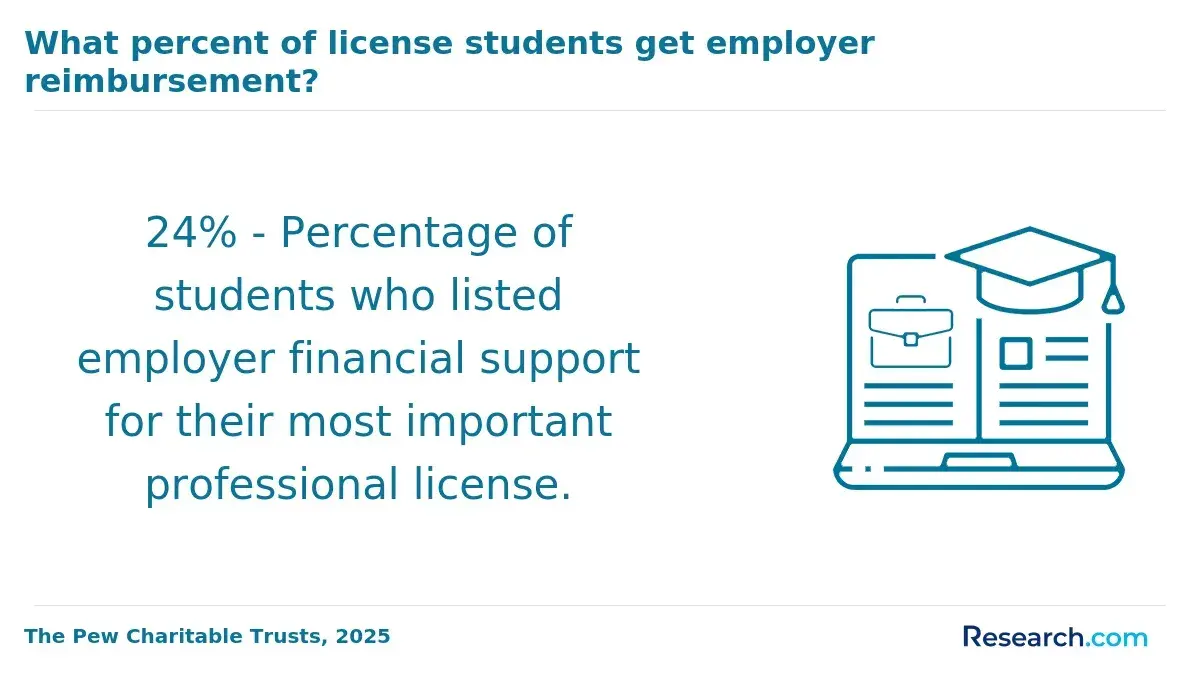
Accreditation for online family nurse practitioner programs in the United States is a decisive factor that directly influences licensure eligibility, clinical placement feasibility, and employer recognition. Prospective nurses must ensure both regional accreditation for online family nurse practitioner programs and nursing-specific accreditation from bodies like the CCNE or ACEN. Without this, graduates encounter significant barriers, including restricted access to federal financial aid and employer tuition reimbursement programs essential for many working students.
Healthcare employers, including hospital systems and managed care networks, typically prioritize candidates from accredited programs to meet insurance reimbursement rules and federal guidelines. For example, hospitals verify accreditation status before extending job offers, highlighting a clear workforce implication: attending an unaccredited program risks limited employability regardless of clinical competence.
Another practical consideration involves clinical hour requirements. Accredited programs coordinate local practicum placements aligned with state Board of Nursing mandates, reducing student burden in securing valid on-site clinical experiences - a logistical challenge often unmet by non-accredited providers.
Choosing programs with established outcomes, such as Purdue Global with 337 graduates in 2026 or West Coast University alumni earning a median salary of $140,067, demonstrates tangible alignment between educational investment and long-term returns. For those evaluating how much do DNPs make, verifying program accreditation and clinical support structures is critical to translating education into market-ready credentials and career stability.

What do FNP programs require for admission?
Minimum admission requirements for family nurse practitioner programs typically enforce a 3.0 GPA coupled with 1-2 years of bedside registered nurse experience, reflecting an institutional emphasis on readiness for graduate clinical practice. This threshold is not arbitrary: students entering below this academic baseline often falter in advanced pharmacology and pathophysiology coursework, extending time to completion and risking program attrition.
For working nurses, the practical demand to accumulate continuous bedside experience before enrollment shapes workforce planning. Acute care or medical-surgical RNs usually gain requisite competencies faster than peers from nonclinical roles like case management, influencing both admission odds and the pace at which students complete practicum hours. Candidates without direct patient care hours confront steep hands-on learning curves during clinical rotations, which can delay graduation and increase financial burdens. These operational realities are central to navigating family nurse practitioner program admission requirements effectively.
Beyond academic and clinical metrics, admissions panels weigh letters of recommendation, licensure status, and statements evidencing clinical commitment and career goals. Mandatory CPR certification and adherence to state nursing board regulations add procedural prerequisites. Additionally, many programs require competency assessments or prerequisite coursework in statistics and health informatics to align with employer expectations for analytical skills in data-driven, value-based care.
Prospective students should consider program complexity and practical demands when evaluating pathways, particularly when identifying options like the easiest nurse practitioner program. Such choices intersect with workforce realities and personal circumstances, affecting time to practice and career trajectory within NP Programs.
How do online FNP programs differ from campus programs?
Choosing between online family nurse practitioner programs vs campus programs hinges on factors that extend beyond mere convenience. Online formats eliminate commuting and relocation costs by allowing students to complete didactic coursework virtually and arrange clinical placements independently, often requiring proactive coordination with local healthcare sites. In contrast, traditional programs mandate on-site attendance for lectures and clinical rotations, offering structured cohort progression and easier peer interaction.
Cost and debt profiles also differ substantially. For example, a prominent public university's online FNP program charges approximately $10,553 for in-state graduate tuition, with graduates typically assuming median debt of $15,000 and achieving median salaries near $83,600 a decade post-graduation. This contrasts with campus programs that often carry higher combined tuition and living expenses, shaping the financial calculus for working professionals weighing options in NP Programs.
Employers maintain consistent expectations for clinical competence regardless of program delivery, so online students must ensure their local placements meet equal rigor. Additionally, asynchronous coursework demands stronger time management compared to the scheduled flexibility of campus peers. These tradeoffs influence networking and cohort-based collaboration opportunities, critical aspects often undervalued in considering differences between online and traditional FNP programs.
Prospective candidates should also consider program accreditation and clinical support infrastructure as key determinants of long-term career mobility. For those evaluating timeline factors, examining how long does it take to become a nurse practitioner provides essential context for planning an effective education-to-practice pathway.
What coursework is in an online FNP program?
Family nurse practitioner programs delivered online demand balancing rigorous academic coursework with mandatory clinical practice, a combination that directly shapes employment prospects. For example, Georgetown University requires 44 credits coupled with 750 clinical hours, reflecting the substantial hands-on patient care experience employers expect. These clinical hours are essential for licensure and must be completed in healthcare settings with qualified preceptors, a logistical challenge intensified by regional variability in site availability and quality.
Working RNs often face scheduling conflicts and the necessity of location flexibility or relocation to fulfill diverse patient care requirements, factors that can extend program duration and increase personal strain. Financially, programs with high tuition-Georgetown's estimated $116,688 being a prime example-necessitate thorough cost-benefit evaluation considering career goals and return on investment.
Curricula integrate advanced pathophysiology, pharmacology, and family-focused health assessments alongside course work in healthcare policy and ethics. This multidimensional preparation equips graduates for complex decision-making roles but requires disciplined time management to manage dual academic and clinical responsibilities.
Strategic selection of programs with robust clinical partnerships can mitigate placement difficulties, enhancing licensure readiness and employer appeal. Ultimately, the intersection of clinical demand, academic intensity, and cost shapes the practical feasibility and long-term career trajectory for professionals pursuing family nurse practitioner roles.
How long does an online FNP program take?
The timeframe for completing online family nurse practitioner programs ranges chiefly from 18 months to 3 years, with enrollment status directly influencing this span. Accelerated programs condense clinical and academic demands into about 18 months but require committed full-time attendance, which limits flexibility for working nurses. Conversely, extended part-time options allow students to balance work shifts or personal responsibilities, albeit at the cost of longer time to credential and potential delayed salary gains.
The choice between program length and format is not purely academic-it impacts real workforce outcomes. Employers prioritize graduates who demonstrate steady progress managing clinical practicums alongside coursework rather than those rushing through accelerated tracks without sustained performance. For a nurse working full shifts, a 3-year part-time plan may increase opportunity cost but reduce burnout risk and support consistent professional development.
Tuition costs vary dramatically, from roughly $17,600 at Texas A&M University to over $112,000 at Georgetown University, illustrating how duration and program design affect financial commitment. Students must weigh tuition against the time lost from income and career advancement, especially because extended timelines can reduce debt burden but postpone entry into advanced practice roles.
- Accelerated formats suit those with fewer external engagements, balancing speed and intensity.
- Longer programs provide pacing that aligns with ongoing employment but may increase cumulative costs.
- Employer expectations often favor consistent progression over rapid completion.
Ultimately, balancing length, cost, and clinical readiness is a strategic decision shaping both employability and long-term financial outcomes in Family Nurse Practitioner programs.
How much do online FNP programs cost?
Tuition for online family nurse practitioner programs varies widely, from $20,000 to $70,000, with public institutions generally offering lower rates ($25,000-$40,000) compared to private ones often exceeding $50,000. This cost disparity reflects differences in accreditation rigor and market reputation, which influence employer preferences and board certification pass rates. For working nurses, the logistical demands of clinical hour requirements, typically met through local healthcare partnerships, introduce additional complexity and potential expenses, such as travel or temporary relocation.
Decision-making around online FNP programs must weigh cost against tangible career outcomes. Lower tuition may entail hidden costs or less robust licensure pathways, which can limit future employment options in specialized healthcare sectors. Conversely, programs with demonstrated certification success and transparent clinical support can enhance both licensure efficiency and job market competitiveness.
Key considerations include:
- Programs offering clear licensure alignment with state requirements
- Reliable, local clinical placement assistance
- Recent, documented certification exam pass rates
Although the median annual salary for nurse practitioners exceeds $129,000, excessive educational debt can undercut these gains. Prospective students must therefore assess how program costs align with realistic earning trajectories and long-term career advancement within the nursing workforce.
What clinical hours do FNP students complete?
Completing 500 to 700 clinical hours is a non-negotiable requirement in online family nurse practitioner (FNP) programs, directly influencing employability and earning potential. These extensive hours are vital to mastering advanced patient assessment and management across varied care settings-from primary care to hospitals and community health centers. Importantly, the logistical burden of securing quality clinical rotations often falls on students or their programs, posing significant challenges, especially for those balancing employment or family responsibilities.
Students typically commit 20 to 30 hours weekly over 6 to 12 months for hands-on experience. While virtual simulations can supplement learning, they cannot replace direct patient care hours mandated by licensing boards. Graduates in competitive healthcare markets often find that the depth and diversity of their clinical experience directly affect job prospects and salary benchmarks; for instance, MSN-FNP alumni at West Coast University report median earnings of $140,067, a figure linked to rigorous clinical training.
Prospective FNP candidates must confirm that their program's clinical hour requirements satisfy their state's licensing criteria. Failure to meet these standards risks delayed certification or additional costly clinical hours post-graduation, extending time to employment and complicating financial planning.
What jobs can FNP graduates pursue?
Family nurse practitioner (FNP) graduates typically enter roles as advanced practice registered nurses (APRNs) within a spectrum of healthcare settings, but outcomes vary significantly based on program quality and state regulations. Primary care positions in outpatient clinics, urgent care, and private practices dominate, where providers must manage diverse patient populations and a wide illness range. However, hospital-based or specialty care roles often demand deeper clinical competencies due to greater patient acuity and complexity.
Employers critically evaluate candidates' educational background beyond credentials, focusing on programs with strong graduation rates and manageable graduate debt-an important factor affecting turnover and salary negotiation leverage. For instance, an online FNP program with in-state tuition near $10,428, median graduate debt around $17,988, and a graduation rate close to 77% represents a balance of affordability and completion success that correlates with practical workforce readiness (NursePractitionerOnline.com).
State-specific scope-of-practice laws heavily influence clinical autonomy and job responsibilities, making jurisdictional research essential before program commitment. Some graduates also transition to leadership or telehealth roles, where understanding digital health platforms and flexible scheduling become critical to maintaining steady employment. Balancing shift variability and potential on-call duties is a pragmatic consideration for those managing family or concurrent work commitments.
What salary and job outlook do family nurse practitioners have?
Family nurse practitioners in the U.S. face a complex salary landscape shaped by geography, employer type, and clinical specialization. While metropolitan areas such as Texas and California frequently provide starting salaries near the $130,000 top tier, rural positions often compensate with loan repayment incentives rather than high pay. This tradeoff reflects differing regional healthcare demands and resource availability.
Employment growth for FNPs is projected at a striking 28% over 2022-2032, driven primarily by aging populations and primary care shortages. However, candidates moving from inpatient nursing roles to autonomous outpatient practice report adjustment challenges, which can delay early-career job offers and impact salary negotiations.
Board certification and clinical versatility remain non-negotiable for employers, particularly those sourcing graduates from accredited online family nurse practitioner programs emphasizing applied competencies. Prospective students should weigh program quality against the saturated market from over 1,300 available online NP programs nationwide, which intensifies competition and pressures job placement outcomes.
Long-term career value depends on ongoing certification and specialization beyond initial credentials. Strategic considerations include:
- Choosing programs with strong clinical affiliations to improve placement opportunities
- Aligning geographic preference with demand and compensation trends
- Understanding employer expectations for diagnostic autonomy early in the role
Other Things You Should Know About NP Programs
Balancing work and an online family nurse practitioner program is possible but challenging due to clinical hour requirements and rigorous coursework. Programs that offer part-time or flexible scheduling are preferable for working professionals, but expect significant time commitments for clinical placements that usually cannot be completed virtually. Prioritizing programs with local clinical site arrangements reduces travel burdens and scheduling conflicts, which is critical for maintaining employment during studies.
Faculty clinical experience directly affects the relevance and quality of training, especially in online formats where in-person mentorship is limited. Programs staffed with faculty who actively practice as family nurse practitioners or who have recent clinical backgrounds tend to provide more practical insights and current best practices. When evaluating programs, prioritize those with experienced faculty, as this enhances learning outcomes and better prepares graduates for real-world employer expectations.
Clinical placement is a primary hurdle in online family nurse practitioner programs since students often must secure sites independently or through limited school support. Programs with strong clinical placement assistance tend to reduce stress and delays, ensuring timely progression toward graduation. Evaluate programs based on how they help students coordinate preceptors and clinical sites, especially if you live in a rural or underserved area where placement options are scarce.
Employers evaluate online Family Nurse Practitioner programs based on accreditation status, faculty expertise, program reputation, and graduates’ preparedness. Accredited programs from reputable institutions with strong curricula and clinical placement support tend to be more respected in the healthcare industry.
References
- MSN Family Nurse Practitioner https://www.chamberlain.edu/academics/nursing-school/fnp-family-nurse-practitioner
- Best Online FNP Programs https://onlinenursepractitionerprogram.com/resources/best-online-fnp-programs
- Guide to Nurse Practitioner Schooling Requirements https://credenzahealth.com/career-advice/guide-to-nurse-practitioner-schooling-requirements
- The Path to Becoming a Nurse Practitioner (NP) https://www.aanp.org/news-feed/explore-the-variety-of-career-paths-for-nurse-practitioners
- Become a Nurse Practitioner without a BSN https://nursinglicensemap.com/advanced-practice-nursing/nurse-practitioner/np-without-bsn-nursing-degree/
- Understanding Nurse Practitioner Clinical Hours Required for Success https://www.nphub.com/blog/np-clinical-burnout
- 10 different career options for NPs https://comphealth.com/resources/career-options-nps
- Home https://www.onlinefnpprograms.com/
- Npschools https://www.npschools.com
- Best Online Family Nurse Practitioner Master's (MSN-FNP) Programs https://npdegrees.org/degrees/online-np-masters-degrees/online-msn-fnp-programs/