2027 Best Online Nurse Practitioner Programs for Psychiatric Careers

Co-Founder and Chief Data Scientist
Securing a nurse practitioner program tailored for psychiatric careers demands navigating rigid clinical hour requirements alongside balancing full-time employment or family obligations. Compounding this, workforce data from the U. S. Bureau of Labor Statistics indicates a projected 40% growth in psychiatric nurse practitioner roles by 2032, intensifying competition for spots in flexible, accredited programs.
However, despite rising demand, many programs remain anchored to on-campus attendance, limiting accessibility for adult learners or shift-working nurses seeking timely credentialing. This dynamic narrows career mobility and forces candidates to weigh immediate job retention against long-term specialization goals.
This article evaluates the best online nurse practitioner programs that align with these realities, offering strategic insights to select programs that optimize flexibility, accreditation, and clinical preparation for psychiatric practice.
Key Things You Should Know
- Online nurse practitioner programs in psychiatric care showed a 15% cost premium for accelerated pathways, raising upfront financial strain despite reducing time-to-practice by up to 12 months, impacting working professionals' feasibility.
- Employers increasingly favor graduates with integrated psychiatric-mental health certifications alongside NP degrees, with 68% of surveyed health systems linking hiring preference to dual qualification, shifting strategic credentialing decisions.
- Rural workforce deficits magnify the importance of asynchronous clinical rotations available in select programs, yet these options correlate with a 20% lower reported job placement rate within one year post-graduation, emphasizing trade-offs between access and outcomes.
What are the best online psychiatric nurse practitioner programs and how do they compare?
Top online psychiatric nurse practitioner programs differ most significantly in clinical support availability, flexibility, and employer recognition, with 152 programs offering at least 51% online coursework and 38 fully online.
The best online psychiatric nurse practitioner programs strike a necessary balance: fully online options reduce commuting and may cut overall costs but often require students to secure clinical placements independently, a hurdle that can delay completing required hours and certification. Partial online programs typically mandate on-campus residencies, which adds time and travel burden, affecting working professionals managing family and employment.
Employers favor nurse practitioners trained through curricula combining rigorous psychiatric mental health nurse practitioner (PMHNP) coursework with embedded clinical practicums covering inpatient, outpatient, and telehealth settings. Nurses moving from general acute care roles into psychiatric specialties must assess whether programs include advanced psychopharmacology, psychotherapy training, and flexible clinical scheduling to align with state-specific certification requirements.
Key workforce considerations include navigating state licensing reciprocity and the strength of employer networks supporting clinical placements. Employers in integrated care and community mental health clinics place high value on graduates who offer demonstrable hands-on experience and practical training relevant to their local patient populations.
A comparison of top psychiatric nurse practitioner programs reveals tradeoffs around tuition transparency and ancillary fees for in-person components, which affect total financial investment.
For those seeking streamlined pathways, exploring 1-year post master's FNP online options may offer enhanced flexibility. Prospective students should also weigh how these program structures influence timelines to licensure and job placement in behavioral health environments.
What does a psychiatric nurse practitioner do and how does this role differ from other NPs?
The psychiatric nurse practitioner (NP) role carries distinct operational responsibilities centered on intensive behavioral health management that differentiates it sharply from other nurse practitioners. Unlike family or acute care NPs who focus broadly on physical conditions, psychiatric NPs specialize in psychopharmacological interventions, psychotherapy, and thorough mental health evaluations for disorders such as depression, anxiety, bipolar disorder, and schizophrenia.
Employers expect these practitioners to handle complex emotional and cognitive symptoms with both medication oversight and clinical counseling, demanding advanced expertise in pharmacology and therapy not typically emphasized in other NP specialties.
For example, a psychiatric NP in a rural hospital may independently initiate and adjust treatments for severe mental illness where psychiatric resources are limited, while family NPs in the same context usually manage physical comorbidities and refer mental health cases externally. This clear division in roles evidences the expanded behavioral health skills psychiatric NPs maintain compared to other nurse practitioners and impacts team dynamics and patient routing.
Employment growth projections-40% growth with over 128,000 new jobs in a decade, according to the U.S. Bureau of Labor Statistics-signal both opportunity and the necessity for candidates to consider the longer specialized education and inconsistent state-level scope-of-practice restrictions imposed on prescribing and autonomy.
Choosing psychiatric NP programs integrating robust clinical and pharmacological training paired with real-world placements is critical for meeting workforce needs. Prospective students evaluating educational pathways should also survey options like the best online BSN programs for non nurses to build foundational skills prior to specializing.
Addressing the psychiatric nurse practitioner role and responsibilities realistically involves weighing state regulations, clinical preparation, and job site expectations against program accessibility. The fundamental differences between psychiatric nurse practitioners and other nurse practitioners extend beyond content into scope, practice environment, and patient population complexity, making careful program and career planning imperative.
How do online psychiatric nurse practitioner programs work differently than campus-based options?
Online psychiatric nurse practitioner programs learning experience often demands greater self-direction than campus-based equivalents due to the asynchronous format, which allows students to engage with lectures and assignments at their own pace. This flexibility benefits working nurses but requires strong time management, especially since clinical placement coordination falls largely on the student.
Unlike campus-based models, where externships are facilitated by the institution, online learners must independently secure quality psychiatric practicum sites, posing potential delays or compromised clinical experiences.
Both modalities mandate 500-600 clinical hours; however, campus-based programs provide more immediate faculty supervision and dynamic networking with local providers, smoothing the transition into employment.
Employers consistently prioritize demonstrated clinical competence and integrated practicum experience over program delivery mode. Geographic constraints and career timeline pressures often make online options attractive despite logistical challenges, particularly for those balancing work and personal commitments.
Psychiatric nurse practitioners earn a competitive annual salary averaging $123,607, with top markets like New York reaching $147,750. Navigating differences between online and campus-based psychiatric nurse practitioner programs should factor in practical realities, including the need for proactive planning in virtual pathways to match the more structured mentorship available on campus.
For prospective students aiming to pivot or advance efficiently, exploring offerings such as BSN to DNP programs online can clarify affordable, flexible paths while addressing these operational tradeoffs.
What accreditation and state board approvals should psychiatric NP programs have?
Accreditation by recognized bodies such as the Commission on Collegiate Nursing Education (CCNE) or the Accreditation Commission for Education in Nursing (ACEN) dictates the legitimacy and practical value of psychiatric nurse practitioner programs. Graduates from unaccredited programs often face barriers in licensure, limiting their ability to practice independently and diminishing employability.
State board approvals for psychiatric nurse practitioner programs in the US significantly influence licensure eligibility and practice scope. For example, programs lacking approval from a target state's nursing board may prevent graduates from obtaining prescribing authority or full practice privileges, especially in states with full practice authority.
Prospective students should confirm alignment with both accreditation and state board standards to avoid costly delays or additional certification.
Cost considerations vary widely, with tuition ranging from $17,660 to $254,260 depending on MSN versus DNP pathways, making vetting accreditation and state approval essential to protect financial and career investments. Employers prefer candidates from programs that combine rigorous education with recognized approvals, directly impacting long-term job prospects and income potential.
Verifying these approvals requires consulting official program disclosures alongside state nursing board listings. This due diligence prevents late-stage issues such as insufficient clinical hours or ineligible licensure.
Those exploring the quickest route through training may review the nurse practitioner course options for a clearer timeline perspective.
What education pathways lead to becoming a psychiatric mental health nurse practitioner?
Entering the psychiatric mental health nurse practitioner field demands more than graduation from any nurse practitioner program-it requires targeted psychiatric specialization combined with substantial clinical hours. Accredited MSN or DNP programs focused on psychiatric mental health, offering 500 to 700 clinical practicum hours, remain the essential credential baseline for licensure and market viability.
Employers explicitly seek candidates demonstrating both certified expertise and sufficient supervised psychiatric clinical experience. Programs skimping on hours, even if accelerated, risk producing graduates poorly positioned for competitive roles.
Choosing between MSN and DNP impacts not only program length but also career trajectory. The DNP's emphasis on leadership and evidence-based practice suits those aiming for advanced roles beyond clinical practice, though it extends time and tuition commitment. Meanwhile, MSN graduates typically enter direct patient care sooner, aligning with professionals prioritizing clinical immersion over academic depth.
Online options provide necessary flexibility for working nurses balancing employment and study, yet candidates must verify local clinical placement feasibility to fulfill stringent practicum requirements. Financially, program sticker price often overstates actual graduate debt due to financial aid availability, but prospective students should weigh this alongside salary expectations in psychiatric mental health roles, where moderate debt may be offset by competitive pay.
- BSN and active RN license required before advancing
- 500-700 clinical hours necessary for certification
- CCNE or ACEN accreditation is non-negotiable for licensure
What courses, clinical hours, and competencies are required in psychiatric NP programs?
Psychiatric nurse practitioner programs must balance rigorous clinical requirements with competency development tailored to real-world employer demands. Programs requiring 500 to 700 supervised clinical hours emphasize hands-on psychiatric assessment, medication management, and diagnostic precision-skills essential for independent practice but logistically challenging for students securing quality psychiatry-focused preceptors.
Failure to meet these exacting practicum standards can delay licensure and limit immediate employment opportunities.
Coursework centers on psychopharmacology, neurobiology, evidence-based diagnostic techniques, psychotherapy methods, integrated healthcare, and ethics. Students gain proficiency not only in managing primary mental health disorders but also in addressing complex co-occurring conditions and crisis interventions, reflecting the multifaceted realities of clinical environments.
Clinical rotations span inpatient, outpatient, and community settings, with evaluations designed to confirm a graduate's capacity to conduct autonomous psychiatric evaluations and treatment plans. These practical experiences can vary widely by program location, influencing long-term workforce positioning.
Wage disparities are substantial: hourly rates nationally average $59.43 but may exceed $71.03 in markets like New York, translating to annual salaries from roughly $123,607 to $147,750. This geographic variance highlights the importance of aligning program selection and training sites with targeted job markets for an optimal return on educational investment.
What are typical admission requirements for online psychiatric NP programs?
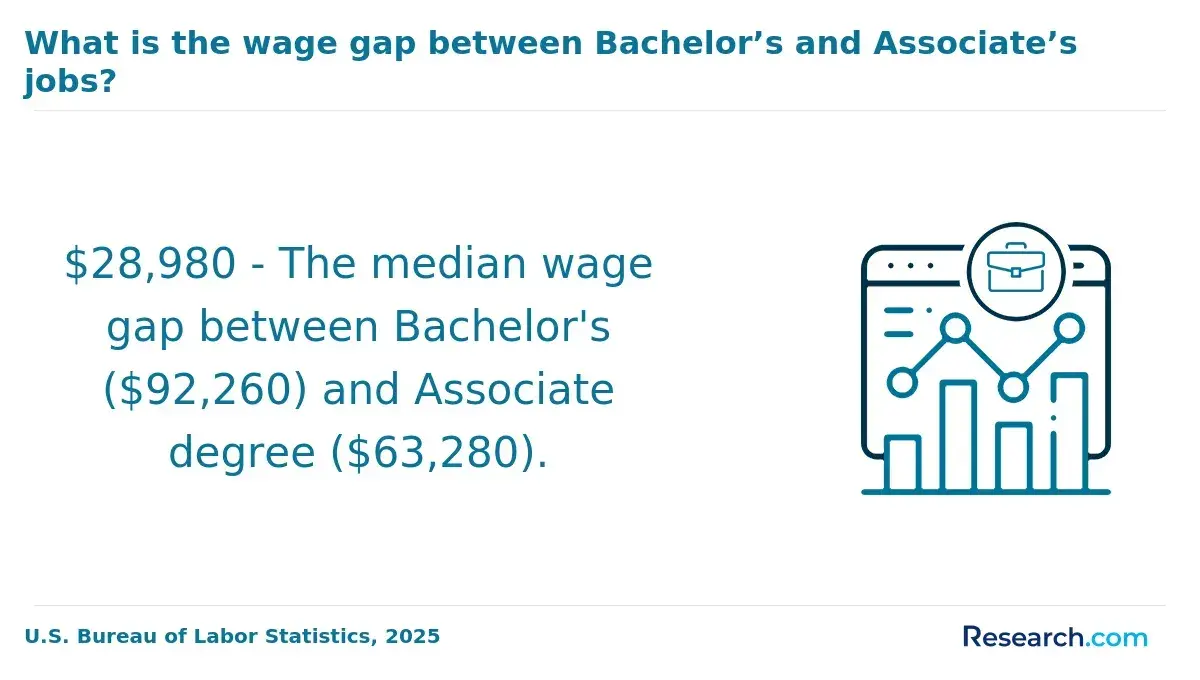
The threshold for admission into online psychiatric nurse practitioner programs is designed to filter candidates capable of immediate contribution in high-pressure clinical settings. A current, unrestricted registered nurse (RN) license coupled with a Bachelor of Science in Nursing (BSN) remains a baseline. Those holding associate degrees typically face additional bridge coursework, which extends time and cost before one can fully engage with specialty material.
Clinical experience requirements-commonly one to two years in psychiatric or mental health environments-are not mere formalities but reflect employer demand for practitioners who can navigate complex patient dynamics from day one. Programs that waive GRE scores still rely heavily on GPA and professional recommendations to predict academic persistence and clinical aptitude.
Applicants should anticipate multifaceted vetting including personal statements outlining psychiatric career intent, rigorous background checks, and immunization proof aligning with clinical placement obligations. These elements collectively shape candidate profiles that programs and employers consider indicators of readiness and retention.
Reported program completion rates ranging from 85.7% to 92.6% correlate strongly with these stringent admission criteria, suggesting that meeting them is a reliable predictor of both academic persistence and workforce integration success. Prospective students must weigh the upfront investment of meeting these standards against the practical advantages of entering a field where immediate competency significantly affects employability and patient outcomes.
How long do psychiatric NP programs take and what do they cost online?
Choosing an online psychiatric NP program involves balancing time, cost, and workforce relevance rather than simply program prestige. Most require 2 to 3 years full-time, with part-time tracks extending beyond three, affecting both completion and employment timing. For a working professional, this means weighing immediate clinical experience demands against study intensity and tuition.
Tuition per credit spans a broad spectrum-from roughly $292 for in-state public students up to more than $2,000 at private institutions-making total program cost vary widely. For example, a typical 45-credit program could range from $13,000 to over $93,000, a decision point that directly impacts debt and return on investment considerations.
Additional expenses such as clinical supervision, certification exams, and licensing fees, often running into thousands, add to the financial planning complexity. Employers in behavioral health increasingly prioritize clinical competence and valid psychiatric NP certification over institutional name recognition, though program flexibility and duration still shape accessibility for many.
- Accelerated programs reduce time-to-practice but increase academic load and tuition, limiting employment options during study.
- Part-time options improve work-study balance but can delay qualification, affecting earnings potential.
- Tuition assistance or loan repayment from employers can substantially offset costs but is not universal.
Prospective students must scrutinize these elements critically to align educational choices with realistic career trajectories in the mental health workforce.
What are the salary ranges and common career settings for psychiatric nurse practitioners?
Psychiatric nurse practitioners face a clear tradeoff when selecting between master's and doctoral pathways, shaped by cost, role expectations, and salary trajectories. Entry-level salaries for those with master's degrees generally range from $90,000 to $110,000, aligning with outpatient or community health settings that emphasize steady patient management and regular hours.
However, practitioners with a Doctor of Nursing Practice (DNP) or substantial clinical tenure often exceed $140,000 annually, reflecting demand in inpatient psychiatric hospitals, private practices, and telehealth platforms where clinical intensity and autonomous decision-making are paramount.
Tuition disparities between BSN-to-MSN and BSN-to-DNP programs are significant-approximately $18,810 to $185,280 versus $26,490 to $254,260. The higher upfront investment in doctoral education tends to align with access to leadership roles and complex care settings but may not suit all candidates dependent on immediate income needs.
Employer preferences differ by geography and setting:
- Urban centers prioritize NPs proficient with technology and integrated care models.
- Rural practices favor broadly skilled clinicians comfortable managing diverse psychiatric caseloads with limited resources.
Working environments also impose distinct demands. Emergency psychiatric units offer higher wages tied to faster-paced, crisis-driven care, contrasting with outpatient clinics that value sustained therapeutic relationships but provide more predictable schedules. Telehealth roles emphasize flexibility and independent practice, requiring technological savvy alongside clinical expertise.
What is the job outlook for psychiatric nurse practitioners and factors driving demand?
The demand for psychiatric nurse practitioners (PMHNPs) will continue growing due to critical workforce shortages and expanded behavioral health coverage.
However, this growth masks distinct hiring patterns that influence career trajectories. For instance, PMHNPs specializing in integrated care models often secure faster placements and stronger salary negotiation leverage relative to colleagues focusing exclusively on inpatient settings, where competition is tighter and initial roles may be limited.
Prospective PMHNPs must weigh program delivery formats carefully. Over 25% of programs have shifted fully online, offering flexibility but requiring significant self-discipline and proactive clinical placement management. Such formats reduce geographic constraints but may limit networking-a key factor in a competitive job market dominated by employer preferences for telehealth proficiency and electronic health record (EHR) familiarity.
Regional licensure variability and prescriptive authority further complicate employability, creating practical tradeoffs between mobility and scope of practice. Candidates targeting growth must strategically choose programs that train in digital competencies and integrated care approaches to align with evolving employer expectations, especially in rural and underserved urban regions.
Other Things You Should Know About NP Programs
The quality of clinical placements directly impacts your readiness and employability. Online programs vary widely in their ability to facilitate high-quality, specialized psychiatric placements. Programs that provide strong preceptor networks and access to diverse patient populations are preferable because they expose students to a broad range of psychiatric conditions and treatment settings, which employers value more than just fulfilling a minimum hour requirement.
Yes, state licensure portability is a critical consideration. Not all psychiatric nurse practitioner programs meet the criteria for licensure in every state, especially those offering online and distance education. Choosing a program accredited and recognized across multiple states ensures you retain mobility and employment opportunities nationwide, which is essential if you anticipate relocating or practicing telehealth across state lines.
Online programs vary in how well they align curricula and clinical training with current employer demands, including evolving psychiatric care models and telepsychiatry. Programs that integrate evidence-based practices, advanced psychopharmacology, and interprofessional collaboration better prepare graduates to meet workplace standards.
Graduates of programs with outdated or overly generic frameworks may struggle to demonstrate relevant competencies in competitive job markets, so select programs with documented employer engagement in curriculum design.
References
- Top Online PMHNP Programs 2026 (Comprehensive Rankings) https://www.npschools.com/rankings/all-online-pmhnp-programs
- BSN to PMHNP Programs Online: Top Degrees & Key Details https://www.edumed.org/online-schools/nurse-practitioner-programs/psychiatric-mental-health/bsn-to-pmhnp/
- Online Nurse Practitioner (NP) Programs https://nursinglicensemap.com/nursing-degrees/online-nurse-practitioner-programs/
- How to Become a Psychiatric Nurse Practitioner (Salary 2025) https://www.allnursingschools.com/specialties/psychiatric-nurse/
- FNP vs. PMHNP: Which Nursing Path Is Right for You? - Nurse Practitioner Degrees https://npdegrees.org/resources/fnp-vs-pmhnp/
- How to Become a Psychiatric Nurse Practitioner | Maryville Nursing https://nursing.maryville.edu/blog/how-to-become-a-psychiatric-nurse-practitioner
- PMHNP Job Outlook 2026: Growth Rate, Demand & Future Predictions (2026) | PMHNP Hiring | PMHNP Hiring https://pmhnphiring.com/blog/pmhnp-job-outlook
- Online PMHNP Programs https://onlinedegrees.rockhurst.edu/programs/online-pmhnp-degree
- Are You Considering a Career as Psychiatric Mental Health Nurse Practitioner? https://www.aanp.org/news-feed/are-you-considering-a-career-as-psychiatric-mental-health-nurse-practitioner
- Psychiatric-Mental Health Nurse Practitioner DNP https://www.rushu.rush.edu/college-nursing/programs-admissions/psychiatric-mental-health-nurse-practitioner-dnp