2027 How Online NP Programs Compare on Cost, Clinical Support, and Career Outcomes

Co-Founder and Chief Data Scientist
Working registered nurses face a critical choice when committing to an online np program: balancing tuition costs against the quality of clinical support and the program's proven impact on career advancement. A 2024 National Center for Education Statistics report found online nursing graduate enrollment surged 12%, reflecting growing adult learner demand for flexible pathways that accommodate work and family responsibilities. Yet, increased availability doesn't guarantee consistent educational outcomes or meaningful employer recognition.
Without clear data on clinical mentorship and post-graduation employment rates, prospective students risk investing time and money in programs that may stall rather than accelerate their careers. This article compares online np programs based on cost-efficiency, clinical training accessibility, and career outcome metrics to guide informed enrollment decisions.
Key Things You Should Know
- Average tuition for online np programs ranges from $20,000 to $60,000, with public institutions offering 30% lower costs but often extending program duration by 25%, impacting time-to-employment metrics tracked by the Bureau of Labor Statistics.
- Programs with integrated clinical partnerships report 15% higher graduate employment rates within six months, indicating employer preference for candidates whose clinical hours align directly with health system protocols documented in recent HRSA studies.
- Deferred clinical placements in accelerated online np programs create a mean delay of 4-6 months in workforce entry, driving up opportunity costs and challenging candidates balancing full-time employment, per 2024 AACN workforce analysis.
What are online nurse practitioner programs and how do they differ from campus-based options?
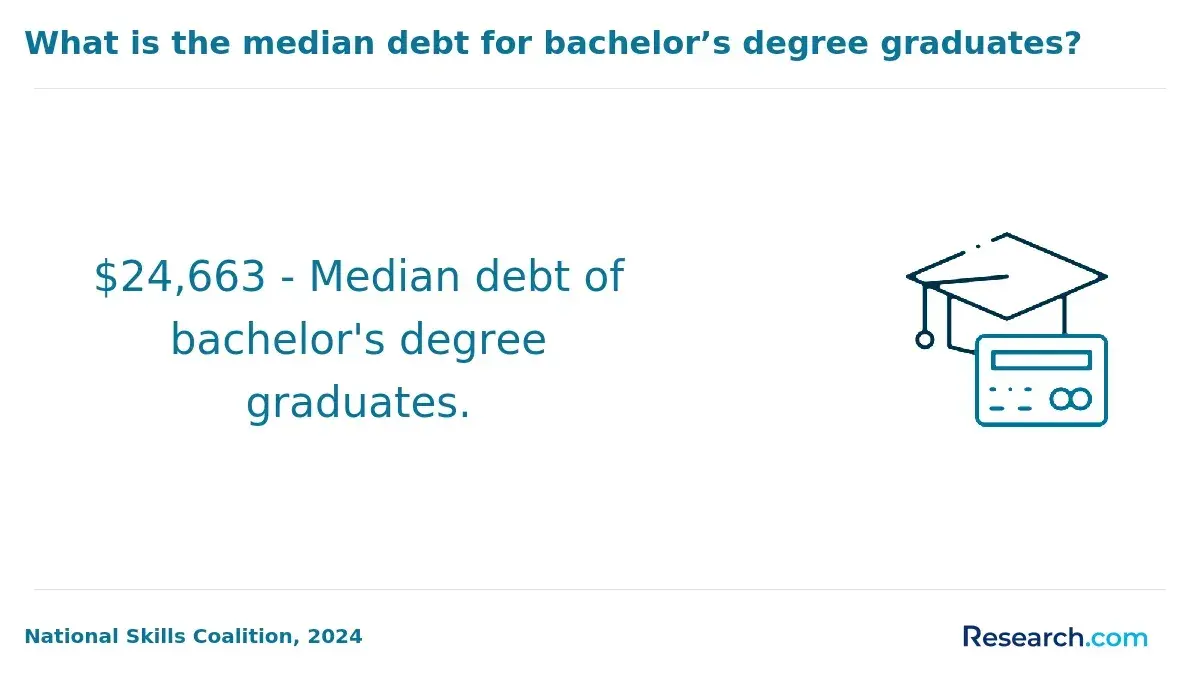
Choosing between online nurse practitioner programs versus campus-based programs involves clear trade-offs that affect both access and career trajectory. Online MSN-NP programs typically cost around $17,000 per year, considerably less than campus-based BSN-to-DNP paths that can exceed $100,000 total. This affordability gains importance for working professionals requiring flexibility, but comes with logistical challenges.
Online NP programs rely on virtual coursework combined with off-site clinical placements, where students must often independently find approved supervisors or rely on limited university partnerships. Campus-based programs handle clinical rotations centrally, streamlining access and timely completion. This clinical management difference impacts not only scheduling but employer perceptions, as campus-based DNP graduates may be favored for leadership or specialized roles due to the integrated and comprehensive training environment.
For working nurses, online programs maintain employment continuity but demand strong self-discipline and proactive clinical placement coordination. In contrast, traditional campuses require relocation or routine attendance, which may be impractical. Candidates should evaluate their comfort with these factors and consider the fragmented clinical experience inherent to many online formats.
Prospective students can explore the best online PMHNP programs to assess clinical placement success rates and support. Understanding the subtle differences between online and traditional nurse practitioner education is critical for aligning educational choices with long-term workforce goals.
How much do online NP programs typically cost, and what financial aid can students access?
Online nurse practitioner programs vary significantly in cost, typically falling below $36,000 for MSN-NP degrees, under $57,118 for DNP-NP tracks, and below $20,053 for post-master's NP certificates, per affordability guidelines for the 2025-26 academic year by NPSchools. These thresholds help define financially viable options but don't capture ancillary expenses like state authorization fees and clinical practicum costs that routinely inflate total outlay by thousands.
Financial aid options for online nurse practitioner students hinge on navigating federal resources such as Pell Grants (when eligible), Stafford Loans, and graduate PLUS loans-each with specific borrowing limits and repayment terms. Employer tuition reimbursement can ease the burden but usually applies only to practitioners employed within structured healthcare systems.
Additionally, state-specific scholarships and loan repayment programs often require service commitments in underserved regions, creating a tradeoff between immediate financial relief and future employment obligations. For working nurses, balancing loan debt with potential lost income due to reduced hours or unpaid clinical rotations is critical.
Employers frequently expect new NP graduates to be practice-ready, which often means prioritizing programs offering robust clinical mentorship despite higher upfront costs. Candidates should assess how these factors influence employability and salary trajectories. Strategic financial aid use combined with employer benefits and pragmatic budgeting can ensure choices align with career ROI, particularly when considering alternatives like online DNP pathways.
How do online NP programs provide and manage clinical placements and preceptor support?
Clinical placement support in online nurse practitioner programs varies dramatically, affecting student trajectories and workforce readiness. Programs that provide a dedicated clinical placement coordinator typically reduce administrative burdens by actively securing site agreements and preceptors. However, working professionals in rural or underserved areas frequently face the challenge of sourcing their own preceptors, which can delay licensure and employment, especially when balancing family and full-time work.
Managing clinical preceptors in online NP programs reveals disparities in mentorship quality. Some programs enforce structured preceptor training and clear supervision frameworks, directly benefiting competency development and employer confidence. Others leave students and preceptors to navigate expectations independently, risking inconsistent clinical experiences and suboptimal feedback.
Beyond tuition, hidden costs such as clinical placement fees, technology requirements, and malpractice insurance inflate the total financial commitment by several thousand dollars, impacting budgeting and sometimes extending program duration. These expenses often force difficult tradeoffs, from compromising clinical site choices to postponing workforce entry.
Programs affiliated with large healthcare systems tend to offer streamlined placements and align clinical objectives with employer standards, whereas smaller programs may require students to invest substantial time securing placements, complicating credentialing timelines. Prospective students evaluating these dynamics should consider practical placement support as a key factor in selecting among MSN to DNP programs.
What accreditation and state licensing requirements must online NP programs meet for NP practice?
Graduation from an online NP program without proper accreditation and state authorization severely limits licensure and employment prospects. Accredited programs recognized by CCNE or ACEN are mandatory for eligibility to take NP certification exams and meet state licensing criteria for practicing nurse practitioners after online NP programs. States typically require that programs hold authorization to operate within the student's residence state and provide supervised local clinical placements complying with specific clinical hour mandates.
Failure to navigate state authorization can leave students stranded with completed didactic coursework but unable to meet licensure prerequisites. For example, a Texas resident enrolled in a program without Texas approval must independently secure clinical hours, a complex process given local regulatory restrictions and employer preferences for candidates from compliant programs.
Prospective students should verify three key factors before enrollment:
- Current program authorization status in their home state.
- Documented clinical placement support aligning with the state board's supervision and hour requirements.
- Program accreditation credentials covering the intended licensure target.
Ignoring these criteria risks wasted time and diminished workforce value. Those researching educational affordability might also explore cheapest PMHNP certificate programs, balancing cost with compliance and job market realities.
How long do online NP programs take, and what are common admission prerequisites?
The time investment for nurse practitioner programs varies notably based on enrollment status and prior qualifications, with full-time students often finishing within two years, while part-time candidates may take up to four years due to the demands of clinical practicum hours. These 500 to 700 supervised clinical hours, mandatory and in-person regardless of online coursework, frequently force working nurses to juggle complex scheduling and geographic constraints.
Students must actively manage securing clinical placements, as institutional support is often regionally limited, and delays here directly affect workforce entry and earnings potential. Admission requirements reflect essential workforce expectations: an active RN license, a BSN or equivalent, and typically a 3.0 GPA minimum alongside 1-2 years of direct patient care experience.
Some programs require GRE scores, though exemptions exist for experienced applicants, and prerequisite courses-such as anatomy and microbiology-must be fully documented to avoid admission setbacks. For those without a BSN, bridge or RN-to-MSN pathways extend program length significantly, making timing and financial planning crucial.
Considering the median nurse practitioner salary of $129,210 and projected job growth near 46%, completing these programs efficiently is pivotal to capitalizing on career advancement opportunities. Delays in coursework or clinical placement not only postpone entry into a high-demand labor market but also influence long-term earnings trajectories.
What specializations, curricula, and clinical hour requirements do online NP tracks include?
Clinical practicum demands remain the defining constraint for online nurse practitioner tracks, with 500 to 700 hours required depending on specialization and certification standards. Students must independently secure diverse placements-often spanning outpatient, hospital, or behavioral health settings-which imposes considerable logistical challenges.
For example, a family nurse practitioner requires broad experience across age groups and sites, contrasting with psychiatric-mental health, where clinical hours usually concentrate in behavioral facilities. This difference influences employer evaluations of graduate readiness and scope of practice.
Time-consuming clinical requirements can disrupt work schedules, forcing many employed students to seek program flexibility such as simulation hours or petition for approved sites, though policies vary widely and may jeopardize licensure eligibility. Practical planning for clinical placement support and alignment with state licensure rules is critical for managing this tradeoff.
Cost structures also play a vital role in long-term prospects: selecting lower-cost programs with strong clinical frameworks correlates with higher median earnings-exemplified by studies showing graduates paying under $9,000 annually earning median NP salaries near $149,000. This underscores the importance of balancing tuition against practical clinical support and curricular rigor to optimize return on investment.
How do career outcomes for online NP graduates compare with those from campus programs?
Online nurse practitioner programs, when matched in clinical rigor and accreditation to campus programs, produce comparable career outcomes, but nuances in clinical placement logistics significantly shape early employment trajectories. Employers emphasize verified clinical competencies and relevant certification over the learning modality itself, yet securing quality clinical experiences can pose challenges for online graduates, particularly in urban or highly competitive hospital settings.
For example, candidates targeting rural or underserved areas may benefit from the flexibility and generally lower tuition of online pathways, which typically range from $400 to $800 per credit hour, versus up to $1,300 for out-of-state campus tuition. Total costs fluctuate widely-between $14,000 and $90,000-highlighting important financial tradeoffs.
Labor market data show no inherent salary or employment disadvantage for online-trained nurse practitioners when clinical experience and program reputation are equivalent. Still, graduates entering hospital-based roles in dense urban hubs often must augment online education with additional face-to-face clinical exposure and local networking to meet employer expectations.
Prospective students should prioritize online programs offering extensive, locally relevant clinical partnerships and seek early engagement with regional employers. Targeted efforts such as shadowing, state-specific certification, and strategic clinical placements address practical workforce demands shaping the landscape in 2026.
What salary ranges, benefits, and earning potential can NP graduates expect by specialty?
Nurse practitioner salaries vary significantly by specialty, region, and degree level, with important tradeoffs between upfront educational costs and long-term earning capacity. Primary care NPs generally start between $95,000 and $115,000, while acute care and psychiatric mental health NPs command $110,000 to $135,000. Specialized fields like neonatal intensive care offer starting salaries near $120,000, escalating past $150,000 with experience.
Certified registered nurse anesthetists reach $185,000 to $200,000, though these figures depend on certifications and employer settings. Financial and employment stability considerations also influence compensation. Larger health systems often bundle health insurance, retirement contributions, paid leave, and loan repayment programs, which can increase total compensation by 20-30%. Conversely, contract or per diem NPs typically receive higher hourly rates but forfeit benefits and job security.
Degree choice critically affects costs and salary potential. Master's programs cost $35,000 to $100,000, versus DNP tracks ranging from $25,000 to $250,000. While DNP-prepared NPs may earn $10,000-$20,000 more initially and qualify for leadership roles at academic medical centers, community clinics often prioritize MSN candidates due to budget limits, affecting ROI.
Consider a psychiatric mental health NP candidate in a rural area: balancing solid local demand and $120,000 salaries against possible loan debt and fewer advanced practice supports contrasts with urban acute care NPs facing stiffer competition but faster wage growth. Assessing specialty demand, benefits, and clinical support is crucial for informed decisions in NP Programs pathways.
What is the current job outlook and employer demand for nurse practitioners nationwide?
Projected to grow 40% from 2024 to 2034, nurse practitioner roles offer strong labor market demand that notably exceeds most occupations. However, this growth is uneven; employers in high-demand states such as California and New York offer salaries 15-25% above the national median, making geographic choice a major determinant of compensation potential and job availability. The emphasis on accredited programs with substantial clinical hours reflects employer priorities for candidates prepared for immediate, autonomous practice.
Different hiring contexts impact the type of clinical expertise sought. Rural and underserved urban employers favor NPs with broad primary care competence, while specialty clinics prioritize targeted skills like psychiatric mental health or acute care. This variation affects hiring timelines and long-term retention. For working adults evaluating NP Programs, tuition cost can be a decisive factor: public universities typically charge significantly less than private institutions for in-state students, especially in states with high living costs, thereby reducing debt burden and improving workforce entry speed.
Choosing a program aligned with local workforce shortages offers clearer employment pathways and financial advantages. Clinical placement quality remains critical; programs with structured, well-supported practicums increase employability. NursePractitionerOnline.com highlights affordability and clinical training as key variables impacting market readiness and competitiveness.
How can prospective students evaluate and choose a high-quality, reputable online NP program?
Tuition often obscures the full financial and logistical burden of nurse practitioner education. Required on-campus intensives, clinical placements, background checks, immunizations, and attire frequently add thousands of dollars beyond base costs. For example, full-time employed students may face lost income or childcare expenses during mandatory clinical intensives, a factor rarely quantified in tuition comparisons.
Accreditation by the Commission on Collegiate Nursing Education (CCNE) or the Accreditation Commission for Education in Nursing (ACEN) remains non-negotiable, as does state board approval, since graduates need these endorsements to sit for certification and obtain licensure. Programs in partnership with established healthcare providers typically offer more efficient clinical placements, which can improve training quality and reduce administrative delays.
Career outcomes hinge on practical program design. Reviewing graduate pass rates on national certification exams and employment data within 6-12 months post-graduation reveals critical differences. Programs emphasizing clinical support and specialty training outperform generic online formats in competitive urban markets.
Prioritize programs that offer flexibility in clinical rotations and integrate telehealth training aligned with current healthcare trends. Multiple clinical site options and asynchronous didactic content mitigate scheduling conflicts and relocation challenges. Additionally, personalized career counseling or job placement assistance may substantially influence hiring prospects.
Other Things You Should Know About NP Programs
Online NP programs must meet the same clinical hour requirements as traditional programs to maintain accreditation, but the structure and supervision of clinical placements can vary significantly. Programs with weaker partnerships or less proactive preceptor support may offer fewer meaningful hands-on learning experiences, which can impact readiness for independent practice. Prioritize programs with transparent clinical coordination and in-person simulation options to ensure practical skills development matches employer expectations.
The flexibility of online programs allows for asynchronous coursework, but many still require synchronous sessions, steady clinical hours, and rigorous project deadlines that demand consistent weekly commitment. Working professionals should assess program pacing and time-intensive clinical placement arrangements carefully; those with unpredictable work schedules may face challenges meeting synchronous requirements or finding local preceptors. Selecting programs with flexible clinical options and clear workload timelines is critical to avoid burnout and incomplete training.
Employer skepticism about online NP degrees persists in some regions and specialties, especially when online programs lack strong institutional reputations or comprehensive clinical partnerships. However, this gap narrows significantly once graduates obtain proper licensure and certification. To maximize employment prospects, prioritize online NP programs accredited by recognized agencies and with documented graduate placement success rather than focusing solely on program delivery mode.
References
- Online FNP Programs vs. Campus-based FNP Programs https://www.nursepractitionerlicense.com/aprn-guide/online-fnp-programs-vs-campus-based-fnp-programs/
- Online Resources & Scholarships for Nurse Practitioner Students https://www.edumed.org/financial-aid/scholarships/nurse-practitioner-programs/
- NP Specialties and Jobs: What You Need to Know https://opportunityhealthcare.com/blog/nurse-practitioner-specialties-and-jobs-what-you-need-to-know
- Paying for NP School - Scholarships, Tuition Reimbursement, Etc. https://www.npschools.com/blog/how-to-make-np-school-more-affordable
- 2025 Employment Forecast: Nurse Practitioner Jobs | Vivian Community Hub https://www.vivian.com/community/industry-trends/nurse-practitioner-jobs/
- Your Earning Potential as a Nurse Practitioner https://www.allnursingschools.com/nurse-practitioner/salary/
- Some of the Best Online Nurse Practitioner (NP) Programs for 2025–2026 - Nurse Practitioner Degrees https://npdegrees.org/degrees/best-online-np-programs/
- In-Person vs. Online Nursing Programs https://www.chamberlain.edu/blog/in-person-vs.-online-nursing-programs
- Planning Your Nurse Practitioner (NP) Education https://www.aanp.org/student-resources-2/planning-your-np-education
- Nurse Practitioner Salary Factors: Are You Making as Much as Your Colleagues? | PracticeMatch https://www.practicematch.com/advanced-practitioners/articles/nurse-practitioner-salary-factors.cfm