2027 How to Choose the Right Online MPA for Local Government Careers

Co-Founder and Chief Data Scientist
Many prospective graduate students find it challenging to identify an online MPA program that aligns with their career goals in local government. With numerous options varying in accreditation, curriculum focus, and flexibility, choosing the right program can feel overwhelming. This uncertainty can delay or derail career advancement in public administration roles that require specialized knowledge and credentials. Understanding how to evaluate program quality, suitability, and practical relevance is crucial for a successful transition into local government careers. This article analyzes key considerations and offers guidance to help readers select the most appropriate online MPA program for their professional objectives.
Key Things You Should Know
- Accreditation and curriculum relevance are crucial; regional accreditation ensures quality education aligned with evolving local government policies and administrative technologies.
- Programs offering specialized tracks in local governance and data analytics increase employment potential in public sector roles projected to grow by 8% through 2030.
- Flexible online formats with synchronous and asynchronous options enhance accessibility for working professionals balancing education with government duties.
What is an online MPA for local government careers?
An online MPA for local government careers equips students with essential skills to manage public agencies and lead initiatives across municipal, county, and state levels. These distance learning MPA degrees in local government management focus on budgeting, public finance, ethics, urban planning, and intergovernmental relations-all tailored to local governance complexities.
Many programs offer flexible schedules to help working professionals balance career demands with study. Coursework frequently includes case studies, simulations, and projects addressing real-world challenges like community development and public safety management, providing practical insight into public agency operations and politics.
Local governments employ over 14 million people, with a significant portion eligible to retire soon. This trend underscores the need for well-prepared leaders capable of stepping into crucial roles, making an online MPA a strategic choice for career advancement.
Students should prioritize accredited programs that offer relevant specializations such as nonprofit management or public policy analysis, alongside experienced faculty, internship opportunities, and strong alumni networks. Prospective learners can find comprehensive options by exploring the best online MPA programs curated for flexible and effective learning.
How do you choose an accredited online MPA?
Choosing accredited online MPA programs for local government careers involves verifying institutional accreditation by recognized agencies. Regional accreditation from bodies like the Higher Learning Commission (HLC) or the Southern Association of Colleges and Schools Commission on Colleges (SACSCOC) confirms the program adheres to strict academic standards.
Equally important is program-specific accreditation from the Network of Schools of Public Policy, Affairs, and Administration (NASPAA), which ensures the curriculum aligns with public administration competencies needed for government roles.
When selecting the best online MPA degrees recognized for public administration, consider program delivery formats. Many offer flexibility with asynchronous classes that fit busy schedules, while others include synchronous sessions for real-time interaction. Balancing learning preferences with work commitments is essential.
Assess faculty expertise and curriculum focus on areas such as public finance, urban policy, or public sector management to prepare for growing local government opportunities. Employment for administrative services and facilities managers in local government is projected to grow 6% from 2023 to 2033, faster than the average for all occupations, according to the U.S. Bureau of Labor Statistics.
Look for programs that provide career services, internships, or connections with government agencies to strengthen job prospects. Tuition and financial aid are important but should not outweigh accreditation or program quality. For professionals considering diverse options, a good reference is the masters healthcare administration rankings, which can provide insights into affordable advanced degrees in related fields.
What jobs can an MPA lead to in local government?
An MPA degree offers diverse career opportunities for local government MPA graduates across multiple roles that support community management and policy development. Positions commonly pursued include city manager, deputy or assistant city manager-overseeing municipal operations and specific departments like finance or public works.
Additional roles encompass budget analysts who monitor fiscal management, urban planners focused on sustainable land use and zoning, and public information officers facilitating communication between government agencies and the public.
Human resources directors apply their skills to employee relations and compliance, while program managers lead targeted initiatives such as housing or emergency services to meet regulatory and community needs. For those pursuing public safety, an MPA can lead to leadership positions in police or fire department administration.
The availability of accredited programs has grown significantly, with over 210 NASPAA-approved MPA/MPP offerings worldwide and more than 100 providing hybrid or fully online formats. This expanded access allows working professionals to advance their qualifications without interrupting their careers. Many looking for jobs in local government with an online MPA find these flexible programs ideal.
Students searching for specialized paths might also explore related fields, such as pursuing an online masters in construction management, which complements public sector infrastructure oversight roles.
How do online and campus MPA programs compare?
Online MPA programs vs campus programs for local government careers largely differ in delivery methods, flexibility, and networking opportunities. Campus programs offer direct access to professors, in-person collaboration, and hands-on experiences like internships or partnerships with local government agencies. These features benefit students who prefer structured environments and immediate peer interaction.
In contrast, online MPA programs emphasize flexibility, catering to working professionals balancing studies with jobs or family commitments. Asynchronous learning is common, allowing students to progress at their own pace, though many programs also include live sessions for engagement. Both formats ensure comparable academic rigor, covering key competencies such as budgeting, policy analysis, and organizational management. These differences between online and traditional public administration degrees allow students to choose based on their learning style and career goals.
Accreditation by the Network of Schools of Public Policy, Affairs, and Administration (NASPAA) is vital for quality assurance and is available in both formats. Salary outcomes between graduates of campus and online programs show little variance when controlling for experience and location.
The U.S. Bureau of Labor Statistics projects 11% employment growth for urban and regional planners from 2023 to 2033, highlighting sustained demand for local government professionals.
Prospective students might also explore an accelerated business management degree to complement their public administration education and career advancement options.
What courses are in a local government MPA?
Local government MPA programs prepare students to manage public agencies at municipal, county, and regional levels. Core courses often include public budgeting and finance, which focus on transparent and efficient management of government funds. Urban planning and development are also central, covering land use, zoning, and infrastructure management essential to local operations.
Students commonly study public policy analysis and program evaluation to assess community needs and the effectiveness of local initiatives. Human resources management addresses labor relations and workforce diversity, which are vital for managing municipal employees. Ethics and law courses ensure decision-making within regulatory frameworks, supporting public trust and legal compliance.
Emergency management training equips students to respond to crises such as natural disasters and public health emergencies in local contexts. Many programs offer flexible formats like asynchronous courses and condensed terms, accommodating the 83% of online master's students who work full time while enrolled.
Specialized tracks such as public safety administration or community development allow students to tailor their studies to specific career goals. This combination of practical and technical coursework makes local government MPAs a strong fit for those aiming to advance in public service roles.
What admission requirements do online MPA programs have?
Admission requirements for online MPA programs typically include a bachelor's degree from an accredited institution with a minimum GPA around 3.0. Applicants often must submit official transcripts, a current resume or curriculum vitae, and letters of recommendation from academic or professional contacts who can attest to their potential in public administration. Many programs also require a personal statement or essay outlining career goals and motivation.
While standardized tests like the GRE are less commonly required, some competitive programs or applicants with lower undergraduate GPAs may need to submit them. Relevant work experience in government, nonprofit, or related fields strengthens applications and can be mandatory for executive or advanced standing tracks. International students usually must provide proof of English proficiency via TOEFL or IELTS.
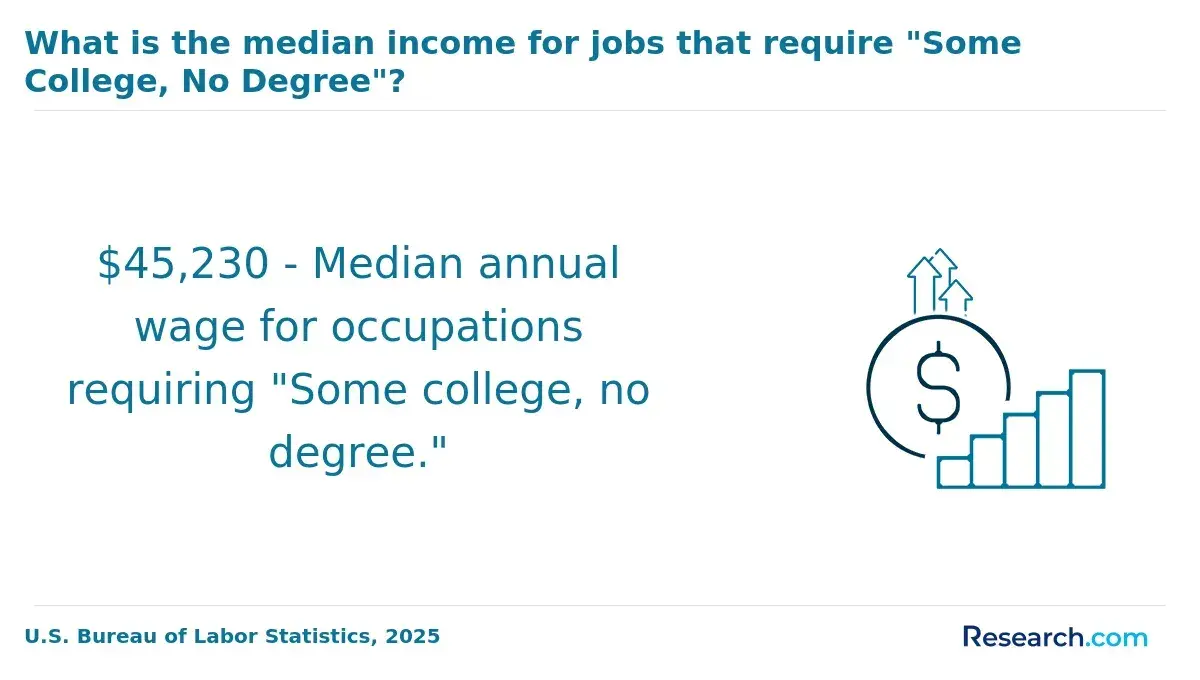
These requirements reflect the demanding nature of public administration education, which prepares graduates for leadership roles where analytical skills and practical experience are essential. According to BestColleges' analysis, the median tuition for online MPA programs is about $25,000, with median salaries for graduates reaching $82,000-over 30% higher than those holding only a bachelor's degree in the field. This salary boost highlights the value of meeting admission criteria for reputable programs.
Applicants should carefully review prerequisites and deadlines to ensure timely submission of all documents, including experience verification. Some institutions offer conditional admission, allowing students to complete prerequisite coursework or gain relevant experience while enrolled.
How long does an online MPA take and cost?
Online master of public administration (MPA) programs generally take one to three years to complete, influenced by enrollment status and program format. Full-time students often finish within 12 to 18 months, while part-time students juggling work or family may take up to three years. Programs frequently provide flexible pacing, including accelerated options or extended schedules to fit busy professionals' needs.
Tuition costs vary significantly by institution, residency, and program length, typically ranging from $15,000 to $45,000. Public universities tend to offer lower tuition for in-state students, while private schools usually charge more. Additional fees like technology, textbooks, and occasional campus visits apply but are often lower than on-campus equivalents.
Nearly 60% of graduate public administration programs now offer online or hybrid formats, expanding accessible options for students. Importantly, employers see no major quality difference between NASPAA-accredited online and on-campus MPAs, making accreditation a vital consideration when evaluating cost and value.
Key factors to consider include:
- Program length relative to your schedule
- Cost per credit and total tuition
- Accreditation status for recognized quality
- Availability of financial aid or employer tuition support
- Program flexibility, such as asynchronous courses and multiple start dates
Balancing time and cost helps maximize career outcomes in local government roles and beyond.
What salaries do local government MPA graduates earn?
Local government MPA graduates anticipating employment in 2026 can expect starting salaries generally between $55,000 and $75,000 annually. These figures vary by geographic region, agency scale, and job role. Mid-level professionals with experience typically earn from $75,000 to $95,000, while senior administrators or department heads often see salaries exceeding $100,000.
Entry-level roles in smaller municipalities usually offer pay near the lower salary range, whereas larger cities or specialized agencies tend to provide higher compensation to attract top talent.
Key factors influencing salary include:
- Region: Urban centers and states with higher living costs usually offer better pay.
- Role specialization: Positions in budgeting, urban planning, or emergency management often command higher salaries.
- Experience and credentials: Skills in data analytics and GIS tools significantly enhance earning potential.
According to a NASPAA survey, over 70% of accredited public affairs programs incorporate virtual simulations, data dashboards, or GIS tools into online MPA curricula. This hands-on training reflects real-world government environments and boosts graduates' market value. Proficiency in these technical tools often leads to salary offers at the upper end of typical ranges due to supporting data-driven decision-making.
Prospective graduates aiming for higher salaries should focus on programs emphasizing applied tools and leadership development. Obtaining certifications relevant to local government operations also helps increase compensation potential.
What is the job outlook for local government administrators?
The job outlook for local government administrators remains strong, with ongoing demand for skilled leaders who manage municipal operations, budgeting, policy implementation, and community development. City and county managers, often regarded as top executives, earned a median annual wage of $116,880 in May 2023, with the top 25% earning over $170,000. This reflects significant financial rewards for experienced professionals advancing into senior roles.
Career growth commonly combines practical experience with advanced education, such as an online mpa degree. This degree equips candidates with expertise in public finance, organizational management, and policy analysis. Many start as assistants or department heads before moving into city manager or county executive positions.
Job prospects depend on factors like geographic location, community size, and fiscal health. Larger municipalities typically offer more opportunities and higher pay. Candidates skilled in crisis management, community engagement, and technological integration gain a competitive edge.
Prospective students should seek programs offering practical internships or local government partnerships. Hands-on experience greatly enhances employability. Understanding public sector law, regulations, and ethics is also essential for success in this field.
Which certifications help local government MPA graduates?
Certifications play a crucial role in boosting local government MPA graduates' career trajectories by validating specialized skills and enhancing their competitiveness. Important credentials include the Certified Public Manager (CPM), which delivers advanced management training tailored for government professionals, and the Certified Government Financial Manager (CGFM), essential for those focusing on budgeting and financial oversight.
The Project Management Professional (PMP) certification is especially valued for graduates managing complex projects and interdepartmental efforts within local government. Likewise, the Credentialed Manager program from the International City/County Management Association offers a pathway for those aiming at leadership roles in municipal administration.
Specialized certifications in fields such as emergency management (Certified Emergency Manager, CEM) and human resources (Society for Human Resource Management, SHRM) help graduates stand out within specific local government functions. Prioritizing certifications recognized by state and local agencies or professional bodies ensures credibility and strengthens career prospects.
A survey conducted by the Network of Schools of Public Policy, Affairs, and Administration found that over 80% of recent MPA graduates in local government secured promotions or new roles within two years. This highlights the tangible benefit of combining an MPA with relevant certifications, whether through online or on-campus programs.
Graduates should carefully evaluate their career goals, local government demands, and the cost-benefit balance when selecting certifications to maximize their return on investment.
Other Things You Should Know About Public Administration
When selecting an online MPA program in 2027 for a local government career, consider accreditation, curriculum relevance, faculty expertise, networking opportunities, and flexibility. Ensure the program offers courses aligned with community planning, policy analysis, and administrative law, crucial for local government roles.
Public administration develops and implements policies that directly respond to the needs of local communities. Administrators work with stakeholders to allocate resources efficiently and improve public services such as education, safety, and infrastructure. This process often involves data-driven planning and collaboration with elected officials.
Technology has become integral to modern public administration by improving efficiency, transparency, and service delivery. Tools like data analytics, geographic information systems (GIS), and digital communication platforms help administrators make informed decisions and engage the public more effectively. E-governance initiatives have expanded accessibility to government services.
Yes, many MPA graduates find opportunities in nonprofit organizations, consulting firms, and private sector companies that partner with public agencies. Their expertise in organizational management and policy implementation is valuable in roles focused on social impact and public affairs. This flexibility broadens career options beyond traditional government positions.
References
- Public Administration - online (MPA) - Grad admissions - University of Victoria https://www.uvic.ca/graduate/programs/graduate-programs/credential-pages/public-administration-cred/public-administration-online-mpa.php
- Local, State, or Federal? Choosing the Right Government Career Path With an MPA https://sopa.tulane.edu/blog/local-state-or-federal-choosing-right-government-career-path-mpa
- CERTIFICATE PROGRAMS https://www.villanova.edu/university/liberal-arts-sciences/programs/public-administration/graduate-programs/certificates.html
- Local government administrator: job description https://targetjobs.co.uk/careers-advice/job-descriptions/local-government-administrator-job-description
- Careers - Vault https://vault.com/professions/city-managers/outlook
- What Can I Do With a Master’s in Public Administration? https://www.callutheran.edu/programs/articles/what-can-do-with-masters-public-administration/
- Best Online NASPAA Accredited MPA Programs https://www.mastersofpublicadministration.org/naspaa-accredited-mpa-programs
- Online MPA Programs in Local Government Management (City, State & Urban Management) https://www.onlinempaprograms.com/specializations/local-government-urban-management
- Online Master's in Public Administration (MPA): Find Your School https://www.degreesforgood.org/online-degrees/public-administration-programs/masters-mpa/
- Is an MPA Degree Really Worth It? Decide Here https://teach.com/online-ed/government-degrees/online-masters-public-administration/why-earn-an-mpa/