2027 What Can You Do With a Public Administration Degree in Community Development?

Co-Founder and Chief Data Scientist
Community leaders often struggle to design effective programs that address local economic and social challenges. A public administration degree focused on community development equips professionals with the skills needed to analyze policies, mobilize resources, and engage stakeholders. This expertise enables graduates to create sustainable initiatives that improve quality of life and foster inclusive growth. The article explores career opportunities and practical applications of such a degree, providing guidance for those aiming to transition into the field and make a meaningful impact in community development settings.
Key Things You Should Know
- A public administration degree in community development prepares graduates for leadership roles managing social programs that enhance local economic growth and improve public services.
- Employment in this field is projected to grow 6% from 2024 to 2034, reflecting increased demand for government and nonprofit community planners.
- Key skills gained include policy analysis, grant writing, and stakeholder engagement, essential for addressing urban planning, housing, and social equity challenges effectively.
What is a public administration degree with a community development focus, and how does it differ from other public administration programs?
A public administration degree with community development specialization trains students to manage initiatives focused on improving local social, economic, and environmental conditions. This specialization emphasizes skills in stakeholder engagement, urban planning, economic revitalization, and policy design targeting community well-being. Graduates gain expertise in coordinating affordable housing projects, poverty reduction efforts, and sustainable growth strategies, combining administrative knowledge with grassroots involvement.
Compared to traditional public administration programs that focus broadly on governmental operations, budgeting, and policy analysis, the differences between community development and traditional public administration programs lie in applying strategies to foster inclusive local growth. Students often learn grant writing for community projects, partnership-building with nonprofits and private sectors, and program impact evaluation to boost neighborhood vitality.
This concentration prepares professionals to work in municipal agencies, nonprofit organizations, and regional planning commissions, where community and economic development are top priorities. In fact, 83% of U.S. local government managers rated community and economic development as a "high" or "very high" priority according to ICMA survey data, reflecting strong demand for administrators skilled in these areas.
Coursework integrates public policy with social equity, demographic analysis, and urban economics, equipping graduates to lead efforts such as revitalizing underserved neighborhoods, coordinating public-private partnerships, and designing inclusive zoning laws. Prospective students may explore options through online MPA degrees to gain these valuable skills in flexible formats.
What jobs can you get with a public administration degree in community development?
A public administration degree jobs in community development prepare graduates for roles aimed at improving urban and rural settings. Key career paths include urban and regional planner, community development specialist, housing program manager, and nonprofit administrator.
Urban and regional planners employ data analysis to create land use plans that ensure sustainable growth, influencing infrastructure, zoning, and transportation. Employment for these planners is projected to grow 11% from 2022 to 2032, notably outpacing the 4% average for all occupations, signaling increased demand for experts tackling urban issues.
Careers in community development with a public administration degree often involve collaboration with local governments, businesses, and residents to foster economic and social improvements. Housing program managers oversee affordable housing efforts, grant compliance, and regulatory adherence. Nonprofit administrators apply management skills to organizations serving public health, youth services, or economic development.
Additional roles include grant writer, policy analyst, and public affairs consultant, requiring proficiency in budgeting, public policy, and stakeholder engagement. Graduates bring leadership, project management, and analytical expertise to adapt to evolving public sector challenges.
Those interested in related fields might explore programs such as a healthcare administration degree online accredited for expanded career options in administration and service management.
How does a public administration degree prepare you for community development careers in government, nonprofits, and local agencies?
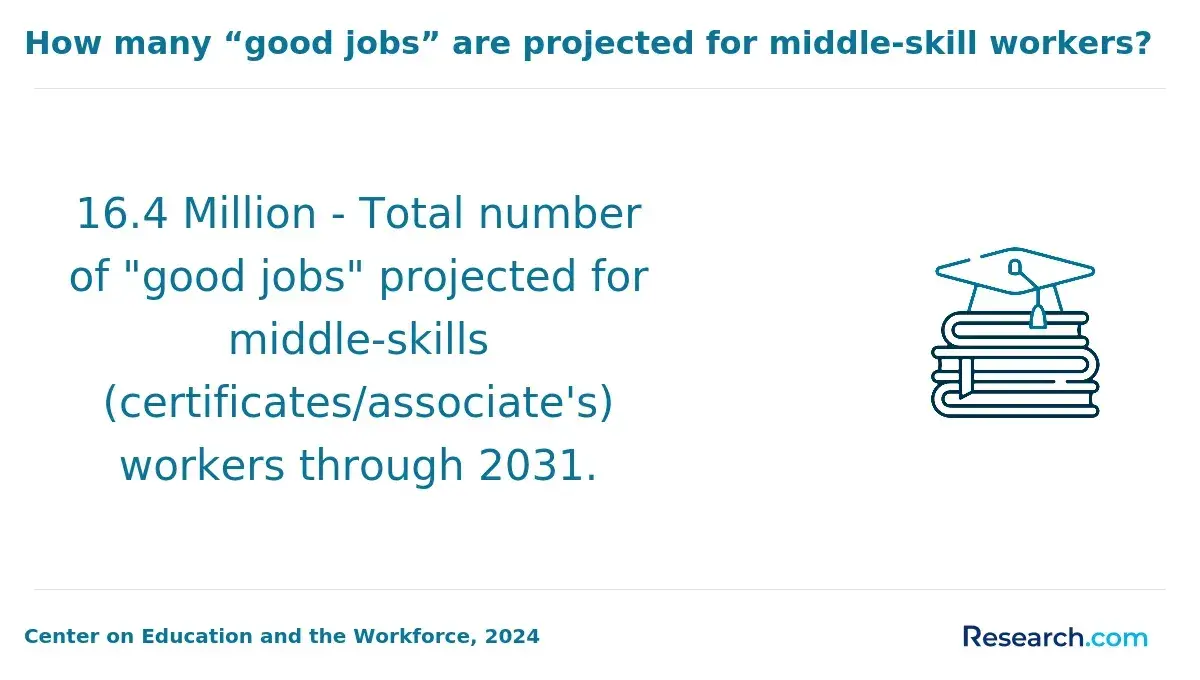
A public administration degree supports careers in community development agencies by equipping graduates with essential skills for roles in government, nonprofits, and local organizations. Training focuses on policy analysis, budgeting, program management, and stakeholder engagement-skills that are crucial for effective community initiatives. Students gain abilities in navigating complex regulations and collaborating with elected officials, residents, and private sector partners.
Career paths span urban and regional planning, which involves designing projects that improve housing, transportation, and public spaces, to administrative services management, overseeing facilities and service delivery that impact community well-being. The degree also emphasizes strategic communication, important for mobilizing communities around social programs.
Key skills gained from a public administration degree for nonprofit and government community roles include:
- Data-driven decision making for targeted development strategies.
- Grant writing and resource allocation to secure funding.
- Leadership to manage multidisciplinary teams and volunteers.
- Conflict resolution to address community disagreements.
According to U.S. Labor Statistics, median annual wages of $99,290 for administrative services managers and $78,500 for urban planners highlight strong financial prospects. Graduates benefit from internships or entry-level roles in local government or nonprofits focusing on housing, economic development, and social services, blending practical experience with academic knowledge to meet community development challenges.
For students interested in expanding their expertise in related fields, an online masters in construction management offers opportunities to integrate construction skills with community development efforts.
What courses and specializations are typically included in a public administration community development program?
Public administration community development core courses typically include policy analysis, urban planning, and organizational management. These programs emphasize budgeting and financial management geared specifically towards government and nonprofit sectors. Students develop skills in program evaluation to effectively assess local initiatives.
Specializations in public administration for community development often address economic development, housing policy, and social services administration, preparing graduates to tackle complex community challenges.
Many curricula incorporate coursework on stakeholder engagement and collaborative governance, highlighting partnership-building across public, nonprofit, and private sectors. According to national data, 55% of public administration graduates work in government, 23% in nonprofits, and 22% in private industry, underscoring the need to understand sector-specific operations. Additional specialization options frequently include grant writing, nonprofit management, and sustainable development.
Electives might cover geographic information systems (GIS) for spatial community planning or public health policy to enhance community well-being. Programs also integrate ethics and equity in public service, aiming to prepare leaders for diverse populations. Practical experiences such as internships or capstone projects provide hands-on application of theoretical knowledge. These programs equip students with analytical, managerial, and communication skills essential to mobilizing resources and implementing inclusive policies.
Prospective students interested in efficient degree completion may explore options like the accelerated online associates business degree, which can complement public administration studies and support career advancement.
What education level do you need for community development roles: bachelor's vs. master's in public administration?
A bachelor's degree in public administration usually serves as the minimum qualification for entry-level community development roles such as community outreach coordinators, program assistants, or policy analysts. This degree offers essential knowledge in government operations, budgeting, and public policy needed to manage projects and work with diverse populations.
Advanced positions like urban planners, nonprofit directors, and senior policy advisors often require a master's degree in public administration. This higher degree sharpens skills in strategic planning, grant writing, program evaluation, and project management, enabling professionals to lead larger community initiatives effectively.
Graduates holding master's degrees benefit from expanded networking and typically receive higher salaries. Those managing complex efforts in areas like affordable housing or public health tend to possess advanced degrees to address multifaceted challenges.
- Bachelor's degrees fit those aiming for direct community engagement or program support roles.
- Master's degrees advantage candidates targeting leadership or specialized analytical positions.
The demand for skilled community development professionals continues to grow. Between 2018 and 2023, public administration degree completions in the U.S. rose by 11.6%, outpacing the growth of all master's degrees. Prospective students should weigh their career goals carefully:
What is the salary potential for graduates in public administration and community development careers?
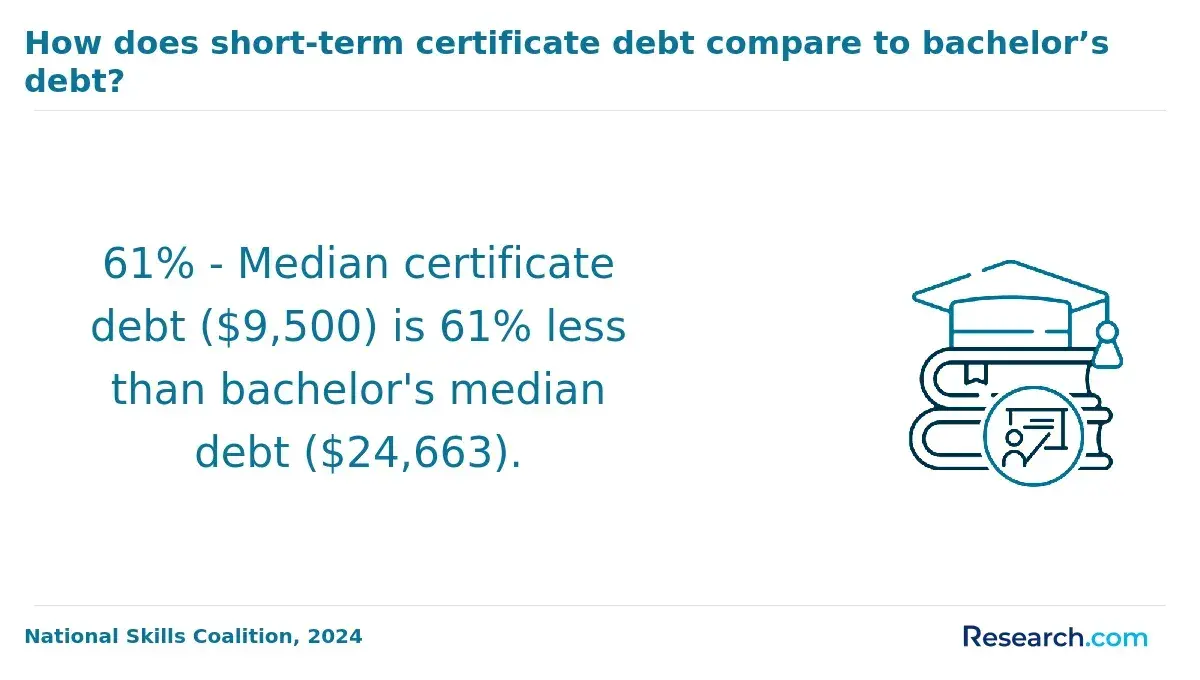
Salaries for graduates in public administration and community development vary by role, experience, and sector. Entry-level positions, such as community development assistants, typically start between $40,000 and $50,000 annually. Mid-level roles like program managers or city planners earn $60,000 to $85,000 per year, while senior positions, including directors or executives, often exceed $100,000. Location and employer type-government, nonprofit, or private sector-also impact pay, with metropolitan areas and federal agencies offering higher averages than rural or smaller municipalities.
The U.S. Economic Development Administration's public-sector investments emphasize the field's growth, with over 64,000 jobs influenced by programs like Public Works and Economic Adjustment Assistance. These programs have also attracted $10.6 billion in private investment, signaling strong demand for skilled professionals.
Additional career paths to consider include policy analysis, grant writing, and economic development coordination, where salaries range from $50,000 to $90,000. Earning advanced degrees or certifications in public administration or community development significantly boosts earning potential.
Building expertise in grant management, data analysis, and stakeholder engagement can accelerate career growth. Networking within municipal and regional economic development bodies further enhances job prospects and salary.
What is the job outlook and demand for community development professionals with a public administration background?
The demand for community development professionals with a public administration degree is expected to remain robust through 2026, fueled by initiatives in urban renewal, affordable housing, and economic resilience. Public administration programs develop essential skills in leadership, policy analysis, and budget management, which are vital for careers in city planning, nonprofit organizations, and regional development agencies.
Over 70% of public administration degrees awarded recently were at the master's level, underscoring the Master of Public Administration (MPA) as a preferred credential for advanced community and urban development roles. Employers seek candidates with an MPA or specialized tracks focused on public sector management and stakeholder engagement.
Common job titles in this field include community development directors, urban planners, grant managers, and program coordinators. Professionals often manage partnerships across sectors and implement policies promoting social equity and sustainable growth. Graduates who combine policy expertise with data analytics and community outreach are in high demand.
Federal and state investments in infrastructure, social services, and economic development support growth in these roles. For instance, local government social services and housing agencies anticipate a 5% to 8% increase in staffing over five years. Candidates improve their competitiveness through internships or credentials such as geographic information systems (GIS) and nonprofit management.
How do online public administration programs in community development compare with on-campus options?
Online public administration programs in community development provide greater flexibility than traditional campus options, making them suitable for working professionals balancing career and education. They often feature asynchronous coursework, enabling students to complete assignments at their own pace. In contrast, on-campus programs typically have fixed schedules with in-person engagement, fostering direct networking opportunities with faculty and peers.
Both formats cover essential topics such as policy analysis, urban planning, and program management, preparing students for roles like social and community service managers, whose employment is expected to grow 9% from 2022 to 2032 according to the U.S. Bureau of Labor Statistics.
Online programs may include virtual simulations and community projects to offset limited face-to-face interaction but often lack the fieldwork or local agency collaborations available through campus-based programs. On-campus study usually offers internships and volunteer placements with local governments or nonprofits, providing valuable practical experience.
When considering options, prospective students should verify program accreditation and career service accessibility. Some hybrid models blend online coursework with occasional in-person sessions for a balanced approach. Employers increasingly value online degrees granted by regionally accredited institutions with qualified faculty. Cost savings are common in online options due to reduced commuting and housing expenses.
Choosing between online and on-campus public administration depends on personal circumstances, learning style, and career objectives. Online formats suit those seeking career advancement without disrupting work, while traditional programs appeal to students desiring immersive learning and local networking.
How can you evaluate accreditation, program quality, and faculty expertise in public administration community development degrees?
Verify program accreditation through recognized regional agencies such as the Higher Learning Commission or the Middle States Commission on Higher Education to ensure national standards and eligibility for federal financial aid. Additional specialized accreditation from organizations like NASPAA (Network of Schools of Public Policy, Affairs, and Administration) highlights a program's dedication to quality public administration and community development education.
Review curriculum content with a focus on equity, nonprofit leadership, and community engagement, essential areas in today's expanding nonprofit sector driven by data from Independent Sector showing approximately 4% employment growth recently. Select programs offering experiential learning, including internships, capstone projects, or collaborations with local nonprofits, which enhance practical skills and real-world impact.
Examine faculty credentials carefully: advanced degrees in public administration or related fields, active involvement in community development projects, roles in policy development, and publication in respected public administration journals are strong indicators of instructional quality.
Prospective students should request detailed faculty bios to assess expertise and diversity, ensuring instructors are well-equipped to address current challenges in public and nonprofit sectors.
What admissions requirements, program length, and cost factors should you expect for these community development degrees?
Admission to community development degrees in public administration typically requires a high school diploma or equivalent for undergraduate study. Bachelor's programs often ask for a minimum GPA, letters of recommendation, and a personal statement. Graduate programs usually require a related bachelor's degree, transcripts, and sometimes relevant experience in social services or government. GRE scores may be requested but are increasingly optional.
Degree lengths vary: bachelor's programs generally take four years full-time, while master's degrees usually require two years. Accelerated and part-time formats are available to accommodate different schedules. Doctoral programs last three to five years, focusing on research and leadership development.
Costs depend heavily on the institution and residency status. Public universities tend to offer lower tuition for in-state students, ranging from $8,000 to $15,000 annually, while private schools may charge between $20,000 and $40,000 or more. Additional expenses include books, fees, and living costs. Many programs provide scholarships, assistantships, or employer tuition reimbursement to help manage expenses.
The investment in a public administration degree focused on community development often leads to higher earnings. Analysis from the federal College Scorecard shows that median income a decade after entry is 30-40% higher for graduates than those with only a high school diploma, highlighting the long-term financial and professional advantages of earning such a degree.
Other Things You Should Know About Public Administration
Professionals in this field often navigate complex stakeholder interests, limited funding, and regulatory constraints. Balancing community needs with political priorities requires strong communication and negotiation skills. Additionally, maintaining transparency and accountability while implementing development initiatives can be challenging but is essential to building public trust.
Data analysis is crucial in public administration, enabling evidence-based decision-making and program assessment. Professionals use quantitative and qualitative data to identify community needs, allocate resources efficiently, and measure the impact of development projects. Proficiency in data management tools enhances the ability to design effective policies and justify funding.
While some entry-level leadership roles are accessible with a bachelor's degree, many higher-level management positions typically require experience and often a master's in public administration or a related field. Leadership development is also supported through internships, mentorships, and continuous professional education, which help graduates build the necessary skills to advance in their careers.
References
- Community Development Training — Supporting Communities https://supportingcommunities.org/community-development-courses
- Your guide to a Master’s in Public Administration https://www.avanse.com/blog/your-guide-to-a-master-s-in-public-administration
- What Does a Public Administrator Do? https://www.allbusinessschools.com/public-administration/career-paths/
- Online MPA Programs with a Specialization in International Development & Global Policy https://www.onlinempaprograms.com/specializations/international-administration-global-policy
- Master of Public Administration - Wikipedia https://en.wikipedia.org/wiki/Master_of_Public_Administration
- Quality assessment program of the teaching activity of the higher education faculty staff. A case study https://www.qeios.com/read/QXX0XP
- Bachelor of Community Development https://www.vu.edu.au/courses/bachelor-of-community-development-abcd
- Become an Community Development Manager: Career Path Guide | Skills U https://skillsu.com/role/community-development-manager
- What Can I Do With a Master’s in Public Administration? https://www.callutheran.edu/programs/articles/what-can-do-with-masters-public-administration/
- Online Master of Public Administration - Graduate School of Public Policy https://www.schoolofpublicpolicy.sk.ca/programs/masters-programs/online-master-of-public-administration.php