2027 Group Projects in Online MBA Programs: What to Expect

Co-Founder and Chief Data Scientist
Imagine juggling a demanding job while collaborating with classmates scattered across different time zones. Online MBA group projects often challenge students to coordinate schedules, share workloads, and communicate effectively without face-to-face interaction. These hurdles can affect the quality of work and overall learning experience. Understanding the structure and expectations of group projects in online MBA programs can ease this process. This article explores common formats, communication strategies, and evaluation methods to help prospective students navigate group assignments confidently and maximize their program's value.
Key Things You Should Know
- Group projects in 2026 online MBA programs emphasize collaborative technologies, with 78% of courses integrating virtual teamwork tools for remote student interaction.
- Students report enhanced communication and leadership skills from group work, with 65% stating these projects are crucial for real-world business adaptability.
- Programs allocate 20-30% of total coursework to group assignments, reflecting a growing focus on practical team problem-solving in MBA curricula.
What are group projects in online MBA programs?
Group projects in online MBA programs are collaborative assignments where students work together to tackle tasks, solve problems, or develop presentations linked to course content. These collaborative assignments in online MBA courses replicate real-world business challenges by encouraging teamwork across different industries and time zones. With 58% of MBA enrollments in online programs as of fall 2023, group work has become a vital part of virtual learning.
Projects range from case study analyses and strategic recommendations to research papers and business plans. Platforms like Zoom, Microsoft Teams, and Slack facilitate communication and file sharing, though balancing schedules and dividing responsibilities can be challenging.
Effective groups establish clear roles early, set milestones, and use project management tools to monitor progress. Students should prepare for diverse work styles and communication preferences, which require leadership and conflict resolution skills. Professors often assess both the collective outcome and individual contributions, making active participation crucial.
The emphasis on cross-cultural collaboration reflects global business trends, offering valuable networking and professional growth opportunities. For students seeking affordable options, exploring low cost MBA online programs can provide quality education combined with practical group project experiences that build essential teamwork and problem-solving skills.
How do online MBA group projects differ from in-person ones?
Online MBA group projects differ significantly from in-person collaboration in communication, coordination, and evaluation methods. Virtual teamwork depends on digital tools like video conferencing, shared documents, and project management software. Students cannot rely on spontaneous discussions or face-to-face meetings, requiring more deliberate scheduling and clear communication protocols to overcome challenges such as timezone differences and asynchronous work patterns.
Facilitators often assign explicit roles and milestones to maintain accountability, addressing social loafing common in remote settings. Online platforms provide detailed activity logs, allowing faculty to monitor individual contributions more accurately. Assessment criteria usually emphasize process and peer evaluations alongside final deliverables, capturing teamwork dynamics that are harder to observe without in-person interaction. For instance, professors may use reflective journals or recorded team meetings for collaboration assessment.
These projects prepare students for real-world distributed teams, especially for those balancing work and study. However, challenges like digital fatigue and technical issues require proactive engagement and strong time management. Differences in team dynamics for online MBA group work highlight the need for adaptable strategies and communication skills.
Despite a decline in online MBA enrollments, from 215 students in 2018 to 182 in 2023 due to market saturation reported by Poets&Quants and Validated Insights-group projects remain fundamental. Prospective students seeking an online MBA accredited by AACSB can expect these experiences to develop critical competencies in remote teamwork, essential in today's globalized business landscape.
What types of group projects are common in online MBAs?
Common group projects in online MBA programs often include case studies, business strategy development, market analysis, and financial modeling assignments. These typical collaborative assignments in online MBA courses usually involve small teams working on real-world challenges like creating a go-to-market plan for a startup or performing a SWOT analysis for an established company. Consulting projects, where students collaborate with actual companies to provide actionable recommendations, are also frequent. Capstone projects integrate multiple disciplines into a comprehensive business plan or presentation, serving as a final demonstration of skills.
Collaboration tools such as Microsoft Teams, Slack, Zoom, and cloud-based document platforms like Google Workspace or Microsoft 365 play a vital role. These platforms enable synchronous and asynchronous teamwork, helping to overcome time zone differences and diverse schedules. The growing use of these tools reflects steady enrollment growth in online MBAs, driven by demand for flexible learning options.
Students should expect challenges in coordination, communication, and fair workload distribution. Assigning explicit roles early and conducting regular updates helps mitigate these issues. Faculty frequently include peer evaluations to promote accountability and equitable grading.
Some projects focus on emerging areas like digital transformation, sustainability, or global supply chain management, requiring interdisciplinary approaches. Experience managing virtual group projects enhances critical soft skills valued by employers, including leadership and conflict resolution. Prospective students exploring affordable options may consider the most affordable executive MBA programs to gain these competencies.
What tools facilitate collaboration in online MBA group work?
Effective collaboration in online MBA group projects depends on various digital tools tailored to support teamwork across different schedules and locations. Core communication platforms like Zoom and Microsoft Teams offer real-time video meetings, screen sharing, and breakout rooms, fostering dynamic discussions and presentations. For asynchronous communication, tools such as Slack or Google Chat allow team members to exchange messages and share files despite differing time zones, making them some of the best software platforms for MBA group work collaboration.
Document collaboration is often managed through Google Workspace (Docs, Sheets, Slides) and Microsoft 365, which enable simultaneous editing, comment tracking, and version control so that contributions remain transparent. Project management tools, including Trello, Asana, and Monday.com, help assign tasks, set deadlines, and track progress efficiently, reducing bottlenecks.
Cloud storage options like Dropbox and Google Drive serve as centralized repositories for research, presentation materials, and data accessible to all team members. Note-taking apps such as Evernote and OneNote promote knowledge sharing and help document meetings. Working across time zones requires asynchronous tools and scheduling aids like Doodle or Google Calendar to coordinate meetings smoothly.
These collaboration tools for online MBA group projects highlight how online business education adapts to modern needs. In fact, 71% of employers in 2021 considered online business programs equal or superior in quality to traditional degrees, rising by 10% since 2019 (Center for the Future of Higher Education and Talent Strategy). Prospective students interested in flexible scheduling might explore options like an online MBA without GMAT.
What are typical admission requirements for online MBA programs?
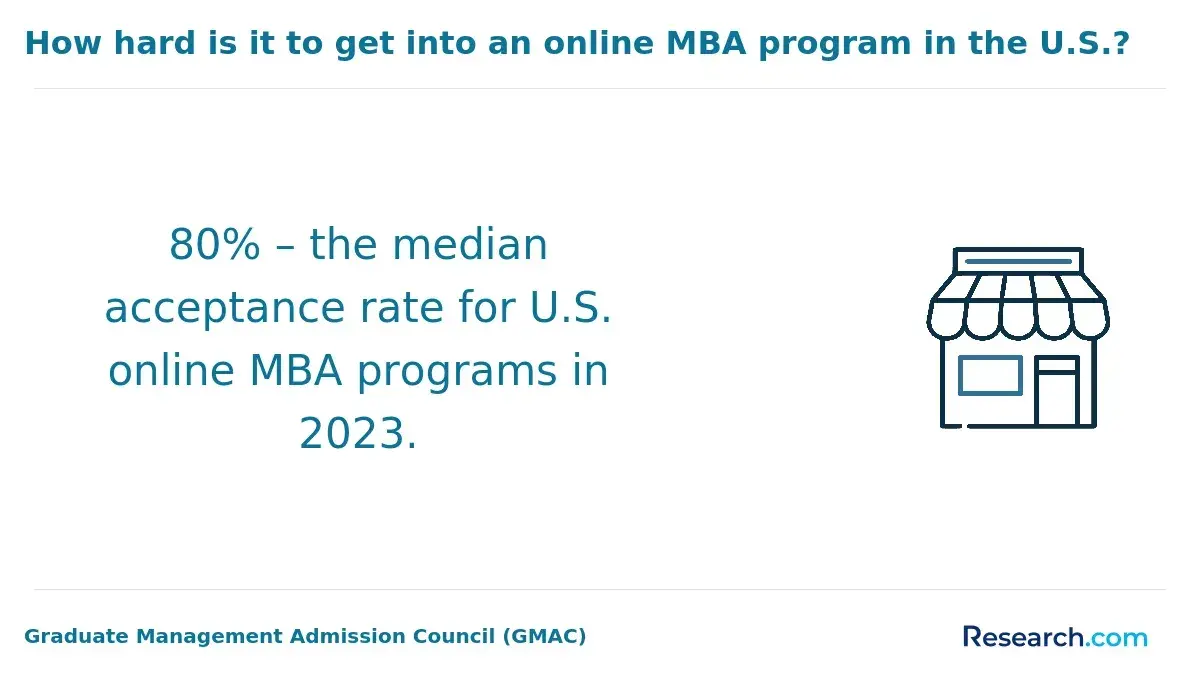
Admission requirements for online MBA programs generally include a bachelor's degree from an accredited institution and a minimum undergraduate GPA of 3.0. Many programs require standardized test scores such as the GMAT or GRE, though an increasing number waive these for applicants with significant professional experience or advanced degrees. Candidates typically submit a resume showing two to five years of work experience that highlights leadership, management, or career growth.
Additional application components often include letters of recommendation, usually from supervisors or professors, to evaluate the applicant's potential for success in graduate business education. Essays or personal statements remain crucial, providing insight into motivations, career goals, and fit with the program culture. These essays allow applicants to showcase teamwork skills and strong communication abilities, essential for the collaborative nature of online MBA coursework.
Due to a rise in online MBA programs, from 555 in 2018 to 732 in 2023, competition has intensified, prompting more rigorous admissions standards. Applicants can improve their chances by preparing early and thoroughly documenting leadership experience and technological aptitude. International candidates may also need to submit TOEFL or IELTS scores to demonstrate English proficiency.
How long do online MBA programs take to complete?
Online MBA programs generally take between 18 and 36 months to complete, influenced by the institution, student schedule, and program format. Full-time tracks usually last about two years, while part-time or accelerated paths may extend up to three years or shorten to 12 to 18 months with more intensive coursework. This flexibility allows students to balance studies with professional and personal commitments.
Program length mainly depends on credit requirements-often between 36 and 60 credit hours-and course availability. Students working full-time might spread courses over more terms, extending duration but easing weekly workload.
Cost is closely tied to duration. For example, the University of Illinois Gies iMBA costs roughly $23,000 in total tuition, about one-third of the average full-time residential MBA tuition (Inside Higher Ed/AACSB data). This illustrates how some online MBAs offer both accelerated study and cost savings.
Group projects are common and can add to weekly time demands. Coordination challenges may lengthen the overall timeline, but effective communication and scheduling tools often help maintain progress.
What do online MBA group projects cost participants?
Participating in online MBA group projects primarily costs time, effort, and coordination, rather than direct financial expenses. While there is generally no extra payment just to join these projects, students may face indirect costs such as scheduling across time zones, acquiring necessary software, and managing workload distribution.
These projects often require 10 to 20 hours each, including meetings, research, document preparation, and presentations. This time commitment can impact income if it limits availability for paid work outside personal and job responsibilities.
Coordination typically relies on collaboration platforms like Microsoft Teams, Zoom, or Slack, which most schools provide. However, specialized tools needed for specific projects might require personal subscriptions or licenses.
Costs also vary by program structure. For example, international cohorts face additional challenges due to differing time zones. Students working full-time may experience productivity stress from balancing job and project demands. According to the AACSB Business School Questionnaire, online MBA enrollment was over 47,000 students across 288 accredited schools, showing a growing need to manage these challenges effectively.
To reduce indirect costs, students should:
- Set clear communication norms from the start to avoid time wastage.
- Use institution-provided or free collaboration tools exclusively.
- Schedule dedicated time blocks for group tasks to prevent overload.
What skills do online MBA group projects develop?
Group projects in online MBA programs build essential skills for professional success in collaborative business environments. Students enhance communication by clearly presenting ideas and feedback across diverse digital platforms. They develop collaboration skills by coordinating tasks with peers from varied industries and cultural backgrounds, reflecting real-world business settings.
Analytical and problem-solving abilities improve through complex case studies that require strategic thinking and data interpretation. Time management is key as students juggle project deadlines alongside personal and professional responsibilities, often across multiple time zones. Leadership skills also grow as students take on different roles, from project lead to contributor, boosting adaptability and decision-making.
Technological proficiency is another outcome, with experience gained in virtual tools such as video conferencing, shared workspaces, and project management software. This prepares graduates for increasing digital collaboration demands in global companies.
For instance, the Gies College of Business iMBA program grew significantly from 116 students in 2016 to over 4,600 in 2021-22, highlighting the rising value of these competencies in online education. Such group projects provide practical training that individual assignments often cannot match.
Success in group work also depends on proactive engagement, seeking diverse perspectives, and practicing constructive conflict resolution skills highly prized by employers seeking effective, digitally agile team members.
What career outcomes result from online MBA group experiences?
Online MBA group experiences significantly boost in career prospects by honing essential skills valued by employers. Participants develop teamwork, communication, and leadership abilities through real-time collaboration with diverse peers, reflecting workplace dynamics. These projects also sharpen problem-solving and project management skills, preparing graduates for leadership roles. For example, students leading online group presentations often see faster promotions and higher salary potential due to demonstrated leadership in remote settings.
Working collaboratively in virtual environments enhances digital communication and cross-cultural competence, increasingly important as remote work becomes prevalent. Employers seek MBA graduates skilled in managing distributed teams and using collaboration tools effectively.
- Networking opportunities arise by connecting with peers from various industries, aiding job referrals and entrepreneurial ventures.
- Demonstrating time management and balancing multiple deadlines stands out to recruiters, especially as online MBA enrollments in the U.S. have grown steadily since 2020.
- Adapting to different team roles, such as strategist, coordinator, or analyst, broadens career flexibility and growth.
Challenges like unequal participation can be mitigated by clear communication and role negotiation early in group projects, maximizing learning and impact. Overall, engaging in group work during online MBA programs fosters practical skills, leadership, and professional networks critical for today's competitive digital job market.
How to select a reputable online MBA program for group projects?
Choosing a reputable online MBA program that supports effective group projects involves multiple key considerations. Look for programs with strong virtual collaboration tools such as integrated video conferencing, shared document editing, and discussion boards to reduce miscommunication and scheduling conflicts.
Accreditation is crucial-regional and business-specific accreditations like AACSB or ACBSP indicate rigorous academics and well-structured group assignments. Smaller, diverse cohorts often foster personalized teamwork and rich perspectives, enhancing problem-solving skills.
Seek programs that provide transparent group project assessments, including peer evaluations and faculty feedback, to ensure accountability and fair contribution. Additionally, evaluate the institution's career services and alumni network strength, as these connections mirror real-world business environments and can enrich group collaboration opportunities.
With online MBA enrollments expected to rise annually by 3.2%, selecting a program excelling in group work is vital for career readiness. Programs that excel in managing effective teamwork better prepare students for leadership roles in dynamic professional settings.
Other Things You Should Know About MBA
Whether students can select their own groups depends on the program's structure. Some online MBA programs allow self-selection to encourage comfort and compatibility, while others assign groups to promote diversity and simulate real-world business environments. Instructors may also reassign groups for different projects to broaden collaboration skills.
Common challenges in online MBA group projects include coordinating schedules across time zones, varying levels of participation, and communication barriers. Managing these difficulties requires clear expectations, effective use of collaboration tools, and proactive conflict resolution. These challenges reflect real-world business dynamics and prepare students for future teamwork.
Group projects in online MBA programs create valuable networking opportunities by connecting students from diverse industries and backgrounds. Collaborating closely helps build professional relationships, expand contacts, and enhance career prospects. Many alumni cite group project experience as a key factor in developing lasting business networks.
References
- One Degree, two Formats: Distinction Blurs Between Online and In-Person MBAs | FIND MBA Online https://findmbaonline.com/articles/one-degree-two-formats-distinction-blurs-between-online-and-in-person-mbas
- Group Projects Online: When, Why, and How https://teachingandlearning.knowledgeowl.com/docs/group-projects-online-when-why-and-how
- 5 Business Skills Professionals Can Build Through an Online MBA https://midpointbusiness.com/5-business-skills-professionals-can-build-through-an-online-mba/
- How Much Does an Online MBA Cost? | University of Bridgeport https://www.bridgeport.edu/news/cost-of-online-mba/
- 5 skills students can learn from an MBA Project Management https://gbs.edu.mt/blog/5-skills-students-can-learn-from-an-mba-project-management/
- What w języku angielskim https://www.ang.pl/blog/slowo-what-w-angielskim
- Is an Online MBA Worth It? Exploring the Pros and Cons | Articles | Unimy https://www.unimy.com/article/is-an-online-mba-worth-it-exploring-the-pros-and-cons
- 16 best collaboration tools for any team in 2026 - Mentimeter https://www.mentimeter.com/blog/business/collaboration-tools
- Online MBA Entry Requirements: Eligibility & Admission https://www.onlinecu.in/blog/cu/most-common-entry-requirements-for-online-mba-programs.php
- Online vs. In-Person MBA: Benefits and Differences https://freemannews.tulane.edu/2025/11/04/online-vs-in-person-mba-benefits-and-differences