
Everstage Review 2025: Pricing, Features, Pros & Cons, Ratings & More

Co-Founder and Chief Data Scientist

Everstage: Top Sales Asset Tracking Software
4.6 / 5
Everstage Review
What Is Everstage?
Everstage is a modern sales software platform that unifies Incentive Compensation and Sales Performance Management, built for mid-market and enterprise teams. It replaces error-prone spreadsheets with an agentic, no-code platform.
Its No-Code Flexibility allows business teams to configure complex plans and scale programs without engineering support easily.
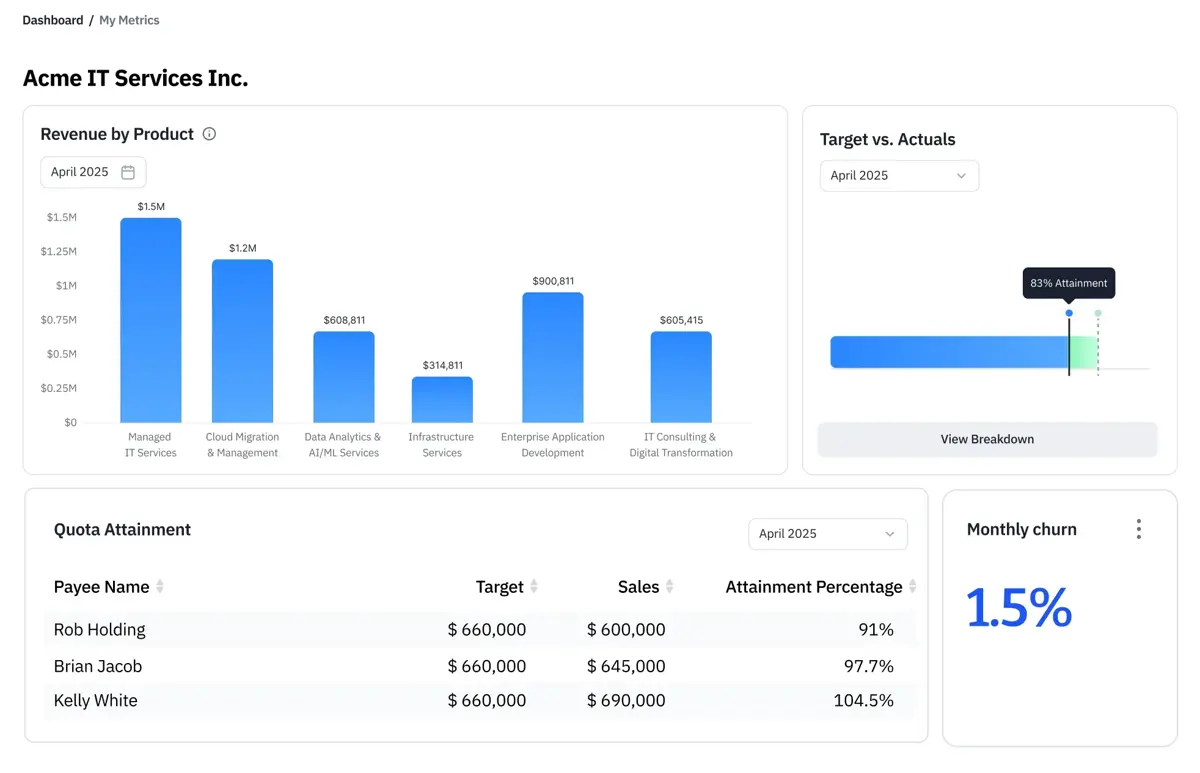
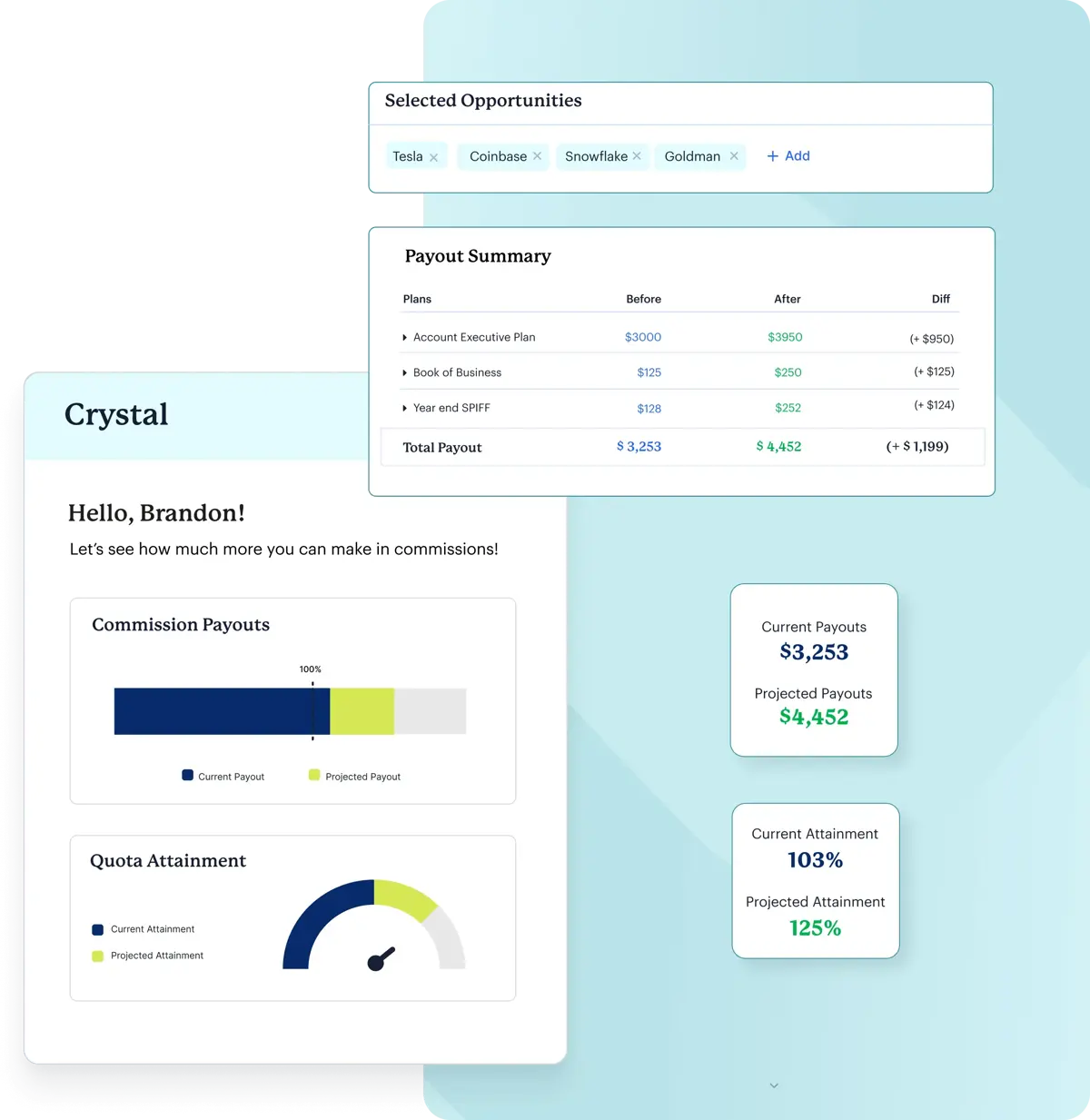
The platform delivers Real-Time Transparency through dynamic, mobile-first dashboards, empowering reps with self-service insights, earnings simulation, and dispute resolution—all in-platform to eliminate shadow accounting.
Designed for Fast Time-to-Value, companies can go live in weeks due to its pre-built integrations and out-of-the-box logic. This efficiency results in faster sales onboarding, higher rep engagement, reduced ops overhead, and error-free payouts, a benefit trusted globally by companies like Notion, Trimble, and Bazaarvoice.
What's New in Everstage?
Everstage has recently evolved from a specialized commission tool into a comprehensive, AI-driven sales performance management platform. The most significant update is its positioning as an "Agentic Platform," which introduces an AI-native experience with proactive recommendations for designing compensation plans, quotas, and territories. This move aims to reduce the manual strategic load on RevOps and finance teams.
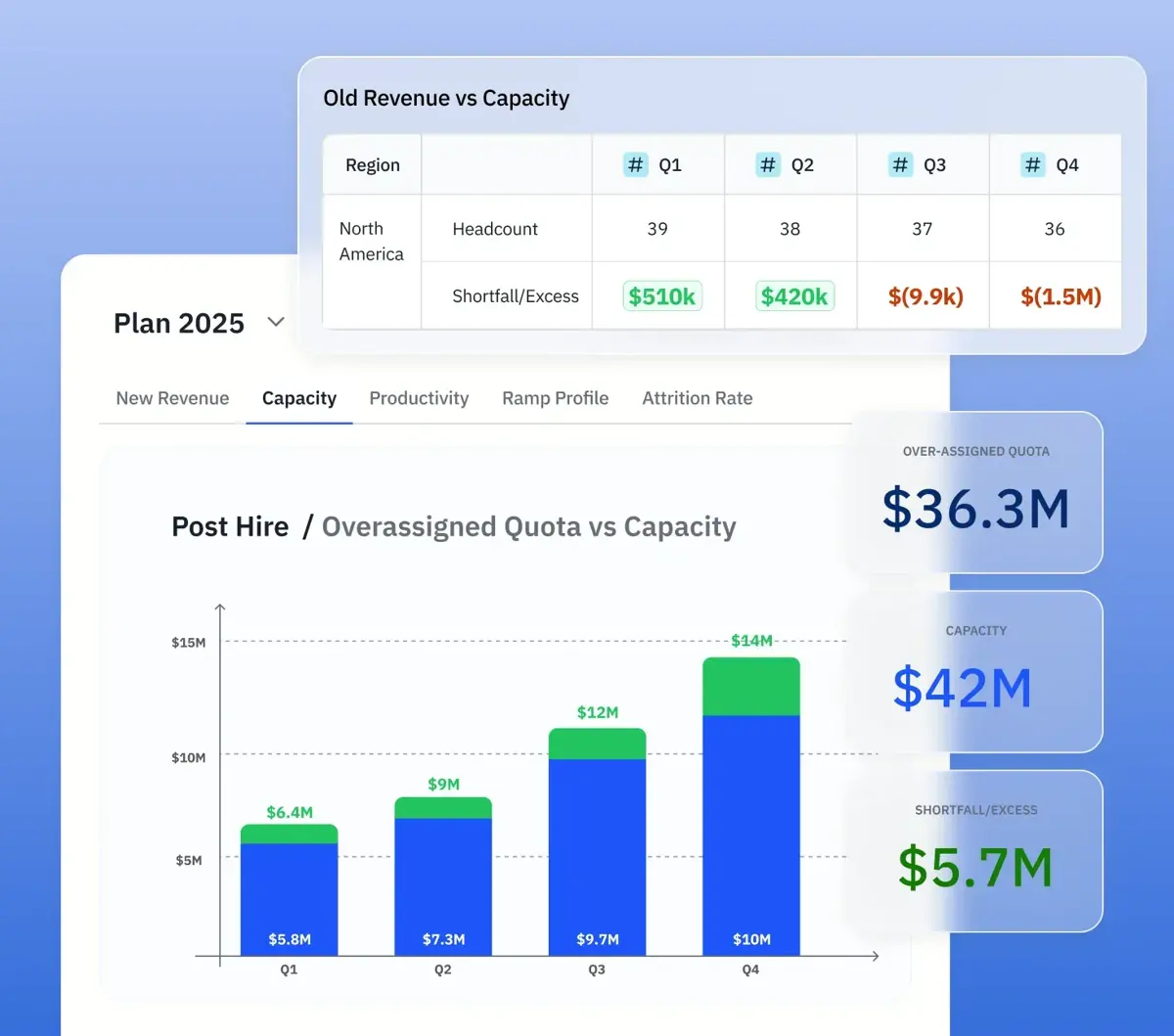
A major area of expansion is the introduction of Everstage Planning, a dedicated suite of tools for quota, capacity, and territory management. This allows leaders to model headcount, create balanced territories, and simulate the impact of different quota structures side-by-side before execution. These new planning capabilities are tightly integrated with the core commission engine, ensuring that strategic plans are automatically reflected in rep payouts without a data lag. The platform has also infused AI across its features, including AI-powered statements to increase transparency for reps and an AI-powered engine to optimize team and quota planning. This focus on unifying planning and incentives in a single, AI-enhanced platform represents the latest direction for Everstage.
How much does Everstage cost?
Everstage: Top Sales Asset Tracking Software
4.6 / 5
Everstage utilizes a quote-based pricing model and does not list standard pricing tiers on its website. This approach is common for enterprise-grade SaaS solutions where the implementation scope and customer needs vary significantly.
The final price is customized based on several key factors, including:
- Number of Payees: The total number of employees (sales reps, managers, etc.) who will be on a commission or incentive plan.
- Plan Complexity: The intricacy of the commission rules, such as multi-tiered structures, accelerators, kickers, and draws.
- Integration Needs: The number and type of third-party systems that need to be integrated, such as Salesforce, NetSuite, or Workday.
- Implementation and Support: The level of service required for onboarding, data migration, and ongoing customer support.
To get a precise cost, prospective customers must contact the Everstage sales team for a personalized demo and a custom quote tailored to their specific business requirements.
Pros of Everstage
- Reduces Errors and Admin Time: The platform’s powerful automation engine eliminates the manual errors common with spreadsheet-based commission tracking, saving finance and RevOps teams hundreds of hours.
- Increases Sales Team Motivation: Real-time dashboards give sales reps clear visibility into their quota attainment, pipeline, and potential earnings, fostering trust and motivation.
- No-Code and User-Friendly: Administrators can build and modify complex commission plans without needing to write any code, making the system agile and easy to manage.
- Strategic Planning Capabilities: Features like plan modeling, quota planning, and territory design allow leaders to make data-driven decisions and optimize their sales strategy.
- Seamless Integrations: Offers robust, two-way integrations with a wide range of essential business systems (CRM, ERP, HRIS), ensuring data accuracy and a single source of truth.
Cons of Everstage
- Potential for High Cost: As an enterprise-focused platform, the pricing may be prohibitive for very small businesses or startups with simple compensation structures.
- Can Be Feature-Rich for Simple Needs: Organizations with only a few reps and straightforward, fixed commission plans may find the platform’s extensive feature set to be more than they require.
- Learning Curve: For teams accustomed to spreadsheets, transitioning to a comprehensive software solution with advanced features can involve a learning curve for both administrators and end-users.
Everstage Core Features
Everstage: Top Sales Asset Tracking Software
4.6 / 5
- Automated Commission Calculation: A no-code rule engine that automates the most complex commission logic, including tiers, splits, and SPIFs.
- Real-Time Dashboards & Reporting: Role-based analytics for reps, managers, and leadership to track performance against goals in real-time.
- Plan Modeling & Design (Time Machine): Allows companies to simulate the financial and motivational impact of new commission plans using historical data before going live.
- Quota & Capacity Planning: An AI-powered engine to model headcount, ramp times, and attainment to set achievable and motivating quotas.
- Territory Design & Management: Tools to create balanced and equitable sales territories based on performance data and capacity.
- Dispute Management: A streamlined, auditable workflow for reps to raise and resolve commission-related queries directly within the platform.
- Gamification and Leaderboards: Customizable leaderboards to foster healthy competition and highlight top performers.
- Robust Integrations: Pre-built connectors for major CRM, ERP, HR, and data warehouse platforms.
Benefits of Using Everstage
- Improved Operational Efficiency: By automating the entire commission lifecycle, Everstage frees up finance and operations teams from manual data entry and reconciliation, allowing them to focus on more strategic initiatives.
- Enhanced Sales Performance: Transparent, real-time data on earnings and attainment acts as a powerful motivator for sales reps, helping to drive performance and reduce attribution-related disputes.
- Greater Accuracy and Trust: Automation minimizes costly calculation errors, ensuring accurate and timely payouts. This builds trust between the sales team and the company.
- Data-Driven Strategic Planning: The platform provides deep insights into plan effectiveness and team performance, enabling leaders to design incentive programs that are better aligned with revenue goals.
- Scalability for Growth: Everstage is built to handle complexity and scale, supporting a growing sales team and evolving compensation strategies without relying on fragile spreadsheets.
How to Choose the Right Sales Compensation Software
Selecting the right sales compensation software is crucial for driving performance and maintaining operational efficiency. Key factors to consider include:
- Integration Capabilities: Ensure the software integrates seamlessly with your existing tech stack, especially your CRM (e.g., Salesforce, HubSpot) and ERP/Accounting systems.
- Flexibility and Scalability: The platform should be able to handle your current commission plan complexity and be flexible enough to scale as your team and business grow.
- User Experience: Evaluate the interface for both administrators (ease of plan building) and sales reps (clarity of dashboards). An intuitive UX is critical for adoption.
- Reporting and Analytics: The software should provide actionable insights for all stakeholders, from rep-level performance tracking to executive-level financial forecasting.
- Implementation and Support: Inquire about the onboarding process, data migration support, and the quality of ongoing customer service.
What business types use Everstage?
Everstage is primarily designed for mid-market and enterprise-level businesses, particularly those experiencing high growth or with complex sales incentive structures. The platform is industry-agnostic but has a strong presence in sectors like:
- SaaS and Technology
- Financial Services
- Logistics
- Business Services
The key departments that benefit most from Everstage are Revenue Operations (RevOps), Sales Operations, Finance, and Sales Leadership, who are responsible for designing, managing, and executing incentive compensation programs.
Frequently Asked Questions (FAQs)
In 2025, Everstage offers a tiered pricing structure to accommodate varying business needs. The basic plan includes essential features like sales commission management and analytics, while advanced tiers offer additional capabilities such as global commission handling and integration support. Pricing is competitive and varies based on the features included and the scale of deployment.
Everstage provides robust customer support tailored to the needs of its clients. This typically includes a dedicated Customer Success Manager who serves as your primary point of contact for strategic guidance and issue resolution. In addition to this personalized support, Everstage offers access to a technical support helpdesk via email or an in-platform portal for day-to-day queries. Their support model is designed to ensure users can quickly resolve issues and maximize the value they get from the platform.
Yes, the Everstage platform is designed with a mobile-first approach for the sales representative's dashboard. Sales reps can easily access their real-time performance data, commission statements, and potential earnings directly from their smartphones or tablets through a web browser. This mobile-friendly interface ensures that reps, especially those in the field, have constant visibility into their performance and compensation, which helps keep them motivated and informed on the go without being tied to a desktop.
Everstage prioritizes data security by adhering to enterprise-grade standards and compliance protocols. The platform is SOC 2 Type II certified and compliant with GDPR, CCPA, and ISO 27001, ensuring that customer data is managed with the highest level of security and privacy. They employ robust measures including data encryption at rest and in transit, regular security audits, and strict role-based access controls (RBAC) to ensure that only authorized personnel can access sensitive commission and performance information.
Yes, Everstage is built to support the complexities of global sales organizations. The platform can manage and automate commission calculations across multiple currencies, applying the correct exchange rates as needed for payouts. It is also flexible enough to handle different regional plan variations, tax regulations, and compliance requirements. This makes it a suitable solution for multinational companies that need to manage diverse and geographically dispersed sales teams under a single, unified system.


