
To Whom It May Concern Letter: Capitalization, Usage, and Alternatives for 2027

Co-Founder and Chief Data Scientist
A formal letter can lose credibility before the reader reaches the first sentence if the greeting feels careless, outdated, or incorrectly formatted. “To Whom It May Concern” is still acceptable in specific situations, but it is no longer the best default for every business letter, cover letter, complaint, or recommendation.
This guide explains when to use “To Whom It May Concern,” how to capitalize and punctuate it correctly, when to choose a more specific alternative, and how to avoid common mistakes in professional correspondence. It is especially useful for students, job seekers, professionals, and anyone writing formal letters when the recipient’s name is unclear.
Quick Answer: Should “To Whom It May Concern” Be Capitalized?
Yes. The correct format is:
To Whom It May Concern:
Capitalize the first letter of every word, use “whom” instead of “who,” and place a colon after the greeting. The phrase is most appropriate when you genuinely do not know who will read the letter, such as in a general recommendation letter, formal complaint, inquiry, or letter sent to a department rather than a named person.
What Does “To Whom It May Concern” Mean?
“To Whom It May Concern” is a formal salutation used when the writer does not know the name, title, or department of the person who will receive the message. It tells the reader that the letter is intended for the appropriate person or office, even if that person has not been identified.
The greeting can work in broad or early-stage correspondence. For example, someone may write to an agency to ask about eligibility for a 529 college savings plan without knowing the correct staff member. A speaker or organizer may also use a general greeting when inviting a broad audience to an agile team lecture.
However, the phrase should not be used automatically. If you can identify the recipient’s name, role, office, or department, a targeted greeting usually makes the letter feel more intentional and professional.
When to Use “To Whom It May Concern”
- Writing a letter of interest
- Submitting a complaint or inquiry
- Preparing a letter of recommendation
- Sending a cover letter or unsolicited application
- Responding when the recipient is unknown
Before using a generic greeting, do a reasonable search for a better option. Company websites, LinkedIn pages, job postings, public directories, and business social media profiles often provide names or department titles. The same approach applies when checking practical business details, such as how to find out if a business name is taken; reliable information is often available if you know where to look.
If a job posting names the hiring manager, use that person’s name. If a company lists a department but not an individual, use the department or role. If the website is outdated or unclear, calling the main office and asking who should receive the letter may be the most direct solution.
When research does not produce a reliable contact, “To Whom It May Concern” remains acceptable. A survey of hiring managers found that 83% said an application beginning with “to whom it may concern” would have little or no effect on their hiring decision. Still, the same survey noted that 6% of men compared with 2% of women said they were “very likely” not to hire someone who used that greeting, so a more personalized option is still safer when available.
Workers' Top Factors When Looking for Employment

To Whom It May Concern Capitalization
The correct capitalization is simple but important: write each word with an initial capital letter. The standard version is:
To Whom It May Concern:
Use a colon after the salutation in formal correspondence. A comma is less formal and is not the preferred choice for business letters, recommendation letters, complaint letters, or official requests.
Also avoid writing “To Who It May Concern.” The correct pronoun in this fixed expression is “whom.” Although many people use “who” in everyday speech, formal writing still expects the traditional version.
| Element | Correct choice | Common mistake |
| Capitalization | To Whom It May Concern | To whom it may concern |
| Pronoun | Whom | Who |
| Punctuation | Colon | Comma or no punctuation |
| Best use | Unknown recipient | Known hiring manager or named contact |
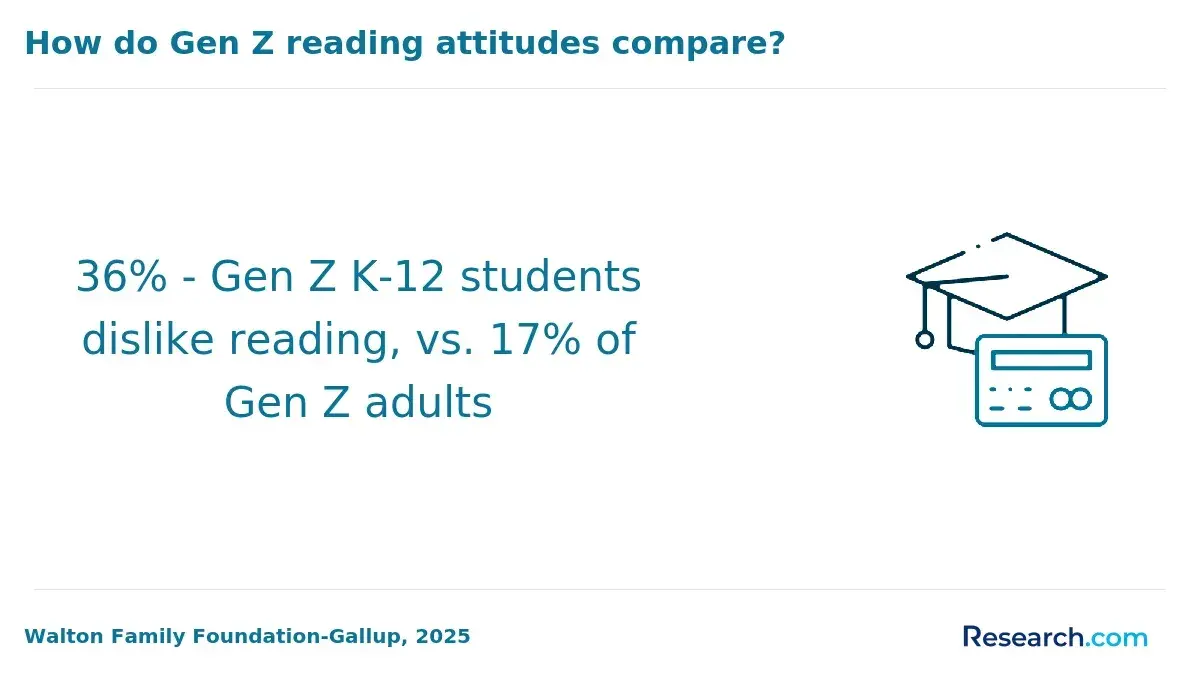
Small writing details matter because formal writing still affects how readers judge professionalism. The National Literacy Trust reported in 2025 that only 38.7% of 8- to 18-year-olds said they enjoy writing in school, and 43.5% reported difficulty knowing what to write. Another survey found that 36% of Gen Z K-12 students dislike reading. Since reading and writing often reinforce one another, limited practice with formal language can make professional correspondence harder later.
Best Situations for Using “To Whom It May Concern”
1. Writing a Letter of Interest
A letter of interest introduces you, your services, or your organization when there may not be a specific opening or named decision-maker. In this context, “To Whom It May Concern:” can be acceptable if you are contacting a large organization and cannot identify the correct person or department.
For example, bloggers seeking sponsorships, consultants introducing services, or business development managers sending an initial proposal may not always know which employee will evaluate the message.
Better alternatives:
- To the Marketing Department:
- To the Marketing Manager:
- Dear Partnerships Team:
- Dear Business Development Team:
2. Submitting a Complaint or Inquiry
For general complaints, service questions, refund requests, or product inquiries, you may not need a named executive or department head. If the company uses a shared inbox or customer support portal, “To Whom It May Concern” is acceptable.
Still, a role-based greeting can make the message feel more relevant and may help it reach the correct team faster.
Better alternatives:
- Dear Customer Service Representative:
- To the Customer Support Team:
- Dear Customer Service Manager:
- To the Billing Department:
3. Preparing a Letter of Recommendation
Recommendation letters are one of the clearest cases where “To Whom It May Concern” may be appropriate. A colleague, supervisor, instructor, or friend may ask you for a general reference that they can use for jobs, scholarships, loans, admissions, or other opportunities.
If the applicant does not know where the letter will be submitted, a broad greeting is practical. The body of the letter should focus on specific examples of the person’s qualifications, character, work habits, achievements, and readiness for the opportunity. This may include academic or career goals, such as interest in a technology career.
Better alternatives:
- Dear Hiring Manager:
- To the Admissions Committee:
- To the Scholarship Committee:
- To the University Registrar:
- To the [name of university] Admissions Office:
4. Sending a Cover Letter or Unsolicited Application
Job seekers should be more cautious with “To Whom It May Concern.” A cover letter is usually stronger when it names the hiring manager, recruiter, department, or team. However, a generic greeting can be acceptable when the posting does not identify a contact and your research produces no reliable name.
Recruiting is increasingly digital. According to employ’s 2025 Recruiter Nation Report, 29% of employers use a recruitment marketing platform as their primary system. Jobvite also reported in 2024 that employers use social platforms for recruiting, with 65% using Facebook, 43% using Instagram, and 38% advertising on X, formerly Twitter.
Because employers publish opportunities across different systems, contact details may be missing, inconsistent, or outdated. If you cannot verify a name, do not guess. A correct general greeting is better than addressing the wrong person.
Better alternatives:
- Dear Hiring Manager:
- Dear Recruiter:
- Dear Recruitment Manager:
- To the Talent Acquisition Team:
- Dear [Department Name] Hiring Team:
5. Responding When the Recipient Is Unknown
You may also need a neutral greeting when replying to an automated message, shared mailbox, unsigned inquiry, or general request. In those cases, using a specific name may be impossible or risky.
If the message is less formal, a simpler greeting may sound more natural than “To Whom It May Concern.” Choose the tone based on the situation, industry, and expected level of formality.
Better alternatives:
- Hello:
- Good morning:
- Good afternoon:
- Dear Customer:
- Dear Support Team:
“To Whom It May Concern” Alternatives by Situation
| Situation | Use this if you know the audience | Use “To Whom It May Concern” if... |
| Job application | Dear Hiring Manager: | The posting gives no name, team, or department and your research is inconclusive. |
| Recommendation letter | To the Admissions Committee: | The applicant needs a general letter for multiple uses. |
| Customer complaint | Dear Customer Service Manager: | The company provides only a general address or shared inbox. |
| Sales or partnership inquiry | Dear Partnerships Team: | You cannot identify the relevant department or decision-maker. |
| Academic request | To the Registrar’s Office: | The institution does not list the correct office or contact. |
| Legal, administrative, or formal notice | To the Compliance Department: | The document is intended for whoever has authority to process it. |
How to Decide Whether to Use “To Whom It May Concern”
Use the phrase only after asking one practical question: can I reasonably identify a better recipient? If the answer is yes, use the name, title, committee, department, or team instead.
- Check the original document. Review the job posting, application instructions, form, email, or request for names and department titles.
- Search the organization’s website. Look for staff directories, “About,” “Contact,” “Careers,” or department pages.
- Use professional platforms carefully. LinkedIn and company pages may help, but verify that the person still works there before using a name.
- Call or email the main office. A receptionist or administrative assistant may be able to confirm the correct addressee.
- Use a role-based greeting if possible. “Dear Hiring Manager” is usually better than a fully generic phrase.
- Use “To Whom It May Concern” only when no reliable target is available. This is the safest option when guessing would create a bigger problem.
How Personalization Affects Formal Communication
A personalized salutation shows that you made an effort to understand who should receive the message. It can make your letter feel less like a template and more like a deliberate communication. That matters in job applications, business proposals, scholarship materials, complaint letters, and professional networking.
Personalization does not always require a person’s name. A department, committee, office, or role can be specific enough. For example, “Dear Admissions Committee” is often stronger than “To Whom It May Concern” when writing to a college, while “Dear Customer Support Team” is clearer for a service issue.
Professionals who want structured practice with workplace communication can build skills through coursework, workshops, or career-focused training. Research.com resources on online trade schools, short certificate programs that pay well, and certificate programs for careers that pay well can help readers compare education options when communication training is part of a broader career plan.
Can the Right Salutation Help Your Career Prospects?
A salutation alone will not secure a job offer, admission decision, promotion, or business deal. But it can support the larger impression your letter creates. Correct formatting, clear writing, and an appropriate greeting all show attention to detail.
This matters most in competitive situations. A job seeker who uses “Dear Hiring Manager” after confirming the role may seem more prepared than one who sends a generic form letter. A candidate applying across industries, including fields discussed in Research.com’s guide to high-paying jobs for women, should tailor correspondence to each employer whenever possible.
How Digital Communication Is Changing the Use of “To Whom It May Concern”
Digital research has made generic greetings less necessary than they once were. Many organizations now publish staff pages, recruiter profiles, department emails, admissions contacts, and customer support channels online. That does not mean every contact is easy to find, but readers increasingly expect some level of targeting.
At the same time, digital hiring systems and shared inboxes can make the final reader unclear. A resume may move through a recruiter, hiring manager, applicant tracking system, and department reviewer. In those cases, a role-based greeting often works best because it is specific without pretending to know exactly who will open the document.
Students and professionals who want to improve digital research and communication skills may compare options such as accelerated college programs, 6-month associate degree programs, or even short online doctoral programs when advanced credentials align with their goals. The right option depends on career stage, cost, time commitment, and the type of writing or research skill needed.
Pros and Cons of Using “To Whom It May Concern”
| Pros | Cons |
| Works when the recipient’s name is genuinely unknown. | Can sound impersonal if a better greeting was easy to find. |
| Maintains a formal tone for official letters. | May feel outdated in modern job applications and business emails. |
| Avoids the risk of addressing the wrong person. | Does not create the same connection as a name or role-based greeting. |
| Useful for general recommendation letters, complaints, and inquiries. | Can suggest limited research if used too quickly. |
| Recognized by most readers as a standard formal salutation. | May be weaker in competitive situations where personalization matters. |
The phrase is not wrong. The issue is judgment. Use it when it is truly the most accurate option, not when it is simply the fastest option.
Common Mistakes to Avoid
- Using the phrase when the recipient is listed. If the job posting, school page, or email gives a name, use it.
- Writing “To Who It May Concern.” The correct phrase uses “whom.”
- Using lowercase words. Formal salutations should follow the standard capitalization: “To Whom It May Concern.”
- Adding a comma instead of a colon. A colon is the stronger choice in formal business letters.
- Guessing a person’s name or gender. If you are uncertain, use a role, department, or committee.
- Sending the same generic letter everywhere. Even if the greeting is general, the rest of the letter should be specific to the purpose.
- Assuming the greeting matters more than the message. A correct salutation helps, but the content must still be clear, relevant, and well organized.
Examples of Stronger Openings
For a job application:
Dear Hiring Manager:
I am applying for the [position title] role and would like to highlight how my experience in [skill or field] aligns with your team’s needs.
For a recommendation letter:
To the Admissions Committee:
I am pleased to recommend [student name] for admission based on their academic discipline, leadership, and consistent performance in [subject or activity].
For a complaint:
Dear Customer Support Team:
I am writing to request assistance with [issue], which occurred on [date] and remains unresolved.
When no recipient is identifiable:
To Whom It May Concern:
I am writing to provide documentation regarding [purpose] and to request review by the appropriate office.
How to Improve Formal and Business Writing
Good business writing is direct, organized, and useful to the reader. A strong letter does not rely on elaborate language. It states the purpose early, provides the necessary context, explains what action is needed, and closes professionally.
J. P. Morgan states that business and technical writing skills are among the top competencies required when applying for a permanent position. The Harvard Business Review’s Guide to Better Business Writing also emphasizes that poor writing creates barriers between writers and readers, while strong writing helps readers understand, engage, and act.
Formal education is not the only way to improve, but it can help writers who want structured feedback. Students interested in writing-intensive programs may review options such as an affordable online creative writing degree. Others may benefit from reading strong business examples, using grammar and style tools carefully, and practicing concise professional emails and letters.
Questions to Ask Before Sending the Letter
- Do I know the recipient’s name, title, department, or committee?
- Have I checked the organization’s website, job posting, or official contact page?
- Would a role-based greeting sound more specific than “To Whom It May Concern”?
- Is this letter formal enough to require a colon after the salutation?
- Does the first paragraph quickly explain why I am writing?
- Have I removed unnecessary filler, vague claims, and repeated ideas?
- Would the reader know what action I want them to take next?
Key Insights
- The correct format is “To Whom It May Concern:” Capitalize every word, use “whom,” and end the greeting with a colon.
- Use it only when the recipient is truly unknown. If you can identify a name, department, committee, or role, choose the more specific greeting.
- It is still acceptable for general recommendation letters, complaints, inquiries, and formal notices. It is less ideal for job applications when employer information is available.
- Role-based greetings are often the best compromise. “Dear Hiring Manager,” “To the Admissions Committee,” or “Dear Customer Support Team” sound more targeted without requiring a specific name.
- Do not guess. A wrong name or title can look worse than a correct generic salutation.
- Personalization helps, but substance matters more. The greeting should support a clear, well-written letter that explains the purpose and next step.
- Professional writing remains a career skill. Whether you are applying for a job, requesting information, or writing on behalf of someone else, careful wording affects credibility.
References:
- employ. (2025). 2025 Recruiter Nation Report. https://pages.employinc.com/rs/659-JST-226/images/2025-Employ-Recruiter-Nation-Report.pdf
- Garner, B. (2012). HBR Guide to Better Business Writing. Harvard, MA: Harvard Business Review Press. Google Books.
- Jobvite. (2024). Empowering People-First Recruiting. https://www.jobvite.com/lp/employ-recruiter-nation-report-2024
- National Literacy Trust. (2025). Children and young people’s writing in school in 2025. https://literacytrust.org.uk/research-services/research-reports/children-and-young-peoples-writing-in-school-in-2025
- Randstad. (2026). Workmonitor 2026: The Great Workforce Adaptation. https://www.randstad.com/workmonitor
- Walton Family Foundation & Gallup. (2025). Voices of Gen Z Study Year 3 Annual Report. https://www.gallup.com/analytics/651674/gen-z-research.aspx
Other Things You Should Know About the "To Whom It May Concern" Letter
Use "To Whom It May Concern" when you do not know the specific name of the person you are addressing, such as in letters of interest, complaints, inquiries, recommendations, cover letters, or unsolicited applications.
Capitalize the first letter of each word and use a colon after the greeting: "To Whom It May Concern:"
Alternatives include "To the Marketing Manager," "To the Customer Service Representative," "To the Hiring Manager," or simply "Hello" or "Dear Customer" when addressing unknown recipients.
Using "To Whom It May Concern" in job applications can be seen as impersonal, suggesting a lack of effort in finding the specific recipient. This could be a disadvantage if the employer values personalization. Consider using the recipient's name or a title like "Hiring Manager" if unsure.


![How to Create Sustainable Work-from-Home Policy for the New Normal for 2027 [with Templates] thumbnail](https://research.com/resized/uploads/work_from_home_policy_94ab709348.jpg?format=thumbnail)


![How to export an Excel Chart into an Image [png or Jpeg..] thumbnail](https://research.com/resized/uploads/excel_to_image2_1_7631934e7c.png?format=thumbnail)


