
2027 Admission Requirements for Health Administration Master's Programs: GPA, Prerequisites & Eligibility Criteria

Co-Founder and Chief Data Scientist
Many applicants struggle to determine if their GPA and prior coursework meet the specific admission standards for health administration master's programs. With over 60% of programs requiring a minimum GPA of 3.0, understanding these benchmarks can be crucial for acceptance. Additionally, prerequisite courses in statistics, economics, and healthcare fundamentals often shape eligibility, yet these vary widely between institutions.
This article breaks down the common GPA thresholds, prerequisite requirements, and other eligibility criteria to help prospective students navigate the complexities of health administration master's program admissions efficiently and confidently.
Key Things to Know About Admission Requirements for Health Administration Master's Programs
- Most health administration master's programs require a minimum GPA of 3.0, reflecting competitive standards to ensure candidates' academic readiness for graduate-level coursework.
- Common prerequisite courses include statistics, healthcare systems, economics, and introductory public health, providing foundational knowledge essential for advanced study.
- Eligibility often demands a bachelor's degree from an accredited institution, with some programs valuing relevant work experience in healthcare or management alongside academic qualifications.
What Is the Minimum GPA Required for Admission to a Health Administration Master's Program?
Graduate programs in health administration typically set minimum GPA thresholds to maintain academic standards and ensure student readiness. Recent surveys show that most health administration master's programs require a minimum cumulative GPA between 3.0 and 3.4.
Several factors influence these minimum academic requirements for health administration graduate programs, shaping how competitive and accessible different programs are.
- Program Competitiveness: Highly selective programs often raise the minimum GPA requirement to attract candidates with strong academic records and manage a large pool of qualified applicants.
- Institutional Policies: Some universities enforce strict GPA minimums across all graduate programs, ensuring consistency regardless of the field of study.
- Cohort Size: Programs with limited enrollment may increase GPA expectations to narrow the candidate pool and maintain program quality.
- Academic Rigor of the Field: The interdisciplinary nature of health administration demands strong academic ability, prompting some programs to set higher GPA standards.
- Applicant Pool Trends: Changes in the qualifications and volume of applicants can lead programs to adjust GPA requirements to balance accessibility and excellence.
Those looking to apply should consider these factors carefully to assess their eligibility. Additionally, prospective students interested in related fields might explore options such as an online PharmD as part of their advanced healthcare education planning.
What Undergraduate Degree Do You Need for a Health Administration Master's Program?
Many health administration master's programs accept applicants from a wide range of academic backgrounds, reflecting the interdisciplinary nature of the field. Data shows that nearly 40% of students entering health-focused graduate programs come from degrees outside traditional health sciences. This flexibility allows candidates with various undergraduate experiences to apply, though some degrees are more closely aligned with health administration studies.
Below are some common types of undergraduate degrees that may prepare students for these programs.
- Health Sciences or Public Health: These degrees offer essential knowledge of healthcare systems, public policy, and health promotion, helping students develop a solid foundation for advanced administrative roles.
- Business Administration or Management: Business-focused backgrounds emphasize organizational management, financial principles, and leadership skills, all vital for managing healthcare organizations efficiently.
- Economics or Finance: Students with these degrees bring strengths in understanding healthcare economics, budgeting, and policy analysis, critical for decision-making in health administration.
- Social Sciences (e.g., Sociology, Psychology): These fields provide insights into human behavior and social dynamics, supporting effective management of patient care services and organizational culture.
- STEM Fields (Science, Technology, Engineering, Mathematics): Graduates from STEM disciplines contribute strong analytical and problem-solving abilities that can address complex healthcare administration challenges.
While no single undergraduate major is required, completing prerequisite coursework in areas like statistics, economics, or healthcare policy can enhance eligibility. Prospective students should carefully review admission requirements for the programs they're interested in, as academic performance and relevant experience are also key factors. For those exploring entry points into healthcare administration, medical coding courses may offer useful supplementary skills aligned with health administration graduate programs.
What Prerequisite Courses Are Required for Health Administration Master's Programs?
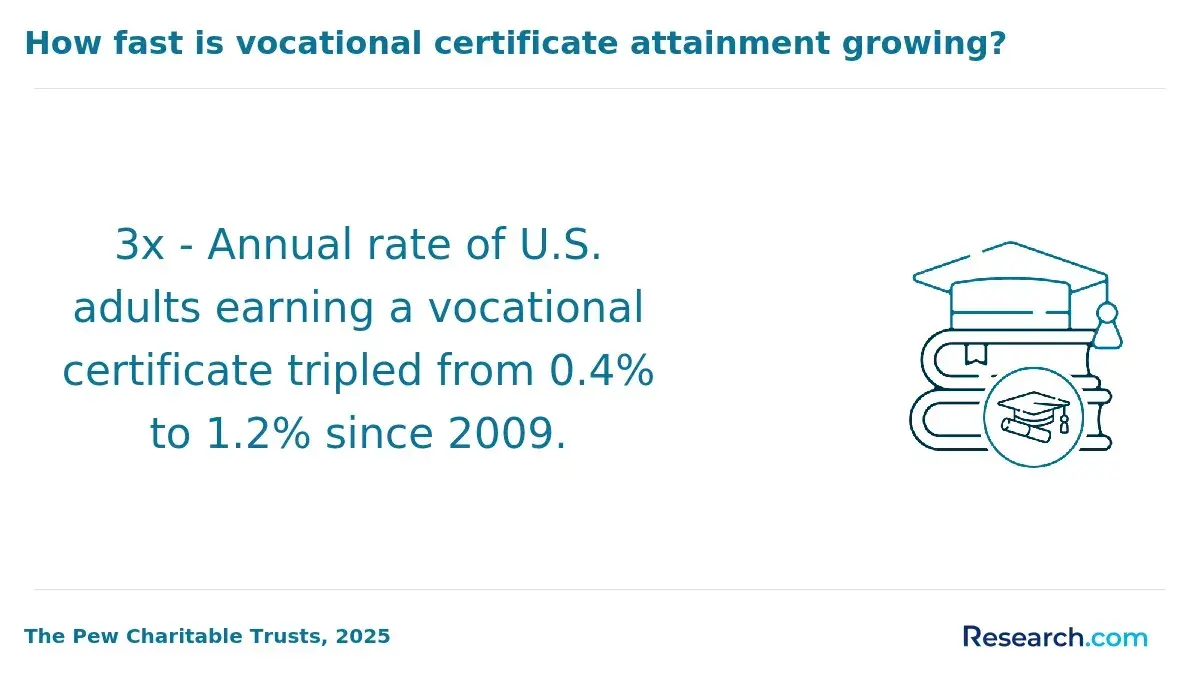
Prerequisite courses are essential in ensuring applicants possess the foundational knowledge necessary for success in graduate-level health administration programs. Research indicates that about 75% of these programs expect candidates to have completed relevant undergraduate coursework to demonstrate their preparedness. The following categories represent the core areas of study typically required before admission.
- Foundational Theory: These courses cover the basic concepts of healthcare systems, public health, and social factors influencing health. They provide essential background for understanding the environment in which health administration operates.
- Quantitative Skills: Topics like statistics and applied mathematics are crucial for analyzing healthcare data. Mastery of these skills enables students to interpret research findings and support data-driven decision-making.
- Research Methodology: Students learn methods for designing, conducting, and evaluating research projects. This knowledge is key for critically assessing evidence and contributing to improvements in healthcare delivery.
- Economics and Financial Management: Coursework in this area teaches principles of budgeting, financial analysis, and economic factors affecting healthcare organizations. These skills are vital for managing resources effectively.
- Organizational Behavior: Studies focusing on leadership, team dynamics, and management theories prepare students to navigate complex healthcare settings and lead diverse teams.
When asked about prerequisite requirements, a graduate student currently enrolled in a health administration master's program shared that fulfilling these courses was challenging but instrumental. He mentioned, "Initially, I underestimated how much quantitative and research skills would shape my studies. The prerequisite classes laid a foundation that made advanced topics less overwhelming."
He also emphasized that balancing these preparatory courses with work and personal commitments required careful planning, adding, "It wasn't easy, but having that background gave me confidence as I started the program." This perspective highlights how prerequisite coursework not only supports academic readiness but also helps build self-assurance for the demands ahead.
Do Health Administration Master's Programs Require the GRE or GMAT?
Standardized tests like the GRE and GMAT have long been part of graduate admissions, but more health administration master's programs are adopting flexible policies. Currently, about 50% of graduate programs nationwide offer test-optional or test-waiver options. Below are typical scenarios regarding GRE or GMAT requirements in health administration master's admissions.
- Test-Optional Policies: Many programs allow applicants to submit GRE or GMAT scores at their discretion, making test submission optional without negative impact on admissions decisions.
- GPA-Based Waivers: Applicants with a strong undergraduate GPA-often above 3.0 or 3.3 on a 4.0 scale-frequently qualify for waivers, reducing the emphasis on standardized test scores.
- Professional Experience: Candidates with substantial experience in healthcare or related fields may be exempt from testing through holistic review processes that prioritize career achievements and skills.
- Program Requirements: Competitive or prestigious schools may still require GRE or GMAT scores to differentiate applicants, maintaining more traditional admissions criteria.
- Alternative Criteria: Some programs weigh prerequisite coursework and letters of recommendation more heavily, reflecting a broader approach to eligibility criteria beyond standardized tests.
Prospective students should assess each program closely, as GRE or GMAT requirements vary widely across health administration master's programs. For additional educational paths, exploring nurse practitioner programs online can offer further insights into graduate admission trends.
Do Health Administration Master's Programs Require Work Experience for Admission?
Many master's programs in health administration take professional experience into account during admission, but expectations differ based on the program's focus and audience. Around 40% of health-related graduate programs highlight work experience as a key part of a strong application, while others accept candidates with minimal or no background in the field.
The following scenarios illustrate common approaches to work experience requirements.
- Recent Graduates: These programs usually do not require prior work experience and instead emphasize academic performance, such as GPA and prerequisite coursework. They aim to support individuals transitioning directly from undergraduate studies.
- Professional Track: Designed for applicants with relevant experience, these tracks often request 2-5 years of healthcare or administrative work to ensure students can contribute practical knowledge and fully benefit from the curriculum.
- Career Changers: Candidates shifting from other industries may find programs that allow applications without direct health-related experience, but encourage showcasing transferable skills or volunteer involvement in health settings.
- Optional Experience: Some programs view work history as beneficial but not required, as it can strengthen an application by demonstrating familiarity with healthcare systems or leadership capabilities.
- Executive Programs: Geared toward senior professionals, these programs typically expect substantial leadership experience within healthcare organizations.
When discussing whether work experience is necessary, a graduate from a health administration master's program shared that although her program didn't mandate it, having prior volunteer roles in hospital administration gave her confidence in classroom discussions and projects.
She recalled feeling initially uncertain about competing with peers who had formal work experience but found that her practical insights from community health initiatives were valued. Her advice was to highlight any related experience, formal or informal, to enrich both the application and the learning journey itself.
What Documents Are Required to Apply for a Health Administration Master's Program?
Graduate applications for master's programs in health administration often require a range of documents to provide admissions committees with insight into an applicant's academic qualifications and professional potential. Studies indicate that over 90% of programs prioritize certain core components, underscoring their significance in the review process. Below is an overview of the most frequently requested application materials.
- Transcripts: Official records from all colleges or universities previously attended, confirming completion of relevant coursework and reflecting academic performance. Accurate transcripts are crucial for verifying eligibility and preparation.
- Statement of Purpose: A personal essay describing career objectives, motivations for pursuing health administration, and alignment with the program's offerings. Admissions committees seek clear, genuine narratives that demonstrate commitment to the field.
- Letters of Recommendation: Typically two or three letters from professors, employers, or professional contacts who can attest to the applicant's abilities, work ethic, and readiness for graduate study. Strong endorsements often emphasize leadership and relevant experience.
- Resume or Curriculum Vitae: A detailed summary of academic background, professional experience, volunteer work, and skills. This document highlights practical involvement and suitability for advanced study.
- Standardized Test Scores: Some programs still request GRE or other exam results, although this is becoming less common. When required, these scores serve as an additional assessment of academic aptitude.
Collectively, these requirements help admissions teams identify candidates who are best prepared to thrive in rigorous health administration master's programs.
What Is Conditional Admission in Health Administration Graduate Programs?
Conditional admission in health administration graduate programs offers a provisional acceptance to applicants who may not fully meet all standard requirements but demonstrate potential to succeed. Around 20-30% of these master's programs provide some form of conditional or provisional entry as a pathway to full admission. This option helps candidates address specific gaps before fully joining the program.
Key features of conditional admission include:
- Eligibility Criteria: Applicants usually meet basic admission requirements but might lack some prerequisite courses or have a GPA slightly below the usual threshold.
- Common Conditions: Students may be required to complete certain prerequisite classes, improve academic performance, or submit additional documentation within an allotted time frame.
- Timelines: Programs often specify a period-typically one semester or an academic year-during which students need to satisfy the stated conditions.
- Academic Expectations: Conditional students are expected to maintain satisfactory grades and demonstrate their ability to handle graduate-level coursework effectively.
- Possible Outcomes: Successfully meeting these requirements usually leads to regular admission, while failure might result in dismissal or extended probation.
This approach enables programs to support promising candidates by providing a structured opportunity to prove readiness for rigorous health administration studies.
Are Admission Requirements Different for Online Health Administration Master's Programs?
Admission criteria for online health administration master's programs closely align with those of traditional programs regarding academic credentials like GPA and prerequisite courses. However, online formats add unique considerations reflecting the demands of virtual learning.
One notable aspect is how these programs emphasize candidate readiness for independent study and technology use. Below are specific requirements for online health administration master's program admission criteria that distinguish them from traditional formats.
- Technological Readiness: Applicants must demonstrate reliable access to a computer, high-speed internet, and proficiency with digital platforms. Some programs include a technology skills assessment or request a statement on an applicant's ability to manage online learning tools effectively.
- Time Management Skills: Candidates often need to provide evidence of strong self-motivation and the capability to balance work, study, and personal responsibilities. This can be shown through resumes, letters of recommendation, or essay responses highlighting organizational skills.
- Orientation Attendance: Many online programs require participation in a virtual or on-campus orientation. This introduction helps students familiarize themselves with the online platform and institutional expectations, fostering engagement in a remote environment.
- Local Practicum Requirements: Due to geographic diversity, some programs ask students to secure internships or practicums at approved local healthcare facilities. Documentation of these placements ensures real-world experience meets program standards.
- Communication Proficiency: Since much interaction occurs remotely, programs may evaluate applicants' ability to communicate clearly through digital channels, which is critical for success in online health administration master's programs admission criteria.
Meeting the requirements for online health administration graduate programs involves addressing both traditional academics and these additional online-specific criteria. Prospective applicants should consider these factors carefully to enhance their readiness and application strength. For further insights on related healthcare graduate education, explore online PhD nursing programs.
When Are the Application Deadlines for Health Administration Master's Programs?
Application deadlines for health administration master's programs in the United States vary widely based on program format, institution type, and intake cycles. Traditional campus-based programs often follow semester schedules, usually with fall and spring admissions, while online and part-time formats may offer greater flexibility with rolling admissions.
One important consideration is that submission timelines are closely linked to a program's eligibility criteria and prerequisites, affecting when applicants must prepare materials. The following outlines common types of deadlines prospective students should recognize.
- Priority Deadlines: These encourage early application submissions to improve admission chances and access potential scholarships. Schools typically set these several months before the semester start, requiring early gathering of transcripts and recommendations.
- Final Deadlines: Represent the absolute last date applications are accepted for a specific term. These are usually less flexible and occur closer to semester start dates, particularly in traditional or campus-based programs.
- Rolling Admissions: Applications are reviewed continuously as they are received, allowing decisions to be made promptly. This timeline is more prevalent among online or part-time programs, but cohort sizes per term may be limited.
- Term-Based Cutoffs: These deadlines correspond directly to academic start dates such as fall, spring, or summer semesters. Applicants must submit all materials by these cutoffs to be considered for that specific intake.
Applicants researching health administration master's program submission timelines and requirements should identify critical deadlines early to ensure timely completion of all elements. Since these deadlines vary by school and program track, consulting institution-specific websites is essential. For those seeking universities with no application fee, paying close attention to these deadlines can help prioritize applications efficiently.
What Factors Increase Your Chances of Getting Into a Health Administration Master's Program?
Admissions decisions for health administration master's programs depend on a blend of academic records, professional background, and personal qualities. An important insight is that programs increasingly prioritize applicants who demonstrate resilience and adaptability in challenging situations. The following core factors can enhance an applicant's likelihood of acceptance.
- Academic Performance Trends: Admissions committees look beyond GPA to see consistent academic growth and rigorous coursework, reflecting an applicant's ability to handle graduate-level study.
- Relevant Experience: Work or volunteer roles connected to healthcare systems and leadership show practical understanding and preparedness for the field.
- Application Material Quality: Clear, well-written personal statements that effectively communicate motivation and fit with the program strengthen the overall application.
- Program Alignment: Demonstrating how career goals match the program's mission and strengths indicates a purposeful and informed choice.
- Strong Recommendations: Endorsements from professionals or academics who can vouch for the applicant's skills and character provide critical third-party validation.
By concentrating on these interrelated areas, applicants can present a compelling profile that surpasses merely meeting minimum requirements.
What Graduates Say About Admission Requirements for Health Administration Master's Programs
- Jesse: "Preparing for admission to the health administration master's program was a challenging yet rewarding experience. I invested time and money into gaining the necessary prerequisites and sharpening my application, which definitely paid off. The knowledge and skills I acquired have already opened doors to leadership roles I hadn't imagined before."
- Janna: "Reflecting on my journey, the cost of preparing and getting admitted to the health administration master's degree was significant, but the return on investment has been worth every dollar. This program sharpened my analytical and managerial skills, allowing me to make a greater impact on improving healthcare delivery where I work. It's been a transformative step in both my personal and professional life."
- Lucian: "As a professional, pursuing a health administration master's degree elevated my career trajectory with a clearer understanding of healthcare policies and organizational management. The preparation phase was intense, demanding dedication and discipline, but it positioned me perfectly for success. I now confidently navigate complex healthcare environments and contribute strategically to my organization's growth."
Other Things You Should Know About Health Administration Degrees
Yes, many Health Administration master's programs accept international students. Applicants typically need to provide proof of English proficiency through tests like the TOEFL or IELTS. Additionally, international candidates must submit transcripts evaluated for U.S. equivalency and may need to demonstrate financial stability for visa purposes.
Letters of recommendation play a significant role in admissions decisions. They provide insight into an applicant's academic abilities, leadership potential, and professional skills related to health administration. Programs generally require two or three letters, often from professors, employers, or supervisors familiar with the applicant's qualifications.
For 2027 admissions, most Health Administration master's programs do not require a background check or immunization record. These requirements typically vary by institution and are more common for programs with clinical components. It's best to check specific school policies for precise details.
References
- Master of Science (MS) in Health Systems Management Admissions https://www.rushu.rush.edu/college-health-sciences/academic-programs/master-science-health-systems-management/master-science-health-systems-management-admissions-deadlines
- Online MHA Admission Requirements | Sacred Heart Online https://onlineprograms.sacredheart.edu/programs/mha-master-health-administration/admissions/
- Admission Requirements https://www.gannon.edu/academic-offerings/engineering-and-business/graduate/healthcare-administration/admission-requirements/
- What Are the Prerequisites for a Masters in Health Administration? https://www.masters-in-health-administration.com/faq/what-are-the-prerequisites-for-a-masters-in-health-administration/
- Best Online MHA Programs with No GRE Requirement for 2024 https://www.healthcareadministrationdegrees.org/online-mha-no-gre-required/
- Master of Health Administration Requirements https://mercycollege.edu/academics/programs/graduate/health-administration/graduate-health-administration-requirements
- Master of Healthcare Administration (MHA) | TWU https://twu.edu/health-care-administration/graduate-degrees/master-of-healthcare-administration/
- Online Master of Healthcare Administration - University of New Haven https://www.newhaven.edu/health-sciences/graduate-programs/healthcare-administration-online/index.php
- Master of Health Administration (MHA) https://www.webster.edu/catalog/current/graduate-catalog/degrees/master-of-health-administration-mha.html
- Online MHA Programs No GRE Required (including GRE Waiver) https://www.mhaonline.com/faq/no-gre-online-mha-programs


