2027 Adult Gerontology Acute Care Nurse Practitioner Clinical Hours Requirements: What Counts and How to Complete Them

Co-Founder and Chief Data Scientist
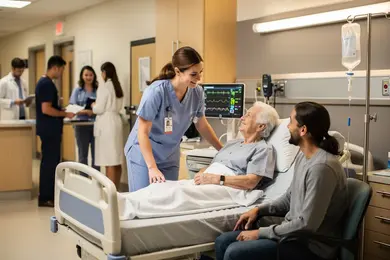
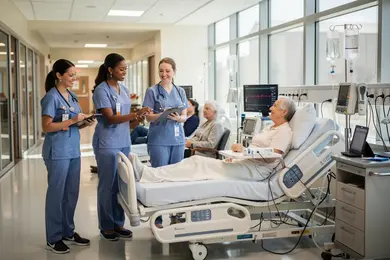
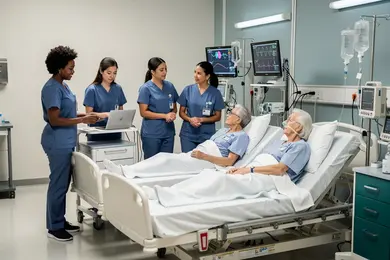
What precisely qualifies as clinical hours in adult gerontology acute care nurse practitioner programs? Many students and working adults preparing for licensing find this question critical due to stringent supervised hours requirements. Clinical hours often include practicum training within hospitals, ICUs, and specialty care units where students perform under direct supervision, gaining hands-on experience beyond classroom theory.
With the demand for gerontology acute care practitioners expected to grow by 45% over the next decade, meeting field experience criteria efficiently is essential. This article clarifies what counts toward clinical hours and outlines common strategies for completing these vital requirements successfully.
Key Things to Know About Adult Gerontology Acute Care Nurse Practitioner Clinical Hours Requirements
- Clinical hours provide essential supervised hands-on experience, enabling adult gerontology acute care nurse practitioner students to apply theoretical knowledge in diverse, real-world healthcare settings.
- Clinical placements must be conducted in approved environments, with schools often coordinating site availability, which directly impacts timing and location flexibility for completing required hours.
- Strict documentation, supervision by qualified preceptors, and formal evaluations ensure compliance with program standards and successful fulfillment of adult gerontology acute care nurse practitioner clinical requirements.
What Are the Clinical Hours Requirements for Adult Gerontology Acute Care Nurse Practitioner Programs?
Adult Gerontology Acute Care Nurse Practitioner programs generally require students to complete between 500 and 700 clinical hours. Over 90% of nurse practitioner programs emphasize hands-on clinical education as crucial to building professional competence. This experiential learning enables students to integrate classroom knowledge with real-world acute care practice. Meeting these requirements ensures that learners gain sufficient practical exposure to manage complex adult and geriatric health conditions effectively.
The clinical hours requirement is embedded in program completion standards, making it essential for graduation eligibility. By fulfilling the clinical training hour requirements for adult gerontology acute care nurse practitioner programs, students demonstrate applied competency and readiness for workplace demands. These hours build critical skills in patient assessment and acute intervention, preparing graduates for urgent care environments. This structured clinical experience plays a pivotal role in shaping confident and capable practitioners.
Those considering further healthcare education may also explore options such as an online pharmacy school to complement clinical expertise with pharmaceutical knowledge.
What Counts as Clinical Hours in Adult Gerontology Acute Care Nurse Practitioner Programs?
Clinical hours in adult gerontology acute care nurse practitioner programs are designed to provide hands-on experience essential for managing complex acute and critical care patients. In fact, studies show students completing over 500 clinical hours often develop stronger clinical judgment and better patient outcomes. These hours ensure students gain practical skills applicable to real-world healthcare settings. The following examples highlight key activities that typically qualify as clinical hours.
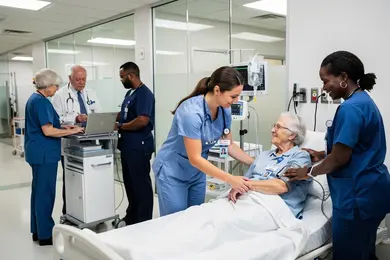
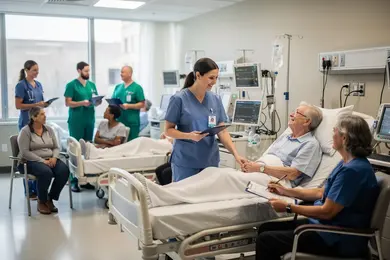
- Direct Patient Care: Involves providing hands-on care in acute or critical care settings such as medical-surgical, cardiac, or intensive care units. This experience immerses students in managing patients with complex, acute illnesses.
- Comprehensive Assessments: Performing detailed physical exams and creating management plans for adult and gerontological patients with acute conditions. This reinforces diagnostic and treatment planning skills.
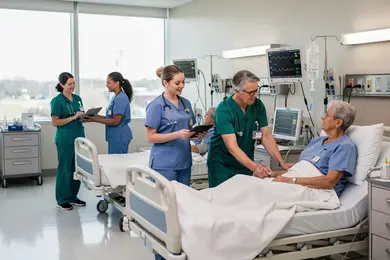
- Interdisciplinary Collaboration: Participating in team rounds where students contribute to patient care decisions alongside physicians, nurses, and other healthcare professionals, fostering communication and care coordination.
- Advanced Treatments: Administering and monitoring pharmacologic therapies, procedures, and life-support interventions under supervision, preparing students for critical care complexities.
- Patient Education: Engaging in health promotion and disease prevention tailored to acute care populations, helping patients understand treatments and improve outcomes.
One adult gerontology acute care nurse practitioner degree graduate shared that tracking valid clinical hours felt overwhelming at times, especially balancing diverse patient encounters and complex case management. He noted, "It wasn't just about clocking hours; understanding when an experience truly counted was crucial." The process involved ongoing communication with preceptors to confirm activities met program standards, which ultimately built confidence and deepened clinical competence.
Do Clinical Hour Requirements Vary by State?
Regulatory agencies and professional licensing boards across the United States set varied clinical training standards for Adult Gerontology Acute Care Nurse Practitioner (AGACNP) programs, impacting the quantity and nature of required clinical hours. For example, some jurisdictions mandate a minimum of 500 direct patient care hours, while others require 750 or more, reflecting distinct regional expectations. These differences influence multiple aspects of clinical education, as outlined below.
- Minimum Hour Requirements: States establish different baseline clinical hour thresholds, which determine how many hours students must complete to qualify for licensure. This results in varying clinical demands depending on the jurisdiction.
- Approved Clinical Experiences: The criteria for what constitutes acceptable clinical practice vary, with some states limiting or expanding the types of settings and patient care activities that apply toward clinical hour requirements.
- Verification and Documentation: States often specify how clinical hours must be tracked and validated, sometimes requiring verification from licensed supervisors or specific documentation formats to ensure compliance.
- Focused Clinical Competencies: Some state boards emphasize particular skill sets or patient population experiences within clinical hours, influencing the content and concentration of training in AGACNP programs.
- Additional State Mandates: Beyond national standards, a few states impose extra educational requirements tied to their healthcare priorities or legislative rules, affecting both the quality and quantity of clinical hours needed.
Given these variations, prospective AGACNP students should thoroughly investigate state licensure criteria to ensure their clinical training aligns with local regulations and supports their professional objectives.
Where Do Students Complete Adult Gerontology Acute Care Nurse Practitioner Clinical Hours?
Nearly 60% of clinical placements in advanced nursing programs take place within hospital settings, providing essential hands-on learning for students. Adult gerontology acute care nurse practitioner students gain practical experience by working directly with patients facing complex and urgent health issues. Common environments where clinical hours are completed highlight critical areas of care and skill development.
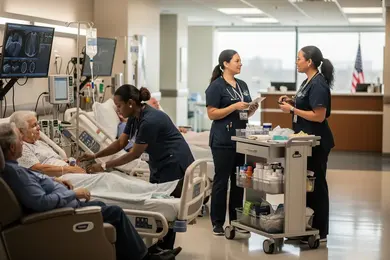
- Intensive Care Units: These units immerse students in caring for critically ill adults, emphasizing continuous monitoring and complex intervention skills. Exposure here sharpens clinical judgment and fosters expertise in managing life-threatening conditions.
- Emergency Departments: The fast-paced emergency setting challenges students to quickly assess and prioritize diverse acute health concerns. This environment builds adaptability and rapid decision-making essential for acute care practice.
- Inpatient Medical-Surgical Units: Students gain experience managing a broad range of adult medical problems, learning about disease trajectories, treatment strategies, and teamwork in a multidisciplinary setting. This experience strengthens comprehensive patient care abilities.
- Specialty Clinics or Acute Outpatient Facilities: These settings focus on follow-up care and ongoing management of chronic and complex conditions, blending acute care knowledge with long-term patient engagement and monitoring.
- Cardiac and Respiratory Care Units: Concentrated exposure to cardiovascular and pulmonary emergencies enhances specialized clinical skills needed for adult gerontology acute care, supporting management of critical organ system disorders.
Such diverse clinical environments ensure that students acquire a broad and adaptable skill set, preparing them to meet the varied challenges encountered in advanced adult gerontology acute care roles.
How Are Clinical Placements Assigned in Adult Gerontology Acute Care Nurse Practitioner Programs?
Clinical placements are fundamental in adult gerontology acute care nurse practitioner programs, providing essential supervised training in real healthcare settings. Nearly 60% of health profession students prioritize experiential learning in clinical sites to develop practical skills effectively. The clinical site assignment for adult gerontology acute care nurse practitioner students typically follows organized procedures to ensure educational goals are met alongside clinical hour requirements.
- Faculty Coordination: Program coordinators match students with clinical sites based on individual preferences, existing partnerships, and availability of qualified preceptors, ensuring placements align with learning objectives.
- Institutional Agreements: Established contracts between academic programs and healthcare facilities simplify the placement process by defining approved clinical environments for student training.
- Student Proposals: Students may suggest potential clinical sites, which require program evaluation and approval to confirm site suitability and learning relevance within the adult gerontology acute care nurse practitioner clinical placement process.
- Curriculum Alignment: Assignments are often tailored to the specific focus areas in the curriculum, guaranteeing that clinical experiences address required competencies in acute care.
- Centralized Systems: Some programs use dedicated databases or placement platforms to track and efficiently match students with available clinical opportunities, optimizing site utilization.
For students seeking to advance through their clinical hours, exploring the cheapest fastest RN to BSN online options can offer accessible pathways to build prerequisites and strengthen clinical readiness.
Can Adult Gerontology Acute Care Nurse Practitioner Clinical Hours Be Completed Online or Part-Time?
Adult gerontology acute care nurse practitioner clinical hours generally cannot be completed fully online or entirely part-time due to the essential requirement for direct, hands-on patient care. About 70% of nurse practitioner programs use hybrid formats combining online theory with in-person clinical experiences, reflecting a balance between flexibility and the necessity for real-world training. This approach ensures students cultivate critical skills in acute care assessment and intervention under supervised conditions. The reliance on face-to-face patient interaction is why clinical hours demand in-person commitment despite some online course availability.
Some flexibility does exist mainly in scheduling clinical hours rather than their delivery mode. Programs may allow evening, weekend, or varied shifts to accommodate individual circumstances, and occasionally simulation labs or telehealth activities supplement training under strict supervision. However, the core hands-on experience with acute care patients remains mandatory to meet accreditation standards and ensure graduates can manage complex clinical situations safely. This structure safeguards the integrity of clinical education while providing limited adaptability for students balancing other obligations.
When discussing these realities with a professional who completed an adult gerontology acute care nurse practitioner degree, she described the process as both challenging and rewarding. "Managing clinical hours alongside work was tough because patient care demands unpredictable hours," she shared. "Even with some parts scheduled flexibly, the intensity of face-to-face care couldn't be replaced by online sessions." She appreciated the depth of learning gained through real-world practice, noting, "Those hands-on experiences were crucial for building confidence in acute decision-making." Her journey highlighted that while the path was demanding, the comprehensive in-person training was ultimately invaluable for professional growth.
What Supervision Is Required During Adult Gerontology Acute Care Nurse Practitioner Clinical Hours?
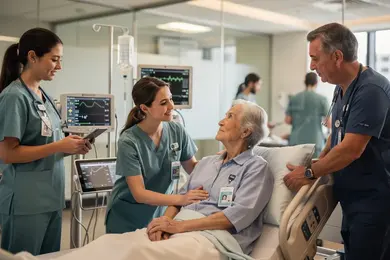
Supervision during adult gerontology acute care nurse practitioner clinical hours is typically provided by experienced nurse practitioners, physicians, or other advanced practice providers who specialize in acute care. This direct oversight is vital for ensuring not only patient safety but also the quality of student learning. It allows students to receive immediate feedback, fostering essential clinical skills and professional growth. Research indicates that supervised experiential learning in healthcare can improve clinical training outcomes by up to 40%, emphasizing its significance in preparing competent practitioners.
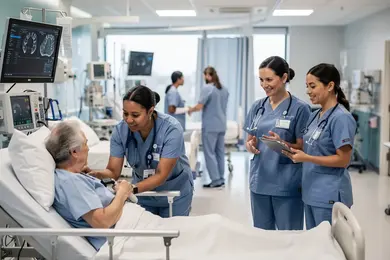
Effective supervision bridges the gap between theoretical knowledge and practical application by helping students refine critical thinking, clinical judgment, and procedural abilities. Throughout clinical hours, supervisors continuously evaluate students to identify strengths and areas needing improvement, supporting their development toward independent practice. The supervisory relationship encourages consistent interaction, case discussions, and performance assessments, forming a supportive environment where students progressively take on more responsibility. This comprehensive guidance ensures that graduate nurse practitioners are confident and capable of managing complex adult and geriatric patient populations safely and effectively.
How Are Adult Gerontology Acute Care Nurse Practitioner Clinical Hours Tracked?
Tracking clinical hours is vital for adult gerontology acute care nurse practitioner programs to ensure students meet experiential learning requirements necessary for program completion. Accurate monitoring helps maintain program standards and supports timely certification and licensure. Studies show that nearly 85% of professional healthcare education programs rely on systematic documentation to uphold training quality and accreditation compliance. Below are common methods used to track clinical hours effectively.
- Digital Logging Systems: These platforms enable students to document clinical hours in real time, categorize patient encounters, and upload validation from clinical supervisors. Automated reminders and electronic approvals streamline the verification process, enhancing accountability.
- Supervisor Verification Forms: Signed by preceptors or clinical instructors, these forms serve as formal confirmation of student attendance and participation during clinical shifts. Many accrediting bodies require such documentation to verify completed hours.
- Attendance Documentation: Clinical sites maintain sign-in sheets or electronic logs, which provide objective evidence of a student's presence and hours worked. This method supports transparency and accuracy in time tracking.
- Progress Reports: Faculty or clinical advisors prepare summaries of completed hours paired with clinical performance evaluations. These reports offer a comprehensive review of student development and readiness.
- Academic Tracking Platforms: Integrated within nursing programs, these systems aggregate clinical hours across rotations and courses, giving students and administrators centralized visibility into compliance with clinical hour requirements.
These approaches form a structured framework for documenting adult gerontology acute care nurse practitioner clinical hours effectively. For students interested in certification pathways beyond clinical requirements, resources such as CCS certification provide valuable insight into professional advancement.
What Challenges Do Students Face During Clinical Training?
Clinical training in adult gerontology acute care nurse practitioner programs is widely recognized as demanding, with over 70% of advanced nursing students reporting significant stress related to clinical hours and performance standards. This intense experiential learning phase often challenges students as they balance academic and clinical demands. Below are common challenges adult gerontology acute care nurse practitioner students face during clinical training.
- Balancing Academic Responsibilities: Students struggle to manage time effectively since clinical hours frequently extend beyond regular academic schedules. This imbalance can cause fatigue and reduce the time available for study, impacting overall performance.
- Adjusting to Professional Environments: Transitioning from classroom instruction to direct patient care requires quick adaptation to interdisciplinary teams and hospital protocols, which may initially overwhelm students and affect confidence.
- Managing Complex Schedules: Clinical rotations often involve varying units and shifts, including nights and weekends, complicating work-life balance and creating logistical challenges that can increase stress levels.
- Handling Emotional Stress: Exposure to acute and critically ill elderly patients leads to anxiety and moral distress. Emotional exhaustion during these experiences may hinder concentration and well-being.
- Adapting to Hands-On Learning: Students must rapidly demonstrate clinical competencies and decision-making skills in high-pressure situations, which can be intimidating for those without extensive practical experience.
Successfully navigating these hurdles is essential for completing the rigorous clinical hours and requirements typical of adult gerontology acute care nurse practitioner programs. Prospective students interested in healthcare roles can explore online radiology tech programs as alternative pathways within medical professions.
What Strategies Help Students Succeed in Clinical Environments?
Preparation and adaptability are crucial for mastering adult gerontology acute care nurse practitioner clinical hours. These skills boost student confidence and enable effective responses to a variety of patient needs. Research indicates that students who engage deeply in experiential learning can improve their clinical performance by as much as 30%, highlighting the importance of readiness and flexibility during clinical training. The following strategies support successful clinical experiences.
- Effective Communication: Maintaining clear and respectful interactions with patients, families, and healthcare teams builds trust and ensures accurate information flow, which is vital for delivering safe and effective care.
- Time Management: Prioritizing tasks and organizing clinical responsibilities efficiently helps students meet learning objectives while minimizing stress, contributing to improved clinical success.
- Professionalism: Exhibiting accountability, punctuality, and ethical behavior fosters credibility with supervisors and colleagues and encourages ongoing professional development within clinical settings.
- Active Learning: Proactively asking questions, seeking feedback, and reflecting on patient care experiences enhance understanding of complex clinical cases and support continuous skill advancement.
- Adaptability: Staying flexible in dynamic healthcare environments allows students to navigate changing patient conditions and diverse care settings effectively, strengthening problem-solving skills.
Applying effective clinical training strategies for adult gerontology acute care nurse practitioners is essential, and those seeking to expand knowledge might consider an online bachelor's degree in nutrition as part of a well-rounded healthcare education.
What Graduates Say About Adult Gerontology Acute Care Nurse Practitioner Clinical Hours Requirements
- Shane: "Completing the clinical hour requirements for my adult gerontology acute care nurse practitioner program was challenging but incredibly rewarding. The hands-on experience gained during those hours significantly enhanced my confidence in delivering acute care to older adults. Though the cost of fulfilling these hours added up, it was an essential investment that truly shaped my professional development."
- Emiliano: "Reflecting on my time in the adult gerontology acute care nurse practitioner program, I found that the clinical hours were key in bridging the gap between theory and real-world practice. While managing the expenses related to clinical placements was a concern, the depth of knowledge I acquired made it worthwhile. These hours have been invaluable in accelerating my career trajectory and improving patient outcomes."
- Miranda: "From a professional standpoint, fulfilling the clinical hour requirements as an adult gerontology acute care nurse practitioner graduate gave me unique insight into acute care settings that textbooks alone could never provide. Although the financial investment was significant, the experience has opened doors to advanced roles and increased responsibilities. I now appreciate just how crucial those clinical hours were in shaping my critical thinking and clinical decision-making skills."
Other Things You Should Know About Adult Gerontology Acute Care Nurse Practitioner Degrees
Clinical experiences that provide exposure to acute and critical care settings are highly recommended for adult gerontology acute care nurse practitioner students. Rotations in intensive care units, step-down units, emergency departments, and progressive care units help build the necessary skills to manage complex, high-acuity adult and older adult patients. Diverse clinical experiences improve clinical judgment and prepare students for the realities of acute care practice.
Verification usually requires detailed logs that include the date, number of hours, type of clinical activity, and supervising practitioner's signature or electronic approval. Many programs also require reflective notes or clinical evaluations from preceptors to ensure that the student met specific learning objectives. Accurate, timely, and complete documentation is critical to comply with program and accreditation standards.
Completion of the required clinical hours is a fundamental prerequisite for eligibility to sit for certification exams offered by bodies such as the American Nurses Credentialing Center (ANCC) or the American Association of Critical-Care Nurses (AACN). Board certification ensures that candidates have met rigorous standards of practice and clinical competency essential for acute care roles. Insufficient or improperly documented clinical hours can delay or prevent certification eligibility.
References
- Adult gerontology acute care nurse practitioner (AGACNP) programs — NP Reasoning https://www.npreasoning.com/practice-management/family-nurse-practitioner-acute-care-gerontology
- What To Expect From An Online DNP Adult-Gero Acute Care NP Program In The US And How To Best Prepare - https://www.northeastohiothrive.com/what-to-expect-from-an-online-dnp-adult-gero-acute-care-np-program-in-the-us-and-how-to-best-prepare/
- Program Requirements | MSN AGACNP - College of Nursing https://nursing.mercer.edu/academic-programs/master-of-science-in-nursing/adult-gerontology-acute-care-nurse-practitioner/program-requirements/
- Challenges Facing Adult-Gerontology Nurse Practitioners https://everynurse.org/challenges-adult-gerontology-nurse-practitioner/
- Adult-Gerontology Primary Care Nurse Practitioner https://nursinglicensemap.com/advanced-practice-nursing/nurse-practitioner/adult-anp/
- 6 Tips to Excel in Your Nurse Practitioner Program https://www.picmonic.com/pages/6-tips-to-excel-in-your-nurse-practitioner-program/
- Strategies and Tips for Nurse Practitioner Students https://www.herzing.edu/blog/strategies-and-tips-nurse-practitioner-students
- A Spotlight on Acute Care NP Skills & Privileging - Skills On Point https://www.skillsonpoint.com/acute-care-np-skills-privileging-process/
- Adult Gerontology-Acute Care Nurse Practitioner | Rivier University https://www.rivier.edu/academics/all-programs/adult-gerontology-acute-care-nurse-practitioner-post-masters-certificate-online/
- Adult-Gerontology Acute Care Nurse Practitioner Track UMass Chan Tan Chingfen Graduate School of Nursing https://www.umassmed.edu/gsn/academics/doctorate-of-nursing-practice/adult-gerontology-acute-care-np/