
2027 Different Types of Adult Gerontology Acute Care Nurse Practitioner Degrees and Their Salaries

Co-Founder and Chief Data Scientist
The demand for skilled adult gerontology acute care nurse practitioners continues to rise as the healthcare system faces an aging population with complex medical needs. Employment in this field is projected to grow significantly over the next decade, reflecting an urgent need for advanced practitioners equipped to deliver specialized acute care. Choosing the right educational path is crucial for professionals aiming to excel and secure competitive salaries in this evolving sector.
This article provides a detailed exploration of the various types of adult gerontology acute care nurse practitioner degrees available and offers insights into the earning potential associated with each, helping prospective students and graduates make informed decisions about their careers.
Key Points About Different Types of Adult Gerontology Acute Care Nurse Practitioner Degrees and Their Salaries
- Obtaining a master's degree in adult gerontology acute care nurse practitioner significantly enhances career opportunities compared to an associate or bachelor's degree, as it is often the minimum requirement for certification and advanced clinical roles in the U.S. healthcare system.
- Salaries for adult gerontology acute care nurse practitioners with master's degrees typically range from $95,000 to $130,000 annually, which is notably higher than the average pay for nurses holding only an associate's or bachelor's degree who generally earn between $60,000 and $85,000.
- Long-term growth projections indicate that nurse practitioners with advanced degrees, including doctorates, in adult gerontology acute care have better job security and higher earning potential, with doctoral degree holders sometimes earning 10% to 20% more and qualifying for leadership or academic positions.
What Are the Different Types of Adult Gerontology Acute Care Nurse Practitioner Degrees Available?
Understanding the different types and levels of adult gerontology acute care nurse practitioner degrees is essential for students before choosing a program, as each degree caters to different educational backgrounds and career goals. This knowledge helps ensure that students select a path that aligns with their professional aspirations and clinical interests.
Below is a summary of the main types of adult gerontology acute care nurse practitioner degrees and what distinguishes each one:
- Master of Science in Nursing (MSN) - Adult Gerontology Acute Care Nurse Practitioner: This graduate degree emphasizes advanced clinical knowledge and skills for managing acute and complex health conditions in adult and elderly patients. Coursework typically includes pathophysiology, pharmacology, diagnostic reasoning, and acute care management, supported by hands-on clinical practice in hospital and emergency settings.
- Doctor of Nursing Practice (DNP) - Adult Gerontology Acute Care Nurse Practitioner: The DNP is a terminal clinical degree that focuses on evidence-based practice, leadership, and advanced care delivery. Students study health systems management, clinical scholarship, and specialized acute care topics, preparing them for roles in clinical leadership and practice improvement.
- Post-Master's Certificate - Adult Gerontology Acute Care Nurse Practitioner: Designed for nurses who already hold an MSN, this certificate program offers focused education in acute care for adult and geriatric populations. It covers advanced assessment, critical care procedures, and acute care concepts to complement previous graduate training and prepare for AGACNP certification.
Salary potential for adult gerontology acute care nurse practitioners varies but is generally higher compared to many other nursing roles. According to the American Association of Nurse Practitioners, annual earnings typically range between $117,000 and $129,000, reflecting the specialized skills and critical care expertise of AGACNPs.
For those considering which degree to pursue, researching the most in demand college majors can provide helpful insights related to healthcare fields and career outlooks.
What Specializations Are Available in Adult Gerontology Acute Care Nurse Practitioner Degrees?
Specialization plays a crucial role when choosing an adult gerontology acute care nurse practitioner degree, as it allows students to focus their training on specific patient populations and clinical settings. By selecting a specialization that aligns with their career goals, students can gain targeted expertise and enhance their professional opportunities in their preferred area of practice.
This section highlights common adult gerontology acute care nurse practitioner specializations, each with a brief overview of their focus, key skills developed, and typical career paths.
- Hospitalist Adult Gerontology Acute Care Nurse Practitioner: Concentrates on managing acute and complex illnesses in hospitalized adults. Practitioners develop skills in advanced diagnostic reasoning, rapid patient assessment, and multidisciplinary coordination, often pursuing roles in inpatient hospital settings and consultation services within medical-surgical units.
- Critical Care Adult Gerontology Acute Care Nurse Practitioner: Focuses on caring for patients in intensive care units facing life-threatening conditions. Key competencies include expertise in invasive procedures, ventilator management, and hemodynamic monitoring, with career opportunities in ICUs, trauma centers, and cardiac care units.
- Cardiology Adult Gerontology Acute Care Nurse Practitioner: Emphasizes the diagnosis and management of complex cardiovascular diseases such as heart failure and arrhythmias. Skills include interpreting advanced cardiac diagnostics and prescribing evidence-based therapies, with roles available in electrophysiology, cardiac surgery, and outpatient cardiology clinics.
- Surgical Specialties Adult Gerontology Acute Care Nurse Practitioner: Provides perioperative and postoperative care for adults undergoing surgical procedures. Focus areas include preoperative assessment, post-surgical complication management, and procedural assistance, commonly leading to positions in orthopedics, trauma, and cardiothoracic surgery departments.
- Palliative and End-of-Life Care Adult Gerontology Acute Care Nurse Practitioner: Centers on symptom management, family communication, and ethical decision-making for patients with life-limiting illnesses. Key skills involve pain control, psychosocial support, and end-of-life planning, with career paths in hospice care, palliative care teams, and long-term care facilities.
Those exploring these specializations often consider various educational options, including online degrees for seniors, which can offer flexible scheduling to accommodate different life circumstances.
How Long Does It Take to Complete Each Type of Adult Gerontology Acute Care Nurse Practitioner Degree?
Understanding the duration of adult gerontology acute care nurse practitioner programs is crucial for students as it helps them plan their education and career goals effectively. Knowing how long each degree takes allows for better time management and financial preparation. Here is an overview of the main types of adult gerontology acute care nurse practitioner degrees and their typical completion times.
- Associate Degree in Adult Gerontology Acute Care Nurse Practitioner: This degree usually takes about 2 to 3 years to complete, depending on whether the student attends full-time or part-time. Part-time enrollment or needing prerequisite courses can extend the timeline. Accelerated or online options are rare at the associate level for this specialization.
- Bachelor's Degree in Adult Gerontology Acute Care Nurse Practitioner: Typically, a bachelor's degree requires 4 years of study if attending full-time. Some programs offer accelerated tracks that shorten the duration to around 3 years. Online or hybrid options may be available, allowing some flexibility for working students, which can either hasten or extend the total time.
- Master's in Adult Gerontology Acute Care Nurse Practitioner: Master's programs generally take 2 to 3 years post-bachelor's degree to finish. Factors like previous credits, part-time enrollment, or clinical placement scheduling can affect the length. Many schools offer online or accelerated pathways that can reduce completion time to as little as 18 months.
- Doctor of Nursing Practice (DNP) in Adult Gerontology Acute Care Nurse Practitioner: DNP programs usually span 3 to 4 years, including clinical hours and capstone projects. Some programs provide full-time, part-time, or online formats that influence the timeline. Accelerated options exist but are intensive and often designed for students with a master's degree in nursing.
Breakdown of All Fully Online Title IV Institutions

Are There Accelerated Adult Gerontology Acute Care Nurse Practitioner Degree Programs?
Yes, accelerated adult gerontology acute care nurse practitioner degree programs do exist and provide a significantly shorter pathway for registered nurses aiming to advance into acute care roles. These programs typically reduce the traditional timeframe, allowing completion in as little as 16 months to two years, depending on the student's prior education and clinical experience.
This compression is achieved through several common formats. Condensed courses delivered in intensive, often 8-week modules replace the usual semester-length classes. Year-round enrollment options eliminate long academic breaks, enabling continuous progress. Many accelerated tracks also accept transfer credits or advanced standing for nurses with previous graduate-level coursework or relevant clinical experience.
Additionally, hybrid and online delivery methods offer flexibility with local clinical placements or on-site intensives to meet rigorous clinical hour requirements. This combination of strategies is designed for speed and efficiency without compromising educational quality or clinical preparedness.
Prospective students should consider several key factors before enrolling. Coursework intensity is considerably higher than traditional programs, with fast-paced curricula and often more than 600 clinical hours. Balancing this workload alongside employment or personal responsibilities can be challenging.
Eligibility criteria usually require applicants to hold at least a bachelor of science in nursing (BSN) or a master of science in nursing (MSN), with some programs also requiring minimum RN experience. Certain certificate programs target MSN-prepared nurses seeking to add an acute care specialization.
Graduates of these accelerated pathways become eligible for national certification exams, which are essential for licensure and practice in this specialty. Due to the demanding nature of accelerated programs, it's important for candidates to assess their readiness for such an intensive commitment.
Reflecting on the experience, a graduate of an accelerated adult gerontology acute care nurse practitioner program shared that the journey was "intense but rewarding." He described how the rapid pace required meticulous time management and resilience, especially during condensed clinical rotations that sometimes extended beyond regular hours.
Despite the pressure, the year-round structure helped maintain focus and momentum, eliminating downtime that might otherwise disrupt progress. He recalled moments when balancing coursework with family life felt overwhelming but emphasized that peer support and faculty accessibility made a significant difference. Graduating earlier than traditional tracks allowed him to enter the workforce quickly, which he found motivating and affirming.
He noted, "It wasn't easy, but knowing the accelerated format was designed to prepare me thoroughly for acute care practice kept me moving forward with confidence."
Are Online Adult Gerontology Acute Care Nurse Practitioner Degrees as Credible as Traditional Ones?
Online adult gerontology acute care nurse practitioner degree programs maintain academic standards comparable to those of traditional campus-based programs. Both types require rigorous coursework in advanced nursing theory, critical care, and complex chronic illness management, combined with a minimum of 750 to 1,125 hours of supervised clinical practice completed in person.
Leading online programs, including those from Chamberlain University and Georgetown University, integrate online didactic learning with mandatory on-campus skills assessments and clinical rotations at approved healthcare facilities. Accreditation by organizations such as the Commission on Collegiate Nursing Education (CCNE) plays a crucial role in ensuring these programs meet the same educational benchmarks and licensure requirements as their traditional counterparts.
Recent trends indicate strong employer acceptance of online adult gerontology acute care nurse practitioner degrees, especially when the program is accredited and offered by a reputable institution. Employers emphasize certification standards-such as passing the ANCC or AACN board exams-over the mode of education delivery.
A 2025 survey found no significant difference in job placement rates or starting salaries between graduates of online and traditional programs, with median salaries ranging from $110,000 to $133,000 annually, influenced by experience and geographic region.
Ultimately, the credibility of an adult gerontology acute care nurse practitioner degree hinges more on the institution's reputation and accreditation status than on whether the education is delivered online or on a physical campus.

How Much Does Each Type of Adult Gerontology Acute Care Nurse Practitioner Degree Typically Cost?
Understanding the tuition differences across adult gerontology acute care nurse practitioner degree levels is vital for effective budgeting and long-term financial planning. Since costs vary widely depending on degree type, institution, and delivery method, prospective students must be well-informed to make sound financial decisions.
Below is an outline of the typical tuition ranges for each type of adult gerontology acute care nurse practitioner degree.
- Master's in Adult Gerontology Acute Care Nurse Practitioner: Tuition for a master's degree typically ranges from $20,000 to $90,000 or more. Factors such as attending a public versus private school, residency status, and choosing online or on-campus classes significantly impact costs. Many students benefit from scholarships, grants, and federal loans to help offset these expenses.
- Doctor of Nursing Practice (DNP) in Adult Gerontology Acute Care Nurse Practitioner: DNP programs generally have higher tuition, usually falling between $70,000 and $125,000 due to increased credit requirements. Public and private school differences and residency also affect pricing. Financial aid options often include graduate assistantships, federal loans, and institutional scholarships to ease the burden.
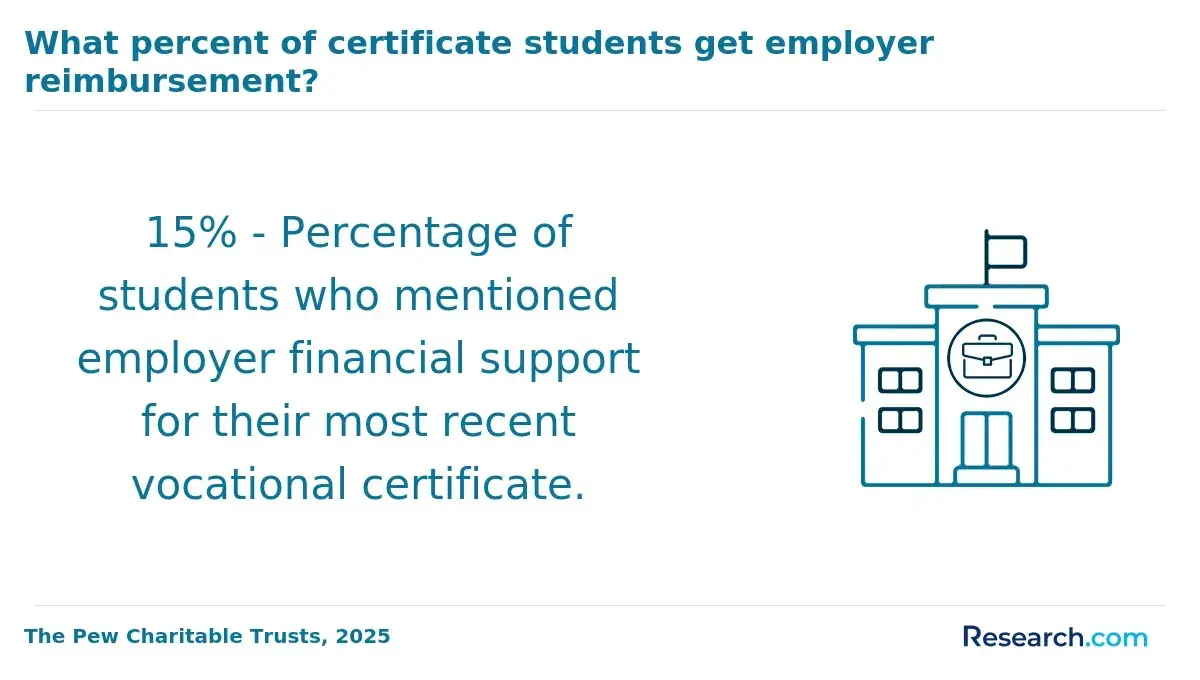
- Post-Master's Certificate in Adult Gerontology Acute Care Nurse Practitioner: These certificates, designed for MSN holders seeking specialization, typically cost between $13,000 and $25,000. Tuition depends on the institution and credit hours required. Certificate students may have access to limited scholarships, federal financial aid, and employer tuition reimbursement programs.
Additional costs like books, clinical fees, and certification exams should also be considered when budgeting. A graduate of an adult gerontology acute care nurse practitioner degree program shared her experience managing these expenses. She recalled how seeking out multiple scholarship opportunities early on made a substantial difference in reducing her financial strain.
"I combined federal loans, employer tuition reimbursement, and a few small scholarships," she explained, reflecting on her proactive approach. She noted that while initially daunting, careful planning allowed her to focus on her studies without overwhelming debt. Her investment has paid off through career advancement and increased earning potential, making the effort and cost well worth it in the long run.
What Jobs Can You Get with Each Type of Adult Gerontology Acute Care Nurse Practitioner Degree?
The level of degree you earn as an adult gerontology acute care nurse practitioner greatly influences your career opportunities, determining the roles and responsibilities you are qualified to assume. Higher degree levels often open doors to advanced clinical practice, leadership, or academic positions, while entry-level degrees focus on direct patient care in acute settings.
Below is an overview of common jobs associated with each adult gerontology acute care nurse practitioner degree type.
- Bachelor of Science in Nursing (BSN) with RN License: Graduates typically work as registered nurses in acute care units, intensive care, or emergency departments. Their primary role involves providing direct bedside care to adult and geriatric patients, but they are not licensed to function as nurse practitioners or prescribe medications. This degree is essential for advancing to nurse practitioner-level education.
- Master of Science in Nursing (MSN) - Adult Gerontology Acute Care Nurse Practitioner: This degree prepares nurses to become certified adult gerontology acute care nurse practitioners (AG-ACNPs). Job titles include acute care nurse practitioner, hospitalist nurse practitioner, or critical care nurse practitioner. Responsibilities involve patient assessments, diagnosing complex conditions, developing treatment plans, and performing advanced procedures in hospitals, ICUs, emergency departments, hospices, or outpatient clinics.
- Doctor of Nursing Practice (DNP) - Adult Gerontology Acute Care Nurse Practitioner: DNP graduates qualify for the highest clinical, leadership, and academic roles such as lead acute care nurse practitioner, clinical educator, or director of advanced practice nursing. Besides providing direct care, they may design hospital protocols, supervise clinical teams, or teach in nursing programs. DNP-level AG-ACNPs handle complex patient management and often earn salaries exceeding $120,000 annually.
Degree advancement not only affects work settings-ranging from hospitals and clinics to universities-but also expands the scope of practice and salary potential. Those interested in pursuing the adult gerontology acute care nurse practitioner path may find it helpful to explore the most rewarding majors to better understand future career prospects and earning potential.
How Do Salaries Differ by Adult Gerontology Acute Care Nurse Practitioner Degree Type?
Degree level often plays a significant role in determining the earning potential of adult gerontology acute care nurse practitioners. Understanding these salary differences can help prospective students make informed choices about their education and future careers.
The following list outlines typical salary ranges by degree type for these nurse practitioners, offering insight into how degree advancement impacts compensation and career opportunities.
- Master of Science in Nursing (MSN) Adult Gerontology Acute Care Nurse Practitioner: Entry-level practitioners with an MSN usually earn between $112,000 and $130,000 annually, though salaries vary depending on geographic location, employer type, and experience. Higher pay is often found in urban hospitals or regions like California and New Jersey. While MSN-prepared nurse practitioners can see salary growth with experience, their earning potential tends to be lower than those with doctoral degrees.
- Doctor of Nursing Practice (DNP) Adult Gerontology Acute Care Nurse Practitioner: Those with a DNP command higher average salaries ranging from $135,000 to $170,000 or more, especially in leadership roles and high-acuity hospital settings. The advanced clinical training and leadership capabilities associated with a DNP often lead to premium pay and faster career advancement in specialized urban medical centers.
- Ph.D. in Nursing (with Adult Gerontology Acute Care specialization): Nurse practitioners holding a Ph.D. generally earn up to $125,930 annually, with salaries varying based on clinical, administrative, or academic roles. Ph.D. holders commonly pursue research, education, or policy careers, which might offer different earning pathways compared to clinical DNP roles.
For students exploring options among the degrees, researching affordable choices is crucial. Exploring cheapest online schools that accept financial aid can provide accessible pathways to entering this in-demand field while optimizing investment in education.
Is There High Demand for Adult Gerontology Acute Care Nurse Practitioner Degree Holders in the Job Market?
There is a high and growing demand for adult gerontology acute care nurse practitioner degree holders in the U.S. job market, driven by several key factors. Demographic changes play a major role, as the aging population rapidly increases; by 2034, adults over 65 are expected to outnumber children under 18 for the first time in history.
This shift creates a pressing need for practitioners skilled in managing complex chronic and acute conditions prevalent among older adults. Workforce shortages compound this demand, with only about 7% of nurse practitioners currently specializing in adult gerontology acute care compared to 70% in family practice.
Additionally, emerging healthcare technologies such as telehealth, advanced patient monitoring, and electronic health records require nurse practitioners who are adept in both clinical care and digital health, further boosting the demand for these specialists.
The demand also varies regionally, shaped by state scope-of-practice laws and healthcare infrastructure. States like Washington and New York, with full practice authorit,y provide some of the highest salaries and job opportunities for adult gerontology acute care nurse practitioners.
Hospitals and acute care settings tend to offer higher compensation due to the complex nature of patient care. For students considering their educational and career paths, understanding these nuances is essential when evaluating programs and future earnings.
Career options for graduates are strong, reflecting both job security and growth potential. Those interested in healthcare can explore different options, including trade school career paths, to find diverse opportunities. Overall, the outlook for adult gerontology acute care nurse practitioner graduates is excellent, with projected job growth rates near 40% through 2033, far surpassing average professional growth.
What Factors Should You Consider When Picking a Type of Adult Gerontology Acute Care Nurse Practitioner Degree?
Choosing the right degree level for adult gerontology acute care nurse practitioner education is a crucial step that directly impacts your career path, earning potential, and professional opportunities. Aligning your educational choice with your career goals and personal circumstances ensures a more strategic and fulfilling journey.
To make this decision easier, consider the following key factors.
- Career advancement goals: Your long-term career aspirations play a major role in selecting the right degree. Doctor of Nursing Practice (DNP) programs, requiring more credits and clinical hours, often prepare students for leadership roles and advanced clinical practice, offering greater flexibility and higher potential in the healthcare field compared to Master of Science in Nursing (MSN) programs.
- Time and financial investment: MSN programs generally take less time and cost less upfront, making them suitable if you want to enter the workforce quickly or have budget constraints. In contrast, DNP programs are more time-intensive and costly but may lead to greater lifetime earnings and expanded career opportunities.
- Current educational status: If you already hold an MSN degree, pursuing a post-master's certificate can be an efficient pathway to specialize in adult gerontology acute care without repeating foundational coursework. This option saves time and resources while enabling you to advance your certification.
What Adult Gerontology Acute Care Nurse Practitioner Graduates Say About Their Degree and Salary
- Elise: "Completing my adult gerontology acute care nurse practitioner degree through an online program gave me the flexibility to balance work, family, and study. The curriculum was comprehensive and directly applicable, preparing me for the fast-paced environment of hospital acute care. Since graduating, I've secured a position in a leading medical center, where I manage critically ill patients and continue to expand my clinical skills daily. This degree truly opened doors for me professionally and personally, allowing me to make a tangible difference in patient outcomes. The journey challenged me, but the support and opportunities made it incredibly rewarding."
-
Olivia: "Reflecting on my journey through a joint MSN-to-DNP adult gerontology acute care nurse practitioner program, I realize how much it helped me grow not only academically but also as a healthcare leader. The opportunity to engage in research and quality improvement projects empowered me to advocate for better patient care standards in my community hospital. Balancing clinical practice with leadership training was demanding but incredibly fulfilling. Now, I feel confident stepping into advanced roles with a strong foundation in evidence-based practice and a passion for teaching future nurses.
"
- Ravi: "Earning my post-master's certificate in adult gerontology acute care nurse practitioner was an intense yet transformative experience. It allowed me to quickly pivot my nursing career toward acute care and opened up unique job opportunities in critical care settings. The focused coursework and clinical hours equipped me with specialized knowledge that boosted my confidence and refined my patient management skills. Embracing this path was both a professional advancement and a personal mission to contribute meaningfully to complex patient care teams. My commitment to this specialty continues to grow stronger every day."
Other Things You Should Know About Adult Gerontology Acute Care Nurse Practitioner Degree Programs & Salaries
In 2027, to become an Adult Gerontology Acute Care Nurse Practitioner, candidates typically need a Bachelor of Science in Nursing (BSN), followed by a Master of Science in Nursing (MSN) or a Doctor of Nursing Practice (DNP). Accreditation by relevant nursing bodies and clinical practice hours are crucial components of these programs.
Yes, certification generally increases earning potential. Certified adult gerontology acute care nurse practitioners are often preferred by employers and may receive higher salaries than non-certified practitioners due to verified specialized skills.
In 2027, salaries for adult gerontology acute care nurse practitioners vary based on the type of degree earned. Those with a master's degree generally start around $105,000 annually, while those with a Doctor of Nursing Practice (DNP) degree can earn upwards of $130,000. Specialization within the field may also influence salary expectations.
Salaries differ widely by region and setting. Urban areas and hospitals with high patient volumes tend to offer higher salaries compared to rural locations or smaller clinics.
References
- Are You Considering a Career as an Adult-Gerontology Acute Care Nurse Practitioner? https://www.aanp.org/news-feed/are-you-considering-a-career-as-an-acute-care-nurse-practitioner
- How to Become a Adult Gerontology Nurse Practitioner (AGNP) https://www.registerednursing.org/nurse-practitioner/gerontology/
- Adult-Gerontology Acute Care Specialization https://www.barry.edu/en/academics/health-sciences/nursing-practice-post-baccalaureate-dnp/adult-gerontology-acute-care-course-plan
- How to Become an Adult-Gerontology Nurse Practitioner (AGNP) https://www.herzing.edu/become/agnp
- Adult Gerontology Acute Care Nurse Practitioner (AGACNP) https://www.ju.edu/nursing/graduate/specializations/adult-gerontology-acute-care-nurse-practitioner-agacnp.php
- Acute Care Nurse Practitioner (ACNP) Career Guide| NurseJournal https://nursejournal.org/careers/acute-care/
- Adult/Gerontology-Acute Care https://nursing.yale.edu/academics/master-science-nursing/masters-specialties/adultgerontology-acute-care
- What Is the Job Outlook for Adult Gerontology Primary Care Nurse Practitioners? https://academicpartnerships.uta.edu/healthcare-nursing-online-programs/msn-adult-gerontology/primary-care-nurse-practitioner/job-outlook-ag-pcnp/
- Adult/Gerontology Acute Care Nurse Practitioner Program https://nursing.ucf.edu/academics/doctoral-degrees/agacnp-dnp/
- Top 10 Online Acute Care Nurse Practitioner (ACNP) Programs https://nurse.org/education/online-acnp-programs/


