
2027 How to Become a Change Management Consultant: Education, Salary, and Job Outlook

Co-Founder and Chief Data Scientist
Becoming a change management consultant is a strong fit for professionals who want to help organizations adopt new systems, restructure teams, improve processes, or shift workplace culture without losing employee trust. The role sits between strategy and execution: consultants diagnose what needs to change, build practical plans, communicate with stakeholders, reduce resistance, and measure whether the change is working.
This career can be rewarding, but it is not simple. Employers look for people who can combine business analysis, project discipline, communication, facilitation, and emotional intelligence. This guide explains the credentials, skills, career path, salary expectations, internship options, work settings, challenges, and self-assessment questions that can help you decide whether change management consulting is the right path for you.
What are the benefits of becoming a change management consultant?
- Change management consultants earn an average salary of approximately $80,000 to $110,000 annually, reflecting demand across industries adapting to digital and organizational shifts.
- Employment for change management professionals is expected to grow around 12% by 2025, faster than average for many occupations, driven by increasing business transformations.
- Pursuing this career offers strategic impact opportunities but requires adaptability and strong interpersonal skills, as success hinges on navigating complex change dynamics effectively.
What credentials do you need to become a change management consultant?
Most change management consultants enter the field with a bachelor's degree, professional experience, and targeted training in change methods. There is no single required credential for every role, and change management consulting is unregulated across U.S. states. However, employers often use education, certifications, and documented project experience to judge whether a candidate can lead people through complex organizational transitions.
The strongest credential mix depends on where you want to work. Large consulting firms may screen more heavily for degrees and brand-name experience, while internal corporate roles may value direct project results, stakeholder management, and industry knowledge.
| Credential | How it helps | What to consider |
| Bachelor's degree | Held by 69% of practitioners. Common majors include business, psychology, communication, organizational development, and human resources. | Often functions as a baseline qualification rather than a strict legal requirement. |
| Master's degree | About 24% of consultants have advanced degrees. A graduate degree can help with senior roles, leadership credibility, or entry into large consulting firms. | The return on investment varies. Smaller organizations may weigh practical experience more heavily than graduate education. |
| Professional certifications | Credentials such as Prosci's ADKAR methodology and the ACMP's Certified Change Management Professional (CCMP) credential can show that you understand recognized frameworks. | These certifications typically cost between $3,000 and $8,000 and are shorter than degree programs. |
| CCMP credential for change management professionals | The CCMP credential requires at least three years' documented experience and 21 hours of specialized training. | It has no formal educational prerequisites, which can make it useful for career changers with relevant work experience. |
| Industry knowledge | Healthcare, finance, government, and technology employers may prefer consultants who understand their regulatory, operational, or compliance environments. | This is not the same as state licensure, but it can strongly affect hiring decisions. |
If you are starting with limited college experience, an accelerated associate pathway may help you build a foundation before pursuing certifications or a bachelor's degree. For example, Research.com covers options such as the best associate's degree in 6 months.
What skills do you need to have as a change management consultant?
A change management consultant needs more than knowledge of a framework. The job requires translating strategy into behavior change, which means you must understand business goals, project constraints, employee concerns, leadership expectations, and the tools used to track adoption. The best consultants are structured enough to manage implementation details and empathetic enough to help people move through uncertainty.
Key skills include:
- Change management expertise: You should understand processes, frameworks, and tools such as the Prosci ADKAR Model and know how to adapt them to the organization's size, culture, and timeline.
- Strategic planning: Consultants must connect the change effort to business goals. A plan should clarify the desired outcome, affected groups, risks, communication needs, adoption milestones, and measures of success.
- Project management: Many change efforts fail because execution is unclear. You need to coordinate tasks, timelines, owners, resources, and dependencies while keeping leaders informed.
- Communication: You must explain what is changing, why it matters, who is affected, what support is available, and what employees are expected to do differently. Communication should be clear enough for executives, managers, frontline workers, and technical teams.
- Problem-solving: Change initiatives rarely unfold as planned. Strong consultants diagnose root causes, identify resistance patterns, and adjust tactics without losing sight of the goal.
- Technical knowledge: Digital transformation, data dashboards, collaboration platforms, and workflow systems are common in change work. You do not always need to be a systems engineer, but you must understand how technology affects adoption.
- Emotional intelligence: Employees may fear job loss, loss of status, heavier workloads, or unfamiliar expectations. Consultants need empathy, active listening, and the ability to de-escalate conflict.
- Adaptability: Organizations change direction, budgets shift, executives leave, and timelines compress. A strong consultant can revise the approach while preserving trust and momentum.
Technical skills vs. people skills
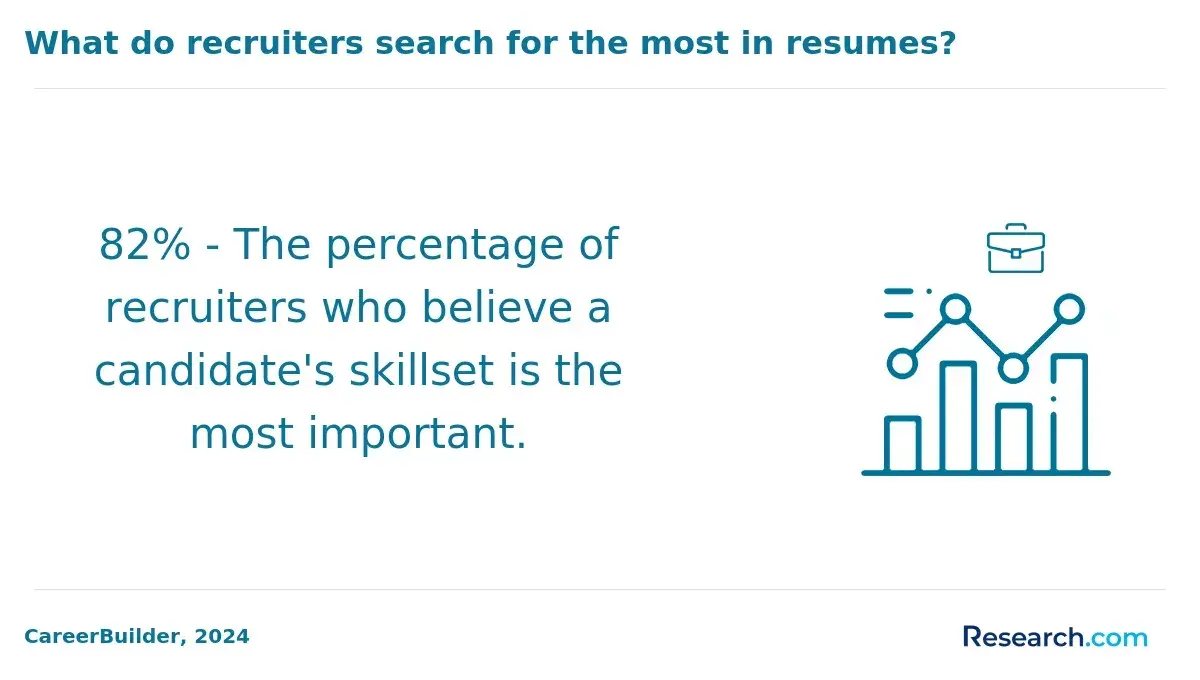
Change management is most effective when technical and interpersonal skills work together. A consultant who understands data but cannot build trust may struggle to gain adoption. A consultant who is personable but lacks structure may struggle to deliver measurable results. Employers usually look for both.
What is the typical career progression for a change management consultant?
The career path for a change management consultant is often nonlinear. Some professionals start in human resources, project management, operations, communications, training, technology implementation, or organizational development before specializing in change management. Others enter through consulting firms or graduate programs. Progression usually depends on your ability to manage larger stakeholders, more complex initiatives, and higher-risk business outcomes.
- Entry-level roles: Common titles include Change Management Analyst and Junior Change Consultant. These roles typically involve research, stakeholder mapping, data gathering, training support, presentation development, and communication planning. Candidates usually need a bachelor's degree in fields such as business or psychology and may benefit from introductory change management certifications. Experience required typically ranges from two to four years.
- Mid-level positions: Titles may include Change Manager or Change Agent. Professionals at this level design change strategies, engage stakeholders, facilitate training, identify resistance, and support adoption across departments. These roles often require prior project management experience, formal change management certification, and strong communication skills. Tenure in these roles varies but generally spans three to seven years.
- Senior roles: Senior titles include Change Management Lead, Director, or Change Leader. These positions focus on aligning change initiatives with business strategy, advising executives, coaching leaders, overseeing large-scale programs, and building change capability across the organization. Advancement may require a master's degree or advanced credentials, along with significant leadership experience.
At senior levels, some consultants move into specialized paths such as organizational development, digital adoption, enterprise transformation, mergers and acquisitions integration, culture change, or industry-specific change management. Others become independent consultants, where business development and client management become as important as delivery expertise.
How much can you earn as a change management consultant?
Change management consultant pay varies by experience, education, industry, location, employer type, and project complexity. The Change Management Consultant Salary in the US can be attractive, but candidates should interpret salary figures carefully because external consulting, internal corporate roles, and contract work may have different compensation structures.
A typical change management consultant in the United States can expect to earn between $90,000 and $111,000 annually in 2025. Recent data shows an average salary of approximately $110,717, with earnings ranging from $76,000 at the low end to $162,000 for top experts in high-demand fields or with extensive experience. Entry-level consultants with less than a year of experience typically start around $79,000, while seasoned professionals often surpass the median figure.
| Salary factor | How it can affect earnings |
| Experience level | Consultants who can independently lead high-risk or enterprise-wide initiatives generally command higher pay than those supporting project tasks. |
| Education and certifications | Advanced degrees or specialized certifications in change management or organizational behavior can improve marketability and may support higher compensation. |
| Industry specialization | High-demand fields may pay more when consultants understand both change methods and the industry's operational requirements. |
| Location | Pay can be higher in cities with a high cost of living, and Average Change Management Consultant Salaries by State can show significant regional differences. |
| Employer type | Major consulting firms, large corporations, and specialized transformation practices may offer different salary ranges, bonuses, and travel expectations. |
If your goal is to raise your earning potential, choose credentials that match the work you want to do rather than collecting certificates at random. Research.com also reviews easy certifications to get that pay well, which can help you compare practical upskilling options.
What internships can you apply for to gain experience as a change management consultant?
Internships can help aspiring change management consultants build evidence of real project experience before applying for full-time roles. Look for opportunities that involve stakeholder research, process improvement, communication planning, training support, data analysis, technology implementation, or organizational transformation. The title may not always say “change management,” so search broadly across consulting, HR, operations, project management, and transformation teams.
- Management consulting internships: Firms such as Ember Group Consulting may involve interns in business transformation projects. These roles can strengthen analysis, documentation, presentation, and client communication skills, which are useful for candidates exploring organizational change management intern jobs in Philadelphia PA.
- Global consulting firms: Accenture, Bain, and BCG offer structured programs that may include mentoring, formal training, and exposure to advanced change methodologies. These internships can be competitive and may favor candidates from underrepresented backgrounds or applicants with prior related experience.
- Corporations in transforming sectors: Technology, finance, and healthcare companies often run internships tied to digital transformation, process redesign, system implementation, or culture change. These roles provide practice working with cross-functional teams.
- Nonprofits and government agencies: Organizations such as the ACLU may offer internships focused on program development, equity-driven change, stakeholder engagement, and strategic communication. These can be valuable for students searching for change management internships in the United States.
- Healthcare providers and educational institutions: These settings may offer experience implementing new policies, compliance processes, technologies, or training programs. Interns can learn how change works in complex and regulated environments.
How to choose the right internship
Prioritize internships that let you produce work samples: stakeholder maps, communication plans, training materials, adoption dashboards, meeting summaries, process maps, or project reports. These artifacts can help you explain your value in interviews. If you plan to strengthen your credentials through graduate study, Research.com also compares options such as a cheapest online master degree.
How can you advance your career as a change management consultant?
Career advancement in change management usually comes from proving that you can handle larger scope, higher resistance, more senior stakeholders, and clearer business outcomes. Certifications can help, but promotion often depends on whether leaders trust you to guide people through difficult transitions without losing productivity, morale, or strategic focus.
- Continue education and certification: Recognized options such as Prosci or ACMP can strengthen your professional credibility and provide structured methods for planning and measuring change. Staying informed about artificial intelligence integration and agile approaches can also help you remain relevant as organizations modernize.
- Build a strong portfolio of results: Track the projects you support, the audiences you served, the adoption challenges you addressed, and the outcomes you helped achieve. A clear portfolio makes it easier to compete for senior consulting roles or independent client work.
- Develop networking and mentorship relationships: Mentors can help you navigate complex stakeholder situations, prepare for leadership roles, and identify skill gaps. Industry events and professional communities can also expose you to emerging practices and job opportunities.
- Specialize strategically: Niche areas such as AI-driven organizational change, digital adoption, organizational development, culture transformation, or industry-specific change management can improve your market positioning.
- Broaden your industry exposure: Experience across multiple sectors can make you more adaptable. However, deep expertise in one regulated or high-change sector can also be valuable, especially if employers need consultants who understand operational constraints.
A practical advancement plan should combine learning, visible project results, stakeholder credibility, and a clear specialty. Avoid relying on certification alone if you cannot also show how your work improved adoption, readiness, communication, or implementation outcomes.
Where can you work as a change management consultant?
Change management consultants work anywhere organizations need people to adopt new strategies, systems, structures, policies, or ways of working. Opportunities exist in consulting firms, corporations, nonprofits, government agencies, healthcare systems, and educational institutions. The right setting depends on whether you prefer external client work, internal long-term transformation, public-sector impact, or specialized industry challenges.
- Corporate sector: Large corporations such as IBM and Accenture hire consultants to support technology upgrades, restructuring, process changes, operating model shifts, and culture initiatives.
- Nonprofit organizations: Groups such as the American Red Cross and UNICEF may use change management expertise to improve operations, support strategic initiatives, and align internal change with mission goals.
- Government agencies: Federal and state bodies, including the U.S. Department of Defense and the National Institutes of Health, may need consultants to support policy implementation, modernization projects, and public service improvements.
- Healthcare systems: Institutions such as Kaiser Permanente and the Cleveland Clinic employ consultants to help with healthcare policy changes, technology adoption, workflow redesign, and patient care improvements.
- Educational institutions: Universities such as Harvard University and Stanford University may use consultants for strategic planning, educational technology integration, and operational change. If you are comparing affordable education options, Research.com also covers cheap online schools that accept FAFSA.
- Consulting firms: Firms such as Korn Ferry, Porsche Consulting, and Deloitte employ consultants to help clients across sectors plan and execute change.
Professionals searching for change management consultant jobs in California may find opportunities across the state's technology, healthcare, government, education, and corporate sectors. The demand driven by top companies hiring change management consultants in California reflects a dynamic business environment, but competition can be strong, especially for roles requiring both consulting experience and industry specialization.
What challenges will you encounter as a change management consultant?
Change management consulting is challenging because the work is not only about plans and processes. It is about people, power, incentives, culture, timing, and competing priorities. Even a well-designed change strategy can fail if leaders are misaligned, employees distrust the message, or the organization lacks capacity to execute.
- Resistance to change: Employees and leaders may resist because they fear uncertainty, workload increases, loss of control, or negative career effects. Consultants must understand the source of resistance before recommending tactics.
- Complex organizational systems: Modern companies often rely on interconnected processes, teams, technologies, and policies. A small change in one area can create unintended consequences elsewhere.
- Time and budget pressures: Consultants may be asked to deliver results quickly with limited resources. The challenge is to focus on the highest-impact actions without oversimplifying the change.
- Rapid industry evolution: Artificial intelligence integration, hybrid work arrangements, and changing customer expectations can alter the scope of a project while it is already underway.
- Demand for personalized solutions: Generic playbooks rarely work on their own. Clients increasingly expect tailored strategies, agile methods, and practical recommendations suited to their culture and constraints.
- Geopolitical and economic instability: Market fluctuations and international uncertainty can affect budgets, staffing, supply chains, and strategic priorities, especially for organizations operating across borders.
The best consultants treat these challenges as design constraints rather than excuses. They clarify trade-offs, communicate risks early, and help leaders make realistic decisions about pace, scope, and adoption support.
What tips do you need to know to excel as a change management consultant?
To excel as a change management consultant, you need to become the person leaders trust when the organization is under pressure. That means being clear, prepared, ethical, and practical. Strong consultants do not simply advocate for change; they help people understand it, prepare for it, adopt it, and sustain it.
- Master communication at every level: Learn to write executive summaries, facilitate workshops, lead difficult conversations, and translate complex plans into plain language.
- Ask better diagnostic questions: Before recommending a solution, clarify the business problem, affected groups, risks, decision rights, past change history, and success measures.
- Strengthen problem-solving and strategic thinking: Change initiatives often involve incomplete information. You need to make sound recommendations while acknowledging uncertainty.
- Use digital tools and project methods well: Familiarity with collaboration platforms, project tracking tools, data dashboards, and common project management methodologies can make your work more efficient and credible.
- Build trust through reliability: Meet deadlines, document decisions, follow up on concerns, and be honest about risks. Trust is difficult to rebuild once lost.
- Network intentionally: Professional communities, mentors, alumni groups, and industry events can help you learn from real cases and discover opportunities.
- Stay current on emerging practices: Agile methods, data analytics, artificial intelligence, and workforce trends increasingly shape how organizations manage change.
- Commit to ongoing professional growth: Reflect after each project. Identify what worked, what failed, and what you would do differently next time.
Common mistake to avoid
Do not assume that announcing a change is the same as managing it. Employees need context, training, reinforcement, leadership consistency, and a clear reason to change their behavior. Consultants who focus only on presentations and not on adoption usually deliver limited impact.
How do you know if becoming a change management consultant is the right career choice for you?
Change management consulting may be a good career if you enjoy solving unclear problems, influencing without always having direct authority, and helping people work through uncertainty. It may not be the right fit if you prefer routine tasks, stable expectations, or work with limited stakeholder conflict. The career can be meaningful, but it requires resilience.
- Skills needed to become a change management consultant: Successful consultants combine analytical ability with strong interpersonal skills. You must be able to interpret data, organize information, build trust with skeptical stakeholders, and facilitate difficult conversations.
- Work environment: Internal consultants may have more predictable schedules and deeper knowledge of one organization. External consultants may face frequent travel, client-site demands, and project-based intensity. Independent contractors also need entrepreneurial skills and comfort with income variability.
- Career stability: Demand for change management expertise exists across industries, but individual projects are temporary. Senior roles usually require substantial experience, often 4-7 years, before you can lead complex initiatives independently.
- Interest and temperament: If organizational politics, ambiguity, resistance, and competing priorities energize you more than they drain you, this field may fit your personality. Early exposure to change projects can help you test that fit before committing fully.
- Is change management consulting a good career: It can be a strong career for people who want challenging, people-centered, strategy-driven work. It is less suitable for those who want clearly defined tasks and quick consensus.
Ask yourself whether you would enjoy being responsible for both the plan and the human response to the plan. If the answer is yes, this path may be worth exploring. If you need affordable ways to build foundational skills while working, Research.com reviews options such as low cost online colleges for working students.
What Professionals Who Work as a Change Management Consultant Say About Their Careers
- Willy: "The demand for change management consultants has grown steadily, offering impressive job stability and competitive salary packages. This career path not only provides financial security but also exposes you to diverse industries, making each project uniquely rewarding. I find the constant evolution in this field both motivating and lucrative."
- Jaxton: "Working as a change management consultant presents unique challenges that have sharpened my problem-solving skills and adaptability. Navigating organizational change requires creativity and resilience, which keeps the work intellectually stimulating. It's a profession where no two days are the same, and that variety is what I cherish most."
- Jacob: "The opportunities for professional growth in change management are extensive, especially with specialized training programs and certifications available. I've experienced firsthand how investing in learning translates into career advancement and increased responsibilities. This field not only develops leadership skills but also opens doors to strategic roles within organizations."
Other Things You Should Know About Becoming a Change Management Consultant
In 2027, the job outlook for change management consultants is expected to be favorable. As businesses continue to adapt to digital transformations and organizational changes, the demand for these consultants remains strong. Opportunities are projected to grow, particularly for those proficient in technology-driven change initiatives.
In 2027, AI will streamline data analysis for change management consultants, allowing them to focus more on strategic decision-making. AI tools will enhance predictive capabilities, enabling consultants to anticipate change impacts better and tailor strategies effectively.
In 2027, a bachelor's degree in business, psychology, or a related field is typically required for a career in change management consulting. Many employers also prefer a master's degree and certifications like Prosci or CCMP for enhanced credibility and expertise.
In 2027, change management consulting is embracing advanced analytics and AI to drive strategic transformations. Consultants are focusing on personalized client solutions and leveraging digital tools for remote collaboration. There's also a trend towards more sustainable practices, as organizations aim for environmentally responsible transformations. **Question** Is prior industry experience necessary to become a change management consultant? **Answer** Prior industry experience is beneficial but not strictly necessary to become a change management consultant. However, having a strong understanding of business operations and excellent communication skills can enhance credibility and effectiveness in the role. Many consultants start with relevant internships or entry-level roles to build experience. **Question** How important is networking for success in change management consulting? **Answer** Networking is crucial for success in change management consulting. Building a broad professional network can lead to client referrals, partnerships, and career opportunities. Engaging in industry events and online forums helps consultants stay updated with trends and best practices, enhancing their expertise and marketability.
References
- How to Overcome Common Change Professional Problems https://www.judge.com/resources/blogs/3-common-challenges-change-management-professionals-face/
- Change Management Consultant Salary in Poland 2025 – Jobicy https://jobicy.com/salaries/pl/change-management-consultant
- 10 Essential Change Management Skills for Practitioners https://www.prosci.com/blog/change-management-skills
- So, You Wanna Be a Change Management Consultant? - Hadas https://hadaspartnersinc.com/so-you-wanna-be-a-change-management-consultant/
- Complete List of the Top Consulting Internships [2025] https://www.myconsultingoffer.org/list-top-management-firms/list-of-consulting-internships/
- FENOMENA1688 | Daftar Situs Link Slot88 Online Gacor & Bandar Toto Togel 4D Terlengkap https://www.humandynamic.com/what-change-management-consultant/
- Common Change Management Challenges & Solutions https://www.simpliaxis.com/resources/change-management-challenges
- Effective Strategies for a Successful Change Management Consulting Firm - Culture Partners https://culturepartners.com/insights/effective-strategies-for-a-successful-change-management-consulting-firm/
- Change management consultant - Careers - For The Facts UK https://forthefacts.uk/careers/consulting/job/change-management-consultant
- What do Change Management Consultants do and How to Become One? https://www.theknowledgeacademy.com/blog/change-management-consultant/


