
2027 Online vs On-Campus Food Industry Management Degree Programs: Pros & Cons

Co-Founder and Chief Data Scientist
The popularity of online food industry management degrees has surged in recent years, with over 40% of higher education students now enrolled in at least one online course. This shift reflects growing demand for flexible learning options that accommodate busy lifestyles without sacrificing career goals. Comparing online and on-campus programs reveals differences in flexibility, cost, educational experience, and job prospects. Understanding these factors is essential for prospective students aiming to make informed decisions about their education. This article offers an objective analysis of the advantages and drawbacks of each format, helping students align their choices with personal and professional priorities.
Key Benefits of Online vs On-Campus Food Industry Management Degrees
- Online food industry management programs offer greater flexibility, allowing students to balance work and study, with 65% of online learners reporting improved time management skills compared to traditional students.
- Students in online programs often save up to 40% on tuition and related expenses, making education more affordable while still accessing quality curriculum accredited by recognized bodies.
- On-campus food industry management programs provide direct hands-on experience through access to state-of-the-art kitchens and real-time industry networking, boosting job placement rates by approximately 15% over online counterparts.
Are Online vs. On-Campus Food Industry Management Programs Structured the Same Way?
The structure of online and on-campus food industry management programs differs significantly, affecting how courses are delivered, scheduled, and how students engage. These distinctions help prospective students determine which format may best suit their personal and professional needs.
Below is a comparison of key structural elements in both formats, highlighting differences in course delivery, scheduling, and student interaction.
- Course Delivery: On-campus programs rely on face-to-face lectures, hands-on projects, and in-person group work, providing immediate feedback and direct interaction with instructors. Online programs use digital platforms with video lectures, interactive simulations, and asynchronous modules, offering flexibility for students to learn at their own pace.
- Class Schedules: On-campus courses typically follow fixed schedules that require attendance at specific times and locations, supporting discipline but reducing flexibility for those balancing other commitments. Online programs often allow asynchronous study or synchronous live sessions, enabling students to fit coursework around work or family obligations.
- Interaction and Collaboration: On-campus students benefit from in-person networking, experiential learning, and group activities that foster deeper engagement. Online learners interact through discussion forums, virtual group projects, and digital networking tools, though these may lack the immediacy of face-to-face contact; some online programs include live sessions to enhance community building.
- Professional Exposure: Both formats provide industry guest lectures and case studies, but on-campus students often have greater access to local internships and facility tours. Online students can connect with a wider network of professionals digitally, potentially broadening their career reach beyond local opportunities.
Are Admission Requirements the Same for Online vs On-Campus Food Industry Management Degree Programs?
Colleges and universities maintain consistent academic standards for both online and on-campus food industry management degree programs, ensuring graduates have comparable expertise and credentials regardless of delivery format. However, institutions may differ in how they assess applicants' readiness for online learning, sometimes requiring additional proof of technological proficiency or self-motivation.
To better understand the variations, here are key similarities and differences in admission requirements for online vs on-campus food industry management program criteria:
- Academic Qualifications: Most programs require a high school diploma or equivalent with a minimum GPA, often around 3.0 on a 4.0 scale, for both formats. Transfer credits or prerequisite coursework may be accepted similarly, keeping academic achievement standards largely consistent across online and on-campus tracks.
- Standardized Test Scores: SAT or ACT scores are usually required for first-year applicants in both formats, with threshold scores not differing significantly. Graduate applicants might need GRE scores, especially in competitive online programs, but overall test expectations align for both delivery methods.
- Work Experience: Graduate-level programs tend to favor applicants with prior food industry experience regardless of format. Online programs sometimes offer more flexibility by accepting professional experience as a substitute for formal education, while on-campus programs may adhere more strictly to traditional academic credentials.
- Application Materials: Both online and on-campus applicants typically submit transcripts, résumés, recommendation letters, and essays or writing samples. Online programs may additionally require statements on time management or digital readiness to assess suitability for independent study.
- Technological Readiness: Demonstrating basic computer literacy and access to reliable internet and devices is generally more emphasized for online applicants. While not always a formal requirement, this aspect is frequently reviewed during the application process for online food industry management degree admission requirements.
- Rolling Admissions and Flexibility: Online programs often offer rolling admissions and multiple start dates throughout the year, providing greater flexibility than most traditional on-campus programs, which tend to follow fixed academic calendars.
For those balancing work and study, exploring the best accelerated online degrees for working adults can provide additional options tailored to busy schedules, complementing the admission criteria considerations outlined above.
Do Online Food Industry Management Students Receive the Same Academic Support as On-Campus Students?
Universities have significantly expanded their academic support systems to ensure that online food industry management students receive resources and assistance comparable to those available to their on-campus peers. These efforts reflect the growing popularity of online degree programs and the commitment to student success across all learning formats. Below is a comparison of the main types of academic support typically offered to both online and on-campus food industry management students.
- Tutoring Services: Both online and on-campus students can access tutoring tailored to their study format. Online learners benefit from virtual tutoring platforms, scheduled video sessions, and digital study materials, while on-campus students attend in-person sessions or visit academic resource centers. These services help students master complex topics and improve academic performance.
- Career Counseling: Career support is provided through virtual career centers, online workshops, and digital networking events for online students, whereas on-campus students have face-to-face meetings, career fairs, and employer visits. Both formats offer resume guidance, interview preparation, and job placement assistance to prepare students for food industry careers.
- Library Access: Online students use robust digital libraries, research databases, and remote access to academic journals, while on-campus students utilize physical libraries and study spaces. Librarians support both groups through chat, email, or in-person consultations to aid academic research effectively.
- Faculty Interaction: Online students engage with faculty via email, video calls, live chats, and discussion boards, contrasted with on-campus students' face-to-face office hours and classroom discussions. Research shows that reputable online programs provide faculty accessibility and support comparable to traditional formats, promoting strong learning outcomes.
How Long Does It Take to Complete an Online vs an On-Campus Food Industry Management Degree?
The time required to complete a food industry management degree can vary widely based on whether a student chooses an online or on-campus program, as well as individual pacing and scheduling needs. While curriculum requirements are often similar, delivery format plays a significant role in how quickly students can finish their degrees. The following list compares the average completion time and key factors influencing duration for online versus on-campus food industry management degree programs.
Here are the primary differences in program length and flexibility between these two options:
- Online food industry management degree Most online bachelor's programs offer maximum flexibility, allowing students to progress at their own pace. Full-time students can finish in as few as three to four years, while part-time learners might take up to six years depending on transfer credits and course load. Online master's programs commonly take about two years part-time and are designed for working professionals balancing employment and studies.
- On-campus food industry management degree Traditional on-campus bachelor's degrees typically require four years of full-time study following a set academic calendar, which offers less scheduling flexibility. Associate degrees on campus generally take two years full-time, while on-campus master's degrees require about two years full-time with fixed semester schedules. In-person programs may restrict pacing but provide more structured environments and direct faculty access.
To illustrate, a professional who completed his online food industry management degree told me his experience was marked by a careful balancing act between work, family, and coursework. He emphasized that taking courses with accelerated 7.5-week sessions helped him stay focused and motivated, though managing multiple start dates required strong time management skills.
Despite occasional challenges juggling deadlines and job responsibilities, he appreciated that the program's flexibility allowed him to extend his studies when needed without pressure, ultimately completing his degree in just under five years. He remarked, "The ability to control my schedule made all the difference; without that, finishing wouldn't have been possible." This personalized pace was something he valued greatly compared to peers who followed traditional on-campus tracks with rigid timelines.
Are Online Food Industry Management Programs Cheaper Than On-Campus Ones?
Tuition, fees, and other expenses for online food industry management programs are generally lower than those for on-campus options. This is largely due to reduced overhead and fewer ancillary costs associated with attending classes remotely. To provide a clearer picture of these differences, below is a breakdown of the main cost factors influencing the total price of each learning format.
Key cost comparisons between online and on-campus food industry management programs include:
- Tuition and Fees: Online degrees typically cost less per academic year, averaging around $12,216 for undergraduate programs versus $18,981 for on-campus in 2025. This means online students pay roughly 64% of what traditional campus students pay, though some public institutions may charge higher per-credit fees for out-of-state online learners.
- Living Expenses: One significant saving for online students comes from lower living costs. On-campus attendees often face $744 more per year in room and board, while online students can live off-campus or at home, reducing this financial burden.
- Transportation and Ancillary Costs: Online learners avoid expenses related to commuting, parking, and campus activities. They also often benefit from digital course materials, which tend to be less expensive than physical textbooks or resources required on campus.
- Technology Costs: While online students must invest in reliable technology such as a computer and internet access, these are typically one-time or periodic expenses. These costs are balanced by savings from not needing campus housing or transport.
- Financial Aid Availability: Accredited online programs allow eligibility for federal aid, but some may offer less institutional support than on-campus programs. It remains important for prospective students to compare financial aid packages carefully when evaluating program affordability.
- Schedule Flexibility and Career Impact: Online programs often provide flexible schedules, enabling students to work while studying and potentially reduce student loan debt. Employer views of online food industry management degrees have improved, especially for accredited programs offering practical experience; median salaries for graduates in both formats are similar, around $63,970 annually.
For those weighing the cost and benefits of an online program, it's also helpful to explore related educational options like what is the easiest doctorate to pursue, which can inform broader academic planning decisions.
What Are the Financial Aid Options for Online vs On-Campus Food Industry Management Programs?
Both online and on-campus students pursuing food industry management degrees may qualify for financial aid, but the eligibility and accessibility of such aid can vary depending on the program format and the institution's accreditation status. These differences often influence cost, scheduling flexibility, and the overall support students receive. Below is a comparison of the main financial aid options available to both online and on-campus food industry management students to help clarify these distinctions:
- Federal Financial Aid: Accredited programs, whether online or on-campus, generally qualify students for federal aid programs like Pell Grants and federal student loans if they complete the FAFSA. Accreditation is a key factor, so students in online programs should confirm their school's federal recognition to ensure eligibility, matching the access enjoyed by on-campus peers.
- State Aid: State financial aid such as grants and scholarships is often available to both types of students, but some states restrict these funds to residents enrolled in campus-based programs. Online learners should verify their state's policies since residency and institution type can impact eligibility for state-supported aid.
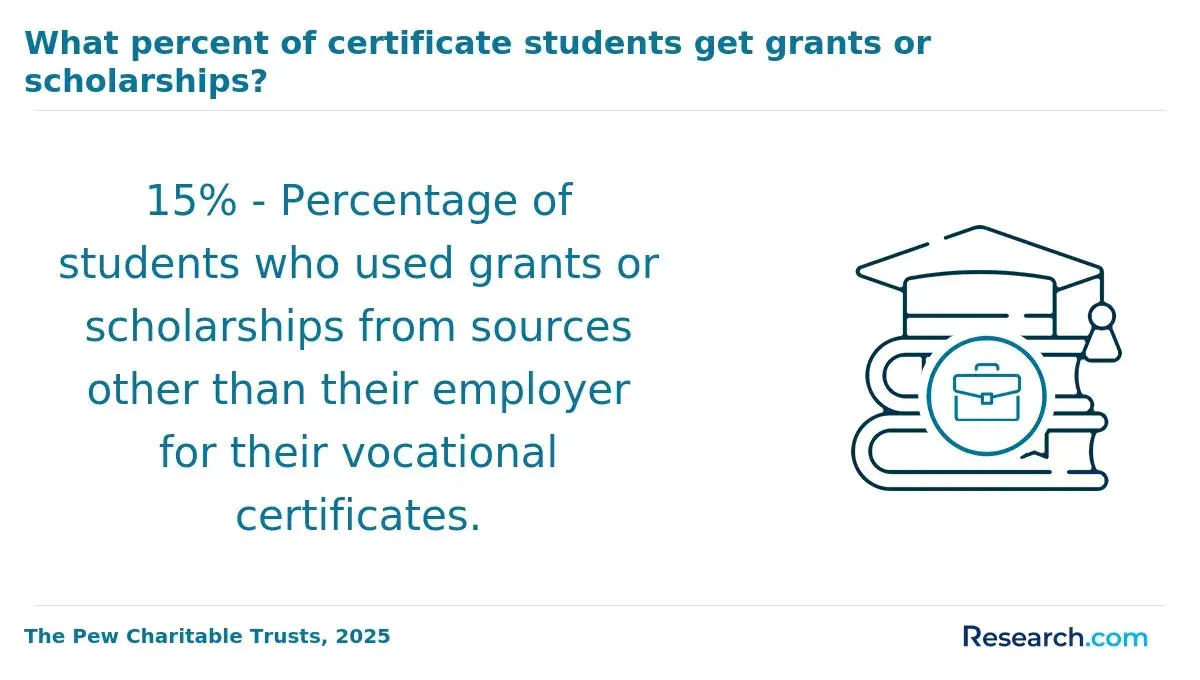
- Scholarships and Grants: Institutions typically offer scholarships and grants for both online and on-campus food industry management students, including merit- and need-based awards. However, scholarships that require on-campus participation or involvement in extracurricular activities may limit online students' access, affecting their financial aid opportunities compared to traditional learners.
- Employer Tuition Reimbursement: Increasingly, employers in the food and hospitality industries support tuition reimbursement for employees in accredited online programs due to flexible scheduling and direct workplace relevance. This makes online study especially appealing for working professionals seeking financial support while continuing full-time employment.
- Private Student Loans: Private loans are similarly accessible to students regardless of program format but depend heavily on credit and the program's accreditation. Lenders may scrutinize the legitimacy of online programs more closely, so prospective online students should verify eligibility before borrowing.
Prospective students interested in exploring affordable options might also consider exploring cheap phd programs online, as these highlight broader financial aid trends benefiting remote learners.
Are Online Food Industry Management Programs as Credible as On-Campus Ones?
Accreditation, faculty qualifications, and curriculum standards play a vital role in establishing the credibility of both online and on-campus food industry management programs. Accredited online programs must meet the same educational benchmarks as their on-campus counterparts, ensuring consistency in learning outcomes. Faculty members typically possess advanced degrees and relevant industry experience regardless of format, maintaining a high standard of instruction.
The curriculum in online courses mirrors core business principles and specialized food industry topics such as food safety, processing, operations, and marketing, providing a comprehensive educational foundation. Regional accreditation especially signals to employers and graduate schools that the degree meets rigorous academic quality standards.
Employer and academic perceptions of online food industry management degrees have evolved positively in recent years. Survey data shows that nearly 60% of hiring managers express no preference between online and on-campus degrees for business and management roles when programs are properly accredited. While some licensing bodies may still prefer degrees with industry-specific accreditation, most recognize accredited online credentials as valid.
Innovations in virtual learning, including interactive simulations and real-world case studies, coupled with industry partnerships offering internships and practical experiences, have further strengthened the reputation of online programs. These advancements help online graduates obtain comparable career opportunities and salaries, while benefiting from flexible scheduling and often lower tuition costs.
Do Employers Prefer Online vs On-Campus Food Industry Management Degrees?
Employers in the United States generally view online and on-campus food industry management degrees as comparable, though nuanced differences persist. A 2024 survey by NACE found that 87% of employers hired graduates with online degrees and reported paying them equivalent starting salaries to their in-person counterparts. Still, a 2025 GMAC study revealed that only 5% of employers strongly believe online and on-campus degrees carry equal value, while over a third disagree. Despite this, hiring decisions tend to emphasize factors such as university reputation, program accreditation, and demonstrated technical skills more than the mode of learning. Employers often perceive on-campus graduates as having stronger communication and leadership skills, but they increasingly recognize that online education offers rigorous, real-world training, especially in specialized areas of food industry management.
The ongoing shift toward remote and hybrid work environments has helped reshape perceptions of online degrees. Attributes associated with online learning-such as enhanced time management, self-discipline, and adaptability-are now valued assets that align with evolving workplace demands. Over 70% of organizations recently hired candidates with online degrees, and nearly all online graduates report positive employment returns on their investment. Nevertheless, some employers remain cautious, carefully scrutinizing whether online coursework demonstrates rigor and relevance. Ultimately, candidates who graduate from well-accredited programs and clearly showcase their skills enjoy the highest employer confidence, regardless of whether their degree was earned online or in person.
When speaking with a professional who completed an online food industry management degree, she shared that securing her current job hinged more on her portfolio and practical skills than on concerns about the online format. She noted, "My employers didn't focus much on whether I graduated online; they were impressed by the projects I presented and my ability to adapt to their fast-paced environment." She reflected on the flexibility of online learning as a key advantage that allowed her to balance work and study effectively, which in turn strengthened her time management and problem-solving abilities. Her experience underscores how, in today's job market, tangible skills and professionalism often matter more than the traditional stigma once associated with online degrees.
Do Online vs On-Campus Food Industry Management Program Graduates Earn the Same Salaries?
Salary comparisons between online and on-campus food industry management graduates are increasingly shaped by factors such as employer perception, work experience, and institutional reputation rather than the learning format alone. As employers become more familiar with online education, the gap in earnings between online and on-campus graduates continues to narrow. Below are the primary salary trends and influencing factors for those evaluating online food industry management degree salary comparison and on-campus vs online food industry management graduate earnings.
Key factors affecting salary outcomes include:
- Employer Perception: Most U.S. employers now equally recognize accredited online degrees, especially from reputable institutions. In food industry management, skills like leadership and problem-solving weigh more heavily than whether the degree was earned online or on-campus.
- Institution Reputation and Accreditation: Graduates from well-ranked or accredited programs-whether online or on-campus-tend to secure higher salaries due to prestige and quality assurance. Institutions like Arizona State University offer identical curricula and career support across both formats.
- Experience and Networking: Prior work experience and internships impact earning potential significantly. While on-campus students often benefit from in-person networking, many online programs provide virtual networking opportunities to help close this gap.
- Skills and Flexibility: Online students often develop strong self-motivation and time management skills, which employers value for management roles in the food industry. These skills can enhance career progression regardless of degree format.
- Position and Career Path: Salaries reflect job role and location more than study mode. Roles like food service manager, restaurant manager, and sales manager vary widely in pay, driven by market factors rather than online vs on-campus status.
- Cost and Return on Investment: Online degrees may reduce expenses related to commuting and housing, allowing graduates to enter the workforce with less debt. Exploring accredited online schools with no admission fee can further improve financial outcomes.
How Do You Decide Whether an Online vs On-Campus Food Industry Management Program Is Right for You?
Choosing between online and on-campus food industry management programs depends largely on your personal learning preferences, lifestyle, and professional goals. Both options deliver the necessary knowledge and skills, but their different formats can significantly impact your educational experience and future career path. Below are key factors to consider that will help you determine which program format fits you best.
- Learning style: If you prefer direct interaction with instructors and peers, an on-campus program might be more suitable. Conversely, online formats work well for self-motivated learners who thrive on independent study and using digital platforms.
- Flexibility needs: Online food industry management degrees offer greater scheduling flexibility, making it easier to balance studies with work and personal commitments. On-campus options require fixed attendance times, which can be challenging if you have other obligations.
- Budget: Generally, online programs tend to be more affordable, eliminating commuting costs and often reducing tuition fees. However, it's important to note that some colleges charge similar rates regardless of whether you study online or on campus.
- Networking opportunities: On-campus food industry management colleges in the US provide richer face-to-face networking, internships, and easier access to faculty. Online students might need to put extra effort into engaging through virtual events and forums.
- Access to campus resources: Physical attendance gives students direct use of labs, career centers, and student groups. While online learners can access many digital resources, hands-on experiences may be limited or require special arrangements.
For students interested in broadening their educational options, exploring a list of colleges that allow double majors can also be a practical step. Considering these factors carefully will help you choose among the best online food industry management degree programs and find the format that aligns with your needs and goals.
Here's What Graduates of Online vs On-Campus Food Industry Management Programs Have to Say About Their Degree
- Alice: "Completing my food industry management degree entirely online allowed me the flexibility to balance work and family while advancing my education. The interactive virtual modules and real-time discussions helped me stay connected with instructors and classmates, fostering a supportive learning community despite the distance. After graduation, I seamlessly transitioned into a managerial role at a leading food distributor thanks to the practical skills and certifications I earned. This format proved that quality education can fit anyone's lifestyle without sacrificing depth or networking opportunities. It truly empowered me to grow professionally on my own terms. "
- Lucas: "Attending the on-campus food industry management program was a transformative experience, not just academically but personally. Being immersed in the campus culture and collaborating daily with passionate peers enriched my understanding of the field beyond textbooks. The hands-on lab sessions and in-person internships opened doors in local companies, helping me land a position immediately after graduation. This traditional path strengthened my confidence and nurtured lifelong friendships, fueling my dedication to improve food safety standards. It was truly the best foundation for my career and community involvement."
- Christine: "The hybrid format of my food industry management degree perfectly blended the convenience of online learning with invaluable face-to-face networking. I appreciated being able to study theory online while participating in on-campus workshops that sharpened my leadership and problem-solving skills. This flexibility kept me engaged and prepared me to take on diverse roles in the food service sector confidently. Since graduating, I have advanced quickly, thanks to the real-world connections and comprehensive knowledge I gained. It's a powerful approach for ambitious professionals seeking both hands-on experience and adaptable study options. "
Other Things You Should Know About Online & On-Campus Food Industry Management Degree Programs
Online degrees in food industry management offer flexibility and accessibility, allowing students to balance studies with work or personal commitments. In 2027, digital platforms continue to improve, providing interactive learning experiences and access to a diverse, global network of professionals and resources.
On-campus programs facilitate hands-on learning through access to specialized kitchens, labs, and immediate instructor feedback. They encourage networking with peers and industry professionals, which can lead to internships and job opportunities. Practical experiences here closely simulate real work environments crucial for food industry careers.
On-campus food industry management programs in 2027 can present challenges such as requiring students to relocate, incurring additional living expenses, and offering less flexible scheduling compared to online alternatives. This format can limit accessibility for those balancing work or family commitments alongside their studies.
References
- The Problem With Exclusively Online Degree Programs https://tcf.org/content/commentary/the-problem-with-exclusively-online-degree-programs/
- MSc in Food Idustry Management https://www.unisg.it/en/programs-admissions/two-year-graduate-degree-in-food-industry-management/
- On-Campus vs. Online Graduate Programs: Picking the Best Fit https://www.baker.edu/about/get-to-know-us/blog/on-campus-vs-online-graduate-programs/
- Online Restaurant & Culinary Management | Institute of Culinary Education https://www.ice.edu/online-programs/restaurant-culinary-management
- What do you study in an online hotel management degree? https://lesroches.edu/blog/study-online-hotel-management-degree/
- The Surprising Cost of Online Education: Why 83% of Online Degrees Aren’t More Affordable https://www.nexford.edu/insights/the-surprising-cost-of-online-education-why-83-of-online-degrees-arent-more-affordable
- Online degree costs vs traditional degrees: which is more affordable? https://collegeonline.io/blogs/online-degree-costs-vs-traditional-degrees
- Master’s title https://www.ecpi.edu/programs/hospitality-management-bachelor-degree
- Online Degree vs On-Campus Degrees https://www.online.drexel.edu/news/online-degree-vs-traditional-degree.aspx
- Benefits of Taking Online Hospitality Management Classes https://www.reluctantgourmet.com/online-hospitality-management-schools/


