2027 Aerospace Engineering Degree Completion Programs for Working Adults

Co-Founder and Chief Data Scientist
Many working adults struggle to finish an aerospace engineering degree due to rigid schedules and credit transfer issues-challenges that degree completion programs specifically designed for this group aim to solve. These programs often emphasize accredited curricula, flexible evening or online classes, and generous acceptance of military or prior college credits. Considering that aerospace engineering graduates earn a median salary exceeding $120,000 annually, the return on investment for completing such programs is significant.
This article examines key factors-including accreditation, credit policies, and cost-that distinguish high-quality completion programs and guides readers in choosing a pathway aligned with their career goals and financial needs.
Key Things to Know About Aerospace Engineering Degree Completion Programs for Working Adults
- Maximize credit for prior learning by submitting detailed transcripts and military or professional training evaluations-up to 30% of Aerospace Engineering degree credits can often be transferred.
- Choose programs accredited by ABET and recognized by aerospace employers-this ensures licensure eligibility and alignment with industry standards.
- Working adults can access federal and state financial aid, including employer tuition reimbursement-over 60% of learners report using multiple aid sources in 2023.
What Are Aerospace Engineering Degree Completion Programs, and Who Are They Designed For?
Aerospace Engineering degree completion programs provide a focused path for working adults to finish their undergraduate education without retaking unnecessary coursework. Unlike traditional four-year programs or graduate degrees, these completion programs feature accelerated pacing, credit-for-prior-learning policies, and flexible scheduling formats designed specifically for adult learners balancing career and family demands.
Key attributes include:
- Accelerated Pacing: Efficient course progression enables degree completion faster than conventional timelines.
- Credit-for-Prior-Learning: Programs often accept military training, ACE-recommended credits, professional experience, and previous college coursework to reduce remaining requirements.
- Flexible Scheduling: Evening, weekend, and online classes accommodate full-time employment and personal responsibilities.
This structure serves several groups well-adults with some college but no degree, military veterans with ACE-credited training, working professionals seeking credential-gated promotions, and career changers needing a comprehensive aerospace engineering credential. These completion programs address the distinct needs of these populations, offering a credential aligned with licensure and employer recognition.
Research by the National Student Clearinghouse, the American Association of State Colleges and Universities (AASCU), and the Lumina Foundation confirms the growing legitimacy and appeal of these options. By emphasizing accredited status, credit transfer, and flexible delivery, these programs provide viable aerospace engineering adult degree completion options.
For those evaluating degree pathways, understanding how to maximize credit for prior learning and access financial aid is essential. Exploring reputable sources can help identify programs recognized by employers and licensure bodies. Prospective students interested in quick advancement might also explore the easiest EdD programs for comparative insight into accelerated degree options.
How Do Aerospace Engineering Degree Completion Programs Differ From Traditional On-Campus Degree Programs?
Aerospace engineering degree completion programs present a flexible alternative to traditional on-campus learning formats-specifically designed for working adults balancing employment and family commitments. These programs differ markedly in scheduling formats, pacing options, residency requirements, and asynchronous coursework availability, offering a highly adaptive educational experience.
- Scheduling Formats: These programs provide evening, weekend, online, and hybrid courses to accommodate diverse student needs. Unlike traditional degrees limited to weekday daytime classes, completion programs often allow a substantial portion of coursework to be completed asynchronously, granting students the freedom to study when it suits them best.
- Pacing Options: Degree completion paths offer accelerated cohort tracks or fully self-paced enrollment. This flexibility contrasts with the rigid, semester-based full-time model typical of conventional aerospace engineering programs and supports individualized progress aligned with personal and professional demands.
- Residency Requirements: Traditional on-campus programs usually mandate physical presence for most classes and labs. Completion programs minimize such restrictions, sometimes requiring brief on-campus intensives while delivering core instruction online-reducing disruptions for working adults.
- Credit Transfer Flexibility: These programs emphasize maximizing credit for prior learning-whether from college coursework, military training, or professional certifications. Streamlined advising prevents redundancy and accelerates degree completion, differing notably from more restrictive transfer policies in traditional undergraduate education.
- Structural Accommodations: Rolling or multiple annual start dates and dedicated advising tailored to adult learners help navigate degree requirements efficiently. These features stand in contrast to the fixed-semester calendar and less individualized support found in conventional programs.
Data from the National Center for Education Statistics and IPEDS reveal steady enrollment growth in degree completion programs over the past decade, highlighting increasing demand among adults seeking to finish aerospace engineering degrees without career disruption. Although students earn the same Bachelor of Science or Bachelor of Arts credential whether through completion or traditional pathways, the student experience is fundamentally different-prioritizing flexibility, credit recognition, and minimized life interference. Adults selecting this pathway benefit by carefully evaluating how to maximize credit for prior learning, ensuring employer and licensure recognition, accessing financial aid options, and using clear quality criteria to compare programs effectively. For guidance on options aligned to working adult priorities, exploring most affordable online colleges for working adults can be especially valuable.
Aerospace engineering degree completion programs versus traditional on-campus learning formats continue to evolve, responding to the needs of mid-career professionals, military veterans with ACE-credited training, and career changers-providing a credible, accessible route to advancing in this specialized STEM field.
What Prior Credits and Experiences Count Toward a Aerospace Engineering Degree Completion Program?
The prior credits and experiences that count towards completing an aerospace engineering degree include:
- Transfer Credits: Aerospace engineering degree completion programs commonly accept credits from regionally accredited schools-these are key for maximizing prior college coursework. Credits from nationally accredited or non-accredited institutions may be restricted or declined depending on the program's policy.
- Military Training Credits: Veterans and active-duty students benefit from ACE recommendations, where military coursework and experience evaluated by the American Council on Education can translate into academic credit applicable to aerospace engineering curricula.
- Professional Certifications: Certain programs recognize industry credentials such as Six Sigma, CAD proficiency, or aerospace-related licenses, potentially reducing required class hours.
- Prior Learning Assessment (PLA): PLA allows candidates to validate relevant workplace learning, skills, and projects through portfolios or challenge exams-helping to significantly shorten degree timelines and lower costs.
- Credit-by-Examination: Exams like CLEP and DSST are often accepted for general education credits, letting students focus more on advanced aerospace engineering coursework.
Credit transfer rules vary broadly by school and depend heavily on institutional accreditation. It's essential to obtain official transcripts and pursue a formal credit evaluation before enrolling to confirm how much prior learning counts. This step helps avoid unexpected delays or extra expenses during degree completion.
Research from the Council for Adult and Experiential Learning reveals that students who leverage PLA and similar credit options can reduce their degree time by a year or more-resulting in both saved tuition and expedited professional advancement.
Be cautious of institutions that refuse ACE-recommended military credits or set arbitrary transfer limits without academic justification. The American Association of Collegiate Registrars and Admissions Officers provides guidelines to promote fairness that reputable aerospace engineering completion programs usually follow.
When I spoke with a professional who recently completed his aerospace engineering degree, he shared how navigating the credit transfer process was both reassuring and challenging. "The hardest part was ensuring that my military training and certifications were formally recognized-I had to advocate for a thorough prior learning assessment," he recalled. "But once the credits were approved, I could skip many foundational courses and focus on the advanced engineering subjects I needed for my career goals. It felt like my past experience finally had tangible value in my degree journey."
What Is the Minimum GPA Requirement for Aerospace Engineering Degree Completion Programs?
Admission to aerospace engineering degree completion programs usually requires a minimum cumulative GPA from previous college coursework, often between 2.0 and 2.5 on a 4.0 scale. This baseline demonstrates an applicant's preparedness for advanced study while recognizing that many working adults bring varied academic backgrounds. Some institutions admit students conditionally, attaching academic support mechanisms like tutoring or refresher classes to help those who fall below standard GPA thresholds. Other programs, especially those valuing practical expertise, adopt open admission policies for applicants with substantial professional experience in aerospace engineering, sometimes disregarding lower GPAs in favor of portfolios or industry certifications.
GPA requirements often form just one part of a holistic admissions process that includes letters of recommendation, personal statements, and documented years of aerospace engineering professional experience. Programs accredited by regional bodies such as the Higher Learning Commission typically balance rigorous academic standards with flexible criteria tailored for working adults.
Returning students with previous low GPAs may benefit from academic forgiveness or fresh-start policies-these options enable the exclusion of outdated coursework from GPA calculations after a specific absence period, thus improving eligibility. Prospective applicants are strongly advised to request a formal pre-admission academic evaluation to understand their standing clearly and focus efforts appropriately.
Those exploring aerospace engineering degree completion should also consider how credit transfer policies and program flexibility align with their personal and career goals, especially when seeking financial aid or comparing options against features like cheap psychology degree online offerings available elsewhere.
How Are Aerospace Engineering Degree Completion Programs Structured Around Full-Time Work Schedules?
Degree completion programs in Aerospace Engineering often use scheduling models tailored to full-time workers-such as evening cohorts, weekend intensives, fully asynchronous online modules, or hybrid formats mixing live and online sessions. These flexible structures let students balance a 40+ hour workweek with steady academic progress.
Programs typically recommend taking 6 to 9 credits each term, a manageable pace that helps prevent burnout while keeping degree completion on track. Many follow a cohort learning model, where students advance together through the curriculum as an organized group. This approach creates a dependable schedule, enabling learners to plan several months ahead and benefit from built-in accountability and peer support-essential for maintaining motivation amid professional and family demands.
Research from the National Student Clearinghouse Research Center reveals that students in cohort-based completion programs show higher persistence and graduation rates than those in traditional formats, underlining the effectiveness of structured group progression and community dynamics.
Prospective students should ask about:
- Course Cancellation Policies: How institutions manage changes due to low enrollment or other disruptions.
- Make-up Provisions: Options for making up classes missed because of unavoidable work conflicts.
- Student Success Advisors: Availability of dedicated staff to assist with scheduling challenges and to keep academic progress steady.
After graduating from an aerospace engineering degree completion program, a professional shared that juggling full-time work and study was initially overwhelming but ultimately rewarding. She recalled how the cohort's fixed schedule reduced uncertainty, making it easier to coordinate work shifts and family life. "Knowing that my group would move forward together kept me committed," she reflected. When unexpected work demands arose, the support from student success advisors helped her reorganize without losing ground. Her experience highlighted how the program's structured yet flexible design was key to turning a challenging balance into a career-launching opportunity.
Is Online or Hybrid Delivery Available for Aerospace Engineering Degree Completion Programs?
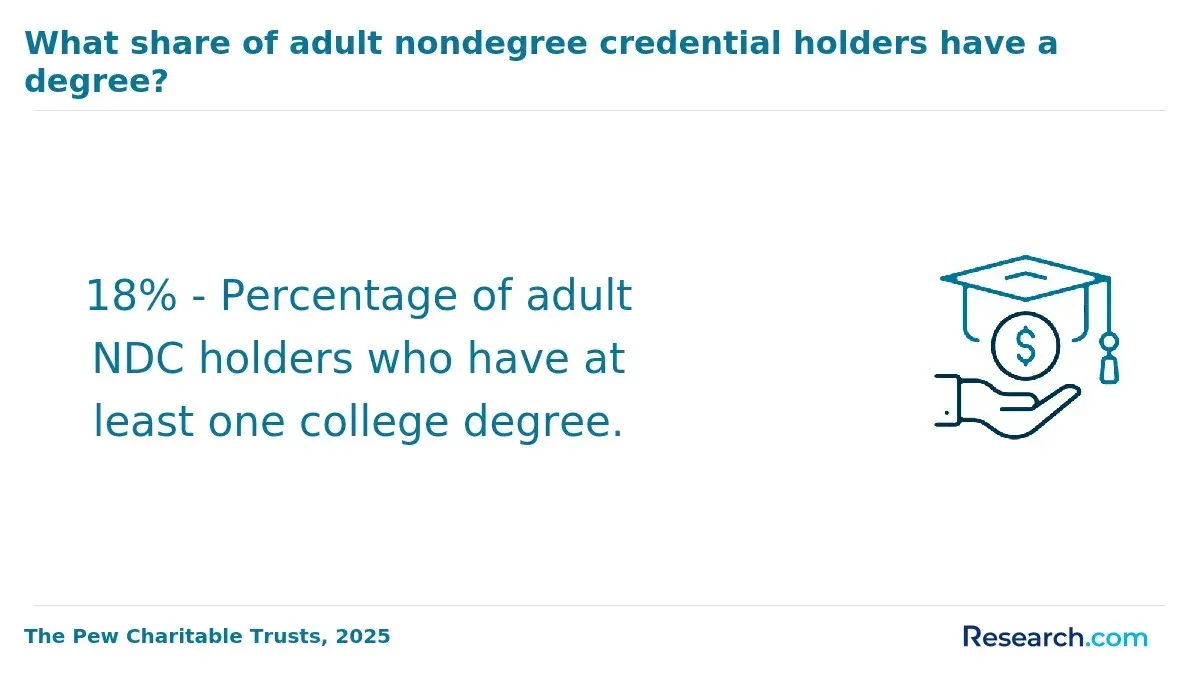
Approximately 62% of working adults completing aerospace engineering degrees prefer fully online programs, while 28% choose hybrid models-according to recent NCES data. These formats gained significant momentum after the COVID-19 pandemic, which pushed institutions to enhance virtual learning platforms and expand access across disciplines including aerospace engineering.
- Synchronous Learning: Live video sessions offer real-time interaction but can be challenging for adults managing varying work schedules or time zones due to fixed class times.
- Asynchronous Learning: Recorded lectures and flexible schedules provide independence-ideal for geographically distant learners-though they require strong self-discipline and time management skills.
- Hybrid Models: Blend online coursework with occasional campus visits for labs or design projects, balancing flexibility with hands-on experience but sometimes necessitating travel.
- Quality Indicators: Prospective students should ensure programs have faculty with both industry and academic credentials, maintain low student-to-faculty ratios, offer virtual tutoring and advising, and carry the same accreditation as on-campus equivalents.
- Decision Framework: When speaking with enrollment advisors, inquire about credit transfer policies, lab and internship access, licensure recognition, and availability of financial aid for working adults.
- Current Trend: The 2023 Online Learning Consortium report reveals a 15% annual rise in hybrid aerospace engineering degree completions, signaling increasing demand for adaptable, rigorous pathways tailored to professionals.
How Long Does It Take to Complete a Aerospace Engineering Degree Completion Program?
Completion time for an aerospace engineering degree completion program varies widely depending on factors such as prior credits, enrollment status, and program design. Students entering with 60 transferred credits typically need about two years of full-time study to finish remaining requirements. Those with 90 credits can sometimes complete in just one year, provided full-time enrollment and course availability align.
- Credit Transfer: Prior college coursework accepted by the program reduces time to degree but varies by institution and accreditation standards ensuring quality and recognition for licensure or employer credentials.
- Prior Learning Assessment (PLA): Military veterans and experienced professionals with documented PLA credits may cut 15-30 additional credits, though mandatory internships or capstones impose minimum time constraints that limit total compression.
- Enrollment Pace: Part-time learners often require three to four years depending on scheduling flexibility, while accelerated tracks demand rigorous study and excellent time management but shorten completion time.
- Fixed-Duration Requirements: Essential fieldwork, internships, or capstone projects follow prescribed minimum durations to maintain educational integrity and accreditation compliance, constraining how quickly a degree can be finished.
- Financial Impact: Faster graduation lowers tuition and fees paid, reduces opportunity costs by minimizing time out of the workforce, and enables earlier advancement into higher salary brackets-making program pacing a critical financial consideration for working adults.
- Verification: Prospective students should request documented average completion timelines specific to their credit profiles from programs rather than relying on idealized minimums that apply only to those with maximum credit transfer and sustained full-time enrollment.
What Accreditation Should a Aerospace Engineering Degree Completion Program Hold?
Regional Accreditation: This is the highest standard for aerospace engineering degree completion programs in the United States. Regional accreditors such as the Higher Learning Commission (HLC), the Middle States Commission on Higher Education, and SACSCOC evaluate entire institutions to verify they meet strict academic and administrative criteria. Degrees from regionally accredited schools are widely accepted by employers, graduate programs, and licensing boards. Moreover, students at these institutions qualify for federal financial aid, a crucial factor for working adults balancing education and other commitments. Recognized accreditation for aerospace engineering programs ensures that the credential holds value for career advancement and licensure eligibility.
National Accreditation: National accreditors, including the Distance Education Accrediting Commission (DEAC), typically oversee career-focused, technical, or vocational schools. While these programs may offer flexible scheduling, national accreditation is generally viewed as lower status and often limits credit transferability to regionally accredited programs, which can impede professional growth and further education. Many degree completion programs initially appealing to working adults list only national accreditation, which can carry reputational risks.
Programmatic Accreditation: Specialized accreditation plays a vital role in aerospace engineering. ABET accreditation is the recognized standard for engineering and technology programs-impacting licensure eligibility, hiring outcomes, and graduate school admissions. Programs with interdisciplinary components might pursue ACBSP or AACSB for business and CSWE for social work accreditation, shaping career paths depending on the field.
Risks of Unrecognized Accreditation: Numerous programs claim accreditation from unrecognized agencies, risking reputational damage and loss of financial aid eligibility. Employers and licensing bodies may not accept degrees from such institutions, jeopardizing career opportunities.
Verification and Due Diligence: Prospective students should independently verify a program's accreditation status by consulting the U.S. Department of Education's Database of Accredited Postsecondary Institutions and Programs (DAPIP). Relying solely on marketing materials can result in costly errors in credential selection. For those exploring interdisciplinary options, including business, programs such as the MBA in operations management online may complement aerospace engineering degree completion pathways.
How Much Do Aerospace Engineering Degree Completion Programs Cost, and What Financial Aid Is Available?
Costs for aerospace engineering degree completion programs vary significantly by institution and location. Public regional universities typically charge $300 to $600 per credit hour for in-state students, while private nonprofits range from $600 to $1,200 per credit hour. For-profit schools often exceed $1,000 per credit hour. Along with tuition, students must budget for mandatory fees-usually $500 to $1,500 annually-and technology or materials costs that can add several hundred dollars each semester. Some programs require on-campus residencies or intensives, generating additional travel and lodging expenses. Understanding the overall cost is essential when comparing the cost of aerospace engineering degree completion programs for working adults.
Financial aid tailored to working adults helps ease these expenses. Pell Grants are accessible even to part-time adult learners who qualify, while military-affiliated students benefit from GI Bill and MyCAA education benefits. Employer tuition reimbursement programs, common in engineering sectors, often cover partial or full tuition, significantly lowering out-of-pocket spending. Many institutions also award scholarships specifically designed for non-traditional adult enrollees. Completing the FAFSA is critical-adult learners usually file as independent students, which impacts financial aid eligibility and potential awards.
Tax credits further reduce costs. The Lifetime Learning Credit provides a tuition credit for eligible taxpayers, and IRS Section 127 allows employers to offer up to $5,250 annually in tax-free educational assistance. Consulting a tax professional is advisable to navigate these benefits according to individual circumstances. To accurately compare programs, students should factor in credit transfer policies, employer benefits, and net tuition after aid because sticker prices rarely reflect actual expenses for working adults.
Prospective students seeking degree options with a similar focus might also explore masters in library science, which sometimes offer comparable adult learner financial aid structures and flexible scheduling.
- Tuition Variation: Public regional universities offer the most affordable per-credit rates; private nonprofits and for-profit institutions charge more, reflecting resources and program format.
- Additional Costs: Fees, required residencies, and materials increase total expenses-budgeting accordingly is crucial.
- Financial Aid: Pell Grants, military benefits, employer reimbursement, and scholarships provide diverse funding for aerospace engineering degree completion students.
- FAFSA Importance: Adult learners filing independently can maximize access to aid aligned with their financial profile.
- Tax Advantages: Education tax credits and employer assistance reduce net costs-consulting a tax expert is recommended.
- Cost Comparison: Consider credit transfer, employer benefits, and net tuition for realistic out-of-pocket expense estimates.
What Career Outcomes Can Working Adults Expect After Completing a Aerospace Engineering Degree?
Completing a bachelor's degree in Aerospace Engineering offers a marked increase in earnings-median salaries for graduates often surpass $95,000 yearly, reflecting a substantial wage premium over those with some college experience but no degree. This credential frequently unlocks access to roles requiring a bachelor's degree, such as specialized engineering positions and managerial opportunities not available without formal completion.
- Career Advancement: Graduates report improved eligibility for promotions and access to credential-restricted job titles like aerospace project engineer or systems engineer.
- Professional Experience Integration: Adults earning their degree while working usually leverage prior industry experience to qualify for mid- to senior-level roles immediately after graduation, contrasting with traditional graduates who often start entry-level.
- Licensure and Graduate Study: Individuals pursuing professional engineer licenses or graduate education must ensure their bachelor's degree comes from an accredited program that meets credential requirements tied to these goals.
- Credit Maximization: Programs that recognize prior learning-including military training and ACE credits-help reduce time and cost, making degree completion more accessible for working adults.
- Program Quality and Accreditation: Confirming a program's accreditation and employer recognition is essential to securing career benefits and financial aid availability.
How Do Employers View a Aerospace Engineering Degree Completed Through a Completion Program?
Employers tend to focus on the accreditation and reputation of the institution granting an aerospace engineering degree rather than the path a student took to earn it. Surveys by groups such as the Society for Human Resource Management (SHRM) and the National Association of Colleges and Employers (NACE) reveal that hiring managers prioritize institutional quality over how much prior learning credit contributed to a degree.
Key considerations include:
- Diploma Equivalence: Degrees earned through completion programs generally do not indicate the method of completion, placing graduates on equal footing with those from traditional programs.
- Resume Presentation: Candidates should list their degree with the official institution name and avoid emphasizing the completion program; interview discussions can highlight the accelerated study as evidence of strong time management and commitment.
- Employer Verification: Certain roles-like federal government positions regulated by the Office of Personnel Management (OPM) or licensed professions under state boards-may closely examine how a degree was obtained. Prospective students in regulated fields should confirm credential acceptance before enrolling.
- Experience Weight: In most private-sector aerospace engineering roles, practical skills, relevant work history, and solid references carry more influence than concerns about degree completion format, validating the legitimacy of completion programs as career-advancing credentials.
What Graduates Say About Aerospace Engineering Degree Completion Programs for Working Adults
- Eddie: "Choosing a program with flexible scheduling formats was a game-changer for me-balancing full-time work and family commitments felt manageable throughout. The accreditation standards ensured that my degree held real value with employers, which gave me confidence in my investment. Plus, understanding the credit transfer policies upfront saved me both time and money, making this completion program truly stand out."
- Steve: "What I appreciated most was the program's clear focus on cost considerations without sacrificing quality-this allowed me to pursue my degree without plunging into overwhelming debt. The structural features of the curriculum were thoughtfully designed for working adults, offering practical application alongside theoretical knowledge. Career outcomes were transparent and promising, which helped me align my goals realistically from the start."
- John: "Reflecting on my journey, the credit transfer policies were a relief-my previous coursework was respected, accelerating my path to graduation. I found that programs adhering to rigorous accreditation standards consistently provided stronger industry connections and post-graduate opportunities. The varied scheduling formats meant I could attend live sessions or catch recordings later, which perfectly suited my busy lifestyle."
Other Things You Should Know About Aerospace Engineering Degrees
Most aerospace engineering degree completion programs provide tailored support services to help working adults balance studies with other commitments. These services often include academic advising, tutoring, career counseling, and technical assistance for online coursework. Many programs also offer flexible scheduling and access to digital libraries to accommodate students' busy lifestyles.
Yes, credits earned in aerospace engineering degree completion programs can often be transferred to graduate programs, particularly if the undergraduate program is accredited. It is important for students to verify that the completion program follows recognized curricula aligned with graduate admission requirements. Planning credit transfer early ensures a smoother transition to advanced degrees like a master's in aerospace engineering or related fields.
Networking is a crucial component of aerospace engineering degree completion programs-especially for working adults seeking career advancement. These programs may facilitate connections with industry professionals through virtual events, alumni groups, and project collaborations. Building a professional network can lead to job opportunities, mentorship, and valuable industry insights vital to career growth.
Networking is crucial in aerospace engineering degree completion programs, especially for working adults. It provides opportunities to connect with industry professionals, alumni, and peers, enhancing career prospects and staying updated with industry trends. Many programs incorporate networking through events, online platforms, and collaborative projects as essential elements of the learning experience.
References
- Best Jobs for Aerospace Engineering Graduates | NEWENGINEER https://newengineer.com/advice/best-jobs-for-aerospace-engineering-graduates-1510000
- Aerospace engineering - Wikipedia https://en.wikipedia.org/wiki/Aerospace_engineering
- Most Affordable Aerospace Engineering Schools https://careerkarma.com/blog/cheapest-aerospace-engineering-schools/
- How much time does it typically take to pursue a career in Aerospace Engineering? https://www.aviationjobsearch.com/career-hub/articles/career-advice/b1-engineer/how-long-does-it-take-to-become-an-aerospace-engineer
- Graduate careers advice: you and your aerospace engineering degree https://gradireland.com/careers-advice/engineering/graduate-careers-advice-you-and-your-aerospace-engineering-degree
- Scholarships to study aerospace engineering abroad - Holafly https://esim.holafly.com/students/study-aerospace-engineering-abroad/
- Campus vs Online Engineering Degrees - What Employers Think https://www.itcareerfinder.com/brain-food/blog/entry/what-employers-think-about-online-engineering-degrees.html
- Accreditation - Royal Aeronautical Society https://www.aerosociety.com/membership-accreditation/accreditation/
- Criteria for Accrediting Engineering Programs, 2025 - 2026 - ABET https://www.abet.org/accreditation/accreditation-criteria/criteria-for-accrediting-engineering-programs-2025-2026/
- Best Online Aerospace Programs: The Ultimate Resource Guide - Hex-Star Universe https://hexstaruniverse.com/best-online-aerospace-programs-the-ultimate-resource-guide/