2026 Entry-Level Jobs With a Physical Education Master's Degree

Co-Founder and Chief Data Scientist
Graduates with a master's degree in physical education enter a labor market shaped by distinct employer demands and credentialing requirements. Entry-level roles often require demonstrated competency in specialized instructional methods, program coordination, or rehabilitation techniques, reflecting sector-specific hiring structures. Recent workforce analyses highlight an increasing preference for candidates who combine academic knowledge with practical certifications and adaptive communication skills. Institutions and community organizations seek professionals capable of addressing diverse populations and evolving health standards.
Understanding these dynamics clarifies why job availability varies across subfields and regions, influencing early career trajectories and progression possibilities. This article examines typical entry-level positions and the employment contexts confronting physical education master's graduates.
Key Benefits of Entry-Level Jobs With a Physical Education Master's Degree
- Entry-level roles with a physical education master's often require additional certifications, reflecting a tradeoff between degree specialization and necessary licensure, which can delay immediate workforce entry.
- Employers increasingly seek candidates with practical applied skills; thus, graduates with internships or hands-on training within their program experience higher hiring rates in educational and community health sectors.
- A 2024 workforce study shows regional disparities in job availability, emphasizing timing and geographic factors as critical when investing in advanced physical education degrees for targeted career advancement.
What Entry-Level Jobs Can You Get With a Physical Education Master's Degree?
Entry-level in the context of graduate education rarely implies a purely novice role. For those with a physical education master's degree, many starting positions demand specialized knowledge, analytical skills, and direct responsibility for program development or participant outcomes. These roles often serve as critical footholds for career development, requiring graduates to apply advanced theory and evidence-based practice despite being at the outset of their professional journey. Variations in entry-level opportunities depend largely on the specific industry sector, prior hands-on experience, and the focus area within a physical education master's program.
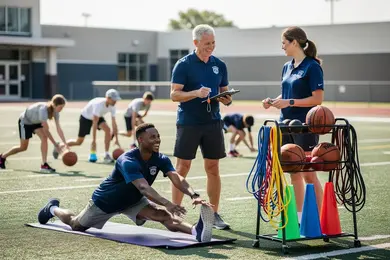
- Physical Education Teacher: This role involves delivering structured curricula at elementary or secondary school levels, blending pedagogical theory with practical fitness knowledge. Although commonly requiring licensure, the advanced degree often leads to leadership opportunities such as curriculum design or department coordination, positioning teachers for upward mobility within education systems where demand remains stable according to the U.S. Bureau of Labor Statistics.
- Fitness Instructor or Wellness Coach: Working in gyms, healthcare, or community centers, these professionals translate biomechanical principles into personalized exercise programming. Entry-level here means honing client interaction and assessment skills, creating a foundation for specialization in therapeutic fitness or performance training as industry growth continues in wellness sectors.
- Athletic Trainer or Rehabilitation Assistant: These supportive clinical or sports organization roles focus on injury prevention education and rehabilitation aid, often requiring additional certification. Entry-level incumbents build practical expertise in treatment modalities, laying groundwork for advanced certification and supervisory positions within medical and athletic organizations.
- Community Recreation Specialist: Managing physical activity programs in local government or nonprofit settings, these positions leverage a mix of educational content delivery and program administration. Their role requires strong organizational skills, offering a platform for advancement into managerial or policy-influencing roles that promote public health through physical activity.
Graduates seeking entry-level jobs with a physical education master's degree should consider not only immediate role functions but also how these positions align with longer-term specialization and career pathways. Demand projections underscore steady openings in education and health-oriented fitness sectors, while role responsibilities reflect a blend of theory application and practical impact. Understanding this interplay assists new professionals in navigating early career decisions and aligning their educational investments with workforce realities that support growth and refinement within the field. For a detailed perspective on industry earnings dynamics relevant to these pathways, examining what career makes the most money provides additional context on financial outcomes by major.
What Sectors Have the Strongest Demand for Graduate-Level Talent?
Demand for graduate-level talent with a master's degree in physical education stems from sector-specific dynamics beyond mere degree output, reflecting sustained structural needs for specialized knowledge and advanced competencies. Employers increasingly seek candidates who combine expertise in kinesiology, wellness programming, and data-informed practice alongside leadership and regulatory understanding. Sectors with growing or stable demand often align with broader demographic shifts, technological adoption, and institutional priorities that create openings suited to master's-trained professionals.
- Education: The dominant employer across K-12 and postsecondary institutions continues to require physical education specialists capable of delivering holistic wellness curricula and integrating emerging research into physical training programs. The U.S. Bureau of Labor Statistics highlights steady growth in postsecondary physical education roles, driven by heightened institutional focus on student health, interdisciplinary course offerings, and compliance with evolving education standards.
- Healthcare and Rehabilitation: Aging populations and preventive health initiatives fuel demand for physical education graduates as physical therapy assistants, rehabilitation coordinators, and wellness coaches. Labor market analytics underscore that while these roles offer robust opportunities, they often necessitate additional certifications or licenses, reflecting a regulatory environment that prioritizes patient safety and clinical efficacy.
- Community and Recreational Services: Local government agencies and nonprofit organizations increasingly prioritize physical activity programs to combat public health challenges. Graduates find entry-level positions designing community fitness initiatives or coordinating youth sports, roles which provide essential operational experience and a foundation for advancement into managerial or specialized wellness positions.
- Corporate Wellness and Fitness Technology: Emerging sectors focused on employee well-being and digital health platforms seek physical education professionals who integrate exercise science with technology and data analytics. These hybrid roles reflect evolving workforce health strategies and require adaptability to multidisciplinary demands, signaling a shift toward tech-enabled program development and outcome measurement.
One physical education master's graduate recalled the complexity of navigating admissions amid rolling deadlines and fluctuating program requirements. They hesitated initially, unsure about timing and whether to pursue additional certifications before applying. Eventually, the applicant submitted materials late in the cycle, which meant waiting anxiously for results while balancing job prospects. This delay underscored the importance of early preparation and strategic timing, especially given sector-specific hiring surges that often align with academic calendars and certification cycles.

Which Entry-Level Physical Education Careers Have the Highest Starting Salaries?
Starting salaries for entry-level roles related to physical education vary significantly and reflect more than academic credentials alone. Compensation typically aligns with the complexity of required skills, industry demand, regulatory oversight, and the direct impact the role has on organizational goals. Highest-paying positions often involve advanced certifications, healthcare integration, or specialized knowledge in wellness and injury prevention, demanding analytical proficiency and responsibilities beyond standard teaching duties.
- Physical/Occupational Therapist ($70,000-$85,000): These roles top the salary range due to mandatory licensure and clinical expertise that extend physical education principles into rehabilitative healthcare. The combination of medical knowledge, patient assessment skills, and strict professional standards creates a labor market with persistent demand and limited supply, justifying higher pay. Entry here also opens pathways to specialized therapy fields and leadership within health services.
- Exercise Physiologist/Corporate Wellness Coordinator ($50,000-$65,000): Professionals in these roles leverage physical education knowledge to design health promotion and injury prevention programs in healthcare or corporate environments. Salaries reflect increased employer emphasis on reducing healthcare costs and improving workforce productivity, requiring analytical evaluation of health data and program effectiveness. This niche offers potential growth as wellness initiatives expand across sectors.
- Public School Physical Education Teacher ($40,000-$50,000): Compensation tends to be more modest, dictated largely by district funding and regional economic factors. While these teaching positions provide job stability and community impact, the pay scales reflect relatively lower market urgency and less specialized technical requirements compared to clinical or corporate counterparts. Advancement often depends on moving into administrative or curriculum development roles.
- Sports Coach/Fitness Program Manager ($35,000-$55,000): Starting pay here varies with institutional resources and local demand for athletic training and fitness services. These positions combine coaching skills with program management responsibilities, requiring adaptability and leadership within competitive team or organizational settings. Their pay reflects a balance of technical skill application and the less regulated nature of the work environment.
Which Industries Pay the Most for Entry-Level Physical Education Master's Graduates?
Entry-level jobs with a physical education master's degree salary potential often reflect broader economic and structural dynamics within specific industries rather than individual credentials alone. Industries offering higher starting wages typically operate in sectors characterized by high regulatory standards, significant capital resources, or innovation demands where physical education expertise plays a crucial role in organizational effectiveness or risk reduction. Compensation at the entry level is therefore aligned with the scarcity of specialized skills and the direct impact these skills have on critical functions such as health outcomes, regulatory compliance, or performance optimization.
- Healthcare (rehabilitation and physical therapy): This sector frequently ranks highest in entry-level pay because it is highly regulated and essential to maintaining population health. Physical education graduates who contribute to rehabilitative programs help reduce long-term patient costs and hospital readmissions, roles which require specialized knowledge and result in comparatively lucrative starting salaries. According to recent compensation data from the U.S. Bureau of Labor Statistics, demand for physical therapy assistants and related therapy professionals continues to drive entry wages upward due to workforce shortages.
- Higher Education (teaching and research): Universities and colleges offer entry-level roles with moderate salaries but compensate through more stable employment and access to research funding. Entry positions in this industry reward physical education expertise combined with instructional and research capabilities important for curriculum development and advancing scientific understanding, which can elevate future earning potential.
- Sports Management and Coaching: In professional and semi-professional sports organizations, physical education graduates apply leadership and organizational skills that enhance athlete performance and operational efficiency. These positions benefit from industry profitability and sponsorship revenue, translating into competitive pay for entry-level roles where tangible outcomes like team success influence compensation.
- Fitness and Wellness Companies: Private fitness centers and corporate wellness programs prioritize preventive health and employee productivity, leveraging physical education skills to design impactful exercise regimens. While these roles generally offer lower entry wages compared to healthcare, growing corporate investment in employee well-being signals expanding opportunities and upward salary pressure over time.
For prospective students considering their pathway, conditional admission programs often require maintaining a minimum GPA and completing prerequisite coursework, which ensures preparedness for advanced material and professional standards. This approach aligns with employer expectations that physical education graduates possess both foundational knowledge and the practical skills necessary to meet industry demand effectively. Additional assessments or documentation may be necessary to verify competencies during these conditional periods.
Those exploring allied health education pathways linked to physical education roles might also consider relevant options such as online MFT programs, where hybrid skill sets blend health sciences and behavioral expertise, creating diverse career trajectories.
Which Skills Are Most Valuable in Entry-Level Positions?
Employers filling entry-level roles for physical education master's graduates increasingly prioritize demonstrated skills over credentials alone. The ability to translate technical knowledge into practical solutions that address organizational goals is central, even for those just starting their careers. Candidates who showcase proficiency in key functional areas tend to differentiate themselves and align better with employer expectations tied to measurable outcomes and team collaboration.
- Effective Communication: Beyond delivering instruction, this skill is critical for collaboration across diverse teams such as school administrators, healthcare professionals, and community partners. Clear communication establishes trust and facilitates stakeholder engagement, which employers view as essential for program success and ongoing support.
- Curriculum Development: Mastery in creating adaptable, evidence-based lesson plans reflects an entry-level professional's capacity for independent program management. Candidates with this skill signal readiness to contribute meaningfully to organizational goals and support scalable physical literacy initiatives, factors valued in dynamic education or community settings.
- Data-Driven Assessment: The rising emphasis on analytics allows new professionals to connect physical education efforts to quantifiable improvements in health and performance. Labor market data from 2024 shows that those proficient in evaluation tools tend to earn higher starting salaries, reflecting employers' demand for evidence-based approaches that demonstrate return on investment.
- Collaboration and Teamwork: Employers expect new hires to navigate multidisciplinary environments effectively. Being able to integrate physical education goals with broader health or academic objectives enhances program cohesion and increases workplace adaptability, impacting early career progression positively.
- Problem-Solving and Adaptability: Employers seek candidates who proactively address challenges such as diverse learner needs or resource constraints. Adaptable practitioners who balance pedagogical theory with practical adjustments help sustain program success in fluctuating conditions.
A graduate recounted their application experience during a rolling admissions cycle, highlighting the importance of timing and responsiveness. Initially uncertain whether their curriculum development experience met program expectations, they hesitated to apply immediately. After weeks of deliberation and engaging with faculty for clarification, they submitted their application just days before the deadline. This responsive approach, combined with clear articulation of their relevant skills, ultimately improved their application's competitiveness and underscored the value of strategic preparation in gaining early career opportunities.

Do Employers Hire Physical Education Master's Graduates Without Professional Experience?
Many employers do hire physical education master's graduates without professional experience, especially for structured entry-level roles such as assistant coaching, fitness instruction, or health program coordination. These positions often serve as talent pipelines allowing graduates to build practical skills on the job. Employer hiring behavior reflects recognition that while a master's degree advances theoretical understanding, it does not automatically equate to readiness for unsupervised professional responsibilities. Current hiring trends for physical education master's graduates show organizations increasingly rely on internships or practicum involvement to vet early-career candidates before committing to full-time roles.
The conditions enabling employment without prior experience typically involve a combination of strong academic performance, demonstrable practical engagement, and relevant certifications. Internships, capstone projects, and certifications in areas such as coaching, first aid, or specialized fitness training help substitute for direct workplace experience by signaling competence and reducing perceived hiring risk. Data from 2024 educational outcome studies indicate that candidates presenting verifiable hands-on skills alongside their degrees outperform purely academic peers in hiring competitiveness. These factors reflect employers' broader preference for competency-based hiring approaches in entry-level physical education jobs without experience, where proven application of knowledge carries significant weight.
Industry variation matters: sectors emphasizing client interaction or regulatory compliance often require prior exposure to practical settings, making it challenging for inexperienced graduates to enter without additional credentials. Conversely, areas open to data-driven decision-making or program development may exhibit greater flexibility in hiring less-experienced candidates who demonstrate analytical abilities and potential for growth. Graduates considering specialized fields such as masters in art therapy can observe a somewhat different landscape, where evolving industry standards and increasing demand across healthcare systems influence entry criteria. Overall, understanding these workforce dynamics helps align candidate preparation with employer expectations and improves long-term employability prospects.
Which Certifications Help Entry-Level Physical Education Master's Graduates Get Hired?
Certifications often serve as critical signals that demonstrate practical capabilities beyond the theoretical foundation provided by a physical education master's degree. Employers frequently look for credentials that verify applied competence or compliance with professional standards, especially in entry-level roles where hands-on skills and immediate job readiness matter. These certifications help bridge gaps between academic knowledge and industry expectations, positioning candidates as safer, more capable hires in competitive labor markets.
- State Teaching Certification for K-12 Physical Education - In public school settings, valid state licensure is the primary baseline credential, with about 70% of physical education teacher positions requiring it. This certification signals to employers that candidates have met regulatory standards, including curricula familiarity and legal compliance, which are indispensable for school-based roles.
- CPR/AED and First Aid Certification - Certifications in CPR and First Aid validate a candidate's readiness to handle health emergencies, a priority embedded in institutional risk management. Hiring managers, especially in youth sports and recreation programs, see these credentials as essential for ensuring safe environments and reducing liability, thus directly enhancing employability.
- Coaching Certification Relevant to Sports or Activities - Coaching credentials tailored to specific sports convey mastery of technical instruction and athlete development methods. They differentiate candidates in community and extracurricular roles where specialized knowledge is valued, reflecting alignment with practical program delivery and athlete safety standards.
- Adaptive Physical Education Certification - This niche certification addresses the educational needs of students with disabilities, signaling specialized expertise that broadens an applicant's versatility. While it demands extra preparation, it opens access to specialized teaching positions and can serve as a competitive advantage where inclusive programming is expanding.
According to recent labor market analysis, individuals combining a physical education master's degree with role-relevant certifications experience notably higher hiring rates in community fitness and youth coordination jobs. However, candidates should appraise certifications not only for their immediate hiring boost but also for how they integrate with targeted career pathways, as some credentials strongly align with public education roles, while others lead toward private sector or specialized opportunities.
What Remote Jobs Can You Get With a Physical Education Master's Degree?
Remote job opportunities for graduates with a master's degree in physical education have expanded due to advances in digital platforms, cloud-based collaboration tools, and global talent sourcing. However, not all roles within this field adapt equally to remote work; compatibility depends largely on the ability to produce measurable, digital deliverables and operate within asynchronous or collaboration-light workflows. Employers increasingly assess remote candidates on their proficiency with virtual engagement tools and outcome-driven productivity, influencing how physical education expertise translates into remote roles.
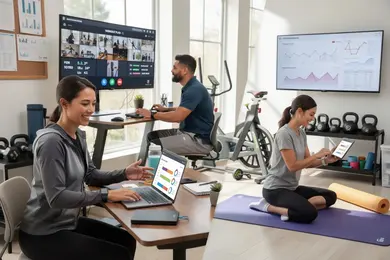
- Online Health and Fitness Coach: This role leverages physical education master's-level knowledge to develop customized exercise programs delivered via video conferencing and specialized fitness apps. Remote suitability arises from digital content creation, progress tracking through cloud platforms, and client communication primarily conducted asynchronously or with flexible scheduling. Performance is often measured by client adherence and outcome metrics rather than in-person supervision.
- Remote Wellness Coordinator: Wellness coordinators design and manage employee health initiatives within organizations remotely, using virtual dashboards to monitor participation and health metrics. Their physical education background aids in structuring effective programs, while digital fluency supports integrating behavioral health data. The remote format demands strong written communication and data analysis skills, with advancement tied to capacity for cross-departmental virtual collaboration.
- Content Creator for Health and Fitness Education: Graduates can apply pedagogical expertise to create digital instructional materials such as video tutorials, articles, and e-learning modules. The remote nature of this work aligns with tasks that are independent, deadline-driven, and produced for global audiences via cloud platforms. Success depends on mastering multimedia tools and aligning content with evidence-based standards.
- Telehealth Physical Therapy Assistant: Though often requiring additional certification, this hybrid-remote role supports patient rehabilitation via virtual sessions and remote monitoring technologies. Physical education skills aid in understanding movement mechanics, while remote workflows emphasize real-time video interaction balanced with asynchronous data collection. The position tends to have strict documentation and compliance requirements reflecting healthcare regulations.
How Competitive Is the Entry-Level Job Market for Physical Education Master's Graduates?
The entry-level job market for physical education master's graduates varies widely by geographic labor market, industry demand, and specialization within the field. Certain subfields, such as adapted physical education or community fitness instruction, often experience more steady hiring due to consistent public school and health program funding. Meanwhile, roles tied to elite sports or specialized athletic training see sharper fluctuations in demand and can be highly competitive based on location and available positions. Labor market data from the U.S. Bureau of Labor Statistics suggests a moderate overall growth rate of about 7% over the next decade for physical education specialists, reflecting average expansion compared to other occupations, which shapes the baseline competitiveness for new entrants with advanced degrees.
Employer expectations contribute heavily to competition levels, as many hiring managers prioritize candidates with evidence of practical experience beyond academic credentials. Internships, coaching certifications like CPR or adaptive physical education credentials, and applied project work differentiate candidates with a master's degree from those lacking such proficiencies. This emphasis on technical and experiential qualifications intensifies competition, even at entry-level roles, where educational attainment alone rarely suffices. As a result, the supply of master's degree holders with limited hands-on experience often faces bottlenecks, reinforcing the advantage of diversified skills in securing desirable positions within the entry-level physical education master's degree career opportunities and hiring outlook.
Graduates who strategically develop specialized skills or seek roles in underserved subfields can improve their positioning amidst saturated markets. While public schools and community programs typically offer higher volume hiring, specialized sectors may see talent shortages that reduce candidate competition. Navigating this nuanced landscape requires understanding credentialing and licensure requirements alongside practical skill acquisition. For those still exploring educational pathways, or can you get a physics degree online offers comparative insight into degree affordability and alternative specialization opportunities, underscoring the importance of aligning educational investment with viable labor market outcomes.
Which Entry-Level Roles Have the Strongest Long-Term Growth Potential?
Long-term career growth in physical education often depends more on the skills, responsibilities, industry exposure, and advancement potential inherent in entry-level roles than on job titles alone. The strongest entry-level positions provide transferable skills, insight into strategic decision-making, and opportunities to develop expertise relevant as industry demands evolve. These roles tend to facilitate clearer pathways toward leadership, specialization, and higher earning potential.
- Physical Education Instructor: Entry-level instructors who engage deeply with curriculum development and student assessment build foundational leadership and program management skills. Advancement often leads to coordinative or administrative roles in schools or community organizations where strategic planning and instructional oversight are prized.
- Athletic Trainer: Trainers who acquire certifications and work across diverse populations position themselves for specialized roles in sports medicine, rehabilitation, or corporate wellness. Their technical expertise combined with client management experience supports upward mobility in healthcare settings.
- Fitness Program Coordinator: Coordinators managing multiple programs gain operational, budgeting, and team leadership experience. This role's scope often expands into health promotion or wellness consultancy, where strategic health initiatives create value for organizations.
- Health Promotion Specialist: Specialists integrating community health initiatives and tracking program outcomes develop skills in data analysis and policy implementation. These capabilities enable movement into public health leadership or educational outreach roles aligned with evolving industry priorities.
Students considering conditional admission offers should evaluate whether requirements are achievable without disrupting their timelines, as conditional admission often mandates completing specific coursework or competencies beforehand. Researching graduate outcomes linked to roles like athletic trainer or health promotion specialist clarifies how leadership potential, certifications, and program management skills correlate with stronger long-term growth.
Alignment of curriculum with modern demands-such as health technology integration and partnerships with health organizations-significantly boosts early-career progress. Total costs-time, tuition, and opportunity costs-should be weighed against typical entry-level salaries and advancement trajectories, which may include paths into school administration or sports psychology for higher compensation.
Entry-level roles with high growth prospects reflect positions that combine foundational knowledge with emerging industry demands and career advancement opportunities, fitting the needs of many employers focused on leadership and program management. For insights on credit transfer opportunities relevant to your education path, explore can you transfer MBA credits.
What Graduates Say About Entry-Level Jobs With a Physical Education Master's Degree
- Tristan: "Right after completing my master's in physical education, I quickly learned that many employers prioritized demonstrated skills over traditional licensure. My internship portfolio, which included tailored lesson plans and video examples of my coaching methods, opened more doors than just the degree itself. I focused on roles that allowed remote and flexible schedules, finding that smaller private schools valued those qualities. While the starting salary wasn't high, gaining experience in diverse settings helped me build a foundation to negotiate better positions later."
- Jesiah: "Graduating with a master's in physical education was just the beginning of a competitive job market. I found many entry-level positions required additional certifications beyond the degree, like CPR and adaptive PE credentials. The reality is employers often look for immediate versatility and practical experience, so I decided to take a part-time role in community sports programs while completing certifications. This approach delayed my full-time ambitions, but it gave me a realistic view of advancement challenges without licensure and the importance of networking in this field."
- Christopher: "After finishing my physical education master's, I initially aimed for a high school teaching role but quickly discovered that many schools preferred candidates with state licensure or years of classroom experience. Instead, I pivoted to a corporate wellness position that allowed faster entry and remote work, which suited my lifestyle better. The trade-off was a lower starting salary and less traditional career progression, but the role expanded my skills in health promotion and event coordination, offering unexpected pathways I hadn't considered during my studies."
Other Things You Should Know About Physical Education Degrees
Practical teaching experience is often a decisive factor for entry-level roles and can outweigh academic credentials alone. Programs that integrate substantial hands-on internships or student teaching placements better prepare graduates to meet employer expectations in effectively managing diverse classrooms and designing adaptable lesson plans. Prioritizing programs with built-in fieldwork can significantly smooth the transition into day-to-day responsibilities and increase early career stability.
Specializing in areas such as adapted physical activity, coaching, or kinesiology can enhance job prospects but also narrows your entry-level options if you target very specific roles. Employers may prefer candidates who demonstrate versatile skills applicable to broader PE settings over niche expertise. For most graduates, it is advisable to balance specialization with foundational teaching and program design skills, allowing greater flexibility when entering the workforce.
Entry-level physical education jobs often demand extensive time beyond scheduled hours, including planning, grading, and extracurricular supervision. This workload can be taxing especially without experience managing competing priorities or navigating institutional bureaucracy. Recognizing this early and developing strong organizational habits during the master's program will help mitigate burnout and support longevity in the field.
While initial salary is important, jobs with structured mentorship, continuing education support, and pathways for advancement typically yield better long-term career outcomes. Graduates should weigh early earnings against the potential for skill growth and network building, which often outweigh short-term pay advantages. Prioritizing positions with clear professional development frameworks is generally the wiser strategic choice to accelerate career progression.
References
- Remote & Hybrid Physical Education Teacher Jobs | iHireElementaryTeachers https://www.ihireelementaryteachers.com/t-physical-education-teacher-remote-jobs.html
- Physical education graduate teaching programme jobs worldwide https://www.tes.com/jobs/browse/physical-education-graduate-teaching-programme
- Top 10 Career Options in Physical Education [ 2025 https://www.foundit.in/career-advice/career-in-physical-education/
- apart from a professional degree in physical education what other key skills are required for opting for a - Brainly.in https://brainly.in/question/60829208
- Top 20 Careers With a Master’s in Exercise Science | PLNU https://www.pointloma.edu/resources/health-sciences/top-20-careers-masters-exercise-science
- Careers in Physical Education: Opportunities, Scope, Skills & Future Growth Guide https://fiteduhub.com/careers-in-physical-education/
- What are the Career Opportunities for a BA (Hons) Physical Education Graduate? https://blog.portobelloinstitute.com/what-are-the-career-opportunities-for-a-ba-hons-physical-education-graduate
- Physical Education Teacher, M.S.Ed. - Brooklyn College https://www.brooklyn.edu/academics/programs/physical-education-teacher-msed/
- Career Paths after M.P.Ed. (Master of Physical Education) https://www.lpu.in/blog/career-paths-after-mped-master-of-physical-education/
- 85 Graduate Physical Education Teacher Jobs https://www.reed.co.uk/jobs/graduate-physical-education-teacher-jobs