2027 Physical Education Practicum Requirements Explained

Co-Founder and Chief Data Scientist
Meeting practicum requirements poses a significant challenge for students pursuing a physical education degree in the United States. These students must navigate diverse supervision standards, mandatory background checks, minimum GPA thresholds, and varying placement settings-all while adhering to state-specific rules and program guidelines. According to recent data, over 65% of physical education students cite securing and completing required field placements as a critical factor affecting timely graduation and certification eligibility. Understanding practicum criteria early can prevent delays that impact career readiness. This article explains practicum expectations, how they differ by state and specialization, and offers strategies to keep students on track for graduation and licensure.
Key Things To Know About Physical Education Practicum Requirements
- Practicum requirements provide essential hands-on experience, enabling students to apply theoretical knowledge in real-world settings, enhancing teaching effectiveness and confidence.
- Field experience and internships foster professional networking opportunities crucial for job placement and career growth within physical education and related fields.
- Supervised clinical placements to ensure students develop critical skills in assessment, safety management, and individualized activity planning, preparing them for licensure and certification standards.
What Is A Practicum In Physical Education Program?
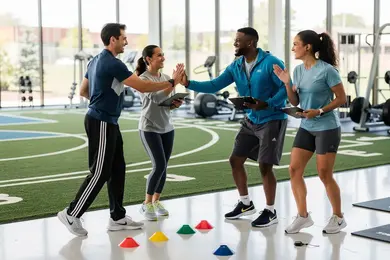
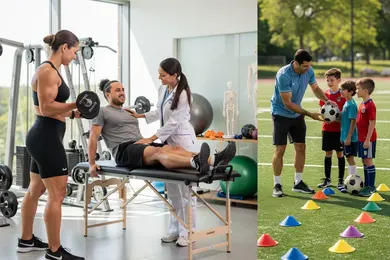
A practicum within physical education degree programs is a focused, supervised experience that connects academic theory with practical application in real-world settings. Typically embedded in U.S. higher education curricula, these practicums allow students to engage directly with teaching or coaching under professional mentorship. Studies show that over 70% of employers in education prefer candidates who have completed structured experiential learning components like practicums, highlighting their value in workforce readiness.
Key features of a physical education practicum include:
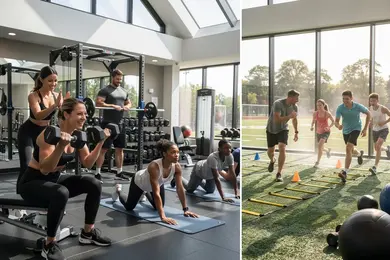
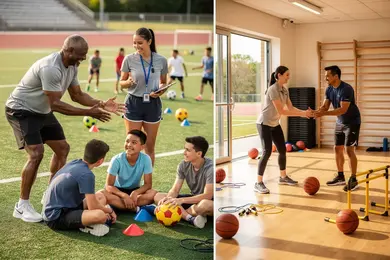
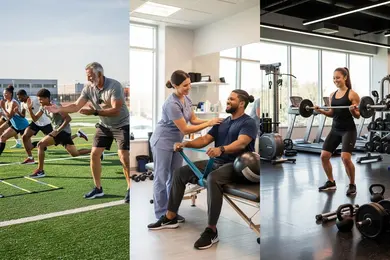
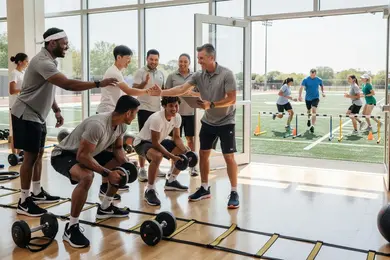
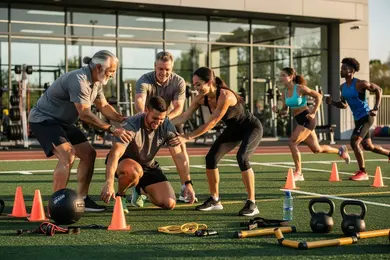
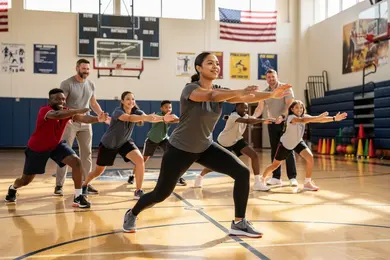
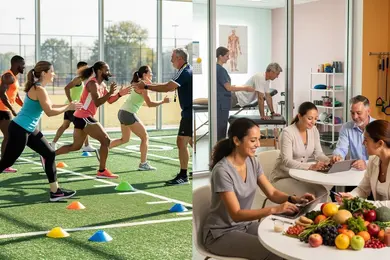
- Structured Fieldwork: Unlike internships or capstone projects, practicums emphasize hands-on teaching or coaching in environments such as schools, recreation centers, or community organizations. This immersion helps students apply pedagogical and health theories in diverse, supervised settings.
- Placement Within Curriculum: Typically occurring after foundational coursework in physical education theory and pedagogy, practicums serve as a bridge between classroom learning and professional practice, usually in the latter stages of the degree program.
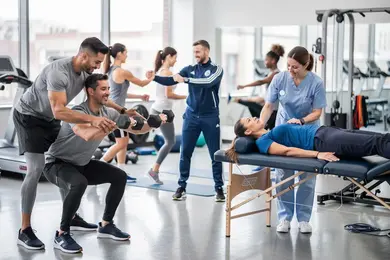
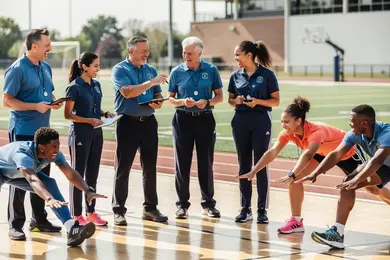
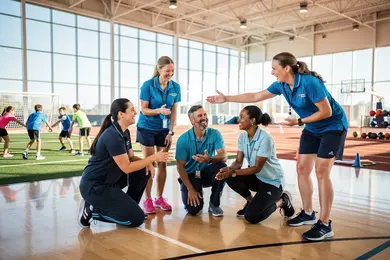
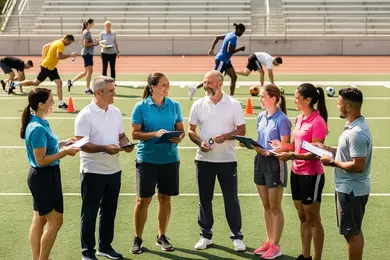
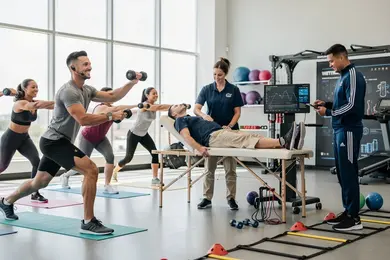
- Supervision And Evaluation: Licensed professionals or university faculty closely monitor students' work, providing formal evaluations and ongoing feedback to ensure skill development and adherence to professional standards.
- Eligibility Requirements: Students must often meet GPA and attendance criteria and complete prerequisite courses before gaining approval to commence their practicum, ensuring preparedness for applied learning.
- Certification And Graduation Milestones: Completion of practicum requirements is usually essential for state licensure or national certification in physical education and is required for degree completion and progression toward graduation.
Physical education practicum requirements are thus a strategic career asset, not merely an academic formality-they build competencies, foster industry exposure, and enhance employability. For students seeking an easiest masters degree to get online, understanding practicum expectations helps in selecting programs aligned with career goals.
What Are The Eligibility Requirements For Physical Education Practicum?
Practicum eligibility standards exist in physical education programs to ensure that students are academically and professionally prepared for the demands of supervised field experiences. These rigorous requirements help safeguard both students and client populations while enhancing the quality of experiential learning. Research indicates that about 85% of physical education programs mandate demonstrable competency prior to practicum placement to align with accreditation and workforce readiness expectations.
Common eligibility criteria for a physical education practicum include the following:
- Minimum GPA: Programs typically require students to maintain a minimum grade point average, often 2.5 or 3.0 on a 4.0 scale, to confirm consistent academic performance and readiness for applied learning challenges.
- Prerequisite Coursework: Completion of foundational courses, covering anatomy, kinesiology, health education, and pedagogy, is essential to ensure students possess the necessary theoretical knowledge for practicum tasks and align with prerequisite courses for physical education practicum completion.
- Faculty Approval: Students usually need formal approval from program advisors or departmental committees attesting that they have met academic and professional benchmarks and are prepared for field experiences.
- Enrollment Status and Progression: Eligibility is often restricted to students actively enrolled and having reached a designated stage in their physical education curriculum, such as junior or senior year standing, to ensure maturity and content readiness.
- Health and Compliance Documentation: Many programs require submission of background checks, immunizations, drug screenings, health clearances, and sometimes liability waivers to meet institutional and legal standards.
These standards collectively prepare students by reinforcing competencies that enhance practical skill development and adherence to professional expectations. For those considering further specialization, exploring programs such as an online master's in counseling can complement physical education practicum readiness with interdisciplinary approaches to health and wellness.
How Many Practicum Hours Are Required For Physical Education Program?
Practicum hour requirements serve as a crucial mechanism to bridge academic learning with practical experience in physical education programs. These experiential hours vary according to institutional policies, state mandates, and accreditation guidelines, often reflecting the importance employers place on hands-on training-studies suggest that over 70% of organizations prioritize candidates with direct field experience. Understanding these requirements helps students plan effectively for their professional development.
Key elements influencing practicum hour expectations include:
- Typical Hour Ranges: Requirements generally span from 150 up to 400 hours, shaped by degree level and program focus. Undergraduate tracks may demand fewer hours, while graduate programs or certification pathways tend to require more extensive practicum engagement.
- Observation vs. Participation: Hours are often segmented between passive observation of seasoned educators and active involvement in teaching or coaching. Programs emphasize direct participation to build essential competencies but also allocate time for shadowing to gain contextual understanding.
- Phased Experiences: Many programs organize practicums in multiple stages or rotations, exposing students to various settings such as primary, secondary, or community environments. This diversified approach strengthens adaptability and broadens skill application.
- Supervision and Documentation: Close oversight by qualified supervisors ensures meaningful feedback and professional growth. Completion is tracked through detailed logs, signed evaluations, and performance assessments aligned with licensure standards.
- Scheduling and Timelines: Students typically devote 8 to 12 hours weekly across one or more semesters to fulfill requirements. Programs set structured timelines to balance practicum hours with academic coursework, ensuring steady progress toward completion.
A professional who completed his physical education practicum described the experience as simultaneously demanding and rewarding. He recalled the initial challenge of coordinating hours around classes and adjusting to the responsibility of leading activities under supervision. "It was tough balancing everything," he said, "but seeing real-time student engagement made the effort worthwhile." He emphasized that logging hours meticulously and seeking regular feedback were critical to meeting program expectations and feeling prepared for his career. This hands-on phase provided the confidence and practical insight he needed before entering the workforce.
What Courses Must Be Completed Before Starting Practicum?
Prerequisite coursework plays a crucial role in equipping students with the necessary academic foundation before they begin a physical education practicum. Educational programs mandate these courses to ensure students develop the skills and knowledge needed for practical, supervised field experiences-research indicates students who complete such structured curricula show 25% greater readiness for applied work. This sequencing enhances student preparedness and meets evolving employer expectations for experiential learning.
Typical required courses before starting a physical education practicum placement include:
- Core Theory: Foundational studies in human anatomy, physiology, kinesiology, and motor learning establish scientific insight into bodily functions and movement. This prepares students to understand and teach physical activity during their practicum.
- Professional Ethics: Training in ethical standards, legal responsibilities, and conduct ensures students grasp accountability and integrity essential for supervised practice.
- Research and Assessment Methods: Courses focused on evaluating scientific literature, study design, data interpretation, and fitness assessment teach students evidence-based evaluation skills critical to their practicum roles.
- Communication Skills: Coursework in verbal and written communication fosters the ability to interact effectively with clients, peers, and supervisors in educational or clinical settings.
- Field-Specific Competencies: Depending on the program-such as nursing, education, psychology, counseling, or allied health-students engage in specialized training, for example, adaptive physical education or injury prevention, that tailors their skills to particular practicum demands.
Prerequisite requirements vary by discipline and reflect the need for proper academic progression to determine practicum eligibility. For students exploring related pathways, such as cybersecurity programs, similar structured prerequisites underscore the importance of comprehensive preparation ahead of practical fieldwork.
How Does The Physical Education Practicum Placement Process Work?
The practicum placement process in physical education programs connects academic learning with supervised hands-on experience by coordinating students' fieldwork with external organizations. Institutions rely on structured systems to ensure placements align with educational standards and prepare students professionally-research shows nearly 70% of education employers favor candidates with applied practicum experience. These frameworks support students in gaining real-world skills and confidently transitioning into their careers.
Key phases and requirements involved in practicum placements include the following:
- Eligibility Verification: Programs confirm students fulfill academic progress, health requirements, and background checks before placement. This step typically involves submitting immunization records, clearance forms, and completion of necessary coursework.
- Application and Matching: Students provide site preferences or applications through coordinators who align candidates' goals with available host settings while meeting program criteria and timelines.
- Host Organization Coordination: Institutions collaborate with schools, community centers, or recreational programs that agree to supervise students and provide safe environments supporting curricular objectives.
- Interview and Screening: Prospective placements often require students to undergo interviews or screening by host sites to assess readiness, professionalism, and suitability.
- Faculty Oversight and Monitoring: Program staff supervise progress, verify completion of required hours, ensure compliance, and address issues during the practicum experience.
- Placement Confirmation and Onboarding: Upon approval, students receive formal placement notices and complete onboarding tasks such as orientation, training, and agreement signings, adhering to established schedules and reporting requirements.
A physical education professional who completed her practicum shared that the process initially felt complex due to multiple administrative steps and deadlines, but clear communication from her program helped ease concerns. She recalls, "Coordinating with my site and faculty was challenging at first, especially managing paperwork and interviews, but these helped me understand what was expected." Reflecting on her experience, she emphasizes that the practicum was crucial in building confidence and practical skills, truly bridging classroom theory with real-world practice as she launched her career.
What Documents And Paperwork Are Required Before Practicum?
Completing specific documentation before beginning a practicum in physical education programs is essential for ensuring student eligibility, institutional compliance, and maintaining safety standards at placement sites. Research shows that over 85% of higher education programs require thorough health and background checks to protect both students and host organizations during field experiences. This paperwork guarantees that students are prepared and meet professional and legal obligations.
Commonly, students must submit several key documents and approvals prior to practicum authorization, including the following:
- Practicum Application: This form signals a student's readiness and intent to participate in the practicum. It usually asks for academic details, preferred settings for placement, and necessary approvals from faculty or coordinators. Timely submission is critical to align with institutional scheduling.
- Institutional Approval: Verification from the academic program confirming that students fulfill prerequisites and maintain good standing ensures their preparedness for practical teaching or coaching roles. This step helps integrate practicum activities with curriculum goals.
- Medical Clearances and Immunizations: Health documentation-such as TB screenings, flu vaccines, and other required immunizations-helps minimize health risks for both students and those they will interact with. These must often be current and verified before placement.
- Background Checks and Liability Waivers: Criminal record screenings meet legal requirements, particularly when working with youth populations. Liability waivers clarify the responsibilities and risks acknowledged by the student during their fieldwork.
- Confidentiality and Consent Forms: Students agree to uphold privacy standards regarding information encountered in the practicum environment, reinforcing the ethical framework required in professional physical education settings.
- Placement-Specific Documents: Additional materials such as safety training confirmations, dress code acknowledgments, or insurance proof may be required depending on the host site's policies. These bolster the student's readiness for site expectations.
What Background Checks, Immunizations, Or Clearances Are Needed?
Pre-practicum compliance requirements in Physical Education programs are essential for safeguarding both student participants and the communities they serve. These health, safety, and legal clearances ensure that placements meet professional and regulatory standards. According to a 2023 report from the National Student Clearinghouse, over 85% of healthcare and education-related practicum programs now require comprehensive background and health screenings as standard protocol.
The following are common requirements students must fulfill before beginning their practicum experiences:
- Criminal Background Checks: These reviews screen for offenses that could disqualify students from working with youth or vulnerable groups. They generally involve fingerprinting and checks at state and federal levels to ensure legal compliance and community safety.
- Child Abuse Clearances: Since many Physical Education practicums involve minors, students must obtain clearances from state child abuse registries. These documents uphold protective policies and adhere to ethical standards in education and social service environments.
- Immunization Records: Proof of current immunizations-such as measles, mumps, rubella (MMR), varicella, tetanus, and influenza-is typically required. This protects both students and those they work with from communicable diseases.
- CPR and First Aid Certification: Valid certification in cardiopulmonary resuscitation and first aid is often mandatory to prepare students for emergency response in field settings.
- Drug Screening: Some placement sites mandate drug tests to maintain a safe and professional practicum environment. Requirements vary by institution and accrediting bodies.
- Field-Specific Variations: Depending on the placement location or academic discipline, additional requirements-such as tuberculosis testing or occupational health approvals-may apply. Completion timelines and documentation procedures can differ accordingly, sometimes resulting in placement delays.
What Should Students Expect During Physical Education Practicum Placement?
Practicum placements in physical education programs bridge academic study with supervised real-world experience, providing a crucial stage for applied learning. These placements enable students to translate theory into practice, which is vital given that 85% of graduates in hands-on training report increased confidence and enhanced job readiness. This experiential learning grows increasingly important as employers prioritize practical skills and workplace adaptability.
Students should expect the following important components during their physical education practicum placement:
- Daily Responsibilities: Students assist with lesson planning, facilitate physical activities, and monitor student participation. These tasks offer a practical understanding of instructional strategies and classroom management relevant to physical education contexts.
- Supervision and Mentorship: Placements are conducted under the guidance of experienced physical educators who provide ongoing support and constructive feedback. This mentorship ensures exposure to professional standards through direct observation and coaching.
- Professional Conduct: Adherence to school policies, punctuality, and ethical communication are required. Cultivating professional behavior with students, staff, and parents is fundamental to successful practicum experiences.
- Performance Evaluation: Evaluation methods typically include formal observation, self-reflection, and supervisor assessments based on specific competencies. These criteria focus on instructional skills, classroom management, and adaptability-key aspects of the evaluation criteria during physical education practicum placements.
- Skill Development: The practicum enhances practical teaching techniques, safety protocols, and student engagement methods. These developing skills build readiness for full-time roles within schools or community settings.
- Communication Practices: Effective collaboration with teachers, administrators, and peers is emphasized, fostering essential interpersonal skills. Navigating professional environments helps integrate students into workplace cultures and teamwork.
- Learning Challenges: Students often face challenges adapting theory to dynamic real-world contexts. Overcoming these supports growth by reinforcing problem-solving, resilience, and flexibility.
For those seeking quick certifications that pay well, physical education practicum experiences can offer a strategic career asset, enhancing employability through applied expertise and professional networking.
How Are Practicum Students Supervised And Evaluated?
Supervision and evaluation in practicum experiences ensure that students effectively translate theoretical learning into practical skills while fostering professional growth and academic accountability. Oversight structures commonly found in U.S. physical education programs provide the guidance and assessment necessary to prepare students for workforce demands-studies show that well-designed experiential learning can boost student readiness for employment by up to 35%. These processes help maintain consistent standards across diverse practicum settings.
Key components of supervision and evaluation include:
- Supervisor and Mentor Roles: Supervisors monitor students' day-to-day activities, offering immediate support and technical expertise. Mentors complement this by providing ongoing professional advice and encouraging reflection on performance aligned with career objectives, which is crucial for practicum student supervision methods in physical education programs.
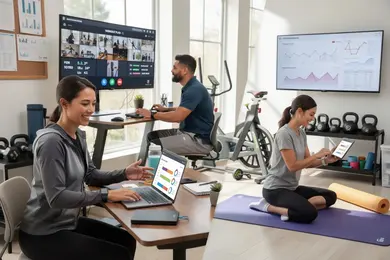
- Communication and Feedback: Continuous communication occurs among students, supervisors, and faculty advisors through meetings, digital platforms, and written reports. This feedback loop helps adjust learning objectives promptly to align with individual progress and practicum expectations.
- Assessment Techniques: Multiple evaluation tools are employed, including direct observation of teaching and coaching skills, competency checklists, reflective journaling for self-assessment, and scheduled progress reviews. These diverse methods comprehensively measure skill development and applied learning.
- Documentation and Reporting: Performance records are documented by supervisors and site coordinators using standardized evaluation forms or secure systems. This documentation supports final grading and fulfills requirements set by accrediting bodies.
- Institutional Variation: While core principles are consistent, supervision intensity and evaluation criteria may differ based on program design, accrediting standards, and specific field settings, allowing flexibility to accommodate varying practicum environments and evaluation criteria for physical education practicum students.
Students interested in pathways connecting communication sciences to physical education fields can explore specialized options like speech pathology bridge programs, which similarly emphasize supervised training and mentorship.
How Does Practicum Help With Licensure Or Certification Requirements?
Practicum experiences play a vital role in helping students meet licensure or certification requirements across physical education and related professions. These supervised placements link classroom learning with professional standards, ensuring candidates gain practical skills aligned with regulatory expectations. Studies show that nearly 87% of employers in education and healthcare prefer applicants who have completed structured practicum programs as part of their credentialing.
Key components of practicum requirements include:
- Field Experience Hours: Practicums provide documented hours of hands-on involvement with clients or students, fulfilling mandatory clinical or fieldwork time required by licensing boards. These hours demonstrate direct application of academic theories in authentic settings.
- Competency Evaluation: Students undergo ongoing assessments throughout the practicum, measuring their proficiency in essential skills, effective communication, and adherence to professional ethics. These evaluations confirm readiness for certification benchmarks.
- Supervisory Oversight: Licensed professionals closely monitor practicum participants, aligning mentorship and feedback with national accreditation standards or state licensing requirements. This supervision ensures training quality and compliance.
- Completion Documentation: Educational institutions maintain thorough records and portfolios verifying practicum fulfillment, submitting official confirmations to certifying agencies. This formal tracking supports transparency and licensure eligibility.
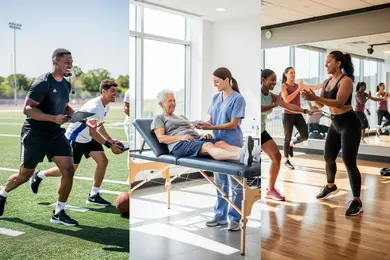
- Discipline-Specific Standards: Practicum criteria adapt to various fields such as physical education, athletic training, counseling, or health promotion, reflecting unique certification demands within each specialization.
What Do Students Say About Their Physical Education Practicum Experience?
- Raul: "During my physical education practicum, I initially faced some hurdles meeting the eligibility requirements, which delayed my start. However, once placed, my expectations were exceeded by the hands-on opportunities and support I received. The supervisors were very approachable and provided detailed evaluations that helped me grow professionally."
- Elisha: "Reflecting on my practicum experience, I was pleasantly surprised by the seamless coordination between the university and placement site. Although I was nervous about the evaluation process, feedback was constructive and focused on developing specific skills. Overall, this practicum solidified my passion for physical education and teaching."
- Michael: "I approached my physical education practicum with a professional mindset; the structured supervision ensured that all my tasks aligned with academic standards. While some expectations about classroom control were challenging to meet, the evaluators offered practical advice rather than just criticism. This experience was invaluable in preparing me for future roles in the field."
Other Things You Should Know About Physical Education Degrees
Yes, many physical education practicum programs allow placements in community centers, sports clubs, or recreational facilities. These settings provide diverse experiences beyond traditional classrooms and help students develop adaptable teaching and coaching skills.
Students typically enhance communication, lesson planning, and classroom management skills during their practicum. They also gain experience in adapting activities to different student needs and in using assessment tools to measure physical progress.
In 2027, there are no standardized costs or fees mandated for physical education practicums. However, students may incur incidental expenses such as travel, uniforms, or certification fees. It's crucial to check with specific institutions for any unique financial obligations related to their practicum programs.
References
- PED 349 - Physical Education Practicum - https://catalog.cortland.edu/preview_course_nopop.php
- Practicum https://www.ualberta.ca/en/kinesiology-sport-recreation/programs/undergraduate-programs/practicum/index.html
- What Students Should Learn in Physical Education: Key Standards https://blog.gophersport.com/what-students-should-learn-in-pe/
- Medical University of GdaÅsk https://sportscenter.mug.edu.pl/54913.html
- What is a Counselling Practicum and Why It Matters? - Yorkville https://www.yorkvilleu.ca/blog/macp/what-is-a-counselling-practicum-and-why-it-matters/
- Top 5 Tips for Physical Education Trainees - PE Scholar https://www.pescholar.com/insight/top-5-tips-for-physical-education-trainees/
- Sport and Exercise Practicum https://www.massey.ac.nz/study/courses/sport-and-exercise-practicum-234338/
- Section 4: Professional Practice - CACREP https://www.cacrep.org/section-4-professional-practice/
- Practicum vs. Internship in Counseling Programs: What’s the Difference? https://www.nec.edu/news/practicum-vs-internship-counseling-programs
- Check-list - Internship https://migrant.poznan.uw.gov.pl/en/checklist/1477