
2027 Physical Education Degree Programs With No GRE or GMAT Requirements

Co-Founder and Chief Data Scientist
Many prospective students face barriers when applying to physical education degree programs due to GRE or GMAT requirements. These standardized tests often add stress and limit access for capable candidates, especially working professionals and non-traditional students. Notably, a 2023 survey found that 42% of applicants withdrew their applications to education programs citing testing demands. With growing demand for qualified physical education teachers, removing such hurdles can enhance diversity and enrollment.
This article explores physical education degree programs that waive GRE or GMAT tests, highlighting how these policies improve admissions accessibility and help students achieve their academic and career goals more efficiently.
Key Benefits of Physical Education Degree Programs with No GRE or GMAT Requirements
- Programs without GRE or GMAT requirements increase accessibility for working adults and nontraditional students, who often face scheduling and financial challenges with standardized testing.
- Removing these exams reduces application time and costs, enabling faster admission decisions and lowering financial barriers for prospective physical education students.
- Admissions focus more on holistic criteria such as academic history, professional experience, and extracurricular involvement, better reflecting candidates' potential in physical education fields.
What Does "No GRE or GMAT Required" Mean for a Physical Education Degree?
No GRE or GMAT required admission policies remove the need for standardized test scores, allowing applicants to be evaluated through a broader set of criteria. Around 70% of graduate programs nationwide have dropped these tests recently, increasing accessibility and diversifying applicant pools for physical education degree programs without GRE requirement. This change helps students showcase their strengths beyond a single exam.
Here are key ways no GRE or GMAT requirements impact physical education degree admissions:
- Eligibility criteria: Admissions focus more on relevant coursework in exercise science, kinesiology, or health studies, reducing emphasis on test scores.
- Comprehensive evaluation: Candidates are assessed using undergraduate GPA, work or volunteer experience, letters of recommendation, and personal statements, offering a fuller picture of potential.
- Academic preparedness: Transcripts and relevant activities demonstrate continuous learning and readiness instead of a single test snapshot.
- Admissions competitiveness: More applicants may apply, but strong academic records and experiential backgrounds remain essential to stand out.
- Conditional testing: Some programs still may request GRE or GMAT scores for borderline applications or international students.
Prospective students aiming for a physical education degree without GRE requirement might also explore related fields, such as BCBA degree programs, to broaden their career options and educational paths.
What Types of Physical Education Programs Have No GRE or GMAT Requirements?
Standardized test requirements vary across physical education programs due to differences in program goals, delivery formats, and the target student population. These factors influence whether GRE or GMAT scores are deemed necessary for admissions.
Common types of physical education programs that are more likely to waive standardized test requirements include the following:
- Online or hybrid programs: These options emphasize flexibility and often prioritize professional experience over standardized testing. They cater to working professionals who benefit from adaptable schedules and practical learning approaches.
- Professional development programs: Designed for current educators or coaches, these programs focus on skill enhancement and certification rather than traditional admissions metrics. As a result, GRE or GMAT tests are typically not required.
- Master's programs in kinesiology or exercise science: Such programs tend to value prior academic performance and relevant career experience more highly than standardized exams, recognizing diverse pathways into graduate studies.
- Programs for non-traditional students: Admissions here often involve holistic evaluations, including resumes, recommendations, and personal statements, which better capture professional competencies and life experience.
These types of physical education programs without GRE or GMAT admissions tend to foster access for a diverse student body, increasing opportunities for working professionals and experienced educators.
Students interested in exploring multiple flexible graduate degree options outside the physical education field may also consider an accelerated psychology degree online, which often share similar admissions philosophies.
What Do Schools Look at Instead of GRE or GMAT for Physical Education Admissions?
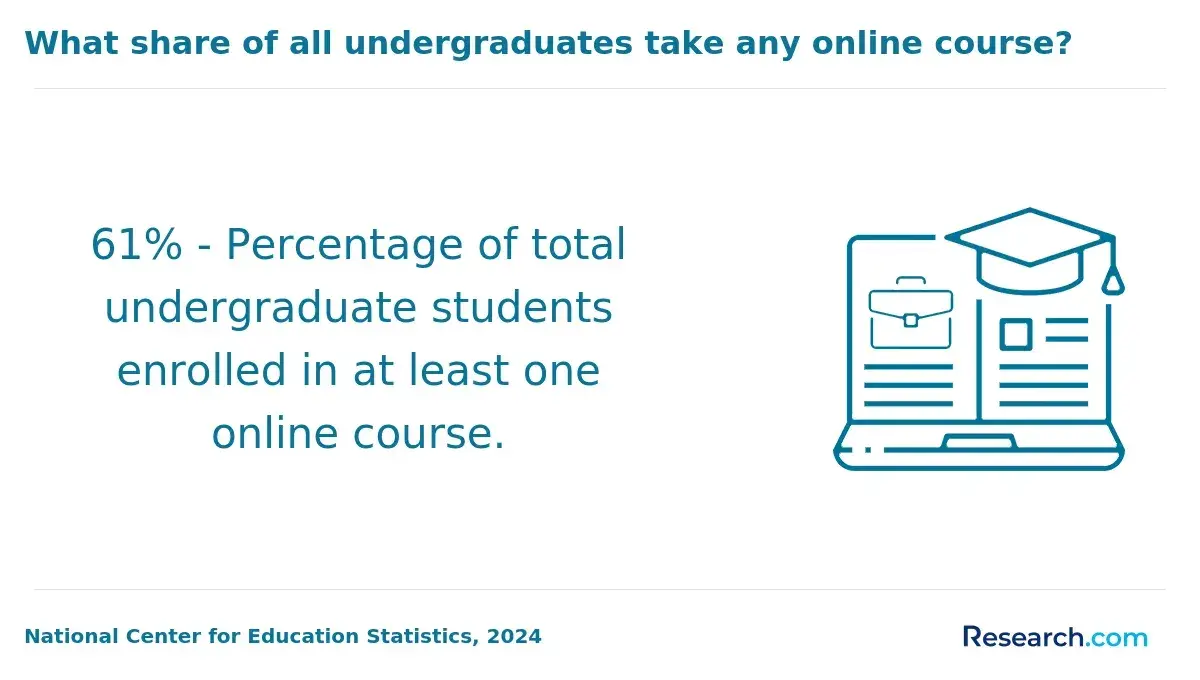
Many physical education graduate programs are waiving GRE or GMAT requirements to increase accessibility and reduce barriers for applicants. Over 60% of graduate education programs now use test-optional or test-flexible admissions, reflecting concerns that standardized tests may not fully capture applicants' potential. This shift is part of evolving physical education graduate program application requirements emphasizing a wider range of evaluation criteria.
Admissions committees consider several alternative factors to assess readiness and fit. These elements provide a more holistic review of candidates beyond standardized test scores, including:
- Undergraduate GPA: A strong GPA, particularly in science and health-related courses, demonstrates consistent academic performance and preparation necessary for physical education studies.
- Relevant experience: Practical involvement like coaching, internships, or fitness instruction shows the applicant's commitment and hands-on knowledge in the field.
- Letters of recommendation: These attest to the applicant's character, work ethic, and promise based on insights from professors or supervisors.
- Personal statement: An essay describing motivations and goals reveals how well the applicant aligns with the program's values and understands the discipline.
- Interview performance: When conducted, interviews evaluate communication skills and passion, key qualities for success in physical education careers.
Such comprehensive evaluation methods help identify candidates who will thrive academically and professionally. Students exploring related fields might also consider programs like an online psychology masters to complement their expertise.
Breakdown of All Fully Online Title IV Institutions

Who Qualifies for GRE or GMAT Waivers in Physical Education Programs?
Some physical education programs waive GRE or GMAT requirements to broaden access for applicants whose credentials reflect their potential without standardized test scores. These waivers acknowledge alternative indicators of preparedness that better align with the field's practical and academic demands.
Typical candidates qualifying for such exemptions fall into distinct categories:
- High academic achievement: Applicants with a strong undergraduate GPA-usually above 3.0 or 3.5-demonstrate consistent scholastic capability, often removing the need for additional testing.
- Relevant work experience: Those with substantial professional or volunteer roles in physical education, coaching, or health-related areas provide evidence of hands-on knowledge valued by admissions committees.
- Advanced degree holders: Candidates who hold prior graduate degrees have already proven their ability to succeed in rigorous academic environments, qualifying them for waivers.
- Certified professionals: Individuals licensed in fields such as physical therapy, athletic training, or teaching often meet waiver criteria because licensure attests to their expertise.
- Military background: Applicants with honorable service are recognized for discipline and leadership skills, which many programs consider equivalent to test performance.
A graduate I spoke with from an online physical education program without GRE or GMAT requirements shared that the waiver process eased significant stress. He recalled feeling overwhelmed balancing work and family responsibilities and appreciated that his extensive coaching background was sufficient evidence of readiness. "It felt like the admissions team trusted my experience rather than relying on a single exam score," he said, adding that this approach allowed him to focus more on preparing for the program's practical coursework than studying for standardized tests.
Are Course Requirements the Same in No-GRE or GMAT Physical Education Programs?
Many applicants wonder if physical education degree programs that waive GRE or GMAT requirements offer the same level of academic rigor as those that require these exams. This skepticism arises from the belief that standardized testing ensures consistent preparedness. The following points highlight how course requirements compare across both types of programs.
- Curriculum alignment: Both program types share a core curriculum covering kinesiology, exercise science, health education, and motor development, providing a solid foundation of knowledge necessary for the field.
- Learning outcomes: The goals remain consistent, focusing on equipping students for roles in teaching, coaching, fitness instruction, and rehabilitation regardless of testing prerequisites.
- Faculty oversight: Qualified instructors oversee courses equally in no-test and test-required programs, maintaining academic standards and course quality.
- Assessment methods: Both program formats use a combination of written exams, practical evaluations, research projects, and internships to effectively measure student competency.
- Admissions emphasis: Some no-GRE/GMAT programs rely more on holistic admissions criteria, but this does not diminish the academic expectations during coursework or final assessments.
Overall, physical education programs without GRE or GMAT mandates design their course requirements to ensure students meet comparable academic and professional standards as those in traditional test-based admission pathways.
Are No-GRE or GMAT Physical Education Programs Accredited?
Concerns about academic quality and legitimacy often arise when physical education programs do not require GRE or GMAT scores. However, accreditation, which ensures educational standards and institutional credibility, is maintained independently of admissions testing. Accreditation agencies focus on curriculum strength, faculty expertise, resources, and student success rather than entrance exam requirements. Increasingly, accredited physical education programs are adopting test-optional policies to enhance accessibility while preserving rigorous standards.
Accreditation for no-GRE or GMAT physical education programs typically involves institutional and, when applicable, program-specific evaluations to confirm quality. Specialized accreditation from bodies concerned with teacher preparation or health sciences may also apply. Prospective students should verify a program's accreditation status through the U.S. Department of Education or the Council for Higher Education Accreditation (CHEA) to ensure it meets recognized quality benchmarks before enrolling.
Does Waiving the GRE or GMAT Reduce the Total Cost of a Physical Education Degree?
Standardized test fees for exams like the GRE and GMAT typically range from $205 to $275, and many applicants spend additional hundreds of dollars on preparation materials or courses. Test-optional policies have enabled some candidates to avoid these upfront expenses, creating potential savings during the application phase. Several factors determine whether waiving these exams genuinely reduces the overall cost of earning a physical education degree.
- Testing and prep savings: Forgoing the GRE or GMAT eliminates registration fees and the need for costly prep courses or study aids, easing the financial burden before admission.
- Application timelines: Removing test requirements can streamline application submissions, but may also shift deadlines or necessitate alternative evaluations that affect enrollment timing and related costs.
- Tuition and fees: Since tuition rates and program fees typically operate independently of testing policies, savings from waived exams might not translate into lower educational expenses overall.
- Financial aid eligibility: Some scholarships or grants consider standardized test scores in their criteria, so waiving tests may impact access to certain funding opportunities.
- Indirect costs: Admissions without standardized tests might involve more holistic reviews or additional interviews, which could extend decision periods and delay program start dates, potentially increasing living or employment-related costs.
I spoke with a graduate of a physical education program that didn't require the GRE or GMAT to gain insight into her experience with these cost factors. She recounted how skipping the exam spared her the anxiety and expense of months spent preparing and the steep test registration fees. Although she appreciated the lower upfront costs, she noted that the admissions committee placed greater emphasis on her personal statements and recommendations, which demanded significant time and effort. "It felt like I was investing in different ways - less financially on testing, but more emotionally and time-wise in presenting my story," she shared. Ultimately, she viewed the process positively, emphasizing that while waiving tests reduced some costs, it did not eliminate the broader investment necessary to succeed in her degree journey.
Does Removing the GRE or GMAT From Physical Education Programs Affect Graduation Time?
Time to graduation is a crucial factor for prospective students because shorter program durations can lower educational costs and accelerate entry into the workforce. Research shows the average time to complete a physical education degree typically ranges from four to six years, depending on factors like full-time or part-time enrollment. Several key factors influence graduation timelines in programs offering physical education degrees without the GMAT or GRE. These include admissions standards, course availability, and student demographics.
- Admissions readiness: Without GRE or GMAT requirements, some students may enter programs with varying levels of academic preparation. Those needing additional foundational work might experience delays as they catch up on prerequisites and skills essential for success.
- Course sequencing: The order and timing of required courses can affect how quickly students complete their credits. Limited availability of certain classes or strict prerequisite chains can extend graduation timelines in physical education programs without GMAT graduation timelines tied to admissions.
- Academic support: Tutoring, advising, and mentoring help students stay on track and overcome challenges promptly. Robust support services typically improve retention and progression speed, which is especially important for students admitted without standardized test requirements.
- Student demographics: Programs enrolling working professionals, part-time students, or non-traditional learners often see longer completion times due to balancing education with other responsibilities.
- Program format: Online versus on-campus delivery modes influence flexibility and pacing. For example, some students may benefit from accelerated options like those offered in online bachelor's degree programs designed to shorten total time to degree.
Do Employers Care If a Physical Education Program Doesn't Require GRE or GMAT?
Many prospective students wonder if employers care that a physical education program didn't require the GRE or GMAT for admission. This concern is understandable since standardized tests have traditionally been a benchmark for academic preparedness. However, a 2022 survey by the National Association of Colleges and Employers found that only 23% of employers specifically consider graduate test scores when evaluating candidates, highlighting a notable shift in employer hiring preferences.
Here are key factors employers consider regarding test-optional physical education degrees:
- Professional experience: Hands-on teaching, coaching, or fitness training often outweigh test scores when assessing candidates. Employers focus more on demonstrable skills gained through real-world practice.
- Skill assessments: Certifications, portfolios, or performance evaluations provide stronger evidence of competence. These indicators matter more than GRE or GMAT results in today's job market.
- Program reputation: Employers value degrees from accredited and respected institutions regardless of standardized test requirements. The overall credibility of the program plays a vital role in hiring decisions.
- Industry norms: Physical education emphasizes applied knowledge and interpersonal skills. These qualities are not effectively measured by standardized tests but are essential in the workplace.
- Test-optional trend: More programs are dropping mandatory tests, reflecting broader acceptance that GRE or GMAT scores do not reliably predict professional success, increasing accessibility and admissions competitiveness in physical education degrees.
Overall, the impact of no GRE physical education degrees on employer hiring is minimal, as recruiters prioritize direct expertise and relevant experience. Prospective students looking for efficient graduate paths might also explore 1 year masters programs online as an alternative route.
How Does Salary Compare for No-GRE vs GRE Physical Education Degrees?
Many students weigh potential salary outcomes when choosing between physical education programs that require the GRE and those that don't. Labor market data shows that starting salaries for graduates of no-GRE programs average about $40,000 annually, slightly less than the $42,000 typical for GRE-required program graduates. However, over five years, salaries for GRE-required graduates often grow around 10% more, reflecting differences in career advancement opportunities.
Several factors contribute to these earnings variations:
- Program reputation: Schools with strict admissions standards, including the GRE, often have stronger networks and job placement services, which can boost salary potential.
- Work experience: Practical internships and hands-on training enhance employability and are critical to salary growth, regardless of GRE requirements.
- Skill development: Programs focused on comprehensive skill-building tend to prepare graduates for higher-level responsibilities and better compensation.
- Industry demand: Regional employment needs influence salary levels and affect how easily licensure can be transferred across states.
- Licensure portability: States with mutual agreements simplify license transfers, impacting long-term earning potential for educators who move.
What Graduates Say About Their Physical Education Degree Program with No GRE or GMAT Requirements
- Jason: "Pursuing a physical education degree without the hurdle of GRE or GMAT requirements was a game-changer for me. It made the application process straightforward and affordable, especially considering the average cost was manageable compared to other degrees. Graduating has propelled me into a rewarding career as a fitness coach, and I feel empowered knowing I achieved this without unnecessary testing barriers."
- Camilo: "The decision to enroll in a physical education program with no GRE or GMAT exams allowed me to focus fully on my passion rather than test prep. The cost was much less intimidating than I expected, which removed a huge financial burden. Reflecting back, it was the right choice for advancing my work in community health education, opening many doors professionally."
- Alexander: "Choosing a physical education degree that didn't require GRE or GMAT scores streamlined my path to certification and saved me both time and money, which usually average towards a modest tuition. This program directly impacted my career by providing practical skills and credentials to excel as a physical therapist assistant. The professional advantage I gained is invaluable."
Other Things You Should Know About Physical Education Degrees
Internship and practicum requirements in physical education degree programs typically remain consistent regardless of GRE or GMAT requirements. These hands-on experiences are essential for licensure and certification in most states and provide practical training necessary for future educators and coaches. Programs without standardized test requirements generally maintain rigorous fieldwork to ensure professional readiness.
Admission competitiveness for physical education programs that waive GRE or GMAT varies by institution. While standardized tests are omitted, schools may place greater emphasis on undergraduate GPA, relevant experience, personal statements, and recommendation letters. Some programs may see higher application volumes, but selective criteria help maintain academic standards.
In 2027, physical education degree programs without GRE or GMAT requirements generally maintain similar internship or practicum expectations as those that require standardized tests. These experiences are crucial for hands-on learning, ensuring all students gain practical skills regardless of admissions test policies.
Yes, students without a prior background in physical education can apply to these programs. Many universities welcome diverse educational backgrounds and focus on assessing the applicant's overall potential rather than their experience alone, making these programs accessible to a wider range of aspiring professionals.
References
- The Benefits of a Degree in Physical Education and Coaching https://blog.portobelloinstitute.com/the-wide-ranging-benefits-of-a-degree-in-coaching
- Physical Education with Specialization in Teaching Physical Education (For Certified Teachers), MS https://www.ccsu.edu/programs/physical-education-teaching-pe-ms
- The 25 MBA Programs That Don't Require GMAT (or GRE) https://www.joinleland.com/library/a/mba-programs-that-don-t-require-gmat-or-gre
- Become a physical education teacher https://getintoteaching.education.gov.uk/life-as-a-teacher/explore-subjects/physical-education
- 54 Grad Schools That Don't Require the GRE | 2025+ Update https://www.gradschools.com/degree-guide/grad-schools-no-gre
- 3 Institutions offering Online/Distance Physical Education Courses Abroad https://www.hotcoursesabroad.com/study/training-degrees/international/distance-online/physical-education-courses/smode/3/cgory/ma.2-4/sin/ct/programs.html
- Universities Waiving GRE/GMAT for Fall/Spring 2026 | YMGrad https://ymgrad.com/article/gre-waived-universities-2026
- Requirements Checklist for Local Applicants - De La Salle University https://www.dlsu.edu.ph/admissions/graduate/requirements-checklist-for-local-applicants/
- Master of Arts in Teaching vs. Master in Education https://teach.com/online-ed/education-degrees/online-mat-programs/mat-vs-me/


