
2027 Best Physical Education Degrees for Working Adults

Co-Founder and Chief Data Scientist
Many working adults struggle to find physical education degree programs that accommodate their busy schedules and career commitments. According to the U. S. Bureau of Labor Statistics, employment for fitness trainers and instructors is projected to grow 15% from 2021 to 2031, higher than the average for all occupations. This growth demands more qualified professionals who can balance work and study effectively. This article explores the best physical education degrees designed for working adults, highlighting flexible formats, accreditation, and career-relevant curricula to help readers choose programs that enable professional success without sacrificing job responsibilities.
Key Things to Know About Physical Education Degrees for Working Adults
- Flexible scheduling and online or hybrid formats enable working adults to balance coursework with job commitments, increasing degree completion rates by up to 25% compared to traditional programs.
- Many programs incorporate employer-relevant skills like curriculum design and kinesiology, enhancing graduates' job prospects in education, coaching, and wellness industries.
- Support services such as academic advising and career counseling tailored for adults improve retention and provide networking opportunities essential for career advancement.
What Are the Best Physical Education Degrees for Working Adults?
What qualifies as the best physical education degree for working adults depends on factors like schedule flexibility, how well the program aligns with career goals, and the return on investment. A prominent trend is the growth of online and hybrid programs, which help adult learners balance work, study, and personal commitments more easily. These programs offer part-time enrollment and adaptable pacing to fit diverse professional lives.
Below are some of the best online physical education degrees for working adults, designed to accommodate full-time employment while fostering career advancement:
- Bachelor of Science in Physical Education with an emphasis on Health and Wellness: This program offers flexible delivery formats and a practical curriculum geared toward careers in corporate wellness and fitness coaching, making it highly accessible for employed students.
- Physical Education with a focus on K-12 Teaching Certification: Supporting part-time study and often featuring evening or weekend classes, this specialization suits those transitioning into education roles without disrupting their current work schedule.
- Sports Management with Physical Education Foundations: Ideal for professionals seeking leadership roles in sports-related fields, it blends management skills with physical education insights and offers pacing options that fit busy lives.
- Exercise Science degrees with Physical Education components: Emphasizing hands-on training, these degrees prepare students for careers in rehabilitation, personal training, and athletic therapy, often with flexible scheduling to support working adults.
- Physical Education and Recreation degree programs: These cater to those interested in community program development or therapeutic recreation, frequently providing online coursework and flexible schedules aligned with employer demand.
Choosing affordable accredited physical education programs for professionals ensures that learners invest in reputable education that delivers relevant skills. For those considering related fields of study, exploring options like an MSW degree can broaden career prospects in health and wellness sectors.
What Are the Admission Requirements for Working Adults in Physical Education Degree Programs?
Admission requirements often vary for working adults enrolling in physical education degree programs, reflecting the need to balance professional and academic commitments. A notable trend is that about 40% of graduate students enroll part-time, underscoring the importance of accommodating learners who juggle employment and studies. These factors lead many programs to adopt more flexible and relevant criteria for adult learners.
Key admission considerations for working professionals include:
- Prior Work Experience: Many programs value relevant experience in health, fitness, or education fields, allowing adult learners to substitute or supplement traditional academic prerequisites with practical expertise.
- GPA Expectations: While minimum GPA requirements exist, some physical education degree admission criteria for working adults permit waivers or greater flexibility based on professional background and achievements.
- Test Waivers: Standardized tests like the GRE are frequently waived for adult learners, recognizing their established careers and reducing barriers to enrollment.
- Professional Recommendations: Letters emphasizing an applicant's ability to manage work-study balance and commitment often play a key role in admissions decisions.
- Flexible Scheduling: Options such as part-time enrollment or online coursework support full-time employment and are common in requirements for enrolling in physical education programs for professionals.
For those seeking adaptable learning options in related fields, exploring online counseling programs can provide additional pathways for career advancement.
What Coursework Is Required in Physical Education Degree Programs for Working Adults?
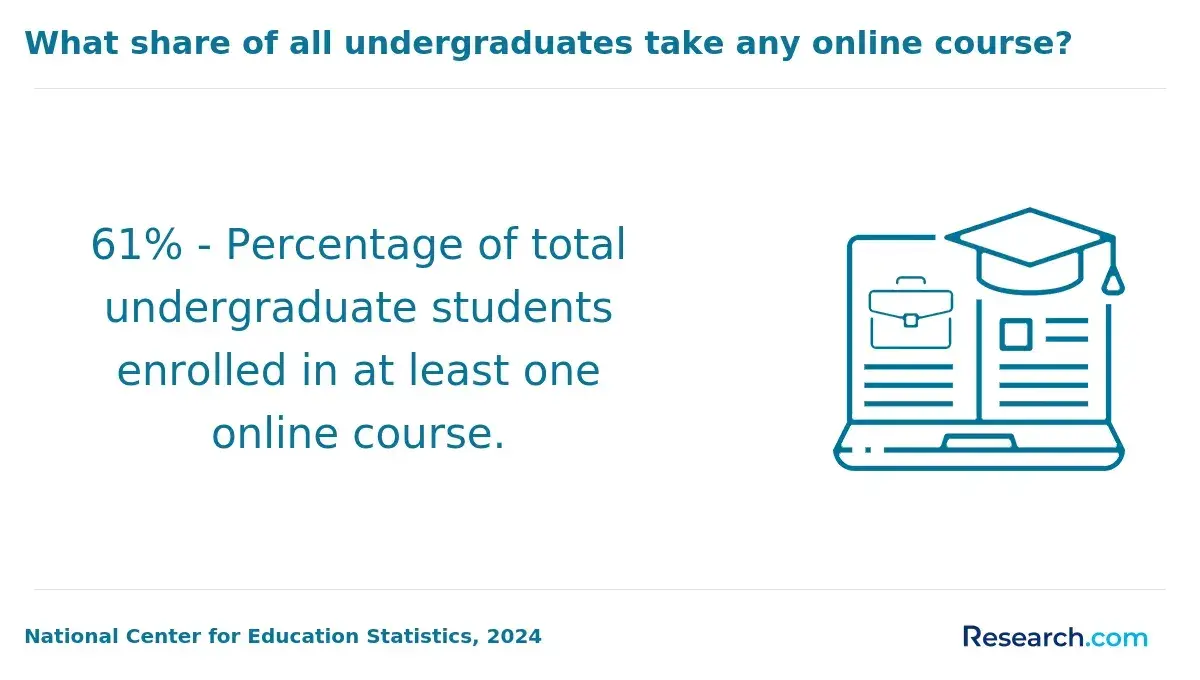
Courses in physical education degree programs for working adults are designed to balance career relevance, practical skills, and flexible learning formats that fit around professional schedules. Over 60% of students in these programs are adult learners pursuing career advancement or transitions, which underlines the importance of adaptable course structures. Many programs integrate online or hybrid options to accommodate full-time employment. This overview highlights common required classes in physical education programs adapted for working professionals.
Common coursework areas include:
- Exercise Science: Focuses on human anatomy, physiology, and biomechanics fundamentals. It prepares students to design safe, effective fitness programs, essential for careers in health and wellness sectors.
- Educational Methods: Covers teaching strategies and curriculum development, equipping students to become effective instructors or coaches in diverse educational environments.
- Health and Wellness Promotion: Explores techniques for encouraging healthy lifestyles and disease prevention, valuable for roles in community health or workplace wellness programs.
- Adapted Physical Activity: Prepares students to modify exercises for individuals with disabilities or special needs, promoting inclusivity and expanding employment opportunities.
- Sport Psychology: Examines mental factors influencing athletic performance and motivation, supporting career development in coaching and athletic training.
Adults interested in advancing their education may also consider flexible options such as a library master's degree. Students researching physical education degree coursework for working adults should carefully review required classes in physical education programs to ensure alignment with career goals and life commitments.
How Long Does It Take to Complete a Physical Education Degree While Working?
Completion time for a physical education degree varies widely for working adults because balancing studies with employment and personal life often extends beyond the usual four years. Research shows that about 60% of adult learners take up to six years to finish their degrees, emphasizing the need for adaptable academic paths.
Key aspects that shape how long a working adult might take to earn a physical education degree include:
- Program format: Online and hybrid options offer increased flexibility, enabling students to learn at their own speed, unlike rigid on-campus schedules that may not accommodate work commitments easily.
- Course load: Many adults reduce their semester credits to balance jobs and studies, which naturally prolongs graduation timelines but helps manage stress and workload.
- Prior credits: Credits earned from previous college courses or certifications can be transferred to shorten the degree duration if accepted by the academic program.
- Work schedule: Jobs with unpredictable or demanding hours can limit available time for coursework, influencing the pace at which students progress through their programs.
- Accelerated options: Some programs provide summer sessions or intensive courses that help motivated students complete requirements faster by dedicating extra time during breaks.
I spoke with a professional who completed an online physical education degree while working full-time. He described juggling late-night study sessions after demanding workdays and weekends dedicated entirely to assignments. "It wasn't easy," he admitted, "especially when family time became scarce." Yet, flexible course scheduling and clear communication with instructors helped him maintain progress without burning out. His experience reflects how patience and strategic time management can make extending the degree timeline a manageable trade-off for career advancement.
How Much Does a Physical Education Degree Cost for Working Adults?
Cost is an important consideration for working adults pursuing a physical education degree, as many balance studies with jobs and family life. Nearly 40% of students in health and physical education programs manage part-time enrollment alongside other responsibilities.
Several key factors affect the overall expenses involved in earning this degree:
- Tuition per Credit: Rates vary based on residency status and institution policies, with online programs sometimes offering lower per-credit costs compared to on-campus options.
- Program Length and Format: Accelerated and competency-based formats enable quicker completion, which can reduce tuition and related costs. Online courses also minimize commuting and associated expenses.
- Additional Fees: Charges for labs, technology support, and campus activities can increase total costs, especially if any in-person participation is required.
- Textbooks and Materials: Physical education programs often require specialized equipment or dedicated texts. Choosing rentals or digital versions can help lower these expenses.
- Financial Aid Opportunities: Scholarships, grants targeting adult learners, and employer tuition assistance programs can substantially offset out-of-pocket costs for working students.
What Financial Aid Options Are Available for Working Adults in Physical Education Degree Programs?
Balancing a full-time job, family life, and pursuing a physical education degree can be financially demanding for many adults. Financial aid plays a vital role in alleviating these pressures, enabling students to concentrate on their studies and career growth.
Common financial aid options tailored for working adults include:
- Federal Aid: Programs like Pell Grants and federal loans provide affordable funding with manageable repayment plans. Students typically need to complete the FAFSA and show financial need to qualify.
- Employer Tuition Support: Some employers offer reimbursement or assistance to encourage skill development related to one's job. Eligibility usually depends on employment status and program relevance.
- Adult Learner Scholarships: Various organizations award scholarships specifically to non-traditional students returning to education, often considering factors like career objectives and financial circumstances.
- Grants: State and private grants provide funds that generally do not require repayment, but eligibility requirements may include financial need or alignment with physical education fields.
- Flexible Payment Plans and Tax Credits: Many colleges let students divide tuition payments over time, while tax credits such as the Lifetime Learning Credit can lessen the financial burden.
When discussing these elements with a professional who completed her physical education degree while maintaining full-time employment, she highlighted the overwhelming challenge of coordinating work, school, and family schedules. She shared, "Applying for financial aid felt like learning a new language, but once I understood the options, it became empowering." She also mentioned that employer tuition assistance proved invaluable, as it eased the financial strain significantly. "Knowing I could count on that support allowed me to stay motivated during the toughest semesters," she reflected. Her experience underscores how understanding and accessing diverse aid resources can transform the journey for working adults pursuing higher education.
What Support Services Help Working Adults Succeed in a Physical Education Program?
Balancing coursework with full-time employment and personal responsibilities presents significant challenges for adults pursuing a physical education degree. Institutional support services play a vital role in helping these students navigate their academic journeys efficiently and successfully.
- Academic Advising: Tailored guidance assists students in selecting courses that align with their work schedules and life commitments, minimizing delays and keeping degree completion on track.
- Flexible Scheduling: Offering evening, weekend, and online classes enables learners to maintain steady academic progress without sacrificing job performance or family time.
- Online Learning Support: Access to technical help and virtual tutoring ensures students remain engaged and overcome difficulties common in remote education settings.
- Mental Health Resources: Supportive counseling services provide strategies to manage stress and sustain well-being amid multiple demands.
- Cohort-Based Learning: Group-based learning environments foster peer connections, boosting motivation and accountability that contribute to persistence and academic achievement.
Are Physical Education Degrees for Working Adults Accredited?
Accreditation for physical education programs involves a formal review process that ensures the curriculum, faculty, and student outcomes meet established academic standards. For working adults, attending an accredited program is vital as it guarantees the degree's credibility and acceptance by employers. This recognition also plays a key role in qualifying students for federal financial aid and scholarships, which can make education more accessible. Recent studies reveal that nearly 40% of graduate students in the U.S. are adults over 30, underscoring the demand for flexible and respected programs.
Accreditation enhances the long-term benefits of a physical education degree by supporting credit transfer between schools and satisfying requirements for licensure or certification in related careers. This flexibility is especially important for adult learners balancing education with employment or seeking to change career paths. Additionally, an accredited degree reinforces professional reputability and can improve opportunities for advancement within the field. Ultimately, accreditation ensures that the program aligns with industry standards and regulatory expectations, strengthening career prospects for working adults.
Does a Physical Education Degree Increase Salary for Working Adults?
Salary growth is a major motivator for working adults considering a physical education degree, as it often signifies improved financial stability and professional advancement. In the U.S., adults with this degree typically earn between $40,000 and $70,000 annually, depending on job role and experience levels.
Several factors influence the impact of a physical education degree on career advancement and salary growth for working adults:
- Industry Demand: Regions with higher demand for fitness, health coaching, and education professionals tend to offer better salaries. Growing awareness of wellness often increases opportunities for degree holders.
- Role Advancement: Earning a degree can open doors to supervisory or specialized positions, such as athletic directors or wellness coordinators, which generally pay more than entry-level roles.
- Employer Policies: Organizations with structured pay scales may favor degree holders for promotions and raises, encouraging salary increases after degree completion.
- Years of Experience: Combining veteran experience with a physical education degree often results in stronger compensation compared to newcomers in the field.
- Specialization: Concentrations in kinesiology, sports management, or related fields can enhance earning potential by aligning skills with expanding niche markets.
For working professionals seeking to further enhance leadership opportunities and salary potential, pursuing advanced credentials may be beneficial. For example, an online doctorate in organizational leadership offers flexible options suitable for full-time employees. These paths complement the foundational knowledge from a physical education degree by supporting continued career growth and specialized expertise.
What Jobs Can Working adults Get With a Physical Education Degree?
A physical education degree enables working adults to move beyond entry-level positions, qualifying them for more specialized, leadership, and advanced roles. Experienced professionals gain the knowledge and skills needed to take on greater responsibility and strategic planning within their careers.
Some key career advancement opportunities with a physical education degree include:
- Sports Program Director: This leadership role involves overseeing the planning and management of athletic programs, ensuring effective community engagement and resource allocation. The position demands strong organizational skills and a deep understanding of physical education principles, marking a definite step up from more basic roles.
- Exercise Physiologist: Professionals in this role design and implement personalized fitness and rehabilitation programs tailored to individual health needs. A physical education degree provides the scientific foundation and expertise necessary to excel in this specialized and impactful career path.
- Health and Wellness Coordinator: Responsible for developing wellness initiatives within workplaces, this position focuses on improving employee health outcomes. Physical education theories applied in corporate or community settings support the creation of effective programs driving positive lifestyle changes.
- Physical Education Instructor (Higher Education): Teaching future educators or fitness professionals at colleges or universities requires both subject mastery and pedagogical skills. Advancing into this role reflects a significant career progression supported by the degree's comprehensive curriculum.
- Athletic Trainer Supervisor: Managing teams of athletic trainers, this role emphasizes safety standards and injury prevention protocols. It combines leadership with specialized knowledge gained through a physical education degree, illustrating clear upward mobility.
For working adults exploring physical education careers for working adults, these positions offer clear pathways to advancement. The degree opens doors to job opportunities with a physical education degree that support leadership, specialization, and greater impact. Adult learners seeking flexible, accredited programs can find options at reputable online colleges designed to balance education with full-time employment.
What Graduates Say About Their Physical Education Degrees for Working Adults
- Joan: "Choosing to pursue a physical education degree online while working full-time was challenging but incredibly rewarding. The cost was reasonable, especially considering financial aid options-they say the average cost hovers around $20,000 to $30,000, which felt like a smart investment in my future. Since graduating, I've been promoted to a lead coordinator role, and this degree truly opened doors I never thought possible. "
- Camilla: "Balancing work and part-time studies in physical education required a lot of reflection and commitment. The affordability of the program made it manageable, as I was mindful of the typical expenses some programs charge, often under $25,000. Completing the degree has definitely enriched my understanding and credibility in the field, leading to more fulfilling opportunities in coaching and wellness program development."
- Sandro: "As a working professional, enrolling in a physical education degree program part-time was a strategic decision to enhance my expertise without compromising my job. Financially, the tuition reflected typical costs for adult learners, around $22,000, which aligned well with my budget. Earning this degree has elevated my career, allowing me to design innovative training programs and mentor younger instructors with confidence."
Other Things You Should Know About Physical Education Degrees
In 2027, working adults can access various financial aid options to pursue a physical education degree. Federal and state financial aid programs, scholarships, grants, and employer tuition assistance programs are available. Eligibility and availability of such aid depend on individual circumstances and the specific program chosen.
Yes, most states require physical education teachers to obtain certification or licensure beyond the degree. This typically involves passing a state-approved exam and completing a background check. Working adults planning to teach in public schools should research the certification process specific to their state to ensure their degree program aligns with licensure requirements.
Working adults can balance practical training with a full-time job by choosing programs that offer flexible scheduling and online coursework. Many institutions in 2027 provide evening or weekend classes, and some offer virtual practice sessions to accommodate busy schedules. Effective time management and support from family or employers can also help manage responsibilities.
Yes, many universities offer fully online physical education programs tailored for working adults in 2027. These programs often provide flexible schedules and virtual resources to accommodate work commitments, enabling a seamless educational experience without compromising professional responsibilities.
References
- Top 6 Low-Cost Online Bachelor's in Physical Education https://www.greatvaluecolleges.net/rankings/online-bachelors-physical-education/
- Physical Education Support | School Sport and Physical Activity Sessions | PE With SSG Services https://ssgservices.co.uk/physical-education-support/
- Health and Wellness Education, MEd https://www.iup.edu/academics/find-your-degree/programs/cwe/gr/health-and-wellness-education-med.html
- HHP: Physical Education Concentration | EOU Online https://online.eou.edu/programs/bachelors-health-human-performance/physical-education/
- Become a Certified Fitness and Wellness Professional | NASM https://www.nasm.org/
- Careers in Health and Physical Education | St. Cloud State University https://www.stcloudstate.edu/programs/health-physical-education/careers.aspx
- Physical Education Master’s Programs Online: Compare Schools https://www.onlinemastersdegrees.org/best-programs/education/physical-education/
- Career Paths after B.P.Ed (Bachelor of Physical Education) https://www.lpu.in/blog/career-paths-after-b-p-ed-bachelor-of-physical-education/
- Most Popular Physical Education Master's Degrees Online 2025 https://www.onlineu.com/most-popular/masters-physical-education


