
2027 Physical Education Degree vs. Certificate: Which Should You Choose?

Co-Founder and Chief Data Scientist
Today's students and professionals face important decisions when choosing between earning a physical education degree or a certificate. Both options can enhance careers in sports coaching, fitness training, or health education but differ in time commitment, depth of study, and credential recognition. A degree often offers a broader academic foundation, while a certificate provides focused skills more quickly.
Physical education degrees typically take two to four years, covering theory and practice extensively, whereas certificates may require a few months of specialized training. According to the Bureau of Labor Statistics, professionals with degrees often access a wider range of job opportunities. This article compares key differences to help readers select the best path for their career and lifestyle.
Key Points About Physical Education Degree vs. Certificate Programs
- A physical education degree typically offers comprehensive training, increasing salary potential by 15-25% compared to certificate holders due to broader knowledge and leadership readiness.
- Certificate programs focus on specific skills and quicker completion, ideal for professionals seeking targeted expertise or immediate career shifts without extensive time commitment.
- Degree holders often access greater professional growth opportunities, including teaching licenses and administrative roles, while certificates boost practical skills and entry-level job eligibility.
What Are the Differences Between Physical Education Degree and Certificate Programs?
Both physical education degree programs and certificate courses offer meaningful career opportunities but differ significantly in structure, content, and outcomes. Understanding these differences helps students make informed decisions that align with their professional goals and available time.
Below are key distinctions to consider when choosing between these educational paths.
- Career advancement: A physical education degree provides a comprehensive foundation suitable for those aiming for long-term career growth and leadership roles, while a certificate is better for professionals seeking quick skill enhancement or entry into the field.
- Depth of learning: Degree programs cover broad theoretical knowledge, research methods, and practical applications, appealing to students interested in a thorough understanding of the discipline. Certificates typically focus on specific skills or topics, ideal for individuals needing targeted expertise.
- Time commitment: Degrees require a longer time investment, often several years, which suits those who can dedicate it to full-time study. Certificates can be completed in a shorter period, making them attractive for working professionals or those seeking faster credentialing.
- Flexibility and cost: Certificates often offer more flexible formats and may be less expensive, catering to learners with budget or scheduling constraints. Degrees might involve higher financial and time commitments but offer broader academic experiences.
How Long Does It Take to Complete a Physical Education Degree vs. a Certificate Program?
Completion time is a key factor for students deciding between pursuing a physical education degree or a certificate program. Understanding "how many years for a physical education degree" compared to the typically shorter physical education certificate program length helps clarify which path best fits individual goals and schedules.
- Typical Duration: An associate degree in physical education generally takes about two years, while a bachelor's degree requires roughly four years of full-time study. In contrast, physical education certificate programs can often be completed in as little as a few months to two years, with many designed to finish within one academic year.
- Flexibility: Both degree and certificate programs usually offer full-time and part-time options. Students attending part-time, such as working professionals, should expect longer completion times regardless of the program type, making pacing an important consideration.
- Factors Affecting Timeline: Program structure heavily influences duration. Degrees include general education and broad subject requirements, extending the timeline, whereas certificates focus on targeted practical skills for quicker completion. Prior experience and transfer credits can shorten timeframes for both options. Additionally, some degree programs offer accelerated paths or summer courses that enable students to graduate sooner, though typically not as rapidly as the fastest certificate programs. For motivated students interested in speeding up their degree, exploring options like an accelerated online bachelor's degree may be beneficial.
On average, if you want a faster credential to enter the workforce or enhance skills quickly, a certificate program is the most efficient. For those aiming at broader career opportunities or roles demanding deeper expertise, investing more time in a physical education degree is advisable.
Can You Complete a Physical Education Degree or Certificate Entirely Online?
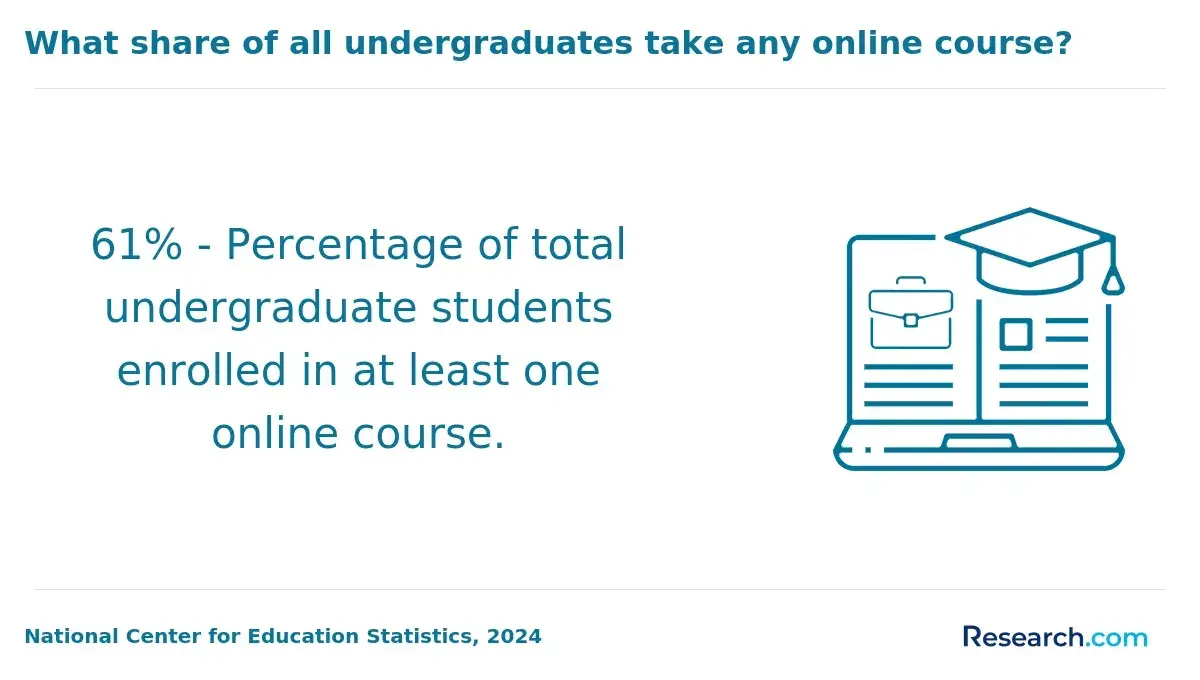
The rapid growth of online education has significantly increased access to physical education programs across the United States. Many universities now offer fully online physical education degree programs, allowing students to complete coursework remotely. Notable examples include Eastern New Mexico University's 100% online Bachelor of Science in physical education with a sport and recreation management emphasis.
Similarly, Indiana University and Arkansas State University provide flexible online degrees with virtual support. Some, like Salem University, use a hybrid model, combining online coursework with required on-campus field experiences such as student teaching.
Additionally, many institutions offer the option to complete a physical education certificate online, typically shorter programs that can be finished entirely remotely, though requirements differ by school. Prospective students interested in exploring broader options can also benefit from reviewing college open enrollment programs for accessibility and flexibility.
While online formats offer convenience, essential hands-on elements-such as fieldwork, internships, or licensure requirements-remain crucial in many programs. Degree pathways often mandate in-person student teaching or supervised internships to satisfy state certification standards.
These practical experiences are vital for developing teaching skills and fulfilling licensure criteria. When deciding whether to pursue an online physical education degree program or complete a physical education certificate online, students should evaluate each program's balance between remote learning and required hands-on components.
Fully online options may suit careers in coaching, wellness, or sport management, while teaching-focused roles usually demand hybrid or on-campus participation to gain necessary experience and certification.
What Are the Admission Requirements for a Physical Education Degree vs. a Certificate Program?
Admission requirements are essential to understand when deciding between pursuing a physical education degree or a certificate program, as they impact your eligibility and influence your educational and career trajectory. Below is a side-by-side comparison of typical admission requirements for physical education degree programs versus certificate programs, with a focus on Minnesota options.
Admission Requirements for Physical Education Degree Programs
- Educational Background: Most bachelor's degree programs require a high school diploma or equivalent, with some expecting completion of prerequisite liberal arts and sciences courses.
- Minimum GPA: Admission often requires a minimum GPA, typically between 2.7 and 3.0. For example, Towson University and Brooklyn College set GPA requirements within this range.
- Standardized Assessments: Some programs mandate passing basic skills tests such as the Praxis Core or state-specific exams before formal admission to teacher preparation tracks.
- Application Process: Applicants usually submit a formal application including a personal statement, letters of recommendation, and occasionally an interview.
- Background Check: A criminal background disclosure is generally required, and official background checks may be needed before internships or practicum experiences.
For those searching specifically for Physical Education degree admission requirements in Minnesota, these typical elements align closely with many program standards in the state.
Admission Requirements for Physical Education Certificate Programs
- Educational Background: Certificate programs generally require a high school diploma or GED but are often open to a wider range of educational backgrounds.
- Professional Experience: Some certificates target current educators or professionals seeking additional credentials and may require or prefer prior teaching experience.
- Shorter Application Process: The application is usually less demanding, often only needing a form and evidence of previous education.
- GPA and Test Scores: GPA requirements are often minimal or nonexistent, and standardized test scores are rarely required.
- Background Check: Requirements vary but may be less strict than for degree programs unless the certificate leads to licensure or classroom teaching.
If you want to explore alternative routes in physical education learning, consider reviewing options such as online doctorate programs without dissertation that might complement your professional goals.
Individuals researching certificate program requirements for Physical Education in Minnesota will find that these programs often provide more accessible pathways for career advancement or specialization within the field.
How Many Credits Do You Need to Complete a Physical Education Degree vs. a Certificate?
Knowing how many credits are required for physical education programs is crucial for students to effectively plan their academic schedules and career paths. This clarity helps in balancing time commitments and setting realistic goals.
Below is a straightforward comparison of the credit requirements between physical education degrees and certificate programs.
- Bachelor's Degree: Typically requires around 120 credits, combining general education, major-specific courses, and electives. This usually spans about four years of full-time study.
- Certificate Program: Generally consists of 12 to 30 credits focused on foundational skills or specialized training. This shorter format often takes one year or less to complete.
A student I spoke with, who opted for the certificate route, shared, "I appreciated that the certificate was manageable alongside my job and family. Although it was intensive at times, knowing I only had to complete a fraction of a degree made it less overwhelming.
The focused curriculum gave me practical skills quickly, which motivated me to keep pushing forward." He reflected on how the reduced credit load meant fewer nights studying but still enough challenge to feel accomplished. This path offered flexibility and a swift route to enhance his career without the extended commitment of a full degree.
What Is the Average Tuition for a Physical Education Degree vs. a Certificate?
Tuition costs are a crucial factor when deciding between pursuing a physical education degree or a certificate, as they affect your financial investment and potential career outcomes. Comparing the average tuition ranges for each option helps clarify differences influenced by factors like program length, institution type, and location.
Below is a detailed comparison of the average tuition for physical education degree programs versus certificate options to assist in making an informed choice.
Average Tuition for Physical Education Degree Programs
- Tuition range: The average annual tuition for physical education bachelor's degree programs is around $7,387 for in-state students at public institutions and approximately $31,200 for out-of-state students at private colleges.
- Online degree costs: Accredited online physical education degrees commonly range from $6,000 to $15,000 per year, with total four-year tuition between $24,000 and $60,000, depending on the school and program.
- Public vs. private schools: Public universities typically offer lower tuition for in-state residents, while private institutions charge higher rates regardless of residency status, impacting the overall cost significantly.
- Program length: Most physical education degrees require four years of full-time study, leading to much higher total tuition compared to shorter certificate programs.
- Additional fees: Degree programs often include extra costs such as lab fees, student teaching placements, and certification exams, which should be factored into budgeting.
Average Tuition for Physical Education Certificate Programs
- Tuition range: Vocational and certificate programs in health and physical education average about $4,295 for in-state students and $11,290 for out-of-state students, offering a more affordable alternative.
- Program duration: Certificates typically take less than a year to complete, with total program costs ranging from $3,000 to $12,000, depending on the institution and location.
- Institution type: Community colleges and technical schools usually offer the lowest tuition, whereas specialized private institutions may charge more, influencing physical education certificate program cost comparison.
- Online certificates: Online options reduce costs further by removing relocation and campus fees, making education more accessible.
- Focused curriculum: Certificate programs concentrate on essential competencies, which helps keep the total tuition lower than degree programs.
For prospective students exploring affordable study options, it's helpful to review the list of top accredited online schools that offer physical education degrees and certificate programs tailored to various budgets and schedules.
Can You Transfer Certificate Credits Toward a Physical Education Degree Later On?
Yes, transferring certificate credits toward a physical education degree is often possible but varies widely depending on institutional policies. Colleges and universities typically assess whether the certificate courses align with their degree curriculum, including the academic rigor and accreditation of the issuing institution.
Credits from accredited programs that directly relate to physical education stand a better chance of transfer acceptance. However, general electives or unrelated coursework usually do not qualify, so relevance is a critical factor in the evaluation process.
Other important factors include transfer limits, as many degree programs restrict the number of activity credits that can be applied, often allowing just two unless more are required by the degree. Schools also usually set minimum grade standards, commonly a "C" or higher, to accept transferred credits.
It's essential for students to confirm these transfer policies with the target school before enrolling in a certificate program to avoid unexpected credit losses. Early official transfer evaluations and potential appeals can help maximize your education investment.
When I spoke with a student who transitioned from a physical education certificate to a degree program, she shared how initially uncertain she was about which credits would transfer. After completing her certificate, she requested an official evaluation and was pleasantly surprised that several core courses counted toward her degree requirements.
She described the process as "a bit daunting" but "rewarding" once she saw how much progress she had already made. Her experience highlighted the value of proactive communication with advisors and persistence in clarifying credit acceptance to ensure a smoother academic journey.
Are Certificate Programs Accredited the Same Way as Physical Education Degrees?
Certificate programs in physical education are not accredited in the same manner as degree programs. Physical education degrees, like bachelor's or master's degrees, typically receive regional accreditation from agencies approved by the U.S. Department of Education and may also hold specialized accreditations, such as from the Council for the Accreditation of Educator Preparation (CAEP).
These accreditations signify that degree programs meet established academic and professional standards necessary for teaching licensure and advanced study. Conversely, certificate programs are often recognized by professional organizations specific to the field-for example, the American Council on Exercise (ACE), the National Board for Professional Teaching Standards (NBPTS), or the American College of Sports Medicine (ACSM).
These certifications demonstrate expertise in specialized areas but do not carry the same academic credentials or eligibility for state licensure as degrees.
Accreditation is crucial because it guarantees the quality of education, facilitates credit transfer, and affects recognition by employers and licensing bodies. Accredited degree programs generally qualify students for federal financial aid and provide pathways to educator certification, which certificate programs typically do not.
When assessing programs, students should verify that degree offerings have regional and, if possible, specialized accreditation, while certificates should be recognized by reputable professional associations in physical education. Reviewing the reputation and standards of the accrediting organizations aids in making informed decisions.
Always confirm accreditation status through known accrediting agencies before enrolling in any physical education program.
What Jobs Can You Get with a Physical Education Degree vs. a Certificate?
Both physical education degrees and certificates offer pathways to rewarding careers, but they prepare graduates for different levels of responsibility and job types. While degrees often lead to broader roles involving leadership and teaching, certificates tend to focus on specialized or entry-level positions.
Below is a comparison of potential career opportunities for each credential.
Jobs You Can Get with a Physical Education Degree
- Physical education teacher: Responsible for developing and delivering PE curricula typically in school settings, promoting fitness and wellness among students.
- Strength and conditioning coach: Designs training programs to enhance athletic performance, usually working with sports teams or individual athletes.
- Athletic director: Oversees sports programs and staff, managing operations and budgets within educational or community institutions.
- Exercise physiologist: Assesses and develops fitness plans for clients with health concerns, often employed in clinical or rehabilitation environments.
- Parks and recreation manager: Manages recreational facilities and programs aimed at community health and leisure activities.
Jobs You Can Get with a Physical Education Certificate
- Personal trainer: Provides one-on-one fitness coaching tailored to individual goals, typically in gyms or wellness centers.
- Fitness coach: Leads group or individual exercise sessions, focusing on motivation and proper technique.
- Group fitness instructor: Conducts specialized classes, such as yoga or aerobics, targeting specific exercise modalities.
- Assistant coach: Supports head coaches in training athletes, often in youth sports or community leagues.
A degree program equips students with comprehensive knowledge and leadership abilities ideal for supervisory and teaching roles. In contrast, certificate programs emphasize practical skills suited for immediate employment in client-focused or hands-on positions.
What Is the Average Starting Salary for a Certificate vs. Physical Education Degree Graduates?
Salary potential often varies significantly between physical education certificate holders and degree graduates. Understanding these differences can help prospective educators make informed decisions about their career paths. Below is a comparison of average starting salaries and key influencing factors for each program type.
Looking specifically at the physical education degree starting salary in New York and the certificate in physical education average salary USA, distinct patterns emerge.
- Typical Salary Range: Graduates with a physical education degree typically start between $39,000 and $62,000 per year, with some regional variation placing the median closer to $39,293 or even $61,690 for elementary school teachers depending on grade level and location.
- Certificate Salary Range: Those holding only a certificate in physical education generally enter assistant or coaching roles, earning from $25,000 to $38,000 annually. These positions often do not come with full teaching licenses or benefits tied to certified educators.
- Key Influencing Factors: Location strongly affects earnings, with urban and coastal states, including New York and California, offering higher pay. Experience in coaching or instructional roles can raise starting salaries marginally. Additionally, full-time teaching roles requiring a degree command higher pay than certificate-based support positions.
- Career Outlook: A physical education degree opens doors to licensed teaching jobs with greater salary and advancement potential. In contrast, certificate holders often remain in entry-level or paraprofessional roles with limited salary growth.
- Education Pathways: For students weighing options, programs listed among the most affordable online bachelors programs can offer cost-effective routes to higher-degree credentials and better financial outcomes.
Here's What Graduates of Physical Education Programs Say About Their Degree or Certificate
- Jason: "Choosing the physical education certificate program was a game-changer for me because it offered a focused and faster learning experience without the hefty price tag. I appreciated that I could gain essential skills quickly and start working in the field sooner, which made a big impact both professionally and personally. For anyone weighing cost and time, a certificate program is definitely worth considering. "
- Camilo: "Pursuing a physical education degree gave me a comprehensive understanding of both theory and practice, which I believe is crucial for a long-term career in education or sports management. Although it required a greater financial investment and more time commitment compared to certificate programs, the depth of knowledge and the credentials have opened doors that a certificate alone might not have. Reflecting on this, I see the degree as an investment in my professional future."
- Alexander: "Having completed both the physical education certificate and degree programs, I can confidently say that each serves distinct purposes depending on your career goals. The certificate allowed me to quickly enhance specific skills at a lower cost, while the degree delivered a broader, more in-depth education that took longer but ultimately positioned me for leadership opportunities. Balancing cost, pace, and career impact was key in making informed decisions at each stage. "
Other Things You Should Know About Physical Education Degrees
Yes, physical education degrees from accredited institutions are typically recognized for obtaining state teaching certifications in K-12 education. These degrees cover the comprehensive curriculum needed to meet licensure requirements, including pedagogy and physical health knowledge. Certificate programs usually do not fulfill all criteria required for official teaching certification.
A certificate in physical education can serve as valuable professional development, especially for current educators or coaches seeking to expand their expertise. It provides focused training on specific skills or topics without the time commitment of a full degree. However, it is less comprehensive and may not qualify holders for new career paths requiring a degree.
Scholarships and financial aid are generally more accessible for degree programs in physical education than for certificate programs. Degrees often attract more institutional and external funding opportunities, whereas certificate programs typically have limited financial aid options.
References
- Personal Trainer Certificate or Degree: Which is Better? https://www.besthealthdegrees.com/exercise-science/personal-trainer-certificate-vs-degree/
- Online Physical Education Degrees: Compare Top Programs https://www.publicservicedegrees.org/online-degrees/education-teaching-programs/physical-education-pe/
- PE Teacher Degree, Certification and Training Programs https://www.peteacheredu.org/degrees/
- What Can I Do With A Major In Health and Physical Education? https://offices.nsuok.edu/careerservices/CareerMajorAdvice/ChoosingaMajororCareerPath/HealthandPhysicalEducation.aspx
- What Degree Do I Need to Teach High School PE? https://www.pointloma.edu/resources/education/what-degree-do-i-need-teach-high-school-pe
- Physical Education Teacher Certification - Teaching Certification https://teaching-certification.com/physical-education-teacher-certification/
- Certification in Health and Physical Education https://coe.uga.edu/academics/non-degree/certification-health-physical-education/
- Health and Physical Education, Post-Baccalaureate Certificate https://catalog.manoa.hawaii.edu/preview_program.php
- University of Georgia Career Center https://career.uga.edu/wcidwami/health_and_physical_education
- Health and Physical Education Certification Emphasis https://hhd.psu.edu/kines/undergraduate/major-kinesiology/options/applied-exercise-health/health-and-physical-education


